What is Kona Coffee? Learn About Authentic Hawaiian Bean & Law
Kona coffee is a rare Hawaiian bean grown on 30 miles of volcanic slopes. Learn its history, flavor, and why the 10% labeling law makes authenticity a battle.


Kona coffee is a rare Hawaiian bean grown on 30 miles of volcanic slopes. Learn its history, flavor, and why the 10% labeling law makes authenticity a battle.

Discover what fair trade coffee certification means, how its minimum price supports farmers, and its broader economic impact. Learn the full story now!

Discover what country is the largest coffee producer and learn how it dominates global supply with unique regional beans. Explore the facts now!

Discover which country produces the most coffee, backed by production data and expert analysis on global coffee trends. Get the full story here.
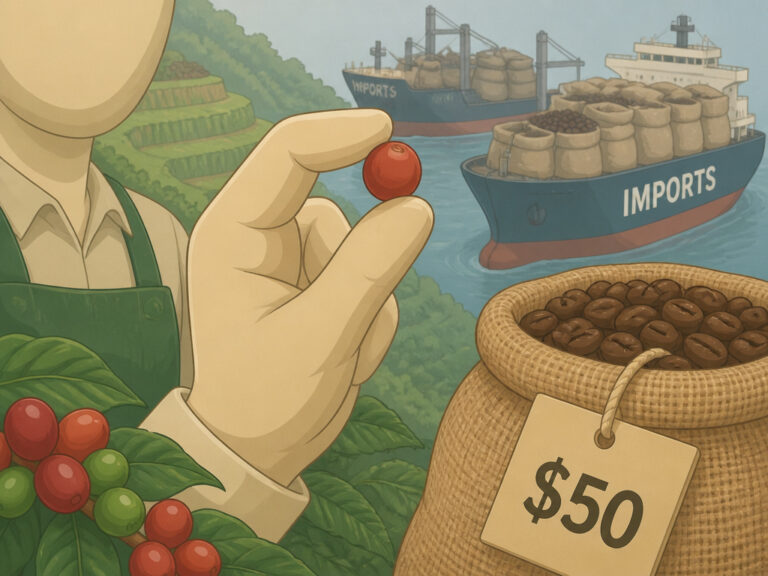
Discover where coffee is grown in the US, from Hawaii to California. Learn about production volume, challenges, and the future of American coffee farming.

Learn how to grow coffee beans successfully by matching elevation, temperature, and soil pH to your chosen variety. Get the specifics most guides gloss over.
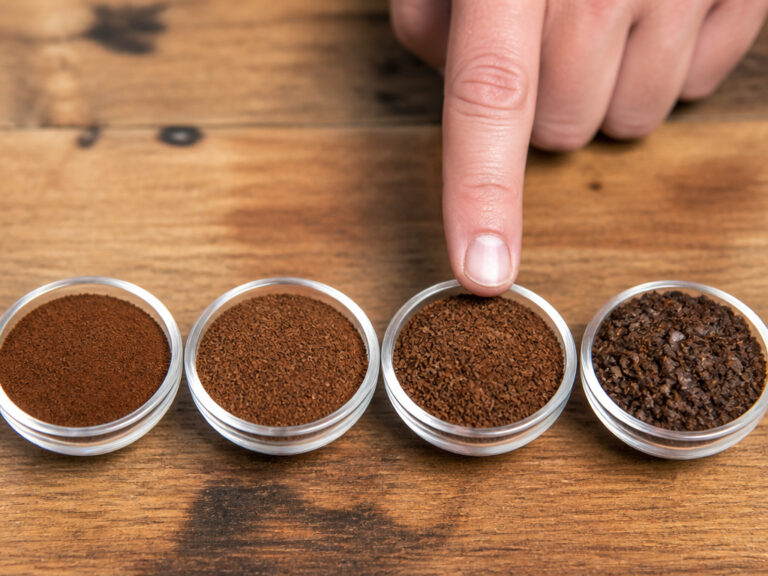
Learn how to grind coffee beans correctly for your brewing method. Avoid common mistakes that ruin flavor and damage your grinder.
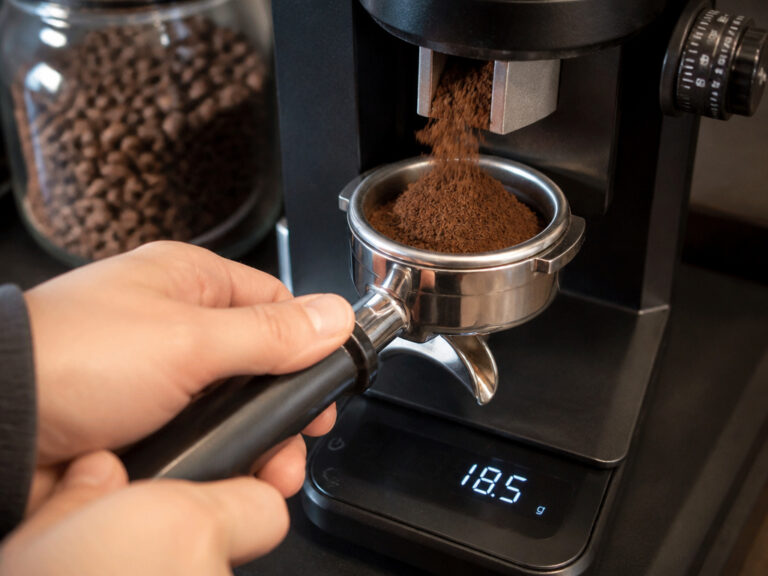
Learn how to crush coffee beans correctly. Why blade grinders ruin flavor, how to choose the right burr grinder, and the exact settings for every brew method.
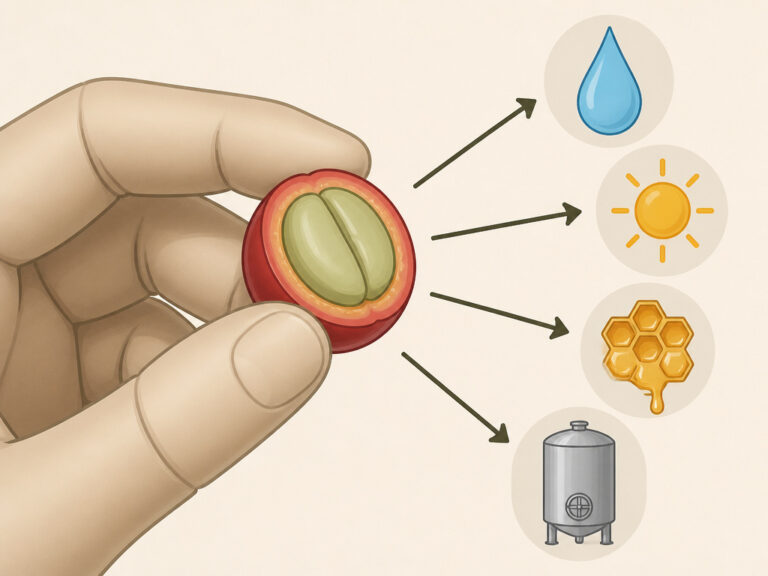
Stop wasting money on bad beans. Learn how to choose coffee beans with our essential tips for flavor, freshness, and brew method. Taste the difference!

Learn how to care for a coffee plant. Get the right light, water, and soil pH to keep your Coffea arabica healthy and growing. Start here.

Yes, you can eat coffee beans, but know the caffeine and digestive risks. Learn how many are safe and the real-world effects of snacking on them.

Yes, you can bring coffee beans on a plane in carry-on or checked bags. Follow TSA and USDA rules for ground, whole bean, and liquid coffee to avoid airport delays.