
What Country Is the Largest Coffee Producer? Key Facts
This post contains affiliate links. As an Amazon Associate, we earn from qualifying purchases.
Brazil is the largest coffee producer in the world, responsible for one-third of global production and over 2.36 million metric tons of exports annually. The country dominates Arabica supply while also growing Robusta, with its Minas Gerais state accounting for 82 percent of its certified specialty coffee cultivation on just 38,000 hectares of land.
Most people assume a country that big must be a monolith, pumping out uniform beans on an industrial scale. That misses the story. The real tension in Brazilian coffee is between its colossal volume and a small, hyper-focused specialty sector that punches far above its weight in flavor and value.
This guide breaks down where all that coffee comes from, what makes Brazilian beans distinct, and why the answer to “what country is the largest coffee producer” is just the first question.
Key Takeaways
- Brazil produced one-third of the world’s coffee in 2022, exporting over 2.36 million metric tons.
- While Brazil leads in Arabica production, Vietnam is the global leader for Robusta beans.
- Only 38,000 hectares in Brazil are dedicated to certified specialty coffee, with 82% of that land concentrated in Minas Gerais.
- Specialty coffee makes up 17.4% of Brazil’s export volume but generates 23.4% of its total coffee export value.
- Outside of Minas Gerais and northern São Paulo, limited post-harvest infrastructure holds back smallholder participation in the specialty market.
The Global Coffee Powerhouse
Brazil’s dominance isn’t a recent trend. It’s a function of scale, climate, and generations of agricultural investment. The country’s coffee belt spans multiple states, with varying altitudes and microclimates suited to different bean profiles. This geographic diversity allows Brazil to supply both the high-volume commercial market and the more nuanced specialty sector.
The numbers are staggering. A 2022 study in Scientific Reports placed Brazil’s share of global coffee production at one-third. That same year, the country exported over 2.36 million metric tons of coffee beans. Major destinations included the United States, Germany, Italy, Belgium, and Japan. This volume underpins the global coffee industry, from your grocery store shelf to the espresso in your local café.
Brazil’s coffee sector contributed over $5.1 billion in export value in 2019, according to an International Trade Centre analysis, solidifying its position as the world’s leading coffee exporter by a significant margin.
The sheer scale means Brazilian beans are everywhere, but they’re not all the same. The country grows both major coffee species: Arabica and Robusta. Brazil is the top global producer of the more delicate, higher-acidity Arabica bean. Vietnam, by contrast, leads in Robusta production, a species known for its stronger, more bitter flavor and higher caffeine content. Globally, about 60% of production is Arabica and 40% is Robusta.
TL;DR: Brazil grows one-third of the world’s coffee, is the top Arabica producer, and its exports are a multi-billion dollar pillar of the global trade.
Brazil vs. Vietnam: The Production Duel
Understanding Brazil’s position requires looking at its closest competitor: Vietnam. While Brazil’s output is immense, Vietnam has carved out its own indispensable niche. The difference comes down to species.
Brazil’s climate and topography are ideal for Arabica, which thrives at higher altitudes. Vietnam’s lowland regions are perfect for the hardier Robusta plant. This specialization creates a complementary global supply. Brazil fills the demand for specialty espresso blends and single-origin Arabica beans, while Vietnam supplies the robust, caffeine-forward beans for instant coffee and many commercial blends.
| Metric | Brazil | Vietnam |
|---|---|---|
| Primary Species | Arabica | Robusta |
| Global Rank | #1 Arabica producer | #1 Robusta producer |
| 2019 Export Value | $5.1 billion | $2.7 billion |
| Key Market Role | Specialty & commercial Arabica | Commercial Robusta & instant coffee |
| Notable Trait | Diverse regional profiles (e.g., Minas Gerais) | Consistent, high-caffeine output |
Colombia, often mentioned in the same breath, is a distant third in export value at $2.59 billion for 2019. Ethiopia, the birthplace of coffee, contributes significantly to the genetic diversity and specialty market but doesn’t compete on sheer volume.
The choice between a Brazilian or Vietnamese bean in your cup isn’t just about origin, it’s a choice between species. A single-origin coffee from Brazil’s Cerrado region will offer chocolate and nutty notes with low acidity. A Vietnamese Robusta will deliver a bold, earthy punch. Many popular coffee blends skillfully combine the two, using Brazilian Arabica for body and sweetness and Vietnamese Robusta for a caffeine kick and crema stability in espresso.
Inside Brazil’s Coffee Engine: Regions and Beans
Not all Brazilian coffee is created equal. The country’s output is a mosaic of regions, each with its own character. The state of Minas Gerais is the undisputed heartland, but understanding the others explains the breadth of flavors labeled “Brazilian.”
- Minas Gerais: This is where the magic happens for specialty coffee. Approximately 82% of Brazil’s certified specialty coffee cultivation, some 38,000 hectares, is located here. The region benefits from higher altitudes, developed production chains, and a concentration of certified warehouses and brokers.
- São Paulo: The northern part of this state, particularly around Mogiana, is another historic coffee region. It accounts for about 10% of the country’s specialty coffee area, or roughly 4,000 hectares. The infrastructure here is also relatively advanced.
- Espírito Santo: This state is a major producer, but its focus is different. It’s a stronghold for Robusta (known locally as Conilon) production, catering to the instant coffee and commercial blend markets.
- Bahia & Paraná: These states contribute to Brazil’s massive commercial output but have a smaller footprint in the certified specialty segment.
The processing method heavily influences the final cup profile. Most Brazilian specialty coffee producers use the semidry (pulped natural) process. This method, where the skin is removed but some mucilage is left on the bean during drying, creates a cup that is often sweeter and heavier-bodied than fully washed coffees, with less pronounced acidity. It’s a signature of the Brazilian profile.
TL;DR: Minas Gerais is the specialty coffee epicenter, São Paulo’s north is a secondary hub, and Espírito Santo drives the Robusta output, defining the diverse portfolio of Brazilian coffee.
Brazil’s Specialty Coffee Landscape
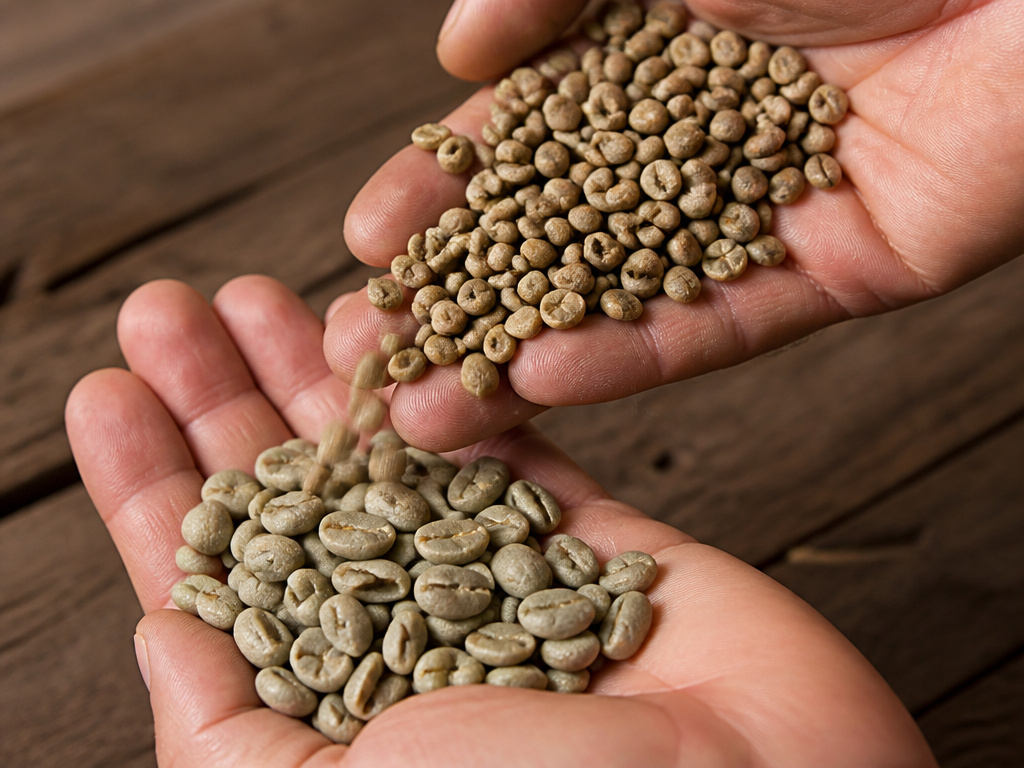
The specialty segment is where Brazilian coffee gets really interesting. While the country’s name is synonymous with volume, a small but mighty fraction of its output competes with the world’s best for complexity and price.
In 2022, Brazil had 1.872 million hectares dedicated to coffee harvesting. Of that vast area, only 38,000 hectares were used for certified specialty coffees. That’s about 2%. This tiny sliver of land, however, generates an outsized economic return. Specialty coffee accounted for 17.4% of Brazil’s total coffee export volume but generated 23.4% of the total export value. Quality, not just quantity, pays.
Common mistake: Assuming all Brazilian coffee is bland or commercial, the 38,000 hectares of certified specialty land in Minas Gerais and São Paulo produce beans that command premium prices for their unique chocolate, nutty, and low-acid profiles.
This value premium is a powerful incentive for farmers, but participation isn’t equal. The Scientific Reports Brazil coffee study highlights a critical structural gap: outside of Minas Gerais and northern São Paulo, there is limited access to post-harvest infrastructure like washers, pulpers, and dryers. There’s also unequal access to technical assistance and a low number of certified warehouses and exporters.
This means a smallholder in Bahia with fantastic terroir might struggle to process and bring their coffee to the specialty market. The beans might be sold as commercial-grade instead, missing the value premium. This infrastructure bottleneck is the single biggest barrier to expanding Brazil’s specialty footprint beyond its current core regions.
How Coffee Production Shapes Your Cup
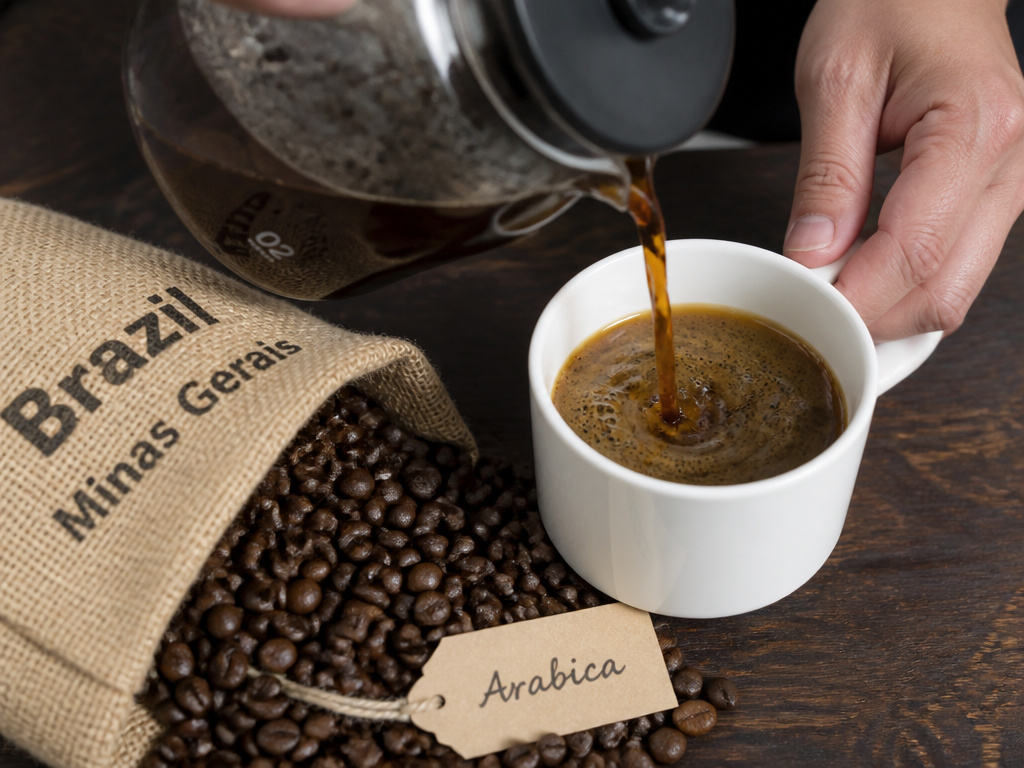
The scale and specialization of Brazilian production directly affect what’s in your bag and how it tastes. The dominance of the semidry process creates a specific flavor profile that has become a cornerstone of coffee blending worldwide.
Brazilian beans, especially from regions like Cerrado within Minas Gerais, are prized for their:
* Low Acidity: Makes them incredibly approachable and easy to drink.
* Full Body: Provides a creamy, substantial mouthfeel.
* Dominant Notes of Chocolate & Nuts: Think milk chocolate, hazelnut, and peanut butter.
These characteristics make Brazilian Arabica beans the perfect “base” coffee in a blend. They provide sweetness and body without overpowering acidity or fruity notes. For roasters creating a balanced espresso blend, a high-quality Brazilian bean is often the foundation. Your morning brewed coffee from a major chain likely contains a significant percentage of Brazilian Arabica for its consistent, crowd-pleasing taste.
For the home brewer, this means Brazilian beans are exceptionally forgiving. They work well across a range of coffee brewing methods, from French press to drip, without presenting challenging acidic or tart notes. They’re also a fantastic starting point for those new to single-origin coffee, offering a clear, classic coffee flavor. When you move to a light roast or blonde roast beans, these inherent chocolatey notes can develop into more caramelized sugar sweetness.
The Economic and Logistical Backbone
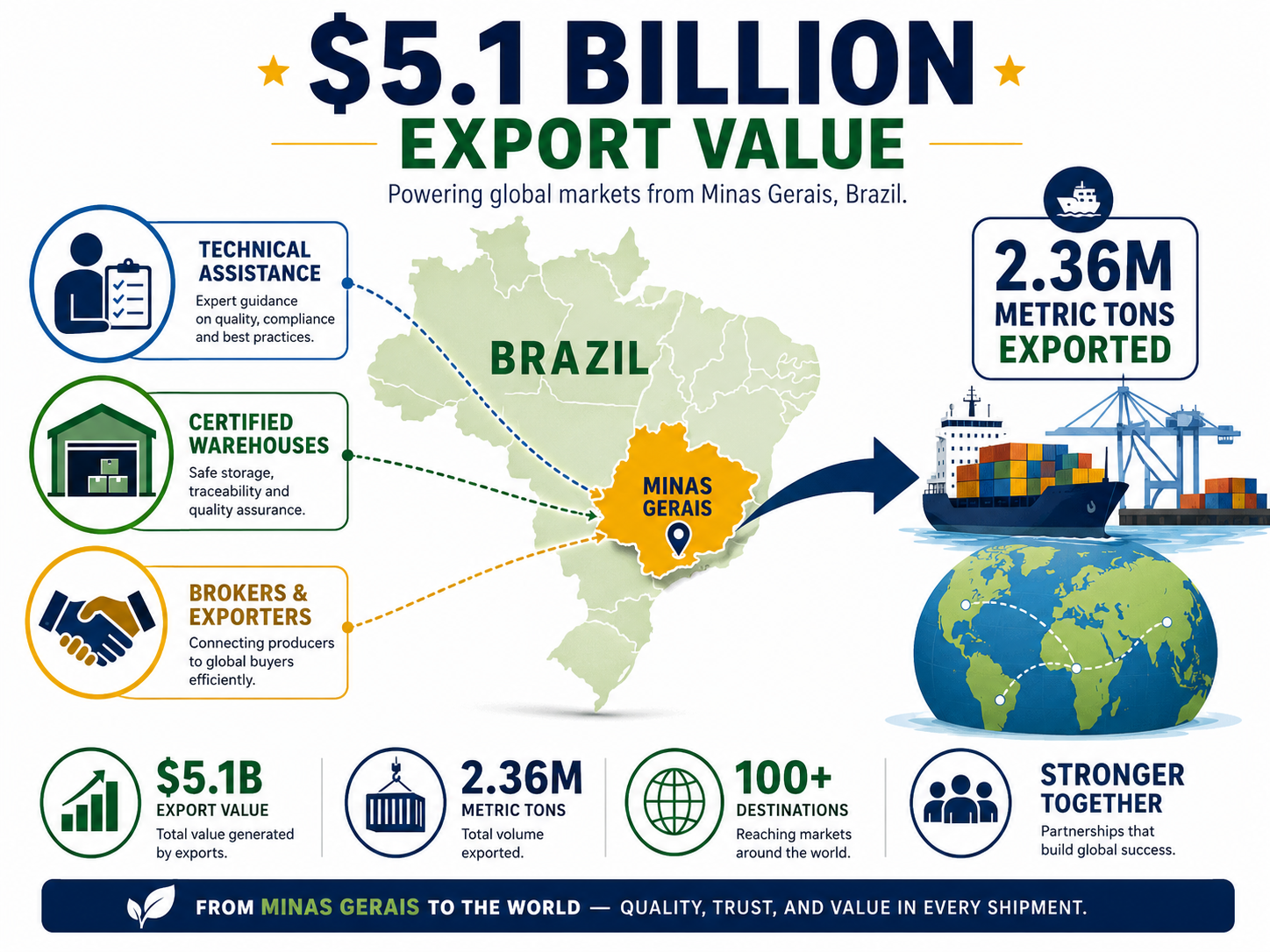
Coffee is a cornerstone of the Brazilian economy, and its journey from farm to port is a marvel of logistics. The country’s export figures, over 2.36 million metric tons in 2022, represent a constant flow of green beans moving across oceans. This volume relies on a sophisticated network of internal transport, port facilities, and trade agreements.
The economic impact is clear in the ITC global coffee report. The $5.1 billion in export value from 2019 supports millions of jobs, from farm laborers to warehouse operators, agronomists, and exporters. This economic engine, however, faces challenges. The beginning of 2020 saw the COVID-19 pandemic exacerbate existing issues of price volatility and market access, hitting smaller producers hardest.
The infrastructure advantage in regions like Minas Gerais isn’t just about roads. It includes access to:
1. Technical Assistance: Agronomists who help farmers improve yield and quality.
2. Certified Warehouses: Facilities that can store and handle specialty-grade lots separately, preserving their identity and quality.
3. Brokers & Exporters: Specialized firms that connect farmers with international buyers willing to pay premiums for quality.
Where this network is thin, farmers are forced to sell their crop to local consolidators at commodity prices, regardless of its potential quality. This is why the geographic concentration of specialty production is so pronounced. Building out this infrastructure is the next frontier for expanding Brazil’s high-value coffee sector.
TL;DR: Brazil’s coffee economy is worth billions and relies on advanced logistics, but the specialty sector’s growth is limited by a lack of processing infrastructure outside its two main hubs.
Frequently Asked Questions
What country is the largest producer of coffee beans?
Brazil is the largest producer of coffee beans in the world. It is responsible for approximately one-third of global coffee production and is the leading exporter, with shipments exceeding 2.36 million metric tons in 2022. It dominates the production of Arabica beans, while Vietnam leads in Robusta production.
Is Brazil the largest producer of coffee?
Yes, Brazil has been the world’s largest coffee producer for over a century. Its production volume consistently surpasses that of Vietnam, Colombia, and Ethiopia. Official USDA coffee production data and reports from the International Trade Centre confirm Brazil’s sustained leadership in both volume and export value.
Which country is the second largest coffee producer?
Vietnam is the second-largest coffee producer globally. However, its production is focused almost entirely on the Robusta species, which is higher in caffeine and often used in instant coffee and espresso blends for crema. Vietnam’s export value was $2.7 billion in 2019, compared to Brazil’s $5.1 billion.
What type of coffee does Brazil produce the most of?
Brazil produces the most Arabica coffee in the world. While it also grows Robusta (especially in Espírito Santo state), its climate and vast highlands are ideally suited for Arabica cultivation. The flavor profiles of Brazilian Arabica are typically characterized by low acidity, a full body, and notes of chocolate and nuts, making them a staple in blends and single-origin offerings.
Before You Go
Brazil’s title as the largest coffee producer is about more than just quantity. It’s about a dual identity: a volume giant that also nurtures a precious, high-value specialty sector on just 38,000 hectares. The chocolatey, low-acid beans from Minas Gerais that form the backbone of your favorite blend exist alongside the vast commercial output that keeps the world caffeinated.
The next time you sip a cup, remember the geography in your mug. That balanced, sweet profile likely started on a Brazilian hillside. And if you explore a single-origin coffee from the Cerrado region, you’re tasting the result of generations of cultivation focused on one very specific, and very dominant, piece of the global coffee puzzle.
{
“@context”: “https://schema.org”,
“@type”: “FAQPage”,
“mainEntity”: [
{
“@type”: “Question”,
“name”: “What country is the largest producer of coffee beans?”,
“acceptedAnswer”: {
“@type”: “Answer”,
“text”: “Brazil is the largest producer of coffee beans in the world. It is responsible for approximately one-third of global coffee production and is the leading exporter, with shipments exceeding 2.36 million metric tons in 2022. It dominates the production of Arabica beans, while Vietnam leads in Robusta production.”
}
},
{
“@type”: “Question”,
“name”: “Is Brazil the largest producer of coffee?”,
“acceptedAnswer”: {
“@type”: “Answer”,
“text”: “Yes, Brazil has been the world’s largest coffee producer for over a century. Its production volume consistently surpasses that of Vietnam, Colombia, and Ethiopia. Official USDA coffee production data and reports from the International Trade Centre confirm Brazil’s sustained leadership in both volume and export value.”
}
},
{
“@type”: “Question”,
“name”: “Which country is the second largest coffee producer?”,
“acceptedAnswer”: {
“@type”: “Answer”,
“text”: “Vietnam is the second-largest coffee producer globally. However, its production is focused almost entirely on the Robusta species, which is higher in caffeine and often used in instant coffee and espresso blends for crema. Vietnam’s export value was $2.7 billion in 2019, compared to Brazil’s $5.1 billion.”
}
},
{
“@type”: “Question”,
“name”: “What type of coffee does Brazil produce the most of?”,
“acceptedAnswer”: {
“@type”: “Answer”,
“text”: “Brazil produces the most Arabica coffee in the world. While it also grows Robusta (especially in Espírito Santo state), its climate and vast highlands are ideally suited for Arabica cultivation. The flavor profiles of Brazilian Arabica are typically characterized by low acidity, a full body, and notes of chocolate and nuts, making them a staple in blends and single-origin offerings.”
}
}
]
}
