
What Is Sumatra Coffee? The Wet-Hulled Bean’s Unique Flavor
Sumatra coffee is a full-bodied, low-acidity coffee from Indonesia, defined by its unique giling basah (wet-hulling) post-harvest process. This method, where the parchment is removed from the bean at 30–35% moisture, creates its signature earthy, herbal, and spicy flavor profile, often with notes of cedar, tobacco, and dark chocolate.
Most descriptions stop at “earthy and full-bodied.” They miss the grading quirks, the regional fights between cup quality and bean appearance, and the real reason your last bag might have tasted like wet cardboard. The island’s humid ports and market guarantees create a product that can be legendary or lazy, sometimes in the same sack.
This guide moves past the commodity talking points. We’ll look at what the wet-hulling process actually does, why a Grade 1 label doesn’t guarantee a good cup, and how to pick and brew Sumatra to get the complex, syrupy experience it’s famous for.
Key Takeaways
- Sumatra’s defining earthy and spicy flavor comes from giling basah, a wet-hulling process that ferments the bean while it’s still damp.
- The official Grade 1 quality rating is based on cup defects, not bean appearance. A bag of ugly, mottled beans can be top-grade, while pretty beans can taste terrible.
- Regional variations matter. Mandheling is classic and balanced, Lintong offers citrus and cocoa, and Gayo Highlands (Aceh) delivers bold spice and tobacco.
- Roast just to the verge of second crack, not into it. Pushing it darker burns off the nuanced herbal notes and leaves you with just charcoal and body.
- Brew with slightly hotter water (96-98°C) and a coarser grind to fully extract its dense body without pulling out bitter, astringent notes.
The Island and Its Bean: Sumatra’s Coffee Origin Story
Arabica coffee came to Sumatra in the 18th century under Dutch colonial rule, first taking root around Lake Tawar in Aceh. The island’s geography did the rest. Volcanic soil, high humidity, and altitudes between 1,000 and 1,600 meters create an ideal, if challenging, environment for coffee. This isn’t plantation country. Roughly 60% of Indonesia’s coffee comes from Sumatra, and most of it is grown on small-holder farms, plots ranging from a hundred trees to a couple of hectares.
These family farms are the backbone. The work is often done by hand, a tradition that persists in places like La Hat, where you can still find century-old coffee gardens. The beans are picked cherry by cherry. This scale and method influence everything, from the inconsistent bean size you’ll see in your grinder to the potential for both incredible care and unfortunate shortcuts in processing. The story of your cup starts with these conditions.
The fertile volcanic soil and tropical climate give the coffee this deep, rich, earthy flavor you can’t find anywhere else. Indonesia is the fourth largest coffee producer in the world. But what’s amazing is how the coffee is still grown and processed by mostly small holder farmers. That tradition matters.
TL;DR: Sumatra’s coffee character is born from its volcanic highlands and is almost entirely produced by small-scale farmers using traditional methods, which adds both charm and variability to the final product.
Giling Basah: The Wet-Hulling Process Defined
Forget washed or natural process. Sumatra runs on giling basah, which translates to “wet grinding” or wet-hulling. This is the non-negotiable source of its flavor. Here’s how it breaks from the standard coffee playbook.
First, farmers depulp the cherries, usually with a hand-cranked machine, leaving the bean inside its mucilage and parchment layer. These beans ferment in a water tank for maybe a day, much less than a fully washed process. Then, they’re partially sun-dried. The critical moment comes when the beans still have 30–35% moisture content. At this damp stage, the parchment is mechanically hulled off.
That’s the twist. In every other method, beans are dried to around 11% moisture before hulling. Hulling wet beans is like peeling a waterlogged almond. It stresses the bean, making it more porous and prone to absorbing flavors from its environment during the final drying phase. This is where the earthy, funky, and sometimes barnyard notes develop. It also gives the green beans their distinctive blue-green hue and often bent, irregular shape.
| Processing Step | Standard Washed Process | Sumatra Wet-Hulling (Giling Basah) |
|---|---|---|
| Initial Drying | Beans dried to ~11% moisture inside parchment. | Beans sun-dried to 30–35% moisture. |
| Hulling Timing | Parchment removed after bean is dry. | Parchment removed while bean is still damp. |
| Bean Appearance | Consistent, green color. | Blue-green, often misshapen or bent. |
| Primary Flavor Influence | Clean, highlights origin characteristics. | Earthy, spicy, full-bodied, sometimes funky. |
The final drying happens on tarps or patios after hulling. This is another vulnerability. If the weather turns or the beans are piled too high, you get mold or over-fermentation. Done right, you get the singular, syrupy body Sumatra is known for. Done wrong, it’s a muddy, sour mess.
TL;DR: Wet-hulling removes the bean’s parchment at high moisture, creating a porous bean that absorbs earthy flavors during final drying, resulting in the classic Sumatra profile.
The Flavor Profile of Sumatra Coffee
Ask the internet, and you’ll get “earthy, full-bodied, low acidity.” That’s true, but it’s the baseline. It’s like describing wine as “grapey.” The wet-hulling process builds a foundation of deep, savory notes. Think wet cedar, fresh tobacco leaf, dark chocolate, and often a distinct herbal quality like sage or licorice. The acidity is muted, which makes the coffee seem smoother but can also hide flaws.
The body is the star. It’s not just heavy; it’s syrupy, coating your mouth in a way that feels substantial. This makes it a favorite for espresso blends, where it adds weight and crema without sharp acidity cutting through.
But here’s where the commodity description fails. Within that earthy framework, specific regions throw punches in different directions. Relying on a generic “Sumatra” label means you might miss what you actually like.
- Mandheling: The classic. Expect balanced earthiness, dark chocolate, and a subtle sweetness. It’s the benchmark.
- Lintong: Grown around Lake Toba. Often brighter, with hints of citrus zest, cocoa, and even floral undertones peeking through the body.
- Gayo Highlands (Aceh): This is the spice route. Notes of tobacco, licorice, and sometimes a peppery kick are common. The body is intense.
Common mistake: Brewing Sumatra with a fine grind and cool water, the dense beans won’t extract fully, leaving you with a weak, sour cup that misses the entire point of its body.
Your brewing method changes the spotlight. In a French press, the body and earthy notes dominate. In a pour-over, you might catch more of the subtle herbal or citrus highs. The trick is to extract enough to get the syrup without pulling out bitterness.
TL;DR: Sumatra offers a syrupy body and low acidity over a base of earthy, spicy notes, with distinct regional variations ranging from balanced chocolate to bright citrus or bold tobacco.
Navigating Quality: Grading, Buying, and the Ugly Truth
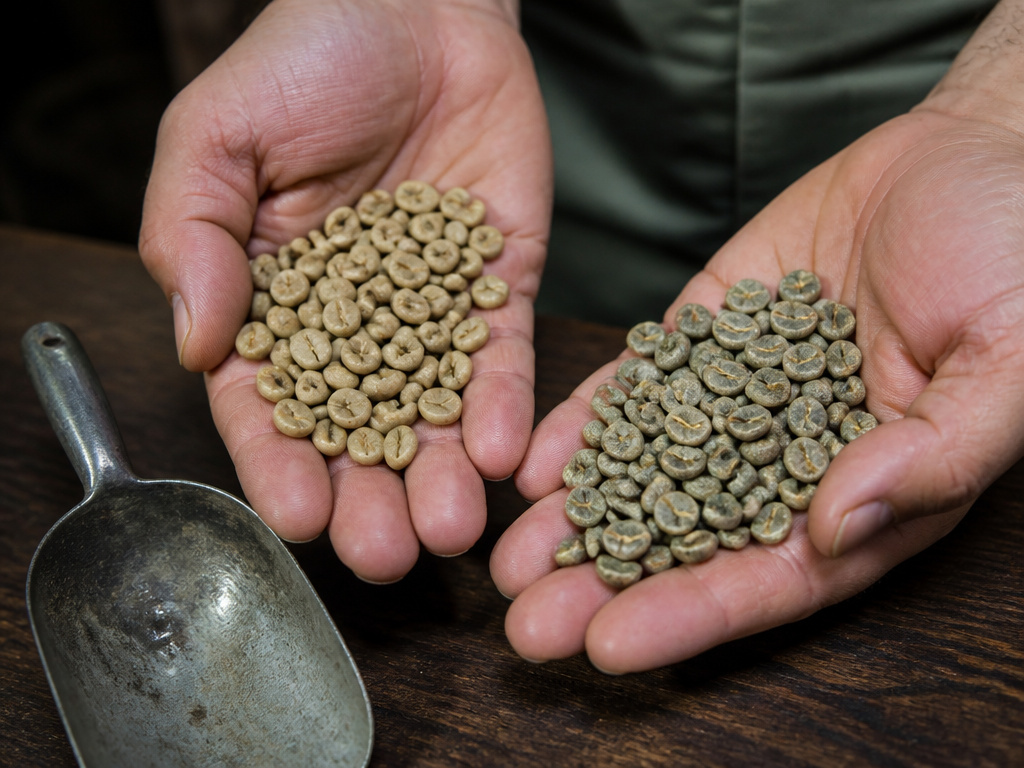
This is the part that frustrates roasters and can disappoint drinkers. Sumatra’s grading system, overseen by the Indonesian government, is primarily based on defects in the cup, not the physical appearance of the green bean. A Grade 1 coffee is allowed zero primary defects (like full black beans, severe insect damage) and a very limited number of secondary defects in a tasting assessment.
The result? A bag of Grade 1 Sumatra can be filled with small, bluish, bent, and mottled beans. They look terrible next to a uniform Colombian Supremo. Conversely, a physically pretty batch can cup poorly and be graded lower. The system prioritizes taste over aesthetics, which is philosophically sound but practically confusing.
The market dynamic adds another layer. As one green coffee buyer bluntly put it, “What’s the incentive to pick and prepare coffee better when the market guarantees a premium anyway?” The Sumatra name carries a price tag. This can lead to practices like blending old crop with new crop early in the harvest season, which dampens the vibrant flavors of the new beans.
Then there’s the port of Medan. It’s humid. Coffee waiting to ship can absorb moisture. Some exporters will “flash dry” beans in the hot sun to hit the correct moisture level for shipping. That rapid drying “ruins cup quality,” leaving a flat, cardboard-like taste. When your Sumatra tastes bland and papery, this is often why.
| Quality Factor | What It Means for Your Cup | How to Spot It (Before Brewing) |
|---|---|---|
| Grade 1 (Zero Defects) | Should be free of off-flavors like phenol, mold, or severe earthiness. | Bean appearance is irrelevant. Look for a reputable roaster’s description. |
| Old Crop Blend | Muted, less vibrant flavors; lacks the fresh herbal or spice notes. | Hard to spot. Buy from roasters who list harvest dates or “new crop.” |
| Flash-Dried Beans | Flat, papery, or cardboard-like taste; missing the signature complexity. | Impossible to see. Again, trust your roaster’s sourcing transparency. |
Your best defense is buying from a roaster who talks about their source, not just the region. Look for specific co-ops, estates, or at the very least, a harvest year. “Sumatra Mandheling” is a start. “Sumatra Mandheling, Tano Batak Co-op, 2024 harvest” is what you want.
TL;DR: Sumatra’s Grade 1 rating is based on taste, not looks, and market incentives can lead to blended crops or rushed drying, buy from transparent roasters who specify sources.
How to Roast and Brew Sumatra Coffee
Roasters have a love-hate relationship with Sumatra. The beans are dense, irregular, and carry a lot of moisture. The standard advice is to take it slow and steady, letting the heat penetrate evenly. The real pro tip is about endpoint.
I won’t recommend taking a Sumatra coffee deep into second crack. The beans already have deep, savory notes. Pushing them to a French or Italian roast just burns off the interesting herbal highs and leaves you with charcoal and body. You paid for the complexity, don’t roast it out.
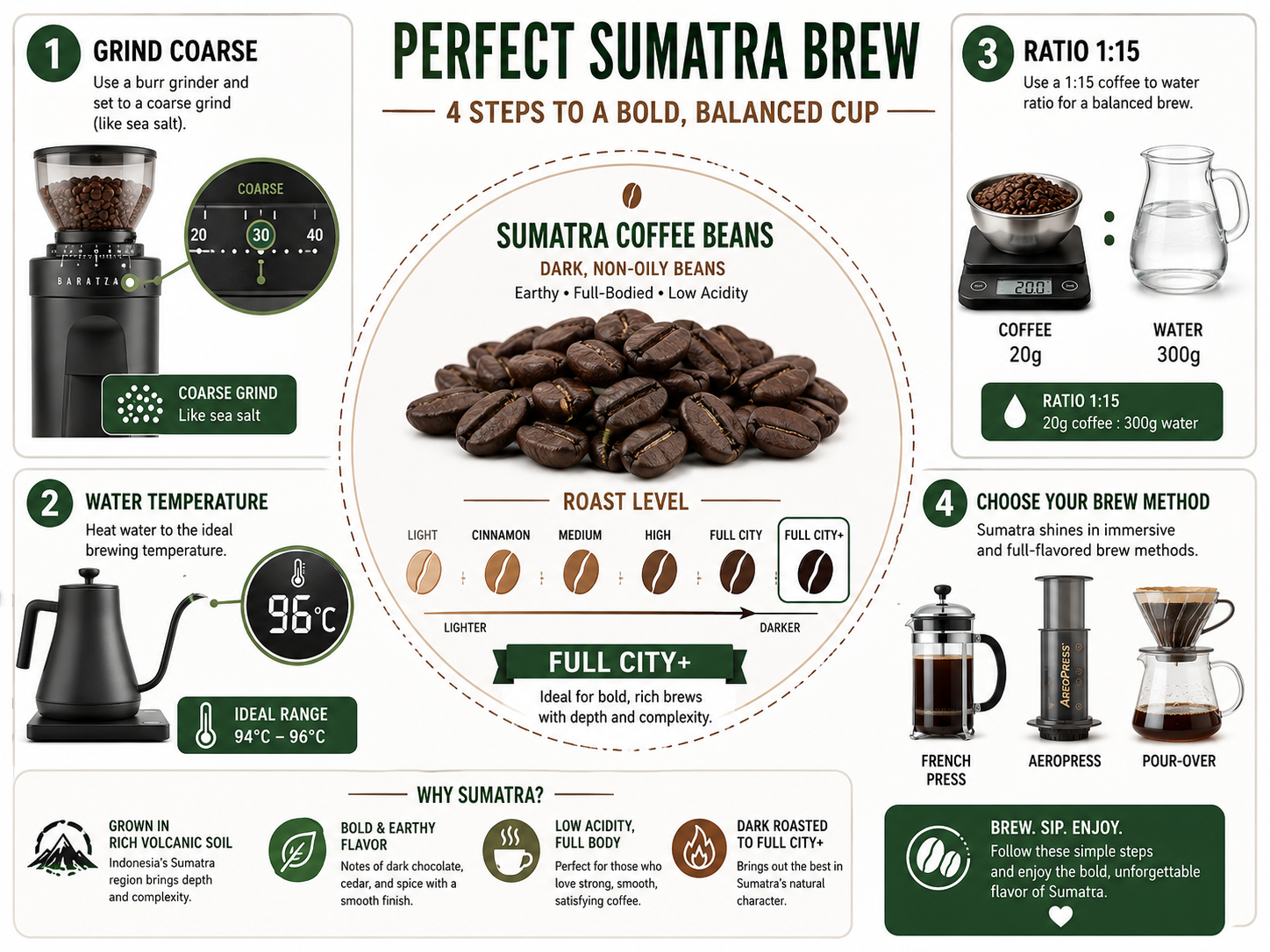
Aim for a full city to full city+ roast. That’s just to the verge of second crack, where the beans are dark but not oily. You’ll hear the first snaps of second crack starting, and that’s your cue to drop the roast. This preserves the licorice, cedar, and tobacco notes while still developing the body and chocolate.
For brewing, you’re fighting density and low acidity. Your goal is full extraction without astringency.
- Grind coarser than you think. Start one click coarser on your grinder than you would for a similar African coffee. A burr coffee grinder is non-negotiable here for consistency.
- Use hotter water. Try 96-98°C (205-208°F). The extra heat helps wrestle the flavors out of those dense beans.
- Increase the ratio slightly. If you usually use a 1:16 coffee-to-water ratio, try 1:15. The body can support it, and it ensures strength.
- Choose a forgiving method. French press and Aeropress are great. For pour-over, use a medium grind and a steady, slow pour to increase contact time.
If your cup tastes flat, it’s under-extracted, go finer or hotter. If it’s bitter and ashy, it’s over-extracted, go coarser or cooler. The sweet spot is a velvety, heavy cup with a clear earthy or spicy note and no sour edge.
TL;DR: Roast to the edge of second crack, brew with hotter water and a slightly coarser grind to fully extract the dense bean without bitterness.
Regional Deep Dive: Mandheling, Lintong, and Gayo
While giling basah unites them, soil and microclimate pull them apart. Knowing the regions helps you pick a profile you’ll actually enjoy.
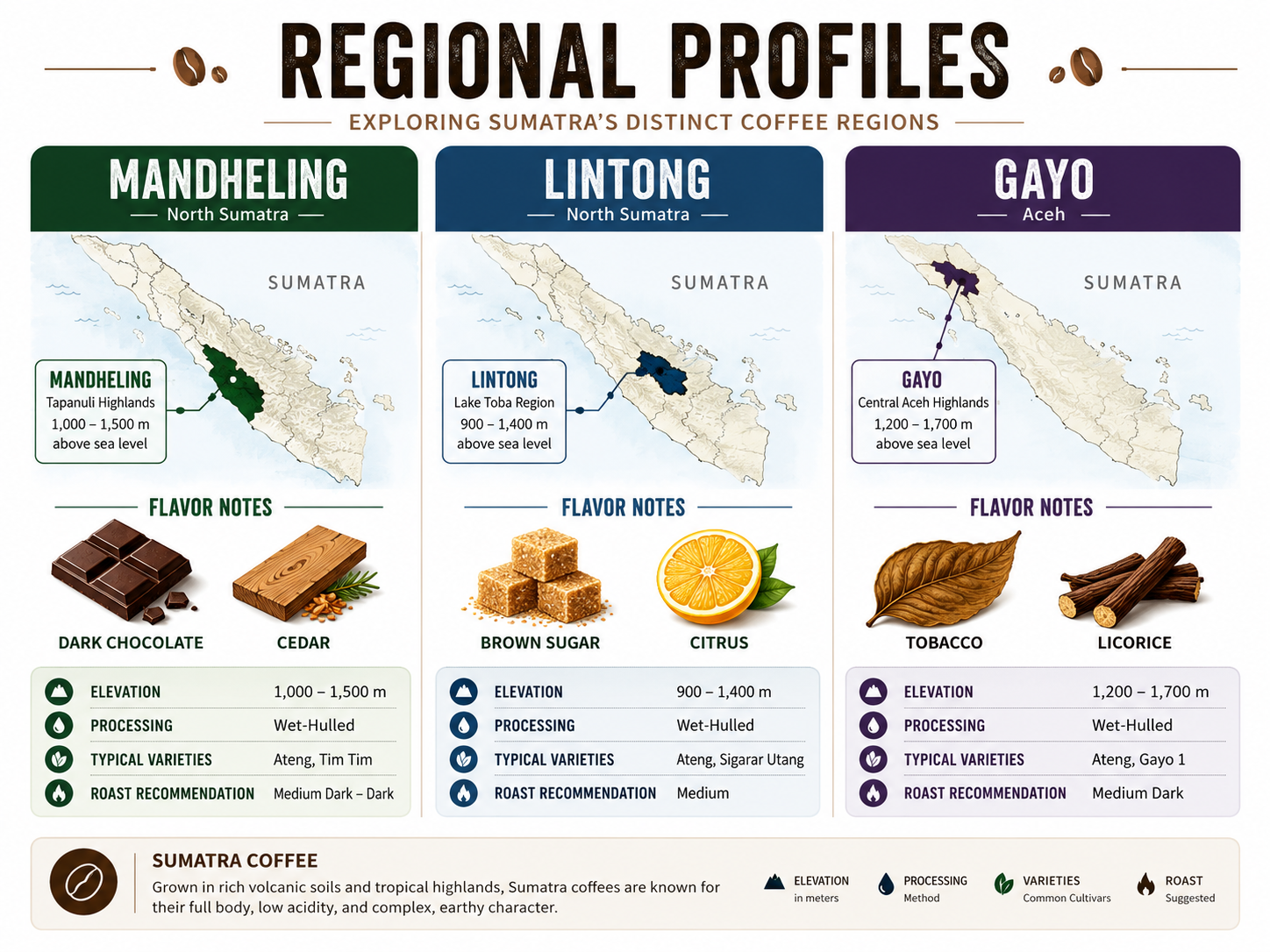
Mandheling isn’t a place on a map; it’s a marketing term from the Mandheling people. The coffee comes from a broad area around Bukittinggi. This is your standard-bearer: heavy body, low acidity, with notes of dark chocolate, cedar, and a distinct earthiness. It’s the safe, satisfying choice.
Lintong is more specific, grown on the highlands surrounding Lake Toba. The soil is different, and the cup often reflects it. You still get the body, but the earthiness is cleaner. Look for a sweetness that leans toward brown sugar, with hints of citrus zest and sometimes a floral aroma. It’s a more complex, nuanced expression of the wet-hulled process.
Gayo Highlands, in Aceh, is the wild card. The spice notes are front and center: tobacco, licorice, sometimes even a peppery finish. The body is intense, and the earthiness can be more herbal than woody. This is the Sumatra you choose when you want to be challenged, not just comforted.
Trying a single-origin coffee from each region side-by-side is the best education. You’ll instantly understand how processing sets the stage, but terrain writes the script.
Frequently Asked Questions
Is Sumatra coffee strong?
It is full-bodied and intense in flavor, but not necessarily high in caffeine. The perceived “strength” comes from its heavy, syrupy mouthfeel and deep earthy notes, not caffeine content. An average cup of Sumatra has similar caffeine levels to any other Arabica coffee.
What’s the difference between Sumatra and regular coffee?
“Regular” coffee is too vague. Compared to a bright, acidic African coffee like Ethiopian Yirgacheffe, Sumatra is its opposite: low-acid, high-body, and earthy versus fruity. Compared to a balanced Central American coffee, Sumatra has more herbal spice and a heavier texture due to its unique wet-hulling process.
Is Sumatra coffee good for espresso?
Yes, it’s a classic component in many espresso blends. Its low acidity doesn’t fight with milk, and its massive body creates a thick, creamy crema and a lingering aftertaste. As a single-origin espresso, it makes a bold, syrupy shot that highlights chocolate and spice notes.
Why is my Sumatra coffee so bitter?
You’re likely over-extracting it. Sumatra’s dense beans require a coarser grind and/or slightly cooler water than you might use for other coffees. If you’re using a blade grinder, the inconsistent powder will simultaneously under-extract and over-extract, creating a bitter, sour mess. Switch to a burr grinder and coarsen up.
Is Sumatra coffee low acid?
Yes, it is one of the most famous low-acid coffees. The wet-hulling process and the bean’s mineral composition from the volcanic soil result in very little of the bright, tart acidity found in coffees from East Africa or Central America. This makes it a popular choice for people with sensitive stomachs.
Can you use Sumatra coffee in a cold brew?
Absolutely. Its low acidity and big body translate wonderfully to cold brew. The long, cold extraction pulls out deep chocolate, cedar, and spice notes without any sharpness. It results in a smooth, incredibly full-bodied cold coffee that stands up well to milk or drinking straight.
Before You Go
Sumatra coffee isn’t a monolith. It’s a spectrum running from balanced chocolatey comfort to spicy, herbal intensity, all built on a foundation of unrivaled body. The wet-hulling process is the master key to that flavor, but it also introduces quirks in quality and consistency that you don’t find elsewhere.
Your move is to become a slightly smarter buyer. Look past the Grade 1 label and seek roasters who name their sources. Remember that ugly beans can be beautiful in the cup. And when you brew, respect the bean’s density with hotter water and a patient extraction. When you get it right, that cup of syrupy, earthy, complex coffee is a taste of place you can’t replicate anywhere else on earth.
{
“@context”: “https://schema.org”,
“@type”: “HowTo”,
“name”: “How to Brew Sumatra Coffee for Its Signature Flavor”,
“totalTime”: “PT10M”,
“tool”: [
{
“@type”: “HowToTool”,
“name”: “Burr coffee grinder”
},
{
“@type”: “HowToTool”,
“name”: “Pour-over dripper or French press”
},
{
“@type”: “HowToTool”,
“name”: “Gooseneck kettle”
}
],
“step”: [
{
“@type”: “HowToStep”,
“name”: “Grind for your method”,
“text”: “Use a medium-coarse grind for French press, medium for pour-over. A burr coffee grinder provides the necessary consistency.”
},
{
“@type”: “HowToStep”,
“name”: “Use a higher brew ratio”,
“text”: “Start with a 1:15 coffee-to-water ratio. Sumatra’s density and low acidity can handle slightly more water without tasting weak.”
},
{
“@type”: “HowToStep”,
“name”: “Adjust water temperature”,
“text”: “Use water just off the boil, around 96-98°C (205-208°F). The extra heat helps extract the coffee’s full body and complex spice notes.”
},
{
“@type”: “HowToStep”,
“name”: “Brew and taste”,
“text”: “Complete your brew. The cup should be full-bodied with low acidity. If it tastes flat or muddy, use a coarser grind next time.”
}
]
}
{
“@context”: “https://schema.org”,
“@type”: “FAQPage”,
“mainEntity”: [
{
“@type”: “Question”,
“name”: “Is Sumatra coffee strong?”,
“acceptedAnswer”: {
“@type”: “Answer”,
“text”: “It is full-bodied and intense in flavor, but not necessarily high in caffeine. The perceived \”strength\” comes from its heavy, syrupy mouthfeel and deep earthy notes, not caffeine content. An average cup of Sumatra has similar caffeine levels to any other Arabica coffee.”
}
},
{
“@type”: “Question”,
“name”: “What’s the difference between Sumatra and regular coffee?”,
“acceptedAnswer”: {
“@type”: “Answer”,
“text”: “\”Regular\” coffee is too vague. Compared to a bright, acidic African coffee like Ethiopian Yirgacheffe, Sumatra is its opposite: low-acid, high-body, and earthy versus fruity. Compared to a balanced Central American coffee, Sumatra has more herbal spice and a heavier texture due to its unique wet-hulling process.”
}
},
{
“@type”: “Question”,
“name”: “Is Sumatra coffee good for espresso?”,
“acceptedAnswer”: {
“@type”: “Answer”,
“text”: “Yes, it’s a classic component in many espresso blends. Its low acidity doesn’t fight with milk, and its massive body creates a thick, creamy crema and a lingering aftertaste. As a single-origin espresso, it makes a bold, syrupy shot that highlights chocolate and spice notes.”
}
},
{
“@type”: “Question”,
“name”: “Why is my Sumatra coffee so bitter?”,
“acceptedAnswer”: {
“@type”: “Answer”,
“text”: “You’re likely over-extracting it. Sumatra’s dense beans require a coarser grind and/or slightly cooler water than you might use for other coffees. If you’re using a blade grinder, the inconsistent powder will simultaneously under-extract and over-extract, creating a bitter, sour mess. Switch to a burr grinder and coarsen up.”
}
},
{
“@type”: “Question”,
“name”: “Is Sumatra coffee low acid?”,
“acceptedAnswer”: {
“@type”: “Answer”,
“text”: “Yes, it is one of the most famous low-acid coffees. The wet-hulling process and the bean’s mineral composition from the volcanic soil result in very little of the bright, tart acidity found in coffees from East Africa or Central America. This makes it a popular choice for people with sensitive stomachs.”
}
},
{
“@type”: “Question”,
“name”: “Can you use Sumatra coffee in a cold brew?”,
“acceptedAnswer”: {
“@type”: “Answer”,
“text”: “Absolutely. Its low acidity and big body translate wonderfully to cold brew. The long, cold extraction pulls out deep chocolate, cedar, and spice notes without any sharpness. It results in a smooth, incredibly full-bodied cold coffee that stands up well to milk or drinking straight.”
}
}
]
}
