Baking Ingredient Guide: Espresso Powder vs Instant Coffee
Espresso powder is a baking concentrate, not a drink. Instant coffee dissolves in water. Learn when to use each and why mixing them up ruins recipes.

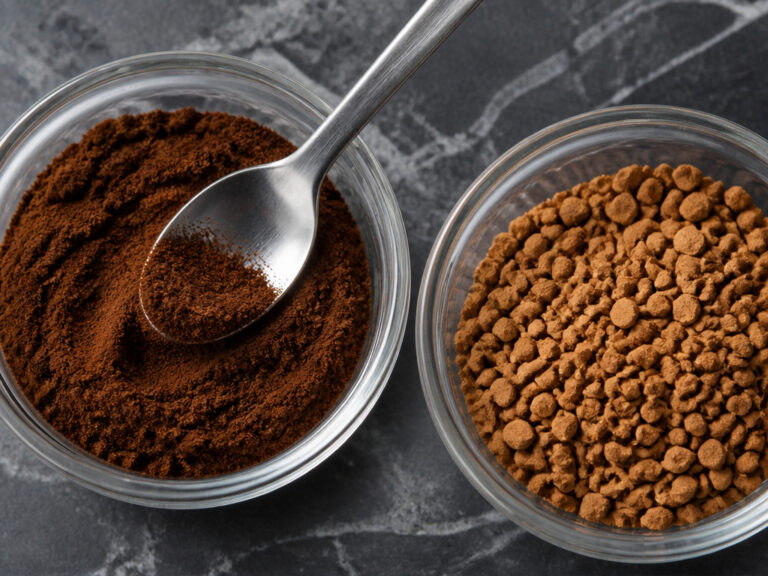
Espresso powder is a baking concentrate, not a drink. Instant coffee dissolves in water. Learn when to use each and why mixing them up ruins recipes.
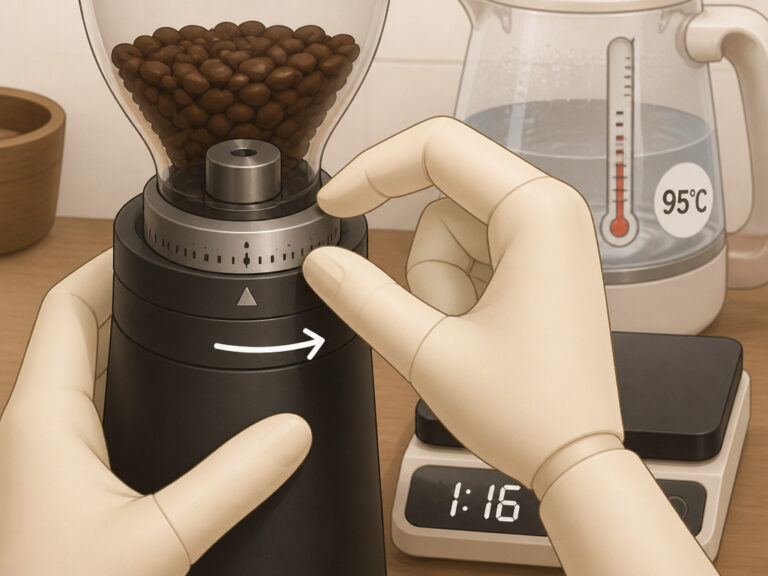
Does decaf coffee taste different? Discover how decaffeination methods like Swiss Water affect flavor and learn expert tips for brewing the perfect cup.
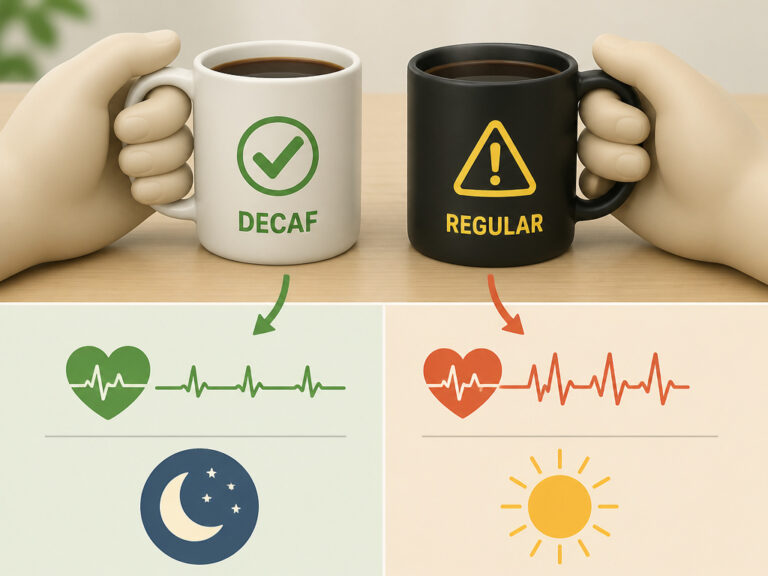
Does decaf coffee have health benefits? Learn about its antioxidant content, impact on disease, and how it compares to regular coffee. Get the full story now!
Find the best tea to replace coffee based on caffeine, flavor, and the calming L-theanine effect. We compare black, green, and herbal options.

Does tea have less caffeine than coffee? Yes, but not always. Compare brewing data, serving sizes, and the surprising factors that change the answer.

Discover the real difference between espresso grounds and coffee grounds: grind size, brewing methods, and which one you should actually use.

Drip coffee vs French Press: a clear comparison of flavor, control, and cost. Find out which brewing method fits your daily routine and coffee preference.

Yes, decaf coffee has caffeine. We explain the precise amounts, the FDA’s role, and the key factors that affect your final drink. Start making better choices today!
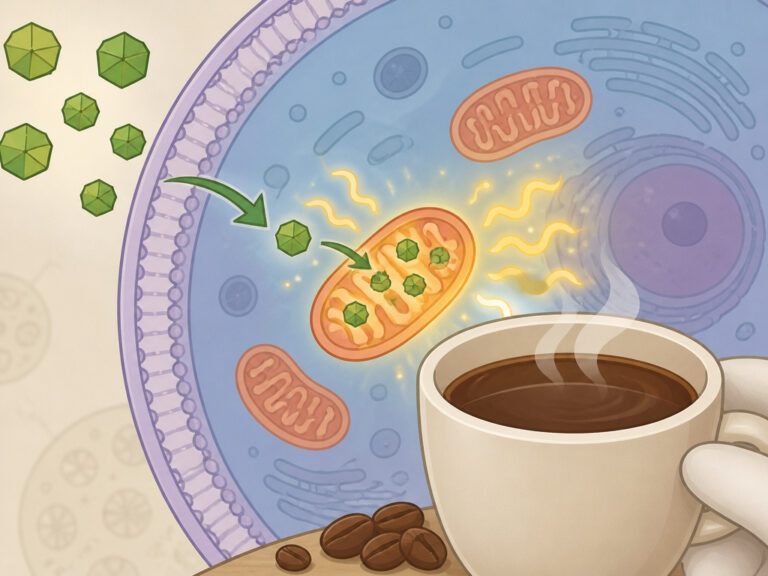
Does decaf coffee give you energy? Get the facts on caffeine content, placebo effects, and how the right decaf can still boost your focus without the jitters.

Tea has caffeine, but not like coffee. We break down the exact mg per cup, the brewing factors that change everything, and the surprising truth about matcha.
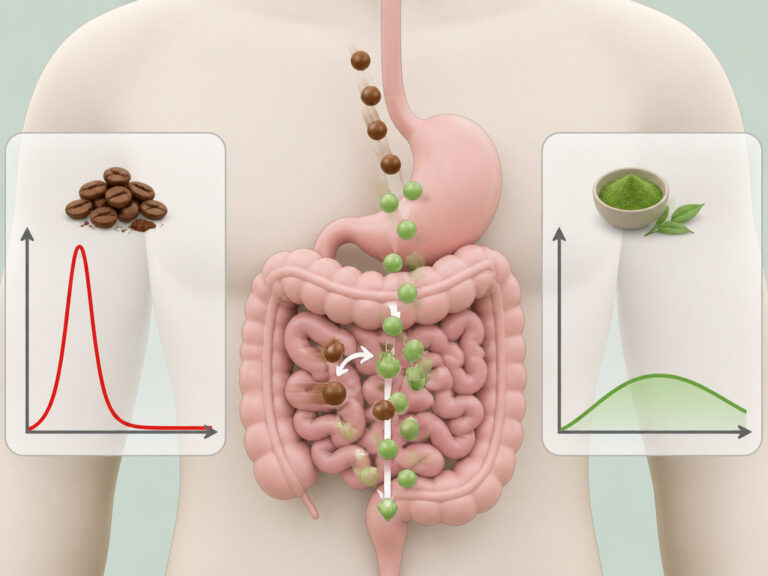
Does matcha have more caffeine than coffee? We compare USDA data, serving sizes, and how L-theanine changes the energy boost. Get the facts.
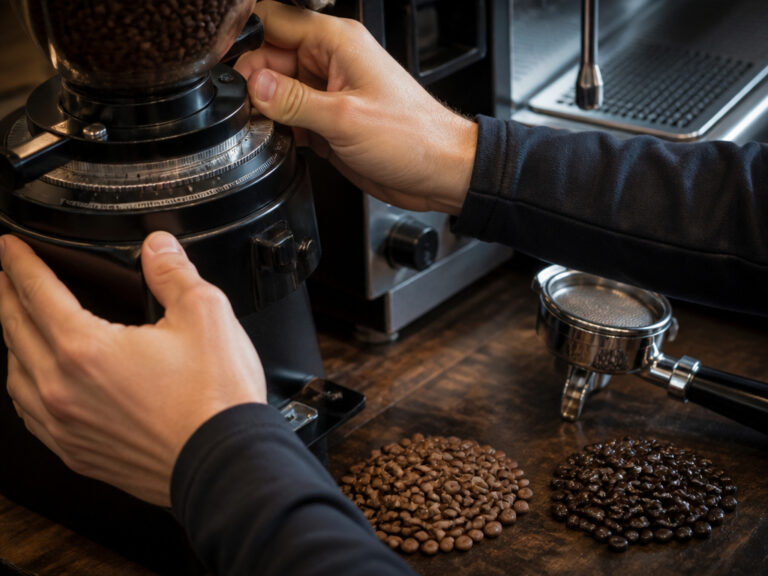
Espresso beans vs coffee beans explained. Learn the real differences in roast, grind, and brewing pressure to choose the right bean for your cup.