Is Protein Coffee Good For You? | The Sugar Trap We Found
Protein coffee can boost energy and muscle recovery, but hidden sugars and contaminants turn a healthy habit sour. Learn how to pick a safe blend.


Protein coffee can boost energy and muscle recovery, but hidden sugars and contaminants turn a healthy habit sour. Learn how to pick a safe blend.

Is honey good in coffee? Discover the science of flavor pairing, the surprising glucose impact, and how to add it without ruining your brew.

Mushroom coffee may support liver health, but the dose matters. Learn how mushroom extracts work, their caffeine advantage, and who should avoid them.

Get precise timelines for how long coffee creamer lasts. Learn the key differences for liquid, shelf-stable, and non-dairy varieties. Read the full guide!
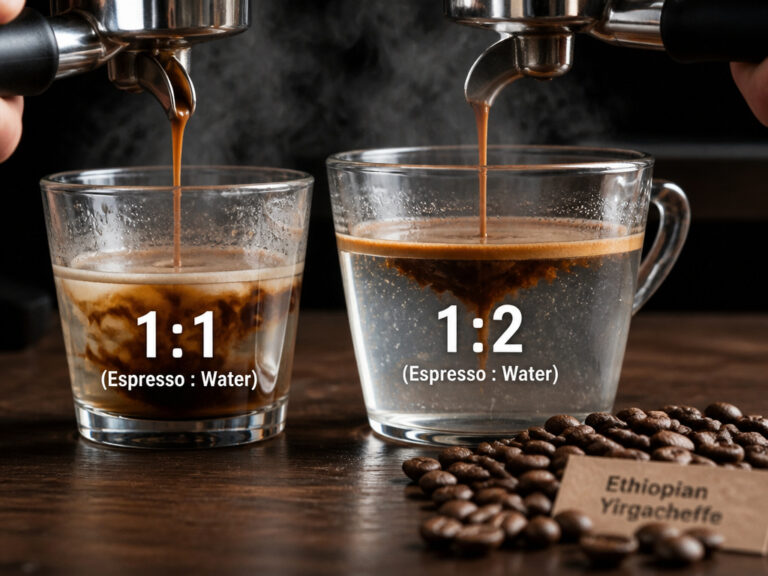
An Americano is espresso diluted with hot water. Learn the standard 1:2 ratio, the Italian origin, and the 1:1 technique for powerful single-origin shots.
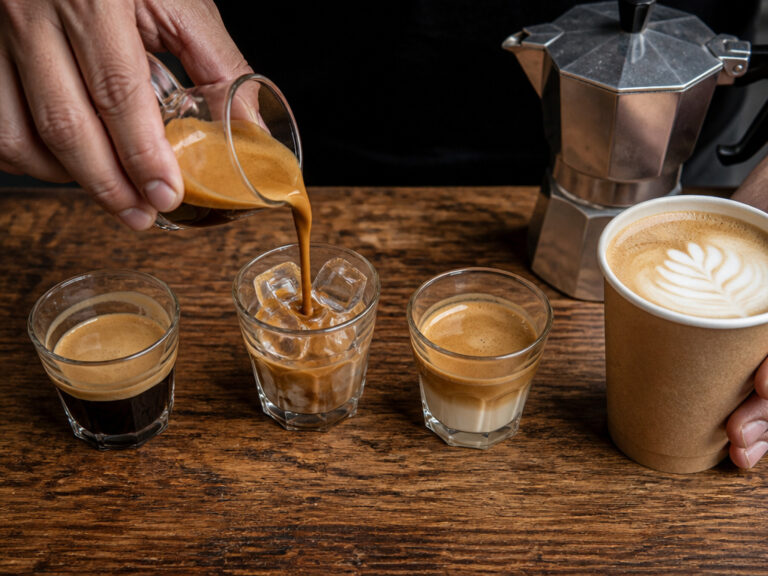
A cortado is an espresso drink with equal parts steamed milk, cutting bitterness without foam. Learn the true ratio, how to make one, and how it differs from a latte.
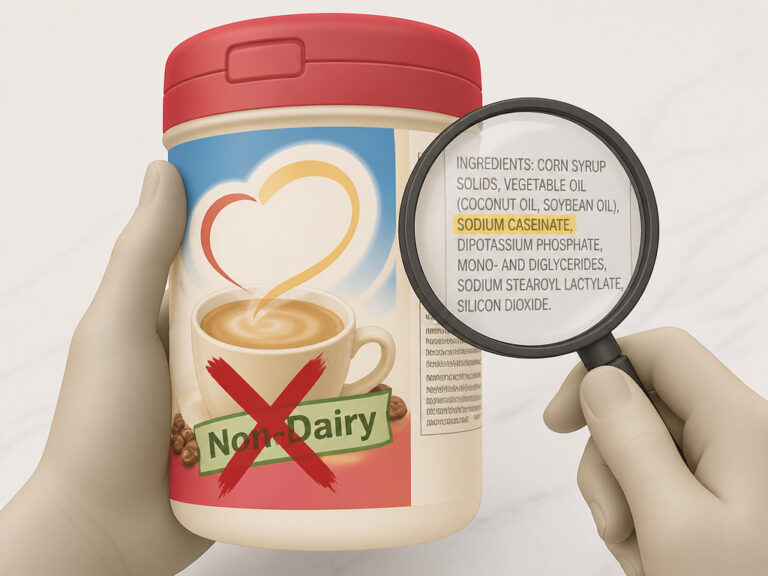
Is Coffee Mate dairy free? Uncover what “non-dairy” really means for Coffee Mate, which ingredients to avoid, and explore better options. Learn more now!
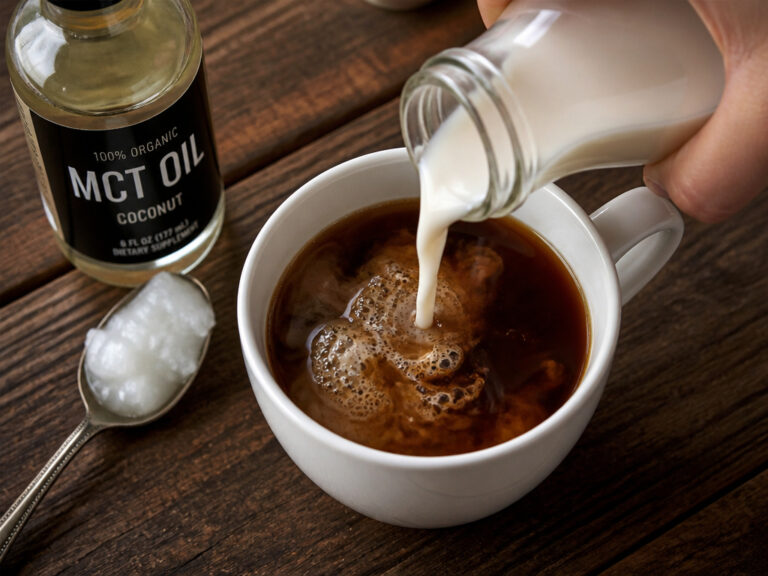
Discover how to sweeten coffee without sugar using stevia, monk fruit, honey, and spices. Get healthier, tastier coffee today. Explore our top picks now!
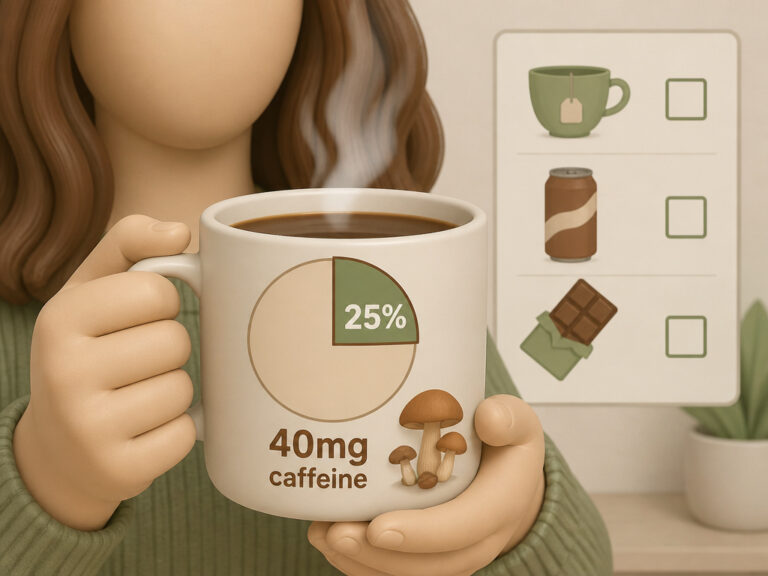
Explore whether mushroom coffee is good for diabetics, including the critical dose needed for potential health benefits. Start learning today.
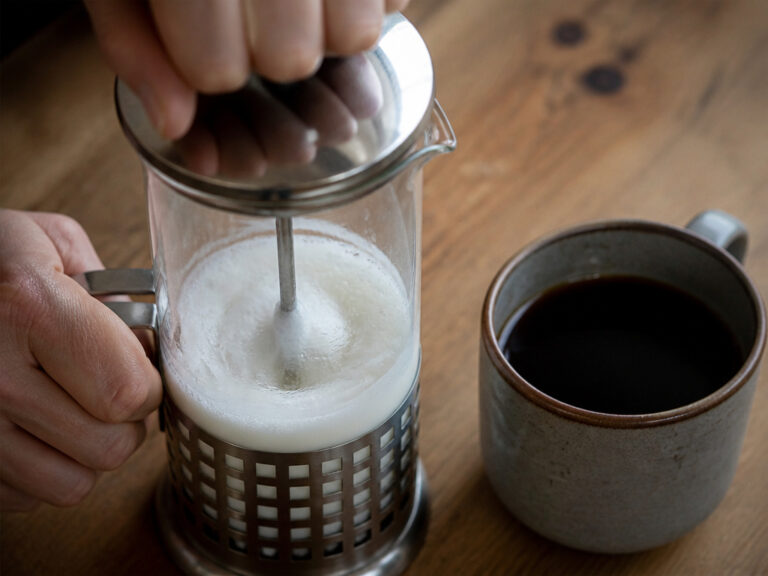
Learn how to make frothy coffee with the right milk, tools, and technique. Avoid common foam mistakes and get perfect texture for lattes and cold drinks.

Learn what a flat white coffee is, its precise 1:3 espresso-to-milk ratio, and how its microfoam differs from a latte or cappuccino. Make one at home.
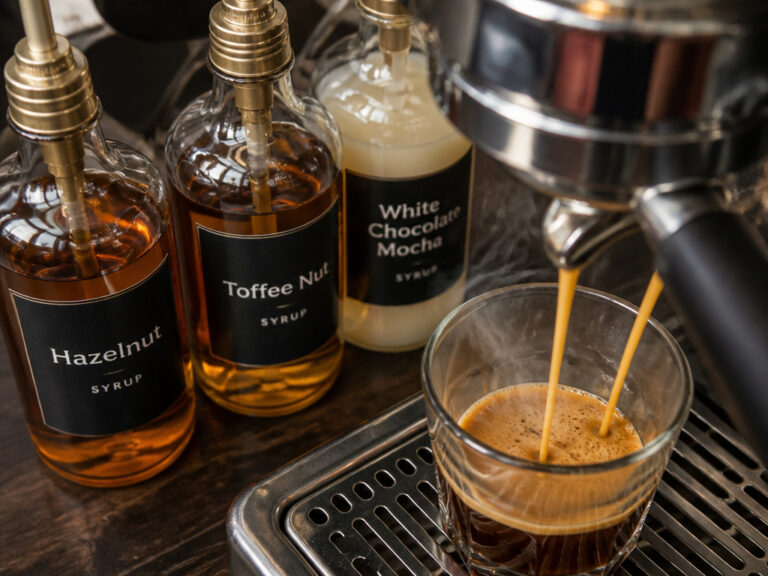
Discover what a Blondie coffee is: Starbucks’ secret menu drink with hazelnut, white chocolate & toffee nut. Learn how to order this sweet, nutty treat today!