
Comparing Yerba Mate vs Coffee: Caffeine, Health & Acidity
Comparing yerba mate vs coffee reveals three key differences: caffeine release, acidity, and contaminants. Mate provides a smooth, sustained energy from its unique stimulant blend, is alkaline, and avoids coffee’s gut acidity. However, a 2025 study found 75% of Brazilian mate samples exceeded safe cadmium limits, a risk coffee does not carry.
Yerba mate vs coffee comes down to three measurable differences: the caffeine release curve, the pH impact on your gut, and the contaminant profile of the leaves versus the beans. Coffee delivers a sharp, high peak of caffeine that can cause jitters and a crash. Yerba mate provides a slower, sustained release due to additional stimulants. Coffee is acidic, triggering reflux and urgency in sensitive stomachs. Yerba mate is alkaline. A 2025 study also found 75% of Brazilian yerba mate samples exceeded safe cadmium limits, a hidden risk bean buyers don’t face.
Most comparisons stop at “mate has more antioxidants.” They miss the practical, bodily experience, why one makes you sprint to the bathroom and the other doesn’t, why one leaves you anxious and the other focused. This isn’t about which is healthier in a lab. It’s about which chemical and physical reality fits your body and your morning.
You get the marketing bullet points. You don’t get the gritty, sensory truth of drinking each one for months. Let’s fix that.
Key Takeaways
- Yerba mate’s caffeine works with theobromine and theophylline for a gradual, sustained energy lift without coffee’s sharp spike and crash.
- Coffee’s acidity (pH around 5) aggressively stimulates gut motility; yerba mate’s alkalinity (pH around 8) is far gentler, reducing reflux and urgency.
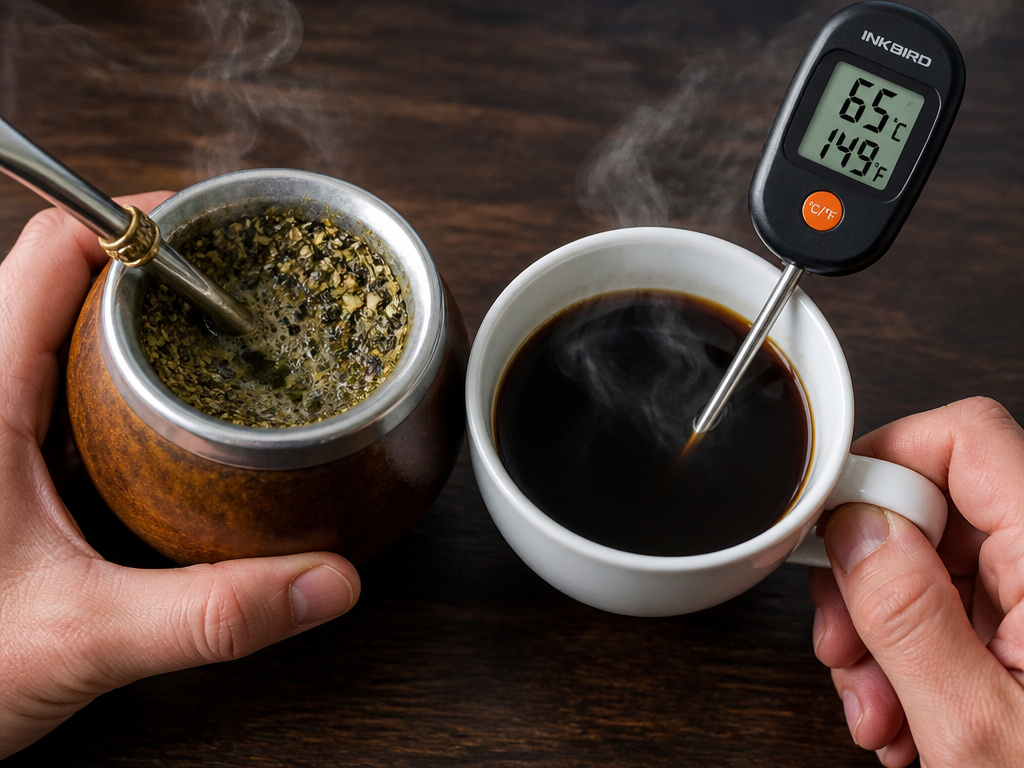
- Consuming any beverage above 65°C (149°F), mate or coffee, carries a probable carcinogenic risk for esophageal cancer, per IARC.
- Up to 75% of yerba mate from Brazil tested in 2025 exceeded safe cadmium limits; coffee does not carry this specific heavy metal contamination risk.
- The traditional mate ritual with a gourd and bombilla is a social, re-steepable experience; coffee is typically a faster, single-serve preparation.
The 3-Compound Caffeine Difference
Coffee caffeine hits like a hammer. Yerba mate caffeine arrives like a tide.
The difference is in the supporting cast. Coffee’s primary stimulant is caffeine, period. Yerba mate contains a trio: caffeine (0.7–1.7% dry weight), theobromine (0.3–0.9%), and small amounts of theophylline. Theobromine is a vasodilator and mild diuretic found in chocolate. Theophylline is a bronchodilator. Together, they modulate caffeine’s effects.
Caffeine in yerba mate is not ingested all at once when sipped slowly from a gourd. This, combined with the presence of theobromine and theophylline, creates a more gradual stimulant effect compared to gulping a cup of coffee.
This creates a different bodily sensation. In firsthand reports, users describe coffee as a “high peak of ultimate focus” followed by a distinct crash. Yerba mate is described as “going up slowly and going down slowly,” supporting sustained work. The chemical profile explains the anecdote.
TL;DR: Yerba mate’s caffeine-theobromine-theophylline trio provides sustained, smooth energy; coffee’s solo caffeine acts faster and crashes harder.
Acidity vs Alkalinity: Why Your Gut Knows
Your stomach is a brutally honest critic. Coffee often fails the test.
Coffee is acidic, with a pH around 5. This acidity, combined with caffeine, is a potent stimulant for gastric acid secretion and colonic motility. The result for many is acid reflux, stomach cramping, and that well-known urgent trip to the bathroom. Yerba mate infusions are alkaline, with a pH around 8. The acidity of tea and coffee is a major factor in digestive comfort, but mate operates in a different category.
The mechanism is straightforward. Acid triggers receptors. Caffeine stimulates muscles. Coffee does both aggressively. Yerba mate’s alkaline nature doesn’t provoke the same acid response, and its different compound mix appears gentler on the gut lining. Personal experimentation logs are clear: “with coffee it’s acidic and it’s very stressful… that’s why whenever I drink coffee I straight away go to the bathroom. But with mate I don’t face this.”
Common mistake: Assuming all caffeine sources affect your gut equally, the pH and additional compounds change everything. Coffee’s acid can cause cramping and urgency within 30 minutes; alkaline mate typically does not.
| Beverage | Typical pH | Primary Gut Impact | Time to Onset |
|---|---|---|---|
| Black Coffee | ~5.0 | Stimulates gastric acid & colon motility | 15–45 minutes |
| Yerba Mate | ~8.0 | Mild diuretic effect, less acid stimulation | 45–90 minutes |
| Green Tea | ~7.5–9.0 | Minimal for most, thanks to L-theanine | 60+ minutes |
This table simplifies a complex interaction, but the trend is reliable. If your stomach protests coffee, the problem isn’t just caffeine. It’s the acid. Switching to a low-acid coffee might help, but switching to mate changes the fundamental chemistry.
The Hidden Contaminant You’re Not Told About
Coffee drinkers worry about pesticides and mycotoxins. Yerba mate drinkers need to worry about cadmium.
A 2025 study published in Beverages analyzed yerba mate from four countries for mineral content. The findings were stark. The Brazilian Health Regulatory Agency (ANVISA) sets a maximum permissible level for cadmium at 0.04 mg per 100 grams. The study found 75% of Brazilian products and 60% of Paraguayan products exceeded this limit. Even 20% of Uruguayan and Argentinian samples were over. The average cadmium leaching into the infusion was 20.9%.
Cadmium is a toxic heavy metal that accumulates in the kidneys and bones. Industrial activity near plantations is the suspected source. This is a non-commodity fact most generic health articles miss. Coffee beans do not bioaccumulate cadmium in the same way; your risk profile is different.
Your sourcing matters intensely. Look for brands that disclose origin and heavy metal testing. Argentinian and Uruguayan brands generally showed lower contamination rates in the study. This is a tangible, recent data point that should guide your purchase more than any antioxidant claim.
Preparation Ritual: Social Sip vs. Solo Shot
The experience of drinking each beverage is culturally engineered. Coffee is often personal and fast. Yerba mate is inherently social and slow.
The traditional mate ritual involves a gourd (mate), a bombilla (metal straw with a filter), and hot water (not boiling). One person prepares it and refills the gourd, passing it around a circle. It’s a shared experience meant for conversation, not productivity. You can re-steep the same leaves 10–15 times, slowly exhausting the flavor and caffeine over an hour or more. The traditional yerba mate preparation is a core part of its cultural identity in the Southern Cone.
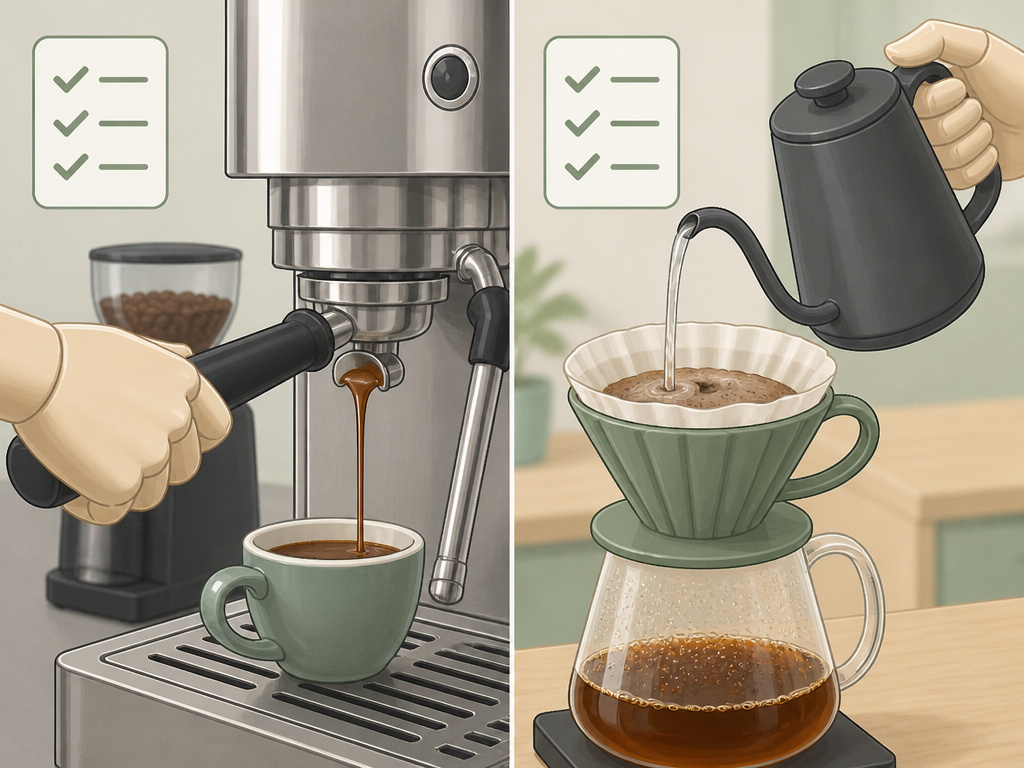
Coffee, especially in its third-wave espresso form, is about precision and personal consumption. You grind 18 grams, tamp, pull a 28-second shot, and drink it. It’s a technical, solo act. Even a pour-over is typically a single-serving affair. The Barista Express machine epitomizes this: an all-in-one device for the home barista to craft a single perfect cup.
This isn’t a trivial distinction. The ritual dictates the caffeine intake speed, the social context, and the very reason you’re drinking. Needing a quick, powerful focus tool points to coffee. Seeking a sustained, shared experience points to mate.
Health Claims and Hard Risks
Both drinks are packaged with health halo effects. You need to separate the potent antioxidants from the probable carcinogens.
Yerba mate has a legitimate claim to high antioxidant content. Studies show its extracts have higher levels of polyphenolics than green tea and similar levels to red wine. Caffeoyl derivatives account for about 10% of the dry weight. These are the “health benefits” touted everywhere. Coffee has its own powerful antioxidants, like chlorogenic acids. The antioxidants in tea and coffee are well-documented for both.
The major, non-negotiable risk is temperature. The International Agency for Research on Cancer (IARC) classifies very hot beverages (above 65°C) as “probably carcinogenic to humans” (Group 2A). This classification is specifically linked to esophageal cancer and stems from epidemiological studies where mate was traditionally consumed at 70°C or higher. The risk applies equally to boiling-hot coffee. The damage is thermal, not chemical.
Common mistake: Drinking yerba mate or coffee scalding hot because “that’s how it’s done.” The IARC warning is based on observable injury to the esophageal lining from repeated thermal shock. Let it cool below 65°C (149°F).
Another risk is from polycyclic aromatic hydrocarbons (PAHs) like benzo(a)pyrene. These form when yerba mate leaves are dried over wood fires (the traditional “barbacua” method). Many modern brands use forced-air drying to avoid this. Check the processing method. Coffee roasting also produces some PAHs, but modern controlled roasters minimize them.
The health effects of yerba mate are a mix of potent bioactive compounds and specific, avoidable risks. The same is true for coffee. The key is knowing which levers to pull.
Which One Should You Choose?
Your body, your goals, and your context decide this. Use this diagnostic.
Choose Yerba Mate If:
- You dislike the jittery, anxious feeling from coffee.
- Coffee reliably upsets your stomach or causes acid reflux.
- You want a longer, social drinking ritual.
- You prefer a steady, all-day energy lift without a crash.
- You are willing to research brands to avoid cadmium-heavy sources.
Choose Coffee If:
- You need a rapid, sharp cognitive boost to start your day.
- You love the intricate ritual of grinding, dosing, and extracting.
- Your stomach handles acid well.
- You’re a solo drinker focused on the craft of the cup.
- The vast world of bean origins and roast profiles fascinates you.
For some, the answer is both. Use coffee as a morning rocket fuel. Use yerba mate as an afternoon sustainer. The caffeine content in tea vs coffee varies widely, but understanding the release profile is more useful than the milligrams.
Frequently Asked Questions
Does yerba mate have more caffeine than coffee?
By dry weight, yerba mate leaves (0.7–1.7% caffeine) can contain more caffeine than coffee beans (~1.1%). But you use less leaf by mass per serving. A typical serving of yerba mate contains roughly 30–50mg of caffeine initially, while an 8-oz coffee has 80–100mg. The total caffeine ingested over a long mate session can exceed a coffee, but it’s consumed gradually.
Can yerba mate help you lose weight?
Some studies suggest the saponins and caffeine in yerba mate may slightly increase fat metabolism and reduce appetite. It’s not a magic pill. Any effect is mild and similar to the metabolic boost from coffee. The diuretic effect may cause temporary water weight loss, not fat loss.
Why does yerba mate not make me anxious like coffee?
Two reasons. First, the presence of theobromine and theophylline modulates caffeine’s stimulant effect, leading to a slower release. Second, the ritual of sipping slowly from a gourd means you aren’t bolting down a concentrated dose all at once, which is how coffee often triggers anxiety.
Is yerba mate a detox drink?
No. The term “detox” is marketing nonsense. Yerba mate is a diuretic, meaning it makes you urinate more. This flushes water and electrolytes, not toxins. Your liver and kidneys handle detoxification. Drinking mate for its antioxidant content is valid; drinking it to “cleanse” is not.
Can you drink yerba mate every day?
Yes, with the same caveats as daily coffee consumption. Keep the temperature below 65°C to avoid esophageal thermal injury. Be mindful of your total caffeine intake, especially if you’re drinking multiple gourds or also drinking coffee. Source your mate from reputable brands that test for heavy metals.
The Bottom Line
This isn’t a contest with a winner. It’s a tool match.
Yerba mate is the slow-burning log on the fire, steady, social, and easier on a sensitive system. Coffee is the struck match, bright, immediate, and brilliantly technical. Your choice hinges on whether you need a sustained tide or a sharp spark, whether your gut rebels at acid, and whether you value shared ritual or personal craft.
Ignore the hyperbolic health claims. Pay attention to the cadmium studies, respect the IARC temperature warning, and listen to your own body’s response. The right stimulant is the one that fits your life, not the one with the longest list of laboratory antioxidants. Try both. Your stomach and your focus will tell you the truth the articles won’t.
{
“@context”: “https://schema.org”,
“@type”: “HowTo”,
“name”: “How to Choose Between Yerba Mate and Coffee”,
“totalTime”: “PT5M”,
“tool”: [
{
“@type”: “HowToTool”,
“name”: “Yerba mate gourd (calabash) and bombilla”
},
{
“@type”: “HowToTool”,
“name”: “Coffee grinder and brewer of choice”
}
],
“step”: [
{
“@type”: “HowToStep”,
“name”: “Assess your caffeine sensitivity”,
“text”: “If you experience jitters or anxiety from coffee, try yerba mate. Its caffeine is released more slowly due to the presence of theobromine and theophylline.”
},
{
“@type”: “HowToStep”,
“name”: “Consider your stomach’s sensitivity”,
“text”: “If coffee causes acid reflux or urgent bathroom trips, switch to yerba mate. Its alkaline nature and different compound mix are gentler on the gut for many people.”
},
{
“@type”: “HowToStep”,
“name”: “Evaluate your preparation time”,
“text”: “Choose coffee for a fast, single-serving ritual. Choose traditional yerba mate for a longer, social session that can be re-steeped multiple times.”
},
{
“@type”: “HowToStep”,
“name”: “Check for heavy metal sourcing”,
“text”: “When buying yerba mate, look for brands that disclose origin and heavy metal testing, particularly for cadmium, to minimize contamination risk.”
},
{
“@type”: “HowToStep”,
“name”: “Mind the temperature”,
“text”: “Never drink yerba mate or coffee above 65°C (149°F) to avoid the IARC-classified risk of esophageal damage from very hot beverages.”
}
]
}
{
“@context”: “https://schema.org”,
“@type”: “FAQPage”,
“mainEntity”: [
{
“@type”: “Question”,
“name”: “Does yerba mate have more caffeine than coffee?”,
“acceptedAnswer”: {
“@type”: “Answer”,
“text”: “By dry weight, yerba mate leaves (0.7–1.7% caffeine) can contain more caffeine than coffee beans (~1.1%). But you use less leaf by mass per serving. A typical serving of yerba mate contains roughly 30–50mg of caffeine initially, while an 8-oz coffee has 80–100mg. The total caffeine ingested over a long mate session can exceed a coffee, but it’s consumed gradually.”
}
},
{
“@type”: “Question”,
“name”: “Can yerba mate help you lose weight?”,
“acceptedAnswer”: {
“@type”: “Answer”,
“text”: “Some studies suggest the saponins and caffeine in yerba mate may slightly increase fat metabolism and reduce appetite. It’s not a magic pill. Any effect is mild and similar to the metabolic boost from coffee. The diuretic effect may cause temporary water weight loss, not fat loss.”
}
},
{
“@type”: “Question”,
“name”: “Why does yerba mate not make me anxious like coffee?”,
“acceptedAnswer”: {
“@type”: “Answer”,
“text”: “Two reasons. First, the presence of theobromine and theophylline modulates caffeine’s stimulant effect, leading to a slower release. Second, the ritual of sipping slowly from a gourd means you aren’t bolting down a concentrated dose all at once, which is how coffee often triggers anxiety.”
}
},
{
“@type”: “Question”,
“name”: “Is yerba mate a detox drink?”,
“acceptedAnswer”: {
“@type”: “Answer”,
“text”: “No. The term \”detox\” is marketing nonsense. Yerba mate is a diuretic, meaning it makes you urinate more. This flushes water and electrolytes, not toxins. Your liver and kidneys handle detoxification. Drinking mate for its antioxidant content is valid; drinking it to \”cleanse\” is not.”
}
},
{
“@type”: “Question”,
“name”: “Can you drink yerba mate every day?”,
“acceptedAnswer”: {
“@type”: “Answer”,
“text”: “Yes, with the same caveats as daily coffee consumption. Keep the temperature below 65°C to avoid esophageal thermal injury. Be mindful of your total caffeine intake, especially if you’re drinking multiple gourds or also drinking coffee. Source your mate from reputable brands that test for heavy metals.”
}
}
]
}
