
What Is Decaf Coffee? Decaf Rules, Methods, & Taste Factors
Decaf coffee is regular coffee with at least 97% of its caffeine removed. It’s legally defined as containing no more than 0.3% caffeine by dry weight. The removal process uses one of four industrial methods, which slightly alters the bean and requires small brewing adjustments for the best flavor.
Decaf coffee is coffee that has had at least 97% of its caffeine removed before roasting, legally defined in the US, Canada, and Europe as containing no more than 0.3% caffeine by dry weight. The remaining trace can still add up to 2–4 mg per 8-oz cup. Four industrial methods strip the caffeine: solvent-based (methylene chloride or ethyl acetate), water-based (Swiss Water Process), and CO2-based. The method changes the bean’s physical structure, which is why brewing requires slight adjustments to grind size and temperature.
Most people assume decaf tastes worse because of chemical residues. That’s rarely the case. The real problem is that roasters, operating on the old mentality of “it’s just decaf,” consistently over-roast the beans to mask subtle defects, creating a burnt, flat cup. Good decaf exists, but you have to hunt for a roaster who treats it like a specialty origin.
This guide breaks down the legal definition, the science and history of each decaffeination method, and why most decaf fails. You’ll learn how to read a bag’s label, what “Swiss Water” actually means, and the two brewing tweaks that salvage a bland cup.
Key Takeaways
- The term “decaf” is a regulated standard: coffee must have ≤0.3% caffeine by dry weight, which still allows for 2–4 mg of caffeine per cup.
- Swiss Water and CO2 Processes are the two chemical-solvent-free methods; Swiss Water is the only one certified organic.
- Decaf beans are more porous and less dense, causing them to go stale faster and requiring a finer grind and hotter water during brewing.
- The primary reason for bad decaf is over-roasting, not chemical taste, roasters use dark profiles to hide the bean’s muted flavors post-processing.
- A 2006 study found 9 out of 10 decaf samples contained caffeine, meaning a large decaf latte can have as much caffeine as a can of soda.
What Is Decaf Coffee, Legally?
Coffee labeled “decaffeinated” isn’t just a marketing term. In the United States, Canada, and the European Union, it’s a defined standard. The coffee must have an anhydrous caffeine content of no more than 0.3 percent by weight of the dry coffee matter.
That’s the cutoff. A coffee bean that starts with 1-2% caffeine by weight must lose at least 97% of it to earn the “decaf” label.
Common mistake: Assuming “decaf” means “caffeine-free.”. A standard 8-ounce cup of brewed decaf can still contain 2 to 4 milligrams of caffeine. Drink a 16-ounce decaf latte and you might ingest 8 mg, roughly the caffeine in a can of Coke.
This trace amount exists because the decaffeination processes are highly efficient but not perfect. The Swiss Water Process, for example, removes about 99.9% of caffeine. That last 0.1% is what keeps it within the legal limit but not at absolute zero.
The regulation exists for consumer clarity. Without it, any coffee with slightly reduced caffeine could be called decaf. The 0.3% rule sets a clear, measurable line for producers and regulators.
TL;DR: “Decaf” is a legal category for coffee with ≤0.3% caffeine by weight, not caffeine-free coffee.
How Is Caffeine Removed? The Four Main Methods
All decaffeination happens to the green, unroasted coffee bean. The goal is to strip out the small, water-soluble caffeine molecules while leaving the larger, flavor-giving oils and sugars intact. No method is 100% perfect at this, which is why decaf often tastes different.
The industry uses four primary methods, split into two families: solvent-based and non-solvent-based.
| Method | How It Works | Key Trait | Flavor Impact |
|---|---|---|---|
| Methylene Chloride (MC) | Beans are steamed, then rinsed with MC solvent, which bonds with caffeine. Solvent is drained and beans are steamed again to evaporate residues. | FDA limits residues to 10 parts per million (ppm). | Can produce a clean, neutral cup; some argue it preserves origin character well. |
| Ethyl Acetate (EA) | Similar process, using ethyl acetate—a compound found in fruits—as the solvent. Often called “natural” or “sugarcane” decaf. | Considered generally safe; process can be certified organic if EA is derived from sugar. | May impart a faint fruity or sweet note; critics say it can mute acidity. |
| Swiss Water Process (SWP) | Beans are soaked in hot water to dissolve caffeine and flavors. Caffeine is filtered from this “flavor-charged water” via charcoal, then beans are re-immersed to reabsorb flavors. | 100% chemical-free; the only method certified organic. | Very clean, can taste slightly flat or “thin” as some solubles are always lost. |
| CO2 Process | Pressurized carbon dioxide becomes a “supercritical fluid” that acts as a solvent, selectively drawing out caffeine. Caffeine is then separated, and CO2 is recycled. | Uses no chemical additives; highly efficient and scalable. | Excellent flavor preservation; often considered the highest quality, but rare and expensive. |
The green coffee bean is porous. When soaked in water or solvent, it swells, opening pathways for caffeine molecules, which are small and polar, to dissolve out. The challenge is stopping the larger carbohydrate and oil molecules from escaping with them.
The oldest method, patented by Ludwig Roselius in 1905, used benzene. Benzene is a known carcinogen and was abandoned decades ago. Methylene chloride took its place but faced similar health scrutiny. Major green coffee suppliers like Royal Coffee stopped distributing MC-processed beans in 2016. The U.S. FDA is currently reviewing its status.
Your best bet for a clean cup with minimal processing impact is to look for Swiss Water or CO2 Process on the bag. If it just says “naturally decaffeinated,” it likely used ethyl acetate.
TL;DR: Swiss Water (chemical-free, organic) and CO2 (high-quality, expensive) are the top-tier methods. “Natural decaf” usually means ethyl acetate.
Why Does Most Decaf Coffee Taste Bad?
You brew a cup of decaf. It smells like coffee, but the taste is ashy, thin, or just generically “dark” without any of the origin’s promised fruit or chocolate notes. The instinct is to blame the decaffeination chemicals.
That’s usually wrong. The chemical residues in modern solvent-based decaf are vanishingly small, regulated to safe limits. The real villain is the roaster.
I bought a bag of a famous roaster’s “Colombian Decaf.” The label promised notes of caramel and red apple. The cup tasted like charcoal and regret. I checked the roast level: it was French roast, the darkest they make. The beans were oily and black. That’s when I realized the problem wasn’t the farm, it was the roasting machine.
Decaf green beans are more porous and less dense after processing. They roast differently, they heat up faster and are more fragile. Many large-scale roasters, still operating on the outdated idea that decaf drinkers don’t care about quality, crank the heat and take the beans deep into second crack. This dark roast masks the bean’s muted subtleties and any minor defects from processing.
James Hoffmann and industry suppliers like Keffa Coffee have been vocal about this. Their stance is simple: “It’s just decaf” isn’t an excuse. Good decaf deserves the same careful, light-to-medium roast profiling as a premium single-origin.
The other factor is freshness. That increased porosity isn’t just a roasting issue. It means oxygen gets into the bean faster after roasting. Decaf goes stale quicker than its caffeinated counterpart.
Fix your decaf in two steps: First, find a specialty roaster that names the decaffeination method and lists a specific roast date (not a “best by” date). Second, store the beans in an airtight container and use them within three weeks of that roast date.
TL;DR: Bad decaf is usually over-roasted decaf, not chemically tainted decaf. Seek out light or medium roasts from roasters who name their decaf process.
Decaf Coffee and Health: What’s the Real Story?
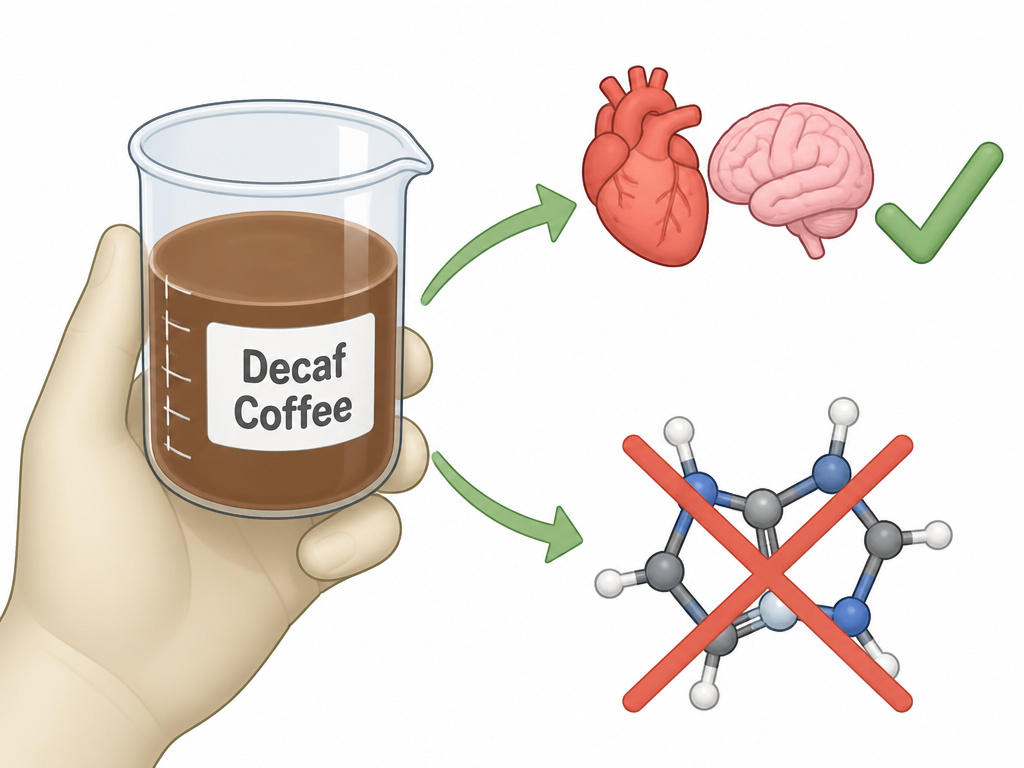
The health conversation around decaf swings between fear of chemicals and the benefits of going caffeine-free. Let’s separate the evidence from the noise.
On Chemical Safety: The solvents used, methylene chloride (MC) and ethyl acetate (EA), are indeed toxic in high concentrations. The critical point is that they are almost entirely removed. The U.S. FDA limits MC residue in decaf to 10 parts per million (ppm). At that level, the estimated exposure is hundreds of times lower than amounts shown to cause harm in animals. The European Food Safety Authority and other global bodies have reached similar conclusions. If this trace risk concerns you, the non-solvent methods (Swiss Water, CO2) eliminate it entirely.
On Caffeine Reduction: Switching to decaf is a proven strategy for managing caffeine intake. This is crucial for individuals who are:
* Sensitive to caffeine’s anxiety or sleep-disrupting effects.
* Managing certain heart conditions or hypertension.
* Pregnant or breastfeeding, where caffeine limits are often recommended.
* Looking to reduce dependency without quitting coffee’s ritual and taste.
On Health Benefits: The good news for decaf drinkers is that many of coffee’s celebrated health benefits come from its antioxidants and polyphenols, not its caffeine. Research suggests decaf coffee retains these compounds. Studies have linked decaf consumption to a reduced risk of Type 2 diabetes, liver disease, and certain neurodegenerative conditions, similar to regular coffee.
Before you start: If you have a specific health condition, consult your doctor. While decaf is a great tool for reducing caffeine intake, it is not a medically prescribed treatment.
For the average person, choosing between decaf and regular coffee is a matter of personal tolerance and preference, not a major health determinant. The larger health impact often comes from what you add to the coffee, sugar, syrups, and cream can turn any cup into a high-calorie dessert.
TL;DR: Modern decaf is chemically safe at regulated residue levels. It retains coffee’s beneficial antioxidants and is a practical tool for managing caffeine consumption.
How to Buy and Brew Better Decaf
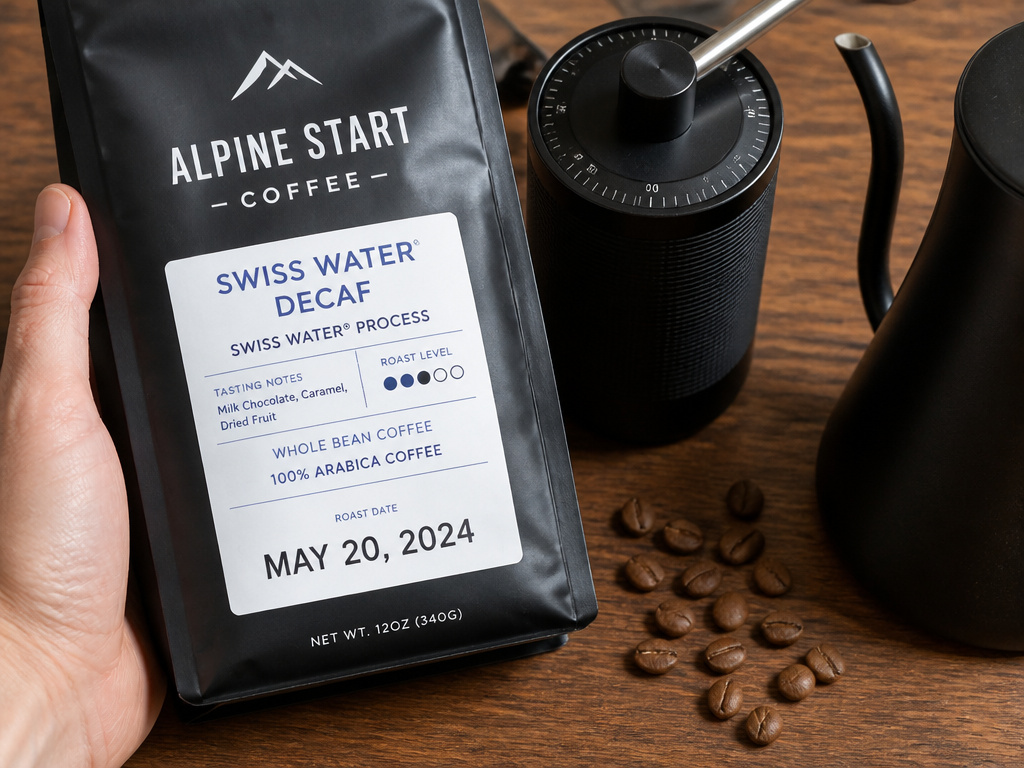
Buying decaf is like buying any other specialty coffee, you need to read the label. Brewing it requires acknowledging its physical differences.
Buying Guide: The Label Tells the Story
- Look for the Process. The best bags proudly state “Swiss Water Process” or “CO2 Process.” If it says “Naturally Decaffeinated,” it’s likely ethyl acetate. If there’s no mention, assume the cheapest method (often MC) was used.
- Check the Roast Date. Never buy decaf without a roast date. Because it stales faster, freshness is non-negotiable. Ideally, the beans should be within 2-3 weeks of roasting when you buy them.
- Assess the Roast Level. Avoid oily, dark beans. Look for a matte, medium-brown appearance. A roaster confident in their decaf will roast it light or medium to highlight origin character, not hide it.
- Buy Smaller Bags. Purchase 8-ounce or 250-gram bags instead of bulk one-pound bags. You’ll finish them before they lose their peak flavor.
Brewing Adjustments: Two Non-Negotiables
Decaf’s altered density and porosity mean your standard recipe will under-extract, leading to a sour, weak cup.
| Brewing Variable | Standard Coffee | Decaf Coffee | Why the Change |
|---|---|---|---|
| Grind Size | Medium | Medium-Fine | Decaf beans are less dense and more porous. A finer grind increases surface area to compensate for faster water flow. |
| Water Temperature | 200–205°F (93–96°C) | 205–208°F (96–98°C) | The higher temperature helps extract the flavor compounds that are more tightly bound after the decaffeination process. |
| Bloom (Pour-Over) | 30-45 seconds | 20-30 seconds | Decaf beans release CO2 much more quickly. A shorter bloom is sufficient. |
Start with these tweaks. If your decaf still tastes flat, try increasing your coffee-to-water ratio by 1-2 grams of coffee per 200ml of water. The goal is to push extraction to where the sweetness and body live, past the initial sour notes.
TL;DR: Buy dated, light-roast Swiss Water or CO2 decaf. Brew it hotter and finer than regular coffee.
Frequently Asked Questions
Does decaf coffee have any caffeine?
Yes. Regulations allow up to 0.3% caffeine by weight. In practice, an 8-ounce cup of brewed decaf typically contains 2-4 milligrams of caffeine. A 2006 study tested commercial decafs and found caffeine in 9 out of 10 samples.
What is the healthiest decaf coffee method?
From a chemical-exposure perspective, the Swiss Water Process and CO2 Process are healthiest as they use zero chemical solvents. Swiss Water is also certified organic. Both methods effectively remove caffeine while aiming to preserve the bean’s natural flavor compounds.
Why is decaf coffee more expensive?
The decaffeination process itself is an extra, costly industrial step. The non-solvent methods (Swiss Water, CO2) are particularly expensive due to their complexity, specialized equipment, and lower throughput. This cost is passed on by green coffee importers to roasters, and then to you.
Can I drink decaf coffee at night?
For most people, yes. The tiny amount of residual caffeine (2-4 mg) is unlikely to disrupt sleep compared to the 95 mg in a regular cup. However, if you are extremely caffeine-sensitive, even this trace amount could have an effect. Try it and monitor your sleep. For a truly caffeine-free evening, consider a caffeine-free tea.
Does decaf coffee taste different because of chemicals?
Usually not. Modern solvent residues are minimal and odorless. The main taste difference comes from two factors: 1) The decaffeination process inevitably removes some flavor precursors along with caffeine, muting the bean’s top notes. 2) Most decaf is roasted very dark to cover up this muted flavor profile, resulting in a generic, roasty taste.
Before You Go
Decaf coffee isn’t a flawed imitation. It’s a different product with its own rules. The law defines it, science processes it, and too often, poor roasting ruins it.
Ignore the vague “naturally decaffeinated” labels. Hunt for bags that specify Swiss Water or CO2 Process and a recent roast date. When you brew, remember the bean is weaker, hit it with hotter water and a finer grind. This isn’t about making a perfect copy of regular coffee. It’s about making the best version of what decaf can be.
The next time you see a dark, oily bag of decaf on the shelf, leave it. Your good cup is out there, roasted by someone who didn’t think “it’s just decaf.”
{
“@context”: “https://schema.org”,
“@type”: “HowTo”,
“name”: “How to Choose and Brew Good Decaf Coffee”,
“totalTime”: “PT10M”,
“tool”: [
{
“@type”: “HowToTool”,
“name”: “Burr coffee grinder”
},
{
“@type”: “HowToTool”,
“name”: “Scale for measuring coffee grounds”
},
{
“@type”: “HowToTool”,
“name”: “Freshly roasted decaf coffee beans”
}
],
“step”: [
{
“@type”: “HowToStep”,
“name”: “Find a roaster that treats decaf seriously”,
“text”: “Look for a specialty roaster that lists the decaffeination method (Swiss Water or CO2 preferred) and a light-to-medium roast profile, not a generic dark roast.”
},
{
“@type”: “HowToStep”,
“name”: “Check the roast date and buy less”,
“text”: “Decaf beans are more porous and stale faster. Buy smaller quantities (e.g., 8 oz) within 2-3 weeks of roasting and use them within a month.”
},
{
“@type”: “HowToStep”,
“name”: “Grind finer than usual”,
“text”: “Because decaf beans are less dense, grind one click finer on your burr grinder than you would for a caffeinated coffee of the same roast to achieve proper extraction.”
},
{
“@type”: “HowToStep”,
“name”: “Use a slightly higher water temperature”,
“text”: “Aim for 205–208°F (96–98°C) instead of the standard 200–205°F (93–96°C). The extra heat helps extract flavor from the altered bean structure.”
}
]
}
{
“@context”: “https://schema.org”,
“@type”: “FAQPage”,
“mainEntity”: [
{
“@type”: “Question”,
“name”: “Does decaf coffee have any caffeine?”,
“acceptedAnswer”: {
“@type”: “Answer”,
“text”: “Yes. Regulations allow up to 0.3% caffeine by weight. In practice, an 8-ounce cup of brewed decaf typically contains 2-4 milligrams of caffeine. A 2006 study tested commercial decafs and found caffeine in 9 out of 10 samples.”
}
},
{
“@type”: “Question”,
“name”: “What is the healthiest decaf coffee method?”,
“acceptedAnswer”: {
“@type”: “Answer”,
“text”: “From a chemical-exposure perspective, the Swiss Water Process and CO2 Process are healthiest as they use zero chemical solvents. Swiss Water is also certified organic. Both methods effectively remove caffeine while aiming to preserve the bean’s natural flavor compounds.”
}
},
{
“@type”: “Question”,
“name”: “Why is decaf coffee more expensive?”,
“acceptedAnswer”: {
“@type”: “Answer”,
“text”: “The decaffeination process itself is an extra, costly industrial step. The non-solvent methods (Swiss Water, CO2) are particularly expensive due to their complexity, specialized equipment, and lower throughput. This cost is passed on by green coffee importers to roasters, and then to you.”
}
},
{
“@type”: “Question”,
“name”: “Can I drink decaf coffee at night?”,
“acceptedAnswer”: {
“@type”: “Answer”,
“text”: “For most people, yes. The tiny amount of residual caffeine (2-4 mg) is unlikely to disrupt sleep compared to the 95 mg in a regular cup. However, if you are extremely caffeine-sensitive, even this trace amount could have an effect. Try it and monitor your sleep. For a truly caffeine-free evening, consider a caffeine-free tea.”
}
},
{
“@type”: “Question”,
“name”: “Does decaf coffee taste different because of chemicals?”,
“acceptedAnswer”: {
“@type”: “Answer”,
“text”: “Usually not. Modern solvent residues are minimal and odorless. The main taste difference comes from two factors: 1) The decaffeination process inevitably removes some flavor precursors along with caffeine, muting the bean’s top notes. 2) Most decaf is roasted very dark to cover up this muted flavor profile, resulting in a generic, roasty taste.”
}
}
]
}
