
How Late is Too Late for Coffee | The 6-Hour Half-Life Rule
To figure out how late is too late for coffee, work backward from your bedtime using caffeine’s 6-hour half-life. For most people aiming for good sleep, the last cup should be at least 6 to 8 hours before bed. A coffee at 3 PM leaves half its caffeine circulating at 9 PM, and a quarter of it still active at 3 AM.
Most advice tells you to stop drinking coffee by 2 PM. That’s a safe average, but it’s useless if you’re the person who can nap after an espresso or the one who stares at the ceiling after a 10 AM latte. The mistake is treating caffeine timing as a one-size-fits-all rule. Your personal cutoff isn’t on the clock; it’s in your liver enzymes and your brain’s adenosine receptors.
This guide breaks down the pharmacology of caffeine, shows you how to calculate your own deadline based on the half-life and quarter-life, and explains why your friend can drink coffee at dinner and sleep like a log while you can’t.
Key Takeaways
- Caffeine has a half-life of about 6 hours and a quarter-life of about 12 hours. A noon coffee means a quarter-dose is still in your brain at midnight.
- Your personal cutoff is dictated by the CYP1A2 enzyme gene. Fast metabolizers clear caffeine quickly; slow metabolizers feel effects longer.
- Smoking speeds up caffeine metabolism. Pregnancy, birth control pills, and certain liver conditions slow it down dramatically.
- For a personalized rule, count back 6–8 hours from your bedtime for a final cup. If sleep suffers, move that cutoff earlier in 90-minute increments.
- If you need an afternoon lift, try swiss water process decaf, black tea, or matcha with L-theanine for gentler, shorter stimulation.
The 6-Hour Half-Life Isn’t the Whole Story
The American Academy of Sleep Medicine states caffeine has a half-life of about 5 hours. Other sources, like the U.S. National Library of Medicine’s MedlinePlus, cite 5 hours. A common figure in broader discussion is 6 hours. For this calculation, we’ll use 6 hours as a practical average. This means if you drink a coffee with 100mg of caffeine at 3 PM, you still have about 50mg active in your system at 9 PM.
Caffeine’s half-life is the time it takes for your body to eliminate half of the drug. With an average half-life of 5–6 hours, a significant portion of an afternoon coffee is still biologically active at bedtime, competing with sleep-inducing adenosine for receptor sites in the brain.
That’s the half-life. The quarter-life is the real sleep killer. It takes about 12 hours for your body to clear down to just a quarter of the original dose. That noon latte? At midnight, 25% of its caffeine is still swimming around your central nervous system. It’s the equivalent of taking a small sip of coffee right before you turn out the light and expecting deep sleep.
TL;DR: Use the 6-hour half-life and 12-hour quarter-life to calculate backwards from bedtime. A coffee after lunch likely means a micro-dose of caffeine is disrupting your sleep cycle hours later.
Why the Standard “2 PM Cutoff” Fails So Many People
The blanket “no coffee after 2 PM” advice assumes a 10 PM bedtime and a person with average metabolism. It ignores two massive variables: your actual bedtime and your unique physiology. If you go to bed at midnight, a 2 PM cutoff is overly cautious. If you go to bed at 8 PM, it’s dangerously late.
The larger failure is ignoring enzymatic speed. Caffeine is broken down almost entirely by the liver enzyme CYP1A2. Your genes dictate how fast that enzyme works.
| Metabolizer Type | Gene Variant | Effect on Caffeine | Real-World Experience |
|---|---|---|---|
| Fast | CYP1A2 1A/1A | Clears caffeine quickly. Half-life may be 3-4 hours. | Can drink coffee later with minimal sleep impact. May feel less sustained energy. |
| Slow | CYP1A2 1F/1F | Clears caffeine slowly. Half-life can extend to 8+ hours. | Feels strong, long-lasting effects. Afternoon coffee guarantees poor sleep. |
I learned this the hard way training for a marathon while working late. I’d have a pick-me-up coffee at 4 PM to power through evening miles. By 11 PM, my legs were tired but my mind was racing, replaying the route on a loop. I’d get maybe four hours of fractured sleep. It took a week of sleep logs to connect the 4 PM Americano to the 2 AM ceiling stare. My genetics lean slow.
How to Calculate Your Personal Coffee Cutoff
Forget the clock on the wall. Your personal deadline is a formula: Bedtime – (Half-Life × Sensitivity Factor).
- Pinpoint your target bedtime. Be realistic. If you aim for lights out at 10:30 PM, use 10:30.
- Start with the 6-hour rule. Count back 6 hours. For a 10:30 PM bedtime, your initial cutoff is 4:30 PM.
- Apply your sensitivity factor. This is where you personalize it.
- Slow Metabolizer (most common): Subtract an additional 1–2 hours. New cutoff: 2:30–3:30 PM.
- Fast Metabolizer: You can add 1–2 hours. New cutoff: 5:30–6:30 PM.
- Test and adjust. Stick to this cutoff for three nights. If you still have trouble falling asleep, move your cutoff earlier by 90-minute increments (the length of a sleep cycle) until your sleep solidifies.
Common mistake: Drinking a large “venti” coffee at 4 PM because the half-life rule says it’s okay — the higher caffeine dose (often 300mg+) means the absolute amount left in your system at bedtime is still high enough to block adenosine receptors, leading to restless sleep even if you fall asleep.
How do you know if you’re a fast or slow metabolizer? You can get a genetic test. Or, you can run a cheaper bioassay: drink a standard cup of coffee at 3 PM and monitor your alertness at 9 PM and your ability to fall asleep at your normal time. If you’re wide awake, you’re likely slow.
Factors That Bend Your Caffeine Timeline
Your liver doesn’t work in a vacuum. Lifestyle and health factors directly change the speed of the CYP1A2 enzyme.
- Smoking accelerates caffeine metabolism. Smokers may need more coffee to feel the same effect and can often drink it later. The half-life can be nearly halved.
- Oral contraceptives and pregnancy slow metabolism dramatically. The half-life can double. This is critical for managing caffeine timing for nursing mothers.
- Other medications like certain antidepressants (fluvoxamine) and heart medications (verapamil) are potent enzyme inhibitors.
- Liver health directly impacts metabolic rate.
The health implications of caffeine vary with these factors. A slow metabolizer isn’t just losing sleep; they’re exposing their cardiovascular system to longer periods of elevated heart rate and blood pressure. It’s a key consideration for those managing coffee and heart health.
What If You Need an Afternoon Lift?
The 3 PM slump is real. Your body’s circadian rhythm naturally dips in alertness. Reaching for another coffee is a biological trap. Here are smarter swaps that provide energy without the 9 PM collateral damage.
| Alternative | Caffeine Content | Why It Works for Afternoon | Best For |
|---|---|---|---|
| Swiss Water Decaf | 2–5 mg | Provides ritual and placebo without pharmacologically relevant caffeine. | The habitual drinker who needs the warm cup, not the stimulant. |
| Black Tea | 40–70 mg | Lower dose than coffee. Contains L-theanine, which promotes calm alertness. | A gentle energy lift without jitters or a long half-life. |
| Matcha | 70 mg | Caffeine is bound to L-theanine and fiber, leading to a slower, sustained release over 4–6 hours. | Avoiding the sharp spike and crash of coffee. |
| Cold Brew (small) | 100 mg (8oz) | Often smoother, but same caffeine. Only use if you’re a fast metabolizer with late bedtime. | Fast metabolizers who truly need a boost. |
The caffeine in different beverages isn’t just about milligrams. The presence of other compounds, like L-theanine in tea, changes the quality of the stimulation. This is a core part of the tea vs coffee benefits discussion. Tea offers alertness with less anxiety, a trade-off worth making after lunch.
A 10-minute walk in natural light is often more effective than any drink. It resets circadian signals and increases cortisol in a healthy, wake-promoting way.
The Real Cost of Late-Day Caffeine
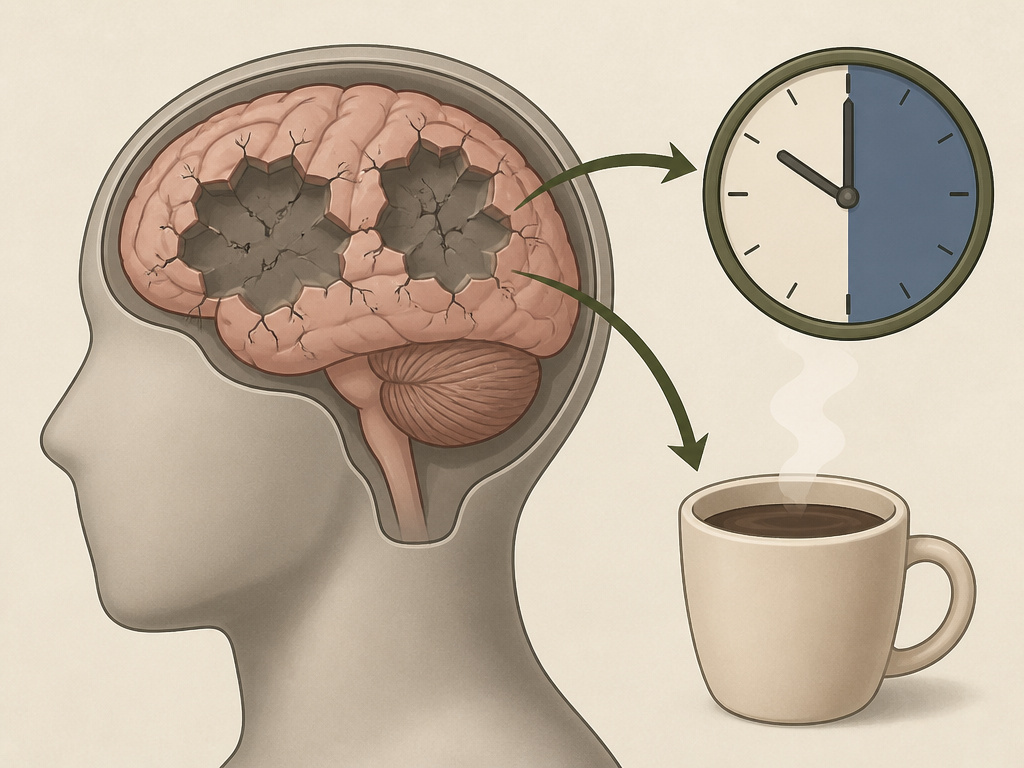
It’s not just about taking longer to fall asleep. That’s sleep latency. The deeper theft is from your sleep architecture—the structure of your night.
Caffeine, especially in the quarter-life phase, reduces deep sleep (slow-wave sleep) and REM sleep. You might sleep for 7 hours but wake up feeling unrefreshed because you didn’t get the restorative stages. Over time, this sleep debt impacts everything from mood to immune function.
Furthermore, using caffeine to mask afternoon fatigue often ignores the root cause: poor sleep the night before, inadequate nutrition, or dehydration. It’s a vicious cycle. Bad sleep leads to afternoon coffee, which leads to worse sleep.
For some, the issue isn’t neurological but gastrointestinal. Late coffee can stimulate digestion and cause discomfort, another reason to heed the cutoff. If you’re sensitive, understand the link between coffee and digestion.
This is also a crucial consideration for specific populations. The risks are different when evaluating caffeine for children, whose nervous systems and metabolism are still developing, making any afternoon caffeine far more disruptive.
Frequently Asked Questions
Can I drink decaf coffee in the afternoon?
Yes, but check the process. Swiss Water Process or CO2 decaffeinated coffee removes about 99.9% of caffeine, leaving only trace amounts (2–5 mg per cup). Some cheaper solvent-based decaf can have residual caffeine up to 15–20 mg per cup, which could affect very sensitive individuals.
Does espresso have less caffeine than regular coffee? Can I drink it later?
No, this is a common misconception. While a 1-oz espresso shot has about 63mg of caffeine, it’s more concentrated. A standard 8-oz brewed coffee has about 95mg. The total dose is what matters for the half-life calculation. You can’t drink a double espresso later just because it’s smaller volume; it’s a similar caffeine load to a regular cup. Our guide on caffeine content in espresso breaks this down.
What about caffeine from soda or tea?
The same half-life rules apply. You must calculate based on the milligrams of caffeine consumed. A 20-oz cola has about 55mg, a black tea about 45mg. The caffeine release rates from tea may be slightly slower due to other compounds, but the caffeine molecule itself is metabolized identically.
I’m a slow metabolizer. Should I just quit caffeine?
Not necessarily. You need to be more strategic. Front-load your caffeine in the morning, ideally waiting 90–120 minutes after waking to avoid an afternoon crash. Then, commit to a hard, early cutoff. Your sensitivity is a strength in the morning—you need less for a strong effect—but a liability in the afternoon.
How does this change for cold brew or iced coffee?
It doesn’t. Cold brew often has a higher caffeine in cold beverages concentration due to longer extraction times. A 16-oz cold brew can easily contain 200mg of caffeine. The serving size and total milligrams are the only numbers that matter for your cutoff calculation, not the temperature.
Before You Go
Your ideal coffee cutoff isn’t found on a listicle. It’s a personal equation built on your bedtime, your genetics, and your lifestyle. Start with the 6-hour half-life rule, then adjust based on how you feel and sleep. If you’re a slow metabolizer, respect the 12-hour quarter-life—that noon coffee is a midnight phantom.
For the afternoon slump, break the reflex. Try tea, decaf, or a walk. The goal isn’t to fight your biology with more chemicals but to work with it. Good sleep makes tomorrow’s coffee taste better anyway. And that first morning cup, when you’ve actually slept, needs no substitute.
{
“@context”: “https://schema.org”,
“@type”: “HowTo”,
“name”: “How to Calculate Your Personal Coffee Cutoff Time”,
“totalTime”: “PT5M”,
“tool”: [
{
“@type”: “HowToTool”,
“name”: “A standard 8-oz cup of coffee (or known caffeine source)”
},
{
“@type”: “HowToTool”,
“name”: “Your typical bedtime”
},
{
“@type”: “HowToTool”,
“name”: “A notepad or calculator”
}
],
“step”: [
{
“@type”: “HowToStep”,
“name”: “Identify your bedtime and caffeine source”,
“text”: “Note the time you plan to go to sleep and the approximate milligrams of caffeine in your drink (e.g., 95mg for an 8-oz brewed coffee).”
},
{
“@type”: “HowToStep”,
“name”: “Apply the 6-hour half-life”,
“text”: “Calculate backwards: for every 6 hours before bed, the caffeine in your system halves. A coffee at 3 PM means 1/2 the caffeine remains at 9 PM.”
},
{
“@type”: “HowToStep”,
“name”: “Account for the quarter-life”,
“text”: “Remember the quarter-life is about 12 hours. This means a quarter of the caffeine from a noon coffee is still active at midnight.”
},
{
“@type”: “HowToStep”,
“name”: “Factor in your personal sensitivity”,
“text”: “Adjust your cutoff earlier if you are a slow metabolizer (genetics, on birth control, pregnant) or later if you are a fast metabolizer (smoker). Start with a 6-8 hour pre-bed cutoff and adjust based on your sleep quality.”
}
]
}
{
“@context”: “https://schema.org”,
“@type”: “FAQPage”,
“mainEntity”: [
{
“@type”: “Question”,
“name”: “Can I drink decaf coffee in the afternoon?”,
“acceptedAnswer”: {
“@type”: “Answer”,
“text”: “Yes, but check the process. Swiss Water Process or CO2 decaffeinated coffee removes about 99.9% of caffeine, leaving only trace amounts (2–5 mg per cup). Some cheaper solvent-based decaf can have residual caffeine up to 15–20 mg per cup, which could affect very sensitive individuals.”
}
},
{
“@type”: “Question”,
“name”: “Does espresso have less caffeine than regular coffee? Can I drink it later?”,
“acceptedAnswer”: {
“@type”: “Answer”,
“text”: “No, this is a common misconception. While a 1-oz espresso shot has about 63mg of caffeine, it’s more concentrated. A standard 8-oz brewed coffee has about 95mg. The total dose is what matters for the half-life calculation. You can’t drink a double espresso later just because it’s smaller volume; it’s a similar caffeine load to a regular cup. Our guide on caffeine content in espresso breaks this down.”
}
},
{
“@type”: “Question”,
“name”: “What about caffeine from soda or tea?”,
“acceptedAnswer”: {
“@type”: “Answer”,
“text”: “The same half-life rules apply. You must calculate based on the milligrams of caffeine consumed. A 20-oz cola has about 55mg, a black tea about 45mg. The caffeine release rates from tea may be slightly slower due to other compounds, but the caffeine molecule itself is metabolized identically.”
}
},
{
“@type”: “Question”,
“name”: “I’m a slow metabolizer. Should I just quit caffeine?”,
“acceptedAnswer”: {
“@type”: “Answer”,
“text”: “Not necessarily. You need to be more strategic. Front-load your caffeine in the morning, ideally waiting 90–120 minutes after waking to avoid an afternoon crash. Then, commit to a hard, early cutoff. Your sensitivity is a strength in the morning—you need less for a strong effect—but a liability in the afternoon.”
}
},
{
“@type”: “Question”,
“name”: “How does this change for cold brew or iced coffee?”,
“acceptedAnswer”: {
“@type”: “Answer”,
“text”: “It doesn’t. Cold brew often has a higher caffeine in cold beverages concentration due to longer extraction times. A 16-oz cold brew can easily contain 200mg of caffeine. The serving size and total milligrams are the only numbers that matter for your cutoff calculation, not the temperature.”
}
}
]
}
