Can You Eat Coffee Grounds? The Risks and Realities
Eating coffee grounds can cause digestive upset and caffeine overload. Learn the science behind safety, dosage, and smarter alternatives.


Eating coffee grounds can cause digestive upset and caffeine overload. Learn the science behind safety, dosage, and smarter alternatives.

Yes, you can eat coffee beans, but know the caffeine and digestive risks. Learn how many are safe and the real-world effects of snacking on them.
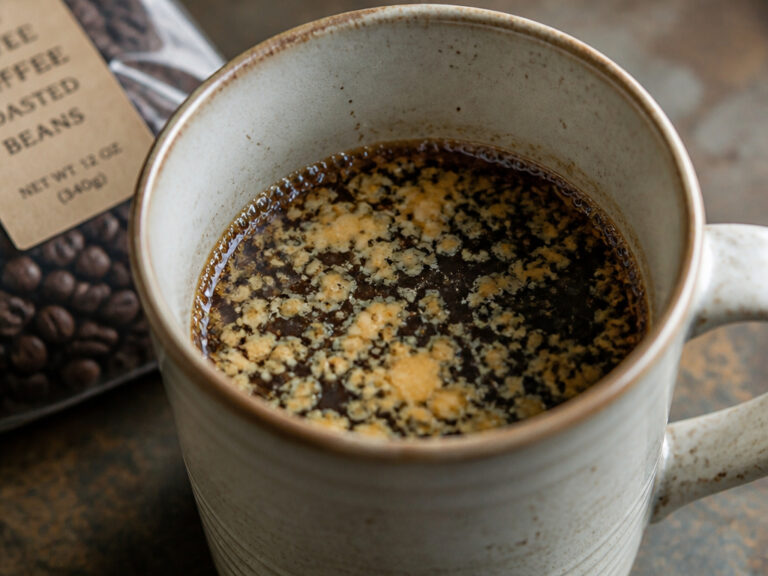
Can you drink expired coffee? Get the clear answers on health risks, mold potential, and flavor loss. Learn expert storage methods to keep beans fresh longer!

Does chicory coffee have caffeine? The answer depends on your blend. Uncover the caffeine levels in different chicory products and find your perfect cup.

Yes, TSA and CATSA allow coffee grounds in carry-on and checked bags. Learn the powder screening limit, customs rules for green beans, and how to pack them.

Discover what defines authentic Colombian dark roast coffee, from Agtron scale specifics to brewing adjustments for chocolate and nut notes.
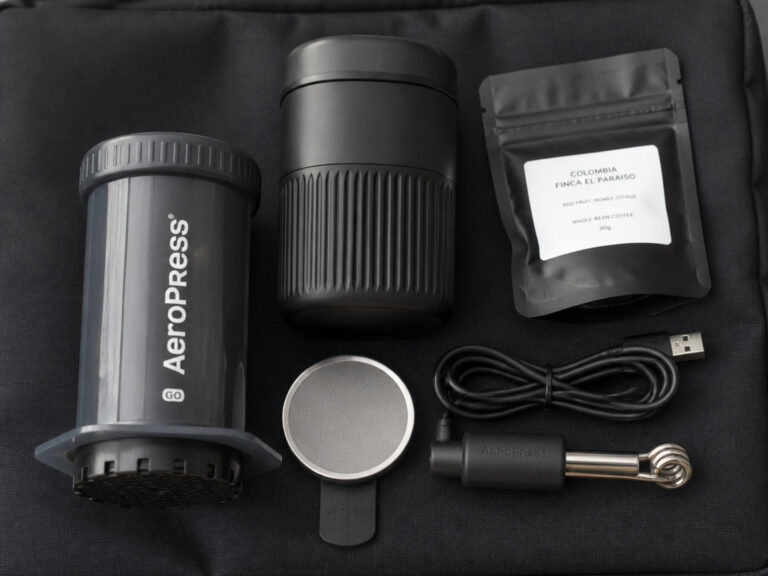
Yes, you can bring coffee on a plane! Learn the TSA rules for liquids, powders, and international travel to pack it right. Avoid security delays today.

Yes, you can bring coffee beans on a plane in carry-on or checked bags. Follow TSA and USDA rules for ground, whole bean, and liquid coffee to avoid airport delays.

The answer to “can Mormons drink iced coffee” is a clear no. Here’s the official Church doctrine, the common confusion explained, and what members actually drink instead.

Adding salt to coffee can reduce bitterness and enhance sweetness. Learn the precise method, the science behind it, and common mistakes to avoid.

How much caffeine is in cold brew? The answer hinges on grind size, brew time, and ratio. Learn the science behind the numbers and how to control your intake.

What are blonde roast coffee beans? They’re a high-acid, bright light roast defined by Agtron numbers, not marketing. Learn to brew them right.