
The Meaning of Decaf Coffee & the FDA’s 97% Caffeine Rule
Decaf coffee means coffee that has had at least 97% of its caffeine removed from the green, unroasted beans before roasting, as defined by U.S. and international food standards. An 8-ounce cup typically contains 2 to 15 milligrams of residual caffeine, compared to 80–100mg in a regular cup. The four main industrial methods use chemical solvents, liquid carbon dioxide, or water to dissolve and extract the caffeine molecules.
Most people think “decaf” means zero caffeine. That assumption is wrong, and it’s the reason sensitive drinkers still feel a buzz or can’t sleep after an evening cup. The label is a legal threshold, not a chemical absolute.
This guide breaks down what “decaffeinated” actually entails. We’ll walk through the four production methods, explain the safety of chemical solvents, and show you how to read a bag label to predict flavor.
Key Takeaways
- Decaf is a 97% rule. By U.S. FDA and international standards, coffee must have at least 97% of its original caffeine removed to be labeled decaffeinated. It is never 100% caffeine-free.
- Residual caffeine is real. An 8-ounce cup of decaf holds between 2 and 15 milligrams of caffeine. For context, a standard cup of regular coffee has 80–100mg.
- Method dictates flavor. The Swiss Water and CO2 methods best preserve origin character. Solvent-based methods (methylene chloride, ethyl acetate) can strip more flavor compounds, sometimes leaving a flat or chemically-tinged cup.
- Safety regulations are strict. Residual chemical solvents in roasted beans are measured in parts per million, well below the FDA’s safety limits. The health risk from these trace amounts is considered negligible.
- Always start with green beans. Decaffeination must happen before roasting. Applying solvents or water to roasted beans would destroy flavor and structure, resulting in an unusable product.
The Legal and Chemical Definition of “Decaf”
The term isn’t just marketing. It’s a regulated standard. In the United States, the Food and Drug Administration (FDA) doesn’t set a specific numerical limit but follows the international standard: to be labeled decaffeinated, coffee must have had at least 97% of its caffeine removed.
The U.S. Food and Drug Administration (FDA) permits the use of methylene chloride and ethyl acetate solvents for decaffeination, with strict limits on residual amounts. The FDA has stated that the risk to consumers from European Method decaf is “essentially non-existent.”
This process only works on green, unroasted coffee beans. Their cellular structure is still porous and stable, allowing solvents or water to penetrate and dissolve caffeine without destroying the bean. If you tried to decaffeinate a roasted bean, you’d wash away nearly all the oils and aromatic compounds that give coffee its flavor. You’d be left with a brown, tasteless husk.
The 97% figure is an average. Efficiency varies by method and processor. The CO2 method pulls out 96–98%. The Swiss Water Process gets 94–96%. Solvent methods hover around 96–97%. That missing 2–6% is why you still get a tiny dose of caffeine.
TL;DR: “Decaf” is a regulated label meaning 97% caffeine removal from raw beans, not a guarantee of zero caffeine.
How Much Caffeine Is Actually in Your Decaf Cup?
You are not imagining things. There is caffeine in there. After the 97% removal, what remains is a small but measurable amount.
For an 8-ounce cup of brewed decaf coffee, the residual caffeine ranges from about 2 milligrams on the very low end to 15 milligrams on the high end. Most industry sources cite an average of around 7 milligrams. Compare that to the 80–100 milligrams in a standard regular cup.
| Beverage (8 oz) | Typical Caffeine Range | Notes |
|---|---|---|
| Regular Brewed Coffee | 80–100 mg | Varies greatly by bean, roast, and brew method. |
| Decaf Brewed Coffee | 2–15 mg | Depends on decaf method and original bean caffeine content. |
| Black Tea | 40–70 mg | A common lower-caffeine option for those reducing intake. |
| Coca-Cola (12 oz) | ~34 mg | Shows how low the decaf range truly is. |
That means three cups of a particularly potent decaf could deliver roughly the same caffeine as a single weak regular coffee or a strong cup of black tea. For individuals with extreme sensitivity, a caffeine-related condition, or for parents monitoring a child’s caffeine intake, this residual amount matters. It’s also crucial for breastfeeding mothers tracking their total daily consumption.
Common mistake: Assuming decaf is okay for a true caffeine allergy, the residual proteins and tiny caffeine amount can still trigger a reaction in highly allergic individuals. Always consult a doctor.
The Four Main Decaffeination Methods
All methods follow the same basic principle: get a solvent (chemical, water, or CO2) to bind with caffeine molecules in the green bean and then remove it. The choice of solvent defines the cost, environmental impact, and final flavor profile.
1. Direct Solvent Method (Methylene Chloride)
This is the “European Method” or “European Process.” Green beans are steamed to open their pores, then repeatedly rinsed with methylene chloride. This chemical selectively bonds with caffeine. The beans are steamed again to evaporate any residual solvent, then dried.
- Efficiency: Removes about 96–97% of caffeine.
- Flavor Impact: Can be harsher. Because methylene chloride also bonds with some aromatic oils and sugars, it can strip flavor, leading to a thinner, sometimes flat cup. Some drinkers detect a faint chemical aftertaste.
- Safety: This is the big controversy. Methylene chloride is a known industrial chemical. However, the FDA strictly limits residues in roasted beans to 10 parts per million. Independent testing, like that cited in a University of Queensland caffeine analysis, finds levels around 2–3 mg per kg of beans, far below the danger threshold. The OSHA hazard is for inhalation in industrial settings, not ingestion at these trace levels.
2. Indirect Solvent Method (Ethyl Acetate)
Often labeled “Naturally Decaffeinated” because ethyl acetate occurs naturally in fruits like apples and bananas. The process is indirect: beans are soaked in hot water to dissolve caffeine and flavors. The water is then separated and treated with ethyl acetate, which plucks out the caffeine. The flavor-rich water is returned to the beans, which reabsorb their oils.
- Efficiency: Removes about 96–97% of caffeine.
- Flavor Impact: The returning of the flavor water helps, but ethyl acetate can impart a slight fruity or winey note that masks the bean’s original character. It’s not a neutral process.
- Safety: Considered very safe. Ethyl acetate is common in food production (it’s used as a fruit flavoring).
3. Swiss Water Process
A chemical-free method using only water, temperature, and time. Green beans are soaked in hot water, which dissolves caffeine and coffee solids (flavor compounds). This water is passed through a specialized carbon filter that traps caffeine molecules but lets the larger flavor molecules pass through. The now flavor-rich, caffeine-free water (called “flavor-charged water”) is used to soak a new batch of beans. Since the water is already saturated with flavor, only the caffeine leaches out from the new beans.
- Efficiency: Removes 94–96% of caffeine.
- Flavor Impact: Excellent. It’s renowned for best preserving the bean’s origin characteristics because the flavor compounds never leave the system. The result is a clean, true-to-origin decaf.
- Drawback: It’s a slower, more expensive batch process, which is reflected in the price.
4. Carbon Dioxide (CO2) Method
A high-tech, supercritical fluid extraction. Green beans are placed in a stainless steel vessel. Liquid CO2 is pumped in at extremely high pressure (1,000+ psi), where it becomes “supercritical”, a state between gas and liquid. In this state, CO2 acts as a selective solvent, penetrating the beans and bonding with caffeine. The caffeine-laden CO2 is drained, the pressure is released, and the caffeine separates out. The CO2 is recycled for the next batch.
- Efficiency: Removes 96–98% of caffeine.
- Flavor Impact: Very high. Like the Swiss Water Process, it’s excellent at targeting only caffeine while leaving flavor oils intact. It’s the preferred method for high-quality specialty decafs.
- Drawback: Requires massive, expensive industrial equipment, making it less common.
| Method | Solvent Used | Caffeine Removal | Best For | Potential Drawback |
|---|---|---|---|---|
| Direct Solvent | Methylene Chloride | ~96–97% | Large-scale, cost-effective production. | Can strip flavor; consumer safety concerns. |
| Indirect Solvent | Ethyl Acetate | ~96–97% | Brands marketing “natural” decaf. | May impart faint fruity flavor note. |
| Swiss Water Process | Water & Carbon Filters | ~94–96% | Flavor purity, chemical-free buyers. | Higher cost, slower batch process. |
| CO2 Method | Liquid Carbon Dioxide | ~96–98% | High-quality specialty decafs. | Very high equipment cost. |
TL;DR: Choose Swiss Water or CO2 decaf for pristine flavor. Solvent methods are cheaper but can alter taste, though they are safe within regulated limits.
Is Decaf Coffee Actually Safe to Drink?
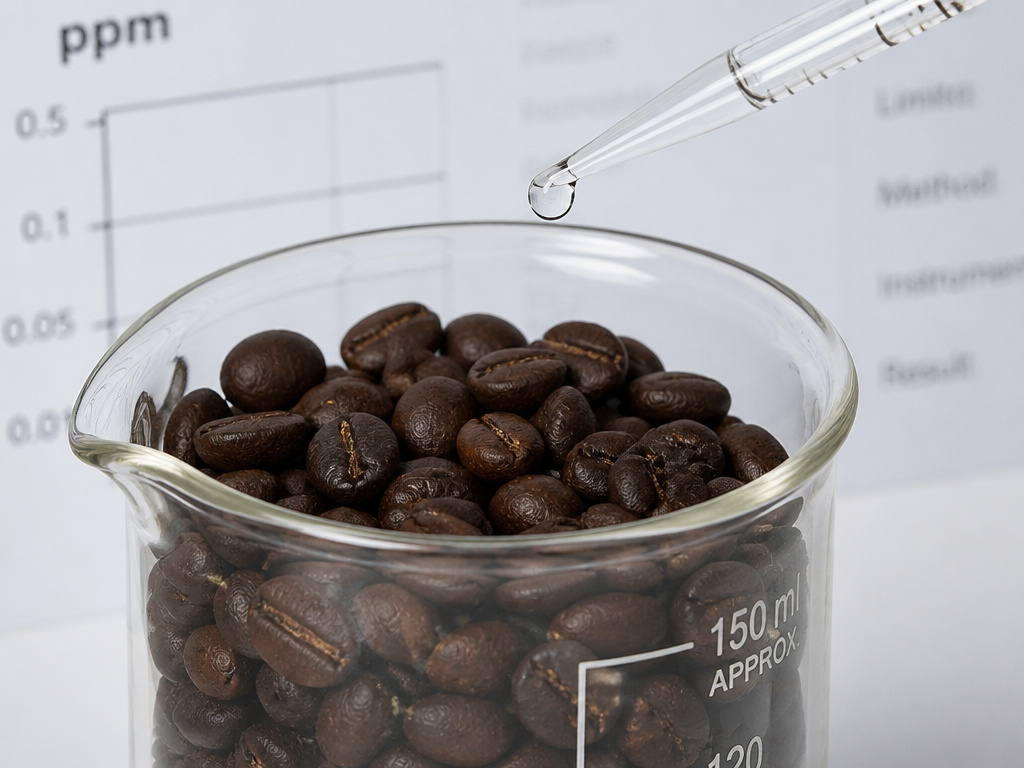
The short answer is yes, for the vast majority of people. The fear stems from the names of chemicals used, not from the trace amounts present in your cup.
Let’s take methylene chloride, the most maligned. The FDA’s tolerance is 10 parts per million (ppm) in roasted coffee. Actual measurements, as reported by food scientists, show residues around 2 to 3 milligrams per kilogram of beans. To reach a potentially harmful dose from coffee alone, you’d need to consume an implausible amount.
The Occupational Safety and Health Administration (OSHA) deems methylene chloride unsafe to consume at concentrations above 10 milligrams per kilogram of body weight. The residual amount in decaf is thousands of times lower than this threshold.
The regulatory stance is clear. Public health authorities like the FDA and their Australian counterparts permit these methods because the math works out. The risk is classified as “essentially non-existent.” The real occupational hazard is for factory workers handling the concentrated chemicals, not for you drinking the final product.
For those who prefer absolute avoidance, the Swiss Water Process exists. It provides a clear, chemical-free path to decaf without the debate. This is also why many seeking the healthier drink options associated with coffee’s antioxidants but not its stimulant effects choose this method.
Why Decaf Tastes Different (And How to Brew It Better)
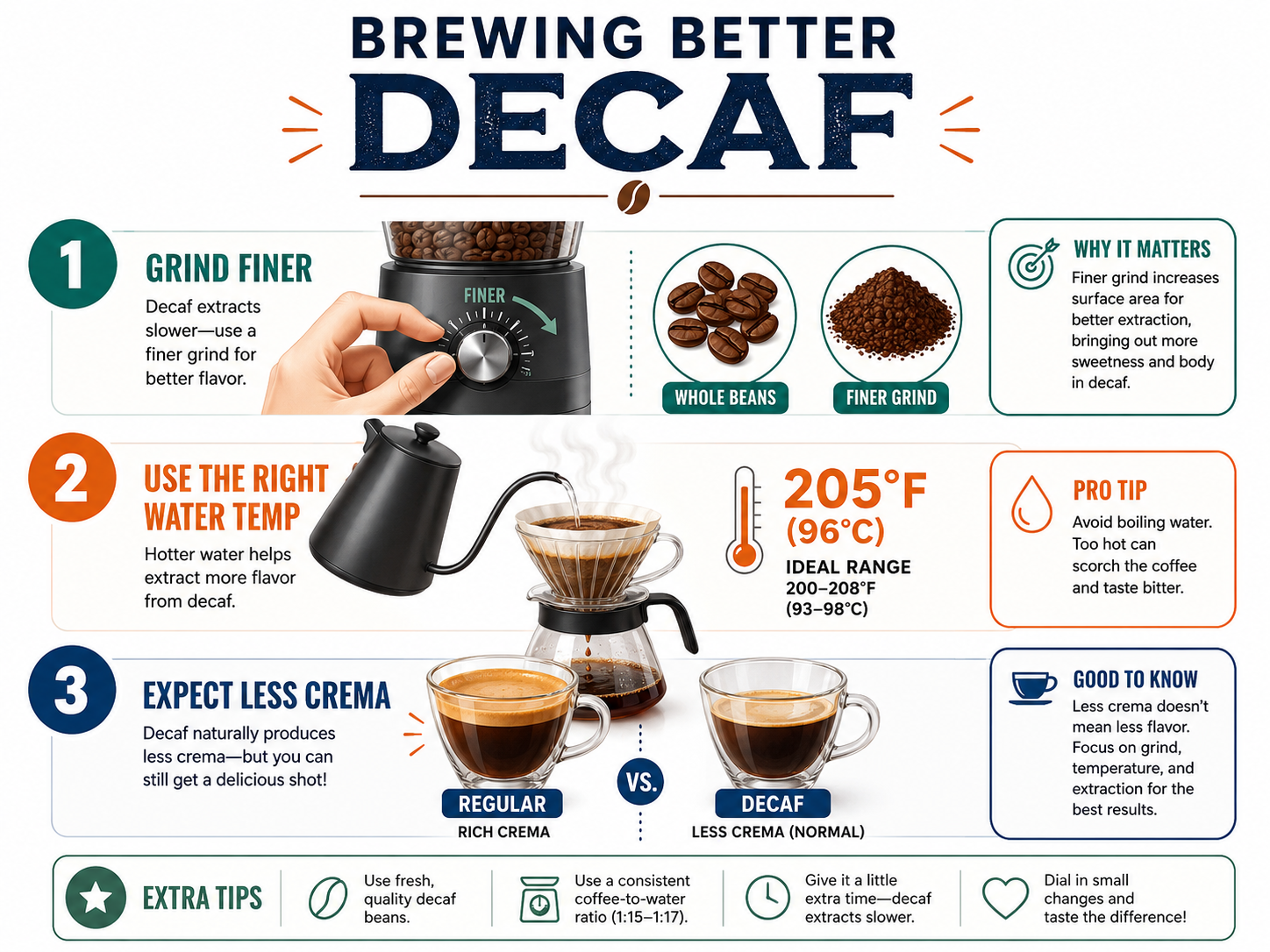
Decaf will never taste exactly like its caffeinated counterpart. Chemistry dictates this. Caffeine itself is bitter. Removing it changes the bean’s chemical makeup. More importantly, the decaffeination process inevitably removes some desirable flavor and aroma compounds alongside the caffeine, no method is perfectly selective.
Solvent methods tend to create a flatter, sometimes papery or chemically-tinged flavor. Water and CO2 methods do a better job, but the bean’s structure is altered. It becomes less dense and more porous. This changes how it roasts and how it extracts in your brewer.
- Grind finer. The more porous decaf bean extracts faster. A slightly finer grind compensates, preventing a weak, sour under-extracted cup.
- Use hotter water. Aim for 205°F (96°C) if your machine allows. The extra heat helps pull out the remaining flavor compounds more efficiently.
- Expect less crema. In espresso, decaf produces significantly less crema because the process removes key oils and gases. Don’t chase the perfect tiger-stripe pour with decaf beans.
If your decaf tastes strikingly bad, like wet cardboard or chemicals, you might have old beans or a poorly processed batch. Freshness matters even more with decaf. Try a bag labeled Swiss Water or CO2 Process from a reputable roaster. The difference can be night and day, moving from a standard coffee caffeine substitute to a enjoyable beverage in its own right.
Who Should Drink Decaf Coffee?
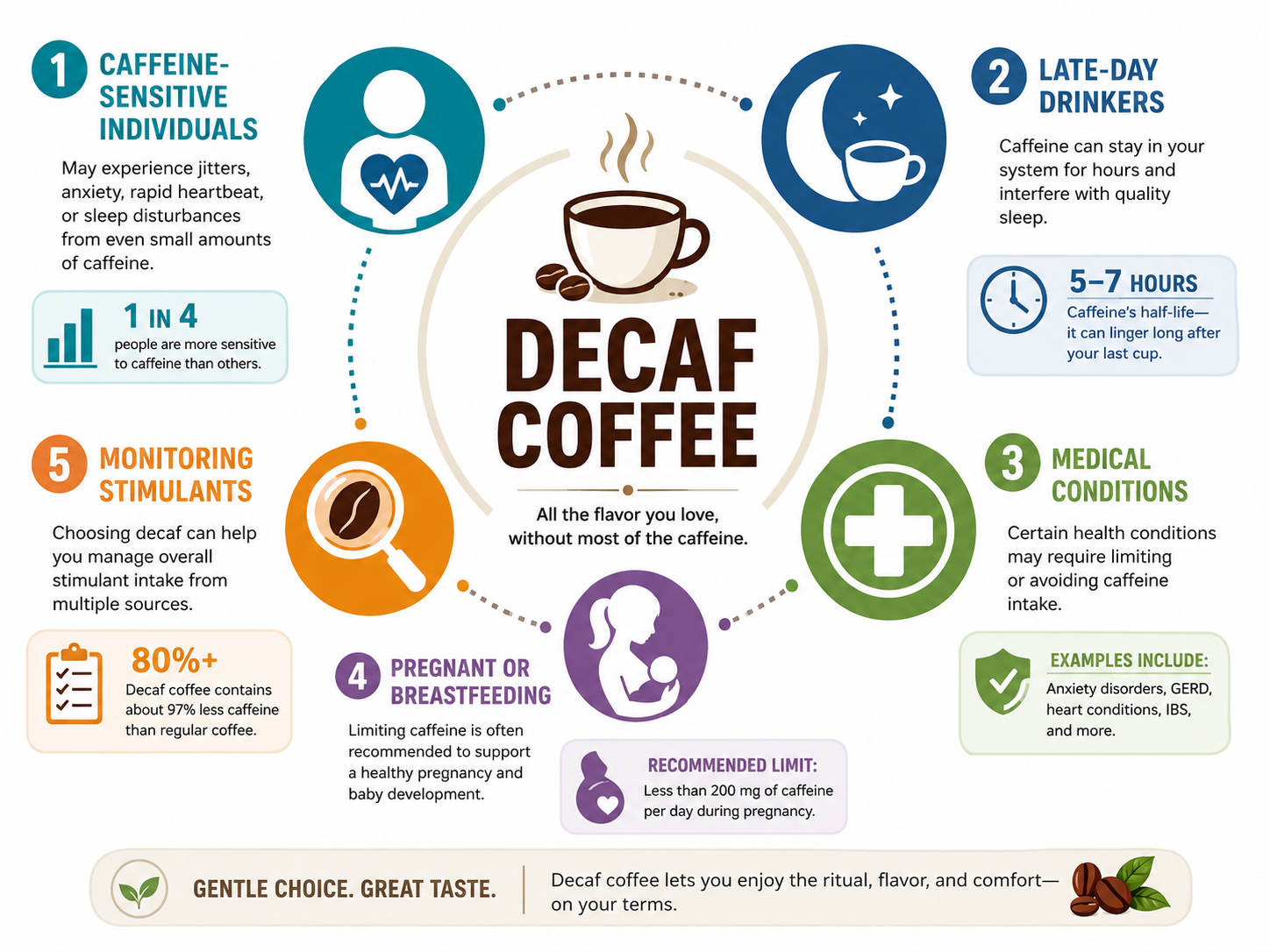
Decaf serves specific needs. It’s not just a “lesser” coffee.
- Caffeine-Sensitive Individuals: If regular coffee causes jitters, anxiety, or heart palpitations, decaf offers the ritual and flavor without the intense stimulant effect. The tiny residual amount is usually tolerated.
- Late-Day Coffee Drinkers: Want an after-dinner coffee without sabotaging sleep? Decaf is the answer. For most, 2–15mg of caffeine won’t disrupt sleep cycles.
- People with Certain Medical Conditions: Those with GERD, acid reflux, or hypertension are sometimes advised to reduce caffeine. Decaf can be a suitable alternative, though note that coffee’s acids themselves can be irritants.
- Pregnant or Breastfeeding Women: Many health guidelines recommend limiting caffeine. Decaf allows for enjoying coffee while minimizing intake. Always follow specific caffeine recommendations from your doctor.
- Anyone Monitoring Stimulants: Whether for dietary, religious, or personal reasons, decaf provides the coffee experience without a significant psychoactive drug.
It is not suitable for people with a diagnosed caffeine allergy, as trace amounts can trigger a reaction. It’s also a poor choice if you’re solely drinking coffee for an energy boost, the caffeine content is too low. In that case, a small espresso would be more effective.
Frequently Asked Questions
Is decaf coffee 100% caffeine-free?
No. By regulation, decaf coffee must have at least 97% of its caffeine removed. An 8-ounce cup typically contains 2 to 15 milligrams of residual caffeine.
What is the healthiest decaf method?
The Swiss Water Process is often considered the “healthiest” because it uses no chemical solvents, only water and carbon filters. The CO2 Method is also an excellent chemical-free choice. Both preserve flavor well, according to the industry standard decaf coffee definition.
Why does my decaf coffee taste bad?
Poor taste usually comes from three places: the decaffeination method (some solvents strip flavor), stale beans (decaf goes rancid faster), or improper brewing (decaf needs a finer grind and hotter water for good extraction). Try a fresh bag of Swiss Water Process decaf.
Can I drink decaf coffee with anxiety?
For many, yes. Decaf removes most of the caffeine that can trigger or worsen anxiety. However, if you are extremely sensitive, even the 2–15mg residual caffeine could be a trigger. Start with a small amount to test your reaction.
Before You Go
Decaf coffee means a specific, regulated reduction, not elimination, of caffeine. The label promises at least 97% removal, leaving a small but real amount in your cup. Your choice between Swiss Water, CO2, or solvent methods directly affects flavor and aligns with your comfort level regarding food chemistry.
Remember to brew it right. Treat decaf as its own ingredient: grind a touch finer, use hotter water, and manage your expectations for crema or body. When you do, it transforms from a disappointing substitute into a legitimate, enjoyable option for evenings, for sensitivity, or simply for drinking more coffee without the buzz. It’s a tool for control, not a compromise.
{
“@context”: “https://schema.org”,
“@type”: “HowTo”,
“name”: “What Decaf Coffee Means and How It’s Made”,
“totalTime”: “PT10M”,
“tool”: [
{
“@type”: “HowToTool”,
“name”: “Decaffeinated coffee beans”
},
{
“@type”: “HowToTool”,
“name”: “Coffee grinder”
},
{
“@type”: “HowToTool”,
“name”: “Brewing equipment (e.g., drip machine, French press, espresso machine)”
}
],
“step”: [
{
“@type”: “HowToStep”,
“name”: “Understand the decaf definition”,
“text”: “Recognize that ‘decaf’ legally means at least 97% of the caffeine has been removed from green, unroasted coffee beans, not that the coffee is entirely caffeine-free.”
},
{
“@type”: “HowToStep”,
“name”: “Identify the decaffeination method”,
“text”: “Check the bag label for terms like ‘Swiss Water Process’, ‘CO2 Method’, or ‘Naturally Decaffeinated’ (often ethyl acetate) to understand how the caffeine was removed and the potential flavor impact.”
},
{
“@type”: “HowToStep”,
“name”: “Adjust your brewing expectations”,
“text”: “Brew decaf coffee using your preferred method, but be aware that some methods strip more flavor compounds, so you may need a slightly finer grind or hotter water for full extraction.”
},
{
“@type”: “HowToStep”,
“name”: “Account for residual caffeine”,
“text”: “Know that an 8-ounce cup of decaf still contains 2 to 15 milligrams of caffeine. If you are extremely sensitive, factor this into your daily intake.”
}
]
}
{
“@context”: “https://schema.org”,
“@type”: “FAQPage”,
“mainEntity”: [
{
“@type”: “Question”,
“name”: “Is decaf coffee 100% caffeine-free?”,
“acceptedAnswer”: {
“@type”: “Answer”,
“text”: “No. By regulation, decaf coffee must have at least 97% of its caffeine removed. An 8-ounce cup typically contains 2 to 15 milligrams of residual caffeine.”
}
},
{
“@type”: “Question”,
“name”: “What is the healthiest decaf method?”,
“acceptedAnswer”: {
“@type”: “Answer”,
“text”: “The Swiss Water Process is often considered the \”healthiest\” because it uses no chemical solvents, only water and carbon filters. The CO2 Method is also an excellent chemical-free choice. Both preserve flavor well, according to the industry standard decaf coffee definition.”
}
},
{
“@type”: “Question”,
“name”: “Why does my decaf coffee taste bad?”,
“acceptedAnswer”: {
“@type”: “Answer”,
“text”: “Poor taste usually comes from three places: the decaffeination method (some solvents strip flavor), stale beans (decaf goes rancid faster), or improper brewing (decaf needs a finer grind and hotter water for good extraction). Try a fresh bag of Swiss Water Process decaf.”
}
},
{
“@type”: “Question”,
“name”: “Can I drink decaf coffee with anxiety?”,
“acceptedAnswer”: {
“@type”: “Answer”,
“text”: “For many, yes. Decaf removes most of the caffeine that can trigger or worsen anxiety. However, if you are extremely sensitive, even the 2–15mg residual caffeine could be a trigger. Start with a small amount to test your reaction.”
}
}
]
}
