
Good Alternatives to Coffee: 7 Top Picks for a Healthy Swap
A good alternative to coffee provides the ritual, taste, or energy boost without the side effects of caffeine. The closest taste match is roasted chicory root, which brews a dark, bitter cup nearly indistinguishable from coffee. For a gentler energy lift, try matcha or yerba mate. To quit coffee without withdrawal, use a taper-off method blending real coffee with a cereal-based substitute over a week.
Most people reach for an alternative because coffee makes them jittery, disrupts sleep, or aggravates their stomach. They try one substitute, find it tastes like muddy water, and give up. The mistake is treating all alternatives the same.
They fall into distinct categories: caffeine-free taste replicas, low-caffeine stimulants, and herbal wellness drinks. Your goal dictates your pick. This guide breaks down the seven that actually work, how to brew them right, and how to transition off coffee without the headaches.
Key Takeaways
- Roasted chicory root is the closest flavor match to coffee, scoring a 9/10 for similarity in blind tastings.
- To avoid caffeine withdrawal, blend your regular coffee with a cereal-based alternative like Teeccino, reducing the coffee ratio by half each day over 5-7 days.
- Matcha and yerba mate provide focused energy from L-theanine and theobromine, not the jittery caffeine spike of coffee.
- Always check labels on commercial coffee substitutes, many contain maltodextrin or artificial caramel flavor that ruins the taste.
- Foraging and roasting your own dandelion or burdock root coffee is feasible, but requires precise dehydration at 180°F for an hour before a 300°F roast.
What is the closest-tasting coffee alternative?
Roasted chicory root is the closest. It brews a dark, inky liquid with a bitter, slightly woody profile that mirrors a deep, dark roast coffee. In the South Indian filter coffee tradition, chicory is blended with coffee beans to add body and a thick crema-like texture.
Technical Snapshot: Chicory (Cichorium intybus) root contains inulin, a prebiotic fiber, and no caffeine. When roasted, its carbohydrates caramelize, producing bitter compounds like maltol and furanones that mimic the roasted notes of Coffea arabica. The brewing process extracts these solubles at a rate similar to coffee, yielding a total dissolved solids (TDS) percentage between 1.2% and 1.5% in a standard preparation.
You brew it exactly like coffee. Use a tablespoon of chicory granules per cup of water in a drip machine, French press, or percolator. The result is a robust cup that stands up to milk and sweetener. Some brands, however, add fillers.
Common mistake: Buying chicory powder with added maltodextrin or artificial caramel flavor, this introduces a cloying, chemical sweetness that overpowers the natural roasted bitterness. Urban Platters Instant Chicory Powder lists maltodextrin; Happy Sips has artificial caramel flavor.
Stick to a label that says “100% roasted chicory root.” For a direct comparison, if roasted chickpea coffee is a 7/10 on the “tastes like coffee” scale, pure chicory is a solid 9. Someone served a cup likely won’t guess it isn’t real coffee.
TL;DR: Pure roasted chicory root, brewed strong, is a 9/10 match for coffee’s taste and mouthfeel. Avoid any product with added maltodextrin or flavors.
How do you quit coffee without withdrawal headaches?
You taper. The method outlined in Stephen Cherniske’s Caffeine Blues is clinical and effective. If you drink three cups a day, start by making each cup with half your regular coffee and half a cereal-based coffee alternative like Teeccino (a blend of roasted barley, chicory, and dates) or Roma (a roasted grain beverage).
Your palate accepts the mix because the roasted grain notes cover the reduced coffee flavor. Each day, incrementally increase the alternative portion and decrease the coffee. Within five to seven days, you’re drinking a full cup of the substitute with zero coffee. The gradual decline in caffeine avoids the adenosine receptor shock that causes pounding withdrawal headaches.
This taper works because it decouples the physiological addiction from the psychological ritual. You still have your morning mug, your brewing routine, and a hot, bitter drink. The body’s dependency winds down without a sudden deficit. Cold turkey fails for most people because it attacks both the habit and the chemistry at once.
I used this exact method after coffee started triggering midday crashes. Blending my morning French press with Teeccino’s Java flavor for six days felt seamless. By day seven, the pure Teeccino cup was satisfying, and the absence of a 3 p.m. energy cliff was immediate.
TL;DR: Blend your daily coffee with a roasted grain alternative, shifting the ratio a bit more each day. In under a week, you replace the habit without the headaches.
Caffeine-free roots and grains you can brew
This category is for those who want the coffee experience, dark color, bitter taste, brewing ritual, without a single milligram of caffeine. The options are botanical and often come with digestive benefits.
| Alternative | Primary Flavor Notes | Best Brew Method | Key Benefit |
|---|---|---|---|
| Roasted Chicory Root | Bitter, woody, similar to dark roast coffee | Drip, French press, or boiled like Turkish coffee | High in prebiotic inulin for gut health |
| Roasted Dandelion Root | Earthy, nutty, slightly less bitter than chicory | French press (4-5 minute steep) | Traditionally used to support liver and digestion |
| Roasted Burdock Root | Smoky, sweet, reminiscent of toasted grains | Simmered for 10 minutes like a decoction | Contains antioxidants and acts as a gentle diuretic |
| Roasted Barley (Mugicha) | Toasty, mild, slightly sweet | Steeped hot or cold-brewed overnight | Popular in East Asia for cooling the body; mineral-rich |
| Roasted Chickpeas | Nutty, hearty, with a distinct legume aftertaste | Fine grind for a Moka pot or espresso machine | Adds protein and fiber to the drink |
You can buy these pre-roasted and ground, or make your own. Foraging requires positive plant identification, dandelion and burdock are common, but you must be certain.
The DIY process is straightforward but time-bound. Clean and chop fresh roots into small, uniform pieces. Dehydrate them in an oven at 180°F for one hour. This step removes internal moisture; skipping it results in a chewy, uneven roast. Then increase the heat to 300°F and roast for 10 to 15 minutes, watching for a deep brown color and a fragrant, coffee-like smell. Over-roasting burns the roots, producing an acrid flavor that no amount of milk can fix. Let the pieces cool completely before grinding in a burr grinder set to a coarse setting similar to French press.
These roots brew best with a slightly longer contact time. Use just-off-boiling water and steep for 4-5 minutes. They won’t create crema, but they will give you a satisfyingly dark, bitter base for your morning routine.
Low-caffeine options for sustained energy
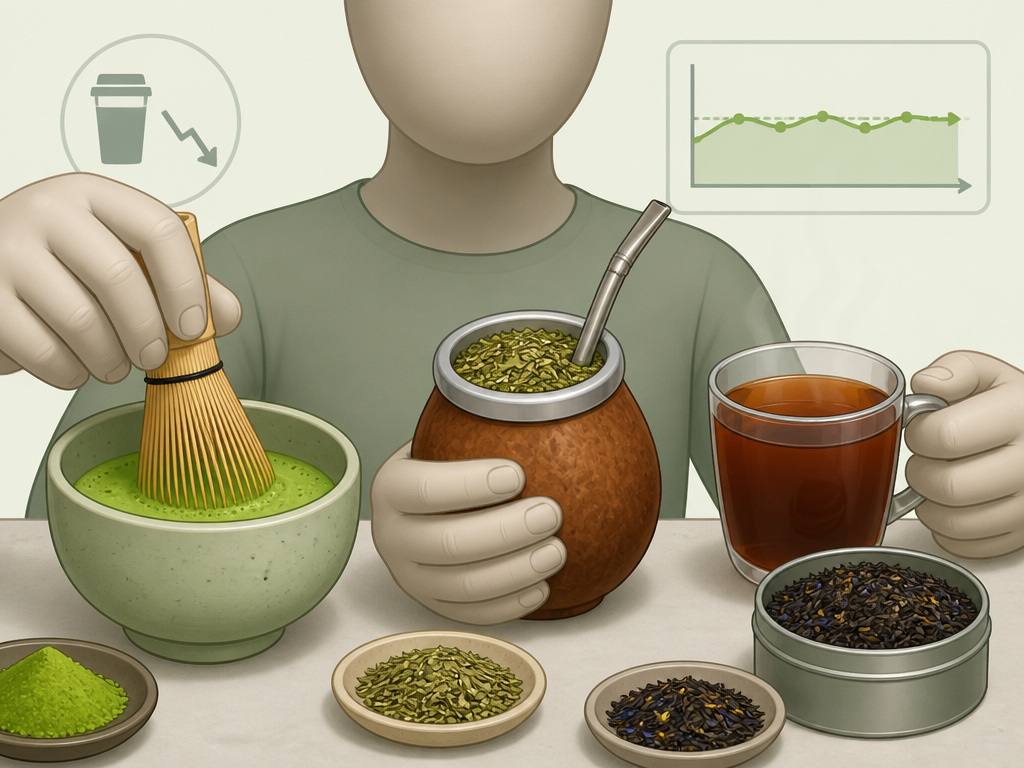
If your goal is to reduce caffeine, not eliminate it, these drinks provide a gentler, longer-lasting lift without coffee’s sharp spike and crash. They work through different stimulating compounds.
Matcha is powdered green tea. Its caffeine is balanced by L-theanine, an amino acid that promotes calm alertness. You get focus without jitters. A half-teaspoon of ceremonial-grade matcha, whisked with 170°F water, has about 35mg of caffeine, half a cup of coffee, but the effect feels smoother and lasts longer. The flavor is vegetal and umami, not coffee-like, but the ritual of sifting and whisking replaces the coffee-making habit.
Yerba Mate is a South American holly leaf tea. It contains mateine (chemically identical to caffeine) alongside theobromine (found in chocolate) and theophylline. This combination yields a social, focused energy that many describe as “clean.” Brew it like loose-leaf tea in a gourd or French press. The taste is earthy, herbal, and grassy, an acquired taste that pairs well with a twist of citrus.
Black tea is the most accessible alternative. A standard cup has about 40-60mg of caffeine, released more slowly than coffee due to tea’s tannins. The caffeine in tea provides a milder stimulation, and the vast world of black tea varieties, from malty Assam to floral Darjeeling, offers a tasting journey of its own. For those sensitive to acidity, exploring low-acid tea options can solve stomach issues coffee causes.
Common mistake: Assuming all tea is low-caffeine. Brewing method drastically changes yield. A black tea steeped for 5 minutes in boiling water can extract nearly as much caffeine as a light roast coffee. For a consistent reduction, steep for 2-3 minutes or choose a green tea like Sencha, which naturally has less.
TL;DR: Matcha and yerba mate offer balanced, sustained energy. Black tea is a familiar halfway house with less caffeine and a wide flavor range.
What about commercial coffee substitute blends?
Brands like Teeccino, Dandy Blend, and Pero occupy supermarket shelves. They are convenient, but you must read the ingredient deck. These blends mix roasted grains, roots, and sometimes nuts or fruits to approximate coffee’s body and flavor.
Teeccino’s original flavor, for example, contains roasted barley, chicory root, dates, and figs. It’s naturally sweet and caffeine-free. Dandy Blend is a soluble powder of roasted dandelion and beetroot. Pero is a blend of roasted barley, rye, and chicory. Their advantage is consistency and ease, just add hot water.
The disadvantage is hidden ingredients. Some use barley malt syrup for sweetness, which adds sugars. Others use “natural flavors,” a vague term that can cover processed additives. As noted in the chicory section, maltodextrin is a common filler that adds a slick, sweet mouthfeel foreign to pure roasted roots.
When evaluating a blend, apply the coffee rule: simpler is better. The ingredient list should be recognizable, roasted barley, roasted chicory root, roasted dandelion root. If you see maltodextrin, soy lecithin, or “natural flavor,” you’re buying a processed food product, not a pure coffee alternative. That doesn’t mean it’s bad, but it won’t give you the clean, bitter coffee experience you likely want.
Health considerations: benefits and trade-offs

Switching from coffee isn’t just about taste or caffeine. Each alternative carries its own health profile, often rooted in traditional medicine.
Chicory root’s inulin is a proven prebiotic, feeding beneficial gut bacteria. Dandelion root is a traditional diuretic and liver tonic. Barley tea (mugicha) is rich in minerals like magnesium and potassium and is consumed in Asia to cool the body. The health benefits of tea are well-documented, from antioxidants in green tea to heart health links with black tea.
However, alternatives are not direct health supplements. They are beverages. The health benefit is a bonus, not a primary reason to drink them. If you have specific health conditions, like iron deficiency, note that some herbal roots contain compounds that can inhibit mineral absorption, similar to the tannins in tea.
Furthermore, the regulatory environment for these products is less stringent than for pharmaceuticals. The California SB-244 legislative text, part of the Right to Repair Act, underscores the importance of consumer access to information for informed choices, a principle that applies to knowing exactly what’s in your coffee substitute.
The main trade-off is taste versus function. You might not love the flavor of dandelion root tea, but you might tolerate it for its purported benefits. The key is to find an alternative you enjoy enough to drink consistently; otherwise, you’ll revert to coffee.
How do energy drinks compare as a coffee alternative?
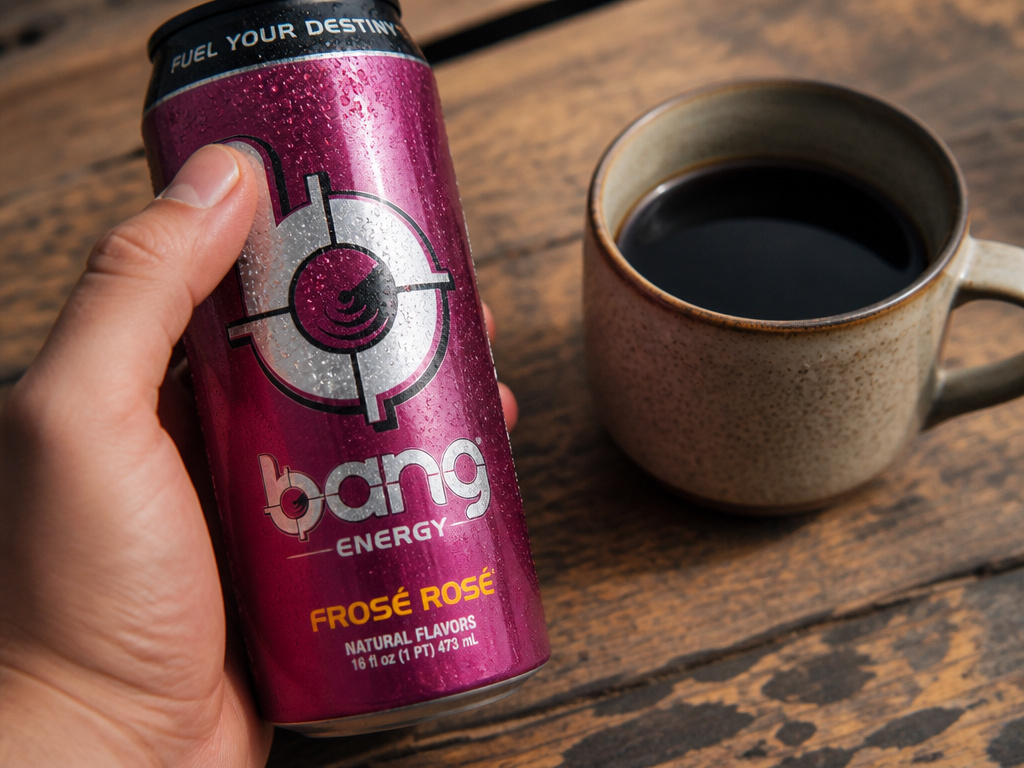
Poorly. While they are an alternative source of caffeine, they are not a healthier or better-tasting one. A standard 8.4oz can of Red Bull has about 80mg of caffeine, similar to a weak cup of coffee, but it’s delivered alongside a cocktail of sugar, B-vitamins, and amino acid derivatives like taurine.
The sugar content in many energy drinks creates a blood sugar spike and crash, compounding the eventual caffeine crash. Even sugar-free versions rely on artificial sweeteners and a more aggressive acid blend for shelf-stability, which can be harsh on tooth enamel and the stomach lining. The comprehensive look at energy drink risks shows they often contain more additives and have a higher potential for misuse than a simple cup of coffee.
Monster Energy and similar large-format drinks can contain 160mg of caffeine or more per 16oz serving, a massive, sudden dose that exacerbates coffee’s jittery side effects. They lack the ritual, the warmth, and the craft that makes coffee and its true alternatives enjoyable. They are a pharmaceutical-style energy delivery system, not a beverage to savor.
If you need a portable, cold caffeine hit, iced tea is a far superior choice. You control the sweetness, it contains antioxidants, and the caffeine release is gentler.
Frequently Asked Questions
Is decaf coffee a good alternative?
Decaf is coffee with most caffeine removed, so it retains the taste and acidity. For those avoiding caffeine due to sensitivity or sleep issues, it’s a logical step. However, the commercial decaffeination process often uses chemical solvents like methylene chloride, though residues are within FDA limits. Swiss Water Process decaf uses only water and carbon filters, making it a cleaner choice if you want the coffee taste without the stimulant.
Can coffee alternatives damage my espresso machine?
Yes, if they contain oils or fine particulates. Pure roasted chicory root is generally low in oils, but grain-based blends like barley can leave starchy residues. Never run a substitute through a superautomatic espresso machine with integrated grinders, the oils and starch can gum up the burrs and grouphead. Use a separate grinder and consider a pour-over or French press method for alternatives to protect expensive equipment.
Do any coffee alternatives taste good black?
Chicory and high-quality roasted dandelion root can stand alone black, especially if you enjoy bitter, intense flavors like a straight espresso. Most people prefer to add a splash of milk or a natural sweetener like a date to round out the edges, just as many do with coffee. It’s a matter of personal taste adjustment.
How much does switching save?
Cost varies. Pure chicory root powder is often cheaper than specialty coffee, where 100g of premium coffee may cost a certain amount, the same weight of chicory can be 40% less. However, artisanal coffee substitute blends like Teeccino can be priced similarly to mid-tier coffee. The savings are more apparent when you forage and roast roots yourself, where the primary cost is time and oven energy.
Will I miss the caffeine boost?
Initially, yes. Your body is accustomed to a specific adenosine blockade. After the transition period (1-2 weeks), many report more stable energy throughout the day without the afternoon crash. For a lift, the low-caffeine options like matcha or black tea brewing provide a gentler, sustained effect that can feel more productive than coffee’s sharp peak.
The Bottom Line
Your perfect coffee alternative depends on what you need to replace. If it’s the dark, bitter taste and morning ritual, pure roasted chicory root wins. If it’s the caffeine energy but not the jitters, matcha or yerba mate step in. If you want to quit caffeine entirely without shock, a gradual taper with a cereal-based blend is the only humane method.
Ignore products with ingredient lists longer than one item. Forage and roast your own if you have the time and curiosity, it connects you to the process in a way buying grounds never will. The goal isn’t to find an identical replica, but to discover a new ritual that serves you better than the old one. Your machine won’t mind the break, and your nervous system might thank you by 3 p.m.
{
“@context”: “https://schema.org”,
“@type”: “HowTo”,
“name”: “How to Find and Brew a Good Coffee Alternative”,
“totalTime”: “PT20M”,
“supply”: [
{
“@type”: “HowToSupply”,
“name”: “Roasted chicory root granules or powder”
},
{
“@type”: “HowToSupply”,
“name”: “Filtered water”
},
{
“@type”: “HowToSupply”,
“name”: “Milk or milk alternative (optional)”
}
],
“tool”: [
{
“@type”: “HowToTool”,
“name”: “Saucepan or kettle”
},
{
“@type”: “HowToTool”,
“name”: “French press, pour-over, or drip coffee maker”
},
{
“@type”: “HowToTool”,
“name”: “Measuring spoon”
}
],
“step”: [
{
“@type”: “HowToStep”,
“name”: “Identify your goal”,
“text”: “Decide if you need a caffeine-free taste replica, a low-caffeine energy boost, or a health-focused herbal drink. This determines which alternative to try first.”
},
{
“@type”: “HowToStep”,
“name”: “Source a pure product”,
“text”: “Buy chicory, dandelion, or cereal-based coffee substitutes. Check the ingredient label—it should list only the roasted root or grain, not maltodextrin or artificial flavors.”
},
{
“@type”: “HowToStep”,
“name”: “Brew like coffee”,
“text”: “Use a 1:15 ratio (e.g., 1 tablespoon of grounds per cup of water). Steep for 4-5 minutes in a French press or run through a drip machine.”
},
{
“@type”: “HowToStep”,
“name”: “Adjust to taste”,
“text”: “The brew will be dark and bitter like coffee. Add milk, a natural sweetener, or a pinch of cinnamon to match your preferred coffee profile.”
}
]
}
{
“@context”: “https://schema.org”,
“@type”: “FAQPage”,
“mainEntity”: [
{
“@type”: “Question”,
“name”: “Is decaf coffee a good alternative?”,
“acceptedAnswer”: {
“@type”: “Answer”,
“text”: “Decaf is coffee with most caffeine removed, so it retains the taste and acidity. For those avoiding caffeine due to sensitivity or sleep issues, it’s a logical step. However, the commercial decaffeination process often uses chemical solvents like methylene chloride, though residues are within FDA limits. Swiss Water Process decaf uses only water and carbon filters, making it a cleaner choice if you want the coffee taste without the stimulant.”
}
},
{
“@type”: “Question”,
“name”: “Can coffee alternatives damage my espresso machine?”,
“acceptedAnswer”: {
“@type”: “Answer”,
“text”: “Yes, if they contain oils or fine particulates. Pure roasted chicory root is generally low in oils, but grain-based blends like barley can leave starchy residues. Never run a substitute through a superautomatic espresso machine with integrated grinders, the oils and starch can gum up the burrs and grouphead. Use a separate grinder and consider a pour-over or French press method for alternatives to protect expensive equipment.”
}
},
{
“@type”: “Question”,
“name”: “Do any coffee alternatives taste good black?”,
“acceptedAnswer”: {
“@type”: “Answer”,
“text”: “Chicory and high-quality roasted dandelion root can stand alone black, especially if you enjoy bitter, intense flavors like a straight espresso. Most people prefer to add a splash of milk or a natural sweetener like a date to round out the edges, just as many do with coffee. It’s a matter of personal taste adjustment.”
}
},
{
“@type”: “Question”,
“name”: “How much does switching save?”,
“acceptedAnswer”: {
“@type”: “Answer”,
“text”: “Cost varies. Pure chicory root powder is often cheaper than specialty coffee, where 100g of premium coffee may cost a certain amount, the same weight of chicory can be 40% less. However, artisanal coffee substitute blends like Teeccino can be priced similarly to mid-tier coffee. The savings are more apparent when you forage and roast roots yourself, where the primary cost is time and oven energy.”
}
},
{
“@type”: “Question”,
“name”: “Will I miss the caffeine boost?”,
“acceptedAnswer”: {
“@type”: “Answer”,
“text”: “Initially, yes. Your body is accustomed to a specific adenosine blockade. After the transition period (1-2 weeks), many report more stable energy throughout the day without the afternoon crash. For a lift, the low-caffeine options like matcha or black tea brewing provide a gentler, sustained effect that can feel more productive than coffee’s sharp peak.”
}
}
]
}
