
Does Decaf Have Caffeine? Understanding the FDA Standards
Yes, decaf coffee contains caffeine. The U.S. Food and Drug Administration (FDA) defines decaffeinated coffee as coffee from which at least 97 percent of the caffeine has been removed. It is not a caffeine-free product. Scientific studies show a typical 16-ounce serving of decaf contains an average of 5.6 mg of caffeine, with some samples containing up to 13.9 mg.
Most people assume the label “decaf” means zero. They order a large decaf in the evening and wonder why they’re staring at the ceiling at midnight. The disconnect isn’t about dishonesty. It’s about a legal definition that allows for a small, variable amount of caffeine to remain, and most consumers never see the numbers.
This guide breaks down the exact caffeine content in decaf coffee, the science and regulations behind it, and what you need to know if you’re sensitive to caffeine or choosing decaf for health reasons.
Key Takeaways
- The FDA’s 97% removal rule means decaf is not caffeine-free. A 16-ounce cup can legally contain up to 13.9 mg of caffeine.
- Decaffeination method matters. The Swiss Water Process and CO2 method avoid chemical solvents, which some health-conscious consumers prefer.
- Serving size is everything. A decaf espresso shot has roughly 1-3 mg of caffeine, while a large decaf drip coffee can have over 10 mg.
- Human error happens. The 2024 recall of McCafé decaf K-Cups for containing caffeinated coffee is a real-world example of cross-contamination.
- If you have severe caffeine sensitivity or a medical condition like hypertension, treat decaf as a low-caffeine beverage, not a no-caffeine one.
How Much Caffeine Is Actually in Decaf Coffee?
Forget percentages. The real answer lives in milligrams per cup. Two peer-reviewed studies give us the hard numbers.
A 2006 study in the Journal of Analytical Toxicology by Bruce Goldberger and his team analyzed nine 16-ounce decaf servings from coffee shops. They found caffeine levels ranging from 0 mg to 13.9 mg per cup. The average was 5.6 mg. One sample from a major chain hit that 13.9 mg mark. An earlier 2003 study by McCusker, Goldberger, and Cone looked at 5-ounce servings and found a range of 3 mg to 12 mg, averaging about 5 mg.
A 2006 analytical study of decaffeinated coffee from retail outlets found caffeine contents ranging from 0 mg to 13.9 mg per 16-ounce serving, with an average of 5.6 mg. This variability is due to differences in original bean caffeine content, decaffeination process efficiency, and brewing strength.
Those numbers seem small until you compare them. A 5 mg dose of caffeine is what you’d find in about two ounces of Coca-Cola. For someone with a severe sensitivity, a medication interaction, or late-night consumption, that’s not nothing.
TL;DR: A 16-ounce decaf coffee averages 5-6 mg of caffeine but can legally contain nearly 14 mg. Always consider the serving size.
The Legal Loophole: What “Decaffeinated” Really Means
The confusion starts with the law. The FDA’s standard, written in Title 21 of the Code of Federal Regulations (21 CFR 166.110), states one thing clearly: coffee must have at least 97% of its caffeine removed to be labeled “decaffeinated.”
Notice what it doesn’t say. It doesn’t set a maximum allowable caffeine limit per ounce or per serving. It doesn’t account for the massive difference between a robusta bean and a washed arabica bean before decaffeination even begins. A bean that starts with 2% caffeine content by weight will, after 97% removal, have a much lower final caffeine count than a bean that started with 1.5% caffeine. The regulation only cares about the percentage removed.
This creates the variability the studies captured. A roaster can follow the letter of the law and still serve you a decaf with 14 mg of caffeine. The system is designed for producer consistency, not consumer predictability.
Common mistake: Assuming “decaf” means “caffeine-free” — the FDA’s 97% rule is a removal standard, not a purity standard. The remaining 3% translates to real, measurable milligrams in your cup.
This is why understanding your own caffeine tolerance levels is more useful than trusting a label alone. Your body reacts to the absolute dose, not the percentage removed.
The Four Main Decaffeination Methods (and What They Leave Behind)
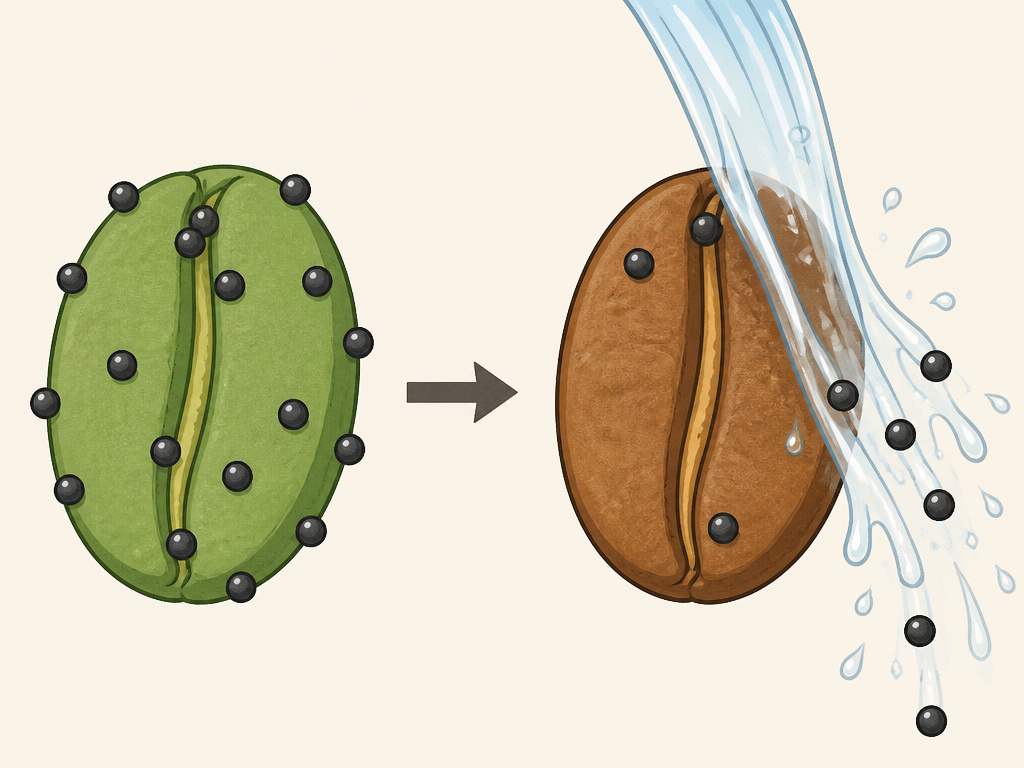
Not all decaf is created equal. The process used to strip caffeine from the green coffee bean affects flavor, cost, and potentially how much caffeine remains. Knowing these methods helps you read between the lines on a bag.
| Method | How It Works | Caffeine Removal Efficiency | Flavor Impact |
|---|---|---|---|
| Solvent-Based (Direct/Indirect) | Beans are steamed, then rinsed with a chemical solvent (methylene chloride or ethyl acetate) that bonds with caffeine. The solvent is drained away. | Very high (often meets/exceeds 97%). | Can strip some volatile aromatics, sometimes leaving a “flat” or chemically-tinged taste if not done carefully. |
| Swiss Water Process | Uses only water and osmosis. Caffeine-free “green coffee extract” soaks the beans, drawing out caffeine while leaving flavor compounds. | High, but can vary slightly by batch. Certified 99.9% caffeine-free by the process owner. | Praised for preserving origin character and clean, sweet flavors. No chemical aftertaste. |
| Carbon Dioxide (CO2) Process | Pressurized CO2 acts as a solvent to dissolve and remove caffeine. The CO2 is then depressurized, leaving the caffeine behind. | Extremely high and consistent. | Excellent flavor retention, often considered the gold standard for quality decaf. |
| Sugar Cane Process | Similar to solvent-based, but uses ethyl acetate derived from fermenting sugar cane. Marketed as “natural.” | High, similar to other solvent methods. | Can impart a slight fruity or sweet note, which some enjoy and others find distracting. |
The Swiss Water and CO2 methods are the go-to for specialty roasters focused on flavor. They avoid chemical solvents, which addresses a common consumer concern highlighted in YouTube discussions where doctors advise patients to seek “chemical-free” decaf. The Swiss Water Process website provides detailed technical specifications for brands that use it.
If you’re exploring decaf for health reasons, the decaffeination method is your first filter. It also influences the final product’s taste as much as its caffeine content per serving.
When Decaf Goes Wrong: Recalls and Cross-Contamination
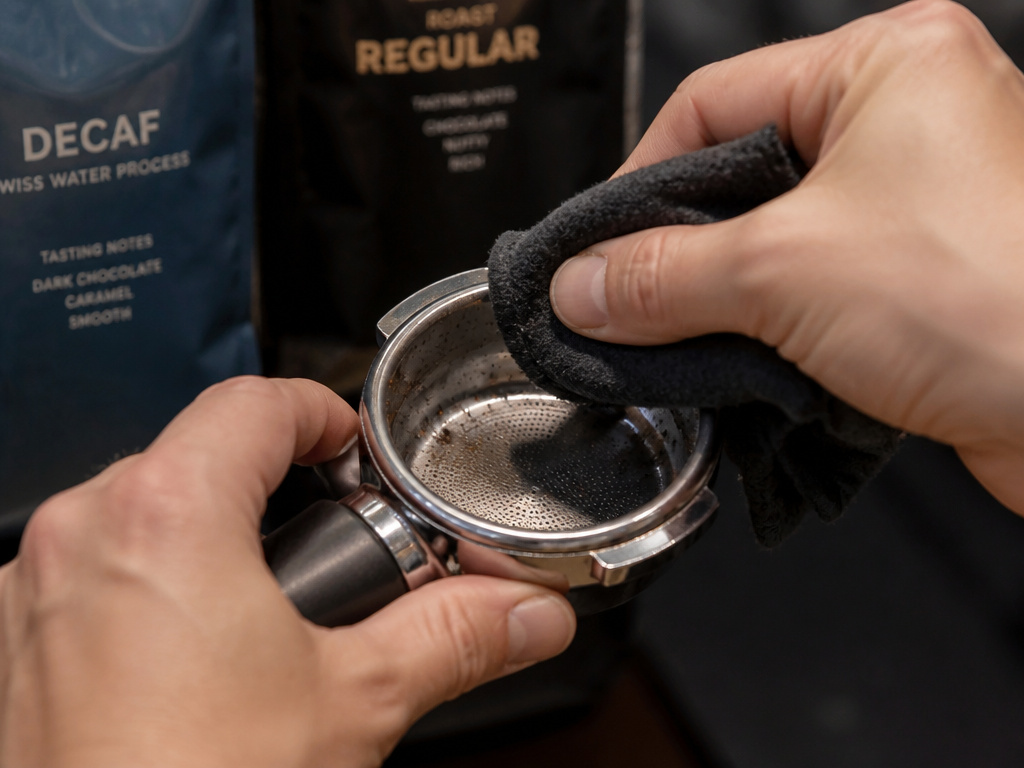
The system isn’t perfect. Human and mechanical error means caffeinated coffee can end up in the decaf bin.
The most famous recent example is the 2024 recall of over 80,000 McCafé decaf K-Cup pods. The FDA announcement stated the pods were mistakenly filled with caffeinated coffee. For someone strictly avoiding caffeine due to pregnancy, a heart condition, or medication, that’s a significant problem.
In roasteries and cafes, cross-contamination is a daily risk. The same grinder used for regular beans in the morning often gets a quick brush-out before grinding decaf in the afternoon. That’s usually enough for most people, but it leaves behind residue. For espresso, the puck screen, portafilter, and grouphead all retain tiny amounts of coffee from previous shots.
If your need for decaf is absolute—say, for a medical condition like caffeine-sensitive hypertension—you need a dedicated setup. That means asking your local cafe if they have a separate decaf grinder. At home, it means a separate grinder or meticulous cleaning. This level of diligence mirrors the care required when comparing the caffeine in different beverages for strict dietary management.
Decaf vs. Everything Else: Putting the Numbers in Context

Is 5 mg of caffeine a lot? It depends on what you compare it to. This table shows where decaf sits in the wider world of beverages.
| Beverage (Standard Serving) | Typical Caffeine Range | Notes |
|---|---|---|
| Decaf Drip Coffee (16 oz) | 0 – 14 mg | High variability based on source and brew. |
| Decaf Espresso (1 oz shot) | 1 – 3 mg | More consistent due to smaller mass. |
| Black Tea (8 oz) | 40 – 70 mg | Caffeine release rates are slower due to tannins. |
| Coca-Cola (12 oz can) | 34 mg | A fixed, predictable amount. |
| Dark Chocolate (1.5 oz) | 20 – 30 mg | Often overlooked as a hidden caffeine source. |
| Regular Drip Coffee (8 oz) | 95 – 165 mg | The baseline for the FDA’s 97% removal calculation. |
The context is liberating. If you’re switching from two regular coffees a day (roughly 300 mg caffeine) to two large decafs (roughly 12 mg), you’ve made a 96% reduction. That’s a huge win. But if you’re substituting decaf for an herbal tea expecting zero, you might feel a slight effect.
This comparative view is essential for managing overall intake, especially when considering the health implications of caffeine or blending decaf with other low-caffeine options like cocoa.
Who Should Be Most Careful with Decaf?
For the majority of people, the trace caffeine in decaf is irrelevant. But for specific groups, that 5-14 mg window matters.
- Pregnant Individuals: Many obstetric guidelines suggest keeping caffeine under 200 mg per day. While decaf contributes minimally, it still counts. Knowing the numbers helps stay within the limit.
- People with Certain Medications: Medications like some antidepressants (MAOIs), asthma drugs (theophylline), and antibiotics (Ciprofloxacin) can interact with caffeine, amplifying its effects. Your pharmacist’s advice to avoid caffeine includes decaf.
- Those with Caffeine Sensitivity or Anxiety Disorders: Some people metabolize caffeine slowly and feel jittery from very small amounts. For them, a 14 mg serving might be noticeable.
- Individuals with GERD or Acid Reflux: While caffeine is a trigger, the acidity of coffee is often the bigger culprit. Decaf is typically just as acidic as regular coffee, so switching may not solve the problem.
For these groups, the advice is simple: treat decaf as a low-caffeine beverage, not a no-caffeine beverage. If you need absolute zero, switch to a naturally caffeine-free herbal tea or grain-based coffee alternative. Understanding this distinction is part of responsibly managing caffeine intake for your specific health picture.
How to Choose a Better Decaf
You can’t control the FDA’s rule, but you can make smarter choices to get a decaf that tastes good and minimizes caffeine.
- Look for the Process: Seek out “Swiss Water Process” or “CO2 Process” on the label. These are the chemical-free methods favored for flavor and transparency. This directly addresses the concern from medical professionals about solvent residues.
- Buy from Specialty Roasters: They often source higher-quality beans for decaf and are more likely to use the superior methods. A roaster proud of their decaf will tell you the process and origin on the bag.
- Consider the Roast Date: Decaf beans can go stale faster. Buy from roasters with a roast date on the bag and use it within a month of that date for the best flavor.
- Ask Your Cafe: Do they have a separate decaf grinder? How often do they brew a fresh decaf batch? The answers tell you how much they care about their decaf service.
- Start with Espresso: If you’re sensitive, a decaf espresso shot or cortado will deliver a much lower total caffeine dose than a large drip coffee, while still satisfying the coffee ritual.
The journey to a great decaf is worth it. As one YouTube coffee commentator put it, decaf drinkers are the purest coffee consumers—they’re in it just for the taste. The industry is finally catching up.
Frequently Asked Questions
Is Swiss Water Process decaf completely caffeine-free?
No. The Swiss Water Process company certifies its method removes 99.9% of caffeine. For a typical coffee bean, that leaves about 0.1% of the original caffeine, which translates to roughly 2-3 mg per 8-ounce cup. It’s the closest to caffeine-free you can get with real coffee.
Why does my decaf sometimes taste bland or weird?
Poor decaf often starts with low-quality beans, as roasters assume decaf drinkers won’t notice. A harsh decaffeination process, like an older solvent method, can also strip flavor compounds and leave a chemical or papery aftertaste. Seek out specialty roasters who treat decaf as a premium product.
Can I drink decaf coffee before bed?
Maybe, but test it. If you are extremely caffeine-sensitive, the 5-14 mg in a cup might be enough to disrupt your sleep onset or sleep quality. For most people, it’s fine. If you’re unsure, have your last cup at least 4 hours before bedtime.
How does the caffeine in decaf compare to a cup of tea?
standard 8-ounce cup of black tea has 40-70 mg of caffeine. Even the highest-testing 16-ounce decaf coffee (14 mg) has less than half the caffeine of a modest cup of tea. If you’re switching from tea to decaf for caffeine reasons, you’re making a significant reduction.
Before You Go
Decaf coffee has caffeine. The amount is small, variable, and regulated by a percentage-based rule that doesn’t match most people’s “caffeine-free” expectation. The key takeaways are the numbers: an average of 5.6 mg per 16-ounce cup, with a legal possibility of up to 14 mg.
Your strategy is straightforward. Choose decaf made via the Swiss Water or CO2 process for better flavor and cleaner processing. Pay attention to serving size—espresso over drip if you’re sensitive. And if your health depends on avoiding caffeine entirely, understand that decaf is not your safe harbor. For everyone else, enjoy your decaf with the knowledge that you’re getting almost all of the pleasure and ritual of coffee, with only a whisper of the stimulant.
