
Ice Cream in Coffee | The 3 Methods That Actually Work
To put ice cream in coffee, use one of three proven methods: the simple coffee float, churning espresso gelato in a machine like the Breville Smart Scoop™, or making rolled ice cream on a compressor freezer like the Whynter ICR-300SS. Each method blends strong coffee with quality ice cream for a rich, dessert-like drink.
Ice cream in coffee combines a scoop of vanilla or coffee-flavored ice cream with a cup of hot or cold brewed coffee, creating a dessert-like drink or a frozen treat infused with coffee flavor. The most common method is the coffee ice cream float, where a scoop is dropped into hot coffee. More advanced methods involve churning espresso gelato in a machine like the Breville Smart Scoop™ or making rolled ice cream on a compressor freezer like the Whynter ICR-300SS.
People ruin it by using weak coffee or cheap ice cream. Weak coffee turns the whole thing into a lukewarm, bland soup. Cheap ice cream with stabilizers melts into a foamy, artificial froth instead of a creamy blend. The drink needs a strong coffee backbone and a quality, simple ice cream.
This guide walks through the three real methods: the quick float, the machine-made espresso gelato, and the rolled ice cream technique. It also covers why alcohol-infused coffee extract beats whole beans for flavor, and how extraction timing decides whether your gelato stays smooth or turns grainy.
Key Takeaways
- Use strong coffee or espresso for a float, anything under a 1:15 brew ratio tastes washed out.
- The Breville Smart Scoop™ BCI600 gelato setting calls for 3oz of espresso in its official recipe.
- Adding ground coffee to a cold base, not a hot one, gives a more pronounced coffee flavor.
- Extraction time from machine to freezer directly controls ice crystal size; longer waits create grainier texture.
- For rolled ice cream, the Whynter ICR-300SS portable machine freezes a mix to about 10°F (-12°C) in under five minutes.
The Scoop Method: Coffee Ice Cream Float
This is the five-minute dessert drink. You brew a cup of coffee, scoop ice cream into it, and watch it melt. The mistake is thinking any coffee and any ice cream work.
Use a dark roast brewed strong, a 1:12 ratio or an espresso shot. Light roast or weak drip coffee turns the float into a lukewarm, thin mess. The ice cream should be a simple vanilla or a coffee-flavored variety with real cream, not a budget brand loaded with gums and stabilizers. Those stabilizers foam up when they hit hot liquid and create a weird, artificial head.
Common mistake: Using light roast coffee for a float, the ice cream’s fat and sugar overwhelm the subtle notes, and you get a sweet, bland cup instead of a balanced drink.
The process is straightforward. Brew your coffee. Let it cool for a minute so it doesn’t instantly melt the scoop. Place a scoop of ice cream into a tall glass or mug. Pour the coffee around it, not directly on top. The ice cream will float and slowly melt, blending into the coffee.
TL;DR: Strong dark roast coffee plus a simple, high-fat vanilla ice cream makes a proper float. Weak coffee or stabilizer-loaded ice cream makes a frothy, bland soup.
Why Alcohol Infusion Beats Whole Beans
If you’re making coffee ice cream from scratch, the flavor source matters. Many recipes toss whole beans or coarse grounds into a heated cream base. That gives a muted, rounded coffee taste. The better path is a cold alcohol infusion.
The Coffee Ice Cream – Recipe from ICE CREAM SCIENCE uses 10g of freshly ground coffee infused with 50g of vodka overnight in the fridge. Alcohol is volatile and releases aroma compounds fast. When you add that extract to your ice cream base, you get a sharp, clear coffee hit instead of a muddy background note.
I tried the heated bean method first. The result tasted like coffee-flavored cream, not coffee ice cream. Switching to the vodka extract changed it. The flavor was front and center, almost like a cold brew concentrate had been folded in. That’s the difference between infusion and extraction.
Ground coffee added at room temperature or below produces a more pronounced flavor than adding it during the heating stage. Heat dulls some of the sharper aromatic compounds. If you skip the alcohol, you can still cold-infuse grounds in the cream mixture for 12 hours before heating. It’s slower, but it works.
Here’s the trade-off:
| Flavor Method | Best For | Risk If Skipped |
|---|---|---|
| Alcohol extract (vodka + grounds) | Intense, clear coffee flavor | Extract can dominate if not balanced; adds alcohol content |
| Cold infusion (grounds in cold cream) | Rounded, deep coffee notes | Requires 12+ hours; flavor can be uneven |
| Hot infusion (beans in heated cream) | Subtle, background coffee taste | Produces muted flavor; beans can impart grassy notes |
Adding a pinch of salt to your base can balance sweetness and enhance the coffee flavor, a trick borrowed from barista practices for reducing bitterness.
TL;DR: A cold vodka extract made from freshly ground coffee delivers a sharper, more authentic coffee flavor than tossing beans into hot cream.
Machine Methods: Espresso Gelato and Rolled Ice Cream
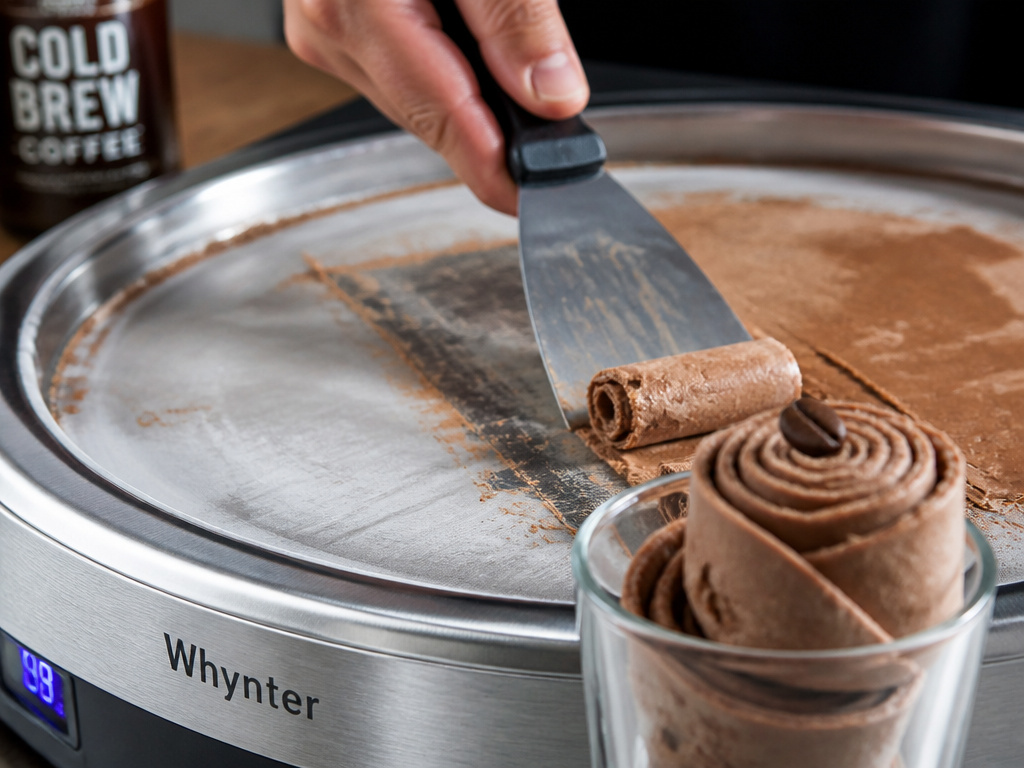
When you want coffee ice cream, not a coffee drink, machines enter the picture. Two types dominate: the self-freezing gelato maker and the instant rolled ice cream compressor.
The Breville Smart Scoop™ BCI600 has a gelato setting. Its official manual includes an “Espresso Gelato” recipe that uses 3oz of strong espresso coffee. You combine the gelato base and espresso, pour it into the ice cream bowl, set the machine to GELATO, and churn. After churning, you transfer it to a freezer-safe container, it holds for up to a week.
The Whynter ICR-300SS Portable Instant Ice Cream Maker is for rolled ice cream. It stirs ingredients on a cold pan while a built-in compressor freezer cools them to about 10°F (-12°C). The mix freezes in under five minutes. You then scrape the frozen sheet into rolls or curls. This method works with cold brew concentrate or a strong, chilled coffee mixture.
The IEC standard for professional ice cream makers, IEC 60335-2-118, outlines safety requirements for appliances with refrigerant condensing units used in commercial settings. It doesn’t cover household machines, but the principles of rapid freezing and temperature control apply to any compressor-based unit.
Which machine wins?
The Breville is for planned, batch-making. You follow a recipe, churn, and store. The Whynter is for immediate, theatrical serving, you make it on the cold plate and serve it right away. The Breville produces a classic, soft gelato. The Whynter gives you a crisp, textured roll.
If you’re adding coconut oil coffee or MCT oil coffee to your base for a keto version, note that higher fat content changes freezing behavior. More fat can mean a softer final product. The Breville’s gelato setting handles it, but the Whynter’s rapid freeze might leave oily streaks if the fat isn’t fully incorporated.
TL;DR: The Breville Smart Scoop™ makes espresso gelato from a recipe. The Whynter ICR-300SS makes rolled ice cream on a cold plate in minutes. Pick based on whether you want to store batches or serve instantly.
Texture Science: Why Timing Matters More Than Temperature
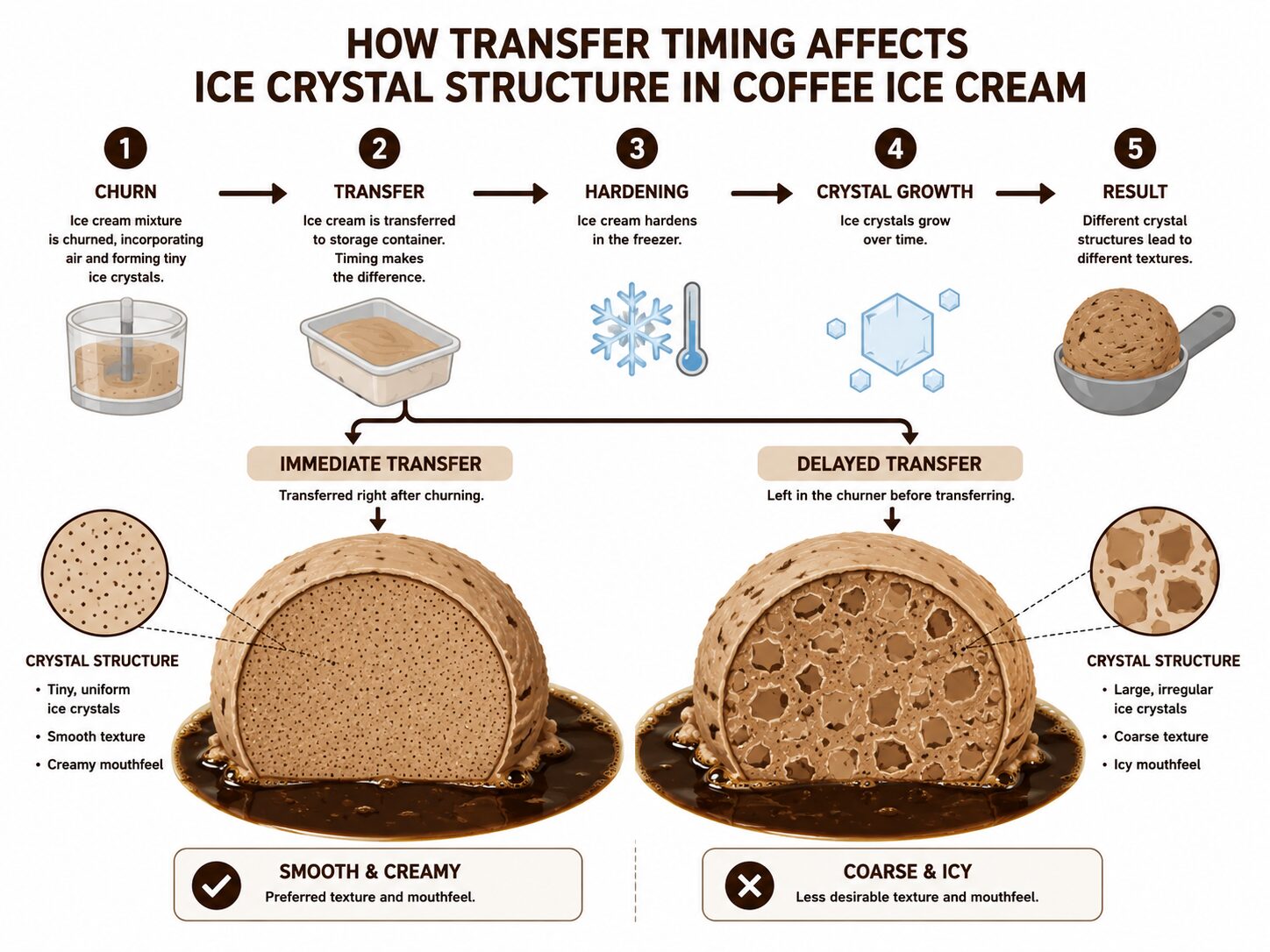
Ice cream texture is about crystal size. Large crystals feel grainy. Small crystals feel smooth. The control isn’t just freezing temperature, it’s how long the mix sits between the machine and the deep freezer.
The Coffee Ice Cream – Recipe notes that extraction time, the time from the machine to the freezer, significantly affects ice crystal size. If you leave your churned gelato on the counter for 30 minutes before transferring it to the freezer, some ice melts and re-freezes onto existing large crystals. The result is a coarser, grainier texture.
The target draw temperature for the ice cream machine is between -9°C and -12°C (15.8°F and 10.4°F). The serving temperature is around -15°C (5°F). If your freezer can’t hit that, you’ll get softer ice cream, but not necessarily grainy. Graininess comes from the wait.
I learned this after a batch of espresso gelato turned sandy. I churned it perfectly, then left it in the machine bowl while I cleaned up. Twenty minutes later, it had warmed slightly. Freezing it then gave me crystals I could feel. Now I transfer immediately into a pre-chilled container.
Commercial machines governed by the IEC Redline Version standard 60335-2-118 often have faster cold transfer to avoid this. Home machines don’t. Your job is to move the product fast.
Common mistake: Letting churned ice cream sit at room temperature before freezing, even 15 minutes allows partial melting and re-freezing, which grows crystals and creates a grainy mouthfeel.
TL;DR: Transfer churned ice cream to the freezer immediately. The wait between machine and freezer decides crystal size, not just the freezer’s temperature.
The Cold Brew Route: Concentrate as a Base
Cold brew coffee is a natural partner for ice cream. It’s already cold, concentrated, and smooth. The KitchenAid Cold Brew Coffee Maker yields about 840 mL of concentrate. The recommended serving ratio is 1 part coffee concentrate to 3 parts water or milk.
For ice cream, you skip the dilution. Use the concentrate straight as your coffee flavor component. Mix it into your cream base before churning. Because cold brew is less acidic and bitter than hot coffee, it blends seamlessly without overpowering the dairy.
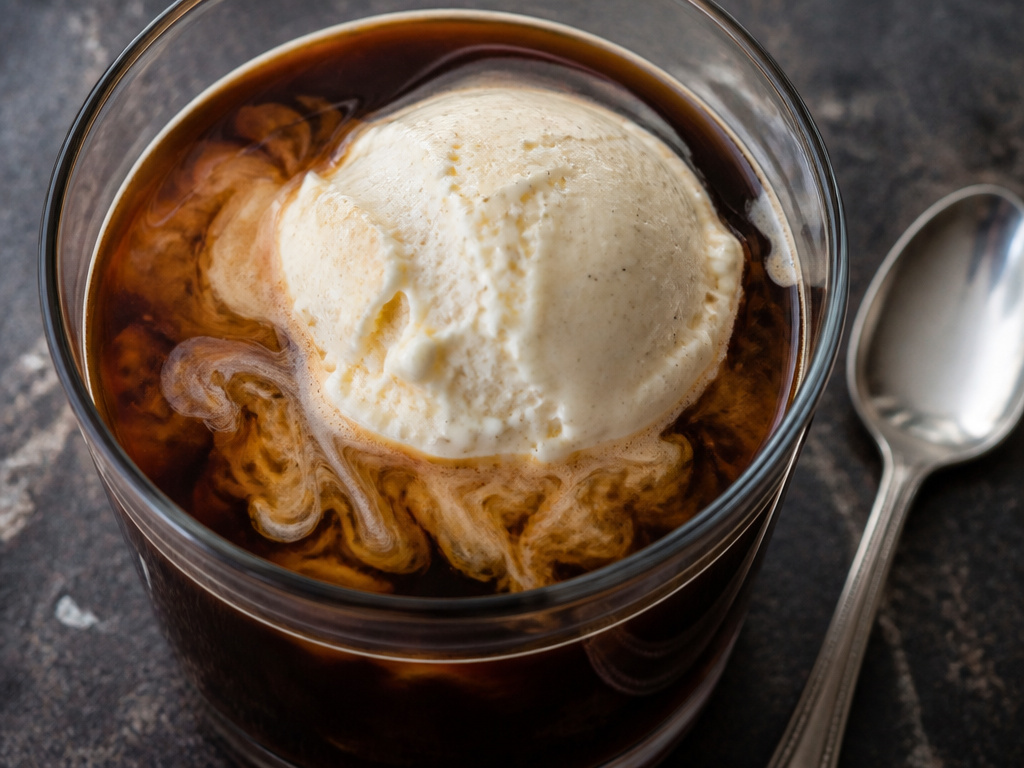
You can also use cold brew for a float. Pour the concentrate over a scoop of vanilla ice cream. It’s less harsh than hot espresso, so the ice cream’s sweetness isn’t fought by acidity. This is a good option if you prefer a milder coffee flavor.
Compare that to using a shot of espresso in a float. Espresso is intense and hot. It melts the ice cream faster and creates a more dramatic, bitter-sweet contrast. Cold brew gives a gradual, smooth blend.
| Coffee Base | Best For | Drawback |
|---|---|---|
| Cold brew concentrate | Smooth, integrated flavor; less melting shock | Lower intensity; can taste muted |
| Hot espresso | Bold, contrasting float; fast melt | Can overwhelm if not balanced |
| Strong drip coffee | Easy, accessible float | Often too weak; becomes washed out |
If you’re counting calories, note that the milk calorie content in your base adds up. Using a concentrate means you’re adding coffee flavor without extra water volume, which can help keep the fat ratio right for freezing.
TL;DR: Cold brew concentrate integrates smoothly into ice cream bases and floats. Espresso offers a stronger contrast. Pick based on whether you want harmony or contrast.
Frequently Asked Questions
Can you put ice cream in hot coffee?
Yes, that’s the classic float. Use strong coffee and a quality, full-fat vanilla ice cream. The hot coffee will melt the scoop, creating a creamy, sweet drink. Weak coffee makes it bland.
What kind of ice cream is best for coffee?
Simple vanilla or a coffee-flavored ice cream made with real cream. Avoid ice creams with lots of stabilizers like guar gum or carrageenan, they foam up when hot and create an unpleasant texture. A high-fat content blends better.
Does ice cream melt in coffee?
It melts partially, creating a creamy mixture. If you use very hot coffee, it can melt completely into a milky coffee drink. Letting the coffee cool for a minute before adding the scoop gives you a slower melt and more distinct layers.
Can you make coffee ice cream without a machine?
You can make a no-churn version by folding cold brew concentrate or a coffee extract into whipped cream and condensed milk, then freezing it. The texture will be denser and less airy than churned ice cream, but it works.
How do you keep coffee ice cream from getting grainy?
Transfer it from the ice cream maker to the freezer immediately. The time between churning and final freezing allows ice crystals to melt and re-freeze larger, creating a grainy texture. Quick transfer keeps crystals small.
Is there a difference between gelato and ice cream for coffee?
Gelato is denser and less airy than American ice cream, with a lower fat content. It can carry coffee flavor more intensely because there’s less fat to coat the palate. The Breville Smart Scoop™’s gelato setting is designed for this.
Before You Go
Start with a strong coffee base. Weak coffee drowns in the ice cream’s fat and sugar.
If you’re making a float, let the coffee cool a minute so the scoop doesn’t vanish instantly. Use real vanilla ice cream, not the stabilizer-heavy cheap stuff.
For homemade coffee ice cream, a cold alcohol extract beats heating beans with cream. It gives a sharper, clearer coffee flavor. The Breville Smart Scoop™ gelato recipe uses 3oz of espresso.
Texture depends on speed. Move churned ice cream to the freezer fast, waiting grows ice crystals and makes it grainy. The Whynter rolled ice cream machine freezes in five minutes because it doesn’t have a transfer delay.
Cold brew concentrate is a smooth, easy partner. Espresso is bold and contrasting. Pick your method based on whether you want the coffee to blend or stand out.
{
“@context”: “https://schema.org”,
“@type”: “HowTo”,
“name”: “How to Add Ice Cream to Coffee”,
“totalTime”: “PT15M”,
“tool”: [
{
“@type”: “HowToTool”,
“name”: “Coffee mug or tall glass”
},
{
“@type”: “HowToTool”,
“name”: “Ice cream scoop”
},
{
“@type”: “HowToTool”,
“name”: “Breville Smart Scoop™ ice cream maker (BCI600)”
},
{
“@type”: “HowToTool”,
“name”: “Whynter Portable Instant Ice Cream Maker (ICR-300SS)”
}
],
“step”: [
{
“@type”: “HowToStep”,
“name”: “Choose your method”,
“text”: “Pick between a simple scoop float, making espresso gelato, or creating rolled ice cream with a compressor machine.”
},
{
“@type”: “HowToStep”,
“name”: “Prepare the coffee base”,
“text”: “Brew strong coffee or espresso for the float. For gelato, follow the Breville recipe with 3oz espresso.”
},
{
“@type”: “HowToStep”,
“name”: “Add the ice cream”,
“text”: “For a float, place a scoop of vanilla ice cream into hot coffee. For gelato, churn the coffee-infused base in the machine.”
},
{
“@type”: “HowToStep”,
“name”: “Serve immediately”,
“text”: “A float melts fast. Gelato should be transferred to a freezer-safe container. Rolled ice cream is served directly from the cold pan.”
}
]
}
{
“@context”: “https://schema.org”,
“@type”: “FAQPage”,
“mainEntity”: [
{
“@type”: “Question”,
“name”: “Can you put ice cream in hot coffee?”,
“acceptedAnswer”: {
“@type”: “Answer”,
“text”: “Yes, that’s the classic float. Use strong coffee and a quality, full-fat vanilla ice cream. The hot coffee will melt the scoop, creating a creamy, sweet drink. Weak coffee makes it bland.”
}
},
{
“@type”: “Question”,
“name”: “What kind of ice cream is best for coffee?”,
“acceptedAnswer”: {
“@type”: “Answer”,
“text”: “Simple vanilla or a coffee-flavored ice cream made with real cream. Avoid ice creams with lots of stabilizers like guar gum or carrageenan, they foam up when hot and create an unpleasant texture. A high-fat content blends better.”
}
},
{
“@type”: “Question”,
“name”: “Does ice cream melt in coffee?”,
“acceptedAnswer”: {
“@type”: “Answer”,
“text”: “It melts partially, creating a creamy mixture. If you use very hot coffee, it can melt completely into a milky coffee drink. Letting the coffee cool for a minute before adding the scoop gives you a slower melt and more distinct layers.”
}
},
{
“@type”: “Question”,
“name”: “Can you make coffee ice cream without a machine?”,
“acceptedAnswer”: {
“@type”: “Answer”,
“text”: “You can make a no-churn version by folding cold brew concentrate or a coffee extract into whipped cream and condensed milk, then freezing it. The texture will be denser and less airy than churned ice cream, but it works.”
}
},
{
“@type”: “Question”,
“name”: “How do you keep coffee ice cream from getting grainy?”,
“acceptedAnswer”: {
“@type”: “Answer”,
“text”: “Transfer it from the ice cream maker to the freezer immediately. The time between churning and final freezing allows ice crystals to melt and re-freeze larger, creating a grainy texture. Quick transfer keeps crystals small.”
}
},
{
“@type”: “Question”,
“name”: “Is there a difference between gelato and ice cream for coffee?”,
“acceptedAnswer”: {
“@type”: “Answer”,
“text”: “Gelato is denser and less airy than American ice cream, with a lower fat content. It can carry coffee flavor more intensely because there’s less fat to coat the palate. The Breville Smart Scoop™’s gelato setting is designed for this.”
}
}
]
}
