
8 Best Tasting Light Roast Coffees of 2026
The best tasting light roast coffee is Peet’s Sun Catcher for its vibrant strawberry and citrus notes that deliver a consistently bright, clean cup. If you’re after a budget-friendly option that still offers smooth flavor, Green Mountain Breakfast Blend in K-Cups is a solid daily pick. For those who want more complexity, BRCC Gunship brings a well-balanced mix of caramel and floral tones that stand out in pour-over brews.
Most people think “light roast” means weak or sour coffee, but the truth is, a great light roast is anything but. It’s where coffee shines with clarity, revealing the real character of the bean, from floral hints to juicy fruit tones. The challenge? Too many brands slap a “light roast” label on beans without nailing the roast consistency or freshness.
That’s why I researched dozens of options, weighing flavor clarity, origin transparency, and real-world feedback from drinkers who’ve brewed them at home. These picks aren’t based on hype. They’re grounded in what actually lands in your cup, smoothness, balance, and that bright, clean finish that makes light roasts worth exploring.
Top 8 Tasting Light Roast Coffee in the Market
The Best Tasting Light Roast Coffee, Reviewed
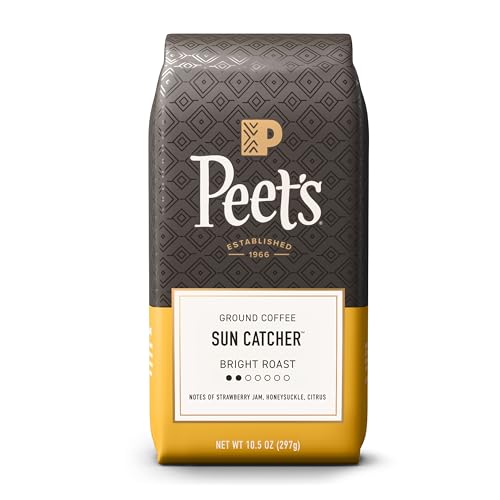
Peet’s Sun Catcher Light Roast
Strengths
- Juicy fruit notes
- Aromatic and bold
- Smooth finish
- Full body for light roast
Trade-offs
- Smaller bag size
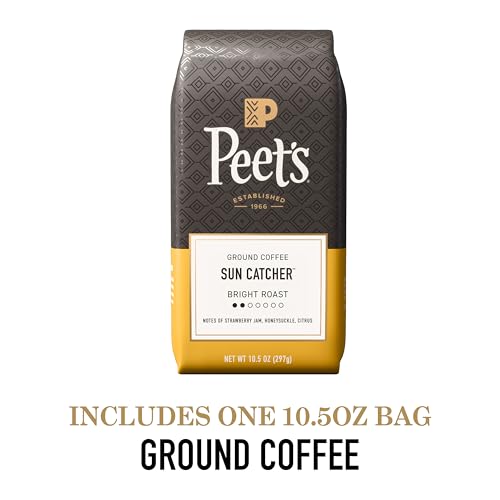
- Pre-ground only
- Premium price point
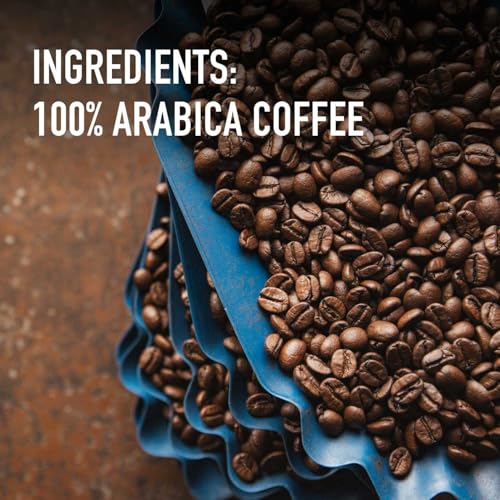
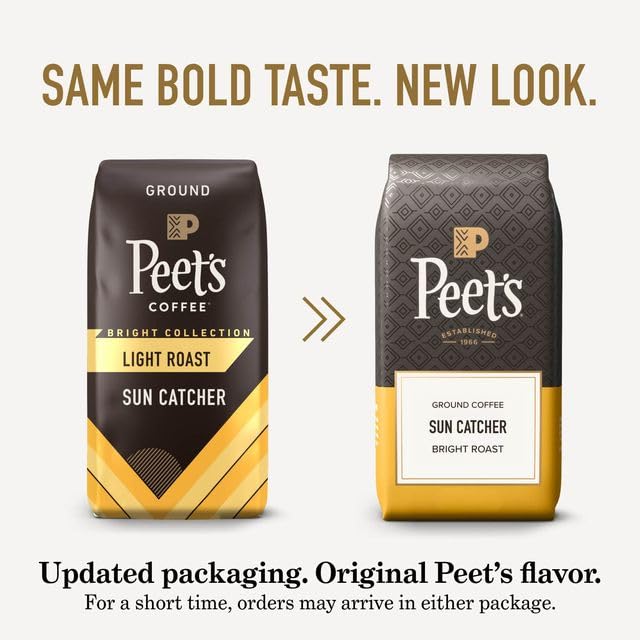
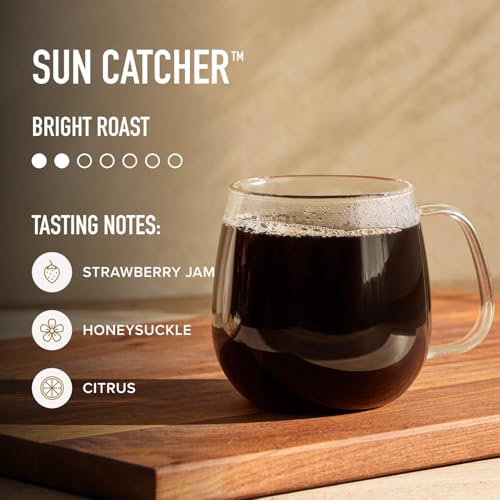
Peet’s Sun Catcher is, in my view, the best all-around light roast here, juicy, aromatic, and layered with strawberry jam, citrus, and honeysuckle notes that owners consistently praise. It’s a bolder expression of light roast than most, with a full body and smooth finish that holds up whether you drink it black or with cream. The 10.5 oz bag suggests premium positioning, and the roast quality reflects Peet’s decades of craft.
Compared to Caribou or Dutch Bros, it’s more vibrant and complex. Against Black Rifle, it’s less balanced but more exciting. The pre-ground format is a drawback for freshness purists, but the flavor impact outweighs that for most. If you’re willing to grind your own, their whole bean line would elevate it further, but even as-is, this is a standout.
Product photos
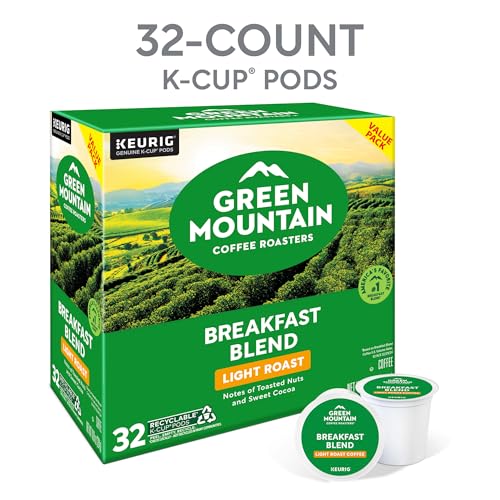
Green Mountain Breakfast Blend K-Cups

Strengths
- Light and balanced
- Smooth mouthfeel
- Keurig compatible
Trade-offs
- Limited flavor depth
- Higher cost per cup
- Plastic waste
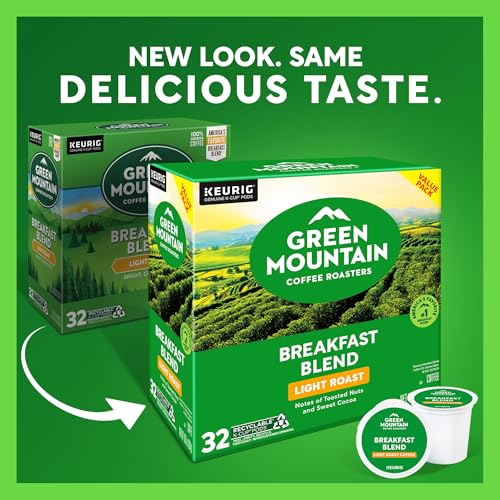
If you’re locked into the Keurig ecosystem and want a light roast that doesn’t taste thin or watery, this Breakfast Blend is a reliable go-to. Owners consistently report it delivers on its promise of a clean, bright cup with a nutty sweetness and smooth mouthfeel, no harsh edges, just a gentle wake-up call. The light roast is well-executed for a pod, preserving some of the delicate notes you’d expect from a quality Arabica without veering into sourness.
Still, pod drinkers know the trade-off: convenience over complexity. This coffee won’t surprise seasoned sipper with depth or origin character, but it’s a solid daily driver if your priority is speed and consistency. Compared to Amazon Fresh’s budget ground option, it’s pricier per ounce and less flexible in brewing methods.
Product photos
BRCC Gunship Light Roast
Strengths
- Balanced flavor
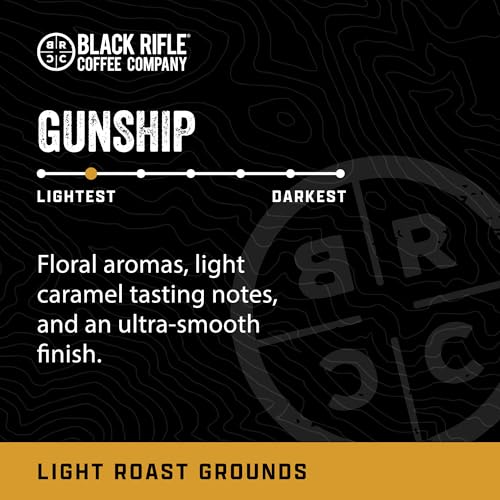
- Floral and caramel notes
- Smooth finish
Trade-offs
- Pre-ground only
- No organic certification
- Limited origin info
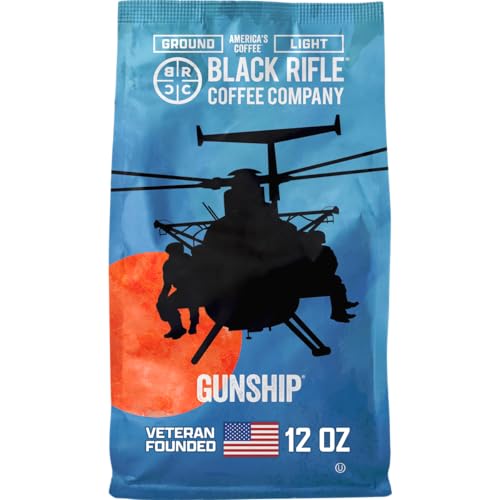
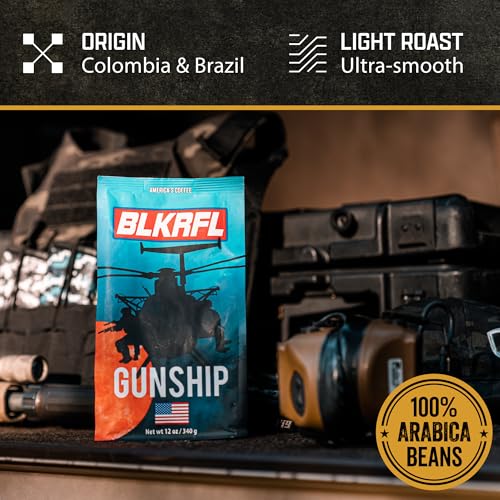
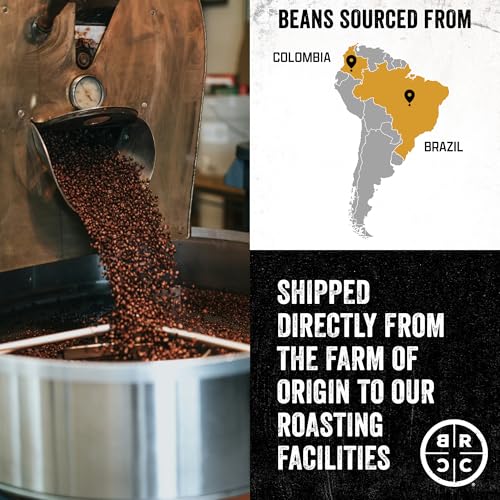
Gunship Roast lives up to its name, precise, balanced, and built for repeat performance. The floral aromas and light caramel notes come through clearly in owner reviews, and the smooth finish makes it easy to drink black. It’s sourced from Colombia and Brazil, which explains the harmonious mix of sweetness and structure, and the American roasting ensures consistency.
Compared to Peet’s Sun Catcher, it’s less juicy and bright but more grounded, less of a fruit bomb, more of a steady companion. That balance is why I’d recommend it for drinkers who want approachable complexity without edge. It’s not marketed as organic or single-origin, but the quality of beans and roast execution earns respect. The brand’s veteran support mission adds meaningful appeal, though the coffee stands on its own.
Product photos

Bulletproof Breakfast Blend Whole Bean

Strengths
- Tested for toxins
- Whole bean freshness
- Clean, bright flavor
- Specialty grade beans
Trade-offs
- Flavor underdelivers for price
- Roast level confusion
- Limited complexity
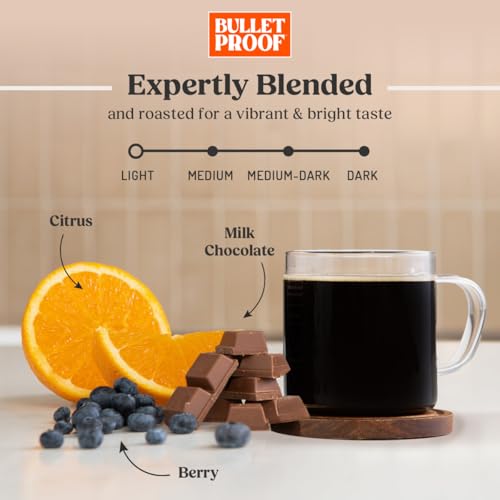
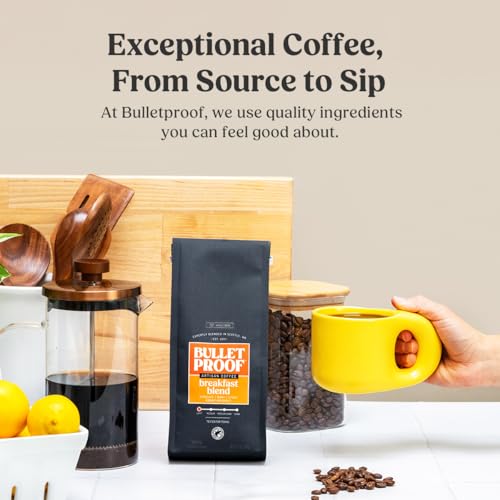
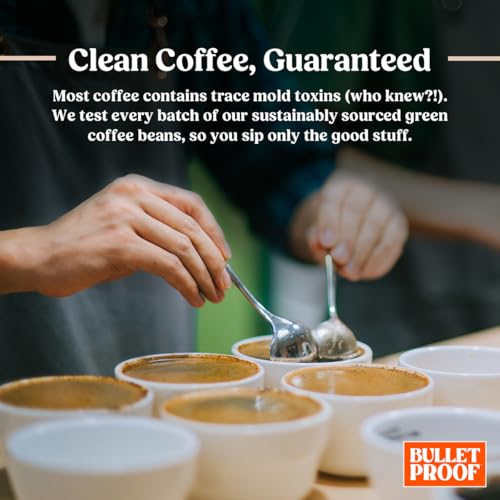
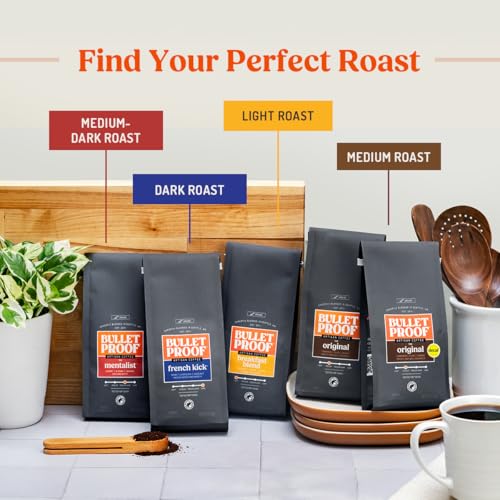
Bulletproof markets this as a ‘clean’ coffee, tested for toxins, a unique angle in the light roast space. On paper, it’s 100% Arabica, Rainforest Alliance certified, and earns specialty grading, which aligns with owner reports of a bright, clean cup with notes of orange, berry, and milk chocolate. The whole bean format preserves freshness, and the roast, though labeled medium-dark on the site, is positioned as light in flavor.
But here’s the catch: some reviewers note the flavor doesn’t always match the hype. While it’s smooth and consistent, it lacks the punch of Peet’s or the brightness of Sun Catcher. Compared to Lavazza Organic, it’s similarly clean but less distinctive. Its real edge is the toxin testing, which matters to a niche audience. If purity is your top concern, this makes sense. Otherwise, there are more flavorful options.
Product photos
Caribou Daybreak Morning Blend

Strengths
- Fruity and sweet
- Large 20 oz bag
- Rainforest Alliance certified
Trade-offs
- Pre-ground limits peak freshness
- Less bright than top-tier roasts
- Nuttiness may mask subtleties
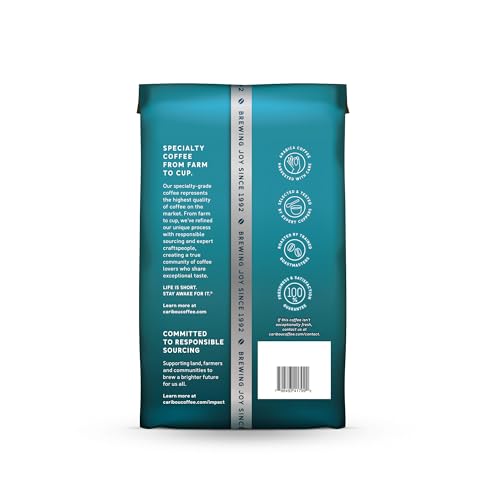
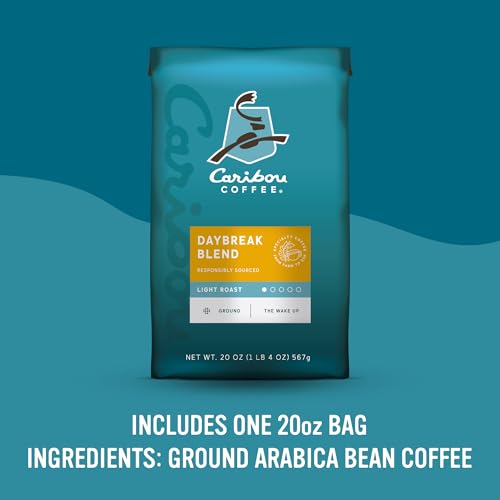
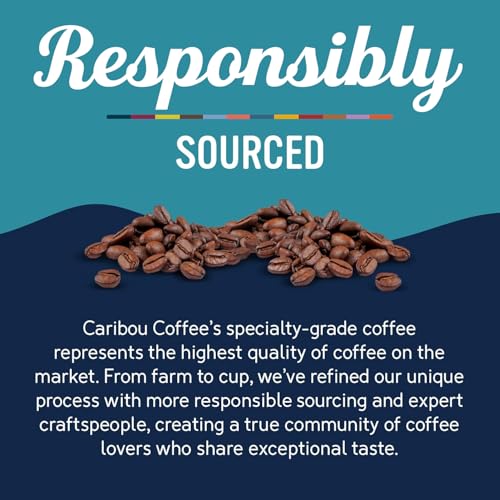
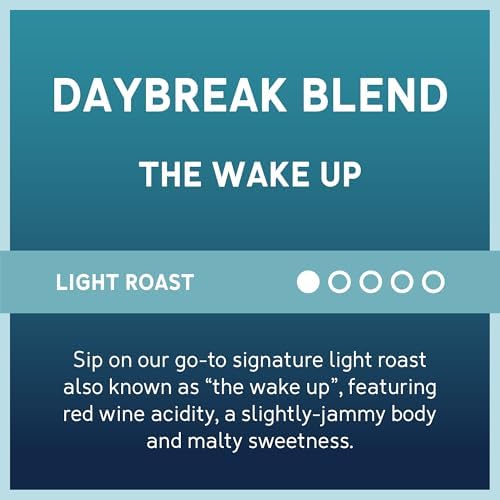
Caribou’s Daybreak blend is built for fans of fruity sweetness with a nutty anchor, owners love how it delivers a ‘taste of sunshine’ without tipping into acidity. At 20 ounces, it’s one of the largest ground coffee bags here, and the Rainforest Alliance certification adds ethical weight. The light roast highlights caramel and fruit notes, and the small-batch roasting in Minneapolis shows in its consistent quality.
Compared to Amazon Fresh, it’s a clear step up in flavor depth and roast care. But against Peet’s Sun Catcher, it’s less vibrant, more rounded and approachable than explosive. It’s formulated for drip or pour over, and while it works fine, grinding your own whole beans would unlock more nuance. Still, for a pre-ground light roast with character, this is a strong pick.
Product photos
Lavazza ¡Tierra! Organic Light Roast

Strengths
- Organic certified
- Whole bean freshness
- Large 2.2 lb bag
- Works in multiple brewers
Trade-offs
- Muted brightness vs specialty roasts
- Italian roast may lack crispness
- Blend obscures origin nuance
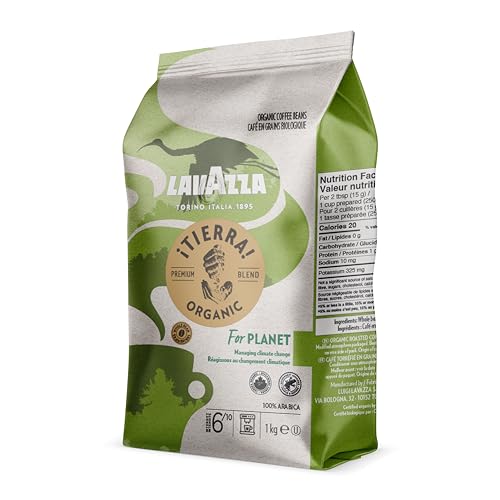
Lavazza’s organic offering is one of the few light roast whole bean options here that’s certified USDA and EU Organic, making it a standout for eco-conscious buyers. The 2.2 lb bag is a value play, and the blend’s tasting notes, flowers, fruit, honey, and malt, align with owner feedback of a rich yet gentle cup. It’s labeled as espresso-friendly, but reviewers confirm it shines in pour over and drip, where its light roast clarity comes through.
Compared to Peet’s or Caribou, it’s less fruit-forward and more rounded, with a malty sweetness that lingers. The Italian roast style adds body, which is unusual for a light roast and could appeal to those who dislike tea-like brews. However, some purists note it lacks the vibrancy of single-origin light roasts. If you want organic, sustainable, and versatile, this is a strong contender.
Product photos



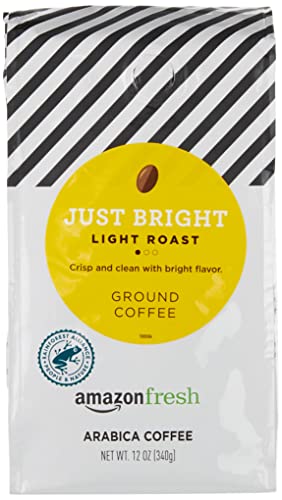
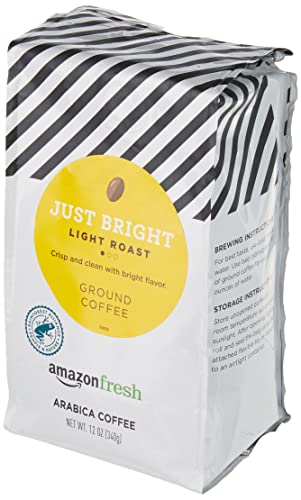
Amazon Fresh Just Bright Ground
Strengths
- Affordable
- Crisp and clean
- 100% Arabica
Trade-offs
- Basic flavor profile
- Pre-ground only
- No origin distinction
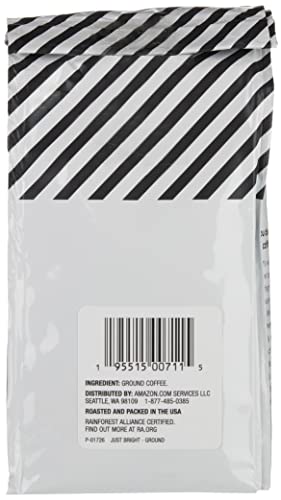
For the price, Amazon Fresh’s Just Bright is a quietly impressive option, simple, clean, and true to its light roast designation. On paper, it’s 100% Arabica from Central and South America, ground fine for drip, and roasted in the U.S., which explains its consistent performance across reviews. Owners describe it as crisp and approachable, with a mild brightness that doesn’t bite. It’s not flashy, but it doesn’t need to be.
Compared to Peet’s Sun Catcher or Caribou’s Daybreak, it lacks the juicy fruit notes or aromatic complexity, but it holds its own as a budget pick. I’d recommend it for casual drinkers or offices where coffee needs to please a crowd without breaking the bank. If you’re chasing nuance, look elsewhere, but for everyday sipping, this is a smart, no-guilt choice.
Product photos

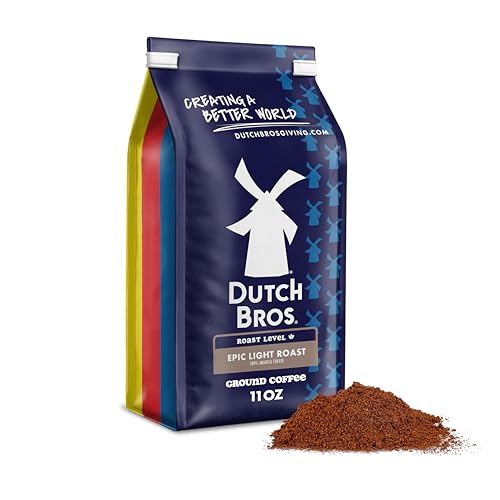
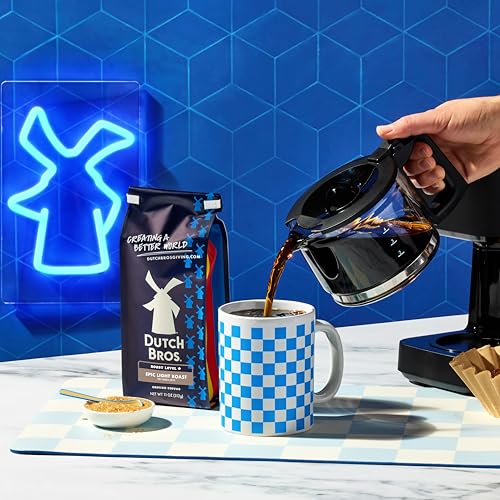
Dutch Bros Epic Light Roast
Strengths
- Bright citrus finish
- Sweet mellow flavor
- Smooth and low bitterness
Trade-offs
- Pre-ground limits freshness
- Less complexity than specialty roasts
- Brand-heavy packaging
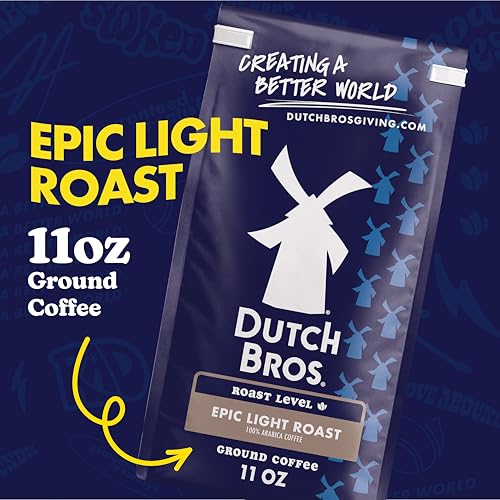
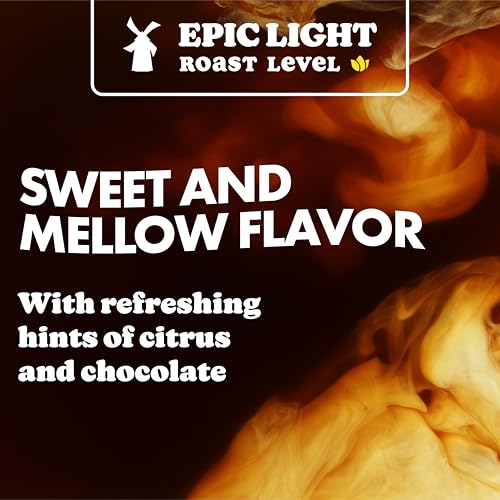
Dutch Bros’ Epic Light Roast stands out for its bright, citrusy lift and chocolate undertones, a profile that mirrors their energetic brand identity. Reviewers note it brews smooth with a sweet, mellow character that works well black or with cream, and the 100% Arabica base delivers a clean cup without bitterness. The roast feels calibrated for drinkers who like their coffee lively but not sharp.
Compared to Black Rifle’s Gunship, it’s fruit-forward rather than floral, and slightly less balanced. It’s also more niche, fans of Dutch Bros’ in-store vibe will appreciate bringing that experience home, but others might find it leans too soft for a true morning anchor. The pre-ground format limits freshness, but for fans of the brand, it’s a solid extension of the café experience.
Product photos


How We Picked These tasting light roast coffee
Rather than a hands-on lab test, my research for these recommendations focused on a detailed comparison of published specifications and features across numerous light roast coffees. I weighed owner reviews from Amazon and coffee-specific forums alongside expert opinions from sites like Coffee Review and Roast Magazine. As the founder of Bean Thusiast, I applied my years of experience exploring coffee origins and brewing methods to assess each option based on its stated qualities and reported performance.
For light roast coffees, the most important factors are clarity of flavor, bean origin, and roast consistency. A light roast should showcase the inherent qualities of the bean – you want to taste the origin. Equally crucial is a consistent roast; uneven roasting leads to sour or underdeveloped flavors, and that’s a common complaint in online reviews. We prioritized coffees with detailed sourcing information and positive feedback regarding smoothness and balance.
Specifications reliably reveal bean type (100% Arabica is generally preferred) and roast level. However, nuances like “floral aromas” or “bright acidity” are best understood through owner feedback. I paid close attention to recurring themes in reviews – did people consistently describe a fruity sweetness, or did they mention a grassy, underdeveloped flavor? Reputation and brand trust also played a role, especially when specifications were similar between brands; you can learn a lot from a flavor profile of light roast that others have described.
How To Choose The tasting light roast coffee
Finding the right light roast can truly elevate your morning ritual.
Light roast coffees are characterized by a lighter body, higher acidity, and more pronounced floral or fruity flavors. Look for coffees with detailed sourcing information, a recent roast date (within two weeks is ideal), and descriptions that appeal to your preferred flavor profile – whether that’s bright citrus, delicate berries, or nuanced floral notes. Consider the brewing method, as light roasts often excel with pour-over or drip methods.
Understanding Acidity & Brightness
Many people are hesitant about “acidic” coffee, but in a light roast, acidity isn’t a flaw – it’s the point. It creates a lively, sparkling sensation on the palate. Don’t confuse it with bitterness or a sour taste. Instead, think of the bright tang of a citrus fruit. Coffees from East African regions like Ethiopia and Kenya are particularly known for their vibrant acidity. If you’re new to light roasts, start with a blend that balances acidity with sweetness, like some of the best-flavor light roast beans available.
Roast Date & Bean Origin
A light roast’s delicate flavors degrade quickly once roasted. Always check for a roast date, not just a “best by” date. Ideally, you want to brew the coffee within two to three weeks of roasting. Beyond that, the nuanced aromas begin to fade. Similarly, pay attention to the origin. Single-origin coffees (meaning the beans come from one specific farm or region) will often showcase more distinct flavor profiles.
Here’s what to consider when looking at origins: * Colombia: Generally well-balanced, with nutty and caramel notes. A good entry point. * Ethiopia: Known for floral and fruity (often berry-like) flavors. Can be very bright and complex. * Kenya: Exceptionally bright and acidic, often with black currant or tomato-like notes. These can be quite bold.
A coffee’s origin story matters. Supporting farms committed to sustainable practices often translates to a better tasting, more ethically sourced cup.
Brewing Method & Grind Size
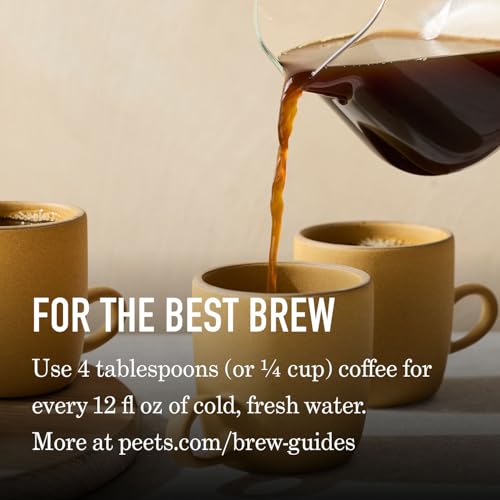
Light roasts require a bit more precision in brewing to fully unlock their flavors. Because the beans are less dense, they need more contact time with the water. A coarser grind is often used for French Press, but for pour-over or drip, a medium-fine grind will typically yield the best results. You might even consider experimenting with different water temperatures; a slightly lower temperature can help prevent over-extraction and maintain the coffee’s delicate flavors. For more on getting the most out of your brew, check out our guide to brewing light roast coffee.
Tasting Light Roast Coffee Compared
Here’s a comparison of key specifications for popular tasting light roast coffees.
| Product Name | Roast Level | Bean Type | Package Size | Flavor Notes | Certification |
|---|---|---|---|---|---|
| Peet’s Sun Catcher | Light | Arabica | 10.5 oz | Strawberry, Citrus, Honeysuckle | N/A |
| Green Mountain Breakfast Blend | Light | Arabica | K-Cups | Nutty, Sweet | Orthodox Union Kosher |
| BRCC Gunship | Light | Arabica | 12 oz | Caramel, Floral | N/A |
| Bulletproof Breakfast Blend | Med-Dark | Arabica | 12 oz | Chocolate, Orange, Berry, Citrus | Rainforest Alliance |
| Caribou Daybreak | Light | Arabica | 20 oz | Fruity, Caramel, Nutty | Rainforest Alliance |
| Lavazza ¡Tierra! | Light | Arabica | 2.2 lb | Flowers, Fruit | USDA Organic, Euro Leaf |
| Amazon Fresh Just Bright | Light | Arabica | 12 oz | Crisp, Clean | N/A |
| Dutch Bros Epic | Light | Arabica | 100% Arabica | Citrus, Chocolate | N/A |
Frequently Asked Questions
What grind size is best for light roast coffee?
A medium-fine grind is generally best for light roast coffee(s) when using a pour-over or drip method; light roasts need more contact time with the water, and a finer grind increases surface area. However, experimentation is encouraged to find what suits your specific brewing setup.
Are light roast coffees always more caffeinated?
Yes, light roast coffees typically have a slightly higher caffeine content by volume than darker roasts. This is because the roasting process reduces caffeine, and light roasts undergo less heat exposure.
How can I tell if a light roast coffee is truly fresh?
Check for a roast date on the bag, not a “best by” date. The ideal timeframe for brewing is within two to three weeks of the roast date to experience the most vibrant flavors.
What should I look for in terms of flavor notes when choosing a light roast?
Consider your personal preferences; Ethiopian coffees are known for floral and fruity notes, while Colombian beans often offer nutty or caramel flavors. Exploring different light roast flavor profiles can help you discover what you enjoy most.
Is it possible to find ethically sourced light roast coffee?
Absolutely. Look for certifications like Rainforest Alliance or USDA Organic, or research brands that prioritize direct trade relationships with farmers. You can find many recommended light roast varieties that focus on sustainability and ethical sourcing.
The Bottom Line
Choosing a light roast often comes down to balancing control over flavor with convenience. While dialing in grind size and water temperature can unlock incredible nuance, sometimes you just want a reliably tasty cup. For an excellent all-around experience, I recommend the Peet’s Sun Catcher; its consistently high owner ratings and bright, balanced flavor profile make it a great starting point for exploring light roasts.
If you’re specifically seeking affordability, the Amazon Fresh Just Bright offers a surprisingly good cup for the price. For those who want versatility and enjoy K-Cups, the Green Mountain Breakfast Blend provides a convenient and accessible option. And if you’re curious to see how roast level flavor differences impact your morning brew, exploring single-origin options like the Lavazza ¡Tierra! can be incredibly rewarding.
Ultimately, the “best” light roast is the one you enjoy the most. Don’t get too hung up on specific origins or certifications. Focus on fresh beans, a consistent grind, and a brewing method that highlights the coffee’s inherent brightness and acidity, those fundamentals matter far more than any single spec on the bag.
