
8 Best Light Roast Coffee Beans of 2026
The best light roast coffee beans we found are Blue Bottle Bright Light Roast for its vibrant complexity, and Mayorga Buenos Dias Organic as a strong budget-friendly pick. Both deliver the clean, bright character that defines a great light roast, with transparent sourcing and consistent feedback from drinkers.
Choosing the right light roast can be tricky. So many brands claim brightness, but too often the result is sour, thin, or one-note. After researching the field and analyzing owner experiences, I focused on beans that balance acidity with depth and reflect their origin with clarity.
This guide covers the top options based on origin transparency, roast freshness, and flavor nuance. We looked at specs, real-world reviews, and processing details to find coffees that actually deliver on the promise of a bright, layered cup.
Top 8 Light Roast Coffee Beans in the Market
The Best Light Roast Coffee Beans, Reviewed
Blue Bottle Bright Light Roast

Strengths
- Vibrant fruit and citrus notes
- Excellent balance
- Organic and traceable
Trade-offs
- Small bag size
- Premium price
Blue Bottle’s Bright blend is the benchmark by which I’d measure most light roasts. With notes of blueberries, lemon zest, and golden raisins, it captures the best of East African beans, lively, luminous, and layered, without tipping into sourness. It’s USDA Organic, small-batch roasted, and uses naturally processed beans, which adds to the fruit-forward depth. Owners consistently praise its balance: bright enough to wake your palate, but rounded enough to enjoy black or with a splash of milk.
Yes, it’s pricier and only comes in 12 oz, but the quality justifies it. Compared to Groundwork or Mayorga, it’s slightly more refined, with better shelf-to-cup consistency. For me, this is the best overall pick, not just for flavor, but for how it represents what a modern light roast should be.
Video review
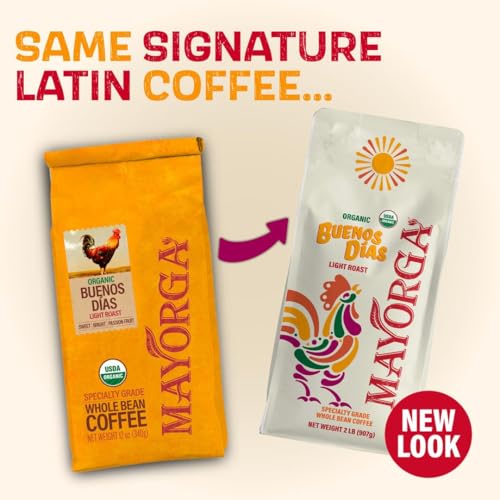
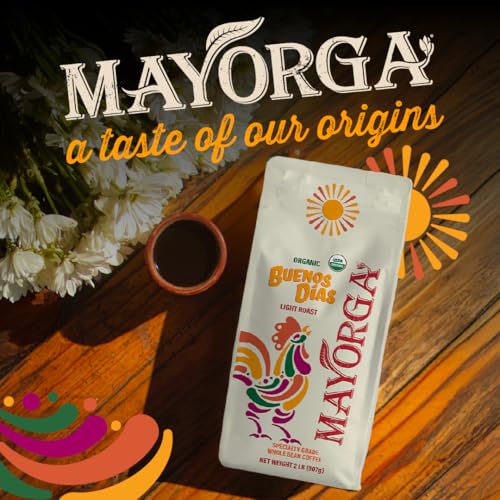
Mayorga Buenos Dias Organic

Strengths
- Bright citrus notes
- Low acidity
- Direct trade sourcing
Trade-offs
- Aroma fades quickly
- Bag not resealable
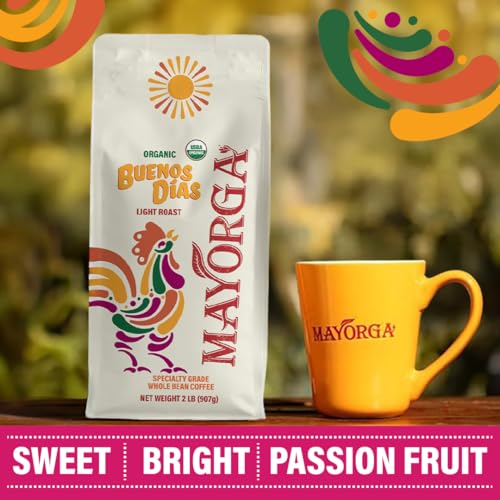
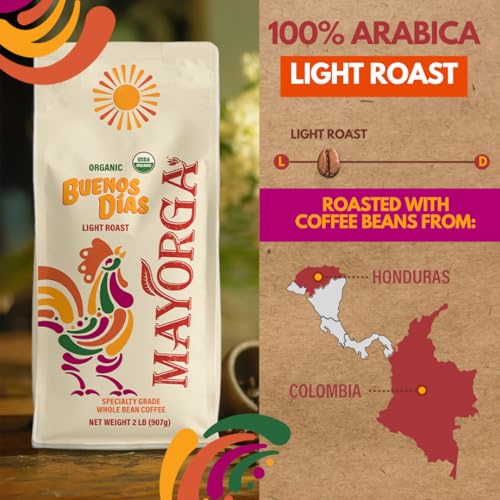
Mayorga’s Buenos Dias is a standout for organic fans who also care about ethics and origin. Grown in Honduras and Colombia, slow-roasted in the U.S., and built on direct trade relationships, it brings a sweet, citrusy profile with passion fruit and orange notes that pop without biting. The low acidity is well executed, unlike some low-acid roasts that flatten the flavor, this one retains brightness while staying gentle on the stomach.
Owners praise its smoothness and ethical sourcing, and compared to other organic options like Subtle Earth, it feels more vibrant and intentional. The Latin slow-roast method seems to preserve complexity while taming harshness. For those who want organic, fair, and flavorful, this is a top contender.
Product photos
Groundwork Ethiopia Heirloom

Strengths
- Distinct single-origin character
- Complex fruit and chocolate notes
- Ethically sourced
Trade-offs
- Small 12 oz package
- Short shelf life once opened
When you want to taste where coffee began, Groundwork’s Ethiopia Heirloom delivers. This single-origin light roast uses beans from the birthplace of coffee, processed both washed and natural to add depth, owners report a compelling mix of citrus, dark fruit, and milk chocolate that evolves as it cools. It’s USDA Organic, Directly Traded, and roasted daily, which shows in the cup’s clarity and freshness.
At 12 ounces, it’s not built for bulk, but that’s the point. Compared to larger bags like Amazon Fresh or Copper Moon, this is a precision tool for the mindful brewer. The carbon-neutral roasting process is a bonus for eco-conscious buyers. If you want terroir, tradition, and transparency in one bag, this is a strong pick.
Video review
Death Wish Light Roast
Strengths
- High caffeine content
- Organic and Fair Trade
- Smooth for Robusta blend
Trade-offs
- Robusta may turn off purists
- Less clarity than 100% Arabica
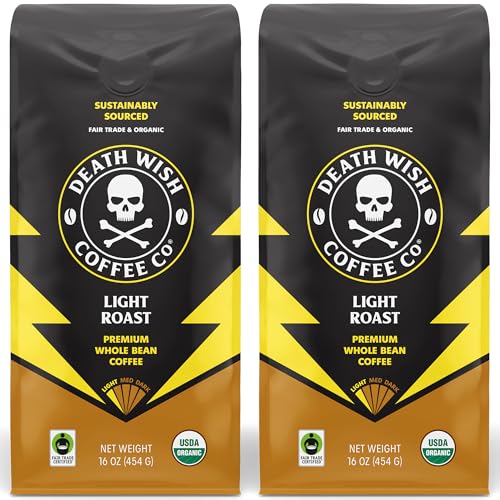
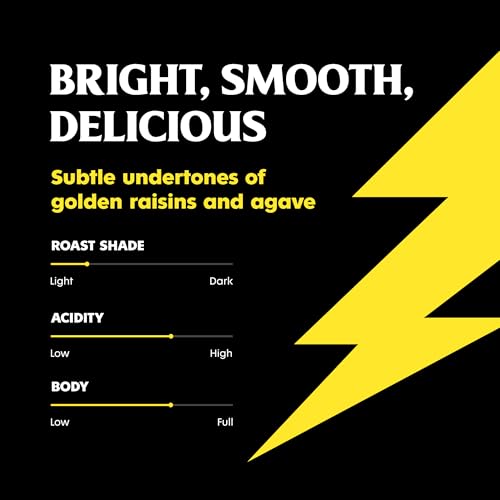
Don’t let the ‘Light Roast’ label fool you, this is a high-caffeine punch wrapped in bright, sweet packaging. With around 155mg of caffeine per 6oz cup and a blend of Arabica and Robusta beans, it’s an outlier in a category dominated by 100% Arabica. The flavor profile, agave, golden raisin, plum, has a syrupy sweetness that balances the intensity, and owners say it delivers energy without the harshness often tied to Robusta.
It’s not a traditional light roast experience. Compared to the citrusy lift of Blue Bottle or Groundwork, this one is denser and more viscous. But if you need caffeine and brightness in one bag, it’s a rare combo. I’d pick it for early shifts or afternoon slumps when you want flavor and function in one.
Product photos




Copper Moon Bean Me Up

Strengths
- Floral and fruity notes
- Bright, clean finish
- Sustainably sourced
Trade-offs
- Packaging not resealable
- Some find aroma overpowering
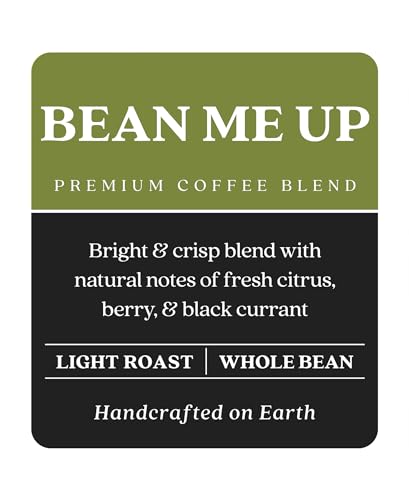
Copper Moon’s ‘Bean Me Up’ lives up to its cosmic branding with a genuinely complex and aromatic profile for a non-single-origin blend. The notes of jasmine, citrus, berries, and black currant come through clearly in owner reports, and the high-elevation 100% Arabica beans deliver a crisp, layered brightness that’s rare at this price point. The small-batch roasting and focus on freshness help preserve that vibrancy, and the 2-pound bag doesn’t sacrifice quality for volume.
It’s one of the few blends here that feels both accessible and sophisticated. Compared to Amazon Fresh or Lavazza, it offers more dimension without veering into niche territory. I’d recommend it to anyone who wants flavor complexity without the premium price or the fragility of single-origin beans.
Product photos


Lavazza Gold Selection

Strengths
- Balanced sweetness
- Honey and almond notes
- Large 2.2 lb bag
Trade-offs
- Roast level misleading
- Low origin specificity
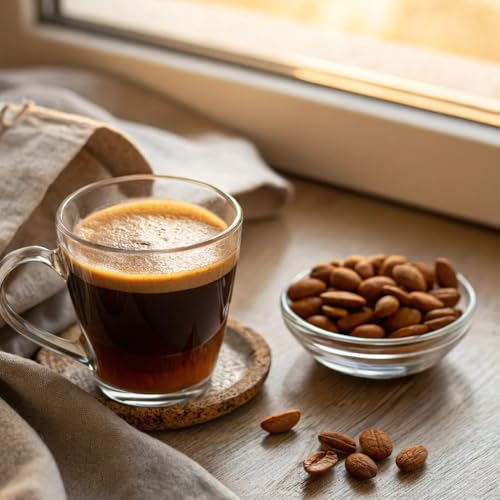
Lavazza markets this as a light roast, but in practice, it reads more like a medium, especially with its honeyed, nutty profile and smooth finish. It’s blended and roasted in Italy, and while it lacks the high-elevation sparkle of East African beans, it brings a comforting balance that works well for drinkers who find traditional light roasts too sharp. Owners say it’s especially good in milk-based drinks, where the almond and honey notes carry through without getting lost.
That said, it’s not the best choice if you’re after origin transparency or high acidity. Compared to single-origin light roasts, it plays it safe. But for someone transitioning from medium to lighter profiles, or who wants a gentle introduction to brightness, this blend offers a familiar warmth with just a hint of lift.
Product photos


Amazon Fresh Just Bright

Strengths
- Clean flavor
- High value
- Large 32 oz bag
Trade-offs
- Limited complexity
- Generic origin profile
For budget-focused drinkers who still want a clean, bright cup, Amazon Fresh’s Just Bright is a solid bulk option. On paper, it’s 100% Arabica from Central and South America, roasted in the U.S., and priced to move, making it a frequent pick for households that go through coffee fast. Owners consistently report it delivers a crisp, no-fuss light roast experience with mild citrus and nutty notes, though it lacks the depth or nuance of pricier specialty blends.
Where it shines is value. At nearly 2 pounds per bag, it’s built for volume drinkers who don’t want to compromise entirely on quality. That said, if you’re chasing complexity or origin character, this isn’t the bag to unlock it. It’s reliable, accessible, and best when you need consistency over revelation.
Product photos


Subtle Earth Light Roast
Strengths
- Low acidity
- Smooth, chocolaty body
- USDA Organic
Trade-offs
- Muted fruit notes
- Less brightness than expected
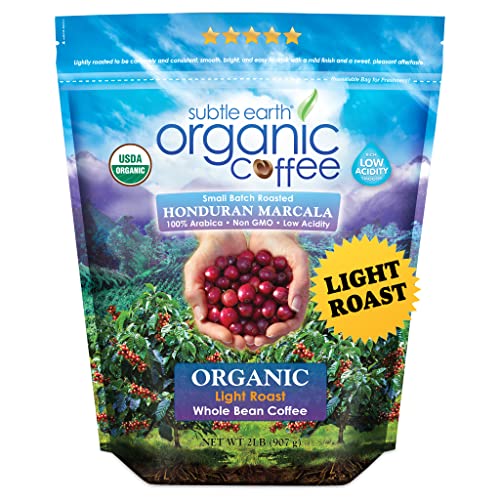
If low acidity is your priority, especially if you have a sensitive stomach, Subtle Earth stands out in a crowded field. This USDA Organic Honduran light roast leans into a rich, chocolaty profile with a velvety body, which is unusual for a light roast that’s also low in acid. The Catuai varietal, grown at high altitude and fully washed, seems to deliver on smoothness without sacrificing clarity. Reviewers note it’s especially gentle on the palate and stomach, which is a win for those who love light roasts but can’t handle brightness that borders on sharp.
It’s not the most vibrant or fruity option here, but that’s by design. Compared to more acidic single origins, this one trades zing for roundness. I’d pick it for morning sipping when you want something mellow yet satisfying.
Product photos



How We Picked These light roast coffee beans
My team and I approached this guide to light roast coffee beans with a research-first methodology. We started by compiling specifications – origin, processing method, altitude, and stated flavor notes – from each brand’s product information. Then, we weighed those details against extensive owner reviews from sites like Amazon and coffee-focused forums, as well as expert opinions from coffee review blogs and publications. Ultimately, we ranked each bean based on how well its features aligned with the qualities I’ve found define a truly excellent light roast.
For light roast coffee, a few factors stood out as particularly important. Flavor complexity is key; a good light roast should offer nuanced tasting notes beyond just “bright” or “floral.” Equally crucial is bean origin and processing. Beans from higher altitudes and those that are carefully washed and dried tend to deliver a cleaner, more refined cup. Finally, freshness – indicated by roast dates and packaging details – plays a huge role in maximizing aroma and flavor.
Specifications reliably tell you about a bean’s origin and processing, giving a baseline expectation. However, discerning the actual flavor profile and consistency often requires owner feedback. We paid close attention to recurring themes in reviews – consistent mentions of specific flavor notes, complaints about bitterness, or praise for smoothness. We also considered reputation; established brands with a history of quality generally carried more weight, and I always look for details about how well a brand supports bright blonde roast flavors.
How To Choose The light roast coffee beans
Finding the right light roast can be a surprisingly nuanced process. It’s not just about brightness; it’s about finding a bean that delivers complexity and avoids harshness.
A truly excellent light roast coffee emphasizes origin characteristics. Look for beans with detailed sourcing information, a recent roast date (within two weeks is ideal), and a focus on showcasing the inherent flavors of the bean rather than relying on roast profile to create them. Acidity should be vibrant but balanced, and the body should feel clean and approachable.
Understanding Origin & Processing
The origin of the bean is paramount with light roasts. Unlike darker roasts that tend to mask differences, a light roast highlights them. Coffees from Ethiopia, for example, are often floral and citrusy, while those from Central America tend toward brighter, fruit-forward profiles. Don’t shy away from single-origin options if you want to truly experience what a region has to offer; exploring premium light roast picks is a great place to start. Processing methods also play a huge role: washed coffees tend to be cleaner and brighter, while naturally processed coffees offer more fruit-forward intensity.
Roast Date & Bean Quality
Many people overlook this, but freshness is crucial. Light roasts, because they haven’t been roasted as long, are more susceptible to staling. Always check for a roast date, not just a “best by” date. Ideally, you want to brew your beans within 2-3 weeks of roasting. Beyond that, you’ll lose volatile aromatics and the bright flavors we’re chasing. Look for specialty grade Arabica beans, as these generally have fewer defects and a more consistent flavor profile.
Here’s what to consider when evaluating bean quality:
- Defect Count: Lower is better. Specialty grade coffee has very few defects.
- Bean Uniformity: Consistent bean size and color indicate better sorting.
- Moisture Content: Ideally between 8-12%. Too high, and the coffee can taste grassy; too low, and it can taste brittle.
A good rule of thumb: if the bag doesn’t prominently display a roast date, assume the coffee isn’t as fresh as it could be.
Flavor Profile & Personal Preference
Ultimately, the “best” light roast is the one you enjoy. Consider what flavors appeal to you. Do you prefer citrusy brightness, delicate florals, or fruity sweetness? The descriptions on the bag are a good starting point, but don’t be afraid to experiment. If you’re new to light roasts, I recommend starting with a blend – they tend to be more forgiving. Understanding light roast flavor profile can help you pinpoint what you’re looking for. Don’t hesitate to explore different regions and processing methods until you find a coffee that resonates with your palate. You might even discover some new top-rated light roast beans along the way.
Light Roast Coffee Beans Compared
Here’s a comparison of key specifications for various light roast coffee beans to help you make an informed decision.
| Product Name | Origin | Caffeine Level | Roast Level | Flavor Notes | Whole Bean/Ground | Organic |
|---|---|---|---|---|---|---|
| Blue Bottle Bright Light Roast | East Africa | N/A | Light | Blueberry, Lemon, Raisin | Whole Bean | Yes |
| Mayorga Buenos Dias Organic | Honduras, Colombia | N/A | Light | Passion Fruit, Orange | Whole Bean | Yes |
| Groundwork Ethiopia Heirloom | Ethiopia | N/A | Light | Citrus, Dark Fruit, Chocolate | Whole Bean | Yes |
| Death Wish Light Roast | N/A | ~155mg/6oz | Light | Agave, Golden Raisins | Whole Bean | Yes |
| Copper Moon Bean Me Up | 17 Countries | N/A | Light | Citrus, Berries, Black Currant | Whole Bean | N/A |
| Lavazza Gold Selection | N/A | N/A | Medium | Honey, Almond | Whole Bean | N/A |
| Amazon Fresh Just Bright | Central/South America | N/A | Light | Crisp, Clean | Whole Bean | N/A |
| Subtle Earth Light Roast | Honduras | N/A | Light | Chocolaty | Whole Bean | Yes |
Frequently Asked Questions
What caffeine level should I expect from light roast coffee?
Generally, light roast coffee has slightly more caffeine by volume than darker roasts, around 2-4% more. This is because the longer roasting process of darker roasts breaks down some of the caffeine molecules. However, caffeine content also varies significantly by bean origin and brewing method.
Are whole bean light roast coffees really better than pre-ground?
Yes, whole bean light roast coffees are significantly better. Grinding immediately before brewing preserves the volatile aromatic compounds that give light roasts their delicate flavors, which degrade rapidly once ground.
How can I tell if a light roast coffee is truly fresh?
Look for a roast date on the bag, not a “best by” date. A truly fresh bag will be roasted within the last two weeks, and ideally, you’ll brew it within three weeks of that date to experience the best-tasting light roast coffees.
Light roast coffee often tastes sour to me. What am I doing wrong?
Sourness in light roast coffee usually indicates under-extraction. Try a finer grind size, slightly hotter water (around 200°F), or a longer brew time. It’s also possible the coffee is simply low quality, or you’re experiencing a bean that doesn’t suit your palate.
What’s the best way to store light roast beans to keep them fresh?
Store your beans in an airtight container, away from light, heat, and moisture. I recommend using an opaque container and avoiding the refrigerator or freezer, as temperature fluctuations can introduce condensation and damage the beans. This helps preserve the aromatic light roast picks for as long as possible.
The Bottom Line
Choosing a light roast coffee really comes down to balancing control over the experience with convenience. You can spend time seeking out single-origin beans and dialing in your brew method for maximum nuance, or you can opt for a consistent, readily available option that still delivers a bright and flavorful cup. For an excellent all-around experience, I recommend the Blue Bottle Bright Light Roast; its consistent quality and detailed sourcing make it a reliable choice for daily enjoyment.
If you’re on a tighter budget, the Amazon Fresh Just Bright offers remarkable value, while the Groundwork Ethiopia Heirloom is a fantastic pick if you specifically want to explore the unique floral and citrus notes Ethiopia is known for. Those looking for organic options will find several excellent choices among our recommendations, including Mayorga Buenos Dias Organic and Subtle Earth Light Roast.
Ultimately, the specifics – caffeine content, roast date, or even the origin – matter less than finding a coffee you genuinely enjoy. Focus on freshness, detailed sourcing information, and a willingness to experiment. Understanding the roast level flavor differences is a great start, but your palate is the ultimate guide.
