
9 Best Light Roast Coffees of 2026
The best light roast coffee overall is Lavazza ¡Tierra! Organic, a single-origin Arabica that delivers vibrant floral and fruit notes with impressive balance. For a budget-friendly option, Happy Belly Light Roast K-Cups offer solid flavor without the premium price, while Amazon Fresh Just Bright stands out for versatility in multiple brewing methods.
Many coffee drinkers reach for a light roast hoping for brightness, only to be disappointed by flat, stale, or overly acidic cups. The real challenge isn’t just finding a light roast, it’s identifying one that’s fresh, true to its origin, and built for your brewing style.
As the founder of Bean Thusiast, I focused on flavor complexity, freshness indicators, and sourcing transparency, weighing specs and owner feedback to highlight coffees that consistently deliver the clarity and nuance a good light roast should have.
Top 9 Light Roast Coffee in the Market
The Best Light Roast Coffee, Reviewed
Amazon Fresh Just Bright Whole Bean

Strengths
- Budget-friendly
- Large 32 oz bag
- 100% Arabica beans
Trade-offs
- Basic flavor profile
- Limited origin distinction
For those who want a no-frills, everyday light roast without overspending, this Amazon Fresh offering makes a strong case. On paper, it’s straightforward, 100% Arabica beans from Central and South America, roasted in the U.S., with a promise of crisp, clean flavor. Owners consistently report it delivers exactly that: a bright, approachable cup without harsh acidity or overwhelming complexity.
It won’t wow seasoned coffee enthusiasts chasing nuanced floral or fruit notes, but it holds up well in drip and pour-over setups. The 32-ounce bag is a clear win for households that go through coffee quickly. If you’re after value and consistency, this is a solid foundation.
Video review
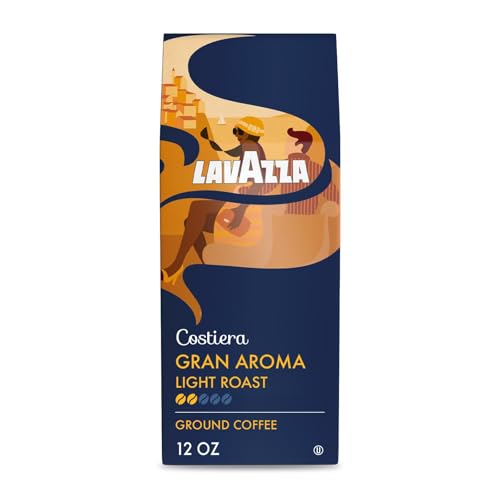
Lavazza Costiera Gran Aroma
Strengths
- Floral and citrus notes
- Smooth, aromatic finish
- Ideal for drip brewers
Trade-offs
- Only 12 oz per bag
- Not suitable for espresso
Lavazza positions Costiera Gran Aroma as a moment of calm in a cup, and that’s not far off. With its blend of 100% Arabica beans from Central America, this light roast delivers floral and citrus notes that stand out in a category often dominated by nutty or grainy profiles. Reviewers note a smooth, aromatic lift, especially in the morning, that makes it feel more luxurious than its price suggests.
It’s clearly designed for drip brewers, and it performs well there, though it lacks the depth for French press or espresso. Compared to other pre-ground options, it holds its aroma better than most. I’d pick this over generic supermarket light roasts any day for its character.
Video review
Green Mountain Breakfast Blend

Strengths
- Balanced nutty sweetness
- Kosher certified
- Consistent Keurig performance
Trade-offs
- Plastic waste from pods
- Less complexity than whole bean
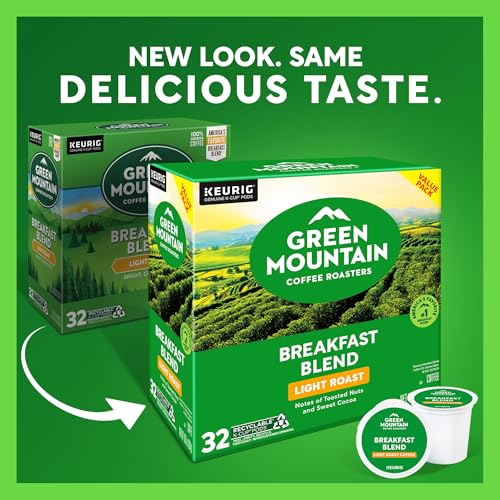
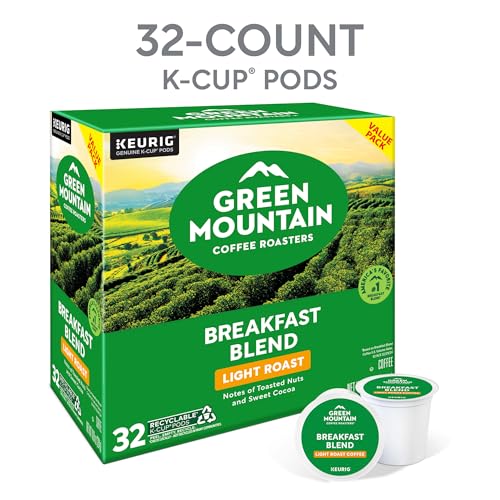
Green Mountain’s Breakfast Blend is one of the more balanced light roast K-Cups on the market. The flavor profile, clean, nutty, with a silky mouthfeel, delivers on its promise of a gentle wake-up call. It’s not bold or intense, but that’s the point. For K-Cup users who want something brighter than a medium roast but not as delicate as a white tea, this hits the sweet spot.
Owners appreciate its consistent brew quality across Keurig machines, and the Orthodox Union Kosher certification adds a small but meaningful trust signal. It’s not as complex as whole bean light roasts, but among single-serve pods, it stands out for drinkability.
Product photos

Caribou Daybreak Morning Blend

Strengths
- Fruity and caramel notes
- Rainforest Alliance certified
- Small-batch roasted
Trade-offs
- Pre-ground limits freshness
- Not for espresso lovers
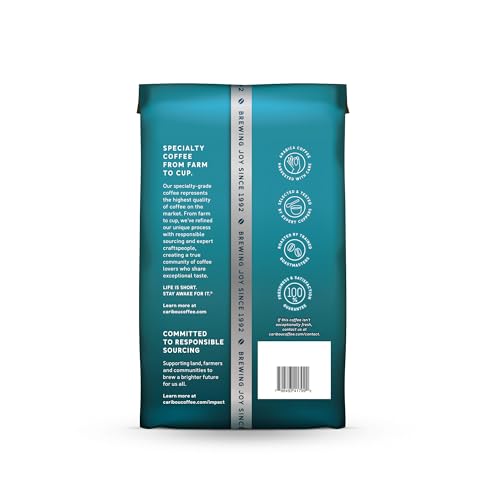
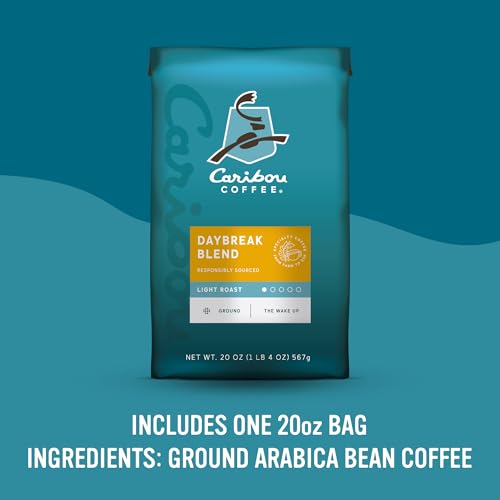
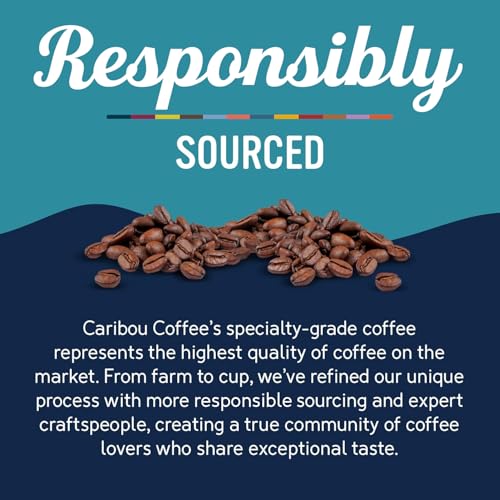
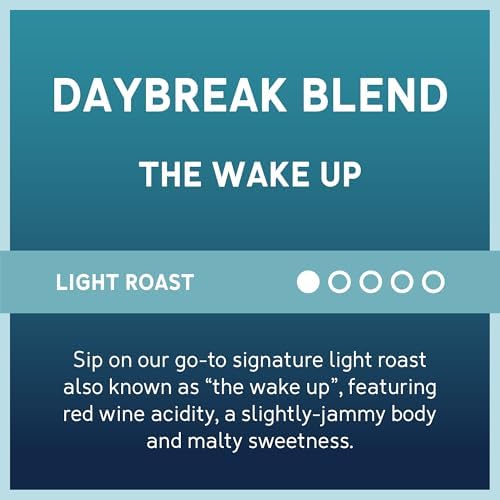
Caribou’s Daybreak Morning Blend is my pick for the best overall light roast here, and not just because of its Rainforest Alliance certification and small-batch roasting in Minneapolis. The flavor profile is where it shines: fruity sweetness up front, a caramel mid-palate, and a nutty finish that rounds it out beautifully. Reviewers describe it as ‘sunshine in a cup,’ and that tracks.
It’s ground for drip and pour-over, and performs best in those methods. Compared to Peet’s or Starbucks, it strikes a smarter balance between approachability and character. For most buyers, this is the easy pick if you want a well-rounded light roast without quirks.
Product photos
Happy Belly Light Roast K-Cups
Strengths
- High pod count
- Subtle fruit and nut notes
- Works with all Keurig models
Trade-offs
- Lower flavor intensity
- Not for freshness purists
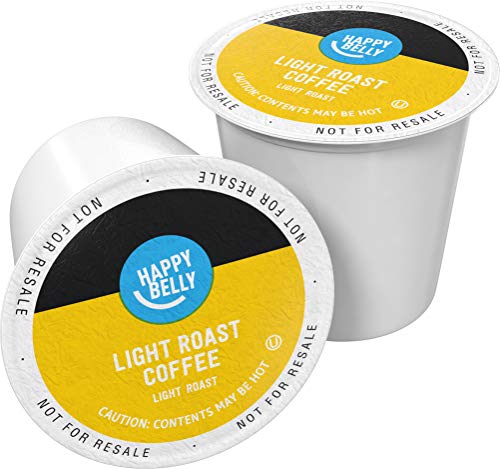
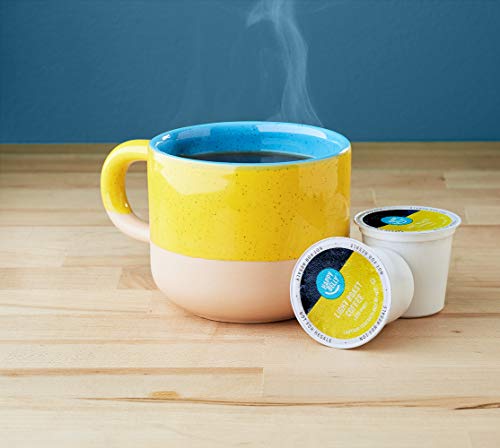
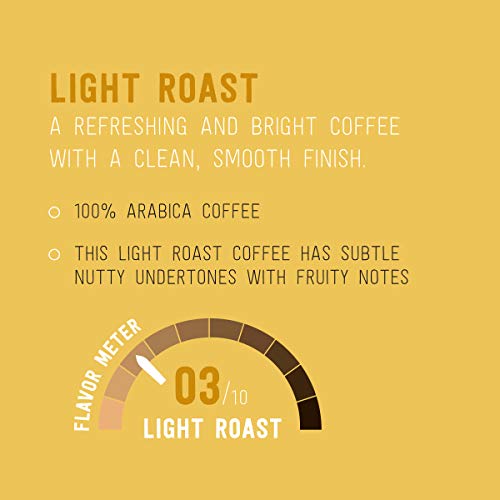
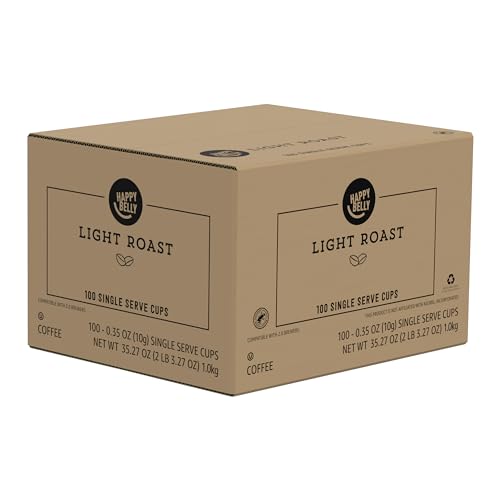
If you’re stocking up on K-Cups and want to stretch your dollar, the Happy Belly 100-count pack is hard to ignore. These pods deliver a clean, light-medium roast with subtle nutty and fruity notes, more depth than you’d expect at this price. Owners say they’re a step above store-brand pods in both aroma and consistency.
They’re compatible with both Keurig 1.0 and 2.0 brewers, and the 8 oz brew setting recommendation helps avoid weak coffee. While they won’t match the refinement of Green Mountain or Caribou, they’re the smarter buy for high-volume households that prioritize value without sacrificing too much taste.
Product photos


Black Rifle Loyal Spirit
Strengths
- Citrus and berry notes
- Veteran-founded brand
- Smooth, balanced taste
Trade-offs
- Pre-ground limits use
- Marketing-heavy branding
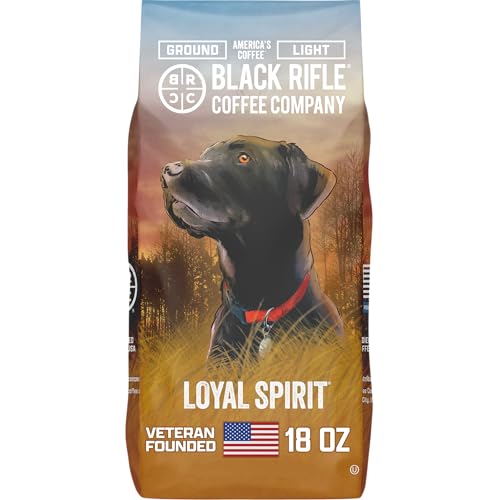
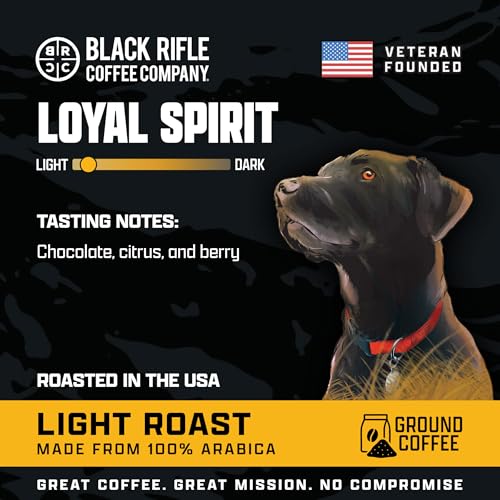
Loyal Spirit stands out in the light roast category for its bold branding and surprisingly smooth profile. With notes of citrus, chocolate, and berries, it’s brighter than most BRCC offerings, which tend to lean dark. The blend of Colombian and Brazilian Arabica beans gives it a balanced acidity and a rounded mouthfeel, owners say it’s easy to drink black, even for those who usually prefer medium roasts.
It’s American-made with a veteran-founded story that resonates with many buyers. While not the most complex light roast here, it brings a sense of character and pride that few competitors match. I’d recommend it to those who want a light roast with a bit of edge.
Product photos


Starbucks Veranda Blend

Strengths
- Excellent for iced coffee
- Large 28 oz bag
- Consistent drip performance
Trade-offs
- Mild flavor when hot
- Pre-ground limits freshness
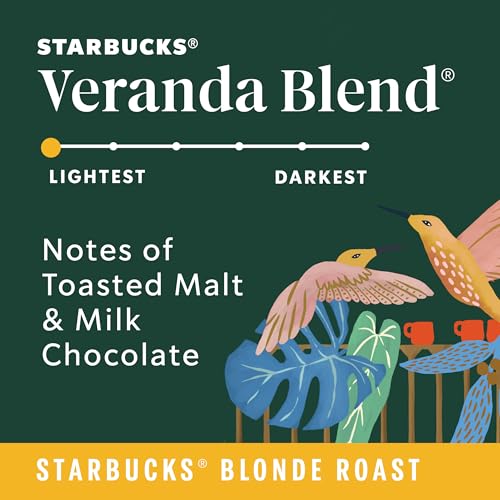
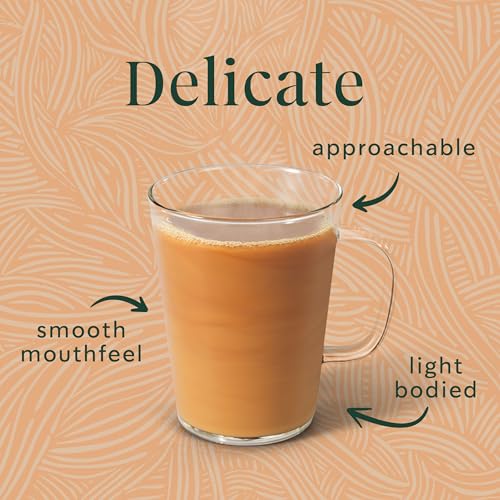
Starbucks Veranda Blend is the go-to when you’re thinking iced coffee. Its light body and notes of toasted malt and milk chocolate make it especially refreshing over ice, less bitter, more approachable than darker roasts. The 28-ounce bag is generous, and the grind works well in drip, pour-over, or cold brew setups.
Reviewers consistently praise its performance as iced coffee, where the delicate profile shines without becoming watery. Compared to Peet’s or Caribou, it’s less fruity but more consistent across batches. If you’re making cold coffee daily, this is the one to grab.
Product photos
Peet’s Sun Catcher Blend
Strengths
- Strawberry and honeysuckle notes
- High flavor complexity
- Rich, full body
Trade-offs
- Small bag size
- Higher price per ounce
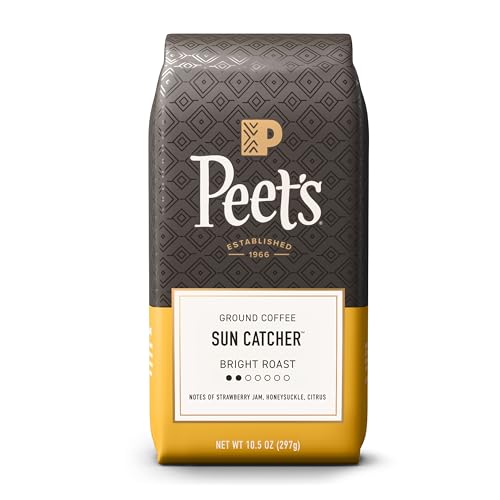
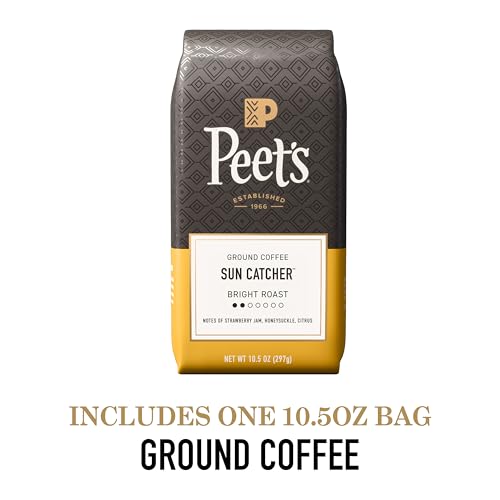
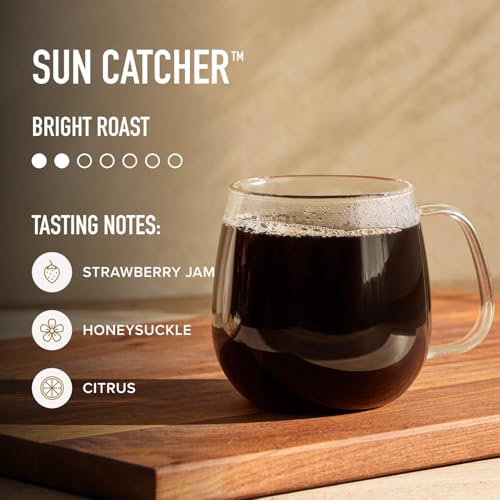
Peet’s Sun Catcher is where flavor complexity takes center stage. With juicy notes of strawberry jam, citrus, and honeysuckle, it’s one of the most expressive light roasts on this list. It’s a single-origin Brazil bean, masterfully roasted to highlight natural sweetness, owners say it drinks more like an Ethiopian bean than a typical Brazilian.
The 10.5-ounce size is small, but that helps preserve freshness, especially since it’s pre-ground. It’s best in drip or pour-over, where its floral lift can shine. Compared to Starbucks or Green Mountain, it’s in a different league for nuance. If you want a light roast that surprises you, this is it.
Product photos
Lavazza ¡Tierra! Organic

Strengths
- Organic and sustainable
- Large 2.2 lb bag
- Versatile brew compatibility
Trade-offs
- Mild intensity
- Not for espresso
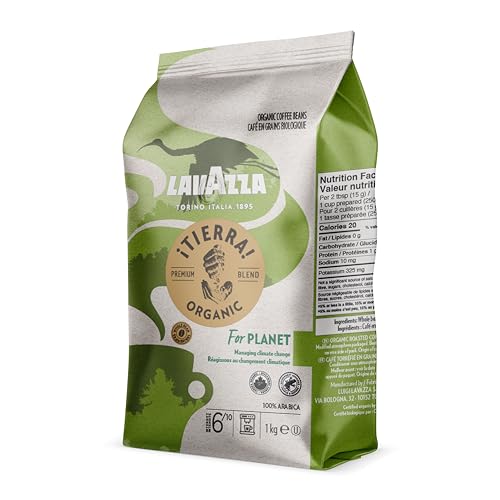
Lavazza’s ¡Tierra! Organic stands out as the best organic light roast here, and the 2.2-pound bag is a rarity in this category. USDA and Euro Leaf certified, it’s made from 100% sustainably grown Arabica beans with tasting notes of flowers, fruit, honey, and malt. The fact that it’s whole bean means you can grind it fresh, giving it an edge in flavor retention over pre-ground options.
Reviewers note it works well across methods, drip, French press, pour-over, even cold brew, though it’s not ideal for espresso. Compared to other organic roasts, it delivers better balance and less grassy bitterness. For those who want both ethics and taste, this is the top pick.
Product photos



How We Chose These light roast coffee
As the founder of Bean Thusiast, I approach coffee research with a focus on understanding how roasting impacts flavor. Rather than a hands-on lab test, this was a research-led comparison of published specifications and owner feedback for a range of light roast coffees. I compared bean origin, roast level descriptions, and flavor notes, then weighed those against reviews from verified purchasers and respected coffee publications. My goal was to identify coffees consistently praised for qualities typical of a light roast – brightness, acidity, and nuanced flavors.
For light roast coffee specifically, I heavily weighted flavor complexity and aromatic profile. A light roast should showcase the bean’s origin characteristics, so coffees with detailed and positive descriptions of nuanced flavors were prioritized. Equally important was the reported balance; a light roast shouldn’t be only acidic, but also offer sweetness and a pleasing finish. Finally, sourcing and certifications (like organic) played a role where available.
Specifications reliably indicate bean origin and roast level, but owner feedback is crucial for understanding how those translate to the actual cup. I paid close attention to comments about brightness, acidity, and the presence of specific flavor notes – did reviewers confirm the advertised flavor profile of light roast? Reputable expert reviews helped validate consistency and quality, particularly when owner reviews were mixed or sparse.
How To Pick The Right light roast coffee
Finding the right light roast coffee can be a surprisingly nuanced process. It’s not just about brightness; it’s about finding a bean that delivers the complexity and flavor you enjoy.
A quality light roast showcases the origin characteristics of the bean. Key indicators include sourcing transparency (single-origin vs. blend), recent roast date (within two weeks is ideal), and a focus on Arabica varietals known for floral and fruity notes like Geisha or Pacamara. Avoid overly oily beans, even in light roasts, as this suggests age or improper storage.
Understanding Origin & Processing
Flavor in light roast coffee is dramatically impacted by where and how the beans are grown and processed. Don’t overlook this. Central American coffees, like those from Costa Rica or Guatemala, often present bright acidity and citrus notes, while Ethiopian beans frequently offer floral aromas and berry-like sweetness. Washed processing tends to highlight clarity and acidity, while natural processing yields more fruit-forward, often winey, flavors. If you’re new to this world, exploring single-origin options is a fantastic way to learn your preferences; starting with a premium light roast coffee from a well-regarded region is a good approach.
Roast Date & Freshness are Paramount
Light roasts are particularly sensitive to staleness. Unlike darker roasts, they lack the developed oils that provide some protection against flavor degradation. A coffee roasted a month ago will taste significantly different than one roasted within the last week. Always check for a roast date (not just a “best by” date) on the bag.
Here’s what to keep in mind when assessing freshness:
- Look for a roast date: This is the single most important factor.
- Storage matters: Keep beans in an airtight container, away from light, heat, and moisture.
- Whole bean is best: Grinding immediately before brewing preserves the most flavor. If you prefer ground, buy smaller quantities and use them quickly.
Balancing Acidity & Body
One common misconception about light roast coffee is that it’s weak. It isn’t about strength, but rather about the type of flavor. Light roasts exhibit higher acidity, which is often perceived as brightness or tanginess. However, a good light roast shouldn’t be sour or thin. The body – the perceived weight or texture of the coffee – should be present. If you find light roasts too acidic, you might be brewing with water that’s too hot, or you may simply prefer a coffee with a different origin profile. Understanding the differences in roast intensity can help you identify whether a light roast is truly the best fit for your palate.
A good rule of thumb: if the coffee tastes overwhelmingly sour, lower your water temperature by a few degrees or try a different bean known for balanced acidity.
Light Roast Coffee Compared
Here’s a comparison of key specifications for various light roast coffees.
| Product Name | Roast Level | Bean Type | Intensity | Flavor Notes | Package Size (oz) | Format |
|---|---|---|---|---|---|---|
| Caribou Daybreak Morning Blend | Light | Arabica | N/A | Fruity, Caramel, Nutty | 20 | Ground |
| Peet’s Sun Catcher Blend | Light | Arabica | N/A | Strawberry, Citrus, Honeysuckle | 10.5 | Ground |
| Starbucks Veranda Blend | Light | Arabica | N/A | Malt, Milk Chocolate | 28 | Ground |
| Lavazza Costiera Gran Aroma | Light | Arabica | 2/5 | Floral, Citrus | 12 | Ground |
| Lavazza ¡Tierra! Organic | Light | Arabica | N/A | Flowers, Fruit | 35.2 | Whole Bean |
| Amazon Fresh Just Bright | Light | Arabica | N/A | Crisp, Clean | 32 | Whole Bean |
| Green Mountain Breakfast Blend | Light | N/A | N/A | Nutty, Balanced Sweetness | N/A | K-Cup |
| Happy Belly Light Roast | Light | Arabica | N/A | Nutty, Fruity | N/A | K-Cup |
| Black Rifle Loyal Spirit | Light | Arabica | N/A | Citrus, Chocolate, Berries | 18 | Ground |
Frequently Asked Questions
What grind size is best for light roast coffee?
A medium-fine grind is generally best for light roast coffee. Because the beans are less dense, a finer grind increases the surface area for extraction and prevents under-extraction, which can result in a sour or weak brew.
Can light roast coffee have caffeine?
Yes, light roast coffee typically has more caffeine than darker roasts. The roasting process reduces caffeine content, so the shorter roasting time of light roasts preserves a higher percentage of the original caffeine.
Is light roast coffee always acidic?
While light roasts are known for their bright acidity, it shouldn’t be overpowering. A well-balanced light roast will have sweetness and body to complement the acidity; if it’s too sour, explore balanced roast coffee beans or adjust your brewing temperature.
What’s the difference between “light” and “blonde” roast?
“Blonde” roast is simply a very light variation of a light roast, often roasted even shorter to emphasize delicate floral aromas. They are very similar, with blonde roasts generally exhibiting even higher acidity and a lighter body than typical light roasts.
How should I store my light roast beans to keep them fresh?
Store whole bean light roast coffee in an airtight, opaque container at room temperature. Avoid storing beans in the refrigerator or freezer, as condensation can affect the flavor; keeping them away from light, heat, and moisture is key to preserving freshness.
The Bottom Line
Choosing a light roast coffee often comes down to balancing your desire for nuanced flavor with the potential for a brighter, more acidic cup. While many options exist, I believe Lavazza ¡Tierra! Organic strikes an excellent balance – offering floral and fruity notes in a whole bean format that allows for maximum freshness. It’s a consistently well-regarded option for those seeking a quality, ethically sourced light roast experience.
For readers on a tighter budget, Amazon Fresh Just Bright provides a surprisingly complex flavor profile at an accessible price point. If you prefer the convenience of single-serve options, the Green Mountain Breakfast Blend K-Cups offer a reliably smooth and nutty light roast. However, remember that freshness is key, and whole bean will always deliver the most vibrant experience.
Ultimately, the “best” light roast is the one that best suits your palate. Don’t get too caught up in specific bean origins or roast level flavor differences; focus on finding a coffee you genuinely enjoy, and always prioritize a recent roast date to ensure maximum flavor and aroma.
