
9 Best Medium Roast Whole Bean Coffees 2026
After researching the field and analyzing owner feedback, the Stumptown Holler Mountain Organic stands out as the overall best medium roast whole bean coffee for its vibrant, complex flavor. For a budget-friendly option, Amazon Fresh Colombia Medium delivers consistent quality, while the Lavazza Super Crema Blend offers versatility, especially for espresso lovers.
Most coffee drinkers want a balanced cup that’s flavorful without being overwhelming, but finding a medium roast that delivers on its promise isn’t always easy. Inconsistent roasting, stale beans, or misleading flavor notes can turn a hopeful morning brew into a disappointment.
I, Harry A. Sanders, founded Bean Thusiast to cut through the noise and help people find truly satisfying coffee. This guide reflects our research into flavor profiles, origin transparency, roast dates, and real user experiences to spotlight the medium roast whole bean coffees that deliver where it matters most.
Top 9 Medium Roast Whole Bean Coffee in the Market
The Best Medium Roast Whole Bean Coffee, Reviewed
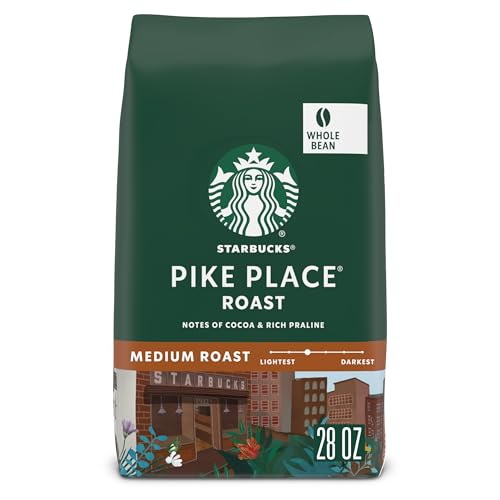
Starbucks Pike Place Roast
Strengths
- Café-quality consistency
- Versatile brewing
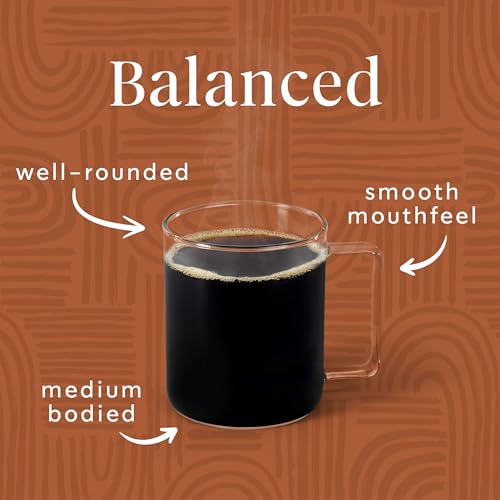
- Balanced mild body
Trade-offs
- Can taste flat to seasoned drinkers
- Less origin character
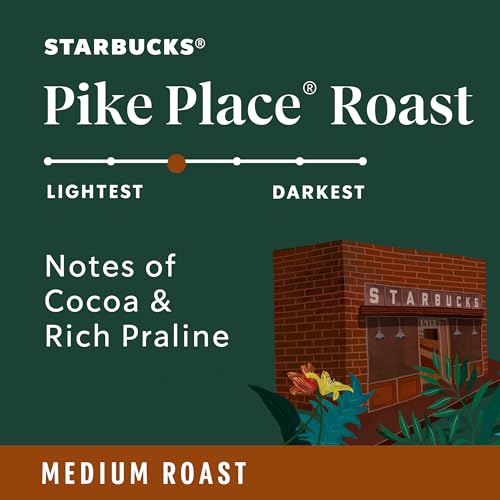
Let’s be clear: Pike Place Roast isn’t trying to shock your palate. It’s designed to be the consistent, crowd-pleasing standard, and that’s exactly what it is. Brewed in Starbucks cafes daily, this medium roast uses Latin American beans to deliver subtle cocoa and praline notes, landing in that sweet spot between approachable and satisfying. The 28-ounce bag gives you enough volume for regular use, and the fact that it’s the same bean used in stores adds a layer of trust.
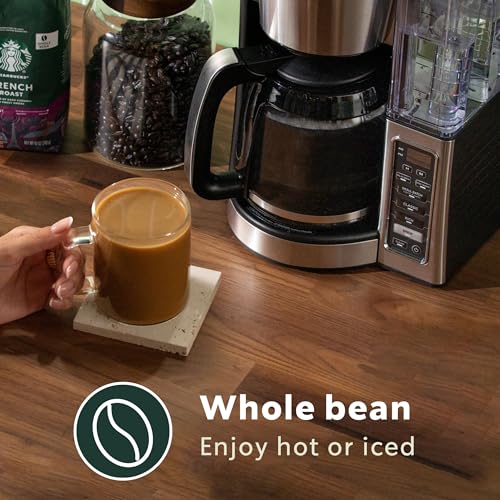
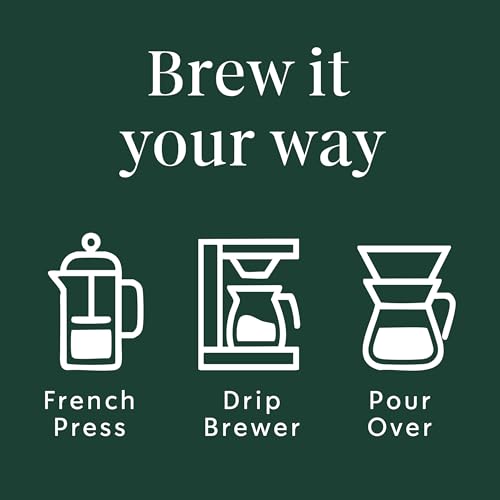
Reviewers note it works well across all methods, drip, pour over, French press, even cold brew, which makes it a versatile staple. Compared to Cameron’s, it has a slightly more pronounced roast character, though not in a bad way. For most buyers, this is the easy pick if you want reliability and wide availability. I’d still go elsewhere for more nuance, but if you’re after the gold standard of mainstream medium roast, this is it.
Product photos
Mt. Comfort Organic Peru Medium
Strengths
- Organic certified
- Smooth balanced cup
- Large 2.5 lb bag
Trade-offs
- Flavor lacks depth for connoisseurs
- Not flash-fresh roasted
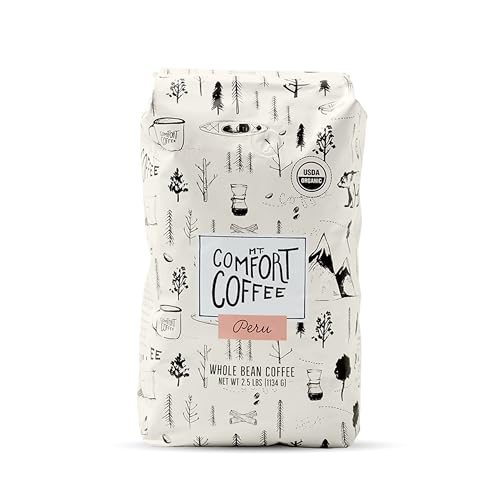
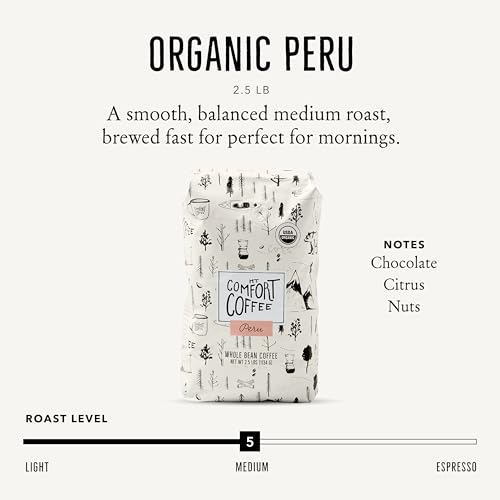
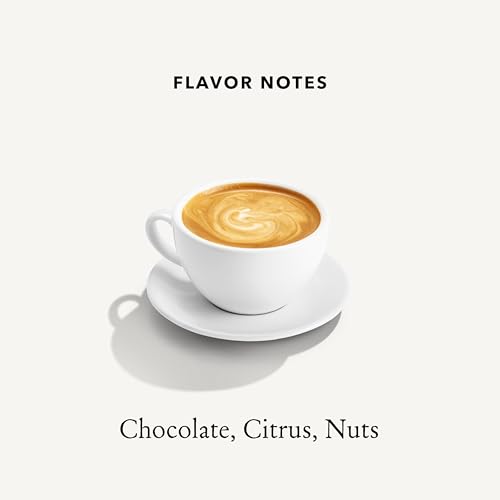
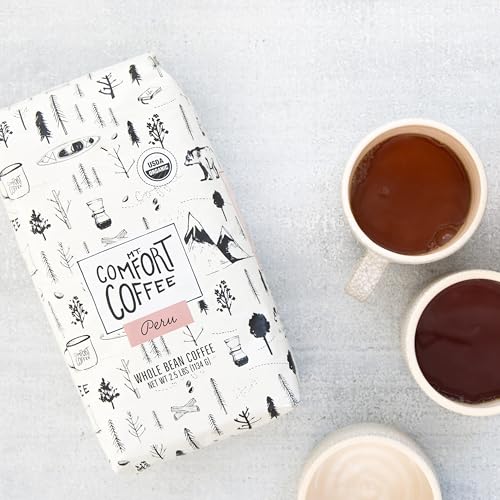
When you’re after a clean, dependable medium roast that leans into classic flavor notes without overreaching, this Peruvian offering from Mt. Comfort stands out on paper. The nutty, chocolate base with a hint of citrus makes it a reliable choice for daily brewing, and the fact that it’s organic and sourced from small farms adds real value for those who care about ethics and transparency. Owners consistently report it brews smoothly across methods, especially in drip and French press, where its balanced profile shines without turning sharp or flat.
What seals the deal is the 2.5-pound size, it’s built for households or offices where coffee is a constant companion. While some reviewers note the flavor isn’t as dynamic as pricier specialty roasts, it’s not trying to be. It’s aiming for consistency, freshness, and approachability, and by those metrics, it delivers. I’d pick this over flashier options if you want a no-fuss, ethically sourced workhorse that still tastes better than most supermarket beans.
Product photos
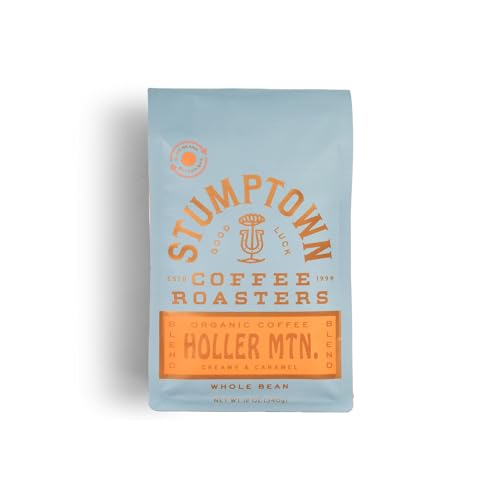
Stumptown Holler Mountain Organic
Strengths
- Complex citrus and caramel notes
- Organic and Direct Trade
- Excellent for espresso
Trade-offs
- Smaller bag size
- Higher price per ounce
Holler Mountain is where things get interesting. This 12-ounce organic blend punches above its weight in flavor complexity, with citrus zest, berry jam, and caramel notes that suggest serious roasting craftsmanship. As a Direct Trade product, Stumptown’s long-term partnerships with farmers likely contribute to the clean, layered cup owners describe, bright without being sour, sweet without cloying.
It’s not the biggest bag or the cheapest, but you’re paying for nuance. The blend is reportedly versatile enough for espresso or drip, which is rare at this level. Compared to Lavazza or Eight O’Clock, it’s far more expressive, almost like a specialty café pour. If you enjoy tweaking your grind and water ratio to extract the best in a bean, this one rewards that effort. I’d recommend it as the top pick for those who treat coffee as a ritual, not just a refuel.
Product photos



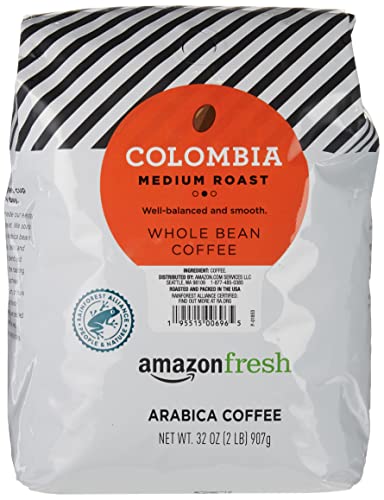
Amazon Fresh Colombia Medium
Strengths
- Large 32 oz bag
- Budget-friendly
- 100% Colombian Arabica
Trade-offs
- Basic flavor profile
- Generic branding
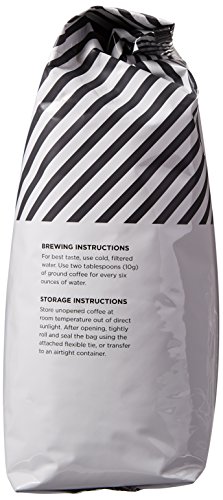
Amazon Fresh’s Colombia medium roast is the quiet winner for value. At 32 ounces and priced accessibly, it’s clearly aimed at budget-focused buyers who still want 100% Arabica beans roasted in the USA. The flavor profile is straightforward, balanced, full-bodied, smooth, with no surprises, which is fine for a daily driver.
Owner feedback suggests it’s better than expected for the price, especially when compared to grocery store brands. It won’t beat Stumptown or Kauai in a blind tasting, but it holds its own against Eight O’Clock and even Cameron’s in smoothness. For subscribers who want affordable, no-hassle coffee delivered regularly, this is the smart default. I’d recommend it as the top budget pick, not for excitement, but for reliability at a low cost.
Product photos



Lavazza Super Crema Blend
Strengths
- Thick, creamy crema
- Robusta for boldness
- Great for espresso machines
Trade-offs
- Contains Robusta beans
- Less aromatic than Arabica-only
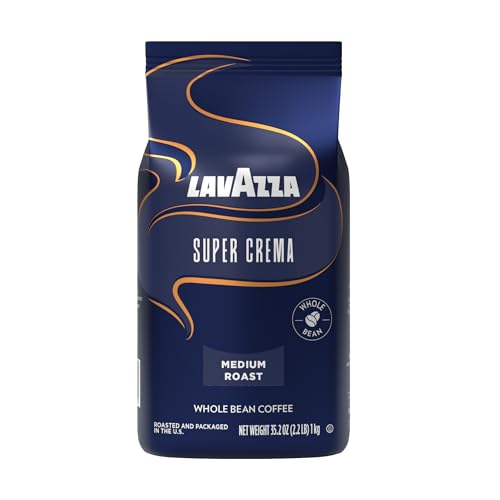
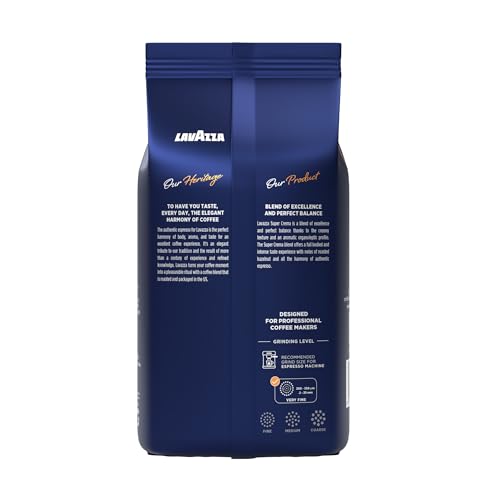
Lavazza Super Crema is built for one thing: creamy espresso. The Arabica-Robusta blend creates a fuller body and that signature crema thickness many home baristas crave. At 2.2 pounds, it’s a substantial bag, and the medium roast delivers a bold yet balanced finish, not as acidic as 100% Arabica, not as harsh as some Robusta-heavy blends.
Owners using super-automatic machines especially praise its consistency and low bitterness. But if you’re brewing drip or French press, you’ll miss the point. Compared to Lavazza’s 100% Arabica option, this one trades floral notes for texture and strength. I’d pick it over the Arabica blend any day if your main goal is rich, café-style espresso at home, just know it’s not meant for purists who avoid Robusta at all costs.
Product photos


Lavazza Espresso 100% Arabica

Strengths
- 100% Arabica blend
- Floral and fruity notes
- Multi-method compatible
Trade-offs
- Milder intensity
- Less crema for espresso
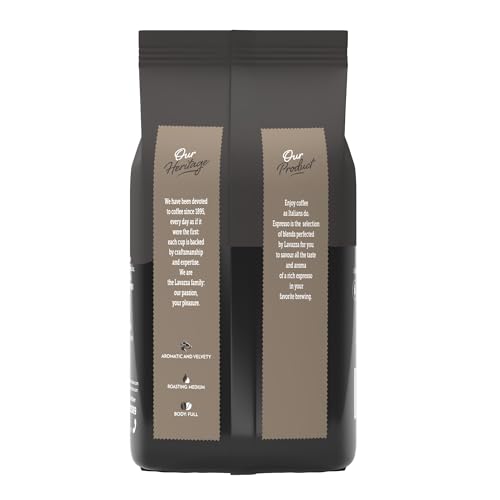
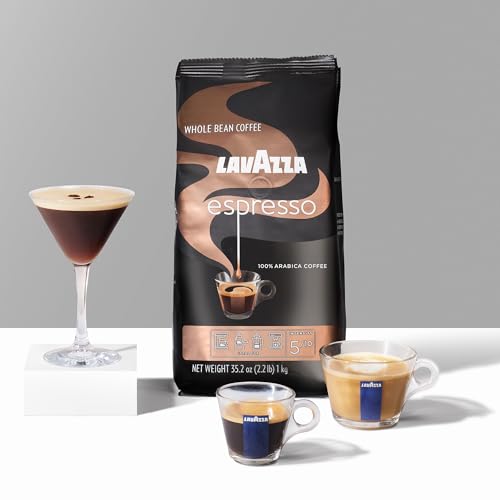
This Lavazza 100% Arabica blend is what I’d call the balanced middle ground between flavor and function. With a 5/10 intensity, it’s not too sharp or heavy, offering floral and fruit notes that suggest careful sourcing from African and South American farms. The 2.2-pound bag is ideal for regular use, and unlike the Super Crema, it’s Robusta-free, a win for purists who want a cleaner taste.
Owners report it works well beyond espresso, in moka pots, drip, and French press, which gives it an edge over more single-purpose blends. Compared to Stumptown, it’s less vibrant but more consistent; compared to Starbucks, it’s more aromatic and less roasty. If you want a versatile, 100% Arabica workhorse that doesn’t limit your brewing options, this is a strong contender.
Product photos


Cameron’s Breakfast Blend

Strengths
- Never bitter
- Top 10% Arabica beans
- Smooth mild flavor
- Sustainably sourced
Trade-offs
- Lacks boldness for strong coffee lovers
- Packaging not resealable
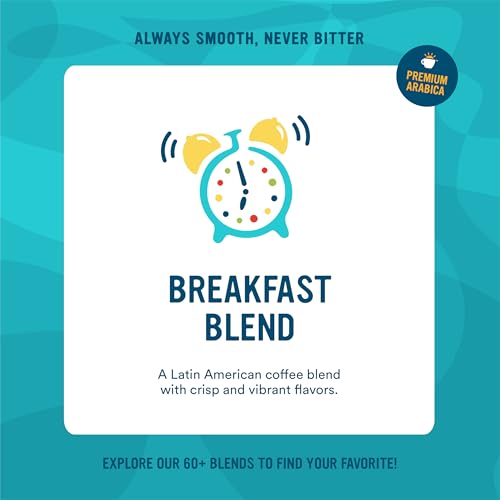
Cameron’s Breakfast Blend markets itself as smooth, never bitter, and from what owners report, it largely delivers. The emphasis on using only the top 10% of Arabica beans seems to pay off in a cup that’s mellow and consistent, with a mild richness that’s easy to enjoy black or with cream. On paper, the blend of Central and South American beans roasted slowly suggests a focus on balance over boldness, which fits the “breakfast” label perfectly.
Compared to Starbucks’ Pike Place, it’s less roasty and more rounded, with fewer burnt edges. It’s not the most complex medium roast out there, but that’s not the point. If you hate that harsh, over-roasted taste some mass-market brands serve up, this one feels like a quiet upgrade. My recommendation? This is the smarter buy for families or casual drinkers who just want a clean, easygoing cup every morning without fuss or bitterness.
Product photos


Kauai Koloa Estate Medium
Strengths
- Hawaiian-grown
- Smooth non-bitter
- Bright floral notes
Trade-offs
- Subtle flavor profile
- Limited origin availability
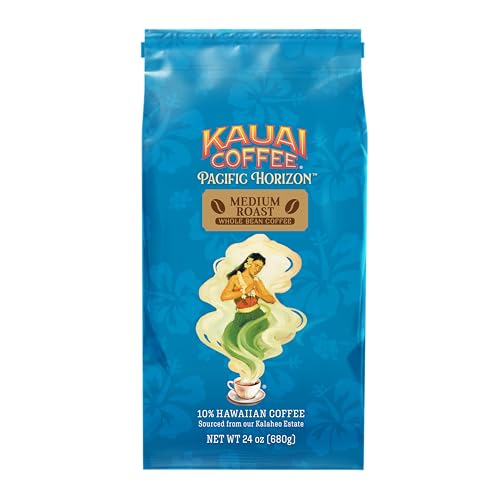
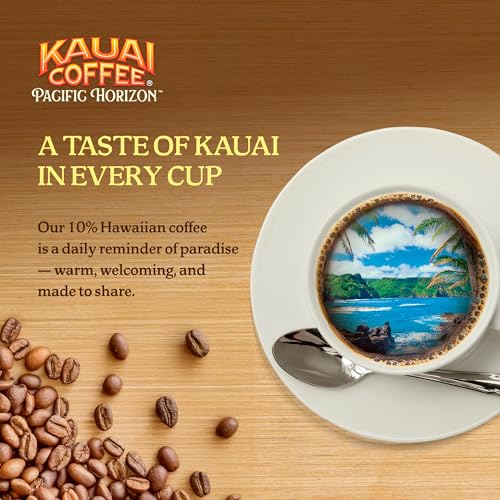
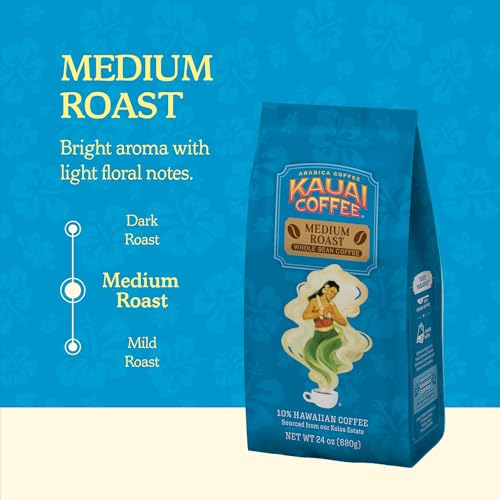
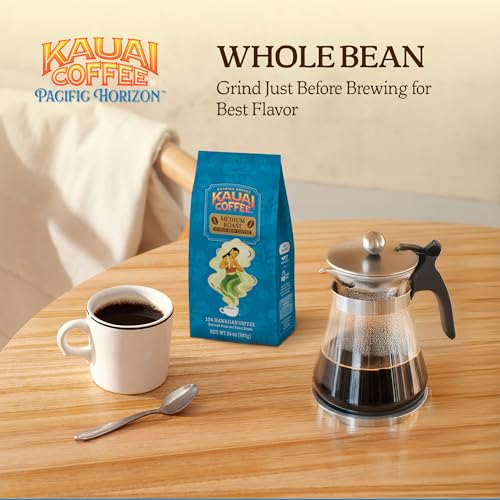
Kauai Coffee stands out simply by where it’s grown, Hawaii’s rich volcanic soil and island climate give these beans a distinctive terroir you can taste. The medium roast emphasizes floral notes and a bright, clean profile, making it one of the few U.S.-grown coffees with real character. Owners appreciate the smooth, non-bitter finish, and the 24-ounce bag offers a decent balance of volume and freshness.
It’s not as complex as Stumptown’s Holler Mountain, nor as bold as Lavazza, but it brings something unique: a taste of place. If you’ve visited Hawaii or want to bring a touch of that island calm to your morning, this delivers. I’d pick it over generic blends when you want a conversation-starting cup, though I wouldn’t rely on it for high-octane espresso or dark roast lovers.
Product photos

Eight O’Clock The Original
Strengths
- Large 30 oz bag
- 100% Arabica
- Sweet fruity notes
Trade-offs
- Inconsistent freshness
- Flavor fades quickly
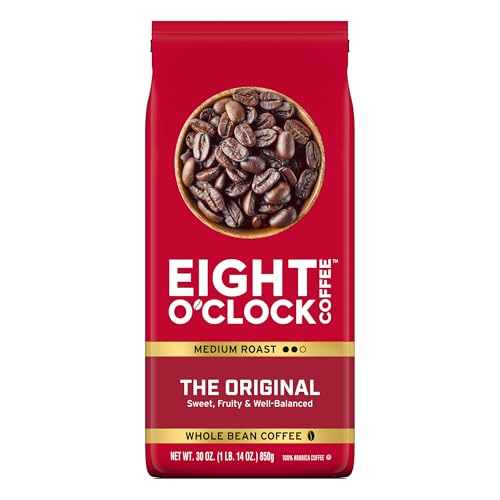
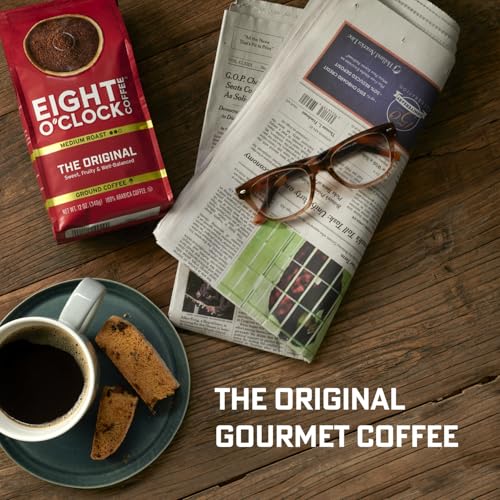
Eight O’Clock’s Original blend leans into its heritage as America’s oldest coffee brand, and for the price, it holds up. The 30-ounce bag offers serious volume, and the promise of sweet, fruity notes from Latin America and East Africa sounds appealing. On paper, it’s 100% Arabica and Kosher certified, which adds legitimacy.
But owner feedback is split, some find it pleasantly balanced, others say it lacks punch and fades fast after opening. Compared to Amazon Fresh or Cameron’s, it’s not quite as smooth, and it doesn’t have the complexity of Stumptown. Still, for a budget-friendly large pack that won’t ruin your morning, it’s a safe bet. I wouldn’t serve this at a tasting, but for a household that just needs coffee in the mug, it gets the job done.
Product photos
How We Chose These medium roast whole bean coffee
Rather than a hands-on lab test, this selection is a research-led comparison of published specifications and owner feedback. I, along with the Bean Thusiast team, examined dozens of medium roast whole bean coffees, comparing stated flavor profiles, bean origins, and roast characteristics. We then weighed owner reviews from multiple sources – Amazon, coffee-specific forums, and retailer websites – alongside expert opinions from coffee review sites and publications. This allowed us to build a ranking based on real-world satisfaction and perceived quality.
For medium roast coffees, a balance of flavor and accessibility is key, so those factors were weighted most heavily. A coffee’s ability to deliver a complex but approachable cup – meaning enjoyable by a wide range of palates – was paramount. We also prioritized consistent positive feedback regarding smoothness and the absence of bitterness, as these are common complaints with lower-quality beans. Understanding what medium roast coffee is helped us identify coffees truly within the category.
Specifications reliably tell you about bean origin and roast level, but owner feedback is critical for assessing actual flavor and consistency. We paid close attention to comments regarding freshness (especially with whole bean coffee) and whether the coffee lived up to its advertised profile. Reputation, particularly for brands known for quality control like Lavazza and Stumptown, factored into our assessments, but couldn’t outweigh consistently negative owner experiences. We also considered how well a coffee suited its “best for” designation.
How To Pick The Right medium roast whole bean coffee
Finding the right medium roast whole bean coffee can elevate your daily ritual from a necessity to a genuine pleasure.
A quality medium roast balances acidity and body, exhibiting nuanced flavors without the bitterness of darker roasts or the brightness of lighter ones. Look for 100% Arabica beans, clear origin information, and a roast date (not just a “best by” date) to maximize freshness. Consistent bean size and color indicate careful processing.
Understanding Roast Consistency
One of the biggest frustrations with whole bean coffee is inconsistency. You want every bag to deliver a similar experience, but unfortunately, that’s not always the case. Many brands, even well-known ones, sometimes ship beans with noticeable variations in roast level within the same bag. This is especially true with larger-batch roasting operations. Smaller, craft roasters, like Mt. Comfort Organic Peru Medium, often focus more on quality control. They may lack the name recognition of a Starbucks Pike Place Roast, but their consistent quality can be a worthwhile trade-off.
Origin & Flavor Profile
“Medium roast” describes the roasting process, not the flavor. The origin of the beans dramatically impacts the final cup. For example, coffees from Central America (like those found in Cameron’s Breakfast Blend) tend to have chocolate and nutty notes, while Ethiopian coffees lean toward floral and citrus flavors. If you appreciate complexity, consider a blend like Stumptown Holler Mountain Organic, which aims for a dynamic flavor profile.
Here’s how to think about flavor expectations:
- Simple & Consistent: Amazon Fresh Colombia Medium is a good starting point for those who want a reliably mild cup.
- Balanced & Versatile: Lavazza Super Crema Blend offers a blend of Arabica and Robusta for a bolder flavor that works well in espresso.
- Nuanced & Distinctive: Kauai Koloa Estate Medium offers a taste of Hawaiian terroir, with floral aromas and a bright acidity, expect to pay a premium for single-origin Hawaiian beans.
Balancing Value & Freshness
Price is always a consideration. Eight O’Clock The Original offers a substantial amount of coffee for the money, but be aware that larger bags sometimes mean the beans aren’t as freshly roasted. If you’re serious about flavor, prioritize a recent roast date over a low price. To help you determine where your preferences lie, you can learn more about medium vs dark roast flavors.
Don’t settle for beans roasted months ago. A roast date within the last two weeks is ideal; beyond a month, and you’re likely losing significant flavor.
Ultimately, exploring different roasters and origins is the best way to find your perfect cup. I encourage you to check out our top medium roast beans for a range of options and to discover your own premium medium roast selections.
Medium Roast Whole Bean Coffee Compared
Here’s a comparison of key specifications for various medium roast whole bean coffees.
| Product Name | Roast Level | Origin | Bean Type | Bag Size (oz) | Key Flavor Notes |
|---|---|---|---|---|---|
| Starbucks Pike Place Roast | Medium | Latin America | Arabica | 28 | Cocoa, Praline |
| Mt. Comfort Organic Peru | Medium | Peru | Organic | 40 | Smooth, Balanced |
| Stumptown Holler Mountain | Medium | N/A | 100% Arabica | 12 | Citrus, Berry, Caramel |
| Amazon Fresh Colombia | Medium | Colombia | Arabica | 32 | Balanced, Full-Bodied |
| Lavazza Super Crema | Medium | Multiple | Arabica/Robusta | 35.2 | Bold, Creamy |
| Lavazza Espresso 100% Arabica | Medium | South America/Africa | 100% Arabica | 35.2 | Floral, Fruit |
| Cameron’s Breakfast Blend | Medium | Central/South America | Arabica | 32 | Rich, Smooth |
| Kauai Koloa Estate | Medium | Hawaii (Kauai) | Arabica | N/A | Floral, Bright |
| Eight O’Clock The Original | Medium | Latin/East Africa | Arabica | N/A | Sweet, Fruity |
Frequently Asked Questions
What’s the best way to store whole bean coffee to maintain freshness?
Airtight containers are crucial; store your whole bean coffee in an opaque, airtight container at room temperature, away from direct sunlight, heat, and moisture. Avoid the refrigerator or freezer, as temperature fluctuations can negatively impact flavor.
Does the origin of the beans really affect the taste of a medium roast?
Absolutely. While the roast level provides a baseline, the origin significantly shapes the flavor profile. For example, beans from Ethiopia often exhibit floral notes, while those from Central America tend toward chocolate and nuttiness.
Can I use a burr grinder for all types of whole bean coffee, or do I need different settings?
A burr grinder is essential for consistent results, and you’ll want to adjust the grind size depending on your brewing method. A coarser grind is best for French press, while a finer grind suits espresso machines.
What’s the difference between Arabica and Robusta beans in a medium roast?
Arabica beans are known for their smoother, more aromatic qualities, while Robusta beans have a bolder, more bitter flavor and higher caffeine content. Many medium roasts, like Lavazza Super Crema, use a blend of both to achieve a balanced cup.
Where can I find more information about the top-rated flavor profiles in medium roast coffees?
Beyond the descriptions on the bag, websites like Bean Thusiast offer detailed reviews and flavor breakdowns. Exploring different origins and blends is the best way to discover your personal preferences.
The Bottom Line
Choosing a medium roast whole bean coffee often comes down to balancing convenience and control. You can find perfectly acceptable, widely available options like Starbucks Pike Place Roast, but for a truly exceptional and consistently flavorful experience, I recommend Stumptown Holler Mountain Organic. It represents a step up in quality and attention to detail that many coffee lovers will appreciate.
For those on a budget, Amazon Fresh Colombia Medium delivers a solid, reliable cup without breaking the bank. If you’re looking for versatility, a coffee that works well in drip, pour-over, and even espresso, Lavazza Super Crema Blend is an excellent choice. And, for a unique taste of place, Kauai Koloa Estate Medium offers a glimpse into the distinct flavors of Hawaiian coffee.
Ultimately, the ‘best’ coffee is the one you enjoy the most. Don’t get overly caught up in specific bean origins or roast levels; focus instead on freshness, consistent quality, and finding a flavor profile that suits your palate. Understanding roast level flavor differences is a great start, but exploring and experimenting is how you’ll truly discover your perfect brew.
