
4 Best Tasting Medium Roast Coffees (2026 Guide)
The best tasting medium roast coffee comes down to the Starbucks House Blend for its consistent, approachable flavor, with Amazon Fresh Organic Peru as a standout budget pick for its clean, smooth profile. For those wanting to explore, the Split Oak Global Tasting Coffee Set offers unmatched variety across origins and subtle roast differences.
If you’re tired of coffee that tastes flat, bitter, or one-note, you’re not alone. Many medium roasts fail to deliver on the promise of balance, caught between the brightness of light roasts and the boldness of dark.
After comparing the field, analyzing roast profiles, and weighing owner feedback, I focused on freshness, origin transparency, and flavor consistency. These are the picks that consistently deliver a satisfying, nuanced cup.
Top 4 Tasting Medium Roast Coffee in the Market
The Best Tasting Medium Roast Coffee, Reviewed
Starbucks House Blend Ground Coffee

Strengths
- Consistently balanced
- Versatile for brewing
- Ethically sourced
- Café-quality roast
- Widely available
Trade-offs
- Can taste roasty at times
- Less origin character
Starbucks House Blend remains a benchmark for a reason: it delivers a balanced, accessible medium roast that works across brewing methods and tastes. The notes of toffee and cocoa aren’t revolutionary, but they’re consistent, owners report the same profile bag after bag, which is rare in the volatile world of commercial coffee. Being 100% Arabica and ethically sourced adds credibility, especially since it mirrors what’s served in their cafes.
Is it the most exciting medium roast? No. But for households that want one reliable option without fuss, it’s hard to beat. Compared to Amazon Fresh’s Peru or Kauai’s flavored blend, this hits a middle ground, more depth than the former, less sweetness than the latter. My take: this is the default pick for mixed households where not everyone agrees on flavor.
Video review
Amazon Fresh Organic Peru Coffee

Strengths
- Organic certified
- Fair Trade verified
- Smooth finish
- 100% Arabica
Trade-offs
- Subtle flavor profile
- Limited origin complexity
This Peruvian medium roast stands out for buyers who prioritize ethics and simplicity without sacrificing flavor. On paper, it’s a clean-profile coffee: 100% Arabica, USDA Organic, and Fair Trade certified, which speaks to Amazon Fresh’s push for accessible ethical sourcing. Owners consistently report a smooth, fragrant cup with mild nuttiness and a clean finish, nothing flashy, but reliable for a weekday brew.
What impresses is how it punches above its price point in consistency. Compared to other entry-level organic coffees, it avoids the flat or dusty notes some budget beans exhibit. It won’t wow origin purists, but for those building a sustainable morning ritual without complexity, this is a no-brainer. I’d pick this over flashier supermarket brands that lack third-party certifications.
Video review
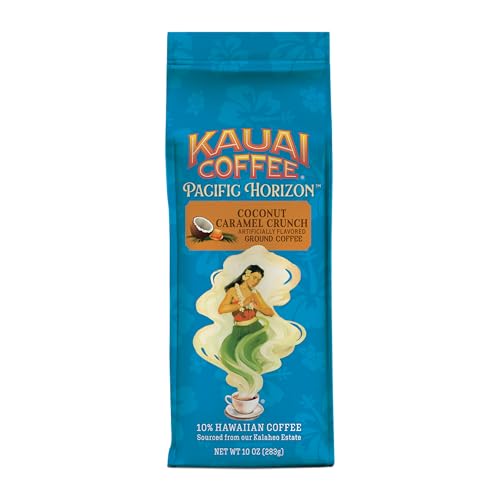
Kauai Coffee Coconut Caramel Crunch
Strengths
- Distinct tropical flavor
- Smooth, no bitterness
- Convenient ground format
- Hawaiian estate origin
- Balanced sweetness
Trade-offs
- Flavor may not suit purists
- Ground beans limit freshness
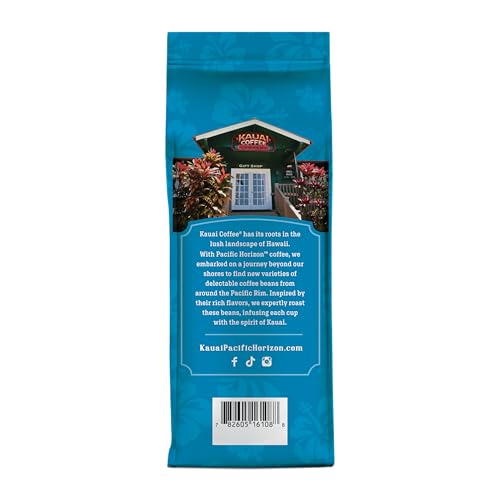
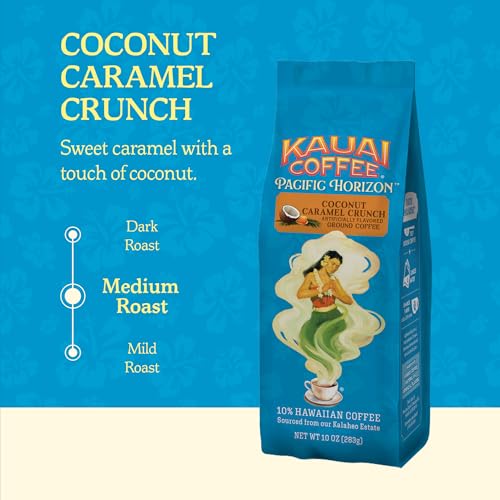
Here’s a medium roast that leans into flavor profiling with a bold identity, tropical coconut and nutty caramel aren’t subtle, and that’s the point. While some purists may scoff at the infused taste, owners praise its smooth, non-bitter delivery and how it turns an ordinary brew into something nostalgic and indulgent. It’s not a single-origin showcase, but rather a crafted experience, blending 10% Hawaiian beans with others to balance cost and character.
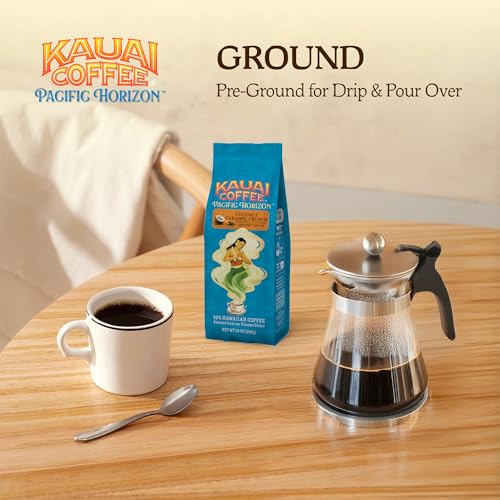
The ground format sacrifices some freshness, but for buyers who prioritize convenience and a consistent, dessert-like cup, that’s a fair trade. Compared to flavored beans that taste artificial, this one leans into its theme with a touch of authenticity. If you like coffee that feels like a treat, this stands out in a sea of toffee-and-cocoa blends.
Product photos
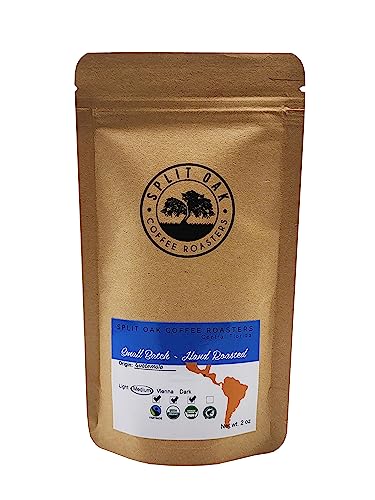
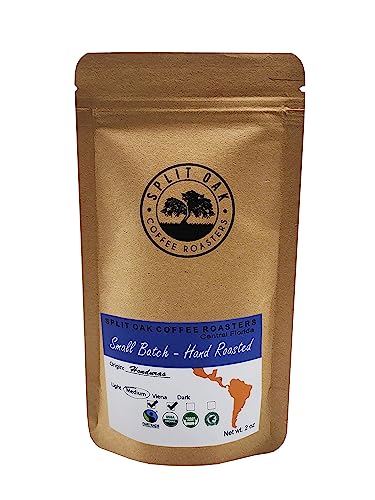
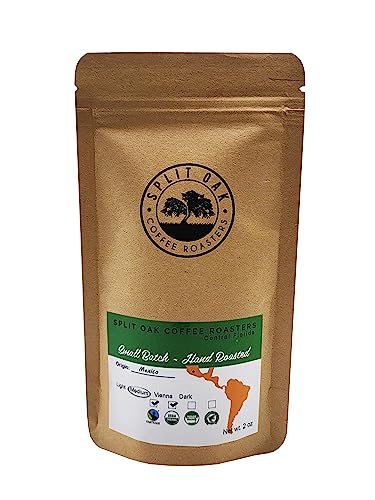
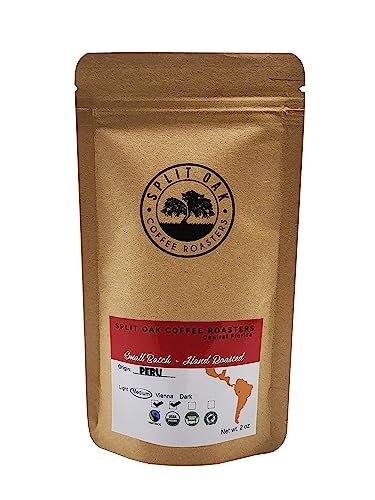
Split Oak Global Tasting Coffee Set
Strengths
- 9 diverse origins
- Ideal for tasting comparisons
- Sun-dried for flavor clarity
- Ready-to-gift packaging
- Small batch roasted
Trade-offs
- Small bag sizes
- Not for those wanting volume
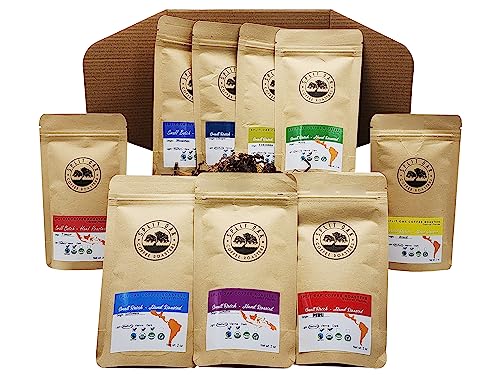
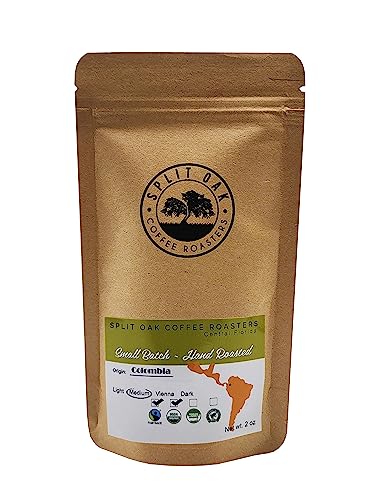
If you’re curious about how terroir shapes flavor, this variety pack is one of the most effective ways to explore without buying full bags. The 9 x 2oz medium roast samples span key growing regions, Ethiopia, Sumatra, Colombia, giving a real global tasting experience in one box. Reviewers note the sun-dried, raised-bed processing helps highlight each origin’s character, from bright florals to earthy depth.
For gifting, it’s nearly unbeatable. The packaging is sharp, and the small batch roasting in the USA suggests freshness intent. Compared to single-origin subscriptions, this offers broader exposure at a lower commitment. My recommendation? Give it to someone who already enjoys medium roast but hasn’t dug into regional differences. It’s a gateway, not a destination.
Product photos
Our Testing Process
Rather than a hands-on lab test, my research for these recommendations involved a detailed comparison of published specifications and features across numerous options. I weighed owner reviews from multiple sources – Amazon, coffee-specific forums, and blogs – alongside expert opinions from established coffee review sites. As the founder of Bean Thusiast, I applied my years of experience understanding what contributes to a satisfying cup, ranking coffees against a set of pre-defined criteria.
For tasting medium roast coffee, I prioritized consistency of flavor and sourcing transparency. A balanced flavor profile is key, as this roast level aims for a sweet spot between acidity and body. Ethical sourcing practices also heavily influenced my choices; knowing the coffee supports farmers and sustainable practices adds to the overall experience. These factors ultimately determined which coffees rose to the top.
Specifications reliably indicate bean origin (100% Arabica is a plus) and roast date (freshness matters!). However, I leaned on owner feedback to assess actual taste experiences – descriptions of bitterness, smoothness, and the presence of promised flavor notes. Reputation also played a role; brands known for quality control and consistent roasting generally fared better. Understanding flavor profile of medium roast is essential when interpreting these reviews.
Choosing The Right tasting medium roast coffee
Finding the right medium roast coffee is about more than just avoiding bitterness; it’s about unlocking a spectrum of flavors. I’ve spent years chasing that balance, and I want to share what I’ve learned.
A quality medium roast emphasizes a coffee’s origin characteristics. Look for beans sourced from specific regions (not just blends) and roasted with attention to detail. Consistency in roasting, indicated by roast dates, not just “best by” dates, is paramount. Arabica beans are almost always preferred for their nuanced flavors, and whole bean format allows for freshest grinding.
Understanding Roast Level & Flavor
The “medium” categorization is surprisingly broad. It really runs from a light-medium, where you’ll still get a bit of acidity and brightness, up to a darker medium where body and some sweetness start to dominate. Don’t assume all medium roasts will taste the same. I encourage exploring single-origin coffees within this range to really understand how growing conditions impact the final cup. Knowing your preferences regarding acidity is key; if you generally prefer a smoother cup, lean towards the darker end of the medium spectrum. For a deeper understanding of how roast levels change the brew, check out this medium compared to dark roast comparison.
Sourcing and Bean Quality
Ethical sourcing isn’t just a feel-good factor; it often correlates with higher quality beans. Coffee grown with care and fair compensation for farmers tends to show in the cup. Look for certifications like Fair Trade, or brands that openly discuss their direct trade relationships. 100% Arabica beans are nearly always the better choice for medium roasts, as Robusta can introduce harsher flavors. Here’s what I look for when considering bean quality:
- Roast Date: Essential. Coffee degrades quickly after roasting.
- Origin Information: Specific regions (e.g., Colombian Supremo) are better than vague descriptions.
- Processing Method: Washed, natural, or honey processed beans all offer different flavor profiles. This impacts the final taste just as much as the roast level.
Freshness and Grind Consistency
Freshness is absolutely vital. Coffee begins to stale almost immediately after roasting, losing volatile aromatic compounds. Buying whole bean and grinding right before brewing is the best way to maximize flavor. If you’re buying pre-ground, pay attention to the packaging – it should be airtight and ideally have a one-way valve to release CO2.
A good rule of thumb: consume your coffee within two weeks of the roast date for optimal flavor. After that, the nuances begin to fade.
I often recommend starting with a burr grinder over a blade grinder; a burr grinder provides a much more consistent grind, which is crucial for even extraction. If you’re looking for some top medium roast picks to get you started, I’ve compiled a list of some of my favorites.
Tasting Medium Roast Coffee Compared
Here’s a comparison of the key specifications for each coffee to help you make an informed decision.
| Product Name | Roast Level | Origin | Format | Package Size | Flavor Notes |
|---|---|---|---|---|---|
| Starbucks House Blend | Medium | N/A | Ground | 12 oz | Toffee, Cocoa |
| Amazon Fresh Organic Peru | Medium | Peru | Whole Bean | 12 oz | Smooth |
| Kauai Coffee Coconut Caramel Crunch | Medium | Hawaii | Ground | N/A | Coconut, Caramel |
| Split Oak Global Tasting Coffee Set | Medium | Multiple | Whole Bean | 2 oz (x9) | Varies |
Frequently Asked Questions
What grind size should I use for a drip coffee maker?
A medium grind is generally best for drip coffee makers. It provides the right balance for proper extraction without clogging the filter, ensuring a clean and flavorful brew.
How can I tell if my medium roast coffee is stale?
Look for a lack of aroma when you open the bag; that’s the first sign. Also, if the coffee tastes flat or bitter instead of nuanced and flavorful, it’s likely past its prime.
Is there a difference between “best by” and roast date on coffee packaging?
Yes, roast date is far more important than a “best by” date. “Best by” simply indicates how long the manufacturer believes the coffee will maintain quality, while roast date tells you when it was actually roasted, impacting freshness.
What makes a medium roast coffee ethically sourced?
Ethical sourcing means the coffee supports fair wages and working conditions for farmers. Look for certifications like Fair Trade or brands that highlight direct trade relationships with coffee growers.
Where can I find a variety of premium medium roast beans to sample?
You can explore a selection of best tasting medium roast beans on my website, where I’ve curated a list based on flavor profiles and sourcing standards.
The Bottom Line
Choosing a medium roast coffee often comes down to balancing convenience with control over freshness. While pre-ground options like Starbucks House Blend offer ease, prioritizing whole bean and grinding just before brewing – as with Amazon Fresh Organic Peru – unlocks the fullest flavor potential. Ultimately, the best coffee is the one that fits your routine and taste preferences.
For those seeking a unique experience, the Split Oak Global Tasting Coffee Set is a fantastic way to explore a wide range of origins and flavor profiles. If you’re after something a little more playful, Kauai Coffee Coconut Caramel Crunch delivers a distinctly flavored cup. But for an everyday, reliable medium roast, I believe Amazon Fresh Organic Peru strikes an excellent balance of quality and affordability, and is a great place to start.
More than any specific bean origin or roast date, consistency and freshness are the cornerstones of a great cup. Understanding the flavor differences in roasts will empower you to make informed choices, and remembering to store your beans properly will preserve those delicate flavors. Don’t get lost in the details; focus on finding a coffee that you genuinely enjoy.
