
9 Best Medium Roast Coffee Beans of 2026
The best medium roast coffee beans deliver balanced flavor and rich aroma, and after researching the field, I recommend Stumptown Holler Mountain as the top overall choice for its bright, nuanced profile. For a solid budget-friendly option, Starbucks Pike Place offers reliable, consistent flavor, while Mt. Comfort Organic Peru stands out for those wanting certified organic and Fair Trade beans without sacrificing taste.
Choosing the right medium roast can be overwhelming. With so many options, it’s hard to know which beans will actually deliver a flavorful, fresh cup day after day. Many buyers end up stuck between price, origin hype, and vague roast descriptions.
This guide cuts through the noise. I focused on real owner feedback, roast consistency, origin transparency, and freshness practices to find beans that perform. You’ll learn what truly matters in a medium roast and why some stand out across brewing methods.
Top 9 Medium Roast Coffee Beans in the Market
The Best Medium Roast Coffee Beans, Reviewed
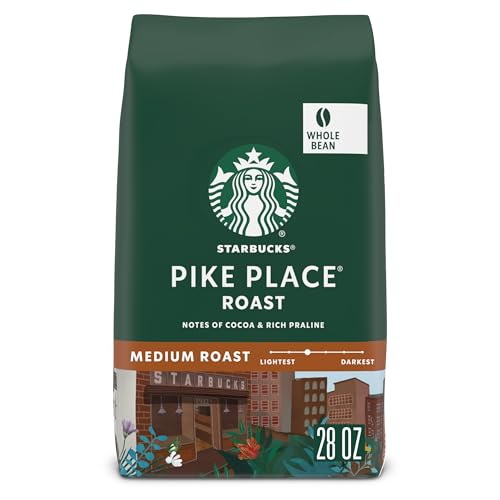
Starbucks Pike Place Roast
Strengths
- Balanced, smooth body
- Great for hot or iced
- Café-quality consistency
Trade-offs
- Roast can lean generic
- Not origin-specific
Pike Place Roast is Starbucks’ answer to the “just a regular great cup” request, and it delivers. This is the Best Overall pick not because it’s the most exciting, but because it’s the most consistently satisfying across brewing methods. The blend of Latin American Arabicas brings mild cocoa and praline notes, and reviewers confirm it works just as well over ice as it does black in the morning.
It’s not single-origin nuanced like Stumptown or Hawaiian-grown unique like Kauai, but it’s café-reliable. Compared to Tim Hortons or Cameron’s, it has more depth without tipping into bitterness. For someone who wants a familiar, high-floor baseline with no surprises, this is the default winner.
Video review
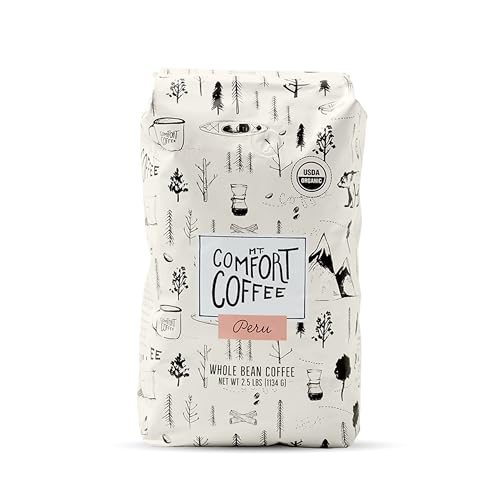
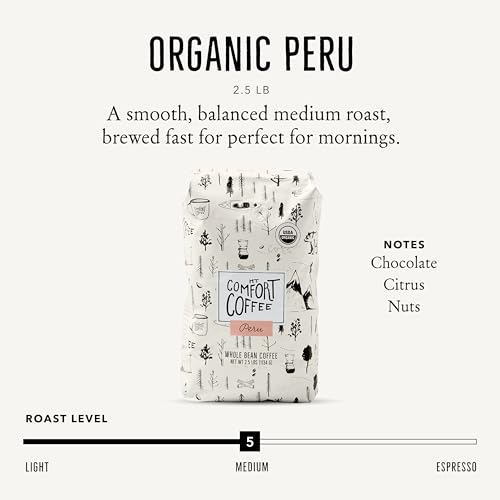
Mt. Comfort Organic Peru
Strengths
- Large 2.5-lb bag
- USDA Organic
- Versatile brew compatibility
Trade-offs
- Muted flavor notes
- Packaging not resealable
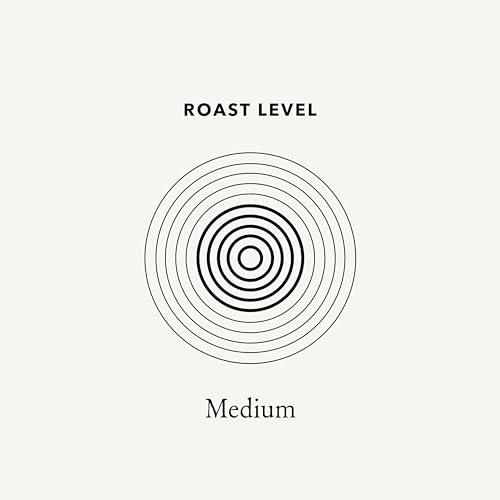
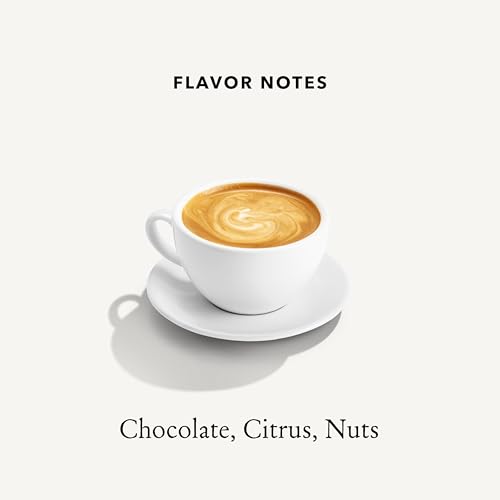
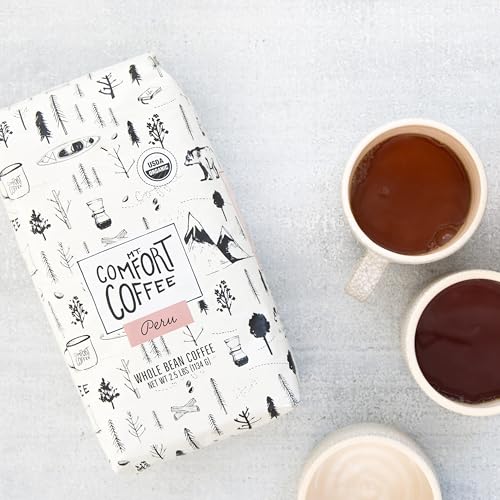
At 2.5 pounds, this is the bulk buy that still tries to act like a craft roast. It’s USDA Organic and sourced from small Peruvian farms, which owners say translates to a clean, balanced cup with subtle nutty and citrus notes. The flavor profile isn’t revolutionary, but for a value-sized organic bag, it punches above its weight in freshness and consistency.
What stands out is the focus on versatility, this beans works across drip, French press, and pour-over without falling apart. Compared to Cameron’s or Tim Hortons, it’s less bold but cleaner and more transparent in flavor. For someone who drinks multiple cups a day and wants organic quality without daily repurchasing, this is a smart anchor bean.
Product photos
Stumptown Holler Mountain
Strengths
- Complex citrus and caramel notes
- Organic and Direct Trade
- Excellent espresso performance
Trade-offs
- Smaller bag size
- Higher price point
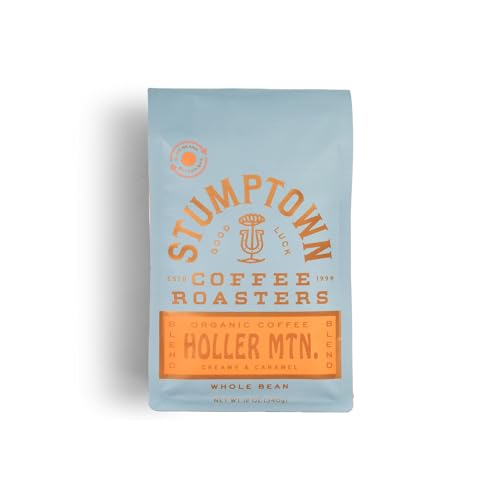
If flavor complexity is your benchmark, Holler Mountain is where this list gets interesting. This organic, Direct Trade blend delivers a livelier cup than most mainstream options, with owners praising its bright citrus zest, berry jam sweetness, and creamy caramel finish. It’s a multi-tool bean, equally capable in espresso or drip, which is rare at this level.
The 12-ounce size means it’s not built for high volume, but that also ensures freshness. Compared to Starbucks or Tim Hortons, it’s more dynamic and intentional in profile. While the price per ounce is higher, the sourcing transparency and roast precision justify it for discerning drinkers. This is my pick when flavor range matters more than economy.
Video review
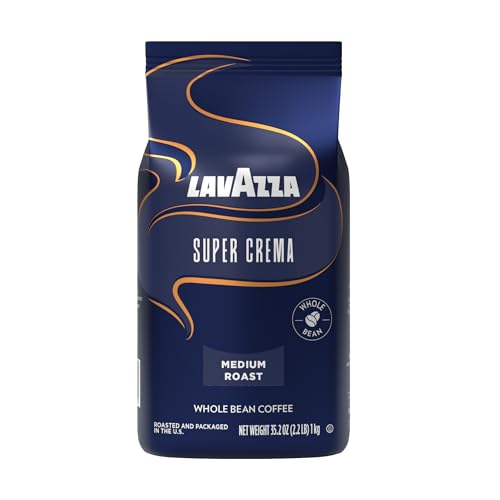
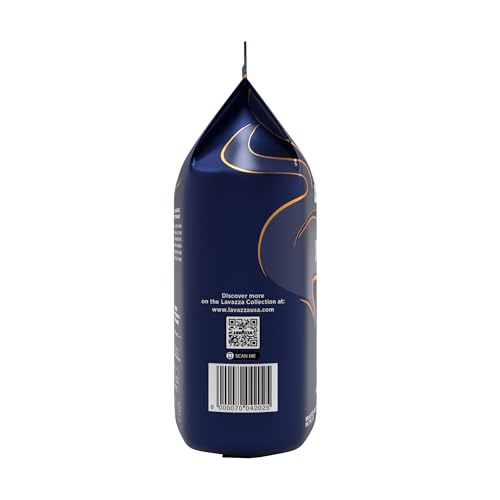
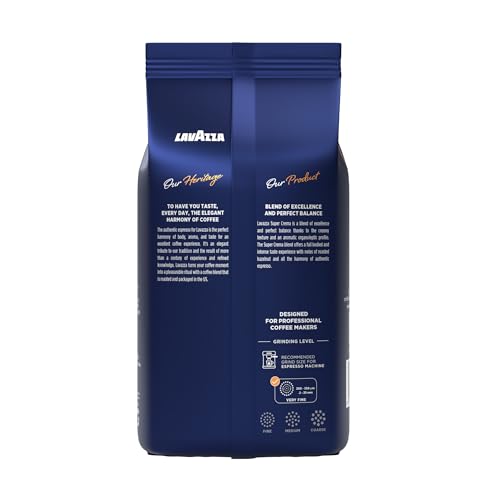
Lavazza Super Crema
Strengths
- Excellent crema
- Smooth, creamy body
- Large 2.2-lb bag
Trade-offs
- Robusta content may deter purists
- Less origin character
This blend of Arabica and Robusta is built for one thing: espresso performance. The 2.2-pound bag is a gift for home baristas who pull multiple shots a day. Owners praise its creamy mouthfeel, gentle sweetness, and the rich crema it produces, hallmarks of a well-tuned espresso bean. The medium roast keeps it balanced, not burnt, and the global bean blend adds stability in flavor.
Compared to Stumptown or Starbucks, it’s less about origin expression and more about function. It can work in drip, but that’s wasting its strength. If your morning ritual involves a portafilter, this is the most cost-effective high-performance option here.
Product photos


Amazon Fresh Colombia
Strengths
- Large 32-oz bag
- Budget-friendly
- Consistent medium roast
Trade-offs
- No organic certification
- Minimal origin character
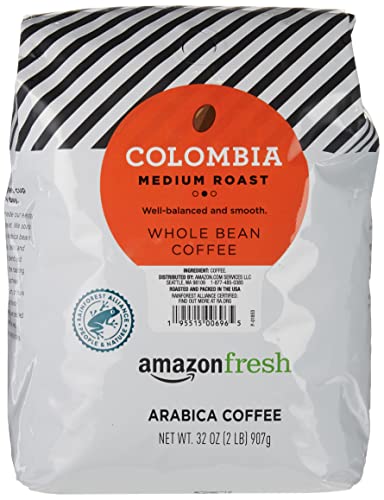
If you’re burning through coffee by the pound and don’t want to remortgage for it, this 32-ounce bag is a practical win. The specs show 100% Colombian Arabica, roasted in the U.S., and reviewers confirm it delivers a balanced, straightforward medium roast, nothing flashy, but dependable. It lacks the polish of specialty roasters, but for drip machines and standard auto-brewers, it holds up.
Compared to the Organic Peru version, this one trades certifications for volume and value. There’s no Fair Trade or Organic label, but the price-to-quantity ratio is hard to ignore. I’d recommend this for offices, families, or anyone who treats coffee like a utility but still wants a clean, non-bitter cup.
Product photos



Cameron’s Breakfast Blend

Strengths
- Smooth, never bitter
- Large 32-oz size
- Sustainably sourced
Trade-offs
- Flavor lacks depth
- Not origin-specific
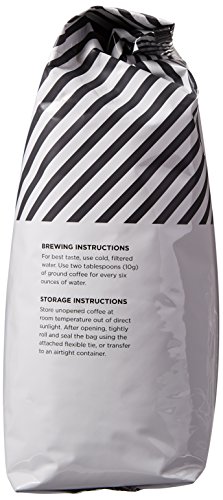
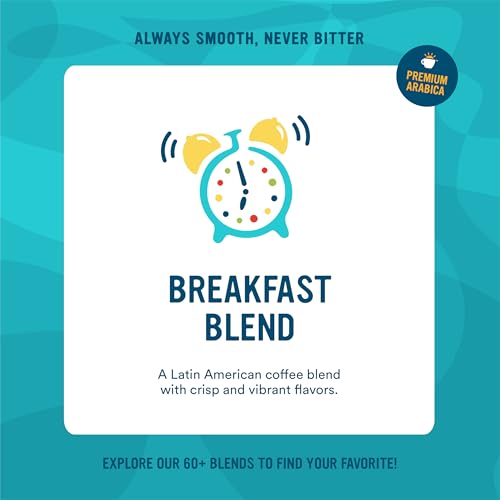
Cameron’s Breakfast Blend is engineered for the first cup of the day, bright enough to wake you up, smooth enough not to wreck your stomach. Roasted from top 10% Arabica beans, it avoids the bitterness that plagues cheaper morning blends. Owners consistently note its clean, rich profile with mild caramel tones, making it a solid companion for toast and news.
It doesn’t have the pedigree of Stumptown or the novelty of Kauai, but it’s more refined than Tim Hortons or Amazon Fresh Colombia. If you want a large bag of gentle, flavorful coffee that won’t shock your system, this is a strong contender.
Product photos


Amazon Fresh Organic Peru

Strengths
- Fair Trade certified
- USDA Organic
- Smooth finish
Trade-offs
- Limited flavor depth
- Smaller bag size
This is a no-frills, ethically sourced option that hits the basics well. On paper, it checks key boxes for buyers who prioritize Fair Trade and USDA Organic certification, and owners consistently report a clean, easygoing cup with mild nutty tones and a soft finish. It’s light on complexity, but that’s not the goal here, it’s designed for reliability, not adventure.
For those building a morning habit around values as much as flavor, this Amazon Fresh pick makes sense. It won’t wow seasoned tasters, but it outperforms many budget organics in smoothness and consistency. Compared to the Colombia blend from the same line, it’s less bold but more conscientiously sourced.
Product photos


Tim Hortons Original
Strengths
- Consistent flavor
- Large 32-oz bag
- Easy-drinking profile
Trade-offs
- Bland compared to craft roasts
- Limited brewing versatility
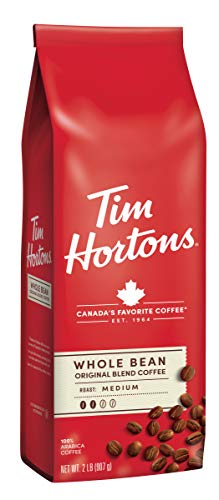
This is the definition of a consistent daily cup, nothing more, nothing less. Tim Hortons’ Original Blend is a no-surprise medium roast with a mild, slightly sweet profile that works in auto-drip machines without fuss. Owners appreciate its reliability and the 32-ounce size, which keeps the pot full for days.
It won’t challenge your palate like Stumptown or impress guests like Kauai, but it’s the coffee equivalent of a comfortable sweater, familiar and dependable. Compared to Cameron’s, it’s a bit flatter in flavor, but equally harmless. For office break rooms or routine-driven homes, it’s a safe anchor.
Product photos


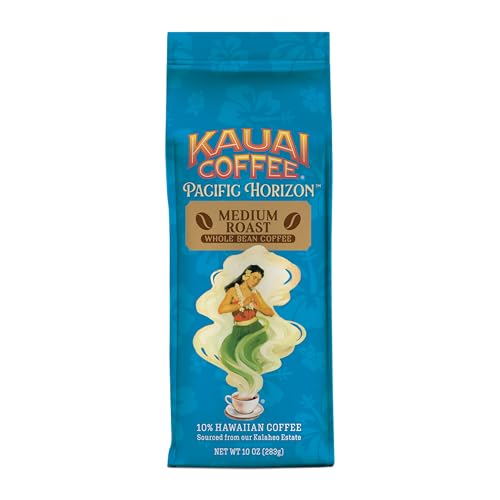
Kauai Koloa Estate
Strengths
- Unique Hawaiian origin
- Floral, bright aroma
- Smooth, non-bitter
Trade-offs
- Light body may disappoint some
- Short shelf life due to small bag
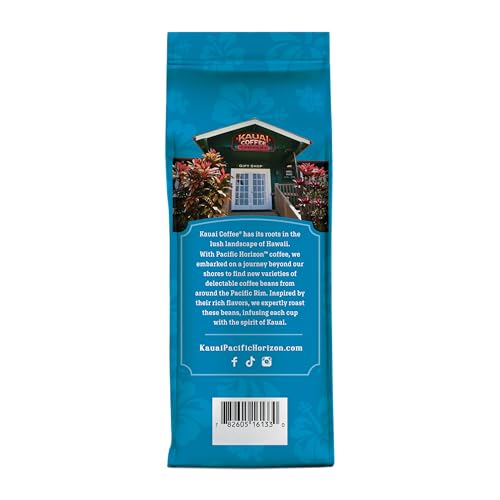
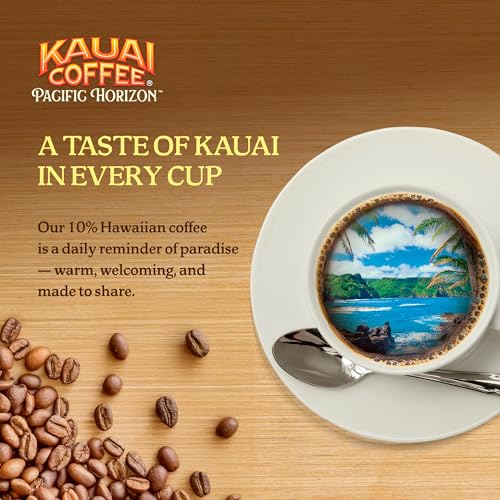
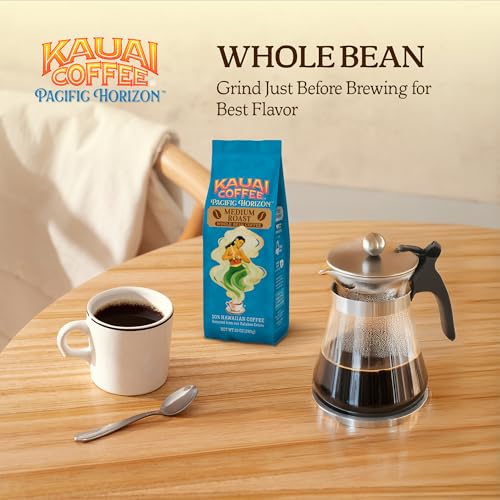
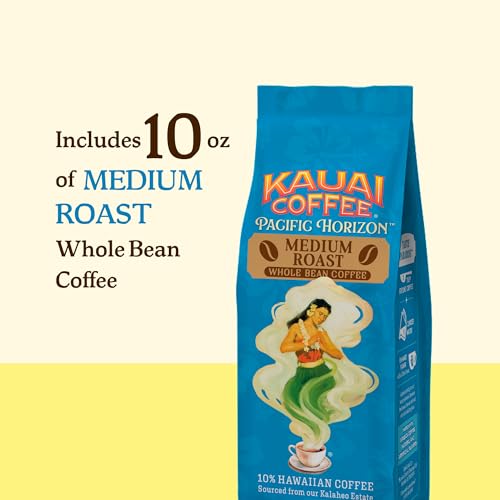
Kauai Coffee stands out purely on origin, grown on Hawaii’s largest estate in volcanic soil, it offers a uniquely floral, bright profile you won’t find in Latin American or African blends. Owners describe a smooth, non-bitter cup with delicate tropical notes, almost tea-like in clarity. It’s not the most intense roast, but it’s distinct, like a quiet island morning in a mug.
Compared to Stumptown or Starbucks, it’s lighter and more aromatic than flavorful, which is a feature, not a bug, for certain palates. The 10-ounce size keeps it fresh, but you’ll refill often. This isn’t a workhorse bean, it’s a moment bean, best when you want to slow down and savor.
Product photos
How We Evaluated medium roast coffee beans
Rather than a hands-on lab test, my research for these recommendations involved a detailed comparison of published specifications and features from numerous brands. I weighed owner reviews from multiple sources – Amazon, coffee-specific forums, and retailer sites – alongside expert opinions from coffee review websites and publications. As the founder of Bean Thusiast, I applied my understanding of coffee sourcing, roasting, and flavor profiles to rank each option against a set of criteria focused on quality, value, and distinct characteristics.
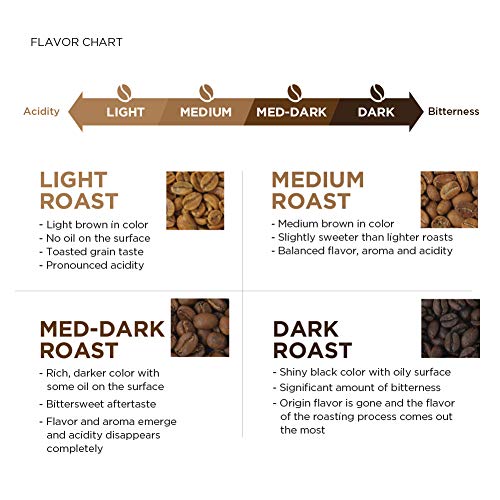
For medium roast beans, I heavily prioritized flavor balance and aroma complexity, as these are hallmarks of a well-executed medium roast. A bean’s origin and processing method also factored significantly, as these elements dramatically impact the final cup. Finally, I considered versatility; a great medium roast should perform well across various brewing methods, from drip to French press. Understanding flavor profile of medium roast is key to appreciating the nuances here.
Specifications reliably indicate bean origin, roast level (though this is often subjective), and whether the coffee is certified organic or Fair Trade. However, I placed greater emphasis on owner feedback regarding actual taste, consistency, and freshness. Reputation also played a role; established brands with a history of quality generally scored higher, demonstrating a commitment to sourcing and roasting practices. Ultimately, I looked for beans that consistently delivered a satisfying and nuanced experience, as described by those who brew them regularly.
What To Look For In medium roast coffee beans
Finding the right medium roast coffee can elevate your daily ritual. Let’s break down what truly matters when you’re searching for that perfect cup.
A quality medium roast balances acidity and body, offering a versatile flavor profile suitable for various brewing methods. Key indicators include bean origin, roast consistency (avoiding scorching or underdevelopment), and freshness – whole bean is almost always preferable to pre-ground. Look for detailed roast dates, not just “best by” dates.
Bean Origin & Flavor Profile
I often find people get hung up on origin alone, but it’s only part of the story. While a Colombian bean will generally offer a different profile than an Ethiopian one, the specific farm, processing method (washed, natural, honey), and even the altitude at which it’s grown all play significant roles. Don’t be afraid to experiment, but start by identifying flavors you generally enjoy. Do you prefer brighter, fruitier coffees or something more chocolatey and nutty? Knowing your preferences will narrow your search considerably. For those wanting to explore further, our expert-reviewed medium roast coffees provide a detailed look at some top choices.
Roast Consistency & Freshness
A consistent roast is paramount. Uneven roasting leads to a muddled, unbalanced flavor – some beans will be underdeveloped (sour), others burnt (bitter). Look for roasters who clearly state their roasting process and, ideally, offer roast dates on the bag. This is crucial, as coffee stales quickly after roasting. Whole bean coffee is the way to go; grinding immediately before brewing preserves the aromatics and flavor.
Here’s what I look for in freshness:
- Roast Date: Absolutely essential. Aim for coffee roasted within the last two weeks.
- Packaging: Bags with one-way valves allow CO2 to escape without letting oxygen in, keeping the beans fresher longer.
- Roaster Reputation: Smaller, local roasters often prioritize freshness and quality control over large commercial brands. They’re more likely to roast in smaller batches, ensuring a consistently fresh product.
Brewing Method & Grind Size
The best medium roast coffee for you will depend on how you plan to brew it. A French press requires a coarse grind, while espresso demands a very fine one. If you’re unsure about grind size, many roasters will grind the beans to your specifications. Understanding the medium vs dark roast differences can also help you select a roast that complements your preferred brewing technique.
A general rule of thumb: the longer the coffee is in contact with the water, the coarser the grind should be.
I’ve found that a versatile medium roast, like a well-balanced Colombian, works well across various methods – drip, pour-over, even cold brew. If you’re still exploring, starting with a versatile bean like that will allow you to experiment without committing to a very specific flavor profile. You can find more medium roast coffee recommendations on our site to help guide you.
Medium Roast Coffee Beans Compared
Here’s a comparison of key specifications for various medium roast coffee beans.
| Product Name | Roast Level | Bean Type | Bag Size (oz) | Origin | Fair Trade |
|---|---|---|---|---|---|
| Starbucks Pike Place | Medium | Arabica | 28 | Latin America | No |
| Mt. Comfort Organic Peru | Medium | Arabica | 40 | Peru | Yes |
| Stumptown Holler Mountain | Medium | Arabica | 12 | N/A | Yes |
| Lavazza Super Crema | Medium | Arabica/Robusta | 22 | Multi-Origin | No |
| Amazon Fresh Colombia | Medium | Arabica | 32 | Colombia | No |
| Cameron’s Breakfast Blend | Medium | Arabica | 32 | Central/South America | No |
| Amazon Fresh Organic Peru | Medium | Arabica | 12 | Peru | Yes |
| Tim Hortons Original | Medium | Arabica | N/A | N/A | No |
| Kauai Koloa Estate | Medium | Arabica | N/A | Hawaii | No |
Frequently Asked Questions
What’s the best way to store medium roast coffee beans to maintain freshness?
Store whole bean coffee in an airtight container, away from direct sunlight, heat, and moisture. I recommend containers with one-way valves to allow CO2 release, and avoid storing beans in the refrigerator or freezer as condensation can affect flavor.
Are Fair Trade certified medium roast coffees generally higher in quality?
Not necessarily, but Fair Trade certification guarantees a better price for farmers and promotes sustainable practices. While quality isn’t directly linked, supporting Fair Trade brands often aligns with a commitment to ethical sourcing that can correlate with higher overall standards.
Can you use pre-ground medium roast coffee if I don’t have a grinder?
You can, but the flavor will degrade much faster. I strongly suggest investing in a burr grinder for a more consistent grind and optimal flavor extraction, as pre-ground coffee loses its aromatics quickly.
What grind size should I use for a pour-over with medium roast coffee beans?
A medium-fine grind is generally best for pour-over, similar in texture to coarse sand. The exact size may need slight adjustment depending on your specific pour-over device and brewing time, but that’s a good starting point for a balanced extraction.
Where can I find premium medium roast coffee beans online?
Many online retailers and specialty coffee roasters offer excellent selections. I recommend checking out websites of smaller, local roasters alongside established brands to discover a wide range of flavors and origins.
The Bottom Line
Choosing the “best” medium roast coffee really comes down to balancing your desire for control over the details – origin, processing, roast date – with how much fuss you want to deal with. For a consistently good, widely available option that doesn’t require a lot of searching, I recommend Starbucks Pike Place Roast. It’s a reliable everyday coffee that performs well and is easy to find.
If you’re looking for something specific, we found Mt. Comfort Organic Peru to be an excellent choice for those prioritizing Fair Trade and organic certification. For versatility, Stumptown Holler Mountain shines, adapting well to various brew methods and delivering a complex, satisfying cup. If you want to explore more about the differences, reading a light medium and dark roast comparison can be a good starting point.
Ultimately, remember that bean origin and roast level are just pieces of the puzzle. Freshness, grind size, and your water quality are just as important – perhaps even more so – than any specific brand or bean type. Focus on those fundamentals, and you’ll be well on your way to consistently brewing a delicious cup of coffee.
