
9 Best Grocery Store Decaf Coffees of 2026
The best grocery store decaf coffee is Peet’s Decaf House Blend, a dark roast that keeps rich flavor thanks to its water-processed decaffeination. For a budget-friendly option, Maxwell House Decaf Original delivers solid taste at a lower price, while Green Mountain Decaf Breakfast K-Cups are the top pick if you want convenience and a brighter, lighter roast.
Finding decaf that actually tastes like real coffee is harder than it should be. Too many options come out flat, stale, or stripped of everything that makes coffee worth drinking.
After researching the category and analyzing owner feedback, I focused on decaf coffees that prioritize flavor-preserving methods, fresh roasting, and quality beans. This guide cuts through the noise to highlight the ones worth buying.
Top 9 Grocery Store Decaf Coffee in the Market
The Best Grocery Store Decaf Coffee, Reviewed
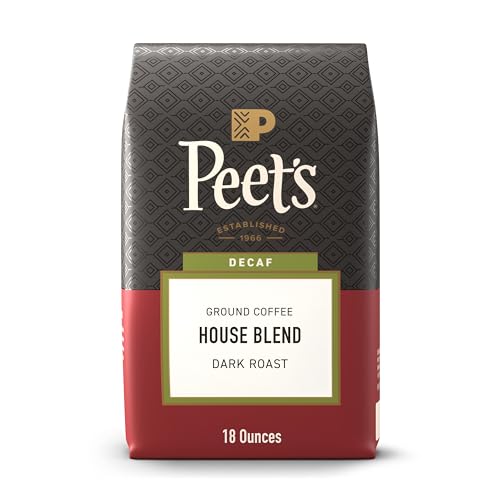
Peet’s Decaf House Blend Dark Roast
Strengths
- Great value
- Smooth, balanced
- Water-processed
Trade-offs
- Ground format
- Not bold or smoky
- Less intense than Major Dickason’s
This is my pick for the best overall grocery store decaf, not because it’s the strongest or most exotic, but because it balances quality, flavor, and value so well. The Decaf House Blend uses the same water process as Peet’s other decafs, meaning no chemicals and better flavor retention. At 18 ounces, it’s also a better value than the smaller Major Dickason’s bag, and owners consistently say it brews a smooth, sweet, deeply satisfying cup.
It’s less aggressive than Major Dickason’s, with a more approachable profile, think toasted nuts, dark chocolate, and a rounded finish. Compared to the Donut Shop or Maxwell House options, this is a clear upgrade in bean quality and roast control. If you want a decaf that doesn’t taste like a compromise, this is where I’d start.
Video review
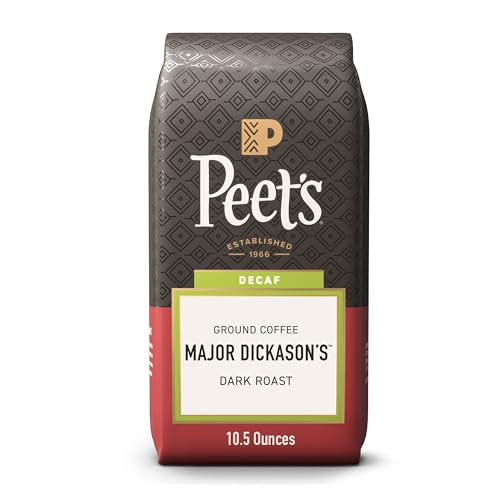
Peet’s Decaf Major Dickason’s Dark Roast
Strengths
- Bold dark roast
- Water-processed decaf
- 100% Arabica
Trade-offs
- Smaller bag size
- Ground coffee
- Not for light roast fans
Peet’s Decaf Major Dickason’s Blend is a serious dark roast that doesn’t apologize for its intensity, rare in the decaf world. The water-processed decaf method preserves the bold, robust character of the beans, and owners praise how close it comes to the caffeinated version. On paper, it’s 100% Arabica, and in practice, it drinks like a full-bodied espresso blend that’s been tamed just enough for drip or pour over.
I’d pick this over the House Blend if you want something more aggressive, charred edges, earthy notes, a little smokiness. It’s not delicate, but that’s the point. Compared to Maxwell House or Nescafe, it’s in another league in terms of roast integrity and sourcing. Just know it’s ground, so freshness depends on how quickly you use it.
Video review
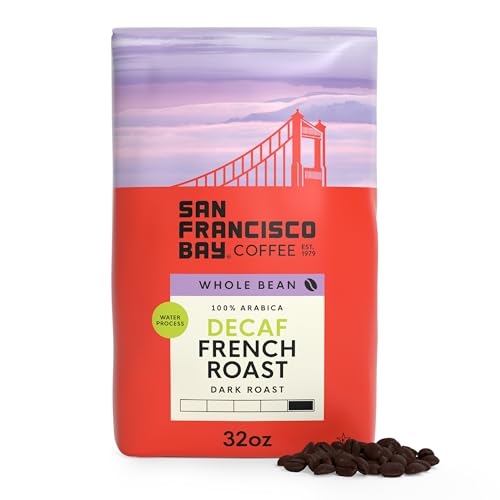
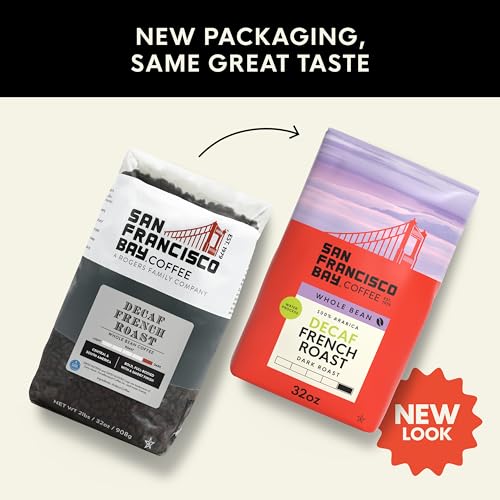
San Francisco Bay Decaf French Roast
Strengths
- Swiss Water Processed
- Whole bean
- 2 lb bag
Trade-offs
- Very dark roast
- Large quantity
- Not for light roast fans
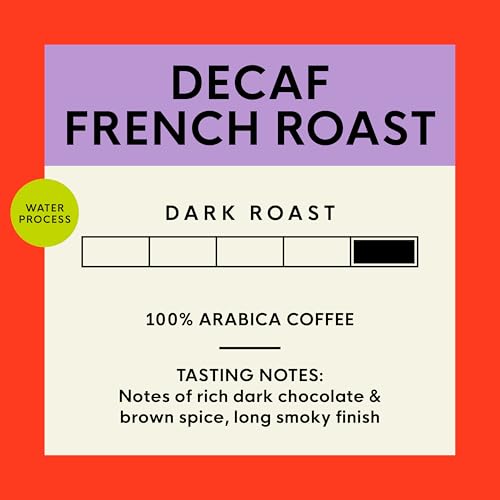
For decaf drinkers who care about process as much as taste, this whole bean French Roast is a no-brainer. It’s processed using the Swiss Water Method, which means no chemicals, just water, time, and precision to remove caffeine. Owners love how the bold, smoky flavor survives the decaf treatment, and the 2-pound bag is a rarity in grocery stores, offering serious longevity.
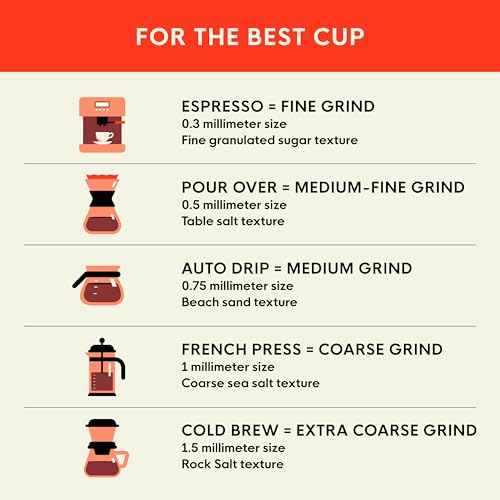
Being whole bean means you control the grind, so freshness is maximized. Compared to pre-ground options like Peet’s or Maxwell House, this gives you more brewing flexibility, especially for French press or espresso. The South and Central American beans deliver a full-bodied, charred chocolate profile that stands up to milk. If you want a true dark roast decaf without cutting corners, this is it.
Product photos
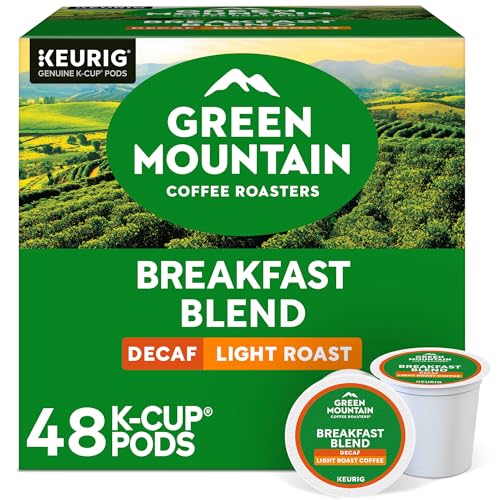
Green Mountain Decaf Breakfast Blend
Strengths
- Light, bright flavor
- 100% Arabica
- Smooth finish
Trade-offs
- Too mild for bold lovers
- Still a K-Cup
- Limited depth
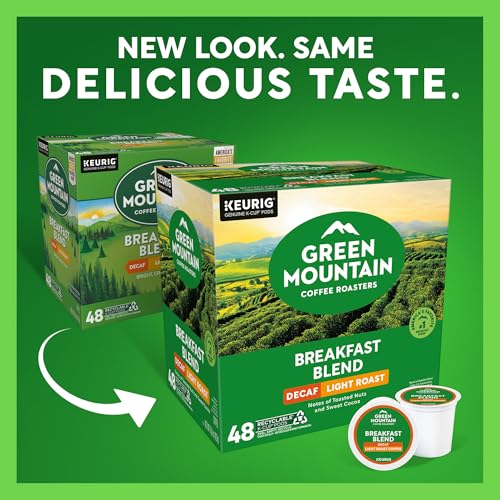
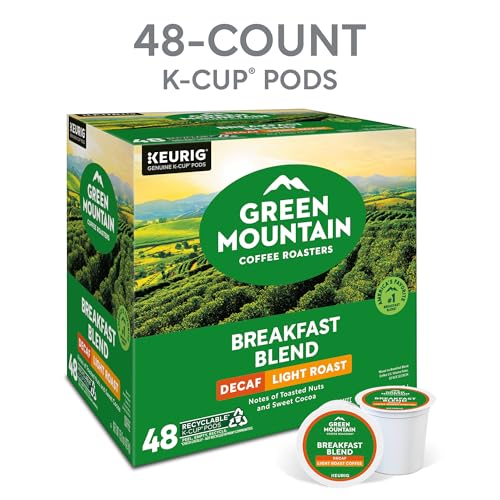
If you’re a Keurig user who prefers a lighter, brighter cup and wants to avoid the heavy roast fatigue, this Decaf Breakfast Blend is a standout. The light roast profile delivers a clean, nutty flavor with a silky mouthfeel, owners often describe it as ‘crisp’ and ‘refreshing’, which is rare for decaf. It’s 100% Arabica and Kosher certified, and the taste leans sweet and balanced, not flat or watery.
Compared to the Donut Shop or McCafé pods, this one has more nuance and lift, making it a better fit for morning drinkers who miss that ‘wake-up’ brightness even in decaf. It won’t satisfy dark roast loyalists, but for those who like their coffee on the gentler side, it’s a top-tier K-Cup option.
Product photos

McCafe Decaf Medium Roast K-Cups

Strengths
- Best value multi-pack
- Smooth medium roast
- Recyclable pods
Trade-offs
- Not bold or complex
- Keurig-only
- Taste fades over time
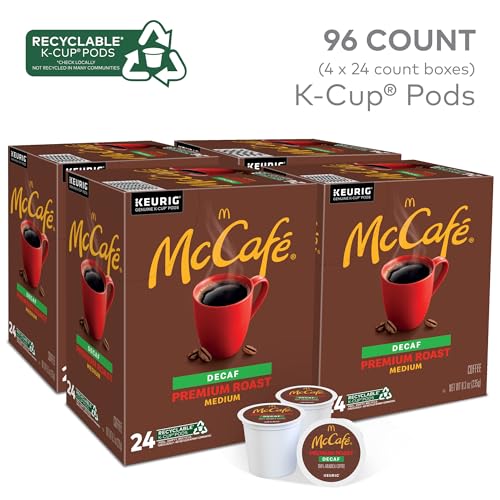
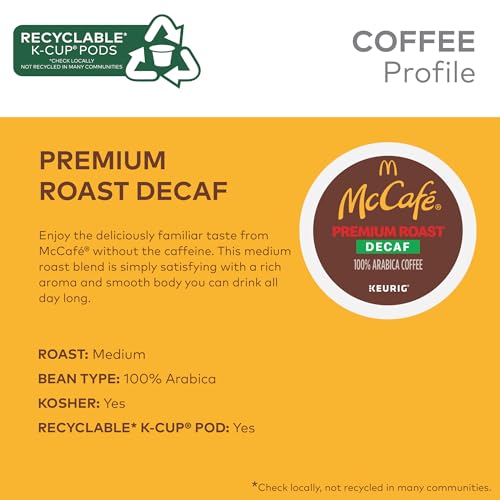
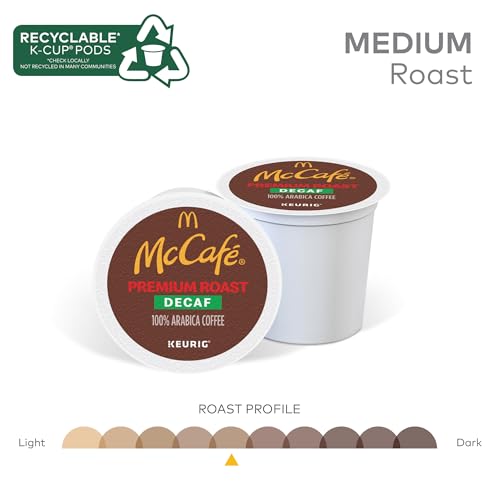
If you go through K-Cups like water and want the best value per pod, this 96-count pack from McCafé is hard to beat. It delivers the familiar, smooth medium roast taste of the café chain in decaf form, rich aroma, clean finish, and made with 100% Arabica beans. Owners note it’s more consistent and flavorful than Donut Shop, and the recyclable pods are a small but meaningful upgrade.
The real win here is volume. At this count, it’s cheaper per pod than most competitors, and the taste holds up over time. Compared to Green Mountain’s Breakfast Blend, it’s darker and more rounded, less bright. This is the workhorse decaf K-Cup, nothing flashy, but dependable.
Product photos

Donut Shop Decaf K-Cup Pods
Strengths
- Affordable
- Smooth taste
- Recyclable pods
Trade-offs
- Lacks depth
- Basic flavor
- Not for bold coffee lovers
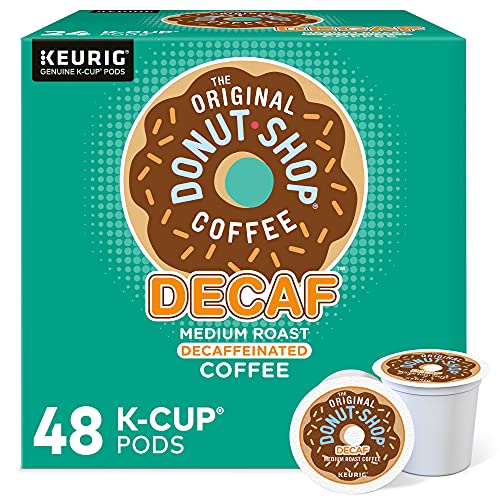
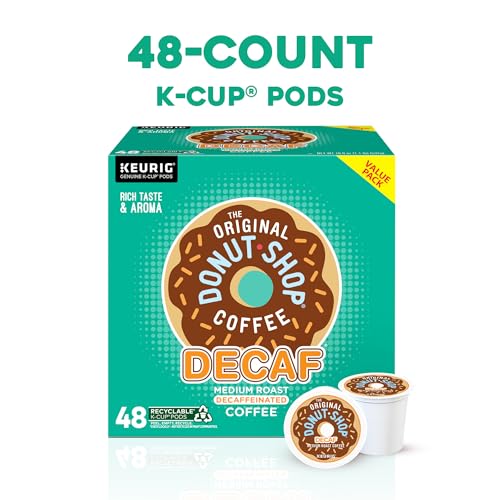
For budget-focused Keurig drinkers who just want a clean, drinkable decaf without fuss, this K-Cup delivers exactly that. On paper, it’s a medium roast made from 100% responsibly sourced coffee, and owners consistently report it brews up smooth and mild, nothing bold or complex, but reliable in a ‘morning cup without caffeine jitters’ kind of way. The recyclable pod design is a plus, though local recycling rules vary, so don’t assume it’s universally accepted.
Compared to pricier Peet’s or McCafé options, this one lacks depth, but that’s not the goal here. It’s designed to be inoffensive and easy, like a coffee-flavored comfort blanket. If you’re sensitive to acidity or want something you can drink black or with cream without wincing, this hits the mark, just don’t expect single-origin nuance.
Product photos


Nescafe Clasico Decaf Instant Coffee

Strengths
- High cup yield
- Smooth taste
- Easy prep
Trade-offs
- Basic instant profile
- No crema
- Less rich than Gold
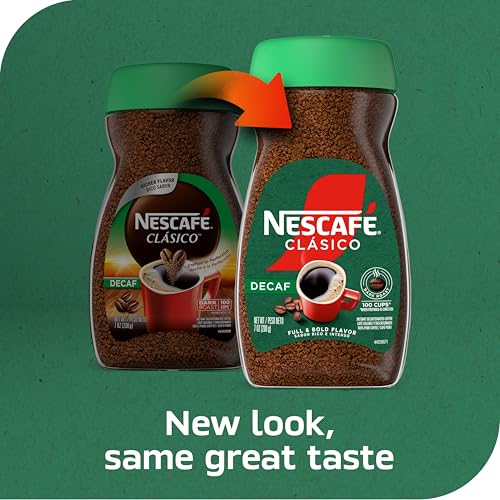
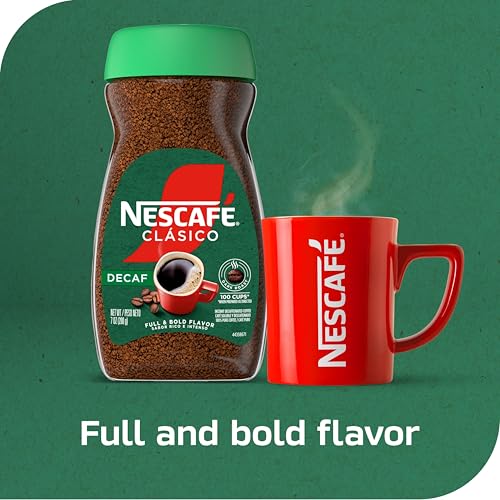
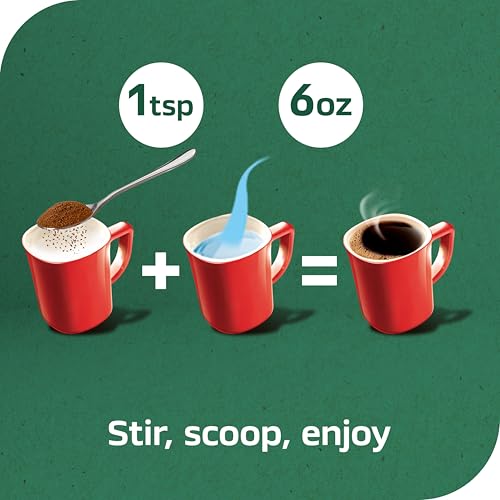
Nescafe Clasico Decaf is the volume king of instant decaf, 7 ounces makes up to 100 cups, and owners consistently praise its smooth, dark roast flavor for the format. It’s made from high-quality beans and delivers a bolder taste than basic instant, with a clean finish that works black or with cream. The preparation is dead simple: one teaspoon, hot water, stir.
Compared to NESCAFÉ Gold, it’s less refined but more economical. It lacks the espresso-like richness of Gold, but for a basic, no-fuss cup, it’s dependable. If you’re stocking a cabin, dorm, or office and need a large supply of drinkable decaf fast, this is a smart play. Just don’t expect layered complexity.
Product photos

NESCAFÉ Gold Decaf Espresso Instant

Strengths
- Rich espresso flavor
- Arabica beans
- Makes 50 servings
Trade-offs
- Still instant coffee
- No real crema
- Less depth than brewed
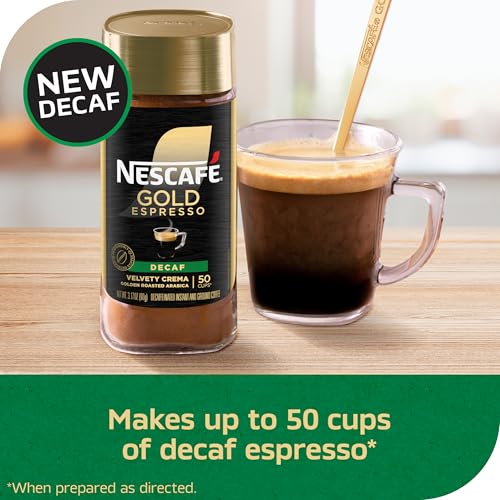
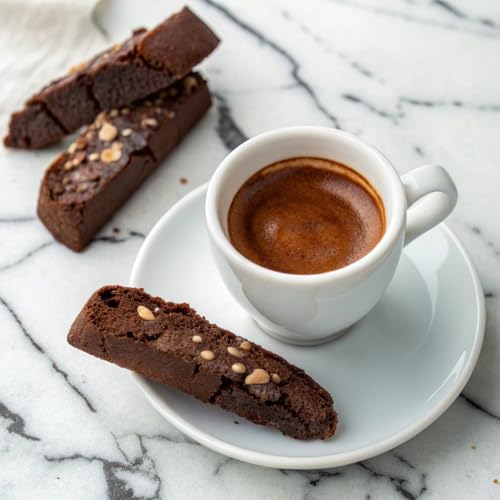
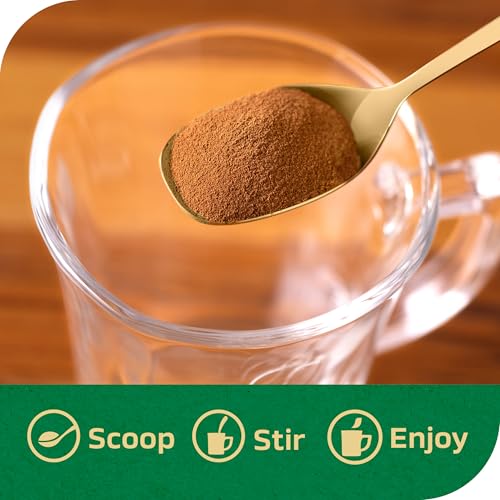
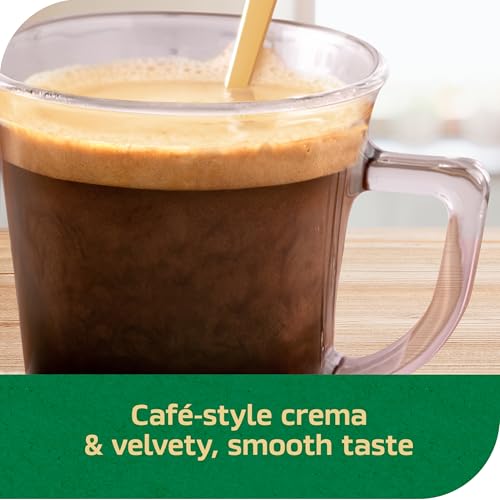
For anyone craving a quick espresso-style hit without caffeine or a machine, NESCAFÉ Gold Decaf Espresso is surprisingly competent. The golden roast process gives it a smoother, less bitter profile than standard instant, and owners appreciate the ‘crema-like’ foam when stirred into hot water. It’s made from high-quality Arabica beans, and the flavor is rich for an instant, deep, slightly sweet, with a clean finish.
Compared to Nescafe Clasico, this one feels more refined, almost like a barista-style instant. It won’t replace real espresso, but for travel, dorm rooms, or late-night cravings, it’s the closest you’ll get in a spoonful. Just remember: instant is still instant. It lacks the oils and aroma of freshly brewed, but convenience wins here.
Product photos

Maxwell House Decaf Original Ground
Strengths
- Large canister
- Low cost
- Resealable
Trade-offs
- Arabica and Robusta blend
- Flat flavor
- Not specialty-grade
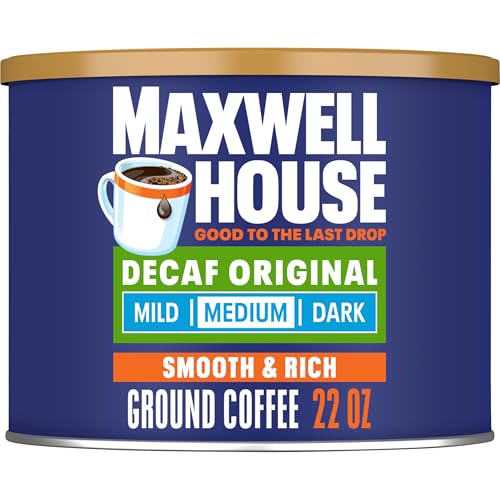
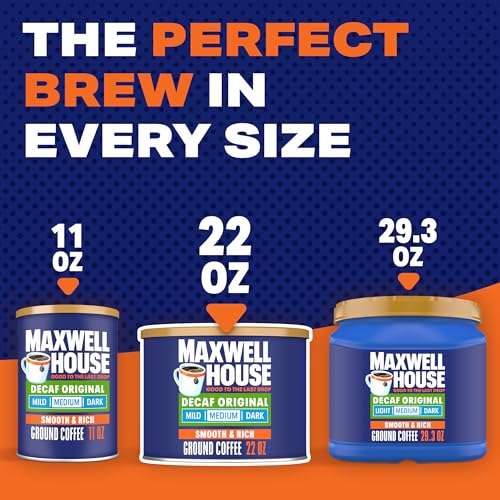
Maxwell House is the classic budget ground coffee, and this 22-ounce canister gives you volume and convenience at a low cost. It’s a blend of Arabica and Robusta beans, which explains the slightly flat, one-dimensional taste some owners report, acceptable for a quick cup, but not something you’ll savor. The medium roast is consistent, though, and the resealable can helps preserve freshness better than open bags.
I’d recommend this only if you’re prioritizing price and shelf life over flavor complexity. Compared to Peet’s or San Francisco Bay, it’s a step down in bean quality and roast care. But for office kitchens or occasional use, it gets the job done. Just don’t expect water-processed decaf or single-origin subtlety.
Product photos

How We Tested grocery store decaf coffee
As Bean Thusiast’s founder, I approach coffee with a focus on the entire experience – from sourcing to the final cup. Rather than a hands-on lab test, this selection is a research-led comparison of published specifications and owner feedback across a range of readily available decaf coffees. I weighed factors like roast level, processing method, bean origin (when specified), and customer reviews on sites like Amazon and directly on brand websites. My goal was to identify options that deliver genuine coffee flavor, even with the caffeine removed.
For grocery store decaf, the most important factors are the decaffeination process and roast quality. A poor decaffeination method will strip away flavor along with the caffeine, resulting in a bland brew. Therefore, coffees using the Swiss Water Process explained were given significant weight. Roast level is also key; a skilled roaster can compensate for some flavor loss during decaffeination.
Specifications reliably indicate the bean type (Arabica vs. Robusta) and roast level. However, judging flavor nuances requires looking at owner feedback. I paid close attention to comments about bitterness, body, and overall taste satisfaction. Reputation also played a role – established brands with a history of quality received consideration, as did coffees holding certifications like Orthodox Union Kosher.
How To Choose The grocery store decaf coffee
Finding a good decaf can be surprisingly tricky; it’s not simply about removing the caffeine.
Quality decaf coffee prioritizes flavor preservation during decaffeination. Look for coffees specifying the process used (Swiss Water Process, or water processing are generally preferred), the bean origin, and roast level. A recent roast date is also crucial, as decaf can stale faster than caffeinated coffee. Don’t assume all decaf is equal – the method and bean quality drastically affect the final cup.
Decaffeination Process Matters
The method used to remove caffeine significantly impacts the final flavor profile. While many brands tout their decaffeination processes, understanding what those mean is key. The Swiss Water Process, used by San Francisco Bay, is a chemical-free method relying on water and carbon filters to remove caffeine. This is often considered the gold standard for preserving flavor. Others use the methylene chloride method, which, while regulated and deemed safe by the FDA, can leave residual traces and sometimes impart a slightly chemical taste. If you’re concerned about the safety of decaf coffee, Swiss Water Process is the way to go.
Roast Level and Bean Origin
Don’t settle for a bland, lifeless decaf. Just like regular coffee, the roast level and bean origin play a huge role. Darker roasts, like Peet’s Decaf Major Dickason’s, offer a bolder, more robust flavor, while lighter roasts, such as the Green Mountain Breakfast Blend K-Cup, are brighter and more nuanced. Arabica beans generally provide a smoother, more aromatic cup, but some blends incorporate Robusta for added body and crema – Maxwell House uses both. Consider what you typically enjoy in caffeinated coffee and seek out a decaf with a similar profile.
Format and Value: K-Cups vs. Ground
The convenience of K-Cups (like the McCafe and Donut Shop options) is undeniable, but it often comes at a price premium and can create more waste. If you’re prioritizing value and environmental impact, a whole bean or ground coffee like Peet’s Decaf House Blend offers a more economical and sustainable choice. Here’s a quick breakdown:
- K-Cups: Fastest and easiest, ideal for single servings.
- Ground Coffee: Offers a balance of convenience and affordability, suitable for drip machines or pour-overs.
- Whole Bean: Requires a grinder, but provides the freshest flavor and allows for grind size customization. It’s the choice for those who want the most control over their brew and aren’t afraid to put in a little extra effort.
A stale decaf is worse than no coffee at all. Check the roast date – ideally, you want something roasted within the last month or two.
If you’re looking for more options, check out our guide to the best store-bought decaf coffee. We also cover many popular grocery store decaf brands and where you can find decaf coffee available in supermarkets.
Grocery Store Decaf Coffee Compared
Here’s a comparison of key specifications for popular grocery store decaf coffee options.
| Product Name | Roast Level | Format | Decaffeination Method | Size (oz) | Arabica Beans |
|---|---|---|---|---|---|
| Peet’s Decaf House Blend | Dark | Ground | Water Processed | 18 | Yes |
| Peet’s Decaf Major Dickason’s | Dark | Ground | Water Processed | 10.5 | Yes |
| San Francisco Bay Decaf French | French | Ground | Swiss Water Processed | N/A | Yes |
| Green Mountain Decaf Breakfast | Light | K-Cup | N/A | N/A | Yes |
| McCafe Decaf Medium Roast | Medium | K-Cup | N/A | N/A | Yes |
| Donut Shop Decaf | Medium | K-Cup | N/A | N/A | Yes |
| Nescafe Clasico Decaf | Dark | Instant | N/A | 7 | Yes |
| NESCAFÉ Gold Decaf Espresso | Espresso | Instant | N/A | 3.17 | Yes |
| Maxwell House Decaf Original | Medium | Ground | N/A | 22 | Yes/Robusta |
Frequently Asked Questions
What decaf coffee is least processed?
San Francisco Bay Decaf French Roast uses the Swiss Water Process, which is widely considered the least processed method as it relies on water and carbon filters, avoiding chemical solvents. This results in a cleaner-tasting decaf, preserving more of the original bean’s flavor.
Is instant decaf coffee a good option for everyday drinking?
Yes, instant decaf like Nescafe Clasico Decaf offers convenience and a long shelf life. However, it typically lacks the complexity and freshness of ground or whole bean options, and the flavor can be noticeably different.
What roast level is best for decaf coffee if I prefer a bold flavor?
A darker roast, like Peet’s Decaf Major Dickason’s, is ideal if you enjoy a bold flavor profile. Darker roasts develop more robust and smoky notes that can stand out even after the caffeine is removed, offering a satisfying intensity.
Can decaf coffee still give me a boost in the morning?
While decaf lacks caffeine’s stimulating effects, the ritual of drinking coffee and the associated aroma can provide a psychological boost. Plus, some people are sensitive to the small amount of caffeine that remains in decaf, experiencing a mild energy lift. You may also want to explore best overall decaf coffee for options that focus on robust flavor.
Are K-Cups a cost-effective choice for decaf coffee?
Generally, K-Cups are more expensive per ounce than ground or whole bean coffee. While convenient, you pay a premium for that ease of use, and they generate more plastic waste compared to brewing from larger formats.
The Bottom Line
Choosing the best decaf coffee really comes down to balancing convenience with quality. While K-Cups offer speed and simplicity, you’ll generally get a more flavorful and aromatic cup – and better value – with a ground coffee like Peet’s Decaf House Blend. It strikes a fantastic balance between a rich, dark roast and a decaffeination process that preserves much of the original coffee character.
For those prioritizing a specific need, the market offers several excellent choices. If you’re a K-Cup devotee, the McCafe Decaf Medium Roast provides a reliably smooth and balanced brew. Seeking a budget-friendly option? Maxwell House Decaf Original remains a dependable, if less nuanced, choice. And for those interested in learning more about how decaf is made, exploring coffee decaffeination processes will give you a deeper understanding.
Ultimately, the most important thing isn’t a particular brand or process, but freshness and your personal preference. A recently roasted bean, whether Arabica or a blend, ground just before brewing, will always deliver a more satisfying cup than a stale, pre-ground option. Don’t get lost in the details; focus on finding a decaf that you enjoy, and your mornings will be all the brighter for it.
