
9 Best Decaf Coffees of 2026
The best decaf coffee overall is Peet’s Decaf Major Dickason’s, a rich dark roast that holds up beautifully after decaffeination. For a budget-friendly daily pick, the Amazon Fresh Decaf Colombia delivers solid flavor and freshness, while the SF Bay Decaf French Roast stands out for its bold profile and clean Swiss Water Process.
Too many decaf coffees taste flat, watery, or carry that off-putting “processed” flavor. You shouldn’t have to sacrifice quality just because you’re cutting caffeine. After comparing the field and weighing bean origin, roast integrity, decaf method, and real owner feedback, I focused on options that taste like real coffee – because they are.
This guide cuts through the noise to highlight decafs that deliver on flavor, process, and value. I looked closely at how the caffeine is removed, how fresh the beans are, and what actual drinkers say about the cup in their hands.
Top 9 Decaf Coffee in the Market
The Best Decaf Coffee, Reviewed
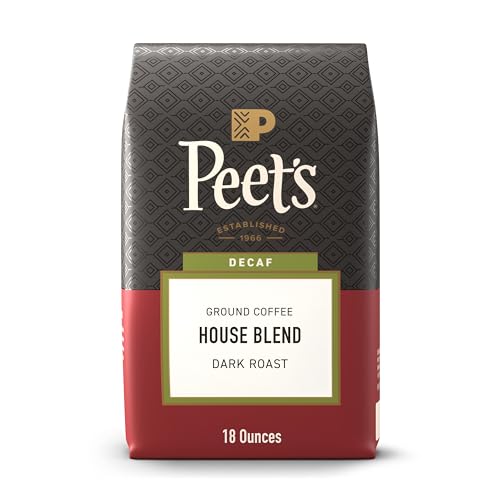
Peet’s Decaf House Blend
Strengths
- Smooth dark roast
- Water processed
- Large 18 oz bag
Trade-offs
- Pre-ground limits freshness
- Not for espresso
Peet’s Decaf House Blend stands out in the value segment not just because of its size, but because it carries the same roasting integrity as their caffeinated counterparts. On paper, an 18-ounce bag of dark roast decaf using 100% Arabica beans is already a win, but what owners consistently report is what matters more: this one actually tastes like full-flavored coffee, not a compromise. The water-processed decaf method helps preserve the depth and sweetness, and for those who want a no-fuss drip or pour over without caffeine, it delivers a satisfying, rounded profile.
It’s not the most complex decaf out there, but for daily drinkers who don’t want to think too hard about their cup, this is a reliable anchor. Compared to smaller or less carefully roasted options, this blend holds its own, especially when freshness is maintained. I’d pick this over budget blends that cut corners on bean quality, even if they’re cheaper per ounce.
Video review
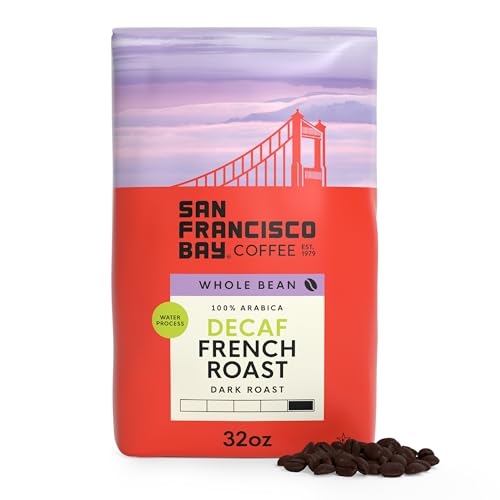
SF Bay Decaf French Roast
Strengths
- Swiss Water Process
- Whole bean freshness
- 2 lb value size
Trade-offs
- Very bold for some
- Smoky note not for everyone
If you’re chasing a bold, smoky decaf that doesn’t pull punches, this 2-pound bag of San Francisco Bay’s Decaf French Roast is hard to beat. The fact that it’s whole bean means you control the grind, and that makes a real difference in flavor retention, especially with dark roasts. Owners praise its richness and how well it holds up in French press or drip, and the Swiss Water Process is a standout feature for those who want zero chemicals in their decaf routine.
This isn’t a subtle coffee. It’s aggressive in the best way, charred notes, full body, and a finish that lingers. Compared to lighter decafs like McCafe or Amazon Fresh, this one is for people who miss the intensity of a true French roast after cutting caffeine. My recommendation? Grind fresh and brew it strong.
Video review
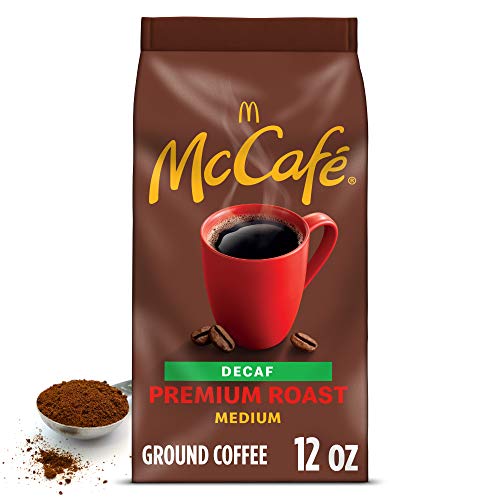
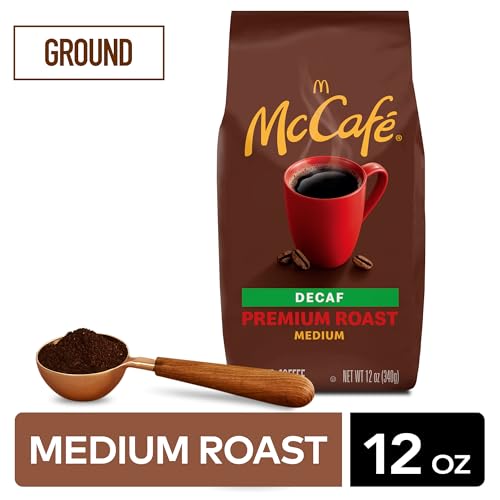
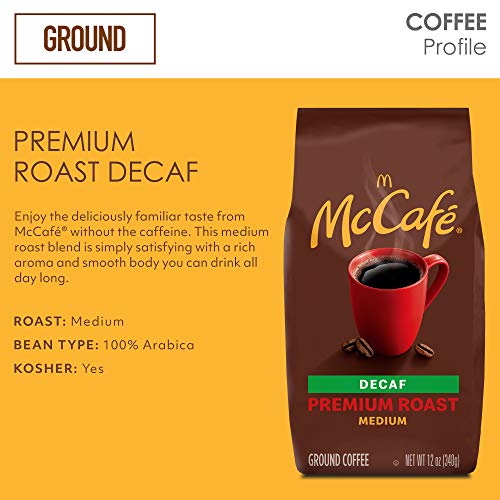
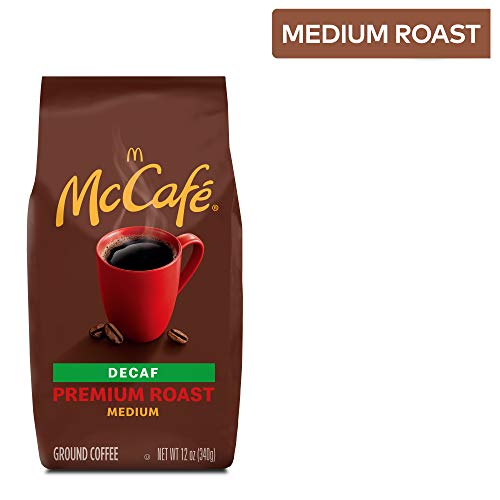
McCafe Premium Roast Decaf
Strengths
- Smooth, clean finish
- Consistent roast
- Kosher certified
Trade-offs
- Pre-ground limits use
- Not bold or complex
McCafe’s decaf often gets overlooked, but the Premium Roast stands as proof that big brands can still deliver a clean, well-balanced cup. The medium roast profile is approachable, smooth, aromatic, and easy on the palate, which explains why reviewers frequently call it ‘surprisingly good’ for a supermarket-style option. It’s made with 100% Arabica beans and processed to remove caffeine while preserving a clean finish, making it a solid middle-ground between budget picks and specialty-tier decafs.
It won’t impress purists looking for origin complexity, but for office kitchens or casual drinkers who want a no-drama cup, it’s a smart choice. Compared to Amazon Fresh or Happy Belly, this one edges ahead in consistency and roast control. I’d recommend it as a pantry staple for households that want reliability without fuss.
Product photos

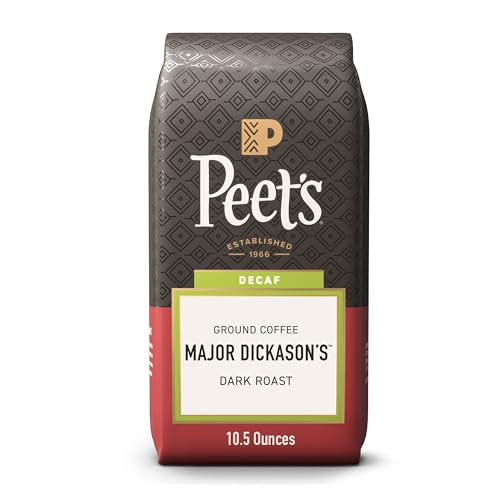
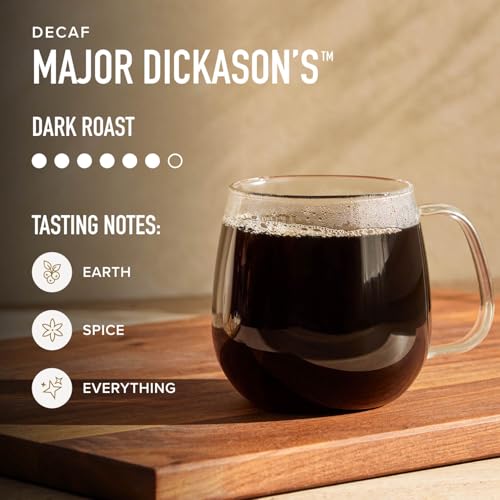
Peet’s Decaf Major Dickason’s Blend
Strengths
- Rich, full-bodied
- Water processed
- Peet’s roast quality
Trade-offs
- Smaller bag size
- Pre-ground only
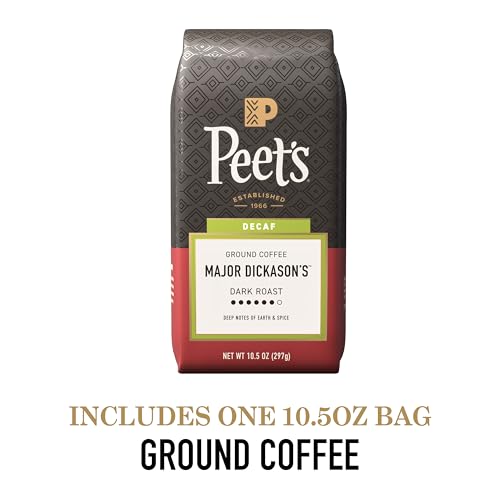
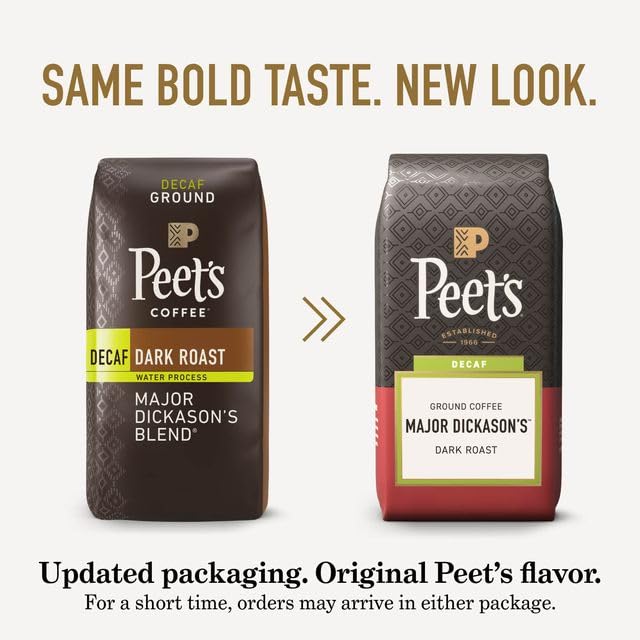
Peet’s Decaf Major Dickason’s Blend is where I’d put my money if you’re after the closest thing to a full-strength, full-flavored dark roast, without the caffeine spike. This isn’t just a decaf version of a classic; it’s built with the same care, using water-processed beans and Peet’s signature deep roast. Owners consistently report a rich, robust body with low acidity and a finish that feels complete, not flat. For a pre-ground decaf, that’s no small feat.
It’s pricier per ounce than their House Blend, but the depth justifies it. Compared to San Francisco Bay’s French Roast, this one is more balanced, less smoky, more layered. If you’re transitioning from regular coffee and miss that bold presence, this blend bridges the gap better than most. My pick for best overall because it balances quality, taste, and brand trust.
Product photos
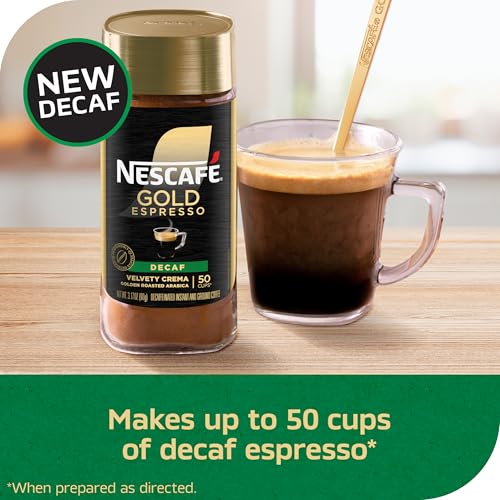
NESCAFÉ Gold Decaf Espresso

Strengths
- Café-style crema
- Smooth, low bitterness
- Makes 50 servings
Trade-offs
- Still instant coffee
- Limited depth
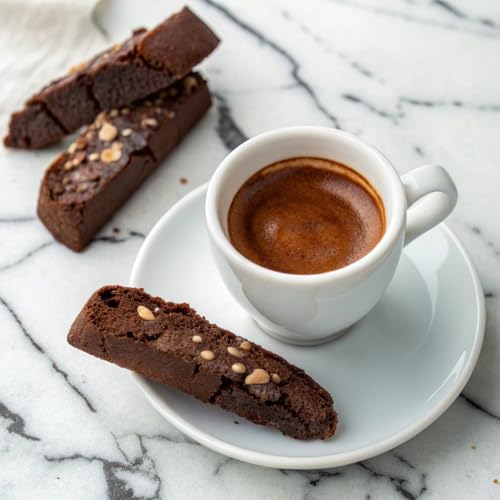
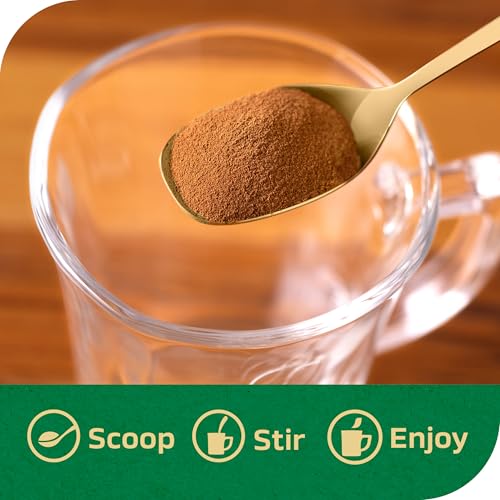
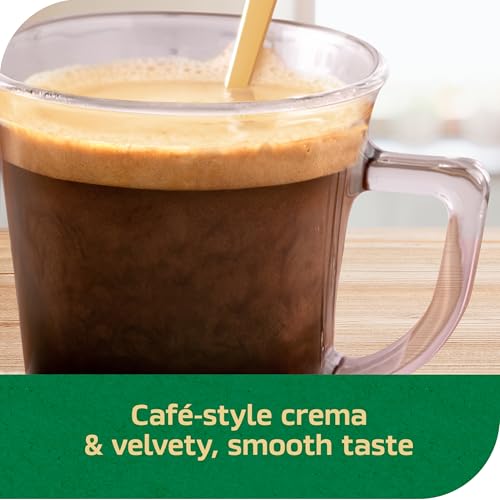
Let’s be clear: instant espresso decaf is a niche play, but NESCAFÉ Gold pulls it off better than expected. The crema-like texture when stirred into hot water is impressive for a soluble powder, and the golden roast gives it a smooth, almost velvety profile without the bitterness many associate with instant coffee. Reviewers note it works well as a base for Americanos or lattes, and the fact that it’s made from high-quality Arabica beans shows in the finish.
It’s not replacing a real espresso shot for me, but for travelers, dorm rooms, or quick mornings, it’s shockingly decent. Compared to other instant decafs, this one has more sophistication. I’d recommend it as the smartest grab for espresso-style convenience without caffeine.
Product photos

Amazon Fresh Decaf Colombia Ground

Strengths
- Affordable price
- Smooth medium roast
- 100% Arabica
Trade-offs
- Basic flavor profile
- Pre-ground only
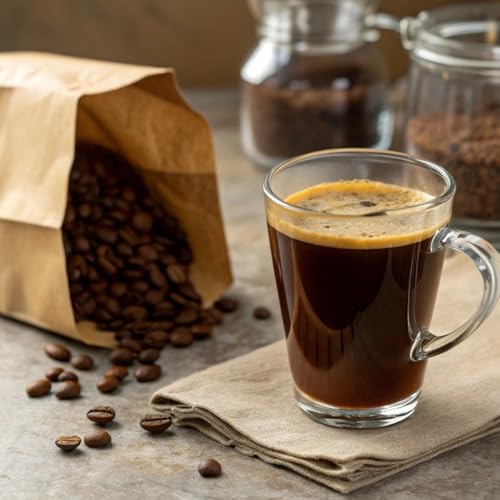
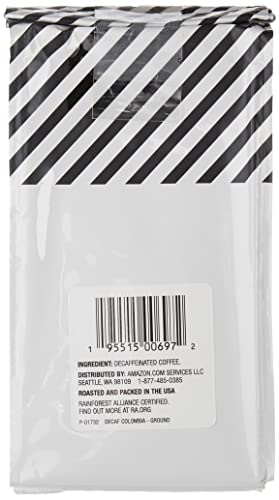
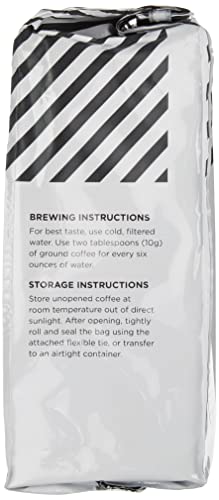
Amazon Fresh’s Decaf Colombia is a quiet winner in the budget category, not flashy, but built on solid fundamentals. It’s 100% Arabica, Colombian-sourced, medium roast, and water-processed, which is more than you get from many store brands. Owners report a clean, balanced cup with a smooth finish, making it ideal for weekday mornings when you just need something drinkable without caffeine.
It doesn’t have the roast depth of Peet’s or the boldness of San Francisco Bay, but it holds its own against other entry-level decafs. For the price, it’s a smarter buy than generic supermarket options. I’d recommend it as a no-surprises, pantry-stable decaf for cost-conscious households.
Product photos


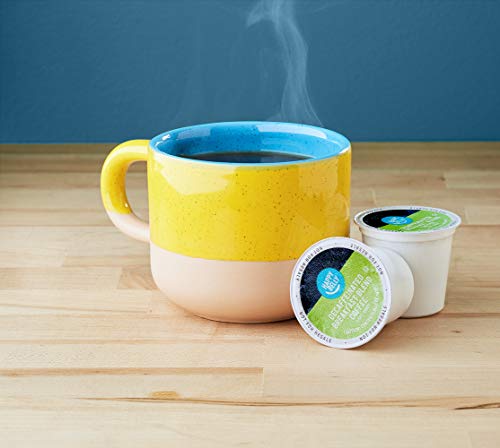
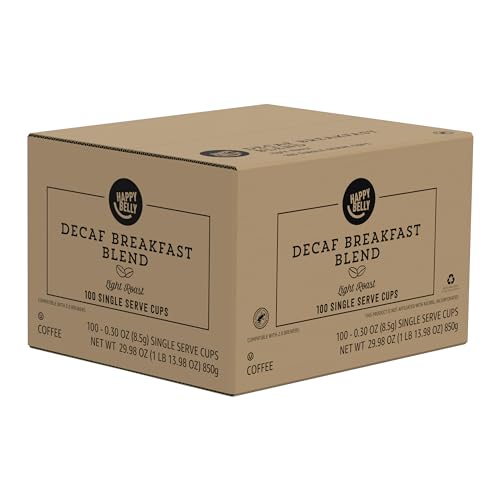
Happy Belly Decaf Light Roast Pods

Strengths
- 100-count convenience
- Nutty, smooth flavor
- K-Cup compatible
Trade-offs
- Pod waste concerns
- Light roast may lack depth
For Keurig users who want convenience without sacrificing decaf standards, Happy Belly’s 100-count light roast pods are a practical win. The blend uses 100% decaffeinated Arabica beans with a nutty aroma and medium body, light enough to drink all day, smooth enough to avoid bitterness. Reviewers appreciate the consistency across pods, and the fact that they work in both K-Cup 1.0 and 2.0 systems adds to the appeal.
It’s not specialty-grade, and pod coffee will never match freshly ground, but for offices or busy homes, it’s efficient and reliable. Compared to Nescafé’s instant, this offers a more authentic brewed taste. I’d recommend it as the best K-Cup decaf for volume and ease.
Product photos


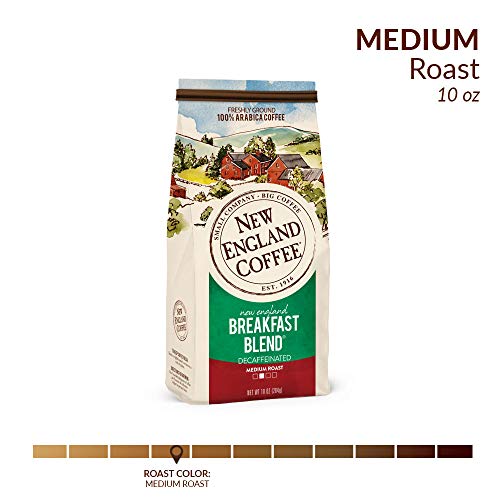
New England Decaf Breakfast Blend

Strengths
- Sustainably sourced
- Small-batch roasted
- Kosher and gluten-free
Trade-offs
- Smaller bag size
- Slight premium price
New England Coffee’s Decaf Breakfast Blend makes a strong case for sustainability without sacrificing taste. The beans are sourced from Africa and the Americas, small-batch roasted, and part of a project that supports farming communities, something owners genuinely appreciate. The medium roast delivers a balanced, aromatic cup with a clean finish, and the 100% Arabica base ensures it doesn’t taste thin or stale.
It’s not the cheapest, and the bag is smaller than others, but the ethical sourcing and consistent flavor make it stand out. Compared to Amazon Fresh or McCafe, it’s more intentional in its craft. I’d pick this as the best choice for buyers who want their decaf to reflect broader values.
Product photos



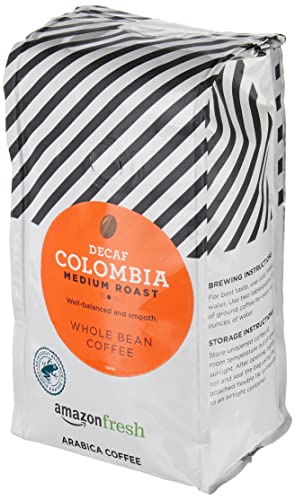
Amazon Fresh Decaf Colombia Whole Bean

Strengths
- Whole bean freshness
- Balanced medium roast
- 100% Arabica
Trade-offs
- No origin complexity
- Basic packaging
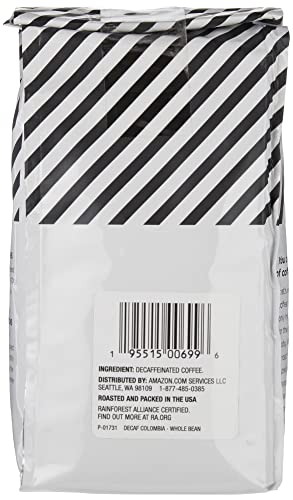
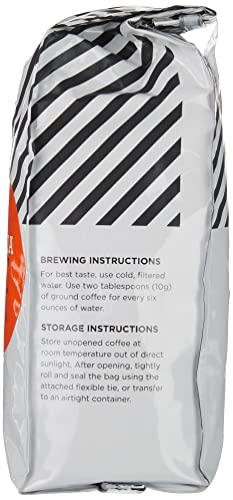
This whole bean version of Amazon Fresh’s Decaf Colombia is the upgrade many overlook, same origin, same clean profile, but now with the freshness advantage of beans you grind yourself. For home brewers using a French press, pour over, or drip machine, that leap in aroma and flavor clarity matters. Owners note it brews a balanced, full-bodied cup with a smooth finish, and the U.S. roasting adds to the quality control.
Compared to pre-ground decafs like Peet’s or McCafe, this one gives you more control and better taste retention. It’s not flashy, but it’s effective. My recommendation? Buy this instead of the ground version if you grind at home, even a basic burr grinder unlocks its potential.
Product photos
How We Chose These decaf coffee
As the founder of Bean Thusiast, I approach coffee selection with a focus on the entire experience – from bean to brew. Rather than a hands-on lab test, this was a research-led comparison of specifications and owner feedback across numerous decaf options. We started by compiling a list of popular choices, then carefully compared factors like roast level, bean origin, decaffeination process, and user ratings from a variety of sources, including Amazon and coffee-focused publications.
For decaf coffee, the key differentiators are the decaffeination method and the quality of the original bean. I prioritized coffees using the Swiss Water Process, as it avoids harsh chemicals and generally preserves more flavor. Beyond that, a dark, robust roast profile often shines through even after decaffeination, and consistently positive reviews regarding smoothness and lack of “decaf taste” were heavily weighted.
Specifications reliably indicate bean origin and processing, but flavor is subjective. Therefore, I placed significant importance on owner feedback regarding taste, aroma, and overall satisfaction. Understanding the decaf caffeine content is also useful, as even “decaf” isn’t entirely caffeine-free, and some processes retain more than others. Reputable expert reviews helped to validate claims made by manufacturers and provided additional insights into brewing recommendations.
How To Pick The Right decaf coffee
Finding a truly satisfying decaf can be surprisingly tricky. It shouldn’t be a compromise!
Decaffeinated coffee demands attention to detail. A quality product prioritizes flavor preservation during the decaffeination process, often utilizing methods like the Swiss Water Process or CO2 extraction to avoid harsh chemicals. Look for 100% Arabica beans and a roast level that suits your preference – from light and bright to dark and bold – and consider the grind if you’re not buying whole bean.
Roast Level & Flavor Profile
As with regular coffee, the roast dramatically impacts the flavor of decaf. Many assume decaf must be weak, but that’s simply not true. Darker roasts, like the SF Bay Decaf French Roast, naturally deliver a bolder, smokier cup, masking any potential flavor loss from decaffeination. However, a lighter roast, such as the Amazon Fresh Decaf Colombia, can showcase brighter, more nuanced flavors. I find that experimenting with different roast levels is the key to discovering what you enjoy most. Don’t be afraid to try both ends of the spectrum!
Decaffeination Method
The process used to remove caffeine significantly affects the final taste. The Swiss Water Process (SWP), employed by SF Bay and others, is widely considered the gold standard. It uses only water, temperature, and time to remove caffeine, preserving the coffee’s original flavors. Other methods, like those utilizing chemical solvents, can sometimes leave behind undesirable residues or alter the coffee’s taste. If you’re sensitive to these factors, seeking out SWP-processed top decaf coffee beans is a smart move.
- Cost: Chemical methods are often cheaper, reflected in the price of some decafs.
- Flavor Impact: SWP generally results in a cleaner, more flavorful cup, though it adds to the cost.
- Health & Environmental Concerns: SWP avoids the use of potentially harmful chemicals, appealing to those prioritizing natural processes.
A good rule of thumb: if the decaffeination process isn’t clearly stated on the packaging, it’s worth investigating further. Transparency is a strong indicator of quality.
Grind & Format
Your brewing method should dictate your choice of grind and format. If you prefer the convenience of single-serve, the Happy Belly Decaf Light Roast Pods are a solid option. However, for maximum freshness and control, I always recommend starting with whole bean and grinding just before brewing. For drip coffee makers or pour-overs, a medium grind is generally best. If you’re interested in learning more about the coffee bean decaffeination process, it will help you understand the impact on the final product. The Amazon Fresh Decaf Colombia Whole Bean provides a good starting point for those wanting to experiment.
Decaf Coffee Compared
Here’s a comparison of key specifications for the featured decaf coffee options.
| Product Name | Roast Level | Bean Type | Format | Size (oz) | Decaf Process |
|---|---|---|---|---|---|
| Peet’s Decaf Major Dickason’s | Dark | Arabica | Ground | 10.5 | Water Processed |
| Peet’s Decaf House Blend | Dark | Arabica | Ground | 18 | Water Processed |
| SF Bay Decaf French Roast | Dark | Arabica | Ground | N/A | Swiss Water |
| Amazon Fresh Decaf Colombia | Medium | Arabica | Ground | 12 | N/A |
| Amazon Fresh Decaf Colombia | Medium | Arabica | Whole Bean | 12 | N/A |
| New England Decaf Breakfast | Medium | Arabica | Ground | N/A | N/A |
| McCafe Premium Roast Decaf | Medium | Arabica | Ground | 12 | N/A |
| Happy Belly Decaf Light Roast | Light | Arabica | K-Cup Pods | N/A | N/A |
| NESCAFÉ Gold Decaf Espresso | N/A | Arabica | Instant | 3.17 | N/A |
Frequently Asked Questions
What’s the actual caffeine level in decaf coffee?
Decaf coffee isn’t caffeine-free; regulations require it to have no more than 0.1% caffeine by weight. This translates to roughly 2-12mg per 8oz cup, depending on the bean and decaffeination method.
Is Swiss Water Process decaf really better?
Yes, the Swiss Water Process generally produces a better-tasting decaf. It uses only water to remove caffeine, preserving more of the coffee’s original flavor compounds compared to methods using chemical solvents.
Can dark roasts hide flaws in decaf coffee?
Absolutely. A darker roast’s bold, smoky flavor profile can mask any potential taste reduction from the decaffeination process, making it a good choice if you’re sensitive to the “decaf taste.”
Where can I find more information about tasting notes and decaf options?
You can explore best flavor decaf coffee on my site to discover detailed tasting notes and a wider range of decaf options to suit your palate.
What’s the best decaf option for someone new to decaf?
I recommend starting with a medium roast like the Amazon Fresh Decaf Colombia. It provides a balanced flavor profile that’s approachable and won’t overwhelm your senses, allowing you to appreciate the coffee itself.
The Bottom Line
Choosing a decaf coffee often comes down to balancing convenience with quality. If you want a reliably flavorful cup without fuss, I recommend the Peet’s Decaf Major Dickason’s. It consistently receives high marks for a rich, dark roast that doesn’t suffer from the typical “decaf taste” – a testament to their water processing method.
For those with specific needs, we’ve got you covered. The SF Bay Decaf French Roast is a fantastic pick for dark roast lovers, while the Happy Belly Decaf Light Roast Pods deliver convenience without sacrificing too much flavor. And if you prefer to grind your own, the Amazon Fresh Decaf Colombia Whole Bean offers a solid, affordable entry point to explore.
Ultimately, the best decaf is the one you enjoy most. Don’t get too caught up in the specifics of caffeine content or processing methods. Focus on finding a bean origin and roast level that appeal to your palate, and remember that a satisfying cup starts with fresh beans and a brewing method you love. Understanding the taste difference in decaf can help you make the best choice for your preferences.
