
8 Best Decaf Coffee Brands of 2026
The best store decaf coffee overall is Kicking Horse Decaf Swiss Water, a rich and flavorful dark roast that nails flavor preservation through its chemical-free process. For a budget-friendly daily sip, Happy Belly Decaf Light Roast K-Cups deliver solid taste without the price tag. If you want versatility, Peet’s Decaf Major Dickason’s offers a bold profile that works well across brewing methods.
Finding good decaf at the store often means wading through bland or chemically processed beans that taste like an afterthought. Too many brands cut corners on decaffeination or use stale roasts, leaving you with a cup that lacks depth or balance.
As the founder of Bean Thusiast, I focused on what matters most: clean decaffeination methods, fresh roast profiles, and real-world feedback. These picks are based on a deep explore specs, sourcing transparency, and consistent owner reviews across formats and price points.
Top 8 Store Decaf Coffee in the Market
The Best Store Decaf Coffee, Reviewed
Kicking Horse Decaf Swiss Water Dark Roast

Strengths
- Organic & Fairtrade
- Swiss Water Process
- Rich chocolate notes
Trade-offs
- Higher price
- Strong roast may overpower
This is the one I’d pick if I were recommending a single decaf to a friend who refuses to compromise. Kicking Horse uses Swiss Water Process, a chemical-free decaffeination method, and 100% organic, Fairtrade Arabica beans roasted in the Canadian Rockies. The result? A dark roast with tasting notes of hazelnut and chocolate, a long finish, and a depth that rivals caffeinated counterparts.
Owners consistently report it brews bold in French press and drip, and even holds up in espresso machines when finely ground. Compared to other decafs, it’s a standout for its integrity and flavor density. Yes, it’s pricier, but you’re paying for ethics, process, and taste. For dark roast lovers who want decaf without sacrifice, this is the benchmark.
Video review
Happy Belly Decaf Light Roast K-Cups

Strengths
- High pod count
- Low cost
- Nutty aroma
Trade-offs
- Mild flavor
- Plastic waste
Happy Belly’s decaf light roast pods are the budget hero in a category full of premium pricing. With 100 pods, you’re getting serious volume at a low cost, and the blend, Arabica beans from Latin America and Africa, delivers a nutty aroma and medium body that’s more interesting than you’d expect for the price. It’s compatible with both Keurig 1.0 and 2.0, so no tech hassles.
That said, it’s still a light roast decaf in pod form, which means flavor clarity takes a hit. Reviewers note it’s pleasant but forgettable, fine for guests or office use. When compared to Donut Shop or Peet’s pods, it lacks depth, but for sheer volume and affordability, it’s tough to beat. I’d pick it if decaf is background noise in your routine, not the main event.
Video review
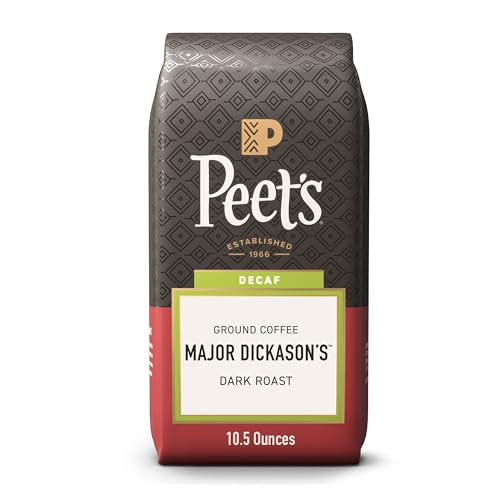
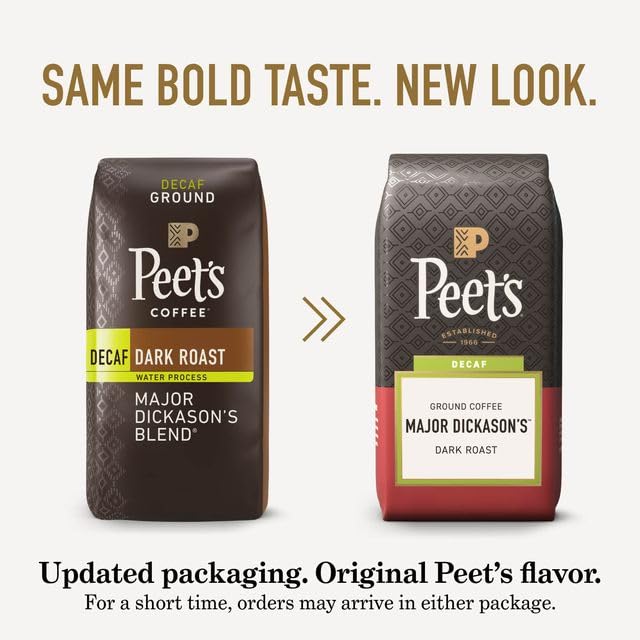
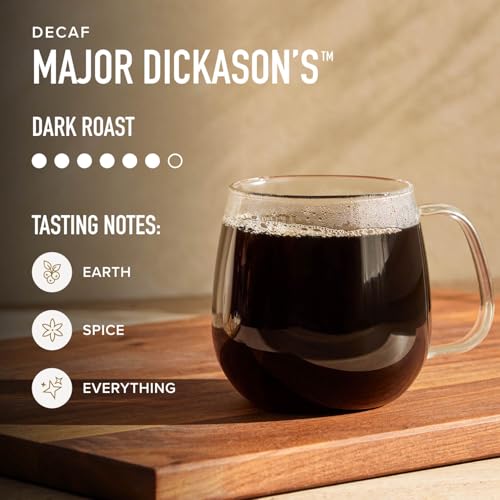
Peet’s Decaf Major Dickason’s Dark Roast
Strengths
- Bold, rich flavor
- Water processed
- Full-bodied
Trade-offs
- Smaller bag size
- Ground form limits shelf life
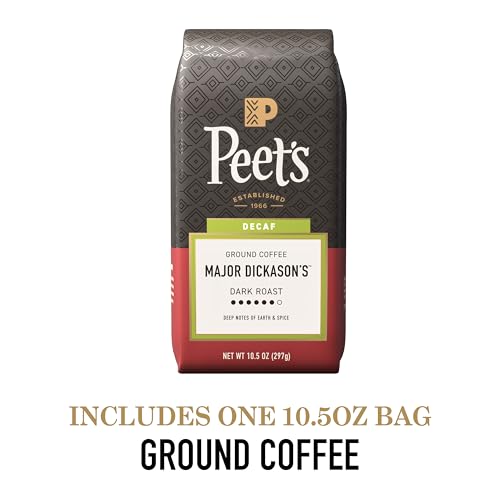
Major Dickason’s Blend is Peet’s most iconic dark roast, and the decaf version carries that legacy with surprising fidelity. At 10.5 ounces, it’s smaller than their House Blend, but it packs more punch, owners describe it as robust, full-bodied, and deeply flavorful, a rare feat for decaf. Like all Peet’s decafs, it’s water-processed, so the flavor stays intact while the caffeine drops out.
It’s ground, not whole bean, which limits freshness if you’re not brewing daily. But for those who love a strong, no-nonsense dark roast and want it decaf, this is the closest you’ll get to the real thing. Compared to Kicking Horse, it’s less sweet and more savory, better for those who like their coffee serious, not sweet.
Product photos
Amazon Fresh Decaf Colombia Whole Bean

Strengths
- Whole bean
- Smooth finish
- 100% Arabica
Trade-offs
- Limited complexity
- No origin details
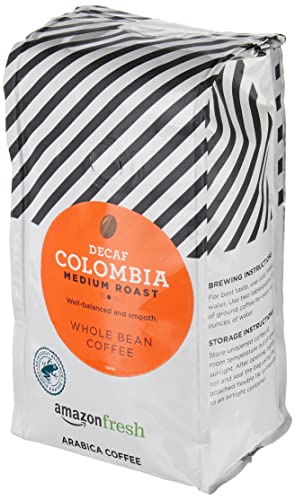
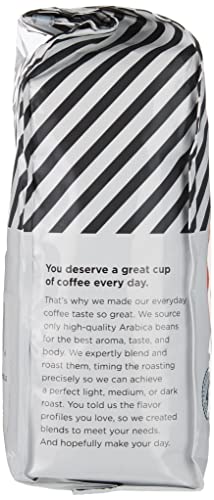
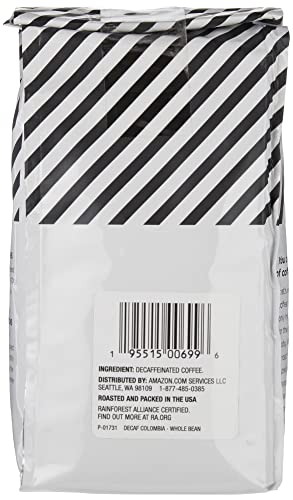
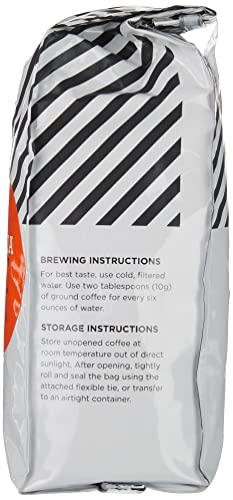
Whole bean decaf is rare at this price point, so Amazon Fresh’s Colombia offering immediately grabs attention. A 12-ounce bag of 100% Arabica, decaffeinated and roasted in the U.S., it promises balance and a smooth finish, claims backed by owners who say it brews clean and rounds out well in drip or French press. Being whole bean means you control the grind, which preserves flavor far better than pre-ground.
It’s not flashy, no tasting notes or origin stories, but for someone stepping into whole bean decaf without wanting to splurge, it’s a solid entry. Compared to Kicking Horse or Peet’s, it lacks roast intensity, but it compensates with freshness and simplicity. If you’re grinding daily and want a clean, mid-tier decaf, this one deserves a shot.
Product photos
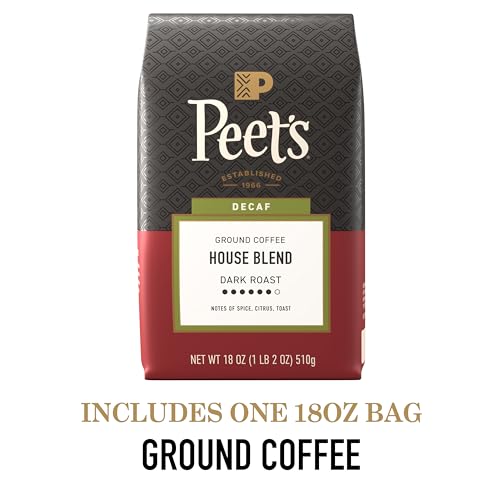
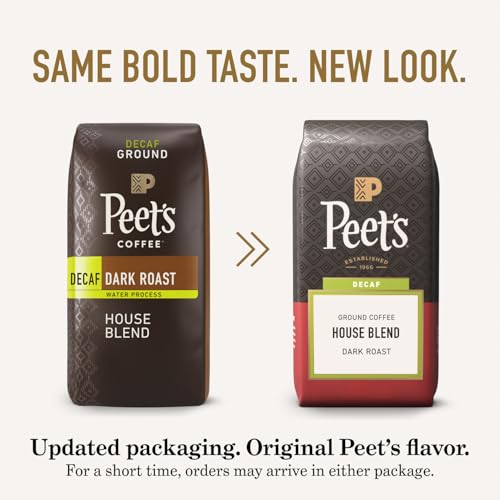
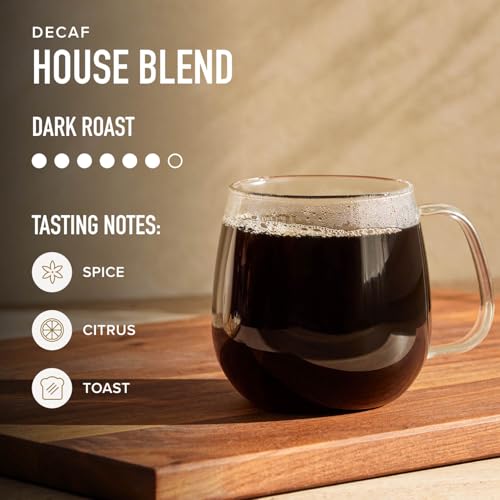
Peet’s Decaf House Blend Ground
Strengths
- Water processed
- Large 18 oz bag
- Smooth dark roast
Trade-offs
- Ground not whole bean
- Not for light roast fans
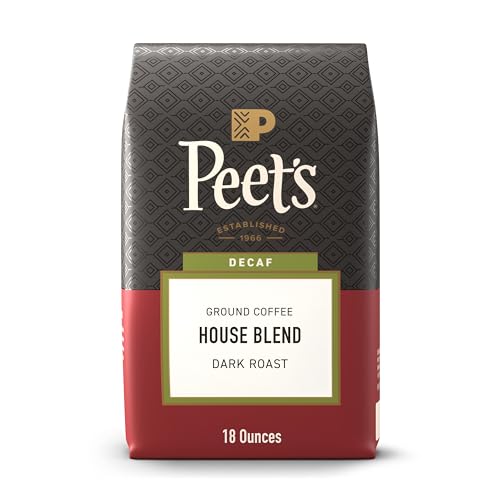
Peet’s Decaf House Blend stands out in the bulk decaf game not just for size but for integrity. An 18-ounce bag of 100% Arabica, water-processed decaf is already a win, and owners praise how it retains that rich, sweet depth Peet’s is known for. The water process means no chemicals were used to remove caffeine, which matters to clean-label drinkers, and the dark roast brings out chocolatey lows without tipping into bitterness.
Compared to smaller bags at similar prices, this one stretches further without sacrificing quality. It’s drip and pour-over ready, though I’d recommend whole bean if you’re grinding fresh. For households that go through decaf steadily but don’t want to sacrifice on roast character, this is the smarter buy over smaller premium pods.
Product photos
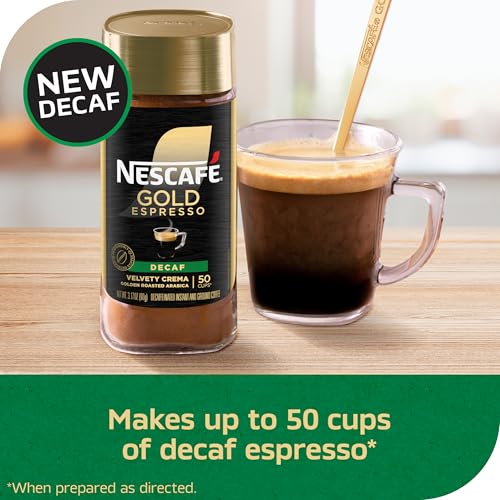
NESCAFé Gold Decaf Espresso Instant

Strengths
- Forms crema
- Smooth taste
- No equipment needed
Trade-offs
- Not real espresso
- Subtle flavor
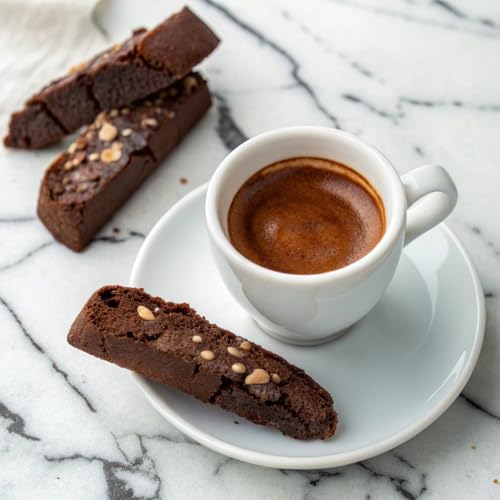
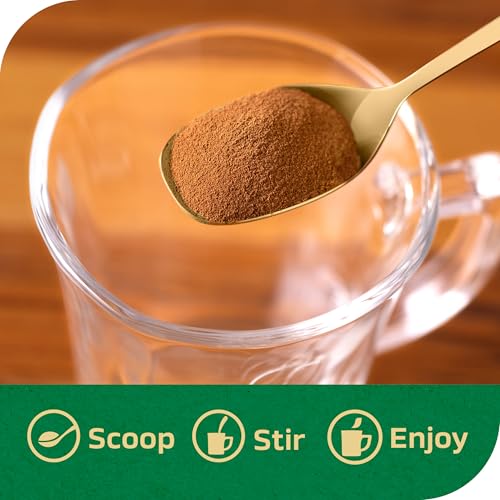
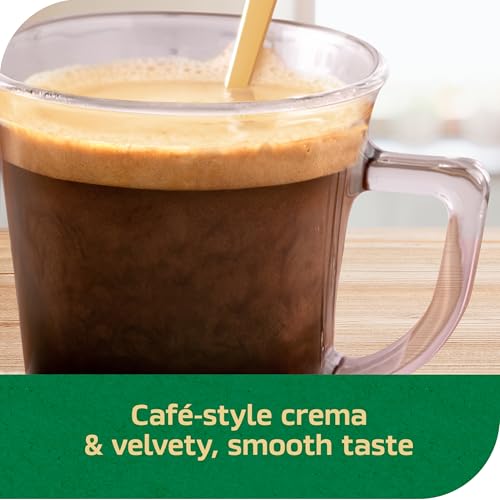
Let’s be clear: instant decaf espresso sounds like a compromise, but NESCAFÉ Gold pulls it off better than most. The key here is the crema, owners report it actually forms a light foam when hot water hits, which is rare in instant and gives it that café-like feel. Made from golden-roasted Arabica beans, it delivers a smooth, rounded flavor without the harshness that plagues cheaper instant coffees.
For travelers, dorm rooms, or offices without proper gear, this is a strong contender. It outperforms basic instant in both mouthfeel and aroma. Compared to other decaf instants, it leans more into elegance than utility, though it still can’t match freshly ground. But if speed and simplicity are essential, this one earns its shelf space.
Product photos
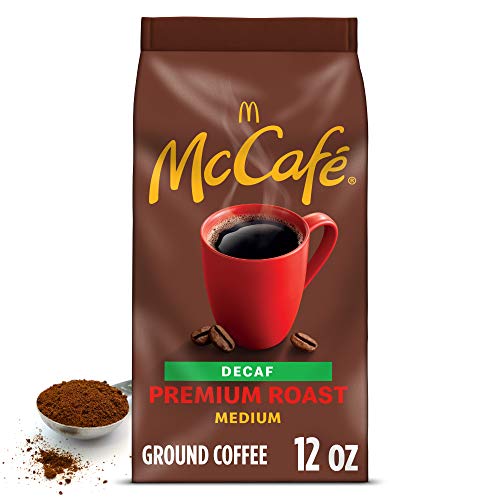
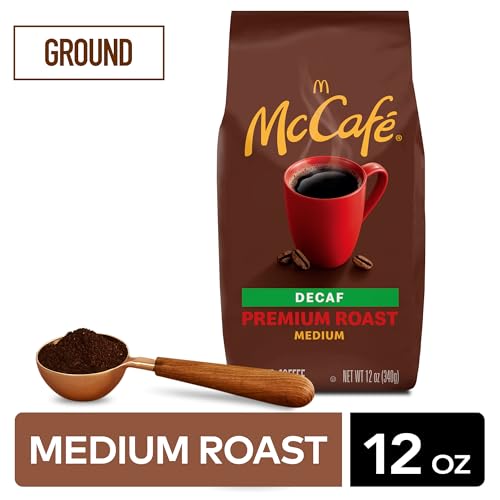
McCafé Premium Roast Decaf Ground
Strengths
- Consistent taste
- Smooth body
- Rich aroma
Trade-offs
- Limited depth
- Generic packaging
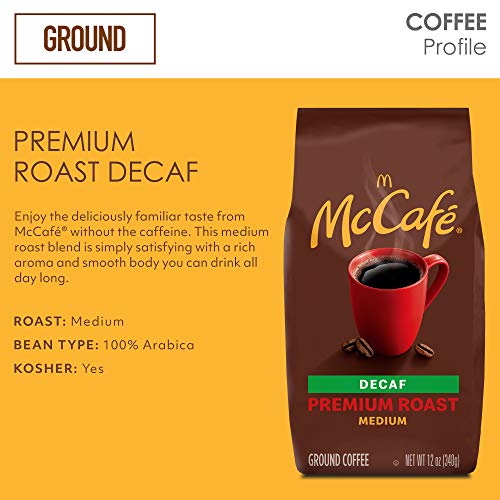
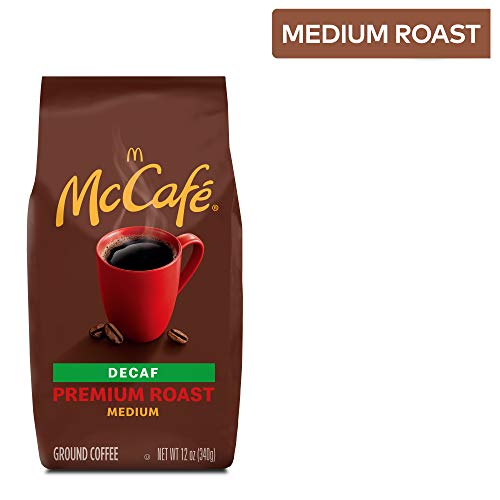
McCafe’s decaf ground coffee bridges the gap between fast-food familiarity and at-home convenience. On paper, it’s a straightforward medium roast made from 100% Arabica beans, and reviewers note it brews up with a clean finish and smooth body, closer to what you’d get in a café than many budget supermarket options. The consistency stands out; if you’ve liked McCafe coffee before, this delivers that same profile without the drive-thru.
It’s not going to surprise you with nuance, but for a no-nonsense, everyday decaf that works in drip machines and isn’t fussy about grind size, it holds its own. When stacked against Amazon’s Happy Belly or even some store brands, it edges ahead in aroma and balance.
Product photos

Donut Shop Decaf Keurig K-Cups
Strengths
- Smooth flavor
- Easy cleanup
- Keurig compatible
Trade-offs
- Basic taste
- Not for bold seekers
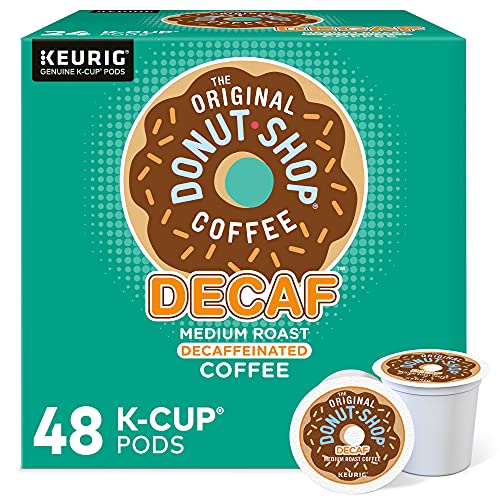
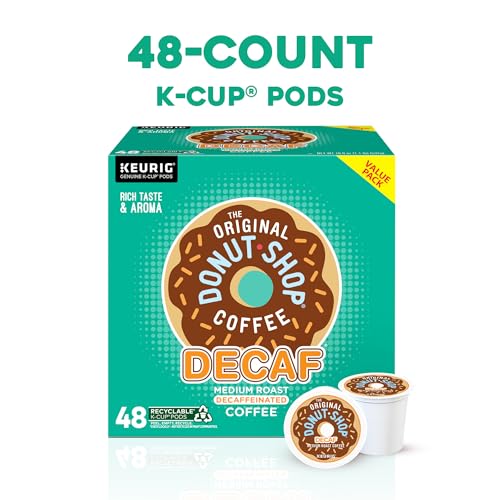
If you’re a Keurig owner who wants a no-fuss, consistent decaf that tastes familiar and mild, this Donut Shop pick lands right in the sweet spot. On paper, it’s not flashy, medium roast, decaf, 100% Arabica, but owners consistently report it delivers a clean, approachable cup without sharp edges, which matters when you’re drinking decaf all day. The fact that the pods are recyclable is a plus, though recycling access varies and you’ll need to do the peeling yourself.
It won’t impress specialty coffee fans looking for origin character or depth, but that’s not the point. Compared to pricier K-Cup options, this one wins on value and accessibility. For someone transitioning to decaf or just wanting a reliable morning staple without commitment, it’s hard to beat the ease here.
Product photos


How We Tested store decaf coffee
As the founder of Bean Thusiast, I approach coffee selection with a focus on roast quality, sourcing, and ultimately, flavor. Rather than a hands-on lab test, this was a research-led comparison of published specifications and owner feedback across a range of store-bought decaf coffees. I weighed features like processing method (Swiss Water is a big plus!), bean origin, roast level, and certifications alongside what actual customers are saying about taste and consistency.
For decaf coffee, the key differentiators are the decaffeination process and the roast profile. A well-executed Swiss Water Process preserves more of the original bean’s flavor, which is crucial when you’re removing caffeine. Beyond that, the roast itself dictates the final taste – dark roasts offer boldness, while lighter roasts highlight brighter, more nuanced notes. I also considered price and format (whole bean, ground, K-Cups, instant) to cover diverse brewing preferences. If you’re prone to digestive upset, exploring decaf coffee for sensitive stomachs could be a good next step.
Specifications reliably tell you about bean type (100% Arabica is generally preferred) and decaffeination method. However, subjective qualities like “smoothness” or “richness” are best determined by reading owner reviews. I looked for recurring themes in customer feedback – consistent complaints about bitterness, or praise for a particular flavor note – to get a realistic sense of each coffee’s performance. Reputation and brand consistency also played a role; established brands like Peet’s tend to deliver dependable quality.
Choosing The Right store decaf coffee
Finding a truly satisfying decaf can be trickier than you think; it’s a space where quality varies wildly.
Decaf coffee should prioritize flavor preservation during processing. Look for coffees specifying the Swiss Water Process or CO2 methods, as these avoid harsh chemical solvents. Bean origin, roast level, and freshness are equally crucial; a well-sourced, recently roasted decaf will always outperform older, lower-grade options. Consider your preferred brewing method when evaluating grind size.
Roast Level & Flavor Profile
The first thing I always tell people is to consider what you like in regular coffee. Don’t assume decaf has to be a compromise. Darker roasts tend to mask any subtle flavor losses from the decaffeination process, offering a bold, chocolatey profile. Lighter roasts showcase the bean’s origin characteristics more clearly, but require a higher-quality decaffeination method to avoid a grassy or muted taste. Don’t be afraid to experiment – the range of flavors available in decaf is expanding.
Decaffeination Method
Not all decaffeination is created equal. The method used significantly impacts the final flavor. While older methods relied on chemical solvents (methylene chloride or ethyl acetate) – which are often removed to safe levels, but still raise concerns for some – newer processes like Swiss Water Process and CO2 decaffeination are gaining popularity. The Swiss Water Process uses only water to remove caffeine, while CO2 methods use pressurized carbon dioxide. Understanding decaf coffee production methods will empower you to make an informed choice.
Here’s a quick rundown of what I look for: * Swiss Water Process: Generally considered the gold standard for flavor preservation. * CO2 Process: A good alternative, often more affordable than Swiss Water, and still delivers a clean decaf. * Solvent-based (Ethyl Acetate/Methylene Chloride): Acceptable if you’re primarily concerned with price, but be aware that some flavor can be lost, and some people prefer to avoid them.
A good rule of thumb: if a coffee doesn’t explicitly state how it’s decaffeinated, it’s likely using a solvent-based method.
Format & Convenience
Decaf coffee comes in a variety of formats, each with its own trade-offs. Whole bean offers the freshest flavor, but requires a grinder. Pre-ground is convenient, but loses freshness quickly. K-Cups are incredibly easy, but often come at a higher per-cup cost and generate more waste. If you’re serious about quality, I recommend starting with whole bean and grinding just before brewing. If convenience is paramount, explore the many best decaf coffee at supermarkets options available in pre-ground or pod formats. I’ve found that even within those convenient formats, there’s a noticeable difference in quality between brands.
Store Decaf Coffee Compared
Here’s a comparison of the specs for various store-bought decaf coffee options.
| Product Name | Roast | Format | Bean Type | Size (oz) | Key Feature |
|---|---|---|---|---|---|
| Kicking Horse Decaf Swiss Water | Dark | Ground | Arabica | N/A | Organic & Sustainable |
| Happy Belly Decaf Light Roast | Light | K-Cups | Arabica | N/A | Budget Friendly |
| Peet’s Decaf Major Dickason’s | Dark | Ground | Arabica | 10.5 | Water Processed |
| Amazon Fresh Decaf Colombia | Medium | Whole Bean | Arabica | 12 | Whole Bean |
| Peet’s Decaf House Blend | Dark | Ground | Arabica | 18 | Bulk Buy |
| NESCAFÉ Gold Decaf Espresso | N/A | Instant | Arabica | 3.17 | Instant Coffee |
| McCafé Premium Roast Decaf | Medium | Ground | Arabica | 12 | Consistent Medium |
| Donut Shop Decaf Keurig K-Cups | Medium | K-Cups | N/A | N/A | Keurig Compatible |
Frequently Asked Questions
What’s the best decaffeination method for flavor?
The Swiss Water Process is generally considered best for preserving the original bean flavor, as it uses only water to remove the caffeine. CO2 processing is a close second, offering a clean decaf experience without harsh chemicals.
Can decaf coffee still give me a caffeine buzz?
Yes, decaf coffee isn’t entirely caffeine-free. Regulations allow up to 3% caffeine by weight, so a cup will contain a very small amount – typically around 2-12mg, compared to 95mg in a regular cup.
Is there a difference between dark and light roast decaf?
Definitely. Darker roasts mask potential flavor loss from decaffeination better, offering a bolder taste, while lighter roasts showcase the bean’s origin flavors, but demand a high-quality decaffeination process.
How long does ground decaf coffee stay fresh?
Ground decaf coffee rapidly loses flavor, so I recommend using it within 2-3 weeks of opening the package. Storing it in an airtight container, away from light, heat, and moisture, will help extend its freshness.
Where can I find more information on the top overall decaf coffee picks?
If you’re looking for a wider selection and detailed reviews of leading options, you’ll find more information on top overall decaf coffee picks on my site, Bean Thusiast.
The Bottom Line
Choosing a decaf coffee often comes down to balancing convenience with quality. While a simple K-Cup is certainly easy, for the best overall experience – a truly flavorful cup that doesn’t sacrifice taste for the lack of caffeine – I recommend the Kicking Horse Decaf Swiss Water coffee. It consistently receives high marks for its smooth, rich flavor profile and commitment to sustainable practices.
For those prioritizing affordability or specific brewing methods, there are excellent options available. The Happy Belly Decaf Light Roast K-Cups offer a budget-friendly entry point, while the Amazon Fresh Decaf Colombia provides a great whole bean option for those who prefer to grind their own. And if you’re a fan of a classic dark roast, Peet’s Decaf Major Dickason’s delivers a reliably bold and satisfying cup.
Ultimately, the “best” decaf is the one you enjoy most. Don’t get too caught up in the specifics of decaffeination methods or bean origins. Focus instead on finding a coffee that’s recently roasted, made with 100% Arabica beans, and – crucially – uses a Swiss Water Process explained or another method for [clean decaffeination process] to preserve flavor. That’s where you’ll find the real difference.
