
6 Best Cone Coffee Filters of 2026
The Melitta #4 Unbleached Coffee Filters are the best overall, delivering consistent results and strong construction that users trust. For a budget-friendly option, the Amazon Basics #4 Cone Coffee Filters offer reliable performance without the premium price. If you’re after unique flow design, the Clinuse Unbleached #4 Coffee Filters stand out with their U-shape for controlled brewing.
Most coffee lovers don’t think much about filters, until they get a papery taste or, worse, a clogged brew or torn filter. After years of refining my morning ritual and studying how small details affect flavor, I know the right cone filter can make a real difference in clarity, body, and consistency.
This guide cuts through the noise by comparing specs, owner feedback, and real-world performance. I focused on material, build quality, and fit, because even the best beans can’t save a brew ruined by a poor filter.
Top 6 Cone Coffee Filters in the Market
The Best Cone Coffee Filters, Reviewed
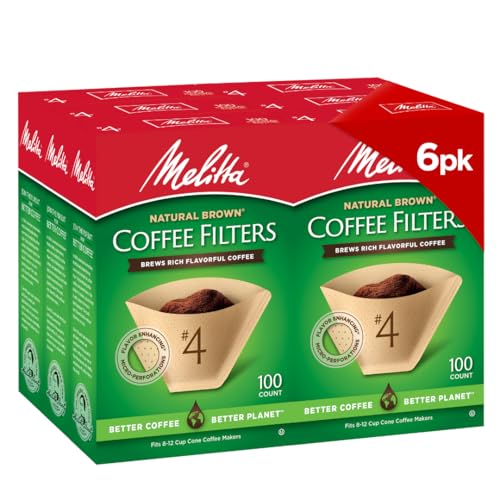
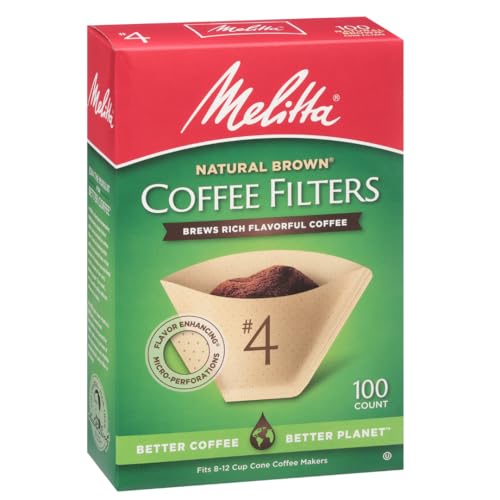
Melitta #4 Unbleached Coffee Filters
Strengths
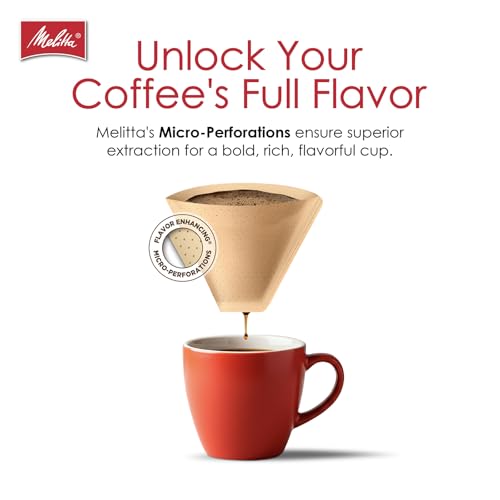
- Microfine perforations
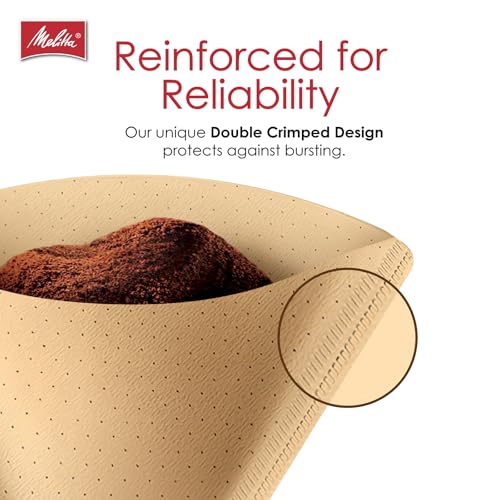
- Double crimp design
- Compostable
- Kosher certified
- Made in USA
Trade-offs
- Slightly slower brew time
- Higher price per filter
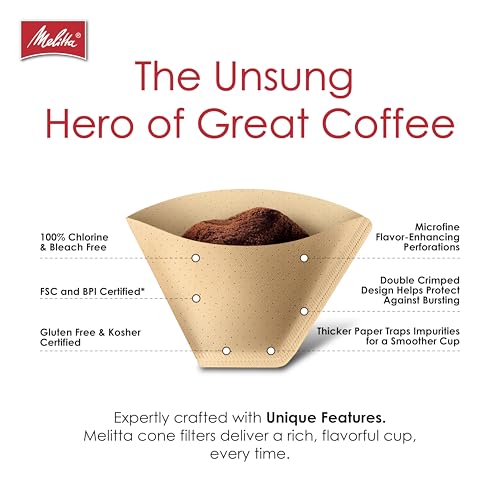
I’ve spent years watching how filter design impacts extraction, and Melitta’s #4 unbleached filters stand out for a reason. The microfine perforations aren’t just marketing, they’re a real differentiator, creating a more consistent flow rate that avoids channeling and pulls out nuanced flavors without over-extracting. Owners consistently report a cleaner cup with less bitterness, and that tracks with the thicker, chlorine-free paper that traps fines and oils effectively.
There’s also peace of mind in the build quality. The double crimp design is a small detail that matters, bursting filters are rare but frustrating, and Melitta’s reinforced edge minimizes that risk. Being FSC and BPI certified adds genuine value for eco-conscious buyers who don’t want to compromise performance.
Product photos
Amazon Basics #4 Cone Coffee Filters
Strengths
- Low cost
- SFI certified
- Clean filtration
- Universal fit
Trade-offs
- Thinner paper
- No flavor optimization
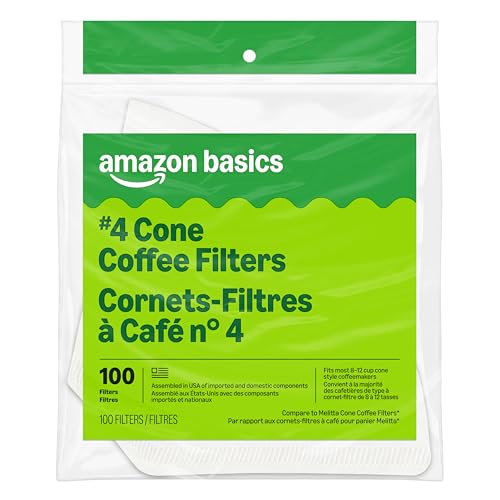
If you’re after no-frills functionality without sacrificing basic quality, these Amazon Basics filters deliver. They’re made from SFI-certified paper, which means sustainable sourcing is accounted for, and the white color indicates oxygen-bleaching, though that’s not explicitly stated. On paper, they don’t promise gourmet extraction, but owners say they do the core job well, keeping grit out and letting flavor through.
Where they fall short is in structural confidence. They lack the reinforced crimps or extra thickness you see in premium options, so there’s a slightly higher chance of tearing, especially with coarse or densely packed grounds. But for a standard drip machine with medium grind, they’re dependable.
Product photos
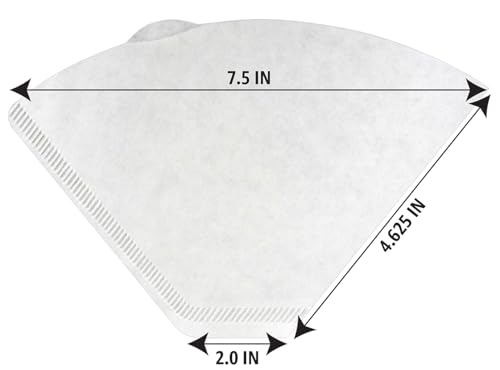


200Pcs Unbleached #4 Cone Filters

Strengths
- High count pack
- Crease-guided flow
- Unbleached natural paper
- Ninja compatible
- Fold tab for fit
Trade-offs
- Fit inconsistencies
- Lacks major eco-certifications
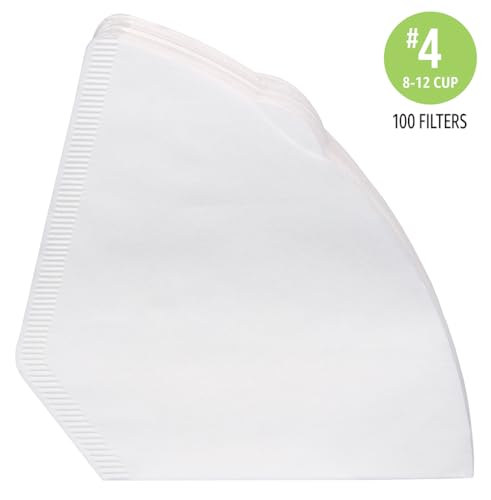
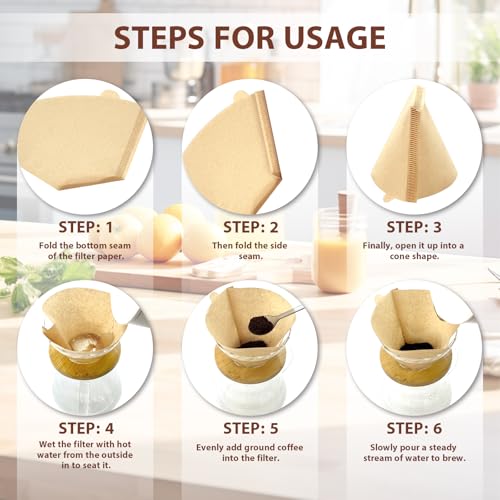
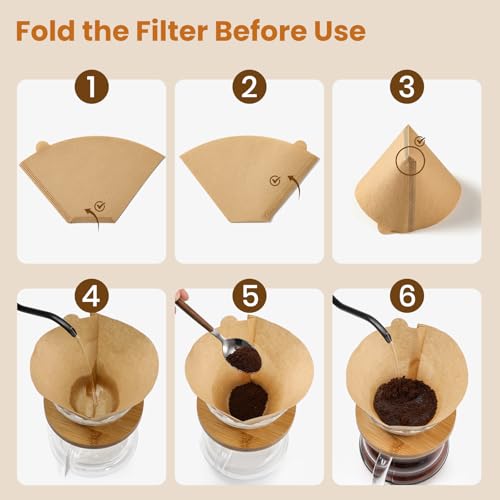
This unbleached 200-pack leans into the pour-over crowd, and I like that it promotes pre-wetting for better adhesion and even extraction. The creased design along the sides suggests an intent to guide water flow, which could help with consistency, though real-world feedback is mixed on whether you actually taste the difference. Still, the virgin wood pulp construction offers decent wet strength, and the compatibility with Ninja and other modern drip systems widens its appeal.
That said, the packaging doesn’t emphasize certifications like FSC or BPI, which makes it harder to trust the sustainability claims fully. And while the value is strong, some owners report minor fit issues with certain basket styles, especially those with sharper angles.
Video review
Clinuse Unbleached #4 Coffee Filters
Strengths
- U-shape extraction
- Adhesive-free
- Food-grade packaging
- Biodegradable
- Easy-grip tab
Trade-offs
- Sizing variance
- Slight curling when dry
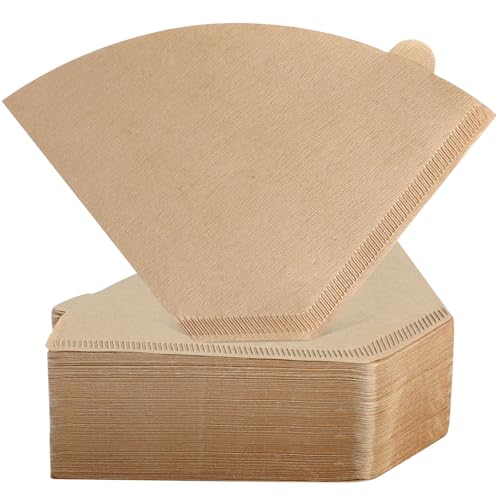
The U-shaped design here is interesting, it’s meant to slow water flow toward the center for deeper extraction, and that’s a real advantage for pour-over fans who want more body and aroma. Combined with completely unbleached, adhesive-free paper, it delivers on the promise of pure taste. Reviewers frequently mention a “cleaner brightness” in light roasts, which makes sense given how little the paper interferes.
The food-grade packaging is another underrated plus, especially for those wary of contaminants. And with 200 filters, the value is strong. My only hesitation is the size variance note; some Clinuse users report needing to fold or adjust for a snug fit, so it’s not quite plug-and-play for all machines.
Video review
200Pcs Natural #4 Cone Filters
Strengths
- Odor-free paper
- Heat-sealed edges
- 200 count value
- Easy-grip tab
- Biodegradable
Trade-offs
- No flavor-enhancing design
- Basic construction
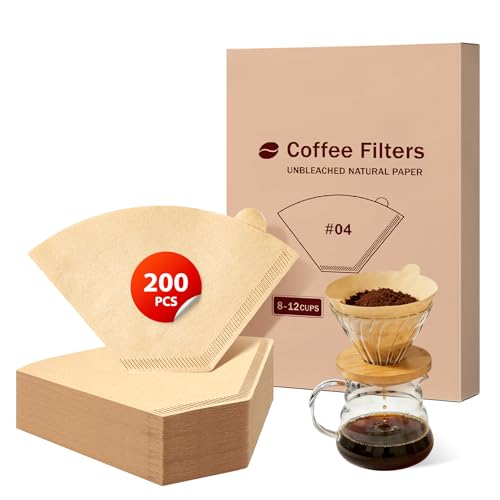
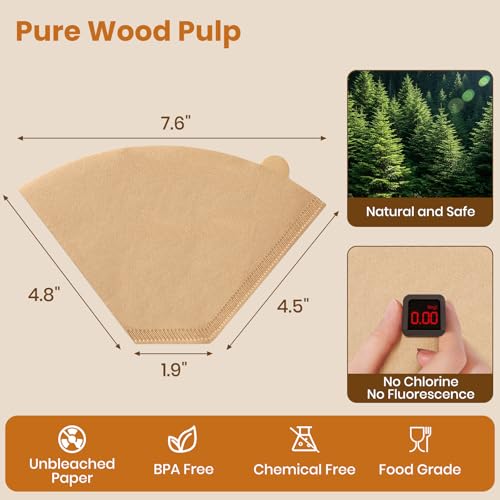
With 200 filters and a focus on universal fit, this pack is built for practicality. The unbleached paper is odor-free and heat-sealed without chemicals, which I appreciate, fewer unknowns means more confidence in flavor purity. The fine, uniform texture does a reliable job of blocking silt while allowing even saturation, and the handy tab makes handling dry filters cleaner, especially with damp hands.
It doesn’t reinvent the wheel, but it doesn’t need to. It’s a straightforward, eco-minded option that performs consistently across most flat-bottom and conical baskets. The reminder to check sizing is smart, some users overlook that #4 isn’t always standardized, and a poor fit ruins even the best paper.
Product photos



Unbleached #4 Filters with Micro-Pores
Strengths
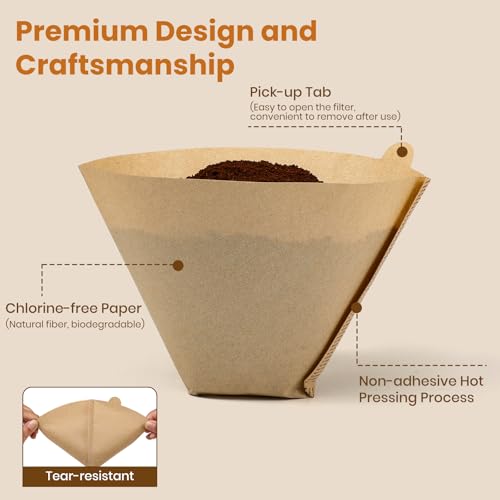
- Chlorine-free paper
- Precision micro-pores
- Tear-resistant
- Faster flow rate
- Compostable
Trade-offs
- Slight odor when dry
- Fit varies by brewer
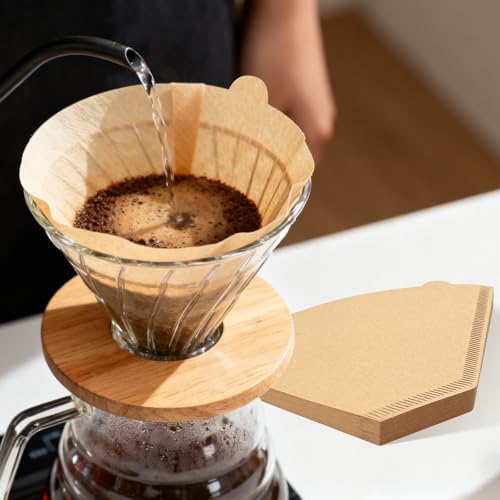
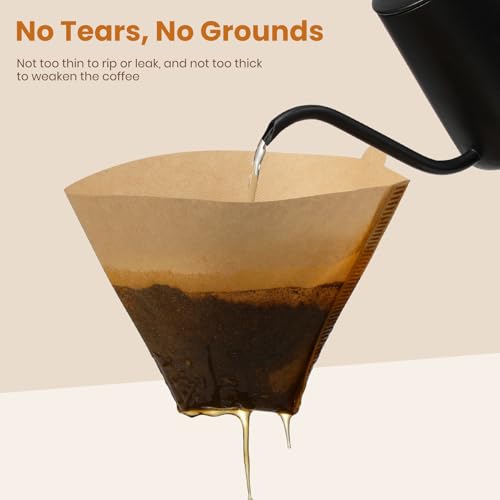
This filter makes bold claims about precision flow, and the science behind it holds up. The calibrated micro-pores are designed to speed up flow just enough to avoid over-extraction, which is critical when using medium-coarse beans prone to bitterness. Reviewers note a noticeably smoother cup, clean but still aromatic, and that aligns with oxygen-bleached, chlorine-free paper that doesn’t leach off-flavors.
The wet-strength tech also appears effective. “No blowout” isn’t just a name; owners using aggressive pours or high-volume brewing say these hold up better than average. Toss in compostability and sustainable sourcing, and you’ve got a filter that balances performance and planet.
Product photos
How We Picked These cone coffee filters
Rather than a hands-on lab test, my research for these recommendations focused on a detailed comparison of published specifications and features across numerous cone coffee filters. I weighed owner reviews from multiple retailers alongside expert opinions found in coffee-focused publications. As the founder of Bean Thusiast, I applied my experience with brewing methods to assess which features would genuinely impact the final cup quality and user experience.
For cone coffee filters, the most important factors are material quality and filter design. A thicker, well-made filter minimizes the chance of bursting during brewing – a common complaint I saw repeatedly in owner feedback. Equally crucial is the pore size and overall design, as these directly impact extraction speed and the presence of sediment in the final brew. Understanding compatible cone filters is also key to a good fit.
Specifications reliably indicate filter dimensions and material composition (like whether it’s unbleached or chlorine-free). However, nuanced details about extraction speed and flavor impact are best gleaned from owner reviews discussing taste and sediment levels. Reputation and brand history also played a role; established brands like Melitta have a track record of consistent quality, which factored into my assessment.
How To Pick The Right cone coffee filters
As someone who’s spent years chasing that perfect cup, I know a seemingly small component like the filter can dramatically affect the final result.
A quality cone coffee filter balances extraction speed with sediment retention. Look for filters constructed from durable, unbleached paper, with consistent pore size and a secure design to prevent bursting. Consider your brewing volume (8-12 cup standard) and whether sustainability is a priority. Proper fit is crucial for even extraction and avoiding overflows.
Material & Bleaching
The biggest initial choice is between bleached and unbleached filters. I often recommend starting with unbleached paper filters – they eliminate any potential for a papery taste that some find with bleached options. However, the difference is subtle and often overshadowed by bean quality and grind size. More importantly, look at how a filter is bleached if you do choose that route; oxygen bleaching is preferable to chlorine. The material itself matters too. Virgin wood pulp is common, but the consistency of that pulp impacts filtration.
Filter Design & Construction
Beyond material, the construction of the filter is key. You want something that won’t fall apart mid-brew, especially if you’re using a coarser grind. The “double crimp” design you see in Melitta filters is a classic for a reason – it adds significant strength. I’ve found that some cheaper filters are prone to tearing, leading to grounds in your cup (a frustrating experience!). Consider the shape, too. Some filters, like the Clinuse filters, feature a U-shape which is designed to encourage a specific water flow.
- Thickness: Thicker filters generally slow down the brew, leading to a fuller body, but can also increase the risk of clogging with a fine grind.
- Pore Size: Micro-pore filters, like the Unbleached #4 Filters with Micro-Pores, promise a cleaner cup by removing more oils and sediment. This is appealing if you prefer a brighter, more acidic brew.
- Crimping/Sealing: A well-defined crimp or heat-sealed edge is vital. Without it, you’re risking a messy overflow and wasted coffee.
Value & Compatibility
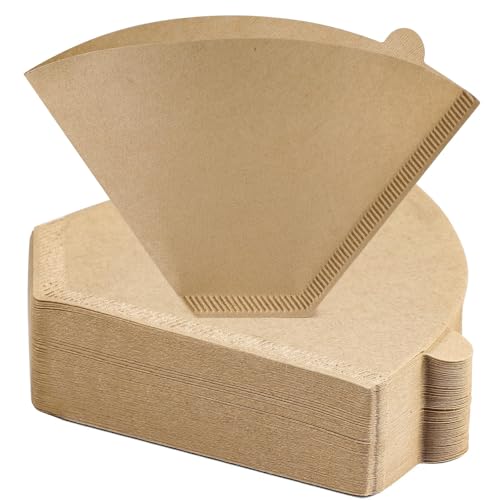
While high-end filters can offer subtle improvements, you don’t need to spend a fortune. A large pack, like the 200Pcs Unbleached #4 Cone Filters, can be a very practical choice. Make sure the #4 size fits your brewer, but it’s a very common standard. Many filters advertise compatibility with a wide range of brewers, and if you’re exploring different methods, checking out best filters for cone brewers can be a good starting point.
Don’t overthink the filter. A consistently good brew relies far more on fresh, quality beans and a precise grind. But a reliable filter is the foundation for both.
Cone Coffee Filters Compared
Here’s a comparison of the specifications for the featured cone coffee filters.
| Product Title | Filter Count | Bleached/Unbleached | Material | Compostable | Fit (Cups) | Special Features |
|---|---|---|---|---|---|---|
| Melitta #4 Unbleached Coffee Filters | 200 | Unbleached | Paper | Yes | 8-12 | Double Crimp, Microfine |
| Amazon Basics #4 Cone Coffee Filters | 100 | White | Paper | N/A | 8-12 | SFI Certified |
| 200Pcs Unbleached #4 Cone Filters | 200 | Unbleached | Virgin Wood Pulp | N/A | 8-12 | U-Shape Design |
| Clinuse Unbleached #4 Coffee Filters | 200 | Unbleached | Wood Pulp | Yes | 8-12 | U-Shaped, Food Grade |
| 200Pcs Natural #4 Cone Filters | 200 | Unbleached | Natural Paper | Yes | 8-12 | Eco-Friendly |
| Unbleached #4 Filters with Micro-Pores | N/A | Unbleached | Natural Fibers | Yes | 8-12 | Micro-Pores, Tear-Resistant |
Frequently Asked Questions
What filter size is most common for cone coffee makers?
The #4 cone coffee filter is the most widely compatible size, fitting most standard 8-12 cup cone coffee makers. However, always double-check your brewer’s manual to confirm the correct size for optimal performance.
Are bleached coffee filters safe to use?
Yes, bleached filters are generally considered safe, but some people prefer to avoid them due to concerns about potential papery taste or residual chemicals. If you choose bleached filters, look for those that have undergone oxygen bleaching rather than chlorine bleaching for a cleaner result.
Can I compost used coffee filters?
Many unbleached filters are compostable, but it depends on the material and any adhesives used. Filters labeled as compostable, like several of the best unbleached paper filters, are a great eco-friendly option for your garden.
What’s the difference between a standard and a micro-pore filter?
Micro-pore filters have smaller pores than standard filters, resulting in a cleaner cup of coffee with less sediment and oils. This can be ideal if you prefer a brighter, more acidic brew, but it might also reduce some of the coffee’s body.
How often should I replace my coffee filters, even if I have a large pack?
While a large pack like the 200Pcs Unbleached #4 Cone Filters offers value, I recommend replacing them every 6-12 months. Over time, even stored filters can absorb moisture and odors, potentially affecting the taste of your coffee.
The Bottom Line
Choosing the best cone coffee filter often comes down to balancing control over your brew with convenience. While subtle differences exist between materials and designs, the Melitta #4 Unbleached Coffee Filters consistently receive high marks for their reliable construction and ability to deliver a clean, balanced cup. They represent a sweet spot between price, performance, and availability, a solid choice for daily brewing.
For those seeking a specific solution, the options are plentiful. If you’re prioritizing budget-friendliness, the Amazon Basics #4 Cone Coffee Filters offer good value. Those interested in exploring different water flow patterns will appreciate the Clinuse Unbleached #4 Coffee Filters with their unique U-shape. And for those seeking even more sustainable options, consider exploring reusable cone filters.
Ultimately, remember that the filter is just one piece of the puzzle. Freshly roasted beans, a quality grinder, and careful brewing technique are far more impactful than any specific filter feature. Focus on those fundamentals, and you’ll be well on your way to consistently excellent coffee, regardless of which filter you choose.
