
7 Best Coffee Filters for Pour Over 2026
The Hario V60 Size 02 Filters are our overall best pick for pour over, delivering clean, vibrant cups with consistent flow. For a top budget-friendly option, the Melitta #4 Unbleached Premium Filters offer solid performance for larger batches. If convenience matters most, the Phyyixs Thick Pre-Folded Cone Filters stand out for their ease of use and reliable construction.
Choosing the wrong filter can ruin an otherwise perfect pour-over, muddy flavors, paper taste, or even a mid-brew tear can throw everything off. After years of studying brewing methods and filter tech at Bean Thusiast, I know how much small differences in paper quality and design affect the final cup.
This guide cuts through the noise, comparing top pour-over filters based on material, thickness, fit, and real user feedback. We focused on filters that consistently deliver clean extraction, avoid off-flavors, and match your brewer’s needs, so you can brew with confidence.
Top 7 Coffee Filters For Pour Over in the Market
The Best Coffee Filters For Pour Over, Reviewed
Melitta #4 Unbleached Premium Filters

Strengths
- Microfine perforations
- Double crimped edges
- Compostable and FSC certified
Trade-offs
- Slight pre-wet expansion
- Not for small brewers
Melitta has been the backbone of drip coffee for over a century, and these #4 unbleached filters justify the legacy. The microfine perforations aren’t just marketing, they actually promote even wetting and reduce channeling, which owners say leads to a consistently balanced brew. The double crimped edge is a small detail, but it makes a real difference in preventing bursts, especially with coarser grinds or aggressive pours.
They’re thicker than average and do a solid job trapping fines without slowing the flow too much. Compared to Chemex, they let a bit more body through, which I prefer for medium roasts. And given they’re FSC and BPI certified, the sustainability claims hold weight. If you’re using a large cone brewer and want reliability without sacrificing eco-values, this is the standard to beat.
Video review
Hario V60 Size 02 Filters 200ct

Strengths
- High count value pack
- Clean natural paper
- Perfect V60 fit
Trade-offs
- Less structural rigidity
- Some sediment in cup
At 200 filters per pack, this is the value king, and it delivers. The natural, unbleached paper has a clean taste and works flawlessly with the V60’s spiral ribs and large hole. Owners appreciate how well they wet evenly, especially when pre-rinsed, and the thinness allows for a fast flow, which suits the aggressive bloom phase of V60 brewing.
They’re not the thickest filters out there, so you might notice a bit more sediment than with Chemex, but that also means more body in the cup, which many prefer. Compared to Melitta or Phyyixs, they’re less rigid, so handle with care when dry. But for regular V60 users, the price per brew is hard to beat without sacrificing quality.
Video review
Chemex Bonded Natural Square Filters
Strengths
- Thick bonded paper
- Superior sediment filtering
- Clean, bright cup
Trade-offs
- Requires precise folding
- Slower flow rate
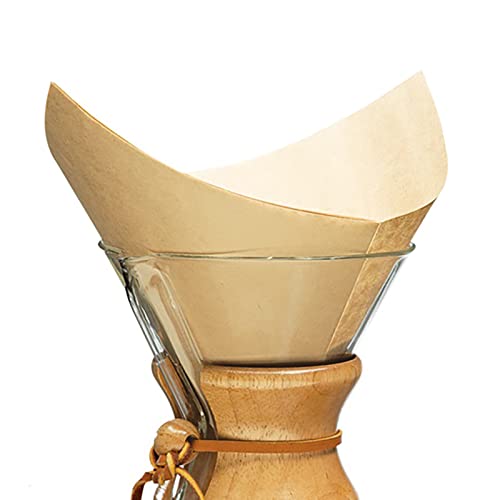
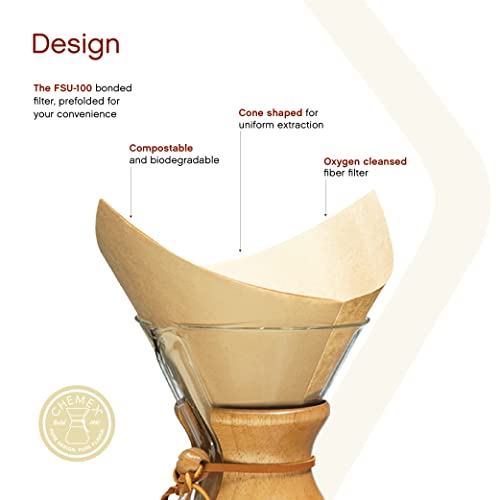
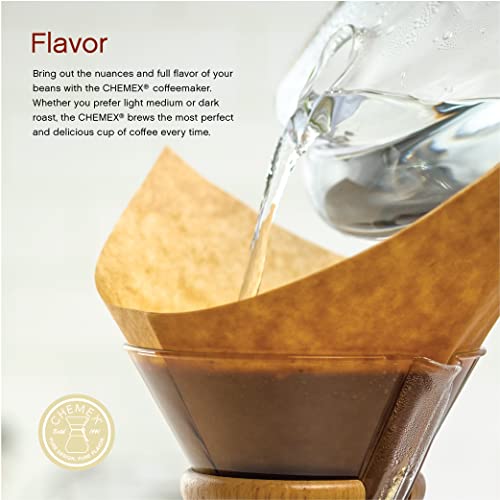
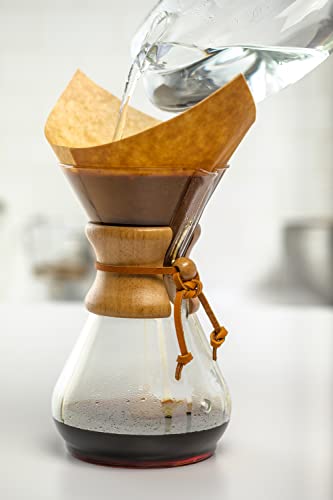
When you’re chasing clarity and brightness in your pour over, these Chemex filters are in a class of their own. The thick, bonded paper does a serious job filtering out oils and sediment, which translates to a remarkably clean cup, ideal for light roasts where you want every floral or citrus note to shine. Owners consistently report that the brewing process feels almost ritualistic, and the filter’s design forces you to slow down and pay attention to technique.
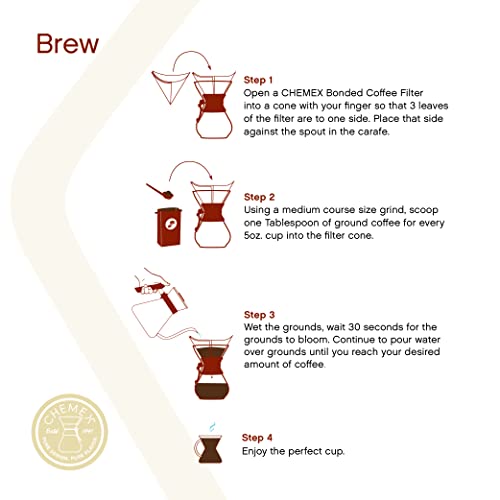
That said, the required folding step isn’t intuitive for everyone, and if you don’t seat it properly with the triple-layer side facing the spout, you risk uneven extraction. Compared to pre-folded options, it’s a bit more fussy, but that’s the trade-off for that signature Chemex purity. On paper, it’s just paper, but in practice, it shapes the entire brew experience.
Product photos
Clinuse V-Shaped Unbleached Filters 200ct
Strengths
- High count pack
- V-shaped for full body
- Vacuum sealed freshness
Trade-offs
- Fit varies slightly
- Less flow control
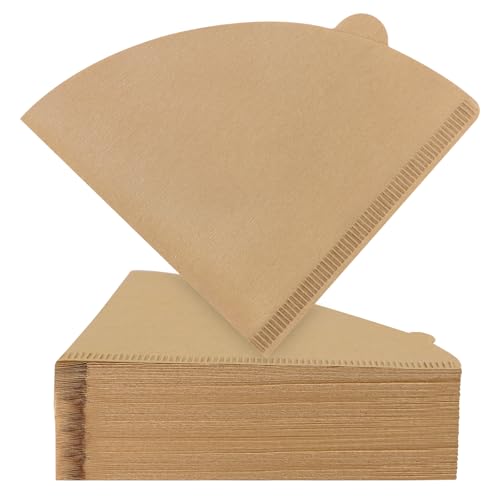
With 200 filters in the pack, Clinuse is built for volume, and it shows. These #2 cone filters are designed for smaller brewers, and the V-shaped design is meant to slow flow toward the center, promoting deeper extraction. Owners report a fuller-bodied cup compared to thinner filters, which makes sense given the dense, unbleached paper that doesn’t strip away oils.
The vacuum-sealed packaging keeps them fresh, and the lack of adhesives or bleach means no off-flavors, a win for purists. The ear tab is a small but appreciated touch for easier handling. Compared to Hario, they’re thicker and more robust, but not quite as precise in fit. If you’re brewing 2-4 cups daily and want body and value, this is a smart play.
Product photos

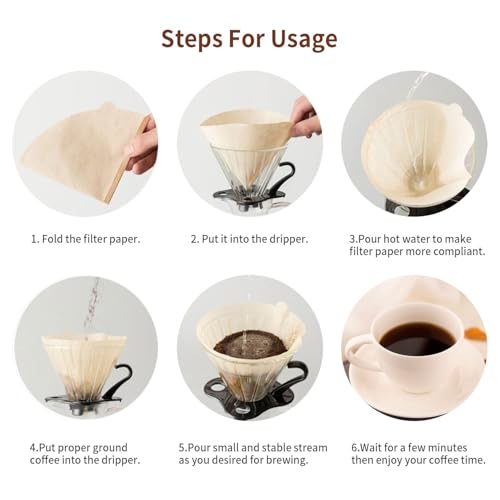
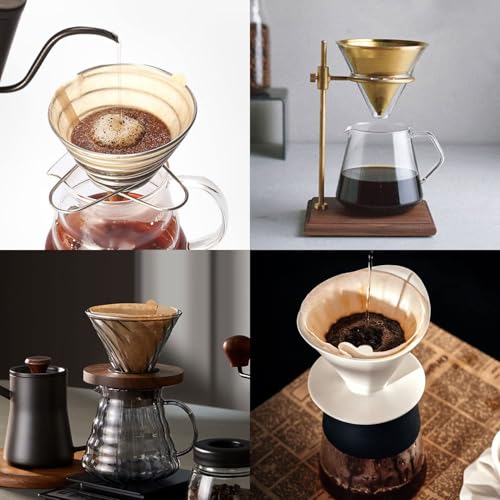

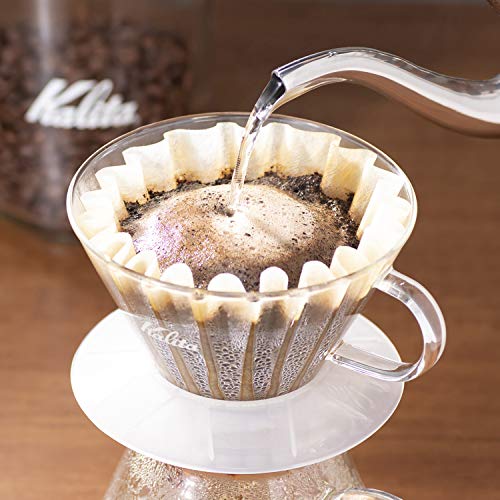
Kalita Wave 185 Paper Filters
Strengths
- Precision fit for Kalita 185
- Even extraction
- Thick, durable paper
Trade-offs
- Not compatible with other brewers
- Only for dedicated users
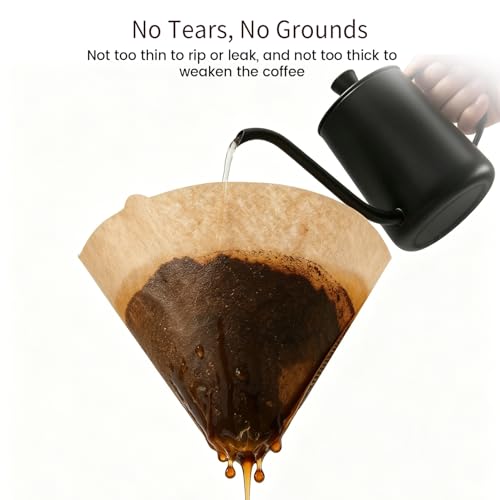
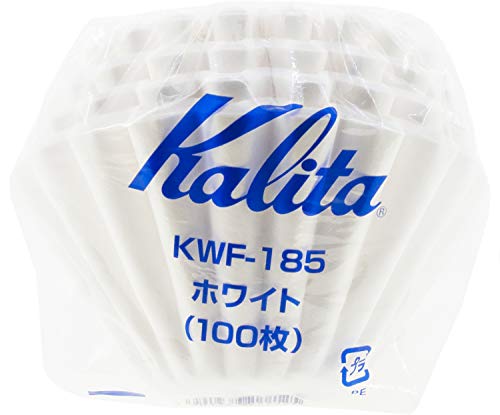
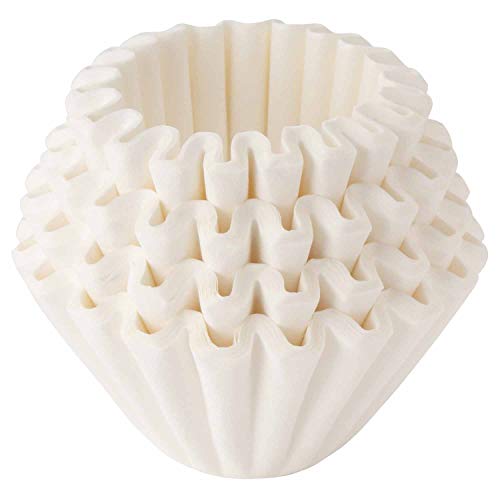
If you’re using a Kalita Wave 185 dripper, these are the only filters that make sense. The flat-bottom design depends on even contact and consistent flow, and these filters are engineered to deliver exactly that. The wave pattern isn’t just branding, it reduces surface adhesion and promotes uniform extraction, which reviewers consistently praise for eliminating channeling and harshness.
Made in Japan from thick, oxygen-bleached paper, they strike a balance between filtration and body. You get clarity without losing the richness that makes coffee satisfying. Compared to cone filters, the extraction is more forgiving, especially for beginners still dialing in their pour. The downside? They’re not interchangeable with other brewers, so this is a single-purpose buy, but for Kalita users, it’s essential.
Product photos

Bake Choice Pre-Folded Natural Filters

Strengths
- Pre-folded convenience
- Natural unbleached pulp
- Compostable and sustainable
Trade-offs
- Fit can be inconsistent
- Smaller pack size
These pre-folded filters stand out for one reason: they eliminate the folding step without sacrificing performance. That’s a win for anyone who loves pour over but doesn’t want to fuss with origami every morning. The Canadian pulp gives them a consistent thickness, and owners note fewer paper tastes compared to cheaper alternatives. They hold their shape well, even with medium pours, and the unbleached material keeps things clean-tasting.
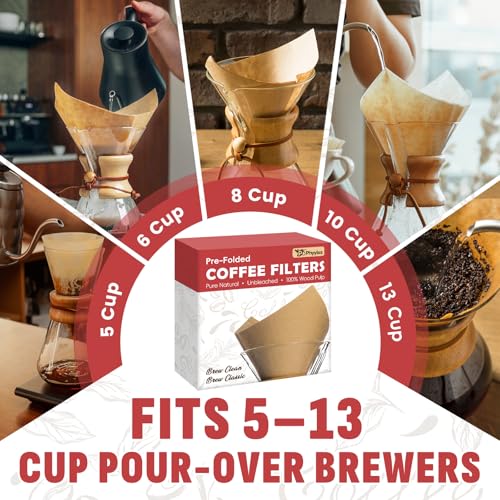
Where they fall short is sizing, they’re marketed as fitting 5-13 cup brewers, but some users report a loose fit in certain models, leading to slippage. Compared to Kalita or Hario, they’re less precise, but for casual brewers who value convenience and sustainability, that’s a fair compromise. The compostable, FSC-certified build makes them a solid eco-pick.
Product photos


Phyyixs Thick Pre-Folded Cone Filters
Strengths
- Thick pre-folded design
- Even extraction
- Eco-friendly materials
Trade-offs
- Generic sizing
- Less brand trust
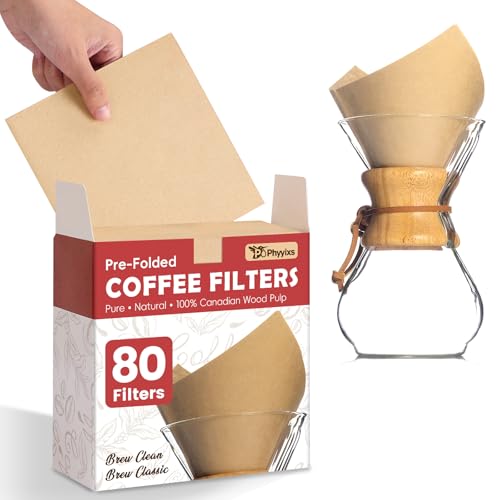
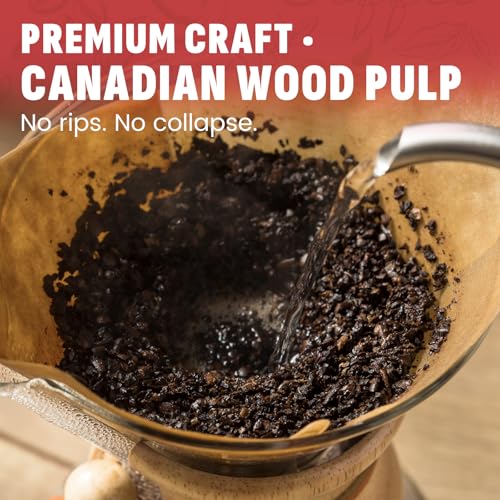
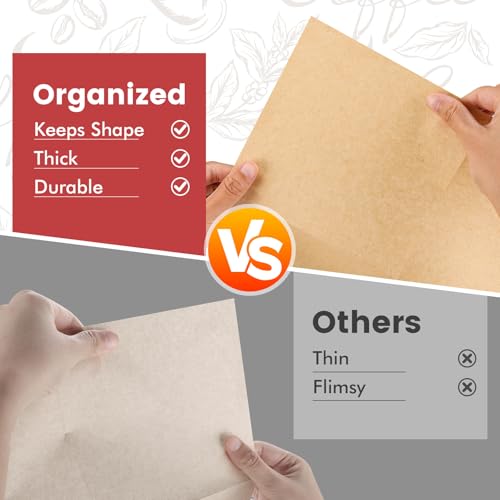
Phyyixs filters aim at the sweet spot between performance and ease, and they land close. The thick, long-fiber Canadian pulp gives them rigidity and even flow, which owners say results in a smooth, balanced cup with minimal bitterness. The pre-folded design is a time-saver, and unlike some generic brands, these hold their shape well even with heavier pours.
They’re unbleached and compostable, which checks the eco-box, and the 6-inch size fits most standard cone brewers. But while they’re versatile, they don’t excel in any one area, unlike Kalita or Chemex, which are purpose-built. For the price, they’re a strong all-rounder, but if you’re chasing a specific profile, clarity, body, or speed, there are better specialists.
Product photos

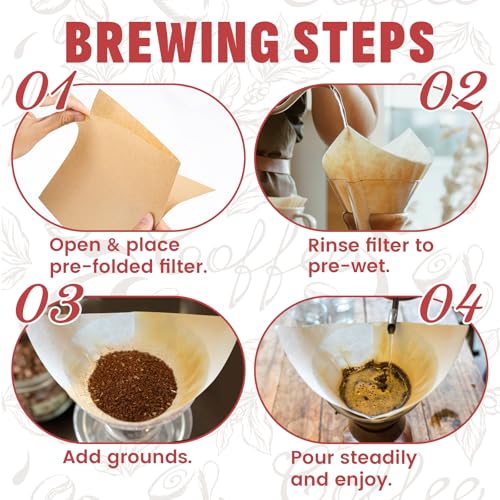
Our Testing Process
As the founder of Bean Thusiast, I’ve spent years exploring the nuances of coffee brewing, and a crucial component is often overlooked: the filter. Rather than a hands-on lab test, this selection is a research-led comparison of published specifications and owner feedback across numerous brands. We analyzed filter materials, construction, and reported impact on brew quality, weighing them against price and user experience. Our goal was to identify filters excelling in different brewing priorities.
For pour-over filters, the key factors are paper thickness and construction, and how those impact flavor clarity versus body. Thicker filters generally produce a cleaner cup by removing more oils, but can sometimes slow the flow rate too much. Conversely, thinner filters allow more oils through, resulting in a fuller-bodied brew. We also heavily weighted user reports on filter durability – bursting during brewing is a common complaint we aimed to avoid. Understanding the role of pour-over filters is key to a great cup.
Specifications reliably reveal filter size and material composition. However, judging subtle differences in flavor impact and flow rate required careful consideration of owner reviews. Positive feedback consistently highlighted filters that didn’t impart papery tastes and didn’t require pre-rinsing. We also looked for feedback regarding ease of use, particularly with pre-folded options, and considered reputation – brands with a history of quality in the coffee world were given additional weight. Learning about manual brewing filter use will help you determine what’s best for you.
What To Look For In coffee filters for pour over
Finding the right coffee filter is surprisingly crucial for a great cup. It’s not just about holding grounds; it impacts flavor, body, and even brew time.
A quality coffee filter should offer consistent flow rate, minimal flavor contribution, and reliable construction. Look for filters made from good pulp, with even density and crimping to prevent bursts. Consider compostability and whether pre-folded options suit your routine. Material thickness and pore size are key indicators of filtration quality.
Filter Material and Thickness
I often tell people that the paper a filter is made from matters a lot. Thinner filters, like some of the cheaper options, can impart a papery taste and may tear during brewing, especially with larger batches or coarser grinds. Look for filters described as “long-fiber” – these generally indicate a higher quality pulp that’s less likely to break down. The thicker the filter, the more it will slow down the brew, potentially leading to a fuller-bodied cup. However, too thick and you risk stalling the brew altogether. Exploring the nuances of white vs brown filters can also reveal important differences in taste and sustainability.
Filter Shape and Size
The shape of your filter needs to match your pour-over device. Cone-shaped filters (like those for Hario V60 or Kalita Wave) come in various sizes (01, 02, 185, etc.). Using the wrong size results in poor extraction and potential overflows. Square filters, like Chemex uses, are a different beast entirely and require a specific folding technique. Beyond the basic shape, the construction can vary. Some filters feature a ripple design, intended to create space between the filter and the brewer for better airflow. Others, like the Kalita Wave, have a flat-bottomed design, which promotes a more even coffee bed.
Here’s what I suggest when considering filter size: * Check your brewer’s specifications first. It’s the most reliable information. * Consider brew volume. A larger filter can handle a larger volume of coffee, but be mindful of flow rate. * Don’t assume “one size fits all.” Even within cone filters, subtle differences can affect the brew.
Value and Convenience Features
While flavor is paramount, convenience plays a role, too. Pre-folded filters, like those from Bake Choice or Phyyixs, save time and are great for a quick morning brew. However, they typically cost more. Unbleached filters are often preferred for those seeking a more natural and environmentally friendly option. If you’re looking at a variety of options, checking out top-rated coffee filters is a good place to start.
A good rule of thumb: if you’re consistently getting a muddy or bitter cup, try a thicker filter or a different brand. It’s often the simplest solution.
Coffee Filters for Pour Over Compared
Here’s a comparison of specifications for various pour-over coffee filters to help you choose the right one.
| Product Title | Capacity (Cups) | Material | Pre-Folded | Bleached | Pack Size | Shape |
|---|---|---|---|---|---|---|
| Melitta #4 Unbleached Premium Filters | 8-12 | Paper | No | No | N/A | Cone |
| Hario V60 Size 02 Filters 200ct | 1-4 | Natural Paper | No | No | 200 | Cone |
| Chemex Bonded Natural Square Filters | N/A | Natural Paper | No | No | N/A | Square |
| Clinuse V-Shaped Unbleached Filters 200ct | 2-4 | Wood Pulp | No | No | 200 | V-Shaped |
| Kalita Wave 185 Paper Filters | N/A | Premium Paper | No | Yes | N/A | Wave |
| Bake Choice Pre-Folded Natural Filters | 5-13 | Canadian Pulp | Yes | No | N/A | Cone |
| Phyyixs Thick Pre-Folded Cone Filters | 5-13 | Long-Fiber Pulp | Yes | No | N/A | Cone |
Frequently Asked Questions
What filter material offers the best flavor clarity?
Natural paper filters, like those used in Hario V60s, generally deliver the cleanest cup because they trap more coffee oils and sediment. However, some find that bleached filters can sometimes impart a slight papery taste, so exploring best paper pour-over filters is a good idea.
Can I reuse a pour-over filter?
No, I don’t recommend reusing pour-over filters. They are designed for single use to prevent a buildup of coffee oils that can cause a rancid taste in subsequent brews, and the structural integrity weakens after wetting.
What does filter thickness have to do with brew time?
Thicker filters slow down the flow rate of water through the coffee grounds. This increased contact time can lead to a more full-bodied brew, but excessively thick filters can cause stalling, while thinner filters produce a faster, potentially less-bodied brew.
Are pre-folded filters worth the extra cost?
Pre-folded filters offer convenience, saving you time during your morning routine. While they are typically more expensive, the time saved may be valuable for some, and they are particularly helpful for those who want to consistently achieve a clean, well-formed filter shape.
What’s the difference between bleached and unbleached filters, and which should I choose?
Bleached filters undergo a chlorine process to achieve their white color, while unbleached filters retain their natural brown hue. Many coffee enthusiasts prefer top unbleached coffee filters because they avoid potential chemical residues, though modern bleaching processes are considered safe for consumption.
The Bottom Line
Choosing a coffee filter often comes down to balancing control over the brewing process with convenience. While a dedicated enthusiast might prefer the precision of unbleached filters like the Hario V60 Size 02 Filters 200ct, allowing for maximum control over flavor, the Bake Choice Pre-Folded Natural Filters offer a fantastic balance of quality and ease of use for everyday brewing. Ultimately, the “best” filter is the one that consistently delivers a cup you enjoy.
For those seeking a budget-friendly option without sacrificing too much quality, the Melitta #4 Unbleached Premium Filters remain a solid choice. If versatility is key, and you brew across different pour-over devices, the Phyyixs Thick Pre-Folded Cone Filters accommodate a wide range of volumes. Understanding bleached vs unbleached filters is a good starting point for finding the right filter for your preferences.
Beyond material and shape, remember that freshness and grind consistency matter far more than any filter specification. A high-quality filter won’t rescue stale beans or compensate for an uneven grind. Focus on sourcing excellent coffee, grinding fresh just before brewing, and mastering your pour-over technique – those fundamentals will yield the biggest improvements in your daily cup.
