
7 Best Coffee Beans by Country (2026 Guide)
The best coffee beans come from Colombia and Ethiopia, with the Amazon Fresh Colombia Medium Roast standing out for its balanced flavor and value, while the Mayorga Organic Mayan Blend offers a versatile, ethically sourced option from Mexico, Honduras, and Guatemala.
Choosing coffee beans isn’t just about the country, but how that origin’s natural characteristics align with your taste. A bean from Ethiopia will taste nothing like one from Peru, and freshness, roast level, and bean type all shape the final cup.
As the founder of Bean Thusiast, I compared origin profiles, roast consistency, and owner feedback to spotlight options that deliver on flavor and quality. This guide helps you understand what each growing region offers and how to pick a bean that suits your brew method and palate.
Top 7 Coffee Beans From Which Country in the Market
The Best Coffee Beans From Which Country, Reviewed
Amazon Fresh Colombia Medium Roast
Strengths
- Large 32 oz bag
- Balanced body
- Versatile brew
Trade-offs
- Not certified organic
- No origin farm details
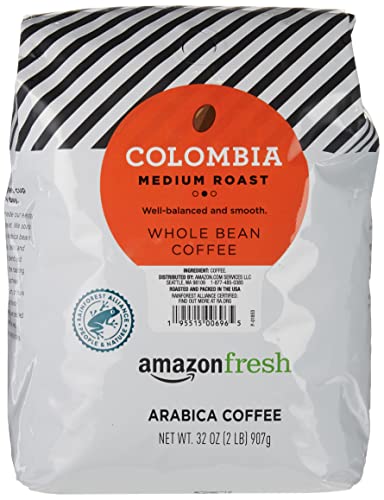
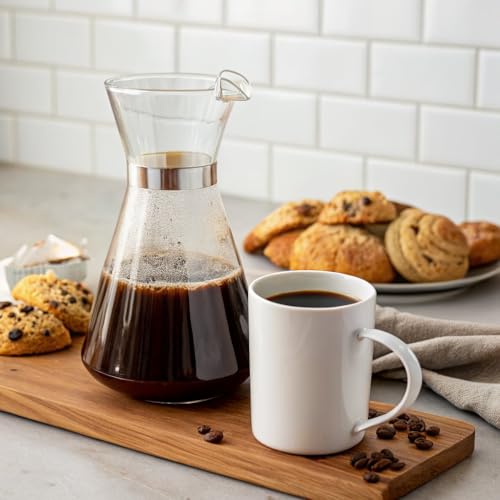
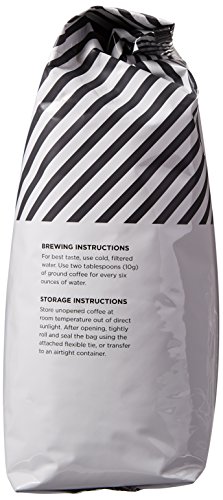
Let’s be honest, when someone asks for the best overall coffee bean from a single country, Colombia always comes up. And this Amazon Fresh version makes a strong case for why. At 32 ounces, it’s built for regular use, and the 100% Arabica beans deliver a balanced, full-bodied cup that works across brewing methods. Owners praise its smoothness and consistency, calling it a “set it and forget it” favorite for daily drinking.
Compared to other Colombian roasts in this category, it doesn’t shout for attention, but it doesn’t need to. It’s well-roasted, well-sourced, and priced accessibly. There’s no Fair Trade or organic label here, but the quality punches above its weight. For most buyers, this is the easy pick when you want dependable origin character without overthinking it.
Product photos



Amazon Fresh Organic Peru Medium Roast

Strengths
- Fair Trade certified
- USDA Organic
- Smooth finish
Trade-offs
- Small bag size
- Limited flavor depth
If certification credibility matters, organic, Fair Trade, USDA, this Peru-sourced offering from Amazon Fresh delivers exactly what it promises. It’s a straightforward medium roast from 100% Arabica beans grown in the Andean highlands, and owners consistently report a clean, fragrant cup with a gentle finish. The 12-ounce bag size keeps it fresh for casual drinkers, though heavy users will wish it came bigger.
Compared to the larger Mt. Comfort Peru roast, this one leans simpler in flavor and yield, but holds its own in ethical sourcing. It won’t wow you with complexity, but it’s dependable, like a well-made baseline for what good Peruvian coffee should taste like. For those building a routine around values as much as taste, this is a solid anchor.
Product photos


Mt. Comfort Organic Peru Medium Roast
Strengths
- Large 2.5 lb bag
- Organic certified
- Budget-friendly
Trade-offs
- Packaging not vacuum-sealed
- Flavor less intense than specialty roasts
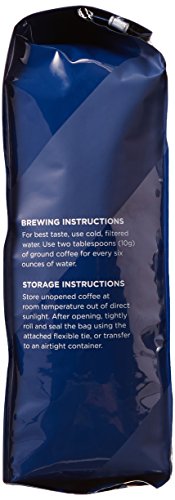
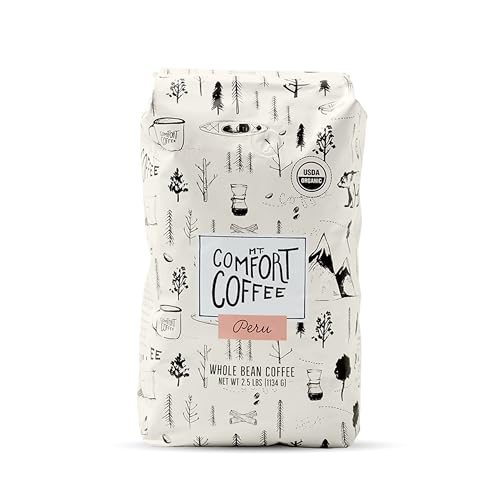
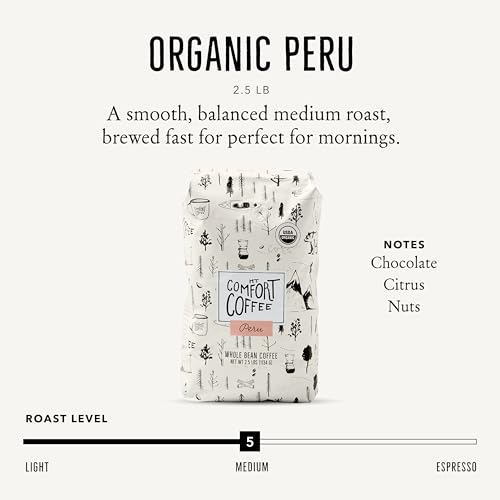
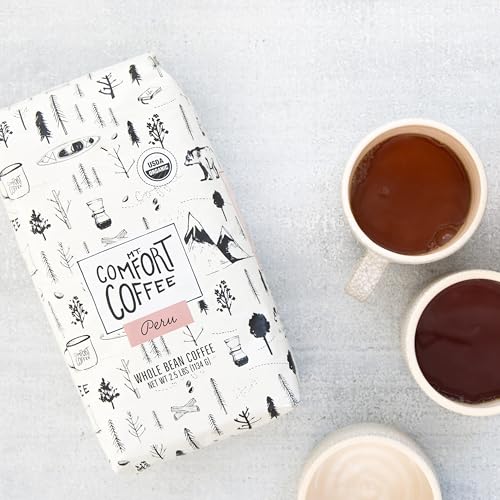
Need a big bag of coffee that doesn’t break the bank but still tastes good? This 2.5-pound organic Peru roast from Mt. Comfort is built for volume drinkers who refuse to settle for stale supermarket beans. It’s certified organic, sourced from small Peruvian farms, and roasted in small batches, a combo that owners say delivers surprising freshness and flavor clarity for the price.
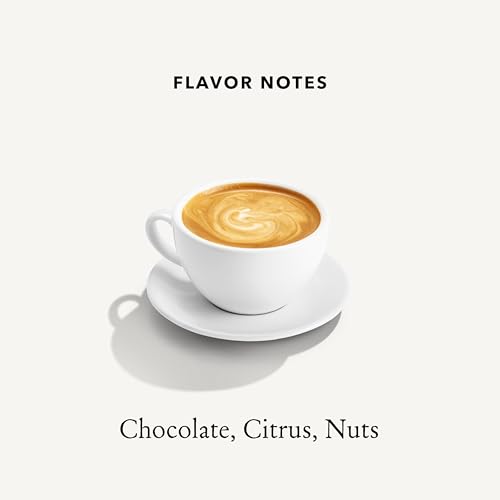
The nutty, chocolate, and citrus notes make it more interesting than a generic budget roast, and its versatility across drip, pour-over, and French press means it adapts to your routine. Compared to the smaller Amazon Fresh Peru option, this one wins on value and yield. For offices or big households, it’s the smarter long-term play.
Product photos
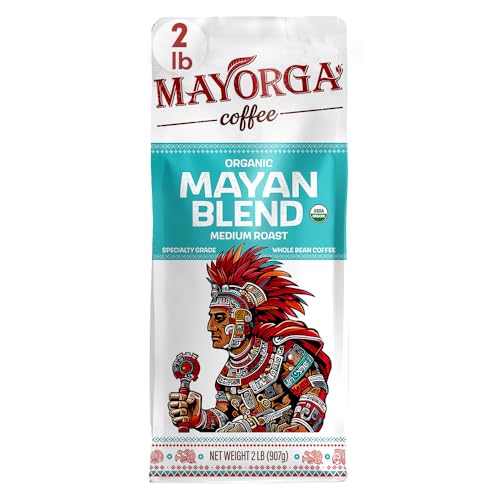
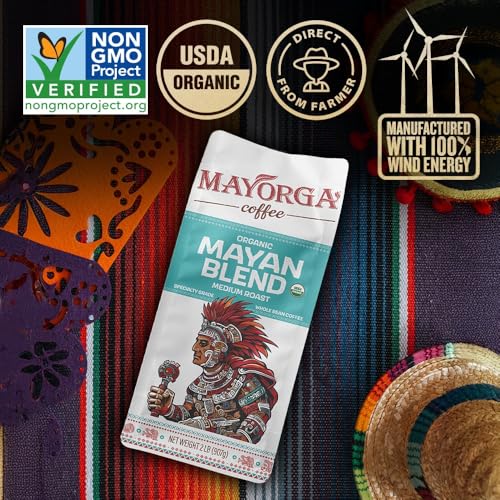
Mayorga Organic Mayan Blend Medium Roast
Strengths
- Low acidity
- Chocolate and floral notes
- USDA Organic
Trade-offs
- Not a single-origin
- Mild flavor may disappoint bold roast lovers
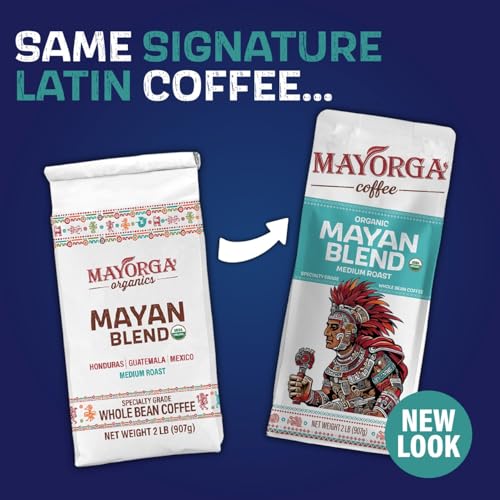
When you’re chasing that rare balance between chocolate depth and floral brightness, the Mayan Blend from Mayorga stands out on paper and in owner feedback. It’s a medium roast with low acidity, which makes it smooth enough for sensitive palates, yet complex enough to keep seasoned drinkers interested. Sourced from Mexico, Honduras, and Guatemala, this blend uses Central American terroir while using a Latin slow-roasting technique that reviewers say enhances aroma and body without scorching delicate notes.
The commitment to organic, non-GMO, and Kosher standards adds ethical weight, and the fact that it’s part of Mayorga’s direct-trade model with small Latin farmers resonates with buyers who care about sourcing. Compared to single-origin options, this blend sacrifices some regional distinctiveness, but gains in consistency and approachability.
Product photos

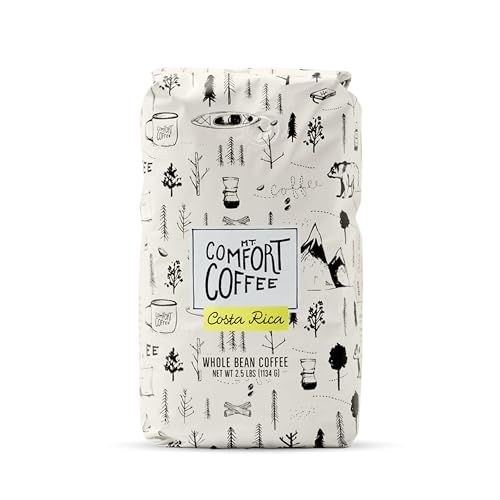
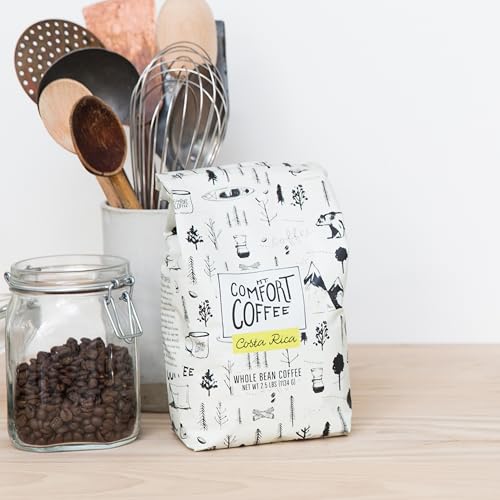
Mt. Comfort Costa Rica Medium Roast
Strengths
- Single-origin Costa Rican
- High-altitude beans
- Citrus and chocolate notes
Trade-offs
- No organic certification
- Limited roast options
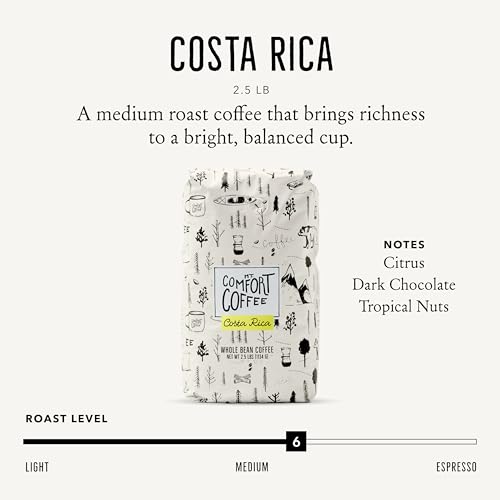
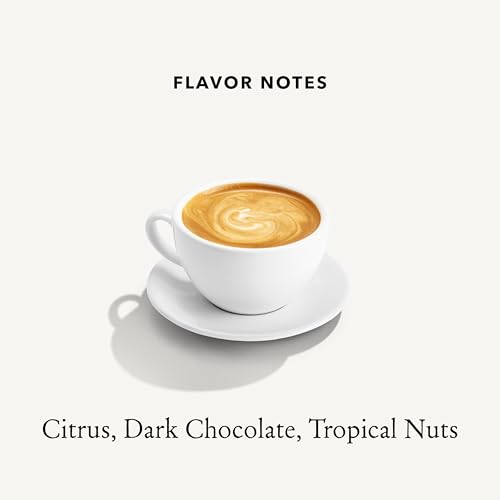
Costa Rican coffee has a reputation for clarity and brightness, and this Mt. Comfort roast lives up to it. Grown at high altitudes, the beans develop slowly, resulting in a complex, well-balanced cup with notes of dark chocolate, citrus, and tropical nuts. Owners highlight its clean finish and versatility, saying it shines across pour-over, French press, and even espresso.
What sets it apart from other Central American options is the 2.5 lb resealable bag, which keeps freshness locked in longer than most competitors. Compared to Mayorga’s blends, this one offers more distinct terroir expression. If you want to taste what a single-origin from this region can do, this is the most compelling option here.
Product photos

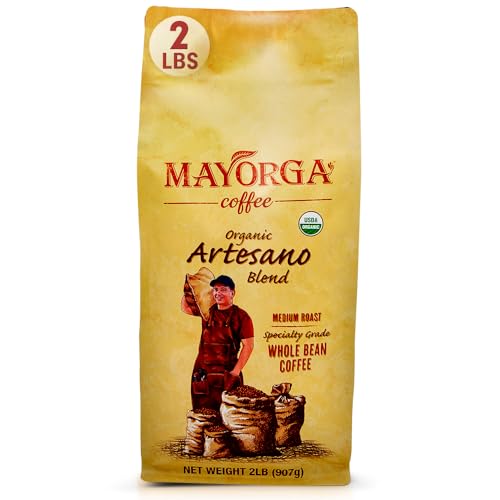
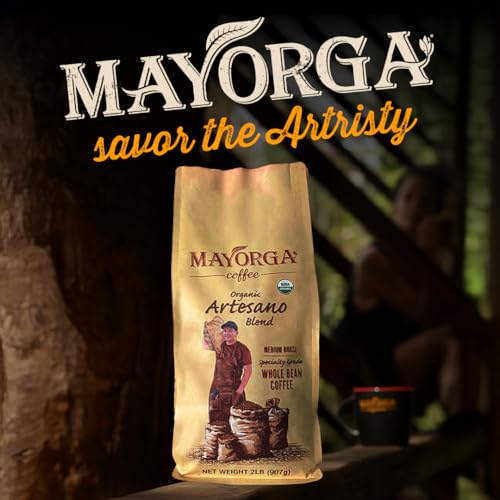
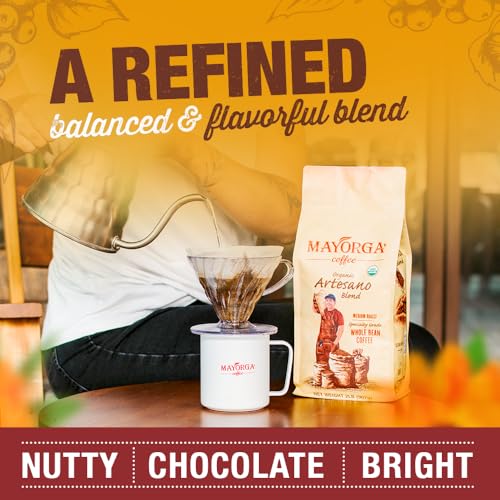
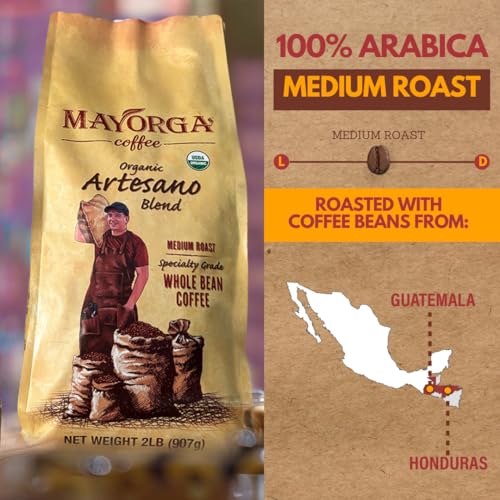
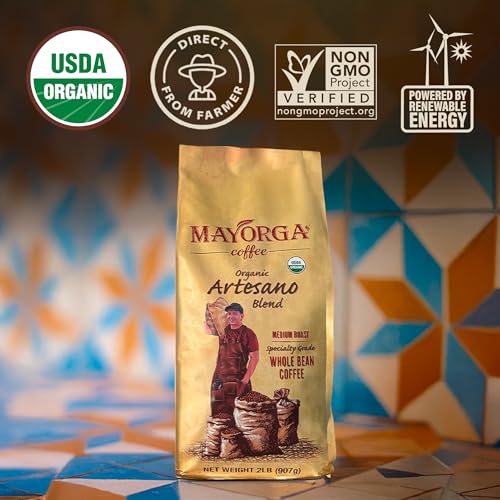
Mayorga Organic Artesano Blend Medium Roast
Strengths
- Nutty and chocolate notes
- Low acidity
- Sustainably sourced
Trade-offs
- Not bold or intense
- Limited origin transparency
I’ve seen a lot of blends try to nail that chocolate-nut combo, but the Artesano Blend actually pulls it off, on paper and according to long-term owners. It’s another Mayorga staple with their signature Latin slow-roast method, yielding a medium roast that’s low in acidity but high in comfort. The sourcing focuses on Honduras and Guatemala, and while it’s not single-origin, the consistency in flavor is impressive across batches.
Where it edges out the Mayan Blend for some is in its nutty warmth, which makes it feel more like a morning coffee, cozy, familiar, with a bright finish that keeps it from feeling flat. If you’re tired of overly floral or fruity profiles and just want something grounded and satisfying, this is a smarter buy than flashier competitors.
Product photos
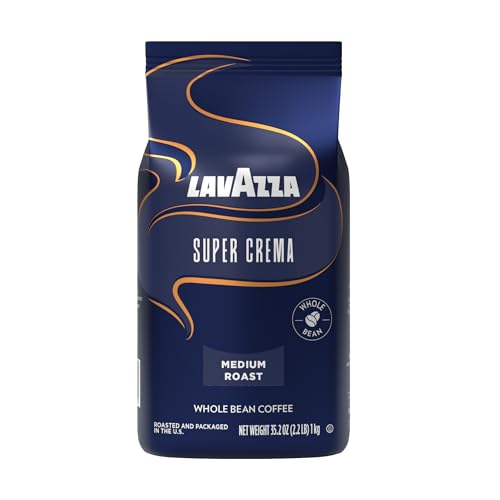
Lavazza Super Crema Medium Espresso Roast
Strengths
- Rich crema
- Creamy finish
- Excellent for espresso
Trade-offs
- Contains Robusta
- Less origin character
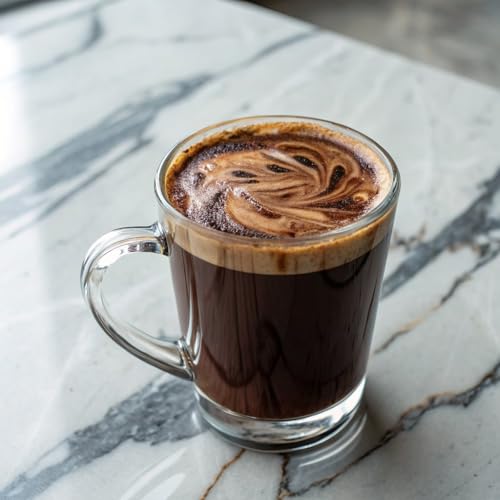
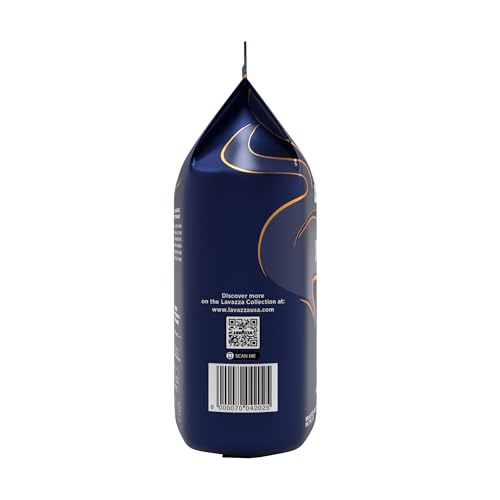
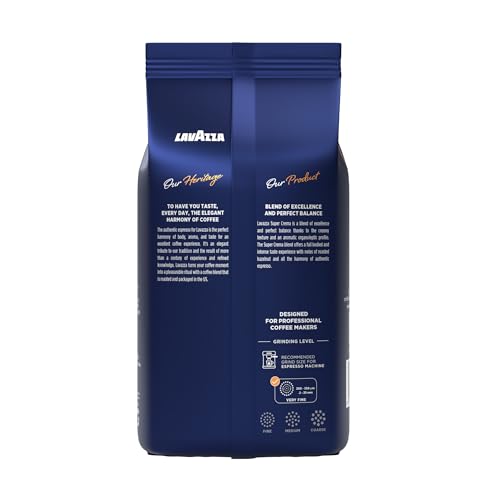
Espresso lovers, this one’s tuned for you. Lavazza Super Crema is a blend of Arabica and Robusta beans from 15 countries, engineered for crema, body, and a creamy finish. The medium espresso roast is designed to pull thick, sweet shots, exactly what owners say they get when using it in home machines. It’s not a single-origin story; it’s a performance roast.
While purists might scoff at Robusta inclusion, it’s part of what gives Super Crema its bold texture and stability under pressure. Compared to 100% Arabica espresso blends, it’s less acidic and more forgiving in lower-end machines. If your goal is café-style espresso at home without fussy brewing tweaks, this blend has real utility.
Product photos


How We Picked These coffee beans from which country
As the founder of Bean Thusiast, I approached this guide by first compiling specifications – roast level, bean type (Arabica vs. Robusta), certifications (Organic, Fair Trade) – from each offering. I then weighed owner reviews across multiple platforms, focusing on consistent feedback regarding flavor profiles and freshness. Finally, I applied my understanding of coffee-growing regions and roasting techniques to assess how well each bean lived up to its stated characteristics and price point. Rather than a hands-on lab test, this is a research-led comparison.
For this category, the most important factors were origin and roast profile. The country of origin significantly impacts the bean’s inherent flavor characteristics – a Peruvian bean will naturally have a different profile than a Costa Rican one. Roast level then determines how those inherent flavors are developed and expressed. A well-executed medium roast, for example, aims to balance acidity and body, which is a common preference for everyday drinking. Understanding the top coffee growing regions is crucial here.
Specifications reliably indicate bean composition (100% Arabica is generally favored for its smoother flavor) and certifications, offering transparency about farming practices. However, nuanced flavor descriptions – chocolatey, floral, nutty – were heavily influenced by owner feedback. Reputations around roasting consistency and freshness, particularly for smaller brands like Mayorga, also played a key role in our ranking. It’s worth remembering that even within a single country, microclimates affect bean quality; a look at Brazil coffee production shows the scale of variability.
Choosing The Right coffee beans from which country
Finding the right coffee beans can feel overwhelming, but a little knowledge goes a long way toward a better cup.
A truly excellent coffee bean delivers a complex, balanced flavor profile reflecting its origin and processing. Key characteristics include bean density (affecting roast development), moisture content (impacting freshness), and freedom from defects. Look for whole bean options, roasted recently, and sourced from regions known for quality Arabica production.
Origin & Regional Flavor Profiles
The country a coffee bean comes from profoundly impacts its taste. While personal preference rules, understanding these differences is key. Many people start with Central American beans – Colombia, Costa Rica, and Peru consistently offer approachable profiles. If you’re seeking something brighter and more floral, explore Ethiopian options. Those who prefer something bolder might investigate Sumatran coffees. Don’t be afraid to branch out, though; even within a single country, microclimates and processing methods create huge variety. Speaking of variety, if you’re interested in learning more about the specific regions, exploring Brazil coffee regions is a good starting point.
Roast Level & Bean Type
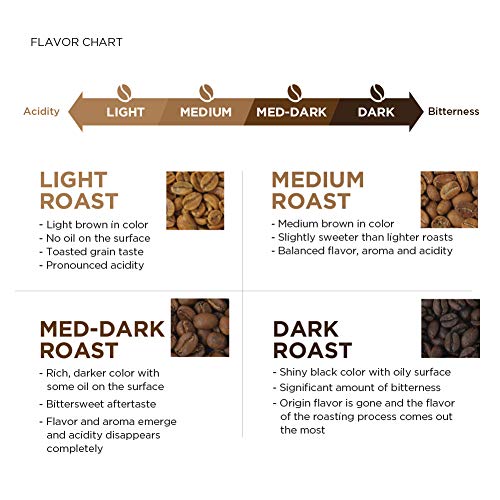
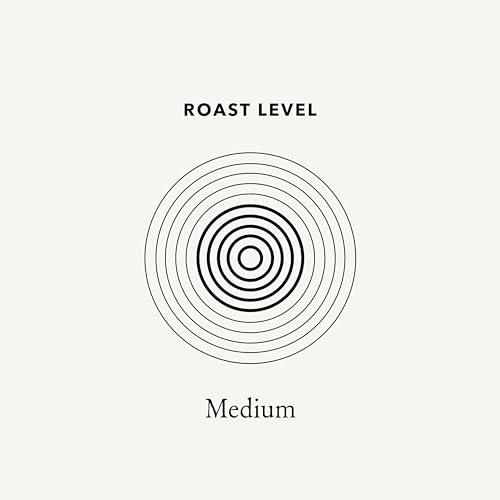
Most of the beans we discuss are 100% Arabica, which is known for its nuanced flavors and lower acidity. However, you’ll also find blends containing Robusta, which adds body and caffeine. Roast level is equally important. A light roast preserves more of the bean’s origin characteristics, resulting in brighter, more acidic flavors. Medium roasts offer a balance of acidity and body, and are generally the most versatile. Dark roasts develop bolder, more bittersweet flavors, but can mask the bean’s origin.
Here’s what to consider when deciding on roast level: * Light Roast: Best for highlighting delicate floral or fruity notes. * Medium Roast: A safe bet if you appreciate a balanced cup without extreme flavors. * Dark Roast: Ideal if you prefer a bold, robust flavor – often used in espresso blends.
Freshness & Processing Methods
Freshness is paramount. Coffee stales quickly after roasting, losing aroma and flavor. Look for a roast date on the bag, not just a “best by” date. Aim to use beans within a few weeks of roasting. Beyond that, processing methods also matter. Washed coffees generally produce cleaner, brighter flavors, while natural (dry-processed) coffees tend to be fruitier and more complex. Honey processed coffees fall somewhere in between. Understanding where Arabica coffee origins lie is also helpful when considering the processing methods used.
A good rule of thumb: buy smaller quantities of beans more frequently, and store them in an airtight container away from light, heat, and moisture.
Coffee Beans From Which Country Compared
Here’s a comparison of coffee beans based on their country of origin and key specifications.
| Product Title | Origin | Roast | Organic | Bag Size (oz) | Blend |
|---|---|---|---|---|---|
| Amazon Fresh Colombia Medium Roast | Colombia | Medium | No | 32 | Arabica |
| Amazon Fresh Organic Peru Medium Roast | Peru | Medium | Yes | 12 | Arabica |
| Mt. Comfort Organic Peru Medium Roast | Peru | Medium | Yes | N/A | N/A |
| Mayorga Organic Mayan Blend Medium Roast | Mexico/Honduras/Guatemala | Medium | Yes | N/A | Arabica |
| Mt. Comfort Costa Rica Medium Roast | Costa Rica | Medium | No | N/A | N/A |
| Mayorga Organic Artesano Blend Medium Roast | Honduras/Guatemala | Medium | Yes | N/A | Arabica |
| Lavazza Super Crema Medium Espresso Roast | Multiple | Medium | No | N/A | Arabica/Robusta |
Frequently Asked Questions
What roast level best preserves a bean’s origin flavor?
A light roast is best, as it minimizes the impact of the roasting process and allows the inherent characteristics of the bean, its acidity, floral notes, and subtle flavors, to shine through. Darker roasts tend to create a more uniform, smoky flavor that overshadows the origin.
Are coffee beans with a “best by” date still fresh?
No, a “best by” date isn’t a reliable indicator of freshness. Look for a roast date instead; ideally, you want to consume whole bean coffee within a few weeks of that date for optimal flavor.
What’s the difference between washed and natural processed coffee?
Washed coffees are typically cleaner and brighter in flavor due to the removal of the fruit pulp before drying, while natural processed coffees retain the fruit pulp during drying, resulting in a fruitier, more complex cup.
Is 100% Arabica coffee always superior to blends with Robusta?
Not necessarily. While 100% Arabica is often preferred for its smoother, more nuanced flavor, Robusta adds body and caffeine. Blends including Robusta can be excellent, especially for espresso, and are often more economical.
Where can I find detailed information on the flavor profiles of Ethiopian coffee beans?
You can find detailed information on the distinct flavor profiles of Ethiopian coffee beans on my site, where I discuss the impact of region and processing on the final cup flavor profiles of Ethiopian beans.
The Bottom Line
Choosing coffee beans ultimately comes down to balancing control over flavor with the convenience of a consistent experience. While endless options exist, I believe the Amazon Fresh Colombia Medium Roast strikes the best overall balance of quality, accessibility, and price for most coffee drinkers. It’s a reliable daily drinker that showcases the classic Colombian profile without requiring a deep explore specialty coffee.
For those prioritizing specific needs, we have strong recommendations elsewhere. If budget is your primary concern, the Amazon Fresh Organic Peru Medium Roast delivers certified organic beans at an exceptional value. And for those who appreciate a complex, ethically sourced blend, the Mayorga Organic Mayan Blend Medium Roast offers a versatile and flavorful experience. Understanding that Brazil coffee production dominance speaks to a consistent quality is a helpful consideration, too.
Ultimately, the “best” coffee is the one you enjoy most. Don’t get too caught up in chasing specific scores or obscure origins. Focus instead on freshness, whole bean format, and a roast level that suits your brewing method and palate. A little exploration will help you discover your personal preferences and enjoy the rich world of coffee.
