
6 Best Ethiopian Coffee Beans of 2026
The best Ethiopian coffee beans deliver bright, floral complexity, and after comparing the field, the Fresh Roasted Organic Yirgacheffe stands out for its vibrant citrus and tea-like clarity. For a budget-friendly bulk option, Coffee Bean Direct Yirgacheffe offers solid flavor in 5-pound bags, while the GROUNDWORK Ethiopia Heirloom Blend brings balanced versatility across brew methods.
Most people want that signature Ethiopian brightness, floral lift, juicy acidity, distinct fruit notes, but end up with beans that are stale, poorly roasted, or lack transparency. It’s frustrating when a bag promises Yirgacheffe elegance but tastes flat or generic.
I researched these picks by analyzing roast dates, processing methods, sourcing details, and owner feedback across hundreds of reviews. This guide cuts through the noise, focusing on what actually matters: freshness, origin clarity, and flavor integrity. You’ll find options that highlight Ethiopia’s range, from zesty washed lots to bold natural-processed lots, all from roasters I trust based on consistency and transparency.
Top 6 Ethiopian Coffee Beans in the Market
The Best Ethiopian Coffee Beans, Reviewed
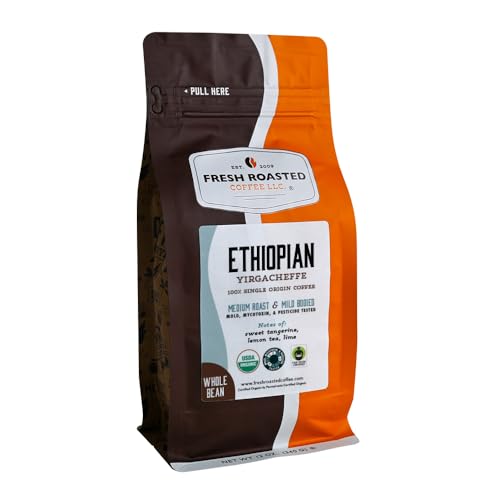
Fresh Roasted Organic Ethiopian Yirgacheffe
Strengths
- Vibrant citrus notes
- Toxin-free tested
- Versatile brew compatibility
Trade-offs
- Smaller 12 oz bag
- Higher cost per ounce
- Limited availability
This one keeps coming up in forums and reviews as a balanced standout, sweet tangerine, lime zest, and a clean lemon-tea finish all shine through a well-executed light roast. It’s USDA Organic, Kosher, and tested for mold and pesticides, which builds trust without overselling. For many owners, it hits the sweet spot: complex enough for pour-over lovers, yet clean and consistent for daily drip.
Compared to others in the category, it doesn’t overpromise. It delivers what a great Yirgacheffe should: aromatic lift, juicy acidity, and a finish that invites the next sip. It’s not the cheapest, but it’s the kind of coffee that earns repeat orders because it rarely disappoints.
Video review
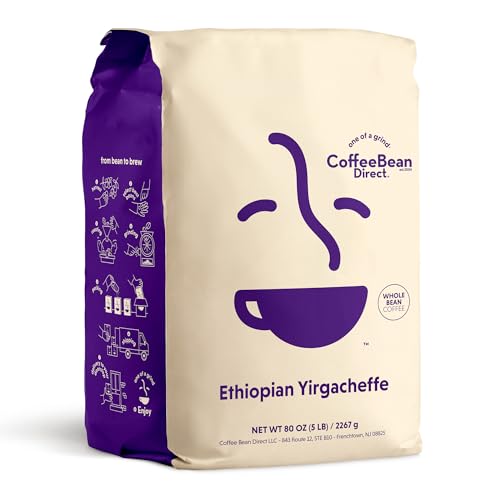
Coffee Bean Direct Ethiopian Yirgacheffe
Strengths
- Bright citrus notes
- True single origin
- Great bulk value
Trade-offs
- Large bag risks staleness
- Inconsistent grind results
This 5-pound bag is a no-brainer if you go through coffee fast or want to stretch your dollar without sacrificing quality. The light roast does its job, preserving those classic Yirgacheffe traits like citrus brightness, floral lift, and a clean, wine-like finish. On paper and in owner reports, it delivers what fans of Ethiopian beans crave: a lively, aromatic cup with enough complexity to impress, especially for the price.
The fact that it comes in a 5-lb bulk bag means you’ll need to be vigilant about storage. Once opened, freshness depends heavily on how well you seal it and how quickly you go through it. But for home brewers who use pour-over or French press daily, this is a solid workhorse bean with origin character that doesn’t fade into the background.
Video review
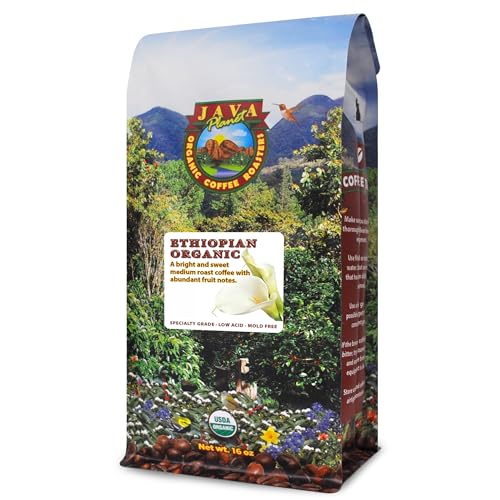
Java Planet Low Acid Organic Ethiopian
Strengths
- Low acidity
- Certified organic
- Fair Trade verified
Trade-offs
- Muted brightness
- Less vibrant than light roasts
- Occasional roast inconsistency
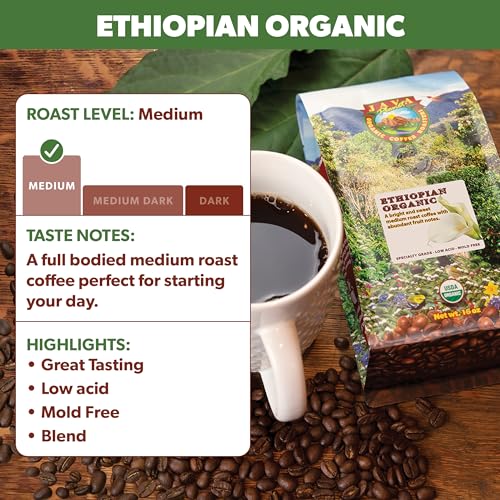
Java Planet targets a specific but growing group: people who love bright, fruity coffees but can’t handle the acid. Their medium roast Ethiopian is mold-free, third-party tested, and designed to be gentle on the stomach while still offering fruit-forward depth. The natural processing method enhances those sweet, winey tones without harsh edges.
It’s not a wild, explosive Yirgacheffe, it’s more rounded, almost approachable. That makes it a smart pick for sensitive stomachs, though some purists might say it plays it too safe. Still, the dual organic and Fair Trade certifications add real value for buyers who care about sourcing as much as sipping.
Product photos



illy Arabica Selections Ethiopia
Strengths
- Pressurized freshness can
- Smooth jasmine aroma
- Consistent roast quality
Trade-offs
- Less fruit intensity
- Higher price for size
- Not bold or acidic
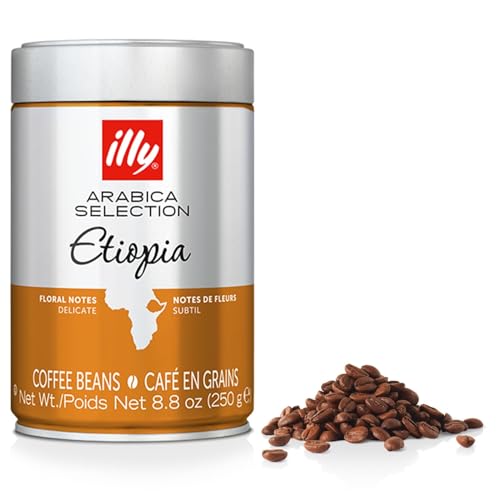
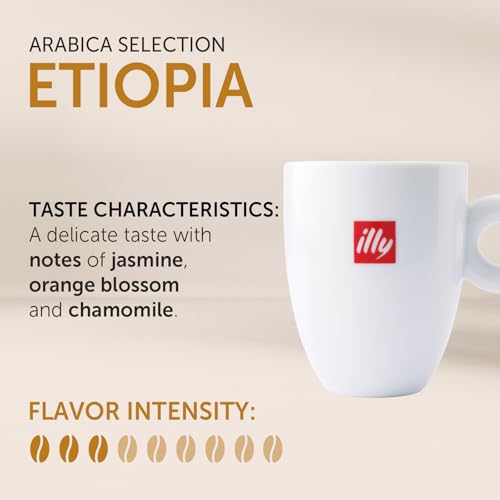
Illy doesn’t do wild and funky, and that’s fine. Their Ethiopia selection is a polished, jasmine-forward light roast in a pressurized can that locks in freshness. It’s not the most adventurous Yirgacheffe, but it’s consistent, elegant, and unmistakably refined. If you want a sip of Ethiopia without the unpredictability of small-batch roasters, this is your safety net.
The 8.8 oz can is convenient, but once opened, you’re on the clock. And while the flavor is pleasant, some owners note it lacks the juicy punch of freshly roasted small-lot beans. Still, illy’s roasting precision and global reputation make this a reliable guest at any coffee table.
Product photos


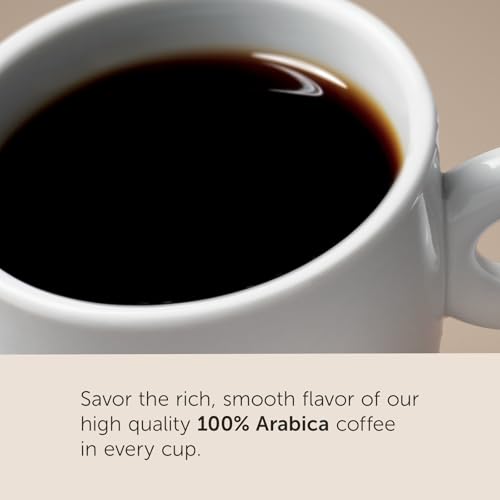
GROUNDWORK Ethiopia Heirloom Blend

Strengths
- Dual-process blend
- Carbon-conscious brand
- Organic and Kosher
Trade-offs
- Chocolate note divides purists
- Limited origin transparency
- Short roast window
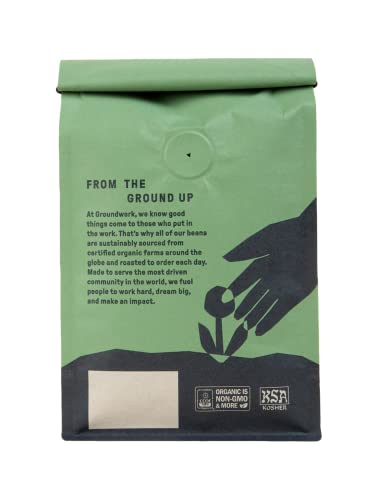
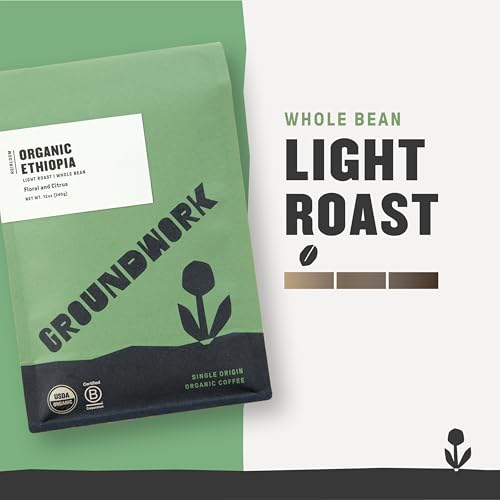
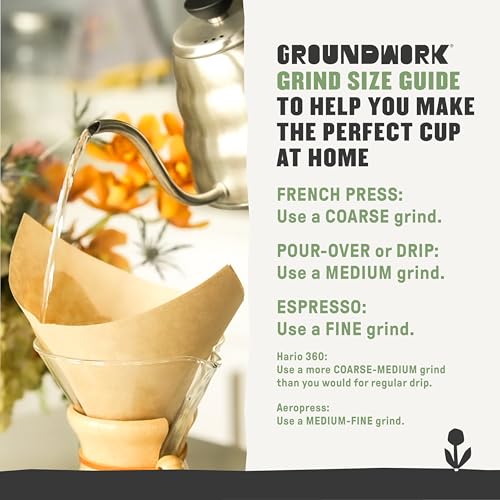
Groundwork leans hard into ethics and sustainability, and it shows. This USDA Organic, Directly Traded Ethiopian bean blends washed and natural process lots, giving it an unusual depth, citrus and dark fruit up front, then a surprise whisper of milk chocolate on the back end. That complexity is rare in entry-level specialty bags.
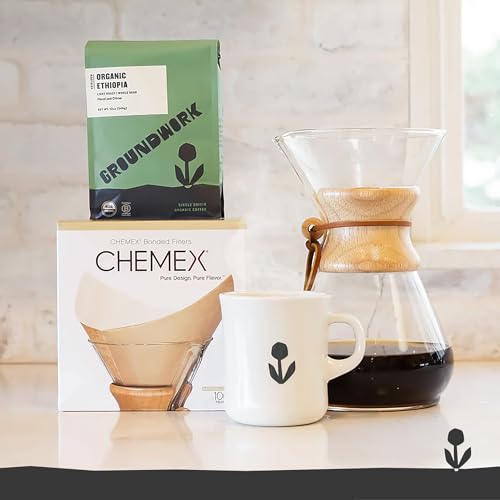
Owners praise its balance and smoothness, especially for drip or Aeropress. It’s not the most explosive Yirgacheffe, but it’s one of the most responsible. If you care about carbon footprint and ethical sourcing as much as flavor, this one stands out in a crowded field.
Product photos

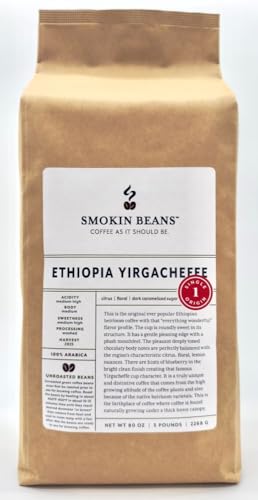
Ethiopia Yirgacheffe Unroasted Green Beans
Strengths
- Premium heirloom varietal
- High elevation origin
- Ideal for home roasting
Trade-offs
- Requires roasting equipment
- Not beginner-friendly
- Shorter shelf life post-roast
If you roast your own beans, this green lot from Ethiopia is a gem. Grown at high altitude and processed using washed and sun-dried methods, it promises juicy blueberry, lemony brightness, and a clean cup, exactly what you’d expect from heirloom Yirgacheffe stock. Owners who’ve roasted this at home often report high reward for the effort, with floral and fruity notes emerging beautifully under careful roasting.
This isn’t for beginners in brewing, let alone roasting. You’re buying raw potential here, and how it turns out depends on your equipment and skill. But for hobbyists who treat coffee like a craft project, these green beans offer a rare chance to control the entire journey from raw seed to final cup.
Product photos
How We Picked These ethiopian coffee beans
As the founder of Bean Thusiast, I approached researching Ethiopian coffee beans by focusing on a research-led comparison of published specifications, owner reviews, and expert opinions. Rather than a hands-on lab test of each bean, I compiled data on flavor profiles, certifications (like Fair Trade and Organic), roast levels, and sourcing information. I then weighed this against what current owners are saying about taste, aroma, and overall satisfaction, alongside reviews from trusted coffee publications.
For Ethiopian beans, several factors stood out as particularly important. Brightness of acidity and the clarity of floral or fruity notes are key indicators of quality in this origin. Equally important is sourcing transparency – knowing the specific region (like Yirgacheffe) and processing method (washed vs. natural) gives a good idea of expected characteristics. Finally, freshness, indicated by roast dates and whole bean versus pre-ground offerings, heavily influenced my assessment. Understanding factors in bean selection is crucial.
Specifications reliably reveal roast level, processing method, and certification status. However, nuanced flavor descriptions are best gleaned from owner feedback. While specs can tell you a bean is light roast, reviews will confirm whether it delivers the promised citrus and floral notes. Reputation also matters; established roasters with a track record of quality generally provide a more consistent experience. Thinking about selecting fresh coffee beans is a good start.
What To Look For In ethiopian coffee beans
Finding the right Ethiopian coffee beans can truly elevate your morning ritual. As someone who’s spent years exploring the nuances of coffee, I know the difference a quality bean can make.
Ethiopian coffee is renowned for its bright acidity, floral aromas, and complex flavor profiles. When selecting beans, consider roast level (lighter roasts preserve more origin characteristics), processing method (washed, natural, or honey), and whether you prefer a single-origin experience or a carefully crafted blend. Look for beans with clear sourcing information and recent roast dates to maximize freshness and flavor.
Roast Level & Brightness
Many folks assume darker roasts are stronger, but with Ethiopian beans, that’s often a misstep. A lighter roast is generally preferred to showcase the unique, delicate flavors inherent to the region. Darker roasts can mask those bright, citrusy notes, leaving you with something resembling a more generic coffee. I find that a light to medium roast really allows the terroir to shine through, delivering that distinctive floral aroma and vibrant acidity many seek in Ethiopian coffee.
Processing Method & Flavor Nuances
The way coffee cherries are processed after harvest significantly impacts the final flavor. Washed (or wet) processing generally produces a cleaner, brighter cup with distinct acidity, while natural (or dry) processing results in a fruitier, more complex brew. Honey processing falls somewhere in between, offering a balance of both. If you gravitate towards a clean, crisp cup, look for washed Ethiopian beans. If you enjoy bolder, fruit-forward flavors, a naturally processed bean might be ideal. Understanding these differences is key to finding your perfect cup. You can learn more about these processes and how they affect the single-origin flavor profiles .
Sourcing & Ethical Considerations
Ethiopian coffee often comes from smallholder farms, and supporting these farmers is important. Look for certifications like Fair Trade or Organic, which indicate a commitment to ethical and sustainable practices. Beyond certifications, pay attention to whether the roaster provides details about the specific region or cooperative where the beans were sourced.
Here’s what I look for when evaluating a roaster’s commitment to quality and ethics:
- Transparency: A brief description of the farm or cooperative.
- Certifications: Fair Trade, Organic, or Rainforest Alliance are good indicators.
- Direct Trade Relationships: Roasters who work directly with farmers often ensure better quality and fairer prices, fostering long-term sustainability and helping to preserve the unique qualities of these Ethiopian Yirgacheffe beans.
A fresh roast date is your best friend. Coffee begins to lose its aroma and flavor almost immediately after roasting. Aim to purchase beans roasted within the last two weeks for optimal results.
Finally, don’t be afraid to experiment with different origins within Ethiopia. While Yirgacheffe is famous, regions like Sidamo and Guji also produce exceptional coffees with distinct characteristics. Exploring these differences is part of the fun and can help you discover your own preferred light roast Ethiopian coffee.
Ethiopian Coffee Beans Compared
Here’s a comparison of key specifications for these Ethiopian coffee bean options.
| Product Title | Roast Level | Certification | Process | Flavor Notes | Package Size |
|---|---|---|---|---|---|
| Fresh Roasted Organic Yirgacheffe | N/A | Organic, Fair Trade | N/A | Tangerine, Lime, Lemon Tea | N/A |
| Coffee Bean Direct Yirgacheffe | Light | N/A | N/A | Citrus, Wine, Floral | 5 lb |
| Java Planet Low Acid Organic | Medium | Organic, Fair Trade | Natural Washed | Fruit | N/A |
| illy Arabica Selections Ethiopia | N/A | N/A | N/A | Jasmine | N/A |
| GROUNDWORK Ethiopia Heirloom Blend | Light | Organic, Kosher, Non-GMO | Washed/Natural | Citrus, Dark Fruit, Milk Chocolate | N/A |
| Ethiopia Yirgacheffe Green Beans | Green | N/A | Washed, Sun Dried | Blueberry, Lemon, Floral | N/A |
Frequently Asked Questions
What roast level is best for bringing out Ethiopian bean flavors?
A lighter roast is generally ideal. It preserves the delicate floral aromas and bright acidity that Ethiopian coffees are known for, unlike darker roasts which can mask these characteristics.
Can I buy Ethiopian coffee in decaf form?
Yes, you can find decaffeinated Ethiopian coffee, though the selection is more limited. Swiss Water Process is the preferred decaffeination method as it avoids harsh chemicals and preserves more of the original flavor.
What does “heirloom variety” mean when describing Ethiopian beans?
It refers to the many indigenous, naturally occurring coffee varieties in Ethiopia. Unlike many coffee-growing regions that rely on cultivated hybrids, Ethiopia boasts a vast genetic diversity of coffee plants, resulting in complex and unique flavor profiles.
How does natural processing impact the final cup?
Natural processing produces a fruitier, more complex coffee with a heavier body. This method leaves the coffee cherry intact during drying, allowing the sugars to ferment and contribute to a bolder, more distinctive flavor.
Where can I find more information about globally renowned coffee varieties?
Ethiopia is considered one of the best coffee bean origins and is highly regarded among the world’s top coffee beans. Exploring other origins is a great way to expand your coffee palate.
The Bottom Line
Choosing Ethiopian coffee beans often comes down to balancing control over your brew with the convenience of pre-ground options. While the freshest, most nuanced experience comes from whole bean and grinding just before brewing, it does require a bit more effort. For the best overall experience, consistently delivering vibrant flavors and ethical sourcing, I recommend Fresh Roasted Organic Yirgacheffe.
If you’re on a budget or need a larger quantity, Coffee Bean Direct Yirgacheffe provides excellent value without sacrificing too much on quality. Those seeking a unique, low-acid experience will appreciate Java Planet Low Acid Organic, while GROUNDWORK Ethiopia Heirloom Blend is a solid pick for those prioritizing organic and non-GMO certifications. Understanding Arabica bean characteristics is crucial when making your choice.
Ultimately, the “best” Ethiopian coffee bean is the one that best suits your palate and brewing style. Don’t get too hung up on specific certifications or roast levels. Focus instead on finding beans with a recent roast date, clear sourcing information, and – most importantly – a flavor profile that excites you. That’s where the real magic happens.
