
6 Best Brazilian Coffees of 2026
The best coffee from Brazil is Fresh Roasted Coffee Brazil Minas Gerais for its clean, bright profile with orange and brown sugar notes, making it ideal for pour-over or drip. If you prefer something bolder and darker, Fresh Roasted Coffee Dark Brazil Whole Bean from Cerrado delivers rich cocoa and walnut flavors without bitterness. For budget-friendly convenience, Delta Cafés Brazil Ground Coffee offers a balanced, fruity cup with the ease of pre-ground beans.
Most people think “Brazil” means one thing in a coffee bag – smooth, nutty, maybe a little plain. But the reality is far more interesting. Brazil produces a huge range of flavors depending on region, roast, and how the beans are processed. Without knowing what to look for, it’s easy to end up with a flat or overly dull cup.
This guide cuts through the noise by comparing specs, owner feedback, and regional traits to highlight the standout options. I focused on roast clarity, origin transparency, and flavor consistency – the real markers of a quality Brazilian coffee. These picks reflect what delivers in actual brewing, not just on the label.
Top 6 Coffee From Brazil in the Market
The Best Coffee From Brazil, Reviewed
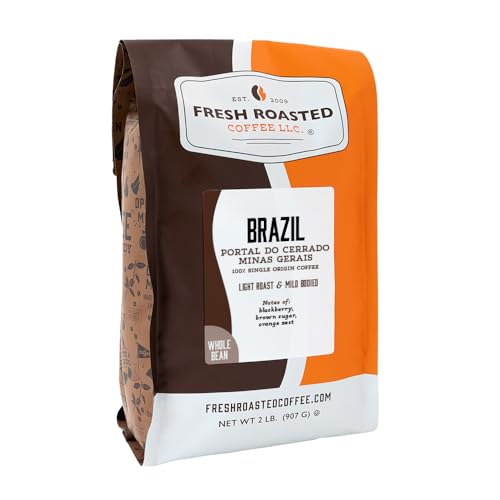
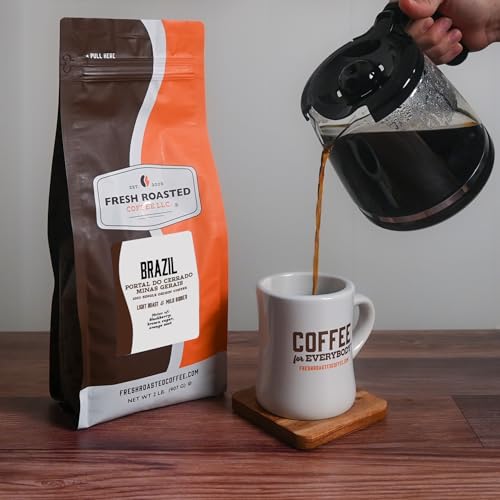
Fresh Roasted Coffee Brazil Minas Gerais
Strengths
- Bright citrus notes
- Clean finish
- Sustainably roasted
Trade-offs
- Light body may disappoint bold seekers
- Not ideal for dark roast fans
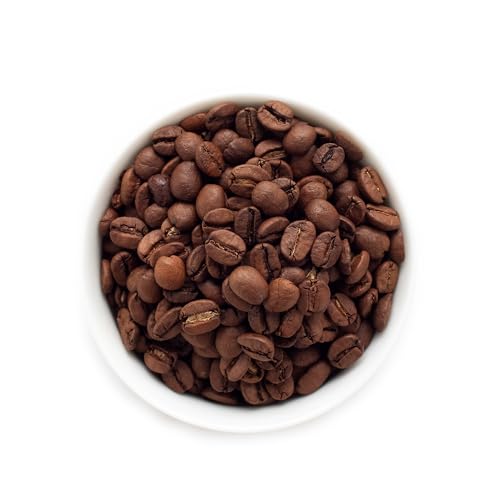
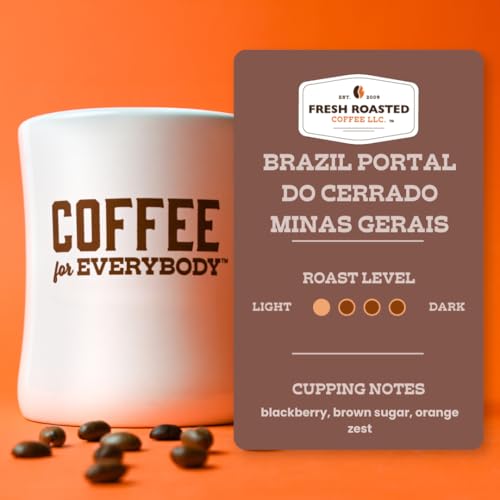
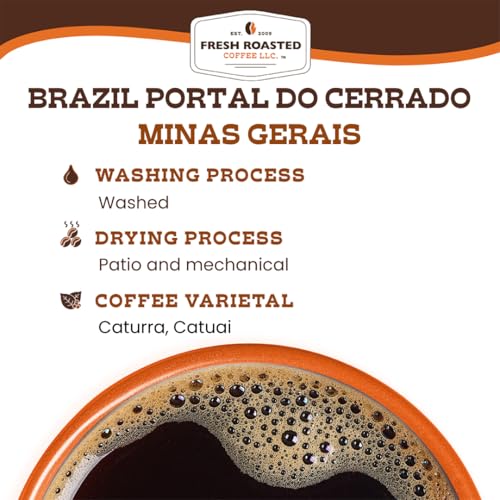
Now this is where Brazilian coffee shines for me, the light roast lets the origin character breathe. With tasting notes of orange zest and brown sugar, it’s unexpectedly lively for a bean often roasted into oblivion. The Caturra and Castillo varietals, washed and patio-dried, give it a clean, sweet profile that surprises people who think Brazil is only good for blends.
Owners frequently mention how bright and approachable it is, especially for a single origin from a region better known for bulk beans. Roasted in small batches in the U.S. with eco-friendly Loring machines, it also appeals to those who care about freshness and sustainability. My pick if you want to see Brazil at its most expressive.
Product photos
Fresh Roasted Coffee Dark Brazil Whole Bean
Strengths
- Chocolate walnut notes
- Smooth bold body
- Nitrogen flushed
Trade-offs
- Less intense than true dark roasts
- Packaging may vary
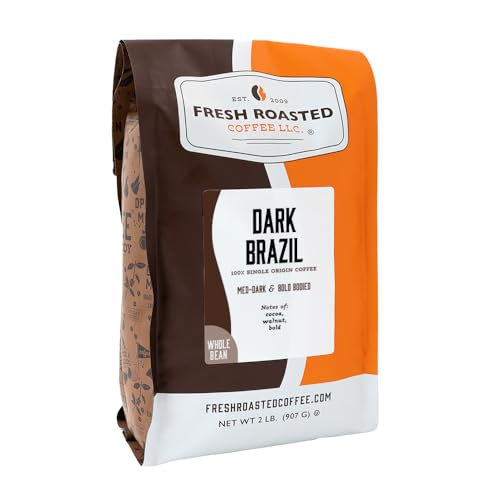
This medium-dark roast is the definition of a workhorse Brazilian coffee, bold, cocoa-forward, and never burnt. The Cerrado origin delivers that classic walnut and chocolate profile, and the roasting process preserves flavor without tipping into char. It’s one of the few Brazilians that can confidently go into an espresso machine and hold its own, which owners confirm with consistent praise for its crema and balance.
Nitrogen-flushed and packed with a degassing valve, it stays fresh longer than most. Compared to the PURE EARTH option, it’s slightly less intense but more versatile across brew methods. For someone who wants one bag to do everything, this is the smarter buy.
Video review
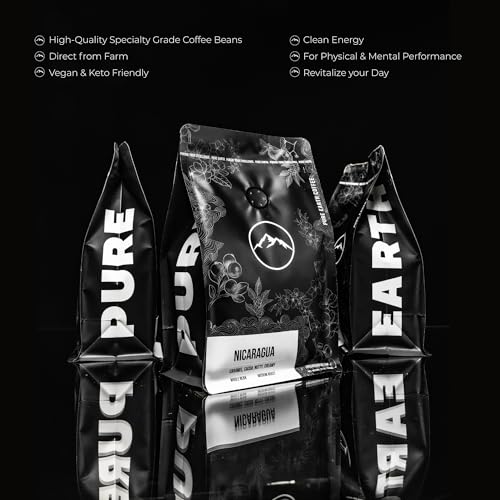
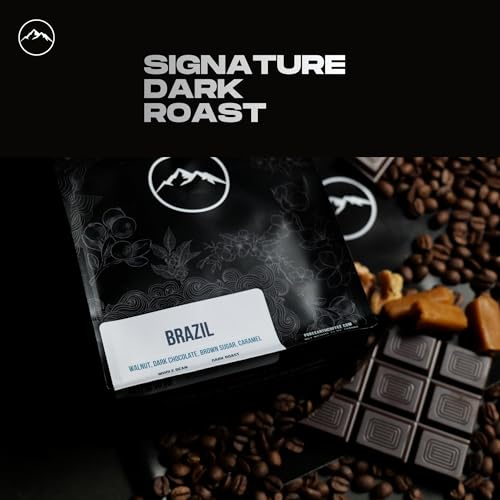
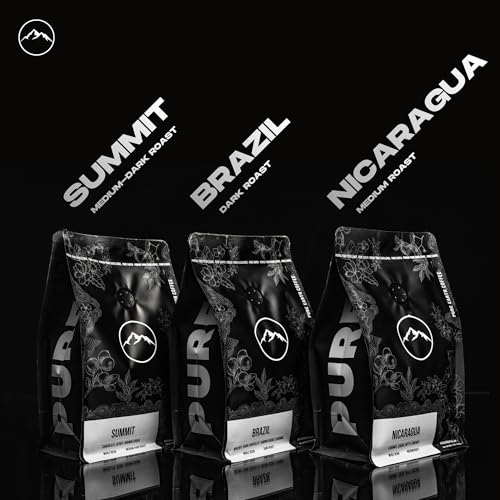
PURE EARTH COFFEE Brazil Dark Roast
Strengths
- Bold chocolate notes
- Smooth finish
- Roasted to order
Trade-offs
- Smaller bag size
- Limited brewing versatility
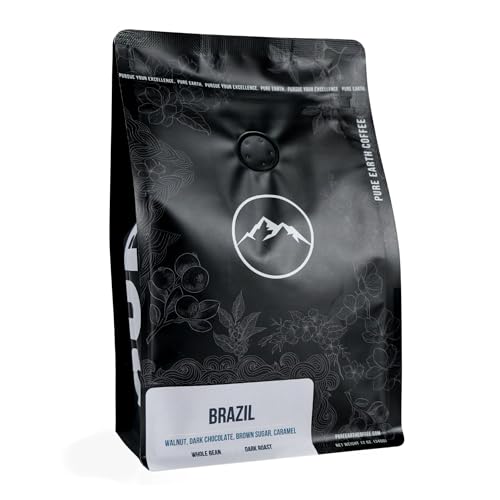
This is a bold, unapologetic dark roast that leans into Brazil’s strength, structure and depth. With tasting notes of intense cocoa, walnut, and cedar, it’s clearly aimed at drinkers who want power without bitterness. The ‘bold yet smooth’ claim holds up in owner feedback, where many highlight its clean finish despite the roast level.
At 12oz, it’s a smaller batch than others here, but it’s roasted to order, which means peak freshness. Compared to the larger 2lb bags, it’s pricier per ounce but better for those who go through coffee slowly. If you like your mornings dark and decisive, this is a strong contender.
Product photos

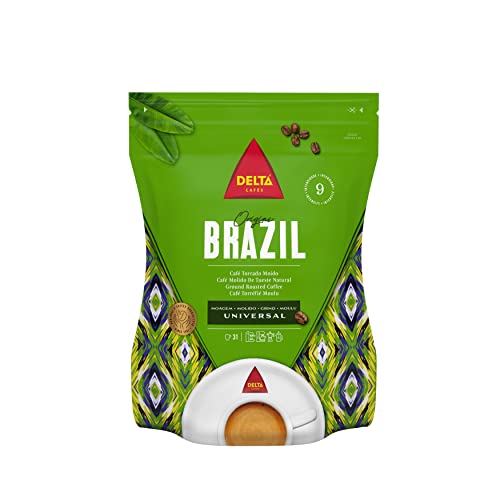
Delta Cafés Brazil Ground Coffee
Strengths
- Great for espresso
- Sweet tropical notes
- Universal grind
Trade-offs
- Contains Robusta
- Less nuanced than single origin
This blend of Brazilian Arabica and Robusta is a smart play for espresso lovers who want authenticity without fuss. The medium roast brings out sweet, tropical fruit notes, unexpected but welcome, and the pre-ground format is genuinely versatile. Portuguese roasting expertise shows in the balanced extraction, and many users confirm it pulls well on espresso machines and moka pots alike.
It stands out from the 100% Arabica entries here by embracing Robusta for body and crema, though that does mean slightly less refinement. Compared to Peet’s or Fresh Roasted Coffee, it’s less about origin purity and more about functional richness. If you want a no-drama espresso with character, this delivers.
Video review
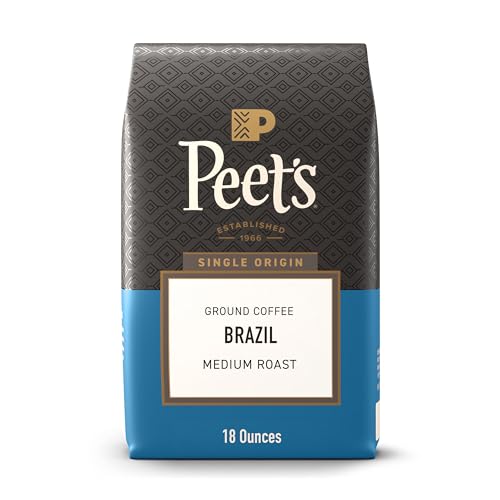
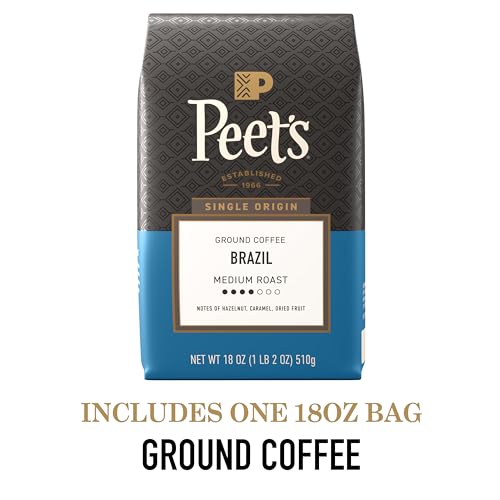
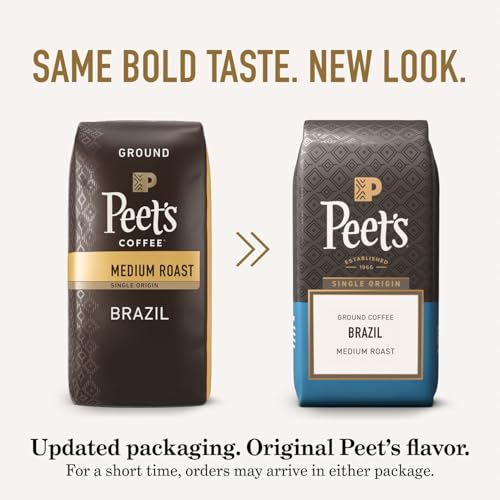
Peet’s Single Origin Brazil Ground
Strengths
- Balanced flavor
- Smooth finish
- Excellent sourcing
Trade-offs
- Pre-ground limits freshness
- Less bold than dark roasts
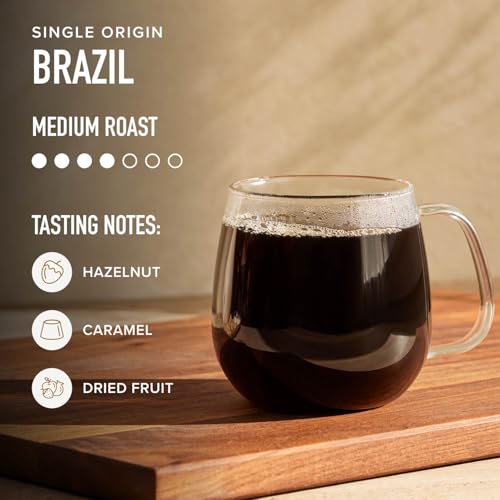
Peet’s has nailed the balance here, this medium roast captures the soul of Minas Gerais without overreaching. The dried fruit and hazelnut notes come through cleanly, especially in pour-over or drip, and reviewers often praise its smooth, full body. It’s not the most adventurous Brazilian coffee out there, but it’s one of the most consistent.
Compared to other single-origin Brazilians in this list, it’s lighter than the dark roasts but more structured than some of the overly mellow budget options. The pre-ground format is convenient, though I’d always recommend grinding fresh if you can. This is the kind of coffee that reminds you why Peet’s has stayed relevant for decades.
Product photos
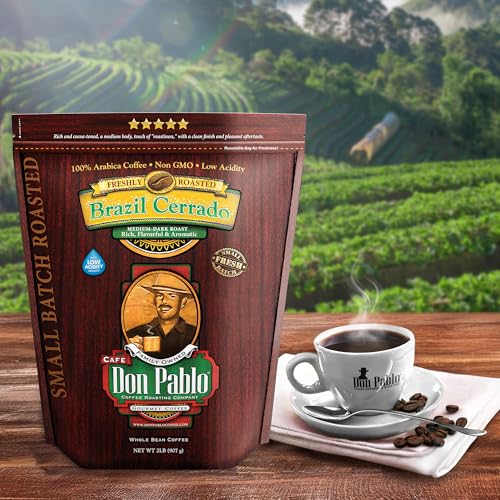
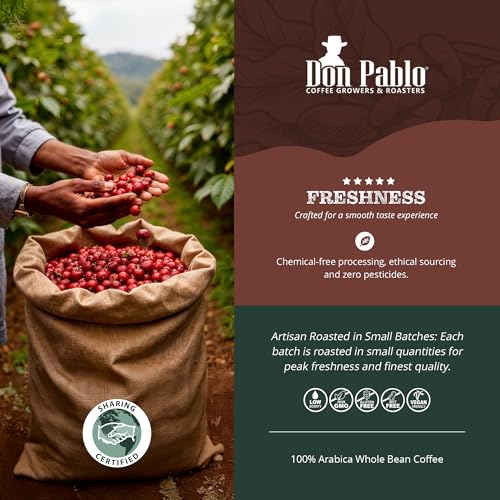
Don Pablo Brazil Cerrado Whole Bean
Strengths
- Low acidity
- Rich mouthfeel
- Great value
Trade-offs
- Muted flavor notes
- Not for light roast lovers
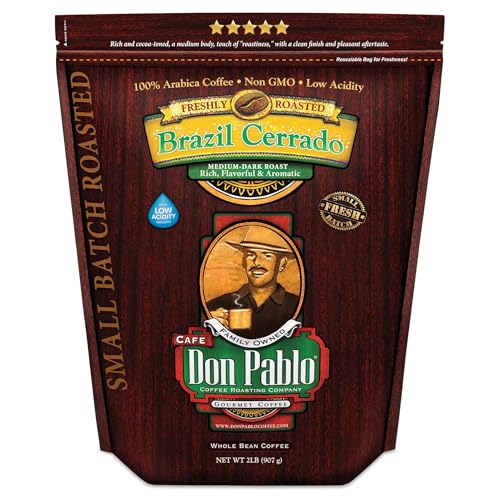
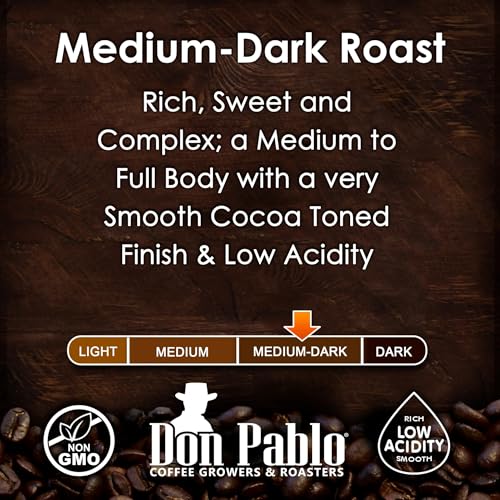
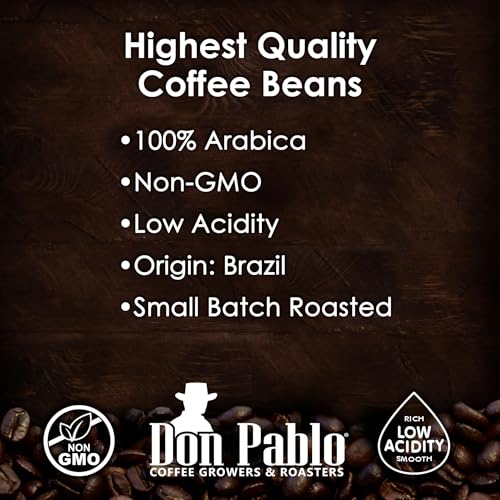
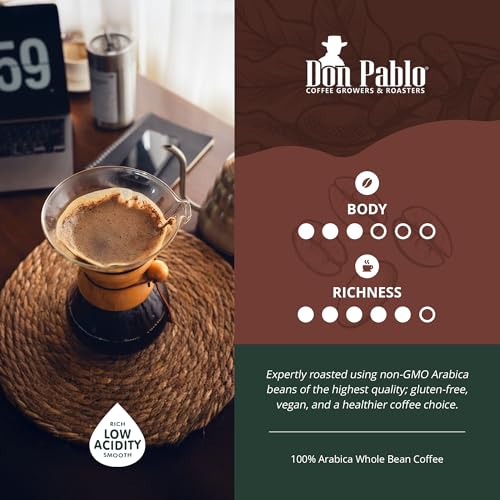
This is a textbook example of how Brazil’s Cerrado region can deliver consistent, crowd-pleasing coffee at scale. The semi-washed processing method stands out on paper, promising enhanced sweetness and body, and owners consistently report a smooth, low-acid cup with that signature nutty-chocolate depth Brazil does so well. For a bulk whole bean option, it’s clearly built for drinkers who want reliability without sharp edges.
It’s not flashy, and if you’re chasing bright acidity or floral complexity, look elsewhere. But for early mornings or office pots where you need something forgiving and rich, this holds its own. I’d pick it over flashier single origins when value and volume matter most.
Product photos
How We Picked These coffee from brazil
As the founder of Bean Thusiast, I approached this guide to Brazilian coffees by first comparing published specifications – roast level, varietal, processing method, and stated flavor notes – across a wide range of options. I then weighed owner reviews from multiple sources, looking for consistent feedback on flavor profiles, smoothness, and overall satisfaction. Finally, I incorporated my understanding of Brazilian coffee growing regions and typical characteristics to assess each offering against established quality benchmarks. Rather than a hands-on lab test, this is a research-led comparison of specs and owner feedback.
For Brazilian coffees, I placed the greatest emphasis on roast level and flavor clarity. Brazil is known for producing coffees that are versatile and often serve as a base for blends, so a well-defined flavor profile – whether nutty and chocolatey in a darker roast, or brighter and fruitier in a lighter one – is key. I also heavily considered the origin within Brazil, as coffees from Cerrado and Minas Gerais, for example, have distinct characteristics. Understanding Arabica coffee origins is important for gauging potential quality.
Specifications reliably indicate roast level and processing methods, which give a good initial indication of expected flavor. However, owner reviews proved crucial for assessing whether those expectations were met in practice. I paid close attention to comments regarding bitterness, acidity, and the presence of any off-flavors. Reputable coffee blogs and review sites helped validate those owner experiences and provided additional context regarding the coffee’s overall quality and value.
How To Pick The Right coffee from brazil
Finding the right Brazilian coffee can be surprisingly nuanced. It’s not simply about picking a bag labeled “Brazil”; the specifics matter a lot.
Brazilian coffee is prized for its generally lower acidity and nutty, chocolatey profiles. When selecting a Brazilian coffee, consider roast level, growing region, processing method (washed, natural, or pulped natural), and bean variety (like Caturra or Castillo) to find a flavor profile that suits your preferences. Look for roasters who clearly state the origin and processing details on the bag.
Roast Level & Flavor Impact
The roast level dramatically alters the final cup, and Brazilian coffees are versatile enough to shine across the spectrum. While many associate Brazilian coffee with lighter roasts that highlight their natural sweetness, don’t discount the potential of darker roasts. A lighter roast will showcase more of the inherent Brazil coffee flavor characteristics – think bright acidity, fruity notes, and delicate florals. However, a medium-dark roast, like those from the Cerrado region, can develop rich cocoa and nutty flavors that some prefer. A dark roast, if well-executed, won’t be burnt but will offer a bold, chocolatey experience.
Origin Within Brazil Matters
Brazil is a vast country, and coffees from different coffee growing regions in Brazil offer distinct characteristics. Minas Gerais, for example, is known for balanced profiles and notes of caramel and orange. The Cerrado region, with its high altitude, often produces coffees with heavier bodies and chocolatey notes. São Paulo tends to yield coffees with more nutty and lower acidity. Don’t just look for “Brazil” on the label; a more specific origin can be a good indicator of what to expect.
- The Sul de Minas region consistently delivers reliable, balanced coffees, making it a great starting point for those new to Brazilian varieties.
- Cerrado coffees, grown at higher altitudes, often come with a slightly higher price tag, but the increased complexity and bold flavors can be worth it.
- Exploring smaller micro-lots from less-known regions within Brazil is a great way to discover unique flavor profiles and support sustainable farming practices – though these can be harder to find and may require more research.
Bean Type and Processing Methods
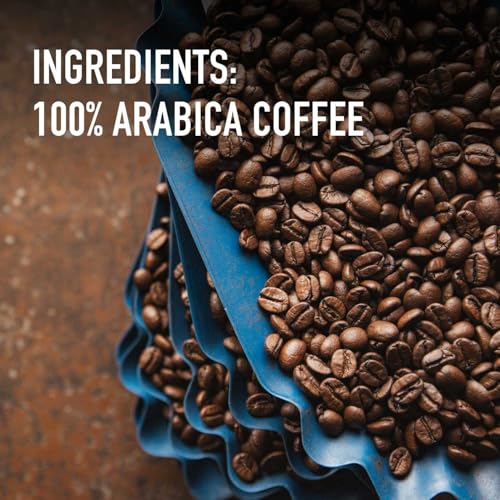
Brazilian coffee benefits from the country’s expertise with Arabica bean varieties. While Robusta is also grown in Brazil, most specialty coffee focuses on 100% Arabica beans. Pay attention to the varietal listed (Caturra, Castillo, etc.), as it can influence the flavor. Equally important is the processing method. Washed coffees tend to be cleaner and brighter, while natural or pulped natural processing can contribute to a fruitier, more complex cup.
A good rule of thumb: if you prefer a cleaner, more consistent cup, look for washed process coffees. If you enjoy more wild, fruity, and complex flavors, explore natural or pulped natural processed beans.
I believe that understanding these factors will allow you to find a Brazilian coffee that truly resonates with your palate. And with so many excellent top Brazilian coffee producers available, there’s a perfect cup waiting for everyone. You can also explore Brazilian specialty coffee brands to find a roaster whose values and practices align with your own. Considering regional Arabica differences is also crucial for a satisfying brewing experience.
Coffee From Brazil Compared
Here’s a comparison of key specifications for different coffee options sourced from Brazil.
| Product Name | Roast Level | Flavor Notes | Origin Region | Bean Type | Package Size (oz) |
|---|---|---|---|---|---|
| Fresh Roasted Coffee Brazil Minas Gerais | Light | Orange, Brown Sugar | Minas Gerais | Arabica | N/A |
| Fresh Roasted Coffee Dark Brazil Whole Bean | Med-Dark | Cocoa, Walnut | Cerrado | Arabica | N/A |
| PURE EARTH COFFEE Brazil Dark Roast | Dark | Cocoa, Walnut, Pine Nut | Brazil | Arabica | N/A |
| Delta Cafés Brazil Ground Coffee | Medium | Fruity, Tropical | Cerrado/Sul Minas | Arabica/Robusta | N/A |
| Peet’s Single Origin Brazil Ground | Medium | Dried Fruit, Hazelnut | Minas Gerais | Arabica | 18 |
| Don Pablo Brazil Cerrado Whole Bean | N/A | Sweet, Robust | Cerrado | Arabica | N/A |
Frequently Asked Questions
What roast level is typical for Brazilian coffee?
Medium-dark is a very common roast level for Brazilian beans, bringing out chocolate and nut flavors, but you’ll also find excellent lighter roasts highlighting fruity and floral notes. The versatility of Brazilian coffee means it can be enjoyed across the entire spectrum.
Is Brazilian coffee high in caffeine?
Generally, no. Brazilian coffee typically has a lower caffeine content than coffees from other regions, like Vietnam or Sumatra, due to the Arabica varietals primarily grown and the processing methods used.
Can Brazilian coffee be used for espresso?
Yes, absolutely. While often enjoyed as a drip coffee, Brazilian coffee can work well in espresso blends, providing a smooth body and balancing acidity, although darker roasts are often preferred for this purpose.
What does “natural process” mean when it comes to Brazilian coffee?
Natural processing involves drying the coffee cherry with the bean still inside, which allows more of the fruit sugars to permeate the bean, resulting in a sweeter, fruitier, and sometimes funkier flavor profile. This contrasts with washed processing, which removes the fruit before drying.
Where can I learn more about coffee from different regions around the world?
If you’re interested in expanding your coffee knowledge beyond Brazil, my coffee by country guide explores the unique characteristics of beans from various global coffee-producing countries.
The Bottom Line
Choosing a coffee from Brazil often comes down to balancing control over flavor with convenience. If you enjoy experimenting with brew methods and appreciate the nuance of a truly exceptional cup, the Fresh Roasted Coffee Brazil Minas Gerais is an excellent starting point – it offers a clear, bright profile that showcases what a well-sourced Brazilian bean can be. However, for those who prioritize a consistently rich and bold flavor without much fuss, the PURE EARTH COFFEE Brazil Dark Roast delivers a satisfying experience right out of the bag.
For readers seeking a specific type of Brazilian coffee, the Don Pablo Brazil Cerrado Whole Bean stands out for those wanting a sweet and robust experience from the Cerrado region. If you are looking for a budget-friendly option, the Delta Cafés Brazil Ground Coffee provides a taste of Brazil without breaking the bank. And if you’re drawn to exploring single-origin flavor profiles, the Peet’s Single Origin Brazil Ground offers a well-balanced and accessible introduction to the region.
Ultimately, the best coffee from Brazil is the one that best suits your personal preferences. Don’t get too caught up in chasing specific scores or bean varietals; focus instead on roast level, origin region, and processing method. These fundamentals will guide you to a cup that you’ll genuinely enjoy, and that’s more important than any single specification.
