
Can You Drink Coffee While Breastfeeding? A 300mg Limit Guide
Yes, you can drink coffee while breastfeeding if you keep your total daily caffeine intake under 300 milligrams. That’s roughly two standard 8-ounce cups of brewed coffee. The caffeine passes into your breast milk, peaking about one hour after you drink it, but at moderate levels it does not harm most full-term, healthy infants.
Most advice stops at “a cup or two is fine.” That vague phrasing is the problem. One person’s cup is a 6-ounce mug, another’s is a 20-ounce travel tumbler. One coffee has 80mg of caffeine, another has over 200mg. Saying “a few cups” without defining the milligrams or the timing sets you up to accidentally exceed the safe threshold.
This guide breaks down the 300mg limit with specific drink comparisons, explains why timing matters more than you think, and shows you how to spot if your particular baby is sensitive. We’ll use data from the NIH LactMed database and the American Academy of Pediatrics, not just general advice.
Key Takeaways
- The 300mg daily caffeine limit from the LactMed database is your anchor. Exceeding it increases the risk of infant irritability and sleep disruption.
- A newborn’s liver clears caffeine 10 to 30 times slower than an adult’s. A half-life of 30-100 hours means even small amounts can accumulate over days in a preterm or very young infant.
- The peak concentration of caffeine in your breast milk happens about one hour after you drink it. The best practice is to have your coffee right after you finish a feeding session.
- Watch for increased fussiness, jitteriness, or wakefulness in your baby 1-2 hours after you nurse. That’s the primary sign of individual sensitivity.
- “Pumping and dumping” is unnecessary for managing caffeine. Time your intake instead; pumping does not speed up your body’s metabolism of the stimulant.
The 300mg Daily Rule (and What It Really Means)
Forget counting cups. Count milligrams. The Drugs and Lactation Database (LactMed®) states that maternal caffeine doses up to 300 mg daily produce no observable effects in most breastfed infants. This figure comes from clinical observation, not guesswork.
Common mistake: Assuming “one cup” equals a standard serving — a “cup” of coffee can range from 60mg to over 200mg of caffeine depending on brew method, bean, and size. Estimating by volume alone will mislead you.
Your daily budget gets used fast. A grande (16oz) Starbucks Pike Place brew has about 310mg—already over the limit in one drink. A double shot of espresso, however, is only around 150mg, leaving room for a second later. You need to know your sources.
| Drink (Standard Serving) | Approximate Caffeine (mg) | % of 300mg Daily Limit |
|---|---|---|
| Brewed Coffee (8 oz) | 95 | 32% |
| Starbucks Grande Brew (16 oz) | 310 | 103% |
| Espresso (1 shot) | 64 | 21% |
| Black Tea (8 oz) | 47 | 16% |
| Green Tea (8 oz) | 28 | 9% |
| Cola (12 oz can) | 34 | 11% |
| Dark Chocolate (1 oz) | 24 | 8% |
The table shows why brew method matters. Our guide on espresso caffeine content dives deeper into why concentration isn’t the same as total dose. A single shot is strong but small. You could have three shots and still be under 300mg, whereas one large drip coffee puts you over.
TL;DR: Track milligrams, not cups. Your 300mg budget includes all sources: coffee, tea, soda, and chocolate.
Why Newborns Process Caffeine So Slowly
This is the mechanical reason behind the caution. An adult metabolizes half the caffeine in their system every 3 to 7 hours. For a newborn, that half-life stretches to 30 to 100 hours. Their liver simply lacks the mature enzymes to break it down.
Think of it like a very slow-draining sink. If you add a few drops of caffeine every few hours to an infant’s system, the level keeps rising because almost nothing is draining out. In a preterm baby, this accumulation can happen even with modest maternal intake.
Caffeine passes into breast milk, with peak levels occurring about one hour after ingestion. The amount that reaches the infant is about 1-2% of the maternal dose, but due to the prolonged half-life in neonates, it can have a detectable effect.
This extended half-life is why guidelines are stricter for mothers of preemies or infants under one month old. The NIH lactation drug safety guide emphasizes this population needs extra care. The concern isn’t a single cup. It’s the compound effect over two or three days.
If your baby is past the newborn stage and full-term, their clearance rate improves weekly. By three to four months, their half-life is much closer to an adult’s. The rule relaxes as their liver matures.
Timing Your Coffee Intake Strategically
Since caffeine in breast milk peaks around the 60-minute mark after you drink it, you can use timing to minimize your baby’s exposure. The goal is to have the highest concentration in your milk during the longest possible gap before the next feed.
Drink your coffee immediately after you finish nursing or pumping. If your baby typically feeds every three hours, this gives your body two full hours to metabolize and lower the caffeine level before the next session begins. The concentration in your milk will be significantly lower than if you drank it 30 minutes before feeding.
This strategy is more effective than “pumping and dumping,” which is a waste of liquid gold for caffeine management. Pumping does not remove caffeine from your bloodstream or your milk ducts. Only time and your liver do that. Save the pump for building a stash or relieving engorgement.
Avoid caffeine in the late afternoon and evening. Even if you time it right, the slow-clearance in your baby could mean the stimulant effects disrupt their nighttime sleep cycle long after you feel your own buzz fade. A 2 PM latte could lead to a very alert baby at 10 PM.
Observing Your Baby for Individual Sensitivity
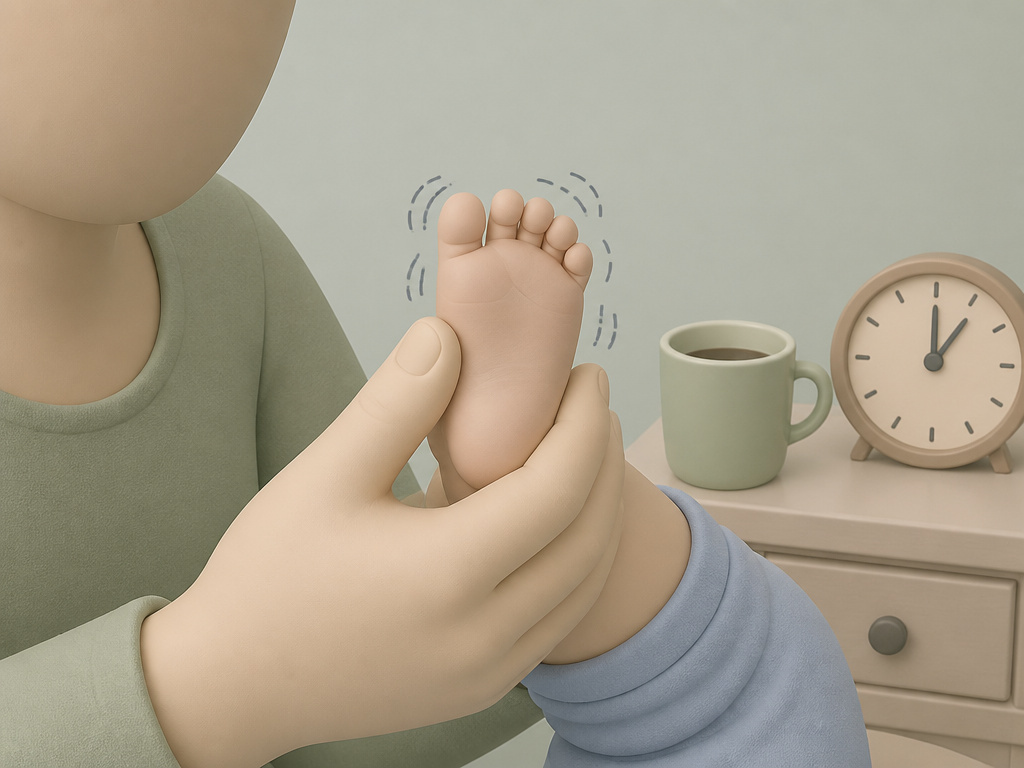
The 300mg guideline is for the general population. Your baby is an individual. Some infants are more sensitive to caffeine than others due to genetic variations in metabolism. You are the best observer.
Watch for these signs in the 1-2 hour window after nursing, especially following your first coffee of the day:
– Unusual fussiness or irritability that isn’t solved by feeding, burping, or changing.
– Jitteriness, like small tremors in the arms or legs.
– Wide-eyed alertness when they should be drowsy, or difficulty falling and staying asleep.
Common mistake: Blaming normal newborn fussiness on caffeine immediately. Rule out other causes first—hunger, gas, overstimulation, tiredness. The link to caffeine is clearest when the behavior pattern consistently follows your coffee intake by about an hour.
If you see a possible link, cut back. Try halving your intake for a few days or switching to a lower-caffeine option like green tea, which also contains L-theanine for a calmer effect. Observe if the symptoms improve.
You can also try a caffeine “reset.” Eliminate all obvious sources for 48-72 hours to clear both your system and your baby’s. Then reintroduce a single, measured serving (like one 8-ounce coffee) and watch closely. This test tells you more than any generic article can.
What About Other Sources of Caffeine?
Coffee is the big one, but your 300mg budget is a sum total. Tea, soda, energy drinks, chocolate, and even some medications contribute. You need a rough tally.
Black tea has about half the caffeine of coffee per cup. Our comparison of caffeine in tea vs coffee explains how brewing time dramatically changes the yield. A steeped-for-five-minutes black tea can have 70mg, while a quick green tea might have 30mg.
Chocolate is a sneaky source. An ounce of dark chocolate can have 20-30mg of caffeine and even more theobromine, another mild stimulant. A few squares with your coffee add up.
Energy drinks and sodas list caffeine on their nutrition labels. Use those numbers. Remember, a PMC research article on theobromine notes that chocolate-derived stimulants also transfer into milk, contributing to the overall stimulant load.
The point isn’t to live in fear of a chocolate chip cookie. It’s to be aware that your after-lunch espresso isn’t your only source. If your baby seems extra sensitive, audit all sources for a day or two, not just your morning mug.
Alternatives and Adjustments for Sensitive Babies
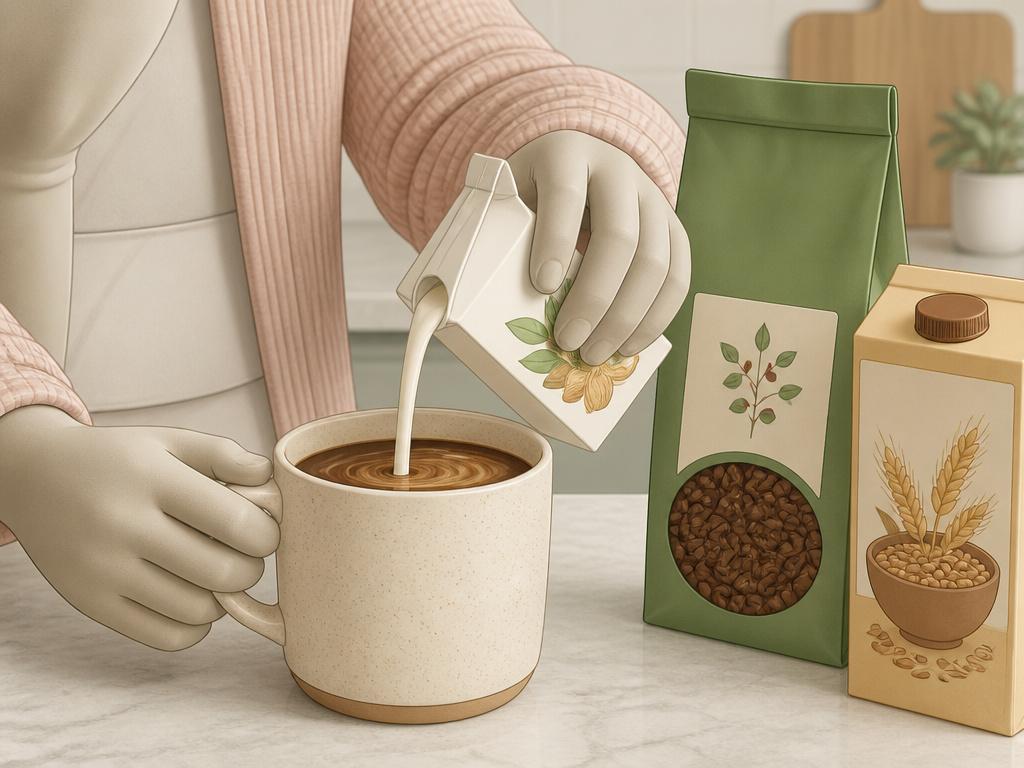
If you find even small amounts of caffeine affect your baby, or if you simply want to reduce your intake, you have options. The goal is to keep your ritual without the jitters—for both of you.
First, switch to half-caff. Brew your coffee with a blend of regular and decaffeinated beans. You get the full flavor with half the caffeine. It’s a simple, effective compromise.
Second, explore roasted grain beverages like Teeccino or barley coffee. They offer a roasted, slightly bitter profile that mimics coffee but is naturally caffeine-free. They won’t give you a buzz, but they preserve the warmth and habit of your morning cup.
Third, consider tea. The health benefits of tea are well-documented, and the caffeine release is often slower and gentler due to the presence of L-theanine. A cup of black tea in the morning might be a gentler transition.
You can also adjust what you add to your coffee. Switching to a low-calorie coffee drink by using skim milk or a splash of almond milk doesn’t change the caffeine, but it can make the overall drink feel lighter and more manageable.
The phase is temporary. As your baby grows and their liver matures, you’ll likely find you can return to your normal routine. In the meantime, a little strategy goes a long way.
Frequently Asked Questions
Does decaf coffee have any caffeine?
Yes, decaffeinated coffee is not caffeine-free. By U.S. standards, it must have less than 3% of its original caffeine content. An 8-ounce cup of decaf typically contains 2-5mg of caffeine. This is negligible for breastfeeding purposes and is a safe choice if you are avoiding stimulants.
How long should I wait to breastfeed after drinking coffee?
You don’t need to wait a set time. The timing strategy is to drink immediately after a feed, not to delay a feed after drinking. If you drink coffee and your baby gets hungry sooner than expected, feed them. The amount of caffeine transferred is still small. The one-hour peak is a guideline, not a danger zone.
Can caffeine decrease my milk supply?
There is no consistent scientific evidence that moderate caffeine intake decreases milk production. In fact, severe dehydration from avoiding fluids can hurt supply more. However, some anecdotal reports suggest very high intake (well over 500mg daily) might have a slight negative effect for some individuals. Staying under 300mg eliminates this concern.
What if I accidentally had more than 300mg in a day?
Don’t panic. A single occasional exceedance is unlikely to cause lasting harm. You might notice your baby is a little more fussy or wakeful that day. Just return to the guideline for subsequent days. The risk is associated with chronic high intake, not a one-time event.
Are some types of coffee lower in caffeine?
Yes. Brew method is key. Cold brew and light roast coffee often have higher caffeine concentrations than dark roast or standard drip. Espresso is concentrated per ounce, but the serving size is small. Our breakdown of cold brew coffee caffeine levels compares these methods. Knowing your brew helps you stay within limits.
Before You Go
You can absolutely enjoy coffee while breastfeeding. The key is precision: anchor your habit to the 300-milligram daily limit from authoritative sources like LactMed, not vague cup counts. Respect the massive difference in caffeine half-life between your body and your newborn’s—it’s the reason timing matters so much. Drink your coffee right after a feeding to leverage the natural peak-and-decline cycle in your milk.
Watch your baby, not just the clock. Individual sensitivity is real, and you are the best person to spot it. If you see signs of fussiness linked to your intake, scale back or try a half-caff blend. This phase is temporary; your baby’s ability to process caffeine will mature month by month. In the meantime, a mindful approach lets you keep your ritual without guesswork or guilt.
