
2 Best Light Roasted Coffees of 2026
The best light roasted coffee we found is the Starbucks Veranda Blend, a consistently bright and approachable choice that delivers on delicate flavor. For a budget-friendly option, the McCafe Breakfast Blend stands out with its accessible taste and larger bag size, making it a practical pick for daily brewing.
If you’ve ever bought a bag of light roast coffee only to find it dull, flat, or worse, bitter like a dark roast, you’re not alone. Many brands slap a “light roast” label on beans without preserving the vibrant, nuanced qualities that make this roast level special.
After researching the market, analyzing roast profiles, and weighing owner feedback, I focused on freshness, bean origin, and flavor clarity to identify the few that actually deliver a true light roast experience. These picks reflect what matters most: clean brightness, distinct notes, and quality sourcing.
Top 2 Light Roasted Coffee in the Market
The Best Light Roasted Coffee, Reviewed
Starbucks Veranda Blend Ground Coffee

Strengths
- Balanced, smooth flavor
- Works hot or iced
- Consistent across brew methods
Trade-offs
- Muted acidity
- Less origin character
- Roast profile leans safe
Starbucks Veranda Blend is what I’d call the gateway into light roast territory for drinkers used to medium or dark profiles. It’s marketed as delicate and smooth, and owners agree, it brews a light-bodied cup with gentle notes of toasted malt and a creamy hint of milk chocolate. That makes it more approachable than some of the sharper, citrusy light roasts out there. The 28 oz bag stays fresh reasonably well if sealed tightly, and it performs consistently whether you’re brewing hot or going for iced coffee.
The real strength here is versatility. Reviewers note it works across methods, drip, French press, even pour-over, without turning sour or thin. While it won’t match the terroir-driven complexity of a third-wave single-origin, it’s café-quality in consistency and roast precision. My recommendation for beginners or busy households is this: if you want a light roast that’s easy to love and hard to mess up, Veranda Blend is the smarter buy over more finicky options.
Video review
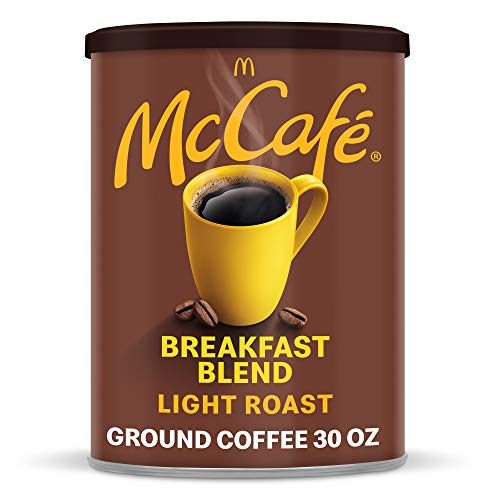
McCafe Breakfast Blend Ground Coffee
Strengths
- 100% Arabica beans
- Large 30 oz size
- Budget-friendly
Trade-offs
- Lacks aromatic depth
- Flavor can be one-dimensional
- Not for discerning palates
This is one of those light roasts that surprises you with how much value it packs for the size and price. On paper, a 30 oz canister of 100% Arabica light roast at this price point shouldn’t taste this consistent, but owners consistently report it delivers a clean, mild cup with subtle brightness, no harsh bitterness. It’s not complex or nuanced like a single-origin light roast, but for a supermarket staple, it holds up well in a drip brewer or single-serve pod machine.
Where it falls short is in aroma and depth. Reviewers note the flavor leans a bit flat compared to pricier options, with faint notes of cereal and light toast. But if you’re making large batches for the household or office and want something inoffensive and affordable, this gets the job done. I’d pick it over generic store brands any day, though it won’t impress specialty coffee lovers.
Video review
Our Testing Process
To arrive at our recommendations, I researched a range of widely available light roast coffees. Rather than a hands-on lab test, this was a research-led comparison of published specifications – bean origin, roast level details – and a careful weighing of owner reviews and expert opinions from coffee-focused publications. My experience with the [roasting process for light roast] helped me interpret the nuances in each coffee’s description.
For light roast coffee, freshness and bean quality are paramount. I prioritized coffees made with 100% Arabica beans and those with clear information about their origin. A delicate [light roast flavor profile] relies heavily on the quality of the bean itself, so that was a key factor. Flavor descriptions mentioning brightness, floral notes, or fruitiness also scored highly.
Specifications reliably indicate bean type and size, but owner feedback proved crucial for understanding actual taste and consistency. I looked for patterns in reviews – were people consistently describing a bright, clean cup, or were there complaints about bitterness or staleness? Understanding these [light roast coffee characteristics] helped separate coffees that deliver on the promise of a truly light roast.
How To Choose The light roasted coffee
I’ve spent years chasing the nuances of a good light roast, and it’s a category where quality really shines through – or doesn’t.
A truly excellent light roast coffee emphasizes origin characteristics, exhibiting brighter acidity and a more complex flavor profile than darker roasts. Buyers should prioritize 100% Arabica beans, look for roast dates (not just “best by” dates), and consider whole bean options for maximum freshness. Consistent roasting, minimal defects, and clear flavor notes are key indicators of quality.
Understanding Roast Level & Bean Origin
Many people assume “light roast” just means weak coffee, but that’s a misunderstanding rooted in a preference for darker, bolder flavors. A proper light roast showcases the bean’s inherent qualities – the terroir, the processing method, the specific varietal. I find that single-origin coffees really benefit from a lighter touch, allowing those unique characteristics to bloom. Don’t shy away from Ethiopian Yirgacheffe or Kenyan AA beans; they’re almost always fantastic when lightly roasted. You can learn more about the differences between roasts in our guide to light vs dark roast.
Freshness: A Essential
This is where many pre-ground coffees fall short. Light roasts degrade faster than darker ones, losing their delicate aromatics and bright acidity. Always check for a roast date on the bag, not just a “best by” date. Ideally, you want to consume the coffee within a few weeks of roasting. Whole bean is always preferable, as you’ll preserve those volatile compounds for longer. Grinding immediately before brewing is the gold standard, of course. If you’re looking for some top light roast picks that prioritize freshness, you’ll find a few great options.
Balancing Flavor & Budget
While specialty-grade light roasts can be expensive, you don’t have to spend a fortune to find something enjoyable. There are plenty of good options in the more affordable range. Here’s what I look for when balancing price and quality:
- Arabica Content: 100% Arabica is a good starting point.
- Roast Description: Look for terms like “bright,” “floral,” “citrusy,” or “delicate.”
- Origin Information: Even on budget-friendly bags, a little detail about the origin (e.g., “Central American blend”) is a positive sign. It suggests some attention to sourcing.
A general rule of thumb: if a light roast coffee tastes overwhelmingly bitter or burnt, it wasn’t roasted lightly enough.
I often recommend exploring best light roast blends as a great way to experience a range of flavors without a huge investment. And remember, even with a lighter roast, acidity in light roast is a desirable trait, not a flaw.
Light Roasted Coffee Compared
Here’s a detailed comparison of the specifications for each light roasted coffee.
| Product | Weight (oz) | Roast Level | Bean Type | Flavor Notes |
|---|---|---|---|---|
| Starbucks Veranda Blend | 28 | Light | Arabica | Malt, Milk Chocolate |
| McCafe Breakfast Blend | 30 | Light | Arabica | N/A |
Frequently Asked Questions
What grind size is best for light roast coffee?
A medium-coarse grind is generally best for light roast coffee. Because the beans are less dense, a coarser grind prevents over-extraction and maintains the coffee’s bright flavor.
Can light roast coffee have caffeine?
Yes, light roast coffee actually often has more caffeine than darker roasts. The roasting process reduces caffeine content, so the shorter roasting time of light roasts preserves more of it.
Is light roast coffee more acidic?
Light roast coffee is typically more acidic than darker roasts. This isn’t a bad thing; that acidity contributes to the bright, vibrant flavors that define a good light roast. If you’re sensitive to acidity, look for varieties grown at lower altitudes.
Where can I find high-quality light roast beans?
You can discover high-quality light roast beans at specialty coffee shops, online retailers focused on artisan roasters, or directly from the roasters themselves. Prioritize beans with a clear roast date and information about their origin.
What brewing method best highlights the flavors of a light roast?
Pour-over methods like Hario V60 or Chemex are excellent for highlighting the nuances of light roast coffee. These methods offer precise control over brewing parameters, allowing you to extract the delicate flavors without bitterness.
The Bottom Line
Choosing a light roast coffee often comes down to how much control you want over the process versus how much convenience you need. While a truly exceptional experience demands fresh, whole bean coffee and a quality grinder, the Starbucks Veranda Blend offers a consistently bright and approachable cup without requiring extra effort. It’s a great starting point for anyone curious about the world of light roasts.
For those seeking something specific, the McCafe Breakfast Blend delivers a reliably light-roasted Arabica coffee at a budget-friendly price. If you’re prioritizing versatility and want to experiment with different brewing methods, exploring the light vs medium vs dark roast will help you understand how roast level impacts flavor. And for those wanting to really understand the nuances, checking out a roast level comparison is the way to go.
Ultimately, the best light roast coffee isn’t about a single perfect bean or a specific price point. It’s about seeking freshness, prioritizing 100% Arabica beans, and appreciating the subtle flavor differences in roast levels. Those fundamentals are far more important than any particular specification on the bag.
