
Does Coffee Lower Blood Sugar? The Acute vs Chronic Effects
This post contains affiliate links. As an Amazon Associate, we earn from qualifying purchases.
Coffee’s effect on blood sugar is time-dependent. A single cup, especially with caffeine, can temporarily raise blood glucose and impair insulin sensitivity, particularly in non-habitual drinkers. However, long-term, habitual consumption of both caffeinated and decaffeinated coffee is consistently linked to a significantly lower risk of developing Type 2 diabetes. This protective effect is attributed to non-caffeine compounds like chlorogenic acids.
Most people get this wrong because they hear one study headline and miss the critical split between immediate reaction and long-term adaptation. The research isn’t contradictory, it’s describing two different timelines happening inside your body.
This guide breaks down the acute spike, the chronic protection, the science behind both, and what it means for your daily cup.
Key Takeaways
- Acute vs. Chronic is Everything. A single coffee can raise blood sugar short-term; drinking it for years lowers your diabetes risk.
- Caffeine Causes the Spike. The stimulant temporarily reduces insulin sensitivity and can increase glucose production, especially if you don’t drink coffee regularly.
- Chlorogenic Acids Deliver the Protection. These polyphenols, abundant in coffee, improve glucose metabolism and are why decaf coffee also shows long-term benefits.
- Your Additives Matter More. Sugar, syrup, and high-fat creamers in your coffee will spike your blood sugar far more than the coffee itself ever could.
- Individual Response Varies. Genetics, gut microbiome composition, and whether you’re a habitual drinker dramatically change the effect.
The Short-Term Spike: Why Coffee Can Raise Blood Sugar
Drink a cup of black coffee on an empty stomach and check a continuous glucose monitor. You might see a small, fast rise. This is the acute effect, and it’s almost entirely courtesy of caffeine.
Caffeine triggers a stress response. It prompts the release of adrenaline, which in turn signals your liver to dump stored glucose into your bloodstream for quick energy. Simultaneously, caffeine can temporarily make your muscle cells less responsive to insulin, the hormone that tells them to take up that glucose. The result is a brief period of higher blood sugar and lower insulin sensitivity.
Common mistake: Testing coffee’s effect with a sugary pastry, the combined carbohydrate load creates a major spike, and you blame the coffee. Isolate the variables. Drink it black first.
The strength of this spike depends heavily on your habits. If you don’t drink coffee regularly, your body isn’t adapted. The adrenaline response is stronger, and the insulin-blunting effect is more pronounced. A 2017 meta-analysis in Nutrition, Metabolism and Cardiovascular Diseases concluded that acute coffee intake, particularly caffeinated, impairs glucose tolerance in the short term, especially in non-habitual drinkers.
For a habitual three-cup-a-day drinker, this acute effect is often muted. The body develops tolerance to caffeine’s metabolic disruptions. The morning cup becomes a signal to wake up, not a call to arms for your liver.
TL;DR: Caffeine can cause a short-term blood sugar rise by stressing your liver and dulling insulin response, an effect strongest in new or occasional coffee drinkers.
The Long-Term Protection: How Coffee Lowers Diabetes Risk
Now look at the data spanning years. Study after study finds that people who drink coffee regularly have a lower risk of developing Type 2 diabetes. A landmark 2014 meta-analysis in Diabetes Care found each additional daily cup was associated with a 6% lower relative risk.
This is where the plot thickens. Decaffeinated coffee shows a similar, though slightly weaker, protective effect. This is the smoking gun. It tells us the hero isn’t caffeine, it’s something else in the coffee bean.
The credit goes to a powerful class of antioxidants called polyphenols, with chlorogenic acids being the star player. These compounds, which give coffee its characteristic bitterness, have demonstrated direct benefits for glucose metabolism. Research suggests they may slow the absorption of sugar in your gut, improve insulin sensitivity in your muscles, and reduce inflammation, a key driver of insulin resistance.
A study highlighted on the Linus Pauling Institute coffee overview details how these bioactive compounds influence metabolic pathways. Furthermore, a long-term coffee consumption trial on a green/roasted coffee blend found positive effects on human insulin resistance.
The mechanism is so robust that it appears to reshape gut microbiota. A paper in npj Science of Food explored how coffee consumption and HbA1c research might be mediated by propionic acid-producing bacteria, offering another pathway for long-term glycemic control.
| Consumption Pattern | Primary Effect on Blood Sugar | Key Driver | Outcome |
|---|---|---|---|
| Acute (Single Cup) | Temporary increase | Caffeine | Short-term glucose spike, reduced insulin sensitivity |
| Chronic (Habitual) | Long-term improvement | Chlorogenic acids & other polyphenols | Reduced risk of Type 2 diabetes |
Caffeine vs. Everything Else: Breaking Down the Brew
Think of your cup as a cocktail of compounds with opposing effects. Caffeine pushes glucose up. Chlorogenic acids and other polyphenols pull it down. Over the minutes after drinking, caffeine wins. Over the years of drinking, the polyphenols win decisively.
This explains the seeming contradiction in the science. Acute intervention studies, which measure right after consumption, often capture the caffeine effect. Long-term observational studies, which track health outcomes over decades, capture the net benefit of the polyphenols.
Your brewing method changes the balance. Longer extraction times, like in a French press or espresso, pull more chlorogenic acids into your cup. Lighter roasts retain higher levels of these sensitive compounds than dark roasts. So, a light roast pour-over might offer a slightly more favorable polyphenol-to-caffeine ratio for metabolic health than a dark roast drip coffee, though both are beneficial in the long run.
This complex interaction is a core reason for the beverage health impacts debate when comparing coffee to other drinks. The caffeine release rates and antioxidant profiles create entirely different physiological stories.
What You Add to Your Coffee Matters Most
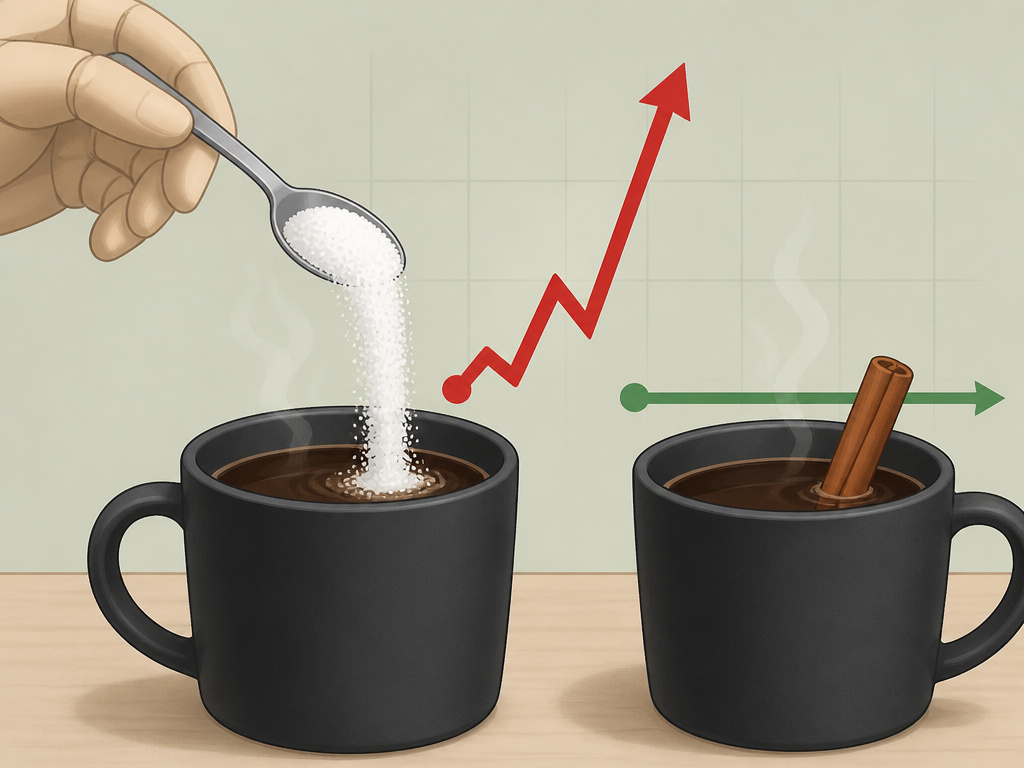
We’ve been talking about black coffee. The moment you add sweeteners or creamers, you change the equation completely.
A tablespoon of sugar contains about 4 grams of carbohydrates that convert directly to glucose. Flavored syrups are often pure sugar. Even brown sugar sweetener carries the same glycemic impact. These additions will cause a blood sugar spike that dwarfs any minor effect from the caffeine.
High-fat, high-calorie creamers can also affect metabolism, though more through fat storage pathways than immediate glucose. If you’re tracking blood sugar, pay attention to the calorie content of milk and creamers you use.
For those seeking metabolic benefits without the spike, consider functional additions. Cinnamon for blood sugar has some supportive research. Adding healthy coffee fats like coconut oil or MCT oil benefits can promote satiety and a slower energy release, which helps stabilize glucose levels.
I used to drink my coffee with two sugars and cream. My afternoon energy crash was brutal. Switching to black with a dash of cinnamon eliminated the crash completely. The first week was an adjustment, but now I taste the coffee, not just the sugar.
Individual Factors: Why Your Friend’s Results May Vary
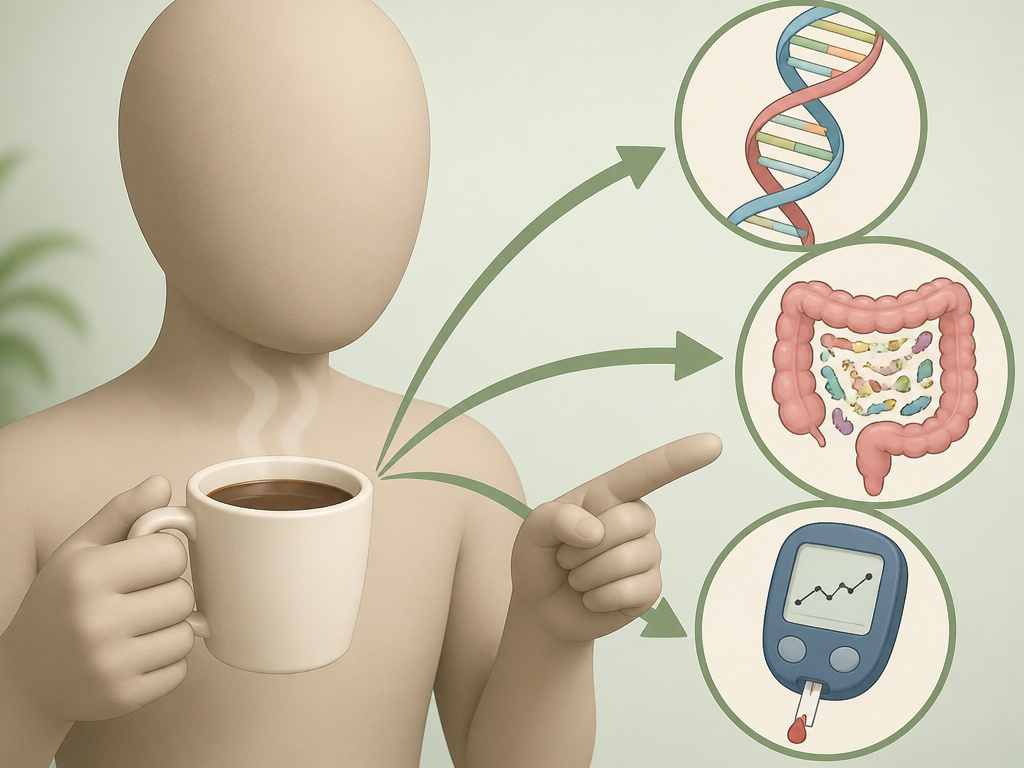
Coffee is not a uniform drug. Your unique biology dictates how you respond.
- Habitual vs. Non-Habitual: This is the biggest factor. Your body adapts.
- Genetics: Variations in genes that control caffeine metabolism (like CYP1A2) mean some people break it down quickly, feeling less effect, while others are slow metabolizers, experiencing stronger and longer-lasting impacts.
- Gut Microbiome: As the npj study suggests, your personal gut bacteria influence how coffee’s compounds are processed and what beneficial byproducts (like propionic acid) are produced.
- Existing Metabolic Health: Someone with prediabetes or insulin resistance may have a different acute response than someone with very sensitive glucose control.
This variability is why blanket statements fail. It’s also a reason some people explore lower caffeine options or different stimulant beverages altogether. Understanding your own caffeine intake and response is more valuable than any population-level statistic.
Frequently Asked Questions
Should I avoid coffee if I have diabetes or prediabetes?
Not necessarily, but you should test your personal response. Drink your usual cup (black) and check your blood sugar one and two hours later. Many people with diabetes tolerate black coffee well. The consensus from long-term studies suggests habitual consumption is protective. However, always consult your doctor and prioritize managing additions like sugar and cream.
Does decaf coffee have the same benefits?
For long-term diabetes risk reduction, yes, decaf shows a very similar benefit, confirming the role of non-caffeine compounds. It will not cause the acute caffeine-related blood sugar spike, making it a safer choice for those specifically monitoring short-term glucose reactions.
How many cups of coffee per day is optimal for this benefit?
The dose-response research, like the Diabetes Care meta-analysis, shows increasing benefit up to about 3-5 cups per day, with the effect plateauing thereafter. “Optimal” is individual, it’s the amount that provides benefit without causing anxiety, insomnia, or gastrointestinal distress.
Will drinking coffee break my fast for blood sugar testing?
Yes, even black coffee can trigger a small metabolic response (the caffeine effect) and may technically “break” a fast for the purpose of a pure baseline glucose test. For a standard fasting blood glucose test, follow your lab’s instructions, which usually say water only.
Which is better for blood sugar, coffee or tea?
It’s complex. Green tea, for example, offers EGCG antioxidants and L-theanine content for calm focus with less caffeine. The health benefits of black tea are also significant. For long-term metabolic protection, both coffee and tea are excellent choices due to their high polyphenol content. The “better” one depends on your caffeine tolerance and taste preference.
The Bottom Line
Coffee doesn’t have a single effect on blood sugar. It has two. The immediate, caffeine-driven reaction can nudge glucose up. The long-term, polyphenol-driven adaptation helps your body manage glucose better for decades.
Stop looking for a simple yes or no. The answer is “yes, and.” Yes, it can raise it briefly, and yes, it lowers your long-term risk. For most people, the decades of protection far outweigh the minutes of a slight spike. Drink your coffee, preferably black or with mindful additions, and let the chlorogenic acids do their slow, steady work.
