
Does Coffee Help Migraine Headaches? Try the 3-Week Test
Coffee can help a migraine attack in progress for some people, but habitual daily consumption is a common trigger for increased migraine frequency. The relief you feel from your morning cup may simply be curing a caffeine withdrawal headache you created the day before.
Most discussions stop at “it’s a double-edged sword.” That vague advice is useless when your head is pounding. The real confusion isn’t about caffeine’s dual nature, it’s about mistaking withdrawal relief for therapeutic benefit.
This guide breaks down the peer-reviewed mechanics, names the specific studies, and gives you a clear, three-week personal experiment to determine your own relationship with coffee and migraines.
Key Takeaways
- A 2004 review in Headache journal found withdrawal headaches can start after stopping just 100 mg of caffeine daily, less than one strong cup of coffee.
- The perceived “cure” from a morning coffee often just treats the withdrawal headache caused by yesterday’s caffeine, creating a vicious cycle.
- A 2020 study in The American Journal of Medicine linked higher habitual caffeine intake to a modestly increased risk of incident migraine.
- For a definitive answer, you need a clean 21-day test: one week baseline, two weeks zero caffeine, then careful reintroduction.
- Non-caffeine strategies, like high-dose magnesium, show strong evidence; a cited study found 60% participant relief at 1500 mg daily.
The Caffeine Withdrawal Headache Trap
You skip your afternoon coffee on Tuesday. By Wednesday morning, a dull, pressing headache builds behind your eyes. You drink your regular cup and it fades within 30 minutes. Conclusion: coffee helps your headaches.
That conclusion is probably wrong. What you likely experienced was a caffeine withdrawal headache being relieved by the very substance that caused it. This is the central confusion in the coffee-migraine debate.
A 2004 clinical review in Headache: The Journal of Head and Pain is blunt: cessation of as little as 100 mg of caffeine per day, the amount in a strong 8-ounce cup of coffee, can induce withdrawal symptoms including headache. The mechanism is well understood. Caffeine blocks adenosine receptors in the brain. Adenosine is a neuromodulator that promotes vasodilation and sleepiness. With regular caffeine intake, your brain produces more adenosine receptors to compensate. When you suddenly remove the caffeine blockade, all those extra receptors are flooded with adenosine, causing cerebral blood vessels to dilate excessively. That vasodilation is what you feel as a withdrawal headache.
Common mistake: Using coffee to treat a morning headache without tracking your previous day’s intake, you might be treating withdrawal, not a primary migraine, and reinforcing the dependency cycle.
Your coffee isn’t curing a migraine. It’s ending a mini-withdrawal episode you scheduled for yourself. This pattern masks whether coffee is a true trigger for your primary migraines.
TL;DR: The headache your coffee “fixes” may be one it created. You need to break the cycle to see the real picture.
How Caffeine Can Actually Stop a Migraine Attack
There is a valid, acute use case. During a migraine’s prodrome or early attack phase, cranial blood vessels dilate. Caffeine, as a vasoconstrictor, can counteract this. This is why it’s a key ingredient in over-the-counter migraine medications like Excedrin Migraine, it enhances the absorption and efficacy of pain relievers like aspirin and acetaminophen.
The therapeutic window is narrow and timing-dependent. It works best when used sparingly, at the very first sign of an attack, and not as a daily prophylactic. Think of it as an emergency brake, not cruise control.
Using caffeine as a rescue medication more than two days a week risks medication overuse headache, a condition noted in the 2009 Headache journal review on caffeine’s dual role.
The American Migraine Foundation caffeine guide advises this exact limited, acute-use strategy. It warns against daily use for prevention because of the dependency and rebound risk. Your brain’s adaptation to daily caffeine shrinks this therapeutic window to zero.
When Daily Coffee Becomes a Migraine Trigger
Habitual consumption changes the game. The 2020 prospective cohort study in The American Journal of Medicine followed women and found that higher habitual caffeine intake was associated with a modest increase in the risk of developing migraine. It’s a dose-response relationship: more daily caffeine correlates with higher odds.
The YouTube transcript citing a study noted a clear escalation: “two or more caffeinated beverages per day can trigger migraines three to four servings… increase it by 1.5 times and 5 servings… increase your chance… by 2x.”
The trigger mechanism isn’t just about withdrawal. Chronic caffeine use may lower your general threshold for migraine attacks by constantly perturbing neurotransmitter systems and sleep architecture. It creates a state of nervous system instability. Then, any additional stressor, dehydration, a missed meal, bright lights, is more likely to tip you over into an attack.
| Daily Caffeine Habit | Likely Effect on Migraine Risk | Primary Mechanism |
|---|---|---|
| Occasional / Acute Use | May abort early attack | Vasoconstriction |
| Moderate (1-2 cups/day) | Increases frequency risk | Dependency & withdrawal cycles |
| High (3+ cups/day) | Significantly increases risk | Lowered attack threshold & rebound |
If you’re a daily drinker trying to parse this, you’re swimming in noisy data. Every headache is a mix of potential primary migraine and guaranteed withdrawal effects. You cannot analyze the signal until you remove the noise.
A Practical 3-Week Personal Test
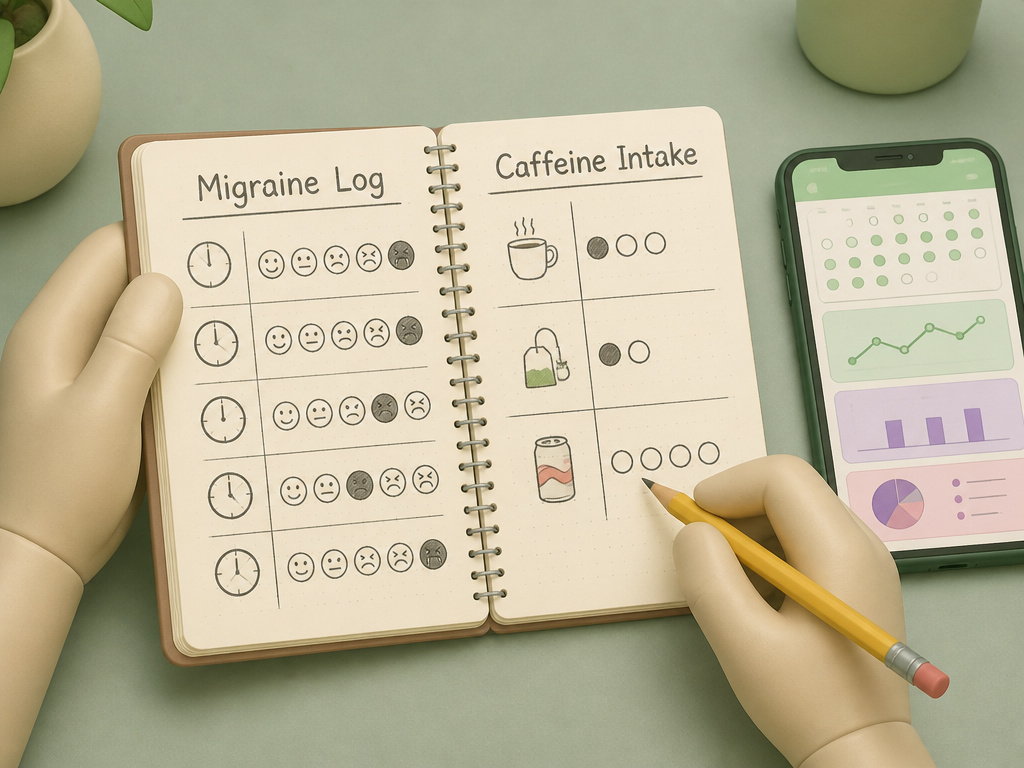
You need a clean experiment. Anecdotes and online lists won’t help. Your biology is unique. This test requires patience but gives a definitive answer.
Week 1: Baseline Tracking. Do not change your habits. Log every migraine (time, severity 1-10, symptoms) and every source of caffeine. Use an app or notebook. Note the caffeine content in espresso versus drip coffee, and remember caffeine in tea counts. This establishes your “with caffeine” baseline.
Week 2 & 3: Total Elimination. Cut all dietary caffeine. Coffee, tea, soda, energy drinks, chocolate. Read labels. Withdrawal headaches peak around days 2-4. They feel like a diffuse, bilateral pressure headache, often with fatigue and irritability. This is not a migraine. Push through.
By the end of Week 3: Your body has reset. Any headaches you now experience are your true migraine pattern, absent caffeine’s influence. Compare frequency and severity to your Week 1 log.
Week 4 (Optional Reintroduction): If you want to confirm coffee as a trigger, reintroduce one measured serving on a headache-free day. A single cup of cappuccino caffeine content or brewed coffee. See if it precipitates a migraine within 24 hours. If it does, you have a confirmed trigger.
I tried this after years of two daily coffees. The withdrawal days were rough, brain fog and a persistent low-grade headache. But by day 10, my chronic morning head pressure vanished. A reintroduction test with a single espresso shot triggered a full migraine with aura within six hours. My answer was suddenly very clear.
The Harvard Health migraine and coffee blog strongly advocates for a similar elimination trial. It’s the only way to cut through the cycle of self-induced symptoms.
Evidence-Based Alternatives to Coffee for Migraine Management

If coffee is a trigger for you, or you simply want to reduce reliance, these alternatives have clinical backing. They address the underlying vulnerabilities that caffeine was masking.
High-Dose Magnesium. This is the most promising nutrient. The YouTube transcript cited a striking study: at 1500 mg of magnesium per day, 60% of participants had no migraines. Most studies use 400-600 mg of magnesium glycinate or citrate. It works by regulating neurotransmitter release and vasoconstriction. Start with 400 mg daily under a doctor’s guidance, as high doses can cause gastrointestinal effects.
Riboflavin (Vitamin B2). A 2015 review in Headache found 400 mg daily reduced migraine frequency in adults. It supports mitochondrial energy production in brain cells.
Consistent Sleep and Hydration. Boring but non-negotiable. Dehydration and sleep disruption are top universal triggers. Caffeine sabotages both by acting as a diuretic and disrupting sleep architecture, even if you feel it doesn’t.
Dietary Consistency. Skipping meals drops blood sugar, a common trigger. The ketogenic diet mentioned in the YouTube transcript helps some by providing stable ketone energy for the brain, but it’s a major lifestyle shift.
Exploring the health benefits of tea can offer a ritual replacement without the same caffeine load, especially if you choose green or herbal varieties. The slower caffeine release rates from tea due to L-theanine may also be less provocative for a sensitive system.
Understanding the Risks of Other Stimulants
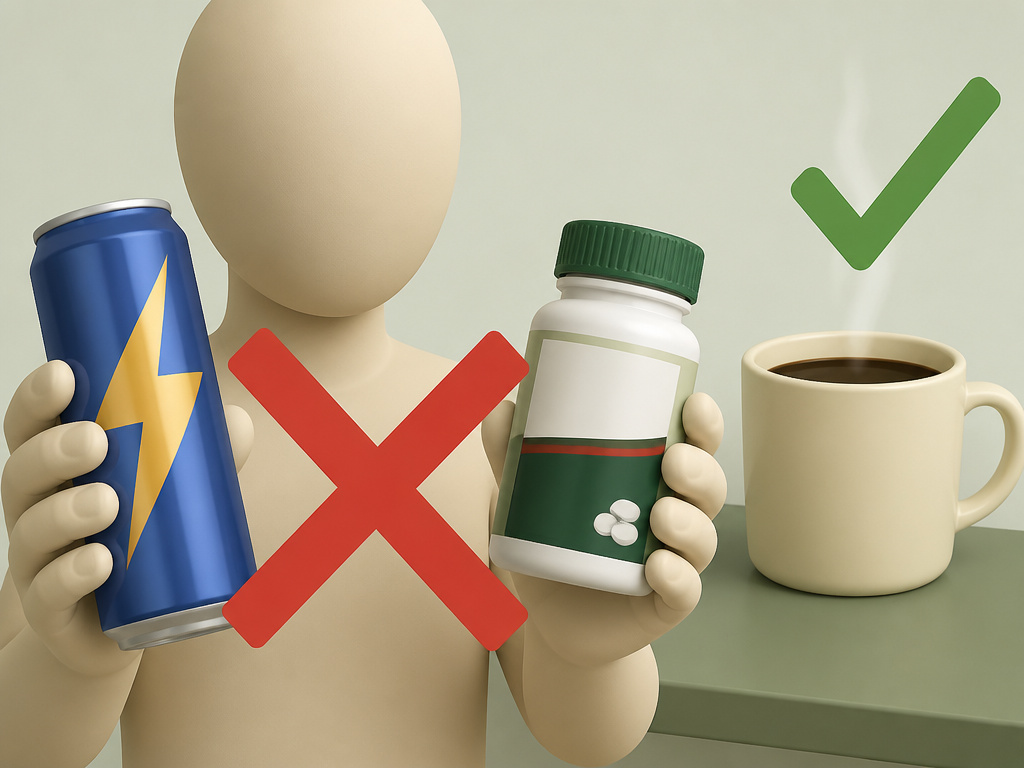
Swapping coffee for other high-caffeine products often makes things worse. This is crucial if your elimination test confirms caffeine sensitivity.
Energy Drinks. Products like Red Bull caffeine and Monster Energy caffeine deliver a similar or higher caffeine bolt, plus a cocktail of sugar, other stimulants like taurine, and guarana. The health impacts of energy drinks include sharper blood sugar spikes and crashes, which are potent migraine triggers. The caffeine and additives create a more destabilizing effect than coffee alone.
Over-the-Counter Painkillers with Caffeine. Using Excedrin or similar medications more than 10 days a month can lead to medication overuse headache, turning episodic migraines chronic. The Journal of Headache and Pain study on caffeine in headache management stresses this risk. They are for occasional rescue, not daily management.
If you have concerns about caffeine’s systemic effects, our deep dives on coffee and heart health and coffee and heart attack risk explore the cardiovascular angles. For some, the cardiovascular effects of coffee like transient blood pressure rises can be part of the trigger cascade.
Frequently Asked Questions
How much caffeine is in a cup of coffee?
An 8-ounce cup of brewed coffee typically contains 95-165 mg of caffeine. Espresso has about 64 mg per ounce, but the serving is smaller. The wide range depends on bean, roast, and brew method. Check our comparison of espresso caffeine levels for details.
How long does caffeine withdrawal last?
Peak symptoms hit 24-48 hours after your last dose and can last up to 9 days. The headache is usually gone by day 7. Fatigue and brain fog may linger a few days longer.
Can decaf coffee trigger migraines?
True decaf (Swiss Water Process or CO2 method) contains only 2-5 mg of caffeine per cup and is unlikely to be a trigger. However, some people are sensitive to other compounds in coffee, like tannins or trace mycotoxins. If you react to decaf, the trigger is likely not caffeine.
Is tea a better option than coffee for migraine sufferers?
Possibly. Tea generally has less caffeine (20-60 mg per cup for black tea) and contains L-theanine, which promotes calm alertness. The slower caffeine effects comparison might be less jarring to a sensitive system. Black tea caffeine levels are a middle ground.
Should I quit caffeine cold turkey?
rapid taper over 3-5 days is easier than cold turkey. Mix decaf with regular, reducing the regular proportion each day. This softens the withdrawal headache severity. The goal is still to reach zero for a clean test.
The Bottom Line
The answer to “does coffee help migraine headaches” is not a yes or no. It’s a diagnostic flowchart. Does your morning coffee fix a headache? You’re likely in a withdrawal loop. Do you use it occasionally to stop an attack? That’s a valid acute tool. Do you drink it daily and have frequent migraines? Your habit is probably a primary contributor.
The only way to know your position on that flowchart is to conduct the 21-day test. It’s inconvenient. The first week is a headache. But the clarity it provides is permanent. You’ll either confirm coffee as a trigger and break free from a cycle, or you’ll rule it out and focus your energy on finding the real culprits. That knowledge is more valuable than any daily cup.
{
“@context”: “https://schema.org”,
“@type”: “HowTo”,
“name”: “How to Test if Coffee Helps or Hurts Your Migraines”,
“totalTime”: “P21D”,
“step”: [
{
“@type”: “HowToStep”,
“name”: “Track your baseline”,
“text”: “For one week, log every migraine occurrence, its severity, and your exact caffeine intake (coffee, tea, soda) in milligrams.”
},
{
“@type”: “HowToStep”,
“name”: “Eliminate all caffeine”,
“text”: “Cut out all dietary caffeine completely for two full weeks. Expect a withdrawal headache around days 2-4.”
},
{
“@type”: “HowToStep”,
“name”: “Observe the migraine pattern”,
“text”: “After withdrawal symptoms pass (by day 7-10), note if your migraine frequency or intensity changes compared to your baseline week.”
},
{
“@type”: “HowToStep”,
“name”: “Reintroduce carefully”,
“text”: “In week four, reintroduce a single, measured serving of caffeine (e.g., one cup of coffee). Record if it precipitates a migraine within 24 hours.”
}
]
}
{
“@context”: “https://schema.org”,
“@type”: “FAQPage”,
“mainEntity”: [
{
“@type”: “Question”,
“name”: “How much caffeine is in a cup of coffee?”,
“acceptedAnswer”: {
“@type”: “Answer”,
“text”: “An 8-ounce cup of brewed coffee typically contains 95-165 mg of caffeine. Espresso has about 64 mg per ounce, but the serving is smaller. The wide range depends on bean, roast, and brew method. Check our comparison of espresso caffeine levels for details.”
}
},
{
“@type”: “Question”,
“name”: “How long does caffeine withdrawal last?”,
“acceptedAnswer”: {
“@type”: “Answer”,
“text”: “Peak symptoms hit 24-48 hours after your last dose and can last up to 9 days. The headache is usually gone by day 7. Fatigue and brain fog may linger a few days longer.”
}
},
{
“@type”: “Question”,
“name”: “Can decaf coffee trigger migraines?”,
“acceptedAnswer”: {
“@type”: “Answer”,
“text”: “True decaf (Swiss Water Process or CO2 method) contains only 2-5 mg of caffeine per cup and is unlikely to be a trigger. However, some people are sensitive to other compounds in coffee, like tannins or trace mycotoxins. If you react to decaf, the trigger is likely not caffeine.”
}
},
{
“@type”: “Question”,
“name”: “Is tea a better option than coffee for migraine sufferers?”,
“acceptedAnswer”: {
“@type”: “Answer”,
“text”: “Possibly. Tea generally has less caffeine (20-60 mg per cup for black tea) and contains L-theanine, which promotes calm alertness. The slower caffeine effects comparison might be less jarring to a sensitive system. Black tea caffeine levels are a middle ground.”
}
},
{
“@type”: “Question”,
“name”: “Should I quit caffeine cold turkey?”,
“acceptedAnswer”: {
“@type”: “Answer”,
“text”: “rapid taper over 3-5 days is easier than cold turkey. Mix decaf with regular, reducing the regular proportion each day. This softens the withdrawal headache severity. The goal is still to reach zero for a clean test.”
}
}
]
}
