
Mate Caffeine vs Coffee: How Brewing Temperature Changes Effects
Mate caffeine versus coffee isn’t a simple mg-to-mg comparison. The real difference lies in three specific factors: the brewing ritual (slow sipping vs quick drinking), the presence of balancing compounds like theobromine in mate, and a counterintuitive brewing truth, mate extracts more caffeine at 70°C than at boiling 100°C.
Most comparisons just throw two numbers on a chart. They miss why a 250mg caffeine session from a mate gourd feels like calm focus, while a 150mg shot of espresso can launch you into the ceiling. The ritual dictates the biochemistry.
This breaks down the measurable specs, the flawed labeling on some mate bags, and the physical experience behind each drink. You’ll know which one to reach for at 7 AM versus 2 PM.
Key Takeaways
- Brewing method dictates dose. A traditional mate session with 50g of leaves can deliver 250-300mg of caffeine over an hour, rivaling strong coffee, but the slow sipping spreads the stimulant load.
- Temperature changes extraction. Peer-reviewed studies show yerba mate brewed at 70°C yields higher caffeine content than at 100°C, the opposite of coffee, where hotter is stronger.
- The “mate effect” is real. The combination of caffeine, theobromine, and antioxidants in mate promotes a focused, jitter-free alertness, with some research noting it may slightly lower heart rate.
- Check the leaf-to-stem ratio. “Despalada” or “sin palo” mate (stem-free) has more caffeine per gram than “con palo” (with stems), but some brands misleadingly list the same caffeine content for both.
- Coffee’s spike is its feature and flaw. The rapid, high-peak caffeine delivery is perfect for a fast reboot but often leads to a sharper crash and more pronounced anxiety or digestive acidity.
How Does the Caffeine Experience Actually Feel?
The first sip tells the story. Coffee caffeine hits like a hammer. Mate caffeine unfolds like a tide.
With coffee, the stimulant effect is front-loaded. You drink a concentrated cup in a few minutes. Plasma caffeine levels spike rapidly, often within 15-30 minutes. This is the classic “bolt”, great for shaking off sleep, brutal if you’re already wired. The downside is the crash. When that peak passes, the drop can be steep, leaving you fatigued or reaching for another cup. For some, this cycle brings jitters, a racing heart, or stomach acid.
Common mistake: Chasing coffee’s energy spike with more coffee in the afternoon, the compounded caffeine disrupts sleep architecture even if you fall asleep, reducing deep sleep by roughly 20 percent.
Yerba mate works differently. The traditional preparation involves packing a gourd with leaves, inserting a bombilla (filtered straw), and refilling it with hot water many times over an hour or more. You sip continuously. This slow, sustained ingestion spreads the caffeine intake over time. The result is a gradual rise to a plateau of alertness that lasts for hours, followed by a gentle taper. There’s no dramatic crash.
Furthermore, mate contains theobromine, the same compound found in dark chocolate. Theobromine is a mild stimulant that smooths out caffeine’s edges, promoting vasodilation and a sense of calm focus. It’s why users describe a “clean” or “clear-headed” energy. Intriguingly, one study highlighted in a YouTube analysis noted mate may cause a slight decrease in resting heart rate, a phenomenon almost unheard of with pure caffeine sources.
TL;DR: Coffee is a sprint; mate is a paced hike. One gives a sharp, urgent kick; the other delivers sustained, steady fuel.
The Numbers: A Side-by-Side Comparison
Forget averages. The caffeine in your cup is a variable, not a constant. For coffee, the bean type, roast level, grind, and brew method create a wide band. For mate, the leaf quality, stem content, and, critically, water temperature define the range.
The table below shows why a single number is useless.
| Beverage & Method | Typical Caffeine Range (per serving) | Key Variables |
|---|---|---|
| Drip Coffee (8 oz) | 85 – 150 mg | Bean origin (Robusta vs Arabica), roast (lighter has more), brew ratio, contact time. |
| Espresso (1 oz shot) | 63 – 85 mg | Dose (18g standard), grind fineness, extraction time (25-30 sec target). |
| Yerba Mate (French Press, 8 oz) | ~85 mg | Leaf grade, 70°C vs 100°C water (70°C extracts more), steep time. |
| Yerba Mate (Traditional Gourd Session) | 250 – 300 mg total | Uses ~50g of leaves, 1-1.5L water total, sipped over 60-90 minutes. |
The most non-commodity fact here is the temperature inversion. A 2024 study in Molecules found that single-brewed yerba mate infusions at 70°C averaged 17.79 mg of caffeine per gram of dry matter. When the same leaves were brewed at 100°C, the caffeine content was lower, in some samples, by as much as 6.48 mg/g. Heat degrades certain compounds, and it seems caffeine extraction in mate has a sweet spot well below boiling.
This has a direct impact on how you should prepare mate for a controlled experiment. If you want to compare it to coffee, use a thermometer. Dump boiling water on mate leaves and you’re not getting its full potential.
For coffee, the caffeine release rates are faster due to the near-boiling water and finer grind. This is a fundamental pharmacokinetic difference.
Why Brewing Method is Everything
You cannot separate the caffeine from the ritual. The vessel and the timeline are active ingredients.
The Traditional Mate Gourd: This is the full-spectrum experience. You pack the gourd two-thirds full with yerba mate leaves, tilt it, insert the bombilla, and add warm (not boiling) water to the empty space. You sip, then refill. And refill again. Over the next hour, you might add a liter or more of water. The aggregate caffeine pulled from those 50 grams of leaves is substantial, hence the 250-300mg total. But because you ingest it slowly, your liver metabolizes it at a steady pace. There’s no flood.
The Western “Tea” Method (French Press/Cup): Here, you treat mate like loose-leaf tea. A tablespoon of leaves (about 5-7g) in a cup or press with hot water for 5 minutes. This extracts a single, moderate dose, similar to a cup of black tea. You get the compounds, but you miss the prolonged-release mechanism. It’s a simpler, more accessible entry point, but it’s a different drug delivery system.
The Coffee Methods: From espresso to pour-over, the goal is efficiency, maximum extraction into a small liquid volume consumed quickly. This design ensures a rapid peak. The brewing factors for caffeine in coffee are all about maximizing solubility in a short window.
I used to brew mate in a French press with boiling water, thinking stronger was better. The cup was harsh, bitter, and the energy felt scattered. Switching to 75°C water and a 6-minute steep transformed it. The flavor was vegetal and sweet, and the focus lasted through my morning writing without a single glance at the clock. The temperature on the kettle matters more than the brand in the bag.
TL;DR: The gourd creates a time-release caffeine drip. The French press makes a caffeine bullet. Your choice of method pre-selects your energy curve.
The Hidden Variable: Leaf Grade and Labeling Lies

Not all yerba mate is created equal. The plant Ilex paraguariensis produces leaves and stems. The ratio in your bag is the biggest determinant of caffeine concentration, and here, the marketplace gets fuzzy.
- Despalada (Sin Palo): This means “de-stemmed.” It contains mostly leaves, which hold the caffeine. It’s more potent by weight and often has a more intense, bitter flavor.
- Con Palo: This blend includes stems. It’s milder, smoother, and lower in caffeine because stems are mostly fiber.
A logical consumer would expect a “sin palo” product to list a higher caffeine content than a “con palo” product from the same brand. Reality disagrees. As noted on specialty blogs like Matexperience, some major brands list identical caffeine amounts for both types. For instance, if Piporé claims 121 mg for an infusion of 50g of yerba, they may claim the same number whether it’s con palo or sin palo. This is a known point of where owners disagree with the manufacturer’s positioning. It suggests standardized labeling, not batch-specific testing.
| Yerba Mate Type | Caffeine Concentration | Flavor Profile | Best For |
|---|---|---|---|
| Despalada (Sin Palo) | Higher (more leaf matter) | Strong, bitter, robust, grassy | Experienced users, maximum caffeine, traditional purists. |
| Con Palo | Lower (diluted with stems) | Mellow, smooth, slightly sweet | Beginners, all-day drinking, those sensitive to bitterness. |
| Flavored/Herbal Blends | Variable (often lower) | Citrus, mint, floral notes | Flavor-focused drinking, reducing caffeine intake. |
When you buy, the label is your first clue. If you want a stronger effect, seek “despalada.” But trust your palate and your body’s response more than a potentially generic number on the package. The overall effects of green tea, for example, are also heavily influenced by leaf grade, showing this is a common issue across botanical stimulants.
Health & Side Effects: Beyond the Buzz

Both drinks offer more than just caffeine. Their secondary compounds dictate the side effect profile and long-term health benefits of tea.
Yerba Mate’s Portfolio: Mate is loaded with antioxidants (chlorogenic acids, saponins), vitamins (B1, B2, C), and minerals (magnesium, potassium). The theobromine modulates the caffeine. Research cited by sources like National Geographic links mate consumption to support for weight management, blood sugar control, and reduced cholesterol. The health effects of yerba mate are a major part of its appeal. The potential downside? Drinking very hot mate (above 65°C) consistently over decades has been associated with an increased risk of esophageal cancer in some studies, similar to hot tea. Let it cool slightly.
Coffee’s Strengths: Coffee is a premier source of antioxidants for many Western diets. It’s strongly linked to reduced risk of Parkinson’s, Alzheimer’s, Type 2 diabetes, and liver disease. Its downside is often the acidity of tea and coffee, coffee’s acids (chlorogenic, quinic) can trigger GERD or heartburn in susceptible people. The caffeine itself can exacerbate anxiety, insomnia, and bone calcium leaching if intake is very high.
Common mistake: Assuming mate is “healthier” than coffee in a blanket sense. Both have robust health literature. The choice hinges on your personal tolerance for acidity, caffeine sensitivity, and which compound profile aligns with your health goals.
For those monitoring stimulant intake, understanding the caffeine content in energy drinks provides a useful contrast. A single Monster Energy drinks can contain 160mg of caffeine plus a heap of sugar and other stimulants, creating a harsher, more anxious effect than either coffee or mate.
Which One Should You Choose?
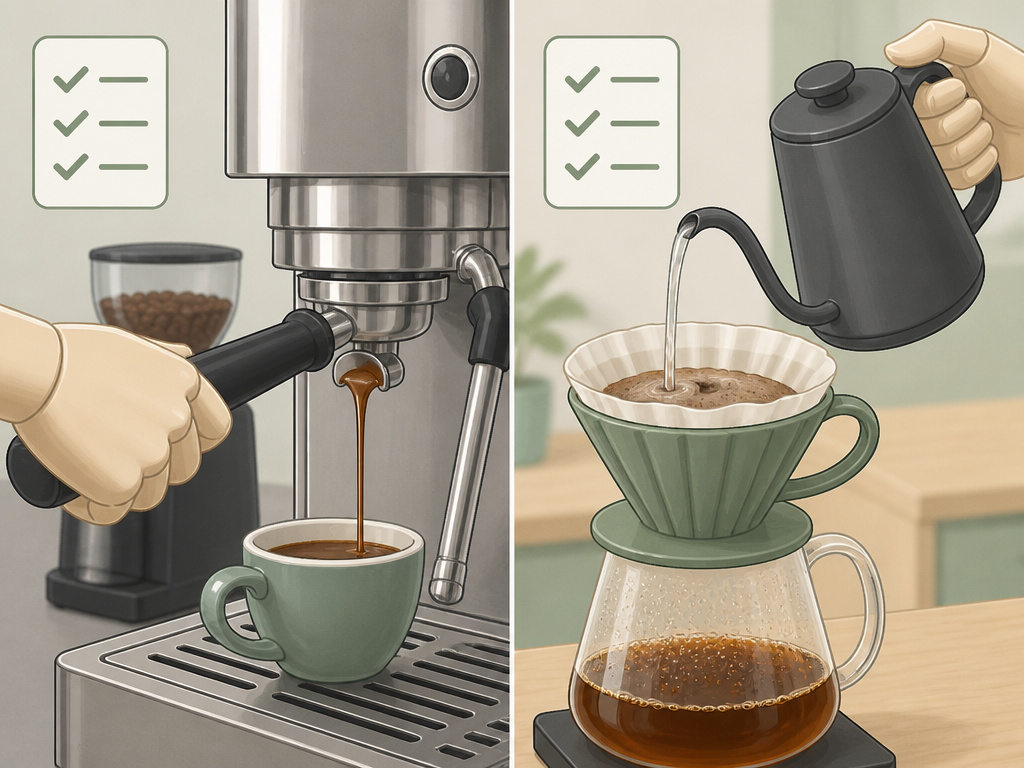
Stop looking for a winner. Start matching the tool to the task.
Choose Coffee If:
- You need a rapid, powerful mental ignition within 20 minutes.
- You love the ritual of grinding beans and the aroma of a fresh brew.
- Your stomach handles acidity well.
- You’re after the well-documented long-term health benefits specific to coffee.
- You prefer a quick, discrete drinking session.
Choose Yerba Mate If:
- You want sustained, jitter-free energy for 2-4 hours of focused work or study.
- You are prone to caffeine anxiety or the coffee “shakes.”
- You enjoy a slower, more social, or meditative drinking ritual.
- You are exploring the unique health benefits of yerba mate and antioxidant profile.
- You want to reduce acidic beverages in your diet.
You can also mix them. Many people use coffee for the morning launch and mate for the afternoon sustain, avoiding the crash that would come from a second coffee. It’s a pragmatic approach that respects the different pharmacokinetics of each plant.
Frequently Asked Questions
Does yerba mate have more caffeine than coffee?
Per serving, usually not. A cup of mate from a French press has similar caffeine to a cup of coffee. However, a full traditional mate session consumes far more leaf matter and can deliver a total caffeine dose that exceeds a single cup of coffee, but it’s administered over a much longer period.
Why does mate not make me jittery like coffee?
Two reasons. First, the sipping ritual leads to slower absorption. Second, and more importantly, mate contains theobromine. This compound smooths caffeine’s stimulant effect, promoting calm alertness and even mild vasodilation. It’s a different biochemical cocktail.
Can I drink mate if I’m sensitive to caffeine?
Proceed with caution, but it’s possible. Start with a “con palo” (with stems) blend, use less leaf, and brew it weak. The smoother onset may be more tolerable than coffee’s spike. Listen to your body.
Is it safe to drink yerba mate every day?
For most people, yes, when consumed at moderate temperatures (below 65°C/149°F). There is epidemiological evidence linking the consumption of very hot mate over decades to increased esophageal cancer risk, similar to other hot beverages. Let it cool.
Does brewing temperature really affect mate caffeine that much?
Yes. Peer-reviewed Scientific Reports study on yerba mate composition and other analyses confirm that caffeine extraction peaks around 70-80°C. Boiling water (100°C) can actually result in less extracted caffeine and a more bitter, astringent cup.
How does mate compare to energy drinks?
Favorably. A typical Red Bull caffeine serving is 80mg, often with 27g of sugar. Mate provides a similar or greater caffeine dose from a whole plant, with antioxidants, vitamins, and no sugar crash. The energy from mate is cleaner and longer-lasting.
Before You Go
Mate caffeine and coffee caffeine are different tools. One is a scalpel, the other is a mallet. Your job is to know which material you’re working on.
If your day demands a sudden, sharp transition, from sleep to alert, from slump to sprint, coffee’s rapid peak is unmatched. If your task requires hours of deep, steady concentration where jitters are the enemy, mate’s slow-burning, theobromine-smoothed energy is the superior fuel.
The most actionable tip isn’t about choosing sides. It’s about controlling the experiment. Brew your next mate at 75°C, not with boiling water. Notice the difference in flavor and effect. Check your bag for “con palo” or “sin palo.” This granular control turns a generic comparison into a personalized practice. That’s where you find the right rhythm for your own energy.
{
“@context”: “https://schema.org”,
“@type”: “HowTo”,
“name”: “How to Compare Mate Caffeine to Coffee for Your Energy Needs”,
“totalTime”: “PT10M”,
“tool”: [
{
“@type”: “HowToTool”,
“name”: “Kitchen scale”
},
{
“@type”: “HowToTool”,
“name”: “Thermometer or temperature-controlled kettle”
},
{
“@type”: “HowToTool”,
“name”: “French press or traditional mate gourd and bombilla”
}
],
“step”: [
{
“@type”: “HowToStep”,
“name”: “Weigh your coffee and mate”,
“text”: “Measure 10 grams of ground coffee for a standard cup and 50 grams of yerba mate leaves for a traditional session to establish a comparable mass baseline.”
},
{
“@type”: “HowToStep”,
“name”: “Control your brew temperature”,
“text”: “Brew your coffee at 92-96°C. For a controlled mate comparison, steep yerba mate in a French press at 70°C for 5 minutes, noting the lower optimal temperature.”
},
{
“@type”: “HowToStep”,
“name”: “Track the caffeine release”,
“text”: “Drink the coffee in a few minutes. Sip the mate over 60-90 minutes, observing the longer, smoother onset of energy without a sharp peak or crash.”
},
{
“@type”: “HowToStep”,
“name”: “Note the physical feedback”,
“text”: “Pay attention to jitters, heart rate, and mental focus. Mate’s theobromine often delivers calm alertness, while coffee’s solo caffeine can spike anxiety.”
}
]
}
{
“@context”: “https://schema.org”,
“@type”: “FAQPage”,
“mainEntity”: [
{
“@type”: “Question”,
“name”: “Does yerba mate have more caffeine than coffee?”,
“acceptedAnswer”: {
“@type”: “Answer”,
“text”: “Per serving, usually not. A cup of mate from a French press has similar caffeine to a cup of coffee. However, a full traditional mate session consumes far more leaf matter and can deliver a total caffeine dose that exceeds a single cup of coffee, but it’s administered over a much longer period.”
}
},
{
“@type”: “Question”,
“name”: “Why does mate not make me jittery like coffee?”,
“acceptedAnswer”: {
“@type”: “Answer”,
“text”: “Two reasons. First, the sipping ritual leads to slower absorption. Second, and more importantly, mate contains theobromine. This compound smooths caffeine’s stimulant effect, promoting calm alertness and even mild vasodilation. It’s a different biochemical cocktail.”
}
},
{
“@type”: “Question”,
“name”: “Can I drink mate if I’m sensitive to caffeine?”,
“acceptedAnswer”: {
“@type”: “Answer”,
“text”: “Proceed with caution, but it’s possible. Start with a \”con palo\” (with stems) blend, use less leaf, and brew it weak. The smoother onset may be more tolerable than coffee’s spike. Listen to your body.”
}
},
{
“@type”: “Question”,
“name”: “Is it safe to drink yerba mate every day?”,
“acceptedAnswer”: {
“@type”: “Answer”,
“text”: “For most people, yes, when consumed at moderate temperatures (below 65°C/149°F). There is epidemiological evidence linking the consumption of very hot mate over decades to increased esophageal cancer risk, similar to other hot beverages. Let it cool.”
}
},
{
“@type”: “Question”,
“name”: “Does brewing temperature really affect mate caffeine that much?”,
“acceptedAnswer”: {
“@type”: “Answer”,
“text”: “Yes. Peer-reviewed Scientific Reports study on yerba mate composition and other analyses confirm that caffeine extraction peaks around 70-80°C. Boiling water (100°C) can actually result in less extracted caffeine and a more bitter, astringent cup.”
}
},
{
“@type”: “Question”,
“name”: “How does mate compare to energy drinks?”,
“acceptedAnswer”: {
“@type”: “Answer”,
“text”: “Favorably. A typical Red Bull caffeine serving is 80mg, often with 27g of sugar. Mate provides a similar or greater caffeine dose from a whole plant, with antioxidants, vitamins, and no sugar crash. The energy from mate is cleaner and longer-lasting.”
}
}
]
}
