
Is Tea Healthier Than Coffee? The Real Antioxidant Trade-Off
Tea is not universally healthier than coffee. Both drinks offer major health benefits, but through different biochemical toolkits. The “healthier” choice depends on your body’s reaction to caffeine and your specific wellness goals, like sharp energy versus calm focus.
The short answer is no, tea is not universally healthier than coffee. Both drinks are linked to lower risks of type 2 diabetes, cardiovascular disease, and some cancers, but they work through different chemical pathways. Coffee delivers a sharper, higher-caffeine stimulant effect and a unique set of polyphenols. Tea provides less caffeine paired with L-theanine for calm focus, and its health profile shifts dramatically based on fermentation: green tea is rich in catechins like EGCG, while black tea’s theaflavins have potent antioxidant power. The “healthier” choice depends entirely on your body’s reaction to caffeine and your specific wellness goals.
Most comparisons stop at “both have antioxidants.” That misses the real story. The health impact isn’t about which drink is better, but which biochemical toolkit you’re asking your body to use. Coffee’s jolt and crash pattern is real. So is tea’s ability to mellow that edge.
This guide breaks down the antioxidant profiles, caffeine mechanics, and long-term research so you can match the drink to your day.
Key Takeaways
- Matcha, a powdered green tea, consistently shows the strongest antioxidant activity in lab tests (CUPRAC, FRAP, DPPH), outperforming both brewed green tea and coffee.
- The fermentation process that creates black tea converts delicate catechins into robust theaflavins, which a 2026 ScienceDirect study found can have antioxidant activity far stronger than their catechin precursors.
- An 8 oz cup of drip coffee contains roughly 80–100 mg of caffeine, while the same volume of tea ranges from 40–60 mg, with yellow and black teas at the higher end.
- Tea’s L-theanine, an amino acid not found in coffee, modulates caffeine’s effect, promoting alpha brain waves linked to calm alertness without the jitters or crash.
- Brewing parameters drastically change tea’s health profile: 100°C water and a 10-minute steep maximize polyphenol extraction, while cup-sized tea bags can leach nearly double the caffeine of loose-leaf.
The Antioxidant Showdown: Matcha, Green Tea, and Coffee
Forget the vague term “antioxidants.” The real fight is between specific compounds: coffee’s chlorogenic acids and various polyphenols versus tea’s catechins, theaflavins, and L-theanine. A 2021 MDPI study on tea brewing parameters found that epigallocatechin gallate (EGCG) alone accounted for over 76% of total polyphenols in spring-harvest green tea. That’s a single molecule doing most of the heavy lifting.
Coffee brings its own army. The roasting process develops a complex mix of melanoidins and chlorogenic acids that are linked to reduced inflammation and improved gut microbiome health, some studies note a cup of coffee has more fiber than a glass of orange juice. But its antioxidant profile is less variable than tea’s. Your brewing method changes coffee’s taste, but not its core beneficial compounds as dramatically.
Tea is a shapeshifter. The level of oxidation, or fermentation, of the Camellia sinensis leaf determines everything. Green and white teas are barely processed, preserving catechins like EGCG. Black tea is fully fermented, converting those catechins into theaflavins and thearubigins. A 2026 study in the Journal of Food Measurement and Characterization put hard numbers on this. Using three different antioxidant assays (CUPRAC, FRAP, and DPPH), researchers found matcha, a powdered whole-leaf green tea, consistently exhibited the strongest antioxidant performance. Black tea consistently showed the weakest.
Matcha brewed at 90 °C posted CUPRAC values of 219.39 mg TE/kg dm, FRAP values of 81.27 g TE/kg dm, and DPPH values of 51.64 g TE/kg dm in a 2026 ultrasound-assisted brewing study, outperforming all other tea types tested.
The brewing process itself is not a simple extraction. A separate 2026 ScienceDirect theaflavin formation study used an accelerated oxidation model to show that hot water infusion can induce further chemical transformations. Theaflavins, formed from catechin oxidation, demonstrated antioxidant capacity far stronger than their precursors. This means a cup of black tea is delivering a different, and potentially more powerful, type of antioxidant than a cup of green tea.
TL;DR: For maximum catechin content (like EGCG), choose unfermented green or white tea. For the potent theaflavins created by fermentation, choose black tea. Coffee offers a separate, stable set of beneficial compounds.
Caffeine and Calm: The L-Theanine Factor
Caffeine content is the most obvious difference, but it’s only half the story. An 8 oz cup of drip coffee reliably delivers 80–100 mg of caffeine. Tea is more variable. A 2023 MDPI study measuring L-theanine and caffeine across tea types found yellow tea (12.3 mg/200 mL) and black tea (12.5 mg/200 mL) had the highest caffeine levels, while white tea (5.8 mg) and oolong (4.0 mg) had the least.
The bigger differentiator is L-theanine, an amino acid almost exclusive to tea. It’s responsible for tea’s reputation for “calm alertness.” L-theanine promotes alpha brain wave activity, the state associated with relaxed focus, and modulates caffeine’s stimulant effect. You get wakefulness without the jitters or the sharp crash common with coffee. This synergy is why the caffeine release rates between the two drinks feel so distinct.
Brewing method massively impacts your caffeine intake. The same 2023 study found that for black tea, cup-sized bags yielded 39 ± 9.9 mg/200 mL of caffeine, compared to just 24 ± 7.2 mg for loose-leaf. Bag material and greater leaf surface area in a confined space leach more caffeine. If you’re sensitive to caffeine but love black tea, switching to loose-leaf in a pot is a simple fix.
| Drink & Form | Avg. Caffeine (per 8 oz / 240 mL) | Key Synergistic Compound | Typical Effect |
|---|---|---|---|
| Drip Coffee | 80–100 mg | Chlorogenic Acids | Sharp energy spike, potential crash |
| Black Tea (Bag) | ~65 mg | Theaflavins | Moderate alertness, some calm focus |
| Black Tea (Loose) | ~45 mg | Theaflavins | Milder alertness, more pronounced calm |
| Green Tea | 40–60 mg | EGCG (Catechins) | Sustained, jitter-free focus |
| Matcha | ~70 mg (approx.) | EGCG + L-theanine | Intense, calm focus (whole leaf consumed) |
Coffee’s caffeine hits fast and hard. It’s excellent for a rapid productivity boost or pre-workout kick. But that espresso caffeine spike can lead to a crash, anxiety, or sleep disruption if timed poorly. The lack of L-theanine means the stimulant effect is unmoderated.
TL;DR: Tea provides less caffeine moderated by L-theanine for smooth focus. Coffee provides more caffeine for a powerful, unmoderated jolt. Your choice depends on whether you want a scalpel or a hammer.
How Processing Changes Everything: From Green to Black
You’re not just choosing between tea and coffee. You’re choosing between degrees of leaf oxidation. This PMC overview of tea processing classifies teas by the oxidation degree of their bioactive compounds. Flavan-3-ols like catechins can represent up to 60% of the bioactive compounds in fresh tea leaves. What happens next defines the tea type.
- White & Green Teas (Unfermented): The leaves are heated quickly after picking (steamed or pan-fired) to deactivate enzymes. This halts oxidation, preserving the highest concentration of catechins, particularly EGCG. These are the teas touted for metabolism and cellular health.
- Oolong Tea (Semi-fermented): The leaves are bruised and allowed to oxidize partially, creating a spectrum of flavors and a chemical profile that mixes catechins with early-stage theaflavins.
- Black Tea (Fully fermented): The leaves are fully oxidized. This process converts most catechins into theaflavins and thearubigins. These compounds are larger, more complex, and as the 2026 ScienceDirect study notes, can exhibit stronger antioxidant activity than their catechin precursors.
- Pu-erh (Post-fermented): This tea undergoes microbial fermentation after drying, developing unique compounds and flavors not found in other teas.
Common mistake: Assuming all “antioxidants” are equal, a 2026 study found the theaflavins in black tea have antioxidant activity far stronger than the catechins in green tea from which they’re formed.
This is the core of the health comparison. If your goal is high doses of EGCG, you want unfermented green tea. If you want the complex, potent antioxidants formed during fermentation, you want black tea. Coffee doesn’t have this spectrum. A light roast and a dark roast have different chlorogenic acid levels, but the transformation isn’t as profound.
TL;DR: Green tea is a catechin supplement. Black tea is a theaflavin supplement. They are different beverages with different health profiles, both derived from the same leaf.
Brewing for Health: Temperature, Time, and Form
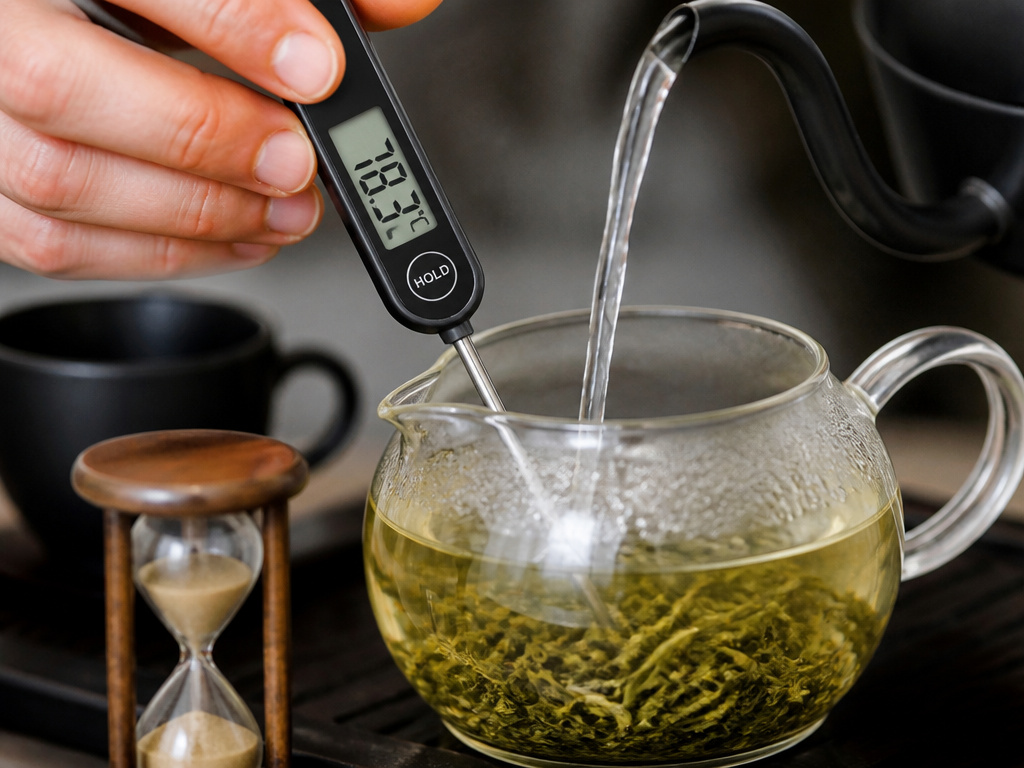
You can undo a tea’s potential with lazy brewing. The acidity levels and beneficial compound extraction are controlled by water temperature and steep time. The 2021 MDPI study was clear: the highest content of total polyphenols and EGCG was found in infusions brewed at 100 °C for 10 minutes. Most people brew green tea at 80 °C for 2-3 minutes, leaving most of the good stuff in the leaf.
- Temperature: Increasing brew temperature from 45 °C to 90 °C significantly increased antioxidant values (CUPRAC) in the 2026 study, especially for matcha and oolong. Don’t be afraid of hot water, even for green tea.
- Time: A longer steep extracts more. The 10-minute target is for maximum polyphenol yield, but it also extracts more bitterness. Find your balance.
- Form: As the caffeine data shows, bagged tea (especially cup-sized bags) behaves differently than loose-leaf. Powdered tea like matcha, where you consume the entire leaf, delivers the most concentrated dose of everything, caffeine, EGCG, and L-theanine.
Coffee is more forgiving. A standard drip machine, French press, or pour-over will extract its beneficial compounds effectively. The bigger variable for coffee health is what you add to it, the calorie comparison between black coffee and a latte is staggering.
TL;DR: To maximize health benefits from tea, use water at a full boil (100°C) and steep for longer than you think, up to 10 minutes. For coffee, focus on keeping it black.
The Additive Problem: Milk, Sugar, and Creamer

The health debate between tea and coffee often ignores the elephant in the room: what you put in them. A black coffee or plain green tea is a low-calorie, bioactive-rich beverage. Add two sugars and cream, and you’ve created a dessert. Add milk to tea, and you may be altering its benefits.
Some studies suggest the proteins in cow’s milk can bind to tea polyphenols like catechins, potentially reducing their bioavailability. The effect is less pronounced with the larger theaflavin molecules in black tea. If you drink tea primarily for the antioxidant punch, take it plain.
For coffee, additives are a calorie content disaster. A medium latte can have 250+ calories, mostly from fat and sugar. The health profile of your drink is often dictated more by the dairy and sweetener than by the coffee or tea itself.
I used to drink a large morning coffee with two creams and two sugars. The 3 PM crash was brutal. Switching to black coffee eliminated the crash and the 300 empty calories. The first week was bitter, but your taste buds adapt faster than you think.
If you need milk, consider plant-based alternatives like almond or oat milk, which may interfere less with polyphenol absorption. For sweetener, a tiny amount of honey or a non-nutritive sweetener like stevia is a better choice than refined sugar.
Long-Term Health Outcomes: What the Big Studies Say
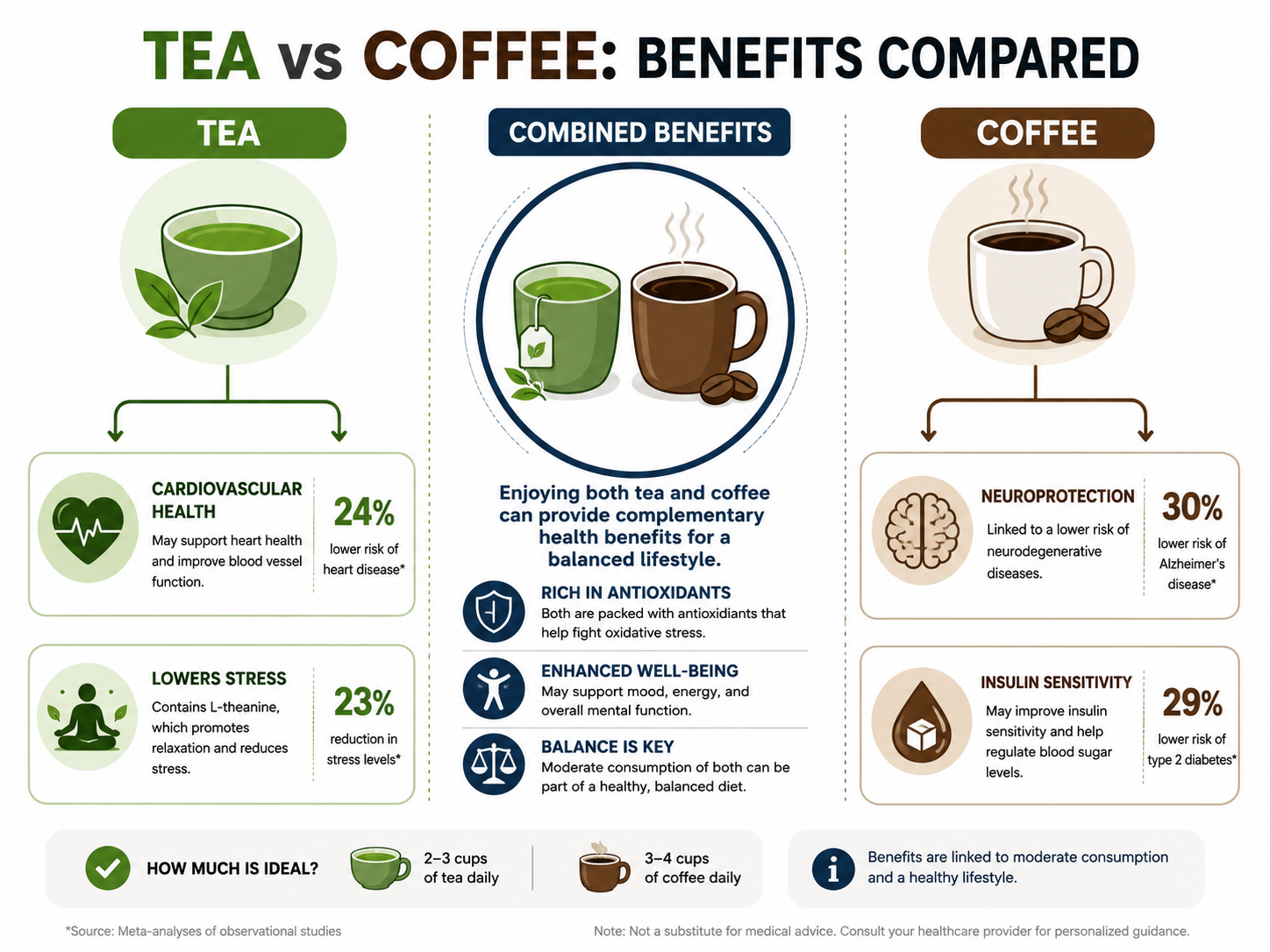
Large cohort studies, like those cited by Harvard Health Publishing, associate both coffee and tea consumption with lower risks of type 2 diabetes, cardiovascular disease, and certain neurodegenerative conditions. The mechanisms differ.
Coffee’s correlation with reduced diabetes risk is strong, possibly linked to its chlorogenic acids and magnesium content improving insulin sensitivity. Its association with lower rates of Parkinson’s and Alzheimer’s is also well-documented, likely due to caffeine’s neuroprotective effects.
Tea, particularly green tea, is strongly linked to cardiovascular health. The catechins are thought to help improve blood vessel function and lower LDL cholesterol. The L-theanine component may contribute to lower stress levels and improved blood pressure over time.
It’s not an either-or game. The most robust health outcomes are seen in people who consume both beverages regularly, suggesting complementary benefits. The worst outcomes are associated with sugary, high-calorie versions of either drink or with energy drink risks from products that combine caffeine with large amounts of sugar and novel stimulants.
TL;DR: Population studies show benefits for both drinks. The strongest protective effects are linked to drinking them plain, without calorie-dense additives.
Frequently Asked Questions
Does adding milk to tea cancel the antioxidants?
It may reduce the bioavailability of some catechins in green tea by binding to them. The effect on black tea’s theaflavins is less clear and likely smaller. For maximum benefit, drink your tea plain.
Is decaf coffee or tea still healthy?
Yes, for the most part. Many of the beneficial polyphenols and antioxidants remain after the decaffeination process. You lose the cognitive and metabolic effects of caffeine, but the core antioxidant and anti-inflammatory benefits persist.
Which has more caffeine, black tea or coffee?
Coffee wins decisively. An 8 oz cup of black tea has about 40-60 mg of caffeine, while the same amount of drip coffee has 80-100 mg. Even a strong black tea brewing session won’t match a standard coffee.
Is matcha healthier than regular green tea?
In terms of antioxidant concentration, yes. Because you consume the entire powdered leaf, you ingest all the EGCG, L-theanine, and caffeine the leaf contains. A 2026 study confirmed matcha’s significantly higher antioxidant activity across multiple assays compared to brewed green tea.
The Bottom Line
The search for a single “healthier” champion is a dead end. Coffee and tea are different tools. Reach for coffee when you need a potent, fast-acting stimulant for a focused burst. Choose tea, especially green or white, when you want sustained, calm alertness and a high dose of specific antioxidants like EGCG. Your choice might even change by the hour.
The real health hack isn’t picking one forever. It’s drinking both, plain, and paying attention to how each makes you feel. Skip the sugar, go easy on the milk, and let the leaves and beans do their work.
{
“@context”: “https://schema.org”,
“@type”: “HowTo”,
“name”: “How to Choose Between Tea and Coffee for Your Health”,
“totalTime”: “PT5M”,
“step”: [
{
“@type”: “HowToStep”,
“name”: “Identify Your Primary Goal”,
“text”: “Decide if you want a sharp energy spike (coffee) or a calm, focused lift (tea with L-theanine).”
},
{
“@type”: “HowToStep”,
“name”: “Check Your Antioxidant Priorities”,
“text”: “For maximum antioxidant punch from catechins, choose green or white tea. For theaflavins from fermented tea, choose black tea. Coffee offers different polyphenols.”
},
{
“@type”: “HowToStep”,
“name”: “Select Your Brewing Method”,
“text”: “Use hotter water (100°C) and longer steeps (10 minutes) to maximize polyphenol extraction from tea. For coffee, a standard drip or French press is sufficient for its antioxidant profile.”
},
{
“@type”: “HowToStep”,
“name”: “Consider Additives”,
“text”: “Adding milk, sugar, or creamer changes the health equation more than the base drink. Black coffee or plain tea provides the cleanest benefits.”
}
]
}
{
“@context”: “https://schema.org”,
“@type”: “FAQPage”,
“mainEntity”: [
{
“@type”: “Question”,
“name”: “Does adding milk to tea cancel the antioxidants?”,
“acceptedAnswer”: {
“@type”: “Answer”,
“text”: “It may reduce the bioavailability of some catechins in green tea by binding to them. The effect on black tea’s theaflavins is less clear and likely smaller. For maximum benefit, drink your tea plain.”
}
},
{
“@type”: “Question”,
“name”: “Is decaf coffee or tea still healthy?”,
“acceptedAnswer”: {
“@type”: “Answer”,
“text”: “Yes, for the most part. Many of the beneficial polyphenols and antioxidants remain after the decaffeination process. You lose the cognitive and metabolic effects of caffeine, but the core antioxidant and anti-inflammatory benefits persist.”
}
},
{
“@type”: “Question”,
“name”: “Which has more caffeine, black tea or coffee?”,
“acceptedAnswer”: {
“@type”: “Answer”,
“text”: “Coffee wins decisively. An 8 oz cup of black tea has about 40-60 mg of caffeine, while the same amount of drip coffee has 80-100 mg. Even a strong black tea brewing session won’t match a standard coffee.”
}
},
{
“@type”: “Question”,
“name”: “Is matcha healthier than regular green tea?”,
“acceptedAnswer”: {
“@type”: “Answer”,
“text”: “In terms of antioxidant concentration, yes. Because you consume the entire powdered leaf, you ingest all the EGCG, L-theanine, and caffeine the leaf contains. A 2026 study confirmed matcha’s significantly higher antioxidant activity across multiple assays compared to brewed green tea.”
}
}
]
}
