
Weight Loss & Coffee: Does It Really Help You Lose Weight?
Coffee can support weight management by slightly increasing metabolic rate and fat oxidation, and it may temporarily suppress appetite. However, the effect is modest, varies greatly between individuals, and is easily canceled out by adding sugar, cream, or high-calorie flavorings. The FDA’s 400mg daily caffeine limit is the safety ceiling.
The problem is expecting a morning cup to melt fat while you sit. Coffee isn’t a magic potion. It’s a mild metabolic nudge that works only within the context of your overall diet and activity.
This guide breaks down the peer-reviewed science, explains why your genetics matter more than the brand of beans, and shows you how to use coffee as a tool without derailing your progress.
Key Takeaways
- Caffeine increases energy expenditure by about 4.5% and fat burning by roughly 16%, but this translates to burning only a few dozen extra calories.
- The appetite-suppressing effect of caffeine is significant in lean individuals but disappears in those who are obese, according to a 2015 study in The American Journal of Clinical Nutrition.
- Adding just two tablespoons of cream and two sugars to your coffee adds over 100 calories, instantly negating any minor calorie-burn benefit.
- Your genetics, specifically the CYP1A2 enzyme, dictate how fast you metabolize caffeine, which directly impacts its weight-related effects and your tolerance.
- The most reliable benefit comes from using black coffee as a zero-calorie substitute for sugary beverages, not from expecting it to create a large calorie deficit.
How Caffeine Affects Metabolism and Appetite
Caffeine works by blocking adenosine receptors in your brain. This does two things relevant to weight. It makes you feel more alert. It also signals your nervous system to tell your fat cells to break down.
Caffeine intake significantly increases energy expenditure by an average of 4.5% and fat oxidation by an average of 16%, according to a 2016 meta-analysis in Obesity Reviews. These effects are observed in both lean and obese individuals, though they are more pronounced in lean subjects.
The metabolic boost is real but small. A 4.5% increase means if your body burns 1,800 calories at rest, caffeine might push that to 1,881 calories. You burn an extra 81 calories. That’s less than the calorie count of a small apple.
The fat oxidation bump means a higher percentage of the fuel your body burns comes from fat stores. This is why many people drink coffee before a workout. The timing matters.
TL;DR: Caffeine gives your metabolism a minor, temporary lift and shifts fuel sourcing toward fat, but the actual extra calories burned are minimal.
The Appetite Equation: It Depends on Your Body
The research on appetite is where things get personal. A 2015 randomized controlled trial published in The American Journal of Clinical Nutrition gave participants caffeine equivalent to about two strong cups of coffee.
Lean individuals ate less afterward and reported lower hunger. Obese individuals showed no change in food intake or subjective appetite.
Common mistake: Assuming coffee will curb your hunger, if you are carrying significant extra weight, the appetite-suppressing mechanism documented in lean individuals may not function for you.
The why-layer here involves hormonal signaling. Leptin and ghrelin, the hormones regulating hunger and satiety, behave differently in obese physiology. Caffeine’s interference with adenosine doesn’t override that deeper dysregulation.
If you’re lean and use coffee to push back breakfast a few hours, it might help. If you’re not, don’t count on it to control cravings.
The Genetics of Caffeine: Why Your Friend Feels Nothing
You know someone who drinks espresso after dinner and sleeps fine. You also know someone who gets jittery from a single cup at 8 a.m. This isn’t willpower. It’s genetics.
Your liver uses an enzyme called CYP1A2 to process caffeine. The gene that produces this enzyme has two common variants: one for “fast metabolizers” and one for “slow metabolizers.”
| Metabolizer Type | Caffeine Clearance | Weight-Loss Implication | Side-Effect Risk |
|---|---|---|---|
| Fast (CYP1A2*1A) | Clears caffeine quickly | Short-lived metabolic boost; may need more for effect | Lower risk of jitters, anxiety, sleep disruption |
| Slow (CYP1A2*1F) | Clears caffeine slowly | Longer-lasting stimulation, but effects plateau | Higher risk of negative side effects at lower doses |
A fast metabolizer might feel the energy and fat-burning effects for an hour. A slow metabolizer might feel them for four. But the slow metabolizer also accumulates more side effects, increased heart rate, anxiety, digestive issues, that can undermine healthy habits.
This genetic lottery means universal advice fails. The 400-milligram daily limit set by the FDA is a population-wide safety net. Your personal ceiling could be half that.
Coffee’s Other Players: Chlorogenic Acids and Brown Fat
Caffeine gets the headline, but coffee is a complex brew of hundreds of compounds. Chlorogenic acids (CGAs) are a major group of antioxidants in coffee, especially abundant in green, unroasted beans.
Research, including a randomized controlled trial cited in the NIH meta-analysis on coffee and obesity, suggests CGAs may influence how the body handles glucose and fat storage. The effect is subtle and long-term, more about metabolic health than acute fat loss.
Then there’s brown fat. Unlike white fat that stores energy, brown adipose tissue (BAT) burns calories to generate heat, a process called thermogenesis. Some studies, including one noted in our YouTube transcript research, indicate that coffee consumption may stimulate this “browning” of fat and activate BAT.
The proposed mechanism is that caffeine, and possibly other compounds, stimulate the sympathetic nervous system, which then switches on brown fat cells. The thermal effect is measurable. This is a frontier area of science, not a guaranteed personal outcome, but it points to coffee’s multi-pathway influence on metabolism.
What You Add to Your Coffee Is Everything
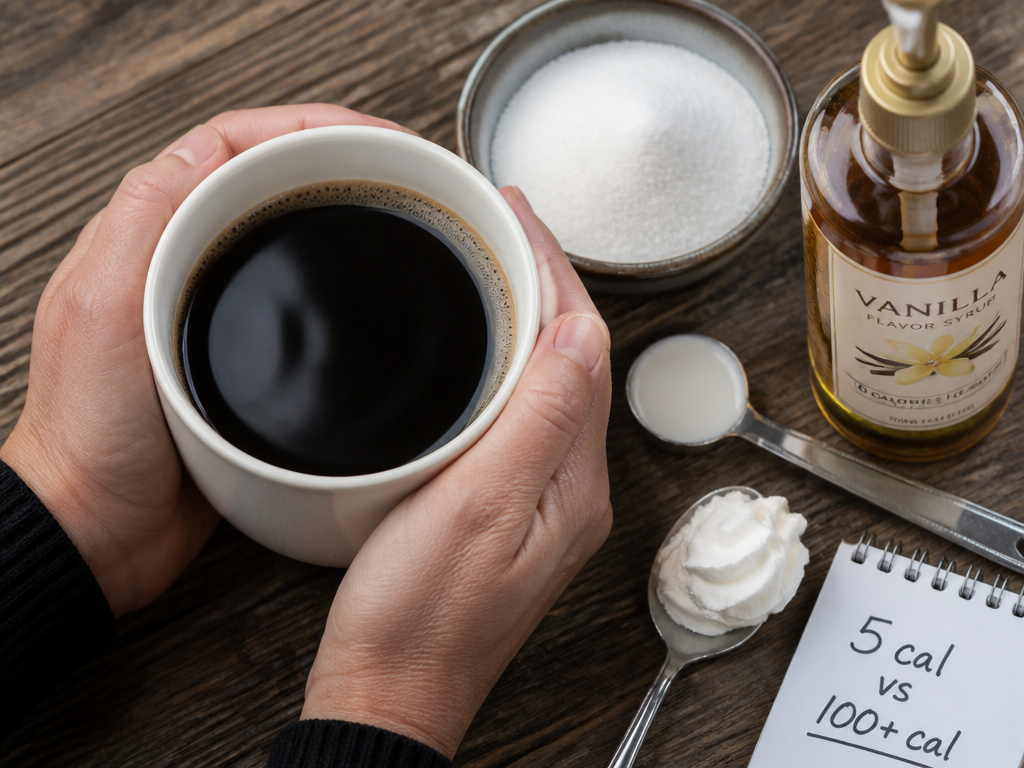
This is the non-negotiable rule. The potential 80-calorie burn from caffeine is a rounding error next to what you pour in.
Let’s run the numbers. A 16-ounce black coffee has about 5 calories. Now add the common additions:
| Addition | Typical Serving | Approximate Calories |
|---|---|---|
| Whole Milk | 2 tablespoons (1 oz) | 20 |
| Half-and-Half | 2 tablespoons | 40 |
| Granulated Sugar | 2 teaspoons | 30 |
| Flavored Syrup (e.g., vanilla) | 1 pump (0.5 oz) | 50 |
| Whipped Cream | Dollop | 50+ |
A “regular” coffee with two creams and two sugars lands around 100 calories. Drink three a day, and you’ve consumed an extra 300 calories, far more than the metabolism boost could ever offset. This is why switching from a daily mocha to black coffee is one of the simplest, most effective dietary changes for weight management.
If you need flavor, choose zero-calorie routes. A pinch of salt in coffee neutralizes bitterness without sweetness. For a richer texture and potential metabolic kick, some turn to adding MCT oil to coffee. MCTs are metabolized differently than other fats and may promote satiety. Similarly, adding coconut oil to coffee was a popular trend, though the evidence for significant weight loss is weaker.
TL;DR: Black coffee is a near-zero-calorie tool. The moment you add sweeteners or creamy dairy, you turn it into a calorie source that outweighs any fat-burning benefit.
Practical Guide: Using Coffee as a Tool, Not a Crutch
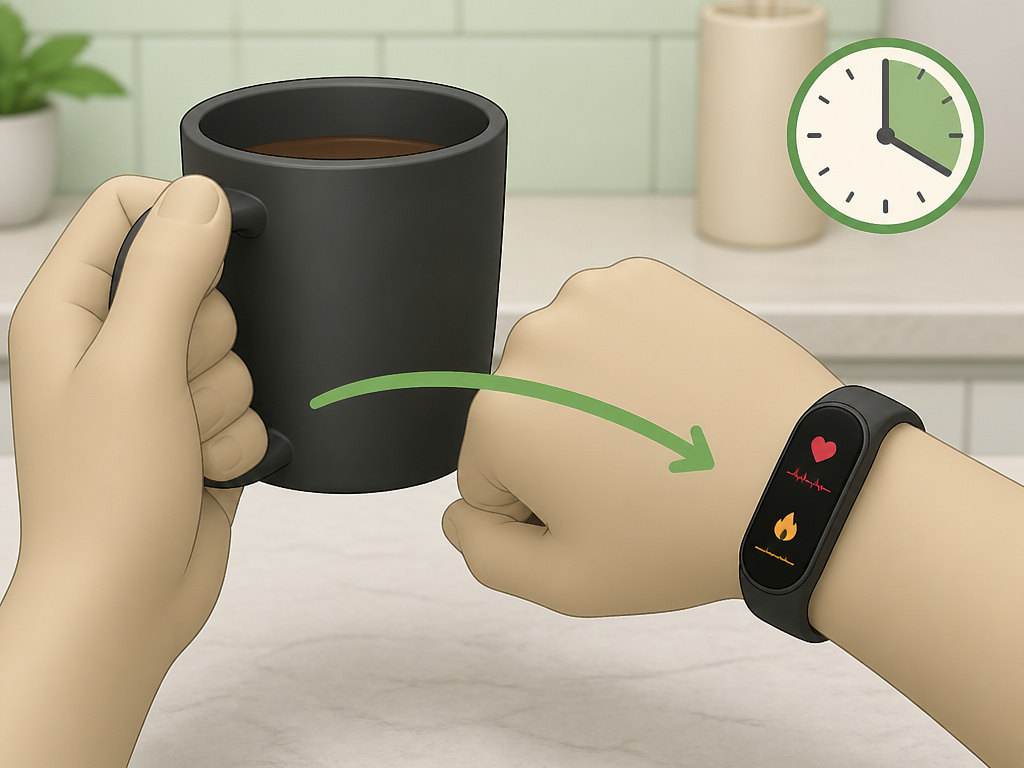
Forget shortcuts. Here’s how to integrate coffee into a sensible plan.
- Start Black. If you can’t drink it black yet, wean yourself. Reduce sugar by half each week. Switch to a splash of milk instead of cream. Track the calories in coffee from your additions so you know the real cost.
- Time It For Activity. Drink your coffee 30-60 minutes before a walk, gym session, or any physical activity. This aligns the peak caffeine concentration with the period you’re burning the most fuel, maximizing the fat-oxidation effect.
- Respect the 400mg Limit. Use the FDA guideline as your absolute max. Most 8-ounce cups of brewed coffee contain 80-100mg of caffeine. An espresso shot has about 64mg. Count all sources, tea, soda, energy drinks. Exceeding this causes jitters, anxiety, and poor sleep, which sabotage weight management.
- Listen to Your Gut. Coffee stimulates colonic activity. For some, this is a mild help. For others, it leads to urgent, loose stools, a topic covered in our article on coffee’s impact on digestion. Digestive stress is counterproductive.
- Don’t Replace Sleep. Using coffee to mask chronic sleep deprivation is a losing strategy. Poor sleep disrupts leptin and ghrelin, increasing hunger and cravings. No amount of caffeine can fix that underlying metabolic havoc.
I used to drink three large lattes daily, thinking the milk made it healthy. I calculated it one day: over 450 extra calories just from the milk. Switching to Americanos with a splash of milk cut that by 400 calories a day without changing my food. The scale moved in two weeks.
Coffee vs. Other Beverages for Weight Management
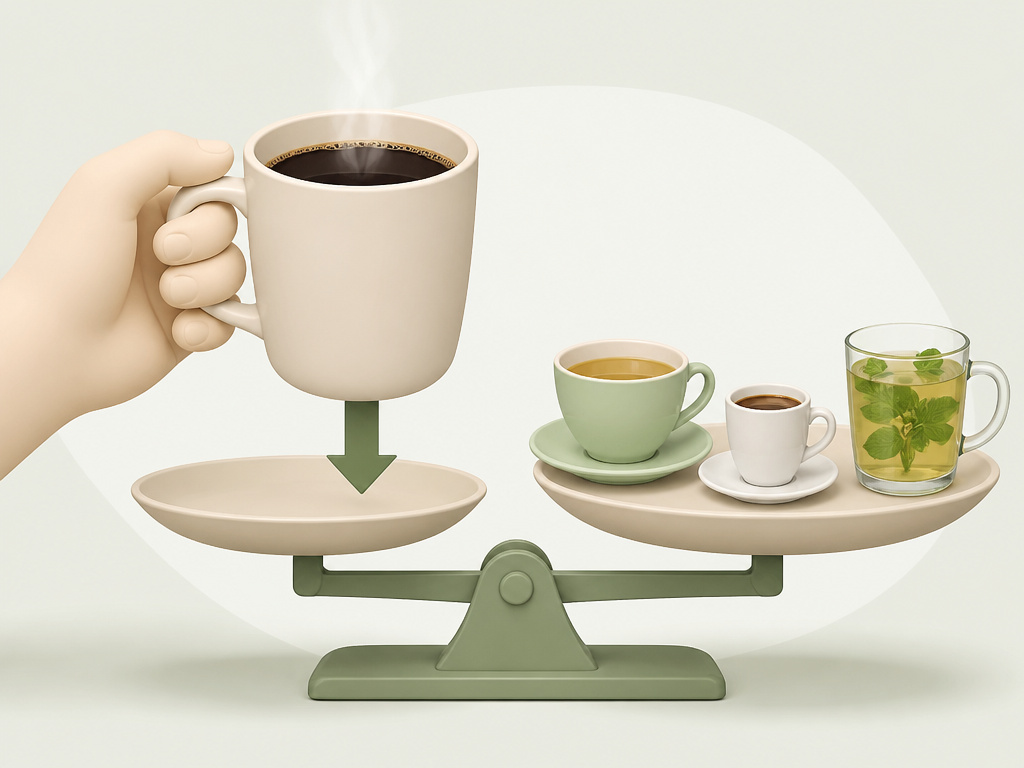
Is coffee the best choice? It depends on your goals and sensitivities.
A direct caffeine comparison shows espresso delivers a quicker, more concentrated stimulant punch, while brewed coffee provides a longer, slower release. For appetite control, the longer release might be better.
Looking beyond coffee, the health benefits of tea are compelling. Green tea, for example, contains both caffeine and L-theanine, an amino acid that promotes calm focus without jitters. The antioxidants in green tea, particularly EGCG, are also studied for their metabolic effects. A review of randomized controlled trial evidence for GCE (green coffee extract) shows some promise, but whole-bean coffee offers a more complete package.
For a zero-caffeine option, the ritual of a warm, flavored herbal tea can satisfy the “hand-to-mouth” habit without any stimulant effect. The choice between a black tea vs black coffee often comes down to caffeine tolerance and flavor preference.
Frequently Asked Questions
Does drinking coffee on an empty stomach burn more fat?
No, and it might cause more side effects. Drinking coffee increases the speed of caffeine absorption, which can lead to a sharper spike and crash, along with a higher likelihood of jitters or stomach irritation. The total metabolic effect over several hours is likely the same.
How long before a workout should I drink coffee for maximum fat burning?
Aim for 30 to 60 minutes before you start. This allows caffeine levels in your blood to peak right as you begin exercising, when your body is primed to use fat as a fuel source.
Will decaf coffee help with weight loss?
It won’t provide the caffeine-driven metabolic or appetite effects. However, decaf still contains chlorogenic acids and other compounds. More importantly, it’s a zero-calorie hot beverage that can replace high-calorie drinks, which is a net positive for calorie control.
Can coffee cause weight gain?
Yes, easily. If your coffee is a vehicle for sugar, syrup, and high-fat dairy, it becomes a calorie-dense dessert. The calories from these additions far exceed the minor boost in metabolism. Chronic overconsumption of caffeine can also disrupt sleep, which is directly linked to weight gain.
Is cold brew better for weight loss than hot coffee?
Not from a metabolic perspective. The caffeine content in coffee varies by brew method and bean, not temperature. Cold brew often has a smoother, less acidic taste, which might make it easier to drink black. That’s the real advantage.
The Bottom Line
Coffee is a minor ally in weight management, not a major force. The science confirms a small, measurable increase in metabolism and fat burning, mediated by caffeine. The real-world impact of that boost is tiny, maybe 50 to 100 extra calories burned in a day.
The significant benefits come from behavior substitution. Drinking black coffee instead of a soda, latte, or energy drink saves hundreds of calories daily. Using it as a pre-workout energizer can improve exercise performance and adherence.
Your individual response is governed by your genetics, your current weight, and what you put in the cup. Start by mastering the managing caffeine intake from all sources, keep your coffee black, and never expect it to do the hard work for you. The Harvard School of Public Health coffee overview frames it perfectly: coffee can be part of a healthy pattern, but the pattern itself is what matters.
{
“@context”: “https://schema.org”,
“@type”: “HowTo”,
“name”: “How to Use Coffee for Weight Management”,
“totalTime”: “PT5M”,
“tool”: [
{
“@type”: “HowToTool”,
“name”: “Black coffee (brewed or espresso)”
},
{
“@type”: “HowToTool”,
“name”: “Food scale (optional, for additives)”
},
{
“@type”: “HowToTool”,
“name”: “Timer or watch”
}
],
“step”: [
{
“@type”: “HowToStep”,
“name”: “Choose your coffee black”,
“text”: “Start with black coffee to avoid adding calories from sugar, milk, or cream that negate any metabolic benefit.”
},
{
“@type”: “HowToStep”,
“name”: “Time your intake before activity”,
“text”: “Drink your coffee 30-60 minutes before a workout or a period of physical activity to leverage its fat-oxidation boost.”
},
{
“@type”: “HowToStep”,
“name”: “Monitor your daily caffeine total”,
“text”: “Keep your total caffeine intake under 400 milligrams per day, as advised by the FDA, to avoid side effects like jitteriness.”
},
{
“@type”: “HowToStep”,
“name”: “Observe your personal response”,
“text”: “Pay attention to how your body reacts. If you feel anxious or experience digestive upset, reduce your amount or switch to a lower-caffeine option.”
}
]
}
{
“@context”: “https://schema.org”,
“@type”: “FAQPage”,
“mainEntity”: [
{
“@type”: “Question”,
“name”: “Does drinking coffee on an empty stomach burn more fat?”,
“acceptedAnswer”: {
“@type”: “Answer”,
“text”: “No, and it might cause more side effects. Drinking coffee increases the speed of caffeine absorption, which can lead to a sharper spike and crash, along with a higher likelihood of jitters or stomach irritation. The total metabolic effect over several hours is likely the same.”
}
},
{
“@type”: “Question”,
“name”: “How long before a workout should I drink coffee for maximum fat burning?”,
“acceptedAnswer”: {
“@type”: “Answer”,
“text”: “Aim for 30 to 60 minutes before you start. This allows caffeine levels in your blood to peak right as you begin exercising, when your body is primed to use fat as a fuel source.”
}
},
{
“@type”: “Question”,
“name”: “Will decaf coffee help with weight loss?”,
“acceptedAnswer”: {
“@type”: “Answer”,
“text”: “It won’t provide the caffeine-driven metabolic or appetite effects. However, decaf still contains chlorogenic acids and other compounds. More importantly, it’s a zero-calorie hot beverage that can replace high-calorie drinks, which is a net positive for calorie control.”
}
},
{
“@type”: “Question”,
“name”: “Can coffee cause weight gain?”,
“acceptedAnswer”: {
“@type”: “Answer”,
“text”: “Yes, easily. If your coffee is a vehicle for sugar, syrup, and high-fat dairy, it becomes a calorie-dense dessert. The calories from these additions far exceed the minor boost in metabolism. Chronic overconsumption of caffeine can also disrupt sleep, which is directly linked to weight gain.”
}
},
{
“@type”: “Question”,
“name”: “Is cold brew better for weight loss than hot coffee?”,
“acceptedAnswer”: {
“@type”: “Answer”,
“text”: “Not from a metabolic perspective. The caffeine content in coffee varies by brew method and bean, not temperature. Cold brew often has a smoother, less acidic taste, which might make it easier to drink black. That’s the real advantage.”
}
}
]
}
