
Maximize Workouts with Coffee as a Pre-Workout | Dose Tips
To maximize workouts with coffee as a pre-workout, consume 3–6 mg of caffeine per kg of body weight 45–60 minutes before exercise. This dose, proven to boost strength and endurance, blocks brain adenosine to reduce perceived effort. Precision is key, as genetics affect your ideal intake.
Most people just drink a random mug and wonder why they feel nothing or get jittery. They miss the dose and the timing. They also ignore their own genetics, which dictate how fast they process caffeine.
This guide breaks down the exact science, shows you how to calculate your personal dose from your morning brew, and compares it directly to commercial pre-workout powders. You will learn how to make coffee a reliable, cost-effective performance tool.
Key Takeaways
- The effective dose is 3–6 mg of caffeine per kg of body weight. For a 180 lb person, that’s 246–492 mg, or about 2.5 to 5 cups of drip coffee.
- Peak blood concentration hits 45–60 minutes after drinking. Time your coffee so this window aligns with the start of your workout.
- Caffeine works by blocking adenosine receptors. This chemical blockade reduces your perception of effort and pain, letting you push harder.
- Your CYP1A2 gene variant matters. “Slow metabolizers” may get more side effects and less benefit from a standard dose.
- Black coffee is the best vehicle. Dairy or sugar can cause gastrointestinal distress during training.
The Science Behind the Boost
Caffeine is not just a stimulant. It is a neuromodulator that changes how your brain communicates with your muscles. The primary mechanism is adenosine receptor antagonism.
As your brain works throughout the day, it consumes adenosine triphosphate (ATP) for energy. A byproduct of this process is adenosine. This molecule gradually builds up and binds to specific adenosine receptors. When adenosine locks into these receptors, it slows neuronal firing. You feel this as mental fatigue, drowsiness, and a heightened perception of physical effort.
Caffeine’s molecular structure is similar enough to adenosine to fit into the brain’s adenosine receptors, but different enough that it does not activate them. By occupying these sites, it physically blocks adenosine from binding. This blockade prevents the fatigue signal, leading to increased alertness, focus, and a lower perceived exertion during exercise.
This is the core of the ergogenic effect. A 2018 review in Sports Medicine confirms this is the primary pathway. The result is you can lift a heavier weight or run a longer interval, and it will feel subjectively easier. The pain signal from your muscles is also dampened.
TL;DR: Caffeine blocks the “fatigue molecule” (adenosine) in your brain, making exercise feel easier and less painful.
Why Genetics Change the Equation
Not everyone responds to a 5 mg/kg dose the same way. Your liver uses an enzyme called CYP1A2 to break down caffeine. A common genetic polymorphism creates “fast” and “slow” metabolizers.
The same Sports Medicine review notes that slow metabolizers may experience more pronounced side effects, jitters, anxiety, disrupted sleep, and potentially less performance benefit from a standard dose. Fast metabolizers clear caffeine quickly and might need a dose at the higher end of the range. You cannot change your genes, but you can start at the lower end of the dose range (3 mg/kg) and adjust based on feel.
How Much Caffeine Do You Actually Need?
The research is specific: 3–6 mg per kilogram of body mass. This is not a suggestion. It is the dose range used in the studies that proved caffeine’s effectiveness for both strength and endurance.
First, convert your weight to kilograms (divide pounds by 2.2). Then multiply by 3 and 6 to get your range. * Example (180 lb / 82 kg person): 82 kg x 3 mg = 246 mg. 82 kg x 6 mg = 492 mg.
Your target caffeine intake is between 246 and 492 milligrams. Now you must translate that into coffee.
| Brew Method | Approx. Caffeine per Serving | Servings for 250 mg | Servings for 500 mg |
|---|---|---|---|
| Drip Coffee (8 oz) | 95 mg | ~2.6 cups | ~5.3 cups |
| Espresso (1 oz shot) | 64 mg | ~4 shots | ~8 shots |
| Pour-Over (8 oz) | 105 mg | ~2.4 cups | ~4.8 cups |
| Cold Brew (8 oz) | 100 mg | ~2.5 cups | ~5 cups |
These numbers assume standard brewing. Light roast coffee generally has slightly more caffeine than dark roast by volume, as the bean is denser. The most reliable method is to start with a known coffee dose. For example, 20 grams of light roast beans brewed as drip will yield roughly 190-210 mg of caffeine.
Common mistake: Drinking one small cup 10 minutes before the gym, the caffeine hasn’t entered your bloodstream yet, so you feel nothing. You need that 45-60 minute lead time for plasma levels to peak.
Coffee vs. Commercial Pre-Workout: A Direct Comparison
This is not about which is “better.” It is about which is better for your specific goal. Commercial pre-workouts are multi-ingredient formulas. Coffee is a single-ingredient delivery system.
| Aspect | Black Coffee | Commercial Pre-Workout |
|---|---|---|
| Primary Stimulant | Caffeine | Caffeine (often 150-300 mg per scoop) |
| Additional Compounds | Minimal (antioxidants, trigonelline) | Beta-alanine, Citrulline Malate, L-Theanine, BCAAs |
| Cost per Serving | Very low ($0.20 – $0.50) | Moderate to high ($1.00 – $3.00) |
| Dosing Control | High (you control brew strength) | Fixed (per scoop, but you can adjust scoops) |
| Common Side Effects | Jitters, anxiety, GI distress (if not black) | “Beta-alanine tingles,” bloating, proprietary blend confusion |
| Best For | Pure stimulant effect, cost-conscious users, caffeine responders | Those seeking specific pump, endurance, or focus blends |
Coffee wins on cost, purity, and simplicity. If your only goal is the central nervous system boost and pain reduction from caffeine, a properly dosed coffee is perfect. The caffeine in coffee is a natural and effective stimulant.
A commercial pre-workout wins if you want the combined effects of other researched ingredients. Beta-alanine buffers muscle acid for high-rep sets. Citrulline Malate increases blood flow for a “pump.” However, an NIH analysis of pre-workout supplements found wide variability in formulas and doses, and some users prefer the certainty of a single compound like coffee.
For a natural middle ground, some add a scoop of MCT oil for sustained energy or a pinch of salt to smooth bitterness without sugar.
Crafting Your Personal Coffee Pre-Workout Protocol
 This is the actionable plan. Follow these steps for two weeks and log the results.
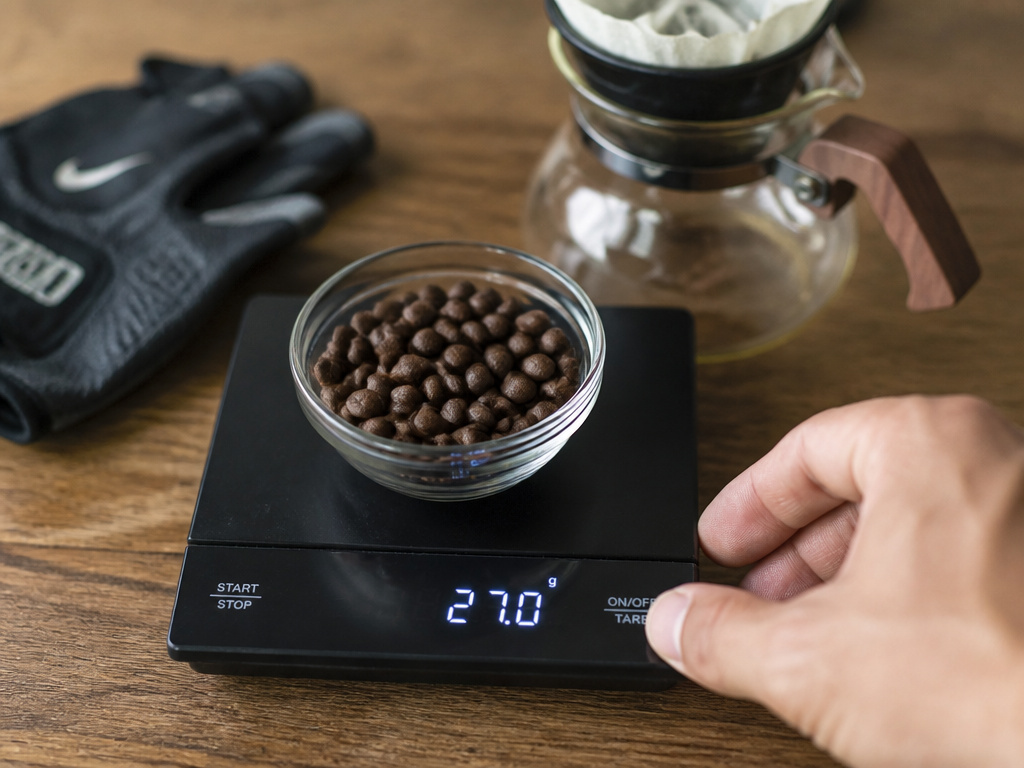
- Calculate and Measure. Use your 3-6 mg/kg range. Weigh your coffee beans to hit the target. For a 250 mg dose from drip coffee, you need about 26-28 grams of beans.
- Brew for Consistency. Use the same method each time. A pour-over or AeroPress gives more control than a random pot from the office machine.
- Set the Timer. Drink your finished coffee 60 minutes before your workout starts. This accounts for brew time and the absorption window.
- Drink it Black. This is non-negotiable for most. Dairy can slow absorption and cause stomach issues during lifts. Sugar causes an insulin spike that may lead to a crash. If you need flavor, consider cinnamon, which some studies link to improved blood flow.
- Assess and Iterate. After your workout, note: Energy (1-10), Focus (1-10), Jitters (Yes/No), Sleep that night (Disrupted?). If you have jitters and poor sleep, you are likely a slow metabolizer, drop to 2.5 mg/kg next time.
The goal is a clean, focused energy that begins as you warm up and sustains you through the hardest set. It should not feel like a panic attack.
When to Choose an Espresso Shot
The espresso caffeine content is lower per volume, but the delivery is faster. If you are short on time or want a quick hit without the volume of liquid, espresso is ideal. Two shots (~128 mg) 30 minutes before training can be perfect for a smaller individual or a moderate dose. It is also easier on the stomach for some.
Potential Downsides and How to Mitigate Them
 Coffee is not a perfect solution for every athlete. Recognize the trade-offs.
- GI Distress: The acidity and volume of liquid can cause bloating or urgency. Mitigation: Use cold brew, which is less acidic. Ensure you drink with enough lead time (60 min) to allow for gastric emptying.
- Jitters and Anxiety: This is usually a sign of too high a dose or being a slow metabolizer. Mitigation: Reduce your dose. Consider pairing with L-Theanine (100-200 mg), an amino acid found in tea that promotes calm focus. You can also explore the milder stimulant profile in a green tea vs coffee comparison.
- Diuretic Effect: The diuretic effect of caffeine is mild and temporary in habitual users. Mitigation: Ensure you are already well-hydrated before drinking your pre-workout coffee. Do not use it to replace water.
- Tolerance: Regular daily consumption builds tolerance, diminishing the ergogenic effect. Mitigation: Cycle your use. Save caffeine-preferred workouts for your hardest 2-3 sessions per week. On other days, train without it.
Common mistake: Using coffee as a pre-workout while also drinking 4 cups throughout the day, your baseline tolerance is so high the pre-workout dose does nothing. You need strategic abstinence to resensitize your adenosine receptors.
An academic study on caffeine and exercise supports the practice of caffeine cycling to maintain efficacy. Furthermore, understanding the stimulant effects of coffee compared to other sources helps contextualize its use.
Frequently Asked Questions
Can I just drink a big energy drink instead of coffee?
You can, but you are adding a lot of sugar, artificial flavors, and other stimulants like taurine. A standard 16 oz energy drink has 140-170 mg of caffeine, often below the optimal dose for an average adult. Comparing Monster vs coffee or Red Bull vs coffee shows coffee typically offers a purer, more dose-controllable caffeine source. For a detailed breakdown, see our article on whether energy drinks are worse than coffee.
Is it bad to use coffee as a pre-workout every day?
Yes, for two reasons. First, you will build a rapid tolerance, requiring more for the same effect. Second, it can disrupt sleep architecture if taken too late. Limit dedicated pre-workout coffee use to your most demanding 3-4 sessions per week.
What about adding butter or coconut oil like in “bulletproof” coffee?
Adding fats like coconut oil or butter creates a sustained energy release, which is excellent for endurance athletes or long training sessions. For most gym-goers doing a 60-90 minute strength session, the fat can slow gastric emptying and cause discomfort during high-intensity movements. Save it for lower-intensity days.
Does decaf coffee work as a pre-workout?
No. The ergogenic benefits are almost entirely from caffeine. Decaf contains only 2-5 mg per cup, which is physiologically insignificant for performance. The placebo effect might be real, but the chemical effect is not.
I get jittery every time. What can I do?
You are likely a slow metabolizer or your dose is too high. First, cut your dose in half. Second, try switching to a light roast, it has slightly more caffeine but also more chlorogenic acid, which can moderate absorption for some people. Finally, ensure you are not drinking it on an empty stomach if that exacerbates the feeling.
The Bottom Line
Using coffee as a pre-workout is not about gulping down any old brew. It is a precise nutritional strategy. Hit the 3-6 mg/kg dose with a strong black coffee, consumed 45 to 60 minutes before you train. This protocol leverages a proven biochemical mechanism, adenosine receptor blockade, to reduce perceived effort and pain.
Your genetics will dictate your ideal spot within that range. Start low, track your response, and adjust. For the pure stimulant effect, coffee is cheaper and simpler than most pre-workout powders. If you want the additional pump or endurance benefits from compounds like citrulline, a commercial supplement has its place.
Either way, you now have the data to choose. Stop guessing and start dosing.
