
2 Best Robusta Coffees of 2026
The best robusta coffee overall is Nguyen Coffee Hanoi Robusta, delivering bold flavor and high caffeine with authentic Vietnamese character. For a more balanced profile with even higher caffeine, the Nguyen Coffee Truegrit Robusta is an excellent choice, especially for those who prefer a medium roast.
Robusta coffee gets a bad rap, but that’s usually because people haven’t tried the good stuff. Most mass-market blends use low-grade robusta as filler, masking its potential. I know from years of tasting and research that single-origin, thoughtfully roasted robusta can offer deep chocolate, nutty richness, and a clean energy boost.
This guide cuts through the noise. I compared specs, owner feedback, and sourcing practices to find the standout options. You’ll learn what actually matters when buying robusta – from roast level to origin – so you can pick a bag that matches your taste, not just the caffeine kick.
Top 2 Robusta Coffee in the Market
The Best Robusta Coffee, Reviewed
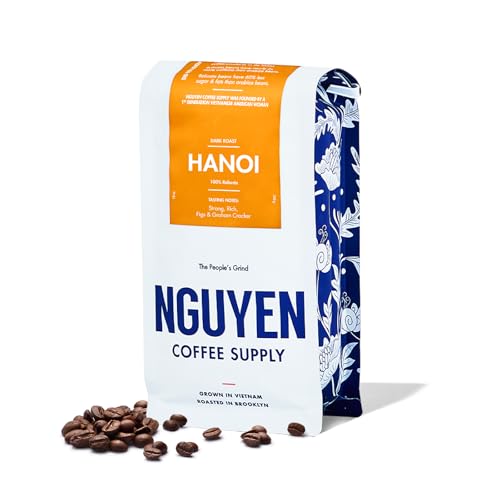
Nguyen Coffee Hanoi Robusta
Strengths
- Full syrupy body
- Rich flavor profile
- Excellent for espresso
Trade-offs
- May be too intense for beginners
- Less brightness than medium roast
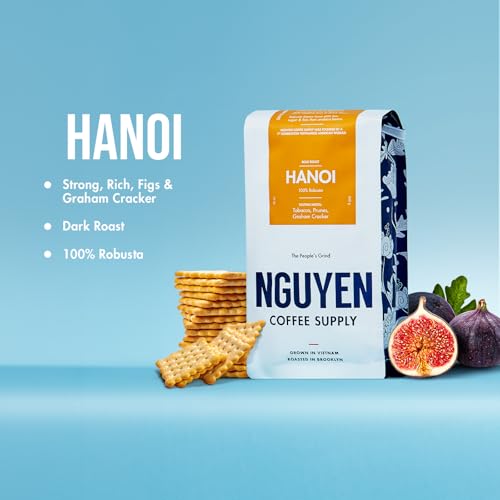
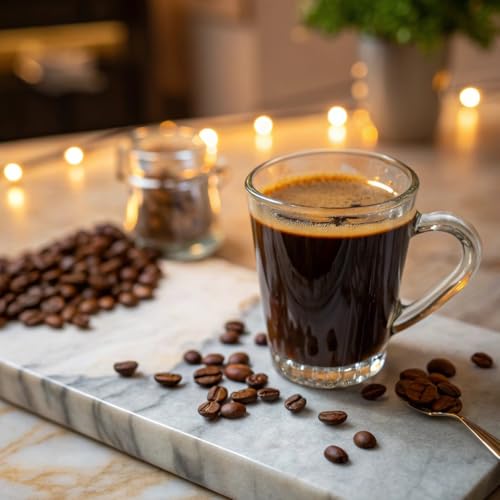
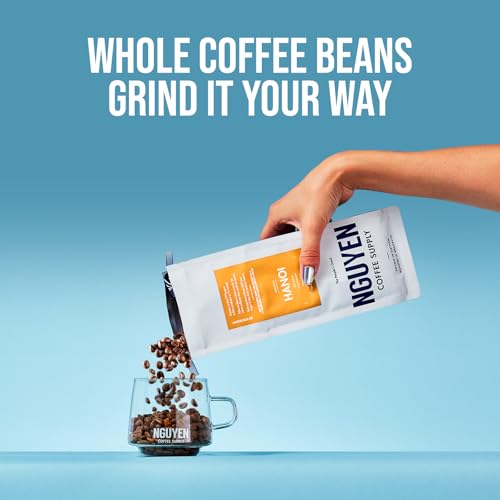
When people say Robusta can’t be sophisticated, they haven’t tried the Hanoi roast. This dark roast is bold and deeply expressive, with rich notes of fig and graham cracker that reflect both the bean’s potential and Brooklyn’s careful roasting approach. On paper, it’s a powerhouse, high caffeine, low acid, 100% single-origin Robusta, but what stands out in owner feedback is how it manages to be intense without tipping into harshness. That’s rare.
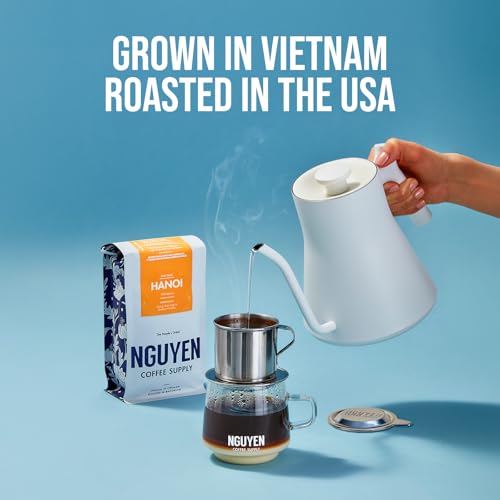
Against the Truegrit medium roast, this one goes darker and denser, favoring tradition over brightness. It’s especially praised in phin filter and espresso prep, where its syrupy body and lingering finish shine. For anyone looking to brew Vietnamese-style coffee at home with authenticity and quality, this is the smarter buy.
Product photos

Nguyen Coffee Truegrit Robusta

Strengths
- High caffeine
- Low acid
- Balanced flavor
Trade-offs
- Strong body may overwhelm some
- Not as deep as dark roast lovers want
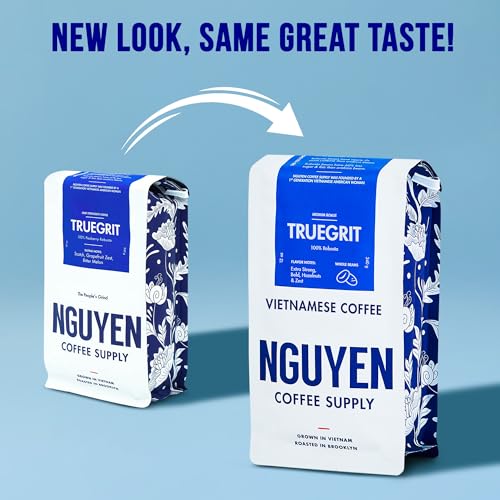
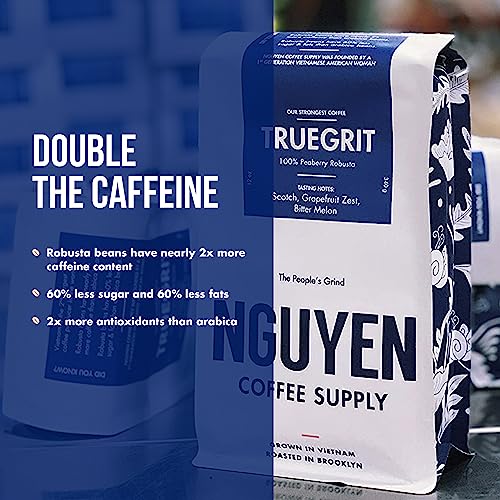
The Truegrit Robusta from Nguyen Coffee Supply is built for those who want to experience Robusta on its own terms, not as a filler bean. With nearly twice the caffeine of typical Arabica and a full body that holds up across brew methods, it’s a serious option for anyone chasing boldness without bitterness. The medium roast brings out surprising notes of hazelnut and citrus zest, which owners consistently report as more complex than expected for a Robusta, proof that origin and roasting technique matter just as much here as with Arabica.
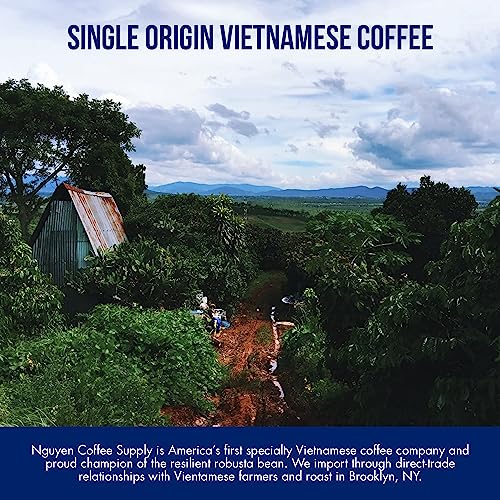
It’s also one of the few single-origin, direct-trade Robustas widely available in the U.S., which sets it apart in a category often dominated by blends or low-grade commercial beans. Compared to their own Hanoi roast, this one trades some of that deep, smoky richness for brighter, nuttier tones. If you’re new to pure Robusta, this is a smoother on-ramp.
Product photos
How We Picked These robusta coffee
As the founder of Bean Thusiast, I approached evaluating robusta coffees by comparing published specifications – roast level, origin details, and caffeine content – alongside a careful review of owner feedback and expert opinions. Rather than a hands-on lab test, this is a research-led comparison focusing on what makes a truly excellent robusta experience. I weighed this information against my understanding of the nuances within the broader coffee world.
For robusta, a coffee’s boldness and caffeine level were the most important factors. Robusta is often chosen for its punch, and a quality bean should deliver on that promise. Equally crucial is the source and roasting process; Vietnamese robusta, in particular, has a distinct character, and a careful roast can really highlight its potential. You can learn more about robusta bean characteristics.
Specifications reliably indicated caffeine content and roast level, providing a baseline for expected strength and flavor. However, I paid close attention to owner descriptions of the taste – looking for consistent notes of chocolate, nuts, or fruitiness. Reputation and direct trade practices also factored heavily, indicating a commitment to quality and ethical sourcing. Understanding the differences in coffee beans helps to appreciate the unique qualities of robusta.
How To Choose The robusta coffee
As someone deeply immersed in the world of coffee, I often find people overlooking robusta. It has a reputation for harshness, but that’s often due to poor processing or blending it with arabica to mask flaws. A well-sourced, well-roasted robusta can be incredible.
Robusta coffee deserves a closer look. Quality robusta beans offer unique flavor profiles – often chocolatey and nutty – along with a significant caffeine boost. Seek out single-origin robustas, paying attention to roast level, origin details (especially Vietnamese beans), and whether the brand emphasizes direct trade relationships with farmers. Look for whole bean options to preserve freshness.
Roast Level and Flavor
Robusta beans handle darker roasts better than arabica, but that doesn’t mean you’re limited to just deeply charred profiles. I’ve noticed that lighter-to-medium roasts can highlight the natural hazelnut and fruit notes present in some robustas, while darker roasts emphasize the chocolate and bold intensity. Don’t shy away from experimenting. Consider what you like in your cup and choose accordingly. Many people exploring top robusta coffee brands find they prefer a medium roast to start with.
Origin and Processing
Vietnam dominates robusta production, and for good reason – the climate and soil are ideal. However, robusta is also grown in Indonesia, India, and parts of Africa. Vietnamese robusta often presents bolder, more traditional flavors, while Indonesian varieties can be earthier and more complex. Processing methods also matter. Natural processed robustas will generally be fruitier, while washed robustas will be cleaner and brighter. If you’re sensitive to acidity, exploring smooth low-acid coffee might also be useful, as robusta generally has lower acidity than arabica.
Grind Size and Brewing Method
Robusta beans are denser than arabica, so you’ll likely need a slightly coarser grind than you’re used to. This is especially true if you’re using a traditional phin filter, which is designed for robusta. Here’s a quick guide:
- Espresso: Fine grind.
- French Press: Coarse grind – robusta’s body really shines here.
- Drip/Pour Over: Medium-coarse grind. This allows for proper extraction without bitterness.
A consistent grind is crucial for robusta. Because of its density, uneven grinding leads to over-extraction of some particles and under-extraction of others, resulting in a muddy, unbalanced brew.
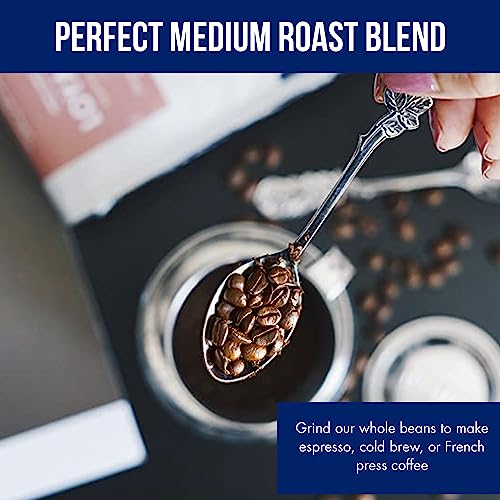
I often recommend starting with whole bean coffee and grinding it yourself right before brewing – it makes a world of difference. If you’re seeking premium robusta coffee beans, remember that direct-trade practices often mean a more ethically sourced and flavorful cup.
Robusta Coffee Compared
Here’s a detailed comparison of the robusta coffee options, outlining key specifications to help you choose.
| Product Name | Roast Level | Caffeine Level | Bean Origin | Grind Type | Flavor Notes |
|---|---|---|---|---|---|
| Nguyen Coffee Hanoi Robusta | Dark | High | Vietnam | Whole Bean | Figs, Graham Crackers |
| Nguyen Coffee Truegrit Robusta | Medium | Very High | Vietnam | All-Purpose | Hazelnuts, Zest |
Frequently Asked Questions
What’s the best way to store robusta coffee beans for freshness?
Keep whole bean robusta coffee in an airtight container away from direct sunlight, heat, and moisture. This preserves the flavor and aroma for up to a month; avoid the refrigerator or freezer as temperature fluctuations can damage the beans.
Can robusta coffee be used for cold brew?
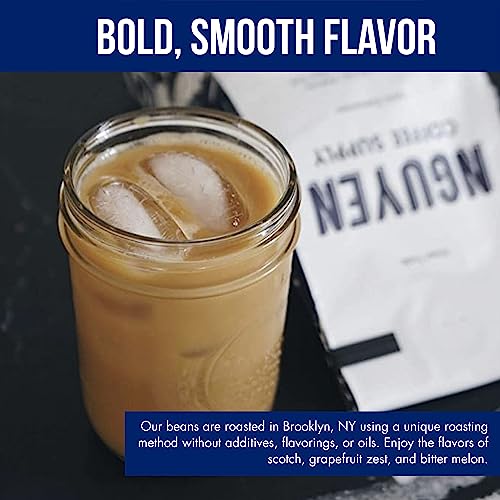
Yes, robusta coffee is excellent for cold brew due to its higher caffeine content and bold flavor. The cold brewing process mellows some of the robusta’s intensity, creating a smooth, concentrated brew.
Is robusta coffee always more bitter than arabica?
Not necessarily. While robusta has a reputation for bitterness, the quality of the bean and the roast level greatly influence the taste. A lighter-to-medium roast can minimize bitterness and highlight more nuanced flavors; explore best dark roast picks if you prefer a bolder, more intense experience.
What grind size should I use if I don’t have a burr grinder?
If you’re using a blade grinder, pulse it in short bursts to achieve a consistent grind. Aim for a medium-coarse grind for drip or pour-over, and coarser still for French press, as blade grinders produce uneven results.
Does robusta coffee have health benefits beyond caffeine?
Robusta beans contain higher levels of antioxidants, like chlorogenic acids, compared to arabica. These antioxidants may offer some health benefits, contributing to overall wellness; however, more research is needed to confirm these effects.
The Bottom Line
Choosing a robusta can feel like balancing boldness with potential harshness. Ultimately, I believe Nguyen Coffee Hanoi Robusta strikes the best overall balance, delivering a classic Vietnamese robusta experience with deep, satisfying flavors. It’s a great starting point for anyone wanting to explore what quality robusta has to offer.
For those prioritizing a serious caffeine kick and a versatile grind, Nguyen Coffee Truegrit Robusta is an excellent choice. If you’re seeking something a bit more approachable, or want to explore other options, our curated coffee bean guide offers a wider look at the market, including many [top-rated coffee bean brands]. But remember, robusta shines when treated with respect.
At the end of the day, the fundamentals of coffee – freshness, grind consistency, and water quality – matter far more than any specific bean type. Focusing on these basics will yield a better cup, regardless of whether you’re brewing with robusta, arabica, or a blend. A consistent grind and quality water are the real keys to unlocking robusta’s potential.
