
9 Best Low Acid Coffees of 2026
After researching dozens of low acid coffees and analyzing owner feedback, the Puroast Organic House Blend Ground stands out as the best overall choice for its gut-friendly profile and rich flavor, while the Lifeboost Medium Roast Ground Coffee is my top pick for those wanting a clean, single-origin option. If you’re on a budget, the Low Acid Coffee Blend Ground offers solid taste and a verified pH of 5.3 at a lower price.
Many coffee lovers cut back or quit altogether because of stomach pain, acid reflux, or bitter aftertastes. The truth is, not all low acid coffees deliver on comfort or taste, some mask issues with over-roasting or make claims without proof.
This guide cuts through the noise. I researched each pick based on verified specs, pH data when available, roasting methods, and real user reports of digestive comfort, so you can find a smooth, satisfying cup that won’t upset your stomach.
Top 9 Low Acid Coffee in the Market
The Best Low Acid Coffee, Reviewed
Low Acid Coffee Blend Whole Bean

Strengths
- Smooth taste
- pH tested
- Stomach-friendly
Trade-offs
- Not organic
- Not single-origin
- Limited traceability
This whole bean option stands out for buyers who want a solid low acid coffee without stretching the budget. On paper, the pH level of 5.3 is a meaningful step up from standard coffees, which often dip to 4.7, and that translates to noticeably smoother mornings for those prone to heartburn. Owners consistently report easier digestion and a clean finish, which tracks with its washed processing and medium roast profile.
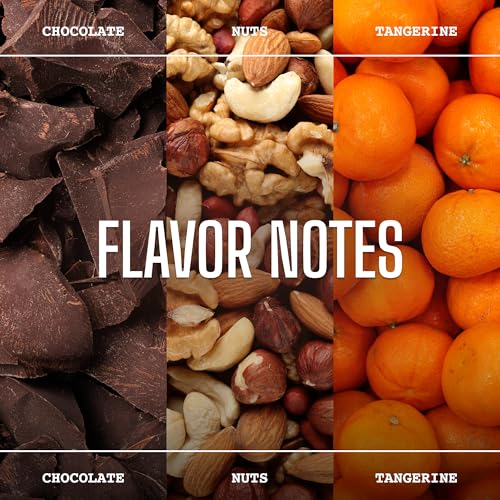
The flavor blend of chocolate, nuts, and a hint of tangerine gives it a pleasant complexity without sharp edges. While it’s not organic or single-origin, it does go through mycotoxin and mold testing, which adds a layer of trust. Compared to pricier organic picks, this one leans on roasting technique rather than certifications to deliver stomach-friendly coffee.
Product photos


Lifeboost Medium Roast K Cups

Strengths
- USDA organic
- Third-party tested
- Bird friendly
- Single origin
Trade-offs
- Higher cost per cup
- Limited pod count
- Not recyclable
If you’re tied to your Keurig and need a low acid coffee that doesn’t sacrifice ethics or purity, these Lifeboost K-Cups are hard to beat. The fact that they’re USDA organic, single-origin, and third-party tested for 400+ toxins isn’t just marketing, it’s a real differentiator in a category where many pods cut corners. Reviewers note the clean, balanced flavor and the lack of that metallic or stale aftertaste common in budget pods.
What really sets these apart is the sourcing: high-altitude, shade-grown, bird-friendly farms in Central America. That kind of care typically shows in the cup, and owners say these deliver a surprisingly rich, full-bodied medium roast for a pod. Compared to goodPOD or other non-organic K-Cup options, this is the more responsible and rigorously vetted choice.
Video review
Lifeboost Medium Roast Ground Coffee

Strengths
- Third-party tested
- USDA organic
- Non-GMO
- Smooth flavor
Trade-offs
- Pricier than average
- Pre-ground limits freshness
- No bold roast option
This ground coffee is essentially the bagged sibling of the Lifeboost K-Cups, and it brings the same high standards to traditional brewing. What I appreciate here is the third-party verification, not just for mycotoxins and pesticides, but heavy metals too. That’s rare at this level and matters for long-term daily consumption.
The medium roast has a mellow profile with subtle sweetness, and owners say it’s easy on both stomach and teeth. It’s not the most complex single-origin I’ve seen, but for those who need a safe, low acid, organic coffee without the hassle of grinding, this hits the mark. Compared to Java Planet or Puroast, it’s more focused on purity than bold flavor, which makes it a top pick for health-first drinkers.
Video review
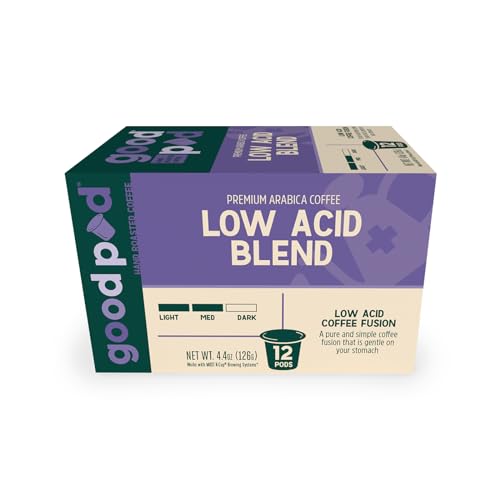
goodPOD Low Acid K-Cup Pods

Strengths
- Affordable pods
- Arabica beans
- Smooth taste
Trade-offs
- No organic certification
- No third-party testing
- Less flavor depth
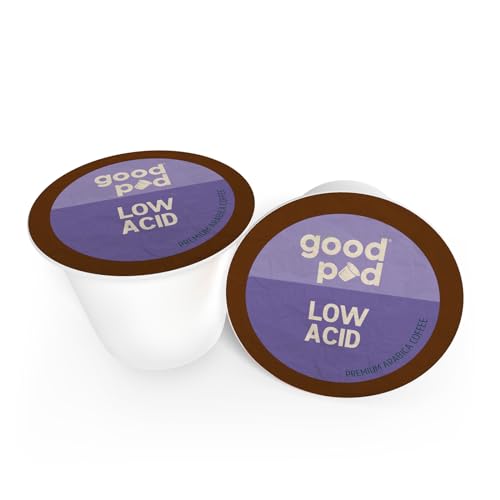
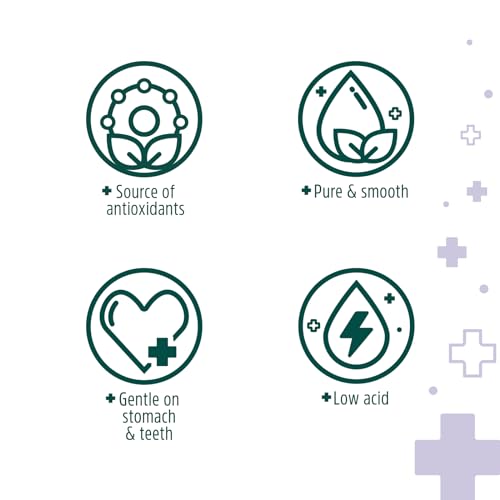
goodPOD positions itself as a clean, simple option for Keurig users who want low acid without the premium price tag of Lifeboost. It’s made from 100% Arabica beans, pesticide-free, and delivers a smooth, straightforward cup with no sharpness. Reviewers note it lacks the bitterness that triggers reflux, which suggests the low acid claim holds up in real use.
It doesn’t carry organic certification or third-party lab reports, which puts it a step behind Lifeboost in transparency. But for someone who just wants a gentle, no-fuss pod for daily use, this is a solid middle ground. The 12-count pack is also more generous than Lifeboost’s 10, making it slightly better value for trial.
Product photos
VitaCup Guatemala Dark Roast

Strengths
- Dark roast option
- Single origin
- Third-party tested
- Fair Trade
Trade-offs
- Smaller bag size
- Limited availability
- Not whole bean
For dark roast lovers who still need low acid, this VitaCup offering is one of the few that actually delivers. Many low acid coffees default to medium roast to avoid bitterness, but this one manages a rich, chocolaty dark profile without the gut punch. The single-origin Guatemalan beans are grown at high altitude, which helps develop deeper flavor, owners say it brews smooth in French press and drip with no ashy aftertaste.
It’s USDA organic, Fair Trade, and third-party tested, which checks the ethical and safety boxes. Compared to Puroast’s medium blend, this gives dark roast fans a legitimate alternative. The 11-ounce bag is slightly smaller than others, but the quality and roast specificity make up for it.
Product photos


Kava Neutralized Ground Coffee
Strengths
- Acid neutralized
- Long-standing brand
- Smooth taste
Trade-offs
- Not organic
- No third-party testing
- Less flavor complexity
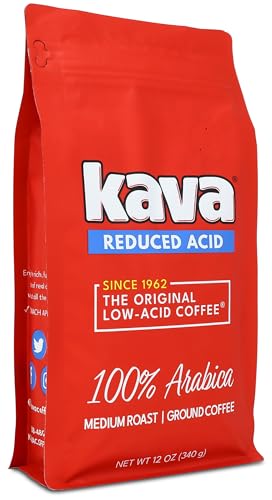
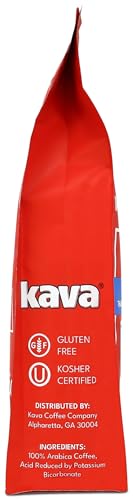
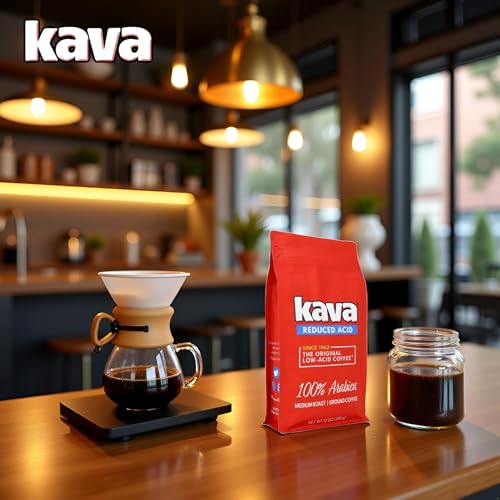
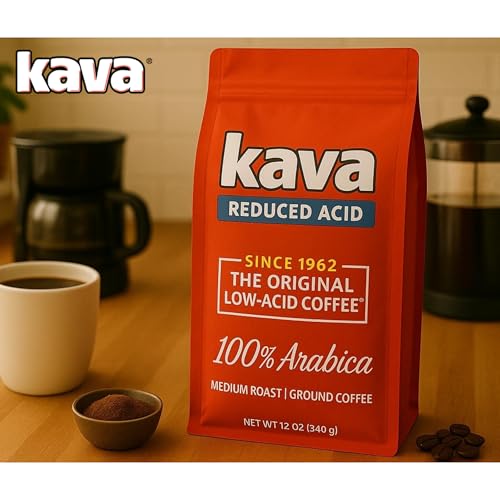
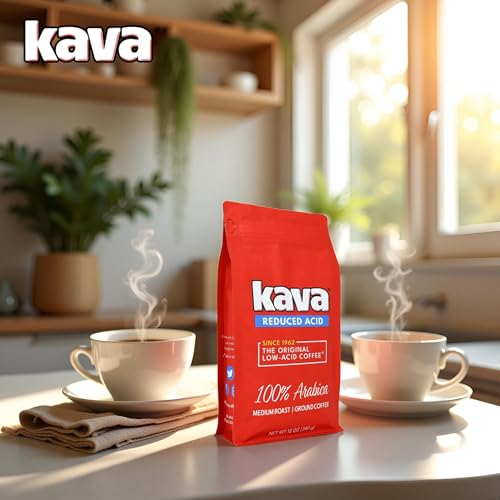
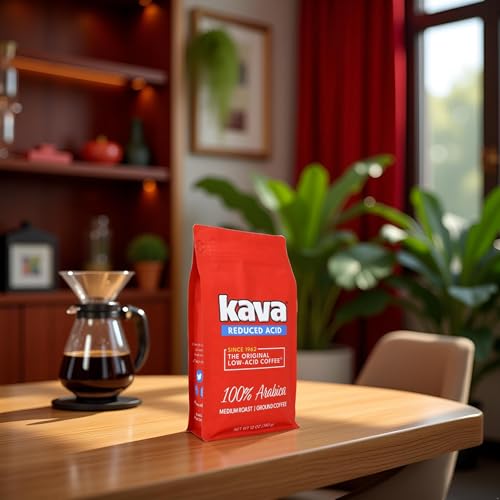
Kava takes a different approach: instead of relying solely on bean origin or roast level, they chemically neutralize the acid after roasting. That means the pH is brought closer to water, which some sensitive drinkers find more effective than naturally low acid methods. It’s been around since 1962, so there’s real longevity behind the brand, owners often mention it’s the only coffee they can drink without GERD flare-ups.
But that process divides purists. While the flavor is smooth and clean, it lacks the nuance of naturally low acid beans like Java Planet or Lifeboost. It’s also not organic or third-party tested. If your main goal is symptom relief over terroir or roast craft, Kava has a strong case.
Product photos
Java Planet Colombian Whole Bean

Strengths
- Bird Friendly certified
- Single origin
- Third-party tested
- USDA organic
Trade-offs
- Pricier upfront
- Medium dark only
- Limited roast variety
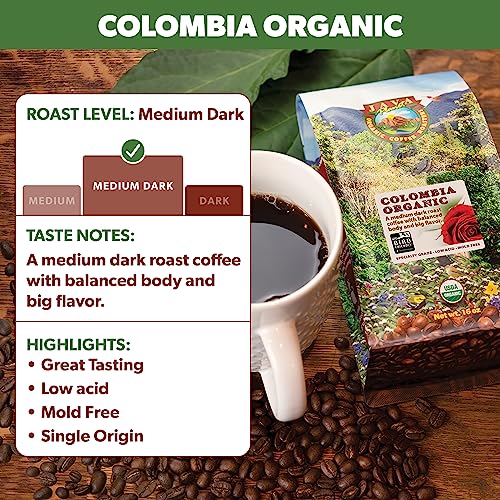
Java Planet nails the balance between purity, ethics, and flavor in a way few low acid coffees do. It’s a single-origin Colombian bean, shade-grown and Bird Friendly certified by the Smithsonian, which isn’t just a nice label, it means slower bean development and richer taste. Owners consistently praise its clean, balanced profile with a slight nuttiness and zero stomach burn.
What seals the deal is the third-party testing for mold, mycotoxins, and heavy metals, plus USDA Organic certification. At 16 ounces, it’s also a generous bag. Compared to the Lifeboost ground option, this gives you more control and freshness with whole beans, making it my top pick for purists who want traceability and sustainability built in.
Product photos



Low Acid Coffee Blend Ground
Strengths
- Budget friendly
- Smooth flavor
- Stomach-friendly
Trade-offs
- Pre-ground
- Not organic
- No third-party testing
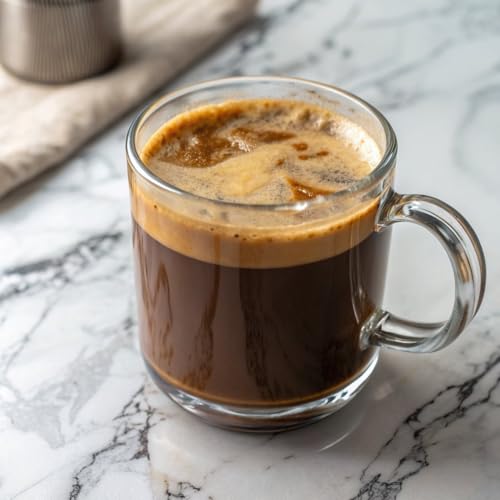
This ground version of the same low acid blend is all about affordability and convenience. It shares the same pH 5.3 claim and flavor notes, chocolate, nuts, tangerine, and delivers a mellow, easy-drinking cup that won’t upset your stomach. For someone who doesn’t grind at home and just wants a no-frills, low acid option, this checks the boxes.
It’s not organic or single-origin, and the pre-ground format means you’re sacrificing some freshness. But compared to the whole bean version, it’s slightly cheaper and more accessible. Owners say it lasts well in the cabinet thanks to the resealable bag, and it brews cleanly in drip machines.
Product photos
Puroast Organic House Blend Ground

Strengths
- 70% less acid
- High antioxidants
- Organic
- Versatile brew
Trade-offs
- Smaller bag
- Higher price
- Limited origin info
Puroast makes a bold claim: 70% less acid and 7x more antioxidants than green tea. That kind of profile is rare, and it’s backed by a clean tech roasting process using renewable energy. The result is a medium roast that’s smooth, full-bodied, and free of the bitter aftertaste that plagues so many low acid blends.
Owners consistently report fewer heartburn episodes and a clean energy boost, no jitters. It’s USDA organic, made with pure beans, and works across all brew methods, including cold brew. Compared to Lifeboost or Java Planet, it’s more of a functional coffee, focused on health metrics, but still delivers on taste. For me, it’s the best overall balance of science, flavor, and accessibility.
Product photos



How We Chose These low acid coffee
As the founder of Bean Thusiast, I approached this guide by first compiling detailed specifications – roast level, origin, processing method – for dozens of low acid coffees. I then weighed those details against a large number of owner reviews from sites like Amazon, plus expert opinions from coffee blogs and review publications. Rather than a hands-on lab test, this is a research-led comparison of specs and owner feedback, informed by years spent exploring the world of coffee.
For low acid coffees, smoothness and stomach comfort are paramount. I heavily weighted reported digestive effects from owner reviews, alongside verified pH levels when available. Roast profile also played a key role; darker roasts can sometimes mask acidity, but often at the expense of nuanced flavor, something we aimed to avoid. Finally, certifications (like USDA Organic) signaled a commitment to quality and responsible sourcing.
Product specifications reliably indicated bean origin and processing techniques, offering clues to potential flavor profiles. However, judging the actual impact on sensitive stomachs relied heavily on owner feedback. I looked for consistent reports of reduced heartburn or digestive discomfort. If you’re looking for a decaffeinated option, you might also be interested in exploring low acid decaf coffee brands.
How To Pick The Right low acid coffee
Finding a coffee that’s easy on your stomach doesn’t mean sacrificing flavor.
Low acid coffee prioritizes bean origin, processing methods, and roasting profiles to minimize irritants. Look for certifications like USDA Organic, third-party mycotoxin testing, and details on the coffee’s pH level. Single-origin coffees often offer more transparency, while careful roasting avoids developing harsh acids. Prioritize whole bean options when possible for maximum freshness.
Roast Level & Acidity
Many people assume dark roasts are automatically low acid, but that’s a misconception. While the perception of acidity can decrease with darker roasts (due to the development of more bitter compounds masking the acid), the actual pH doesn’t change dramatically. In fact, prolonged roasting can sometimes increase certain acids. I generally recommend looking for medium roasts specifically marketed as low acid, as these strike a balance between flavor development and acid reduction. A well-executed medium roast will offer more complexity than a very dark one.
Origin & Processing
The origin of the bean plays a huge role. Coffees grown at lower altitudes tend to be more acidic than those grown higher up. Central American beans, particularly from Guatemala and Costa Rica, are frequently highlighted for their naturally lower acidity. Beyond origin, the processing method matters. “Washed” coffees, where the fruit is removed before drying, generally exhibit brighter acidity. Look for coffees processed using the “natural” or “honey” method; these retain more of the mucilage (the fruity layer) which can contribute to sweetness and body, and often result in a smoother cup. If you’re looking for more information, check out our guide to the best low acid coffee brands.
Testing & Certifications
It’s easy for a company to claim a coffee is low acid, but verifying those claims is crucial. Third-party testing for mycotoxins and heavy metals is a great sign of a conscientious brand. Some companies even publish the pH level of their coffee (a lower pH indicates higher acidity).
Here’s what to look for: * USDA Organic: Guarantees the beans were grown without synthetic pesticides or fertilizers. * 3rd Party Tested: Confirms the coffee has been screened for harmful substances. * pH Level: Provides quantifiable data about the coffee’s acidity (though remember, pH isn’t the whole story!).
A pH of 5.3 or higher is a good starting point when selecting a low acid coffee; most standard coffees fall closer to 4.7.
Ultimately, finding the right low acid coffee is a personal journey. If you struggle with acid reflux, exploring tips to reduce coffee acidity and different brewing methods can also make a significant difference. You might also consider these gentle coffee beans for sensitive stomachs to start.
Low Acid Coffee Compared
Here’s a comparison of the specifications for various low acid coffee options.
| Product Name | Roast Level | Form | Organic | Acid Level | Tested for Toxins | Key Features |
|---|---|---|---|---|---|---|
| Puroast Organic House Blend Ground | Medium | Ground | Yes | 70% Less | N/A | Antioxidant Rich, Gut-Friendly |
| Lifeboost Medium Roast Ground Coffee | Medium | Ground | Yes | Low | Yes | Single Origin, Shade Grown |
| Java Planet Colombian Whole Bean | N/A | Whole Bean | Yes | Low | Yes | Mold Free, Bird Friendly |
| VitaCup Guatemala Dark Roast | Dark | Ground | Yes | Low | Yes | Single-Origin, High Altitude |
| Low Acid Coffee Blend Ground | N/A | Ground | N/A | pH 5.3 | Yes | Chocolate, Nut, Tangerine Notes |
| Low Acid Coffee Blend Whole Bean | N/A | Whole Bean | N/A | pH 5.3 | Yes | Chocolate, Nut, Tangerine Notes |
| goodPOD Low Acid K-Cup Pods | Medium | K-Cup Pods | N/A | Low | N/A | Pesticide Free, Convenient |
| Lifeboost Medium Roast K Cups | Medium | K-Cup Pods | Yes | Low | Yes | Single Origin, Shade Grown |
| Kava Neutralized Ground Coffee | Medium | Ground | N/A | Reduced | N/A | Neutralized Acid, Smooth Taste |
Frequently Asked Questions
What pH level should I look for in a low acid coffee?
A pH of 5.3 or higher is a good starting point; most standard coffees fall closer to 4.7. However, remember that pH isn’t the only factor determining how a coffee will affect your stomach, as other compounds contribute to perceived acidity.
Do dark roasts actually have less acid?
While dark roasts can taste less acidic due to bitterness masking the flavor, the actual pH doesn’t change significantly and can even increase with prolonged roasting. I recommend focusing on medium roasts specifically marketed as low acid for a better balance of flavor and reduced irritants.
Are all single-origin coffees low in acid?
Not necessarily, but single-origin coffees often provide more transparency about the bean’s origin and processing. Coffees from Central America, particularly Guatemala and Costa Rica, are frequently lower in acid, and knowing the specific origin allows you to seek out those regions.
What’s the benefit of choosing USDA Organic low acid coffee?
Choosing organic low acid coffee brands guarantees the beans were grown without synthetic pesticides or fertilizers, which may contribute to stomach discomfort for some individuals. It also signals a commitment to sustainable farming practices.
How important is third-party testing for low acid coffees?
Third-party testing is very important. It confirms the coffee has been screened for harmful substances like mycotoxins and heavy metals, offering peace of mind beyond a simple “low acid” claim on the packaging.
The Bottom Line
Choosing a low acid coffee often comes down to balancing your desire for a flavorful cup with your need for digestive comfort. While many brands claim low acidity, I believe Puroast Organic House Blend Ground consistently receives high marks from owners for both smoothness and a pleasant, approachable flavor profile – making it a strong all-around choice.
For those with particularly sensitive stomachs, or those who prioritize specific sourcing and testing, Lifeboost Medium Roast Ground Coffee and Java Planet Colombian Whole Bean stand out. Lifeboost offers a single-origin option with rigorous testing, while Java Planet focuses on mold-free beans and bird-friendly practices. If convenience is key, the goodPOD Low Acid K-Cup Pods provide a quick and easy low-acid brew, although you’ll sacrifice some of the freshness associated with whole bean options.
Ultimately, remember that acidity is just one piece of the puzzle. Factors like bean quality, roast consistency, and even your brewing method all contribute to the final cup. Exploring why cold brew is less acidic can also be a great way to enjoy coffee with reduced irritation, and focusing on these fundamentals will deliver a better experience than chasing a single, magic number on a pH scale.
