
8 Best Coffee Beans of 2026
The best overall coffee beans are Stumptown Holler Mountain Organic for their rich, balanced blend and ethical sourcing, with Amazon Fresh Just Bright as a top light roast pick and Lavazza Super Crema as a solid budget-friendly option for espresso lovers.
Choosing the right coffee beans shouldn’t feel like decoding a foreign language. So many options promise bold flavor or smooth richness, but what really matters is freshness, origin, roast level, and how it fits your brew method.
As the founder of Bean Thusiast, I compared specs, owner feedback, and sourcing practices to find beans that deliver on taste and integrity. This guide breaks down what to prioritize so you can make a choice that suits your morning ritual.
Top 8 Coffee Beans in the Market
The Best Coffee Beans, Reviewed
Amazon Fresh Just Bright Light Roast

Strengths
- Light and bright
- Large 32 oz bag
- 100% Arabica
Trade-offs
- Basic flavor profile
- Not for dark roast lovers
- Limited origin character
For a light roast at this price point, Just Bright delivers a clean, approachable profile that doesn’t try to do too much. The emphasis on crispness over complexity works in its favor for daily drinkers who want something bright but not challenging. On paper, the 32-ounce size stands out, and owners consistently report it stays fresh longer than smaller bags if stored properly.
It’s 100% Arabica from Central and South America, roasted in the U.S., and while it won’t surprise seasoned tasters with depth, it’s a dependable option for drip or pour-over. Compared to other light roasts in the Amazon Fresh line, it lacks the nuance of single-origin beans but makes up for it in volume and consistency.
Video review
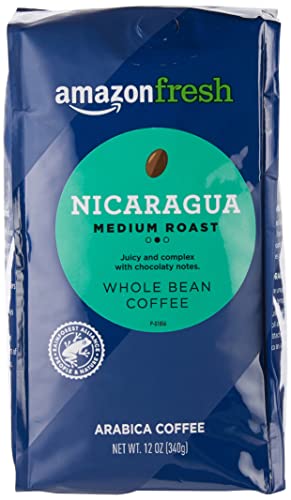
Amazon Fresh Nicaragua Single-Origin
Strengths
- Single-origin transparency
- Chocolatey, balanced flavor
- Roasted in the U.S.
Trade-offs
- No organic or Fair Trade certification
- Smaller 12 oz bag
- Limited availability
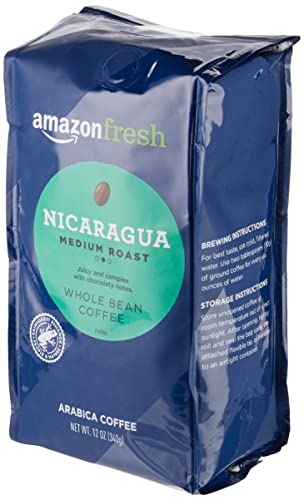
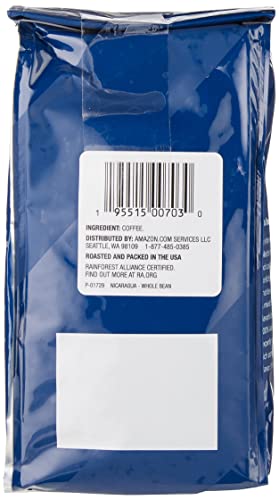
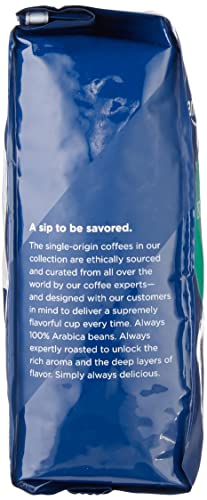
If you’re hunting for a single-origin coffee that doesn’t demand a connoisseur’s palate to enjoy, this Nicaraguan bean is a quiet standout. The description of ‘chocolatey notes’ is on target, owners note a soft sweetness and subtle depth that’s more interesting than most house blends at this level. Being single-origin and roasted in the U.S., it offers a transparency and consistency that’s rare for an Amazon brand.
It’s a medium-light roast, so it retains some brightness without tipping into sourness. I’d pick this over the Just Bright roast if you want more character in your cup, though it doesn’t have the ethical certifications some buyers look for. Compared to other mid-tier single-origin offerings, it punches above its weight in balance.
Product photos
Stumptown Holler Mountain 12oz
Strengths
- Organic and Direct Trade
- Balanced citrus and caramel notes
- Versatile for multiple brew methods
Trade-offs
- Smaller bag size
- Higher cost per ounce
- Limited stock at times
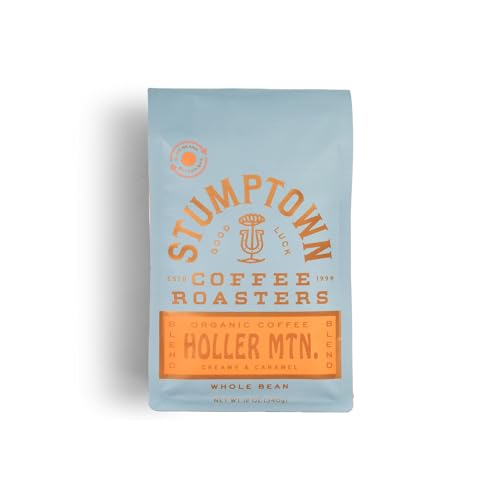
Stumptown’s Holler Mountain blend has earned its reputation as a versatile, day-in-day-out coffee, and even the 12-ounce version delivers the full profile fans expect. The citrus zest and caramel notes come through clearly in most brewing methods, and owners consistently praise its reliability across drip, pour-over, and even cold brew. It’s organic and part of Stumptown’s Direct Trade program, which adds real value for ethically minded buyers.
While this smaller bag doesn’t offer the bulk savings of the 18-ounce version, it’s perfect for those testing the blend or managing smaller consumption. Compared to Amazon Fresh’s single-origin options, Holler Mountain has more layered complexity and a stronger ethical backbone.
Video review
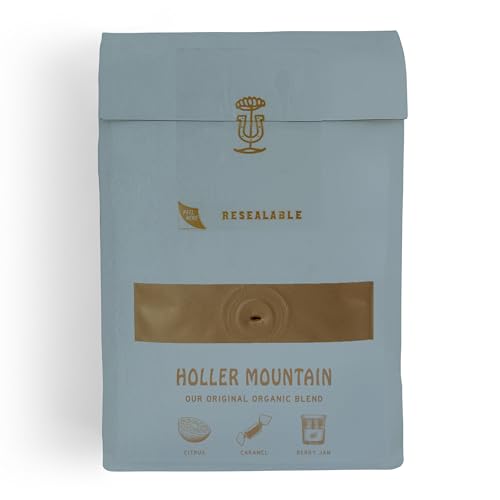
Stumptown Holler Mountain Organic Coffee
Strengths
- Larger 18 oz size
- Organic and Direct Trade
- Citrus and caramel balance
Trade-offs
- Pricier upfront
- Requires proper storage
- Not a dark roast
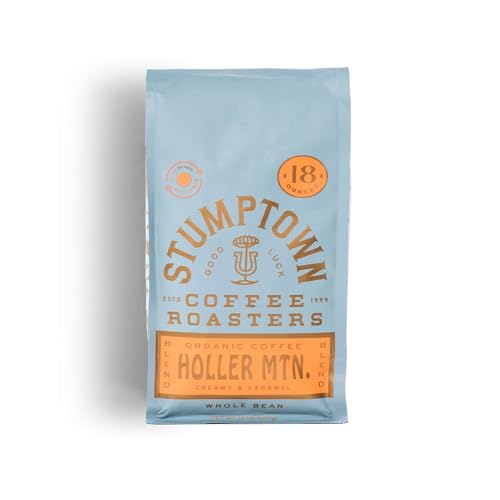
This 18-ounce bag of Holler Mountain is, in my view, the smartest buy in the group for most coffee drinkers. It keeps all the strengths of the 12-ounce version, organic certification, Direct Trade sourcing, and that bright yet balanced flavor profile, while offering better value through increased volume. The blend’s versatility shines whether you’re using a French press or pulling espresso shots.
Owners report it stays fresh for weeks when stored in an airtight container, and the extra three ounces make a real difference in household settings. Compared to other medium roasts here, it outperforms in both flavor depth and ethical sourcing. This is the one I’d recommend as a default upgrade from grocery-store beans.
Product photos


Amazon Fresh Organic Peru Coffee

Strengths
- USDA Organic certified
- Fair Trade verified
- Smooth, low-acid profile
Trade-offs
- Mild flavor, not bold
- Smaller 12 oz bag
- Less origin character
When organic and Fair Trade certifications matter, this Peruvian bean from Amazon Fresh is a strong contender. The medium roast brings out a smooth, fragrant cup with mild sweetness and low acidity, owners describe it as ‘comforting’ and ‘consistent’ across brews. Being both USDA Organic and Fair Trade certified gives it an edge over other Amazon Fresh options that lack third-party verification.
It doesn’t have the boldness of a Latin American highland bean pushed to second crack, but that’s not the goal here. Compared to the Nicaragua single-origin, it trades some flavor complexity for ethical assurance. If your priority is doing right by farmers and the planet, this one delivers.
Product photos


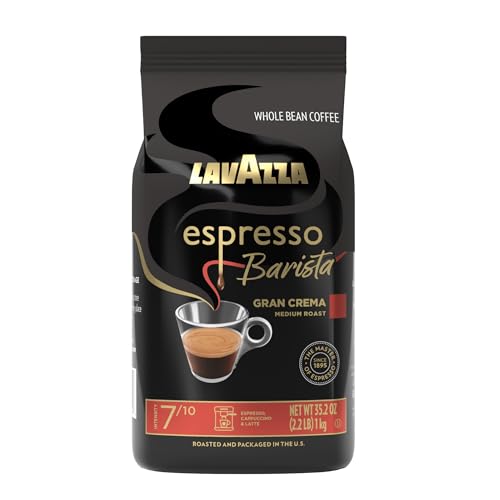
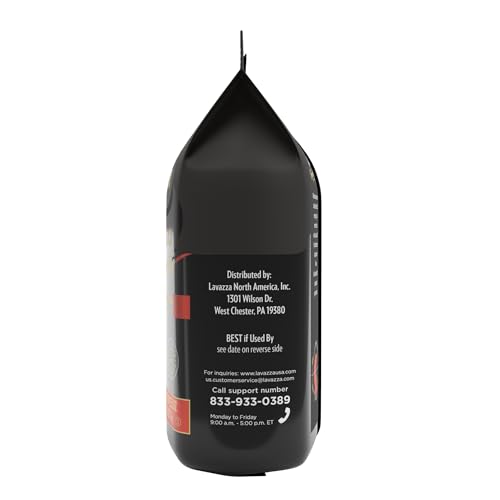
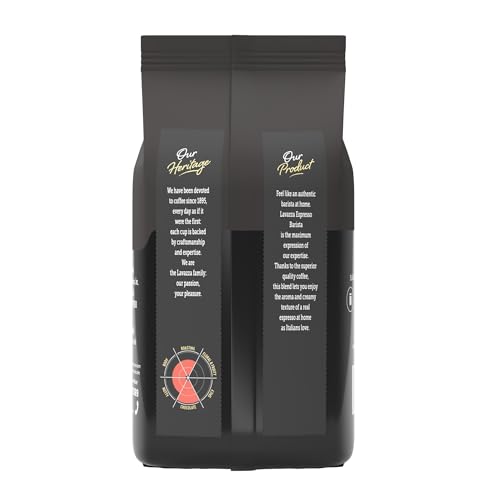
Lavazza Espresso Barista Gran Crema
Strengths
- 35.2 oz bulk size
- Full-bodied espresso shots
- Honey and roast aroma
Trade-offs
- Contains Robusta
- Not ideal for drip
- Requires precise grinding
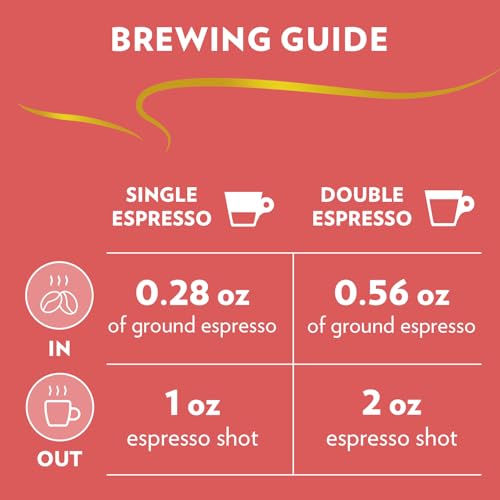
For espresso lovers, the Lavazza Barista Gran Crema stands out with its full body and honeyed aromatic notes, delivering a rich, satisfying shot when pulled correctly. The 2.2-pound bag is a clear win for high-volume users, home baristas with daily espresso habits or small offices with a machine on rotation. It’s a dark roast blend of Arabica and Robusta, which gives it that intensity and crema thickness many espresso drinkers crave.
Owners consistently report good machine flow and consistent grind performance. Compared to Super Crema, it’s a step up in refinement and depth. But it’s not a bean for filter brewing purists, this is espresso-first, through and through.
Product photos

Starbucks French Roast Dark Coffee
Strengths
- Bold, smoky flavor
- Large 28 oz bag
- 100% Arabica
Trade-offs
- Very intense roast
- Not for light roast fans
- Can taste charred
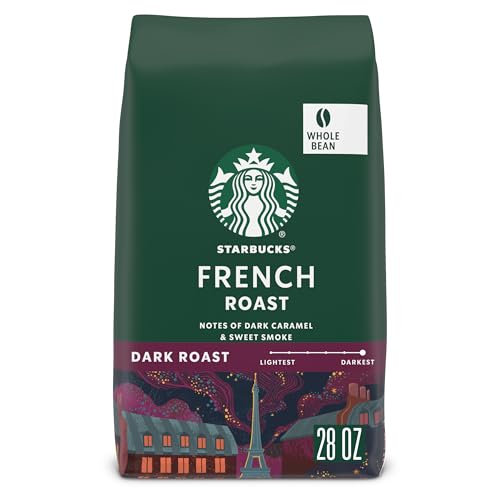
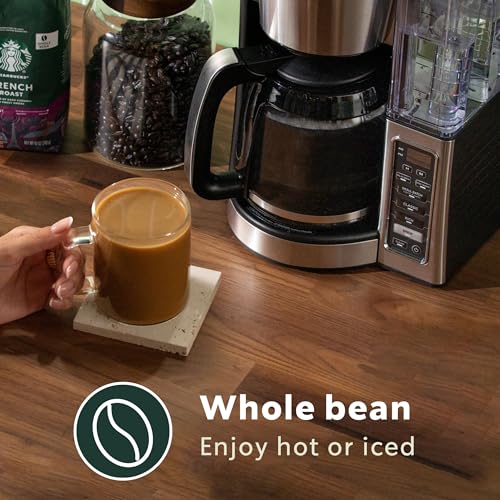
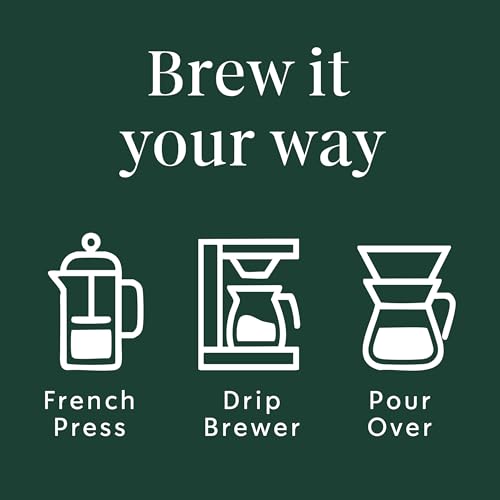
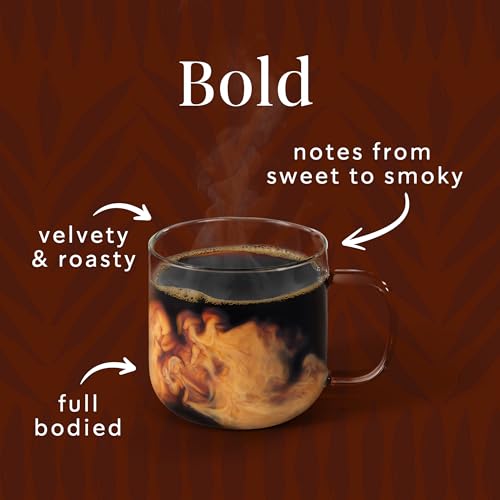
Starbucks French Roast is as bold as it gets in their lineup, with dark caramel and smoky notes that dominate the palate. The 28-ounce bag offers a solid volume for dark roast loyalists, and being 100% Arabica is a plus in a category where blends often cut with Robusta. Owners say it holds up well in French press and drip, delivering a consistently intense cup.
It’s not subtle, this is for people who want their coffee to taste roasty, not floral or fruity. Compared to other dark roasts here, it lacks the balance of a well-developed espresso blend but wins on sheer presence. If you like your coffee bold and unapologetic, this one delivers.
Product photos

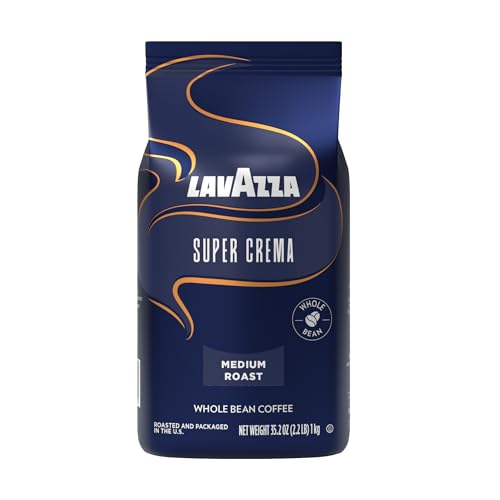
Lavazza Super Crema Espresso Blend
Strengths
- Large 35.2 oz bag
- Creamy espresso shots
- Affordable per ounce
Trade-offs
- Contains Robusta
- Less complex flavor
- Generic packaging
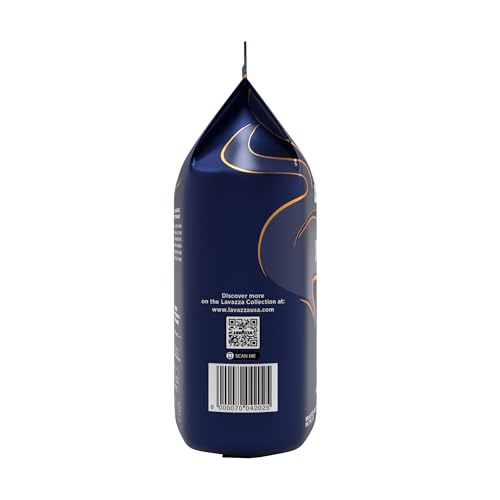
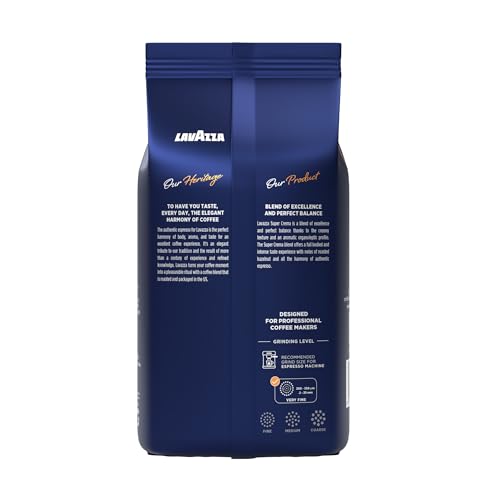
Lavazza Super Crema is a budget-friendly workhorse for espresso setups, especially in homes where the machine sees daily use. The 2.2-pound bag offers serious value, and the Arabica-Robusta blend produces a creamy, bold shot with a finish that lingers pleasantly. Owners praise its smooth extraction and reliability, particularly in semi-automatic machines.
It’s not as refined as the Barista Gran Crema, but for the price, it’s hard to beat. Compared to other large-format coffees here, it’s the most accessible entry point for espresso lovers who don’t want to splurge on specialty beans. Just don’t expect origin nuance, this is about consistency and crema.
Product photos


How We Evaluated coffee beans
As the founder of Bean Thusiast, I approached this guide by researching published specifications and features of numerous coffee beans. I then weighed owner reviews from across the web alongside expert opinions from coffee publications. Ultimately, my ranking comes from applying my years of experience with different origins, roast levels, and processing methods to establish clear criteria for quality and value. Rather than a hands-on lab test, this is a research-led comparison.
For coffee beans, flavor profile and origin story were the biggest deciding factors. I believe a truly great bean delivers complexity and nuance, and knowing where it comes from, and how ethically it was sourced, adds to the experience. Roast level also heavily influenced my choices; a wider range ensures there’s something for every brewing method and palate.
Specifications reliably gave me information about bean type (Arabica vs. Robusta) and roast level. However, I relied heavily on owner feedback to understand the actual flavor experiences, consistency, and how well a bean performed in different brewing setups. Reputation, particularly around direct trade practices and sourcing transparency, played a key role too. If you’re looking for more help choosing coffee beans, we have a detailed guide available.
How To Choose The coffee beans
As someone who’s spent years chasing the perfect cup, I know selecting coffee beans can feel overwhelming. There’s a whole world of flavor out there, and finding what you like is key.
Quality coffee beans start with 100% Arabica sourcing, often specified as single-origin or a thoughtfully constructed blend. Look for roast dates (not just “best by” dates) to gauge freshness. Flavor descriptions are helpful, but consider intensity and body alongside the specific notes. Direct Trade or Fair Trade certifications suggest ethical sourcing practices, important for supporting sustainable coffee production.
Roast Level & Your Brewing Style
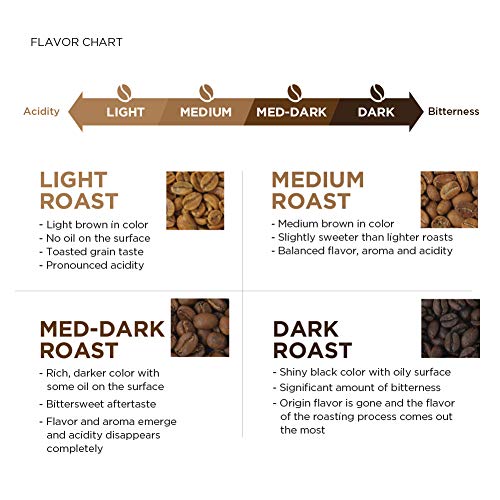
The roast level profoundly impacts flavor, and it should align with how you brew. Lighter roasts (like the Amazon Fresh Just Bright) retain more acidity and complex flavors, making them shine in pour-over or drip methods. Darker roasts (think Starbucks French Roast) develop bolder, more bittersweet profiles, ideal for French presses or those who prefer a robust cup. Don’t feel limited; experimenting is part of the fun. Speaking of which, if you’re interested in exploring French roast flavor, you’ll find a lot to love in those deeply developed beans.
Origin & Flavor Profiles
Single-origin beans (like the Amazon Fresh Nicaragua) showcase the unique characteristics of a specific growing region. Nicaraguan beans, for example, are known for their chocolatey notes. Blends, on the other hand, combine beans from multiple origins to create a balanced and consistent flavor profile (Stumptown Holler Mountain is a great example). Consider what you generally enjoy:
- Fruity and floral? Look for Ethiopian or Kenyan beans.
- Chocolatey and nutty? Central and South American beans are often a good bet.
- Earthy and bold? Sumatran beans deliver a distinctive experience.
The best approach is to explore and discover what appeals to your palate.
A good rule of thumb: buy beans in smaller quantities more frequently. Coffee degrades quickly after roasting, so freshness is paramount.
Value & Ethical Considerations
Price doesn’t always equate to quality, but it can reflect sourcing practices. While budget-friendly options like Lavazza Super Crema can deliver a good cup, beans with Direct Trade or Fair Trade certifications (like Stumptown Holler Mountain) often support better conditions for coffee farmers. I also recommend checking out beans for exceptional taste if you’re looking for the best quality. If you’re willing to spend a bit more for ethically sourced and expertly roasted beans, you’re not just enjoying a better cup, you’re contributing to a more sustainable coffee industry.
Coffee Beans Compared
Here’s a comparison of key specifications for the coffee beans featured.
| Product Name | Roast | Intensity | Blend | Size (oz) | Organic | Fair Trade |
|---|---|---|---|---|---|---|
| Stumptown Holler Mountain Organic | N/A | N/A | 100% Arabica | 18 | Yes | N/A |
| Lavazza Espresso Barista Gran Crema | Dark | 7/10 | Arabica/Robusta | 35.2 | N/A | N/A |
| Starbucks French Roast Dark | Dark | N/A | 100% Arabica | 28 | N/A | N/A |
| Amazon Fresh Organic Peru | Medium | N/A | 100% Arabica | 12 | Yes | Yes |
| Amazon Fresh Just Bright | Light | N/A | 100% Arabica | 32 | N/A | N/A |
| Stumptown Holler Mountain 12oz | N/A | N/A | 100% Arabica | 12 | Yes | N/A |
| Lavazza Super Crema Espresso | Medium | N/A | Arabica/Robusta | 35.2 | N/A | N/A |
| Amazon Fresh Nicaragua | Medium-Light | N/A | 100% Arabica | 12 | N/A | N/A |
Frequently Asked Questions
What’s the difference between Arabica and Robusta beans?
Arabica beans account for roughly 60% of the world’s production and are known for their smoother, more aromatic flavor profiles. Robusta beans have almost double the caffeine and a bolder, more bitter taste, often used in espresso blends for increased crema.
How often should I buy coffee beans?
You should buy coffee beans every two weeks, or at most monthly, to maintain peak freshness. Coffee starts to lose its aroma and flavor compounds within a few weeks of roasting, even when stored properly.
Can I store coffee beans in the freezer?
While a common practice, freezing isn’t the best long-term solution. It can introduce moisture and affect flavor, but if you must, store beans in an airtight container and only freeze portions you won’t use within a month; thaw only what you need.
What grind size should I use for my brewing method?
A coarser grind is best for French presses, while a medium grind suits drip coffee makers. Espresso requires a very fine grind, and pour-over methods typically use a medium-fine grind; your brewer’s instructions are the best guide.
Where can I find information on ethically sourced coffee?
Look for certifications like Fair Trade or Direct Trade, which indicate better conditions for farmers. Exploring renowned coffee bean origins will also often highlight producers dedicated to ethical and sustainable practices.
The Bottom Line
Choosing coffee beans always comes down to balancing what you want with how much effort you’re willing to put in. If you simply want a consistently good, reliable cup without fuss, I recommend the Stumptown Holler Mountain Organic. It’s a well-regarded blend that delivers a quality experience and offers the benefit of organic sourcing.
For those seeking something specific, we’ve got you covered. If budget is a primary concern, Lavazza Super Crema Espresso offers excellent value. If you’re after a bright, nuanced brew perfect for showcasing a pour-over setup, explore the Amazon Fresh Just Bright – and if you’re interested in a light roast coffee beans experience, this is a great place to start.
Ultimately, the “best” coffee bean is the one you enjoy the most. Don’t get overly hung up on specific origins or roast levels. Focus on freshness, ethical sourcing, and finding a flavor profile that excites your palate. Those fundamentals matter far more than any single specification on the bag.
