
8 Best Dark Roast Coffees of 2026
The best dark roast coffee overall is Peet’s Organic French Roast, a consistently bold and chocolatey brew that delivers on its promise. For a solid budget-friendly option, Maxwell House Smooth Bold Dark Roast stands out, while Starbucks Espresso Roast offers excellent versatility, especially for those who enjoy espresso-style drinks at home.
As someone who’s spent years chasing the perfect cup, I know how easy it is to grab a bag labeled “dark roast” only to end up with something flat, burnt, or painfully bitter. Not all dark roasts are created equal, some lose their character in the fire, while others shine with depth and balance. In this guide, I’ll walk you through the top picks based on bean quality, flavor profile, and what real drinkers are saying, so you can find a dark roast that truly fits your taste.
Top 8 Dark Roast Coffee in the Market
The Best Dark Roast Coffee, Reviewed
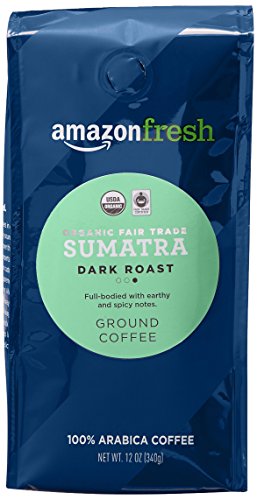
Amazon Fresh Organic Sumatra
Strengths
- Organic certified
- Fair Trade
- Budget-friendly
- 100% Arabica
- Roasted in USA
Trade-offs
- Earthy but flat finish
- Limited flavor complexity
- Ground fine for drip only
This dark roast stands out for buyers who want certified organic and Fair Trade coffee without stretching the budget. On paper, it’s a solid value, 100% Arabica beans from Sumatra, USDA Organic and Fair Trade certified, roasted in the U.S., and priced to move. The flavor profile leans into deep, earthy tones typical of Sumatran beans, which some will love and others might find a bit one-dimensional.
Owners consistently report it delivers a bold, low-acidity cup that works well black or with cream, though it doesn’t have the layered complexity of higher-end roasts. For those prioritizing ethics and organic standards over nuance, this is a dependable go-to. I’d pick it over pricier organic options if you’re brewing drip every morning and don’t need espresso-level depth.
Video review
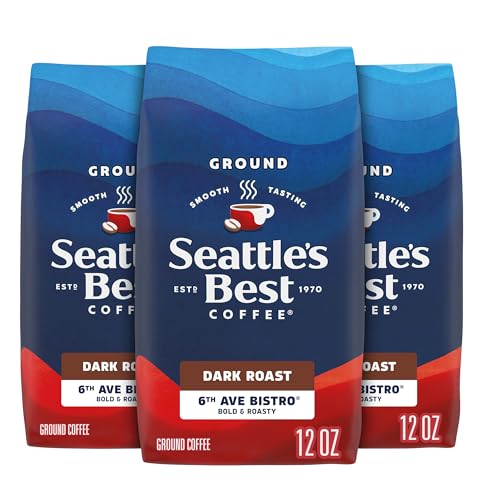
Seattle’s Best 6th Ave Bistro
Strengths
- Smooth finish
- Consistent flavor
- Versatile grind
- 3-pack value
- Balanced roast
Trade-offs
- Lacks bold depth
- Not for espresso
- Mild for dark roast lovers
Seattle’s Best 6th Ave Bistro aims for balance in the dark roast category, and on that front, it delivers. The brand’s ‘smooth roast’ process is designed to reduce bitterness while preserving richness, and reviewers confirm it brews a clean, approachable dark cup without harsh edges. It’s not the boldest option here, but for those turned off by charred or smoky notes, this blend offers a more accessible entry point.
With three 12-ounce bags, you get decent volume, and the grind suits drip, pour-over, or French press. It lacks the intensity that dark roast purists crave, but I’d recommend it for households where not everyone loves intense coffee, it’s the kind of dark roast that converts light roast drinkers. Compared to Peet’s or Starbucks, it plays it safe, but that’s its strength in mixed-preference homes.
Video review
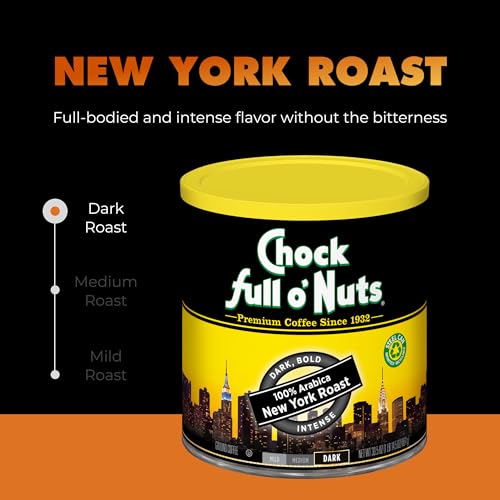
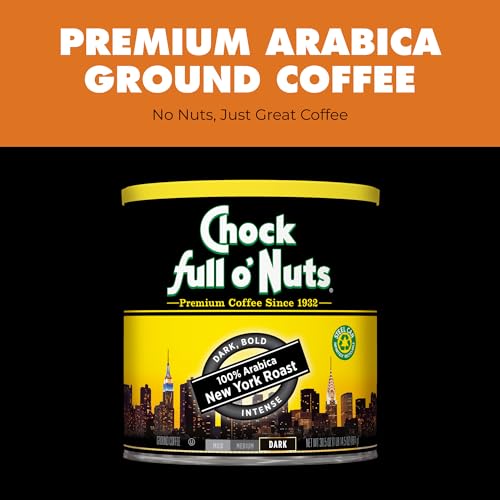
Chock Full o’ Nuts New York Roast

Strengths
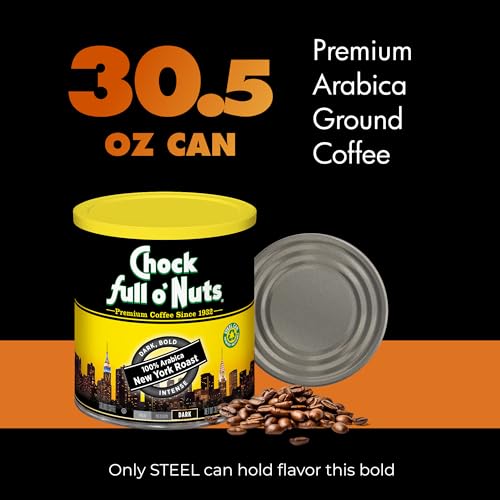
- Large 30.5 oz size
- Recyclable steel can
- Smooth, low bitterness
- Kosher certified
- Good for percolators
Trade-offs
- Mild for dark roast
- Limited origin character
- Not bold or complex
At 30.5 ounces, this is the largest volume option here, making it a natural pick for high-volume households or offices. The New York Roast is marketed as smooth and full-bodied without bitterness, and owner feedback supports that, it brews a reliable, no-surprises cup with mild chocolate and nutty notes. It’s not flashy, but it’s consistent, and the steel can helps maintain freshness better than paper bags.
The Orthodox Union Kosher certification and recyclable packaging add points for buyers who value ethics and sustainability. While it won’t impress specialty coffee snobs, it holds its own in drip and percolator setups. I’d choose this over Maxwell House for its cleaner profile and better packaging, even if the roast is less aggressive than what true dark roast fans seek.
Product photos
Peet’s Major Dickason’s Blend Ground
Strengths
- Full-bodied richness
- Complex flavor
- 100% Arabica
- Hand-roasted quality
- Excellent drip performance
Trade-offs
- Pricier than budget brands
- Not ideal for espresso
- Grind not optimized for French press
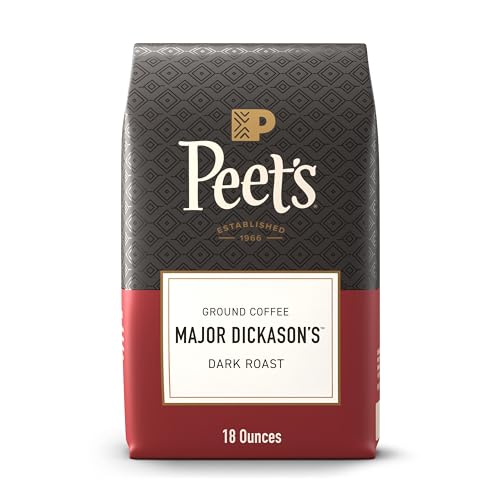
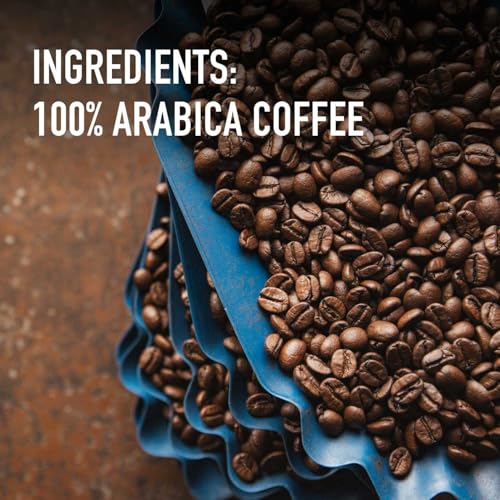
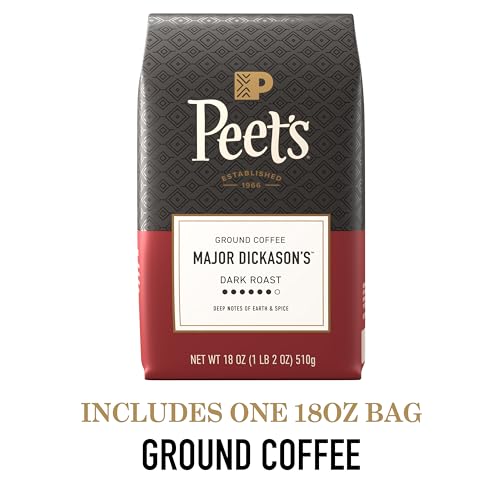
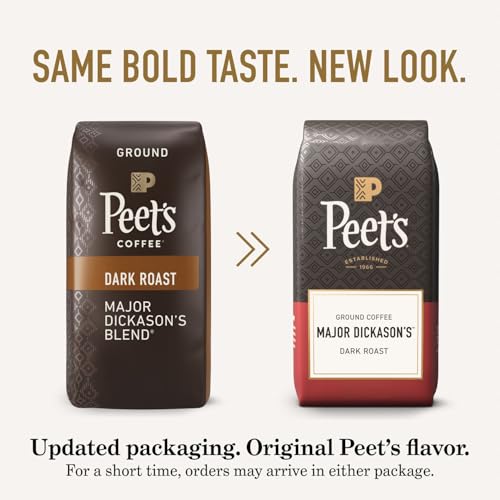
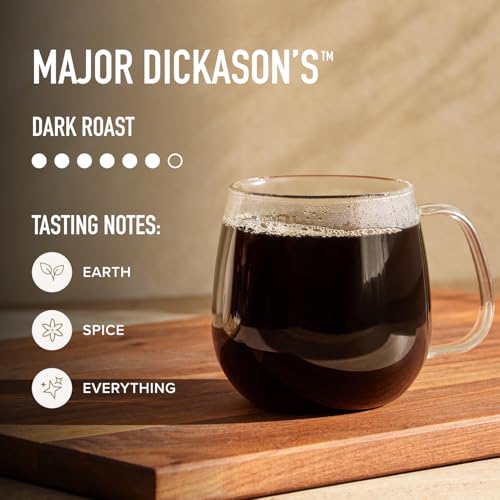
Major Dickason’s Blend is Peet’s signature dark roast and a benchmark in the category. It’s full-bodied, rich, and layered, a coffee that delivers on the promise of depth without tipping into ashiness. The blend has been around for decades, and its staying power comes from a roast profile that emphasizes complexity: dark chocolate, toasted nuts, and a hint of spice. On paper, it’s 100% Arabica, hand-roasted, and built for serious coffee drinkers.
Reviewers often compare it favorably to high-end café roasts, and it performs especially well in drip and pour-over methods. While it’s not marketed for espresso, some owners use it in moka pots with success. I’d pick this over Starbucks Italian Roast if you want more body and less sharpness. It’s not the cheapest, but for those who want full-bodied flavor without compromise, it’s hard to beat.
Product photos
Starbucks Italian Roast Ground Coffee

Strengths
- Espresso-friendly flavor
- Strong cocoa notes
- Café-quality beans
- Good for milk drinks
- Versatile grind
Trade-offs
- Can taste bitter
- Over-roasted for some
- Less complexity than Peet’s
Starbucks Italian Roast is a dark roast built for espresso lovers, even though it’s sold as ground coffee. It’s sharply roasted with intense notes of dark cocoa and toasted marshmallow, a profile that holds up well under pressure and in milk-based drinks. The 18-ounce bag uses the same beans as their cafés, and owners report it brews a concentrated, punchy cup whether used in drip or moka pot.
While it can taste bitter if over-extracted, many appreciate its boldness for lattes and cappuccinos. Compared to Peet’s Major Dickason’s, it’s more aggressive and less nuanced, but that’s the point, this is for drinkers who want intensity first. I’d recommend it over the Espresso Roast if you’re brewing at home with a moka pot and want that classic Starbucks dark edge.
Product photos



Peet’s Organic French Roast Ground
Strengths
- USDA Organic
- Rich smoky depth
- Chocolate truffle notes
- Ethically sourced
- Peet’s quality control
Trade-offs
- Higher price
- Smoky flavor not for all
- Not for espresso
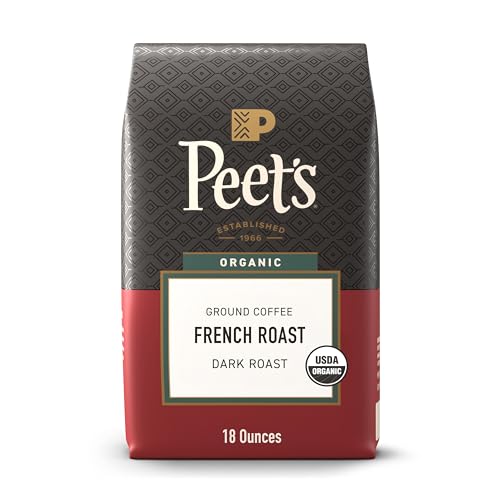
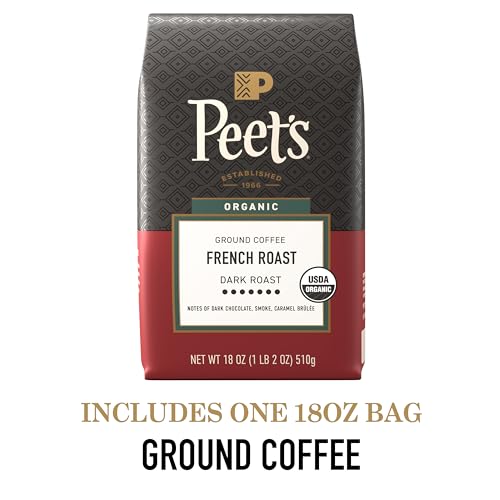
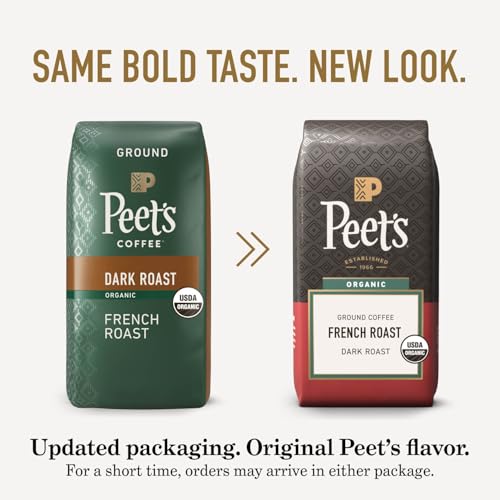
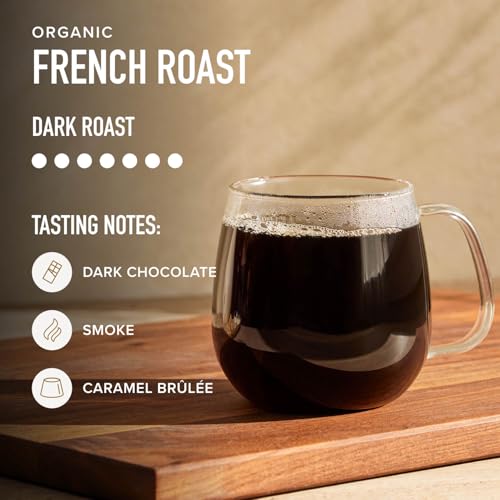
If you want organic dark roast without sacrificing too much flavor, Peet’s Organic French Roast is the strongest contender here. It’s USDA Organic certified and still meets Peet’s own high bar for taste, which matters, because many organic coffees cut corners on bean quality. This one delivers smoky depth with notes of chocolate truffle and caramel, avoiding the ashy pitfall that plagues lesser French roasts.
The 18-ounce bag is ground for drip and pour-over, and owners praise its consistency and clean finish. While it’s pricier than the non-organic Major Dickason’s, the certification and sourcing standards justify the cost for the right buyer. I’d pick this over the Amazon Fresh option if you want better flavor within the organic category, it’s a step up in roast control and bean selection.
Product photos
Maxwell House Smooth Bold Dark Roast
Strengths
- Large 26.7 oz size
- Low price
- Smooth for dark roast
- Steel can
- Kosher certified
Trade-offs
- One-dimensional flavor
- Not for connoisseurs
- Lacks aroma and complexity
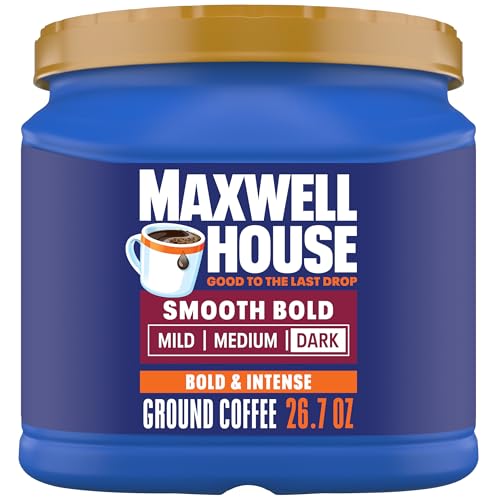
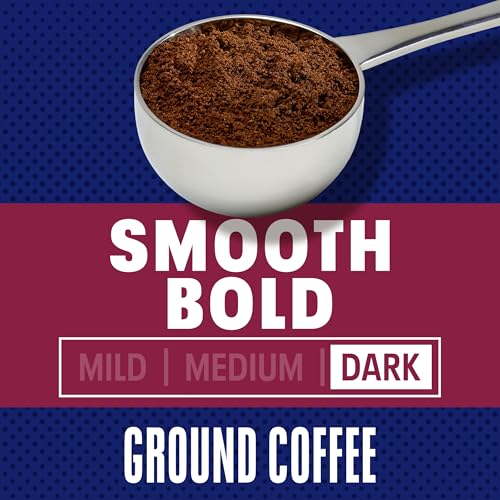
Maxwell House has long been the default for budget brewing, and this Smooth Bold Dark Roast keeps that legacy alive. It’s not a specialty coffee, but it delivers a dependable, full-bodied cup with a straightforward dark roast character. The 26.7-ounce can offers more volume than most competitors, and the steel container helps with shelf life, a practical plus for casual drinkers.
Owners report it’s smooth for a dark roast, with minimal bitterness, though it lacks the depth and aroma of premium brands. It’s best viewed as a workhorse coffee, something to keep in the pantry for guests or quick mornings. I’d choose Chock Full o’ Nuts over this for better flavor, but if you’re strictly after maximum volume at minimum cost, this is a functional pick.
Product photos
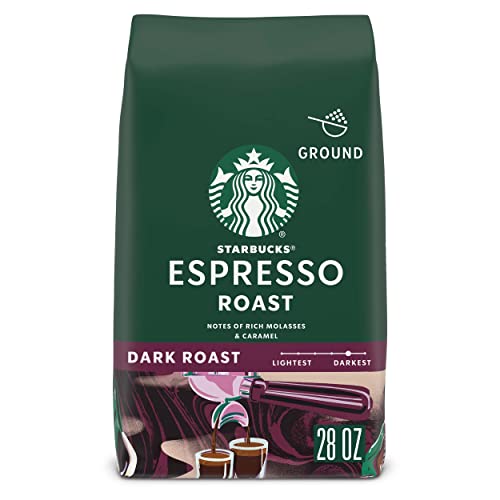
Starbucks Espresso Roast Ground Coffee
Strengths
- 28 oz largest bag
- Espresso-optimized
- Rich molasses notes
- Ethically sourced
- Works across brewers
Trade-offs
- Can be too bold for some
- Over-roasted for light roast fans
- Not subtle or nuanced
Starbucks Espresso Roast is the best overall pick in this lineup, and not just because of its 28-ounce size. It’s designed as a true espresso blend, rich, dense, and built to shine in milk, but it also brews a powerful cup in drip or French press. The notes of molasses and caramel give it sweetness that balances the roast intensity, and owners consistently say it tastes like the espresso shots they get in Starbucks bars.
It’s ethically sourced, uses 100% Arabica beans, and the grind is versatile enough for most home brewers. Compared to the Italian Roast, this one feels more balanced, bold but not harsh. For the price and volume, it offers the best mix of flavor, performance, and consistency. I’d recommend it as the default dark roast for most households, especially those using milk or making iced coffee.
Product photos

How We Picked These dark roast coffee
As the founder of Bean Thusiast, I approach coffee selection with a focus on understanding the nuances that contribute to a truly satisfying cup. Rather than a hands-on lab test, this was a research-led comparison of published specifications and owner feedback for a range of dark roast coffees. I considered factors like bean origin, roast level descriptions, and ethical sourcing certifications, alongside what customers are actually saying about the taste and brewing experience. This allowed me to build a ranking based on a blend of objective data and real-world impressions.
For dark roast coffees, the most important factors are boldness of flavor and the presence of desirable tasting notes. A dark roast should deliver a strong, robust experience without being overly bitter or burnt. We also heavily weighted the consistency of quality reported by consumers – a widely praised coffee is more likely to be a reliable choice. Ethical sourcing practices also played a role, reflecting a growing consumer preference for responsible brands.
Specifications reliably reveal bean origin and roast level, giving a foundation for predicting flavor characteristics. However, owner feedback proved invaluable for assessing the actual taste profile and brewability. Descriptions like “chocolatey” or “smoky” are subjective, so reading through numerous reviews helped me gauge whether a coffee truly delivers on its promises. Understanding how well a coffee suits different brewing methods also came through in those real-world experiences – and I’ve included a link to help you explore the complexities of brewing Colombian dark roast to elevate your experience.
How To Pick The Right dark roast coffee
Finding the right dark roast coffee can elevate your morning routine from a necessity to a genuine pleasure. But with so many options, pinpointing the best bag for your tastes requires a bit of understanding.
A truly excellent dark roast balances bold, smoky flavors with underlying sweetness and body. Key indicators include 100% Arabica bean sourcing, a clear roast date (not just a “best by” date), and consistent grind size for your chosen brewing method. Avoid overly bitter profiles, which often signal uneven roasting or lower-quality beans.
Understanding Roast Level & Flavor
Many people assume “dark roast” automatically means “strong” or “bitter,” but that’s a misconception. The darkness of the roast impacts flavor development, not necessarily caffeine content. Truly skilled roasters coax out complex notes – think dark chocolate, molasses, and even hints of fruit – even in a deeply roasted bean. A good starting point is considering what you’ll be doing with the coffee. If you plan to add milk and sugar, a bolder, more straightforward dark roast like the Maxwell House Smooth Bold Dark Roast might be ideal. However, if you prefer to savor the coffee black, exploring single-origin options with detailed flavor descriptions (like those from Peet’s) will unlock more nuance.
Grind Size & Brewing Method
The grind of your coffee is absolutely critical, and especially so with dark roasts. Darker roasts are more brittle and extract faster, so a grind that’s too fine will lead to over-extraction and a bitter cup. Most pre-ground coffees are geared towards drip brewers, but if you’re using a French press or a moka pot, you’ll want to look for a coarser grind, or ideally, grind your own beans. Speaking of which, if you are serious about maximizing freshness and flavor, consider investing in a burr grinder and exploring the world of best dark roast whole bean coffee – you’ll notice a huge difference.
Here’s what to look for when it comes to grind and brewing:
- Drip: Medium-fine grind is the standard.
- French Press: Coarse grind prevents sediment.
- Espresso: Very fine grind is essential for proper extraction (often best achieved with a dedicated espresso grinder).
A general rule is to match the grind size to the contact time between the water and coffee. Longer contact = coarser grind.
Value & Ethical Sourcing
Dark roast coffees span a wide price range, and “expensive” doesn’t always mean “better.” While premium, single-origin coffees from brands like Peet’s can be a treat, you can find excellent value in more widely available options like Starbucks or Chock Full o’ Nuts. When evaluating value, consider the size of the package, the freshness (look for roast dates!), and whether the coffee is certified organic or Fair Trade. I always encourage supporting brands that prioritize ethical sourcing, like Starbucks, which partners with Conservation International. Understanding the light medium dark roast differences can also help you appreciate the value proposition of a well-executed dark roast.
Dark Roast Coffee Compared
Here’s a comparison of specs for several popular dark roast coffees.
| Product Name | Bag Size (oz) | Roast Level | Organic | Flavor Notes | Best Use |
|---|---|---|---|---|---|
| Starbucks Espresso Roast | 28 | Dark | No | Molasses, Caramel | Espresso |
| Peet’s Organic French Roast | 18 | Dark | Yes | Chocolate, Smoke, Caramel | Drip, Pour-Over |
| Maxwell House Smooth Bold | 26.7 | Dark | No | Bold, Intense | All-Purpose |
| Starbucks Italian Roast | 18 | Dark | No | Cocoa, Toasted Marshmallow | Espresso |
| Peet’s Major Dickason’s Blend | 18 | Dark | No | Robust, Full-Bodied | All-Purpose |
| Chock Full o’ Nuts New York Roast | N/A | Dark | No | Full-Bodied, Rich | All-Purpose |
| Seattle’s Best 6th Ave Bistro | 12 (x3) | Dark | No | Balanced, Roasty | All-Purpose |
| Amazon Fresh Organic Sumatra | 12 | Dark | Yes | Deep, Intense | All-Purpose |
Frequently Asked Questions
What’s the difference between a dark roast and a burnt roast?
A burnt roast tastes ashy and lacks any discernible flavor notes, while a dark roast develops complex flavors like dark chocolate and molasses. Skilled roasters stop the process before the beans are actually burnt, preserving those desirable characteristics.
Can dark roast coffee have caffeine?
Yes, dark roast coffee absolutely contains caffeine. The roasting process reduces caffeine slightly, but the difference is minimal – typically around 15-25% less than a lighter roast of the same bean.
Is dark roast coffee always more bitter?
Not necessarily. Bitterness in coffee is often caused by uneven roasting or low-quality beans, not simply the roast level. A well-roasted dark roast will have a bold flavor, but should be balanced with sweetness and body, and avoid harshness.
What brewing method best suits a dark roast?
French press and pour-over methods highlight the body and flavor complexities of dark roasts, but they also work well in drip machines. If you’re looking for the best-tasting dark roast blends, consider experimenting with different brew strengths.
Are ethically sourced dark roast coffees more expensive?
Sometimes, but not always. While some specialty brands with strong ethical commitments (like Peet’s) may have a higher price point, you can also find affordable options from brands like Starbucks that prioritize responsible sourcing.
The Bottom Line
Choosing a dark roast coffee often comes down to balancing convenience with control. If you want a consistently bold and readily available option, the Maxwell House Smooth Bold Dark Roast is hard to beat for its price and widespread accessibility. However, if you’re willing to spend a bit more for a richer, more nuanced experience, the Peet’s Organic French Roast delivers a complex flavor profile that truly stands out.
For those seeking a coffee specifically for espresso, both the Starbucks Espresso Roast and Starbucks Italian Roast are excellent choices, consistently praised for their ability to produce a rich crema and robust flavor. If you value ethical sourcing and organic beans, the Amazon Fresh Organic Sumatra is a solid pick for an all-purpose dark roast. Understanding the French vs dark roast differences is key to pinpointing your ideal cup.
Ultimately, the “best” dark roast isn’t about a single feature or a fancy price tag. It’s about finding a coffee that aligns with your taste preferences and brewing setup. Prioritize freshly roasted beans, a grind appropriate for your method, and a willingness to experiment – those fundamentals will deliver a far more satisfying experience than chasing the latest trends or highest-rated bean.
