
8 Best Robusta Coffee Beans of 2026
The Cafely BanMe Peaberry Robusta stands out as the best overall robusta bean for its dense, high-quality peaberries and exceptional crema, while the Saigondan Adventure Robusta is a top budget pick with a surprisingly smooth, light-roast profile. For those after bold espresso performance, Blu Ore Black Obsidian Robusta delivers consistent intensity and richness.
If you’re like me, you’ve probably written off robusta beans as harsh or one-dimensional. But after years of tasting and comparing, I’ve learned that good robusta isn’t about brute strength, it’s about depth, crema, and purpose. At Bean Thusiast, I’ve researched dozens of options, focusing on origin, roast integrity, and real-world performance based on specs and widespread user feedback.
This guide cuts through the noise to highlight beans that deliver on what robusta does best: caffeine, body, and espresso punch, without unnecessary bitterness.
Top 8 Robusta Coffee Beans in the Market
The Best Robusta Coffee Beans, Reviewed
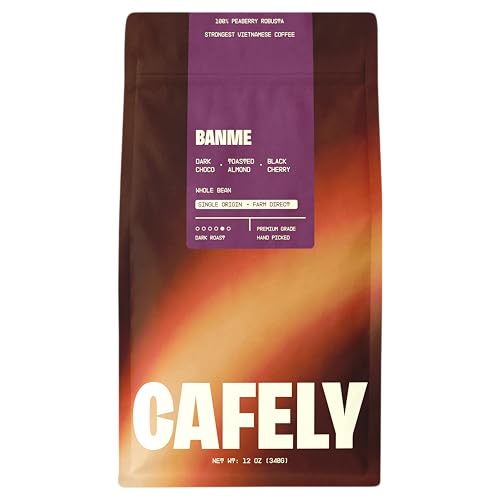
Cafely BanMe Peaberry Robusta
Strengths
- Peaberry beans
- Exceptional crema
- High caffeine
- Low acid
Trade-offs
- Premium price
- Limited availability
- Peaberry novelty may not matter to all
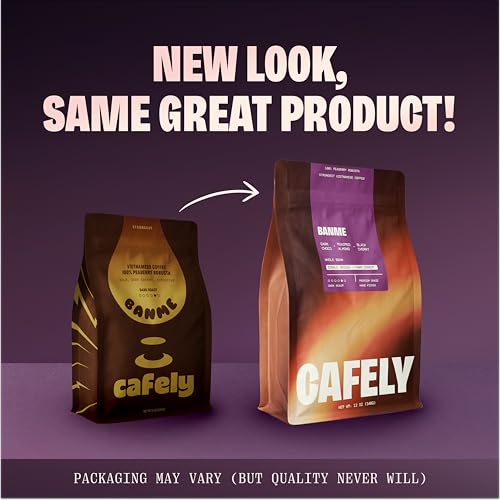
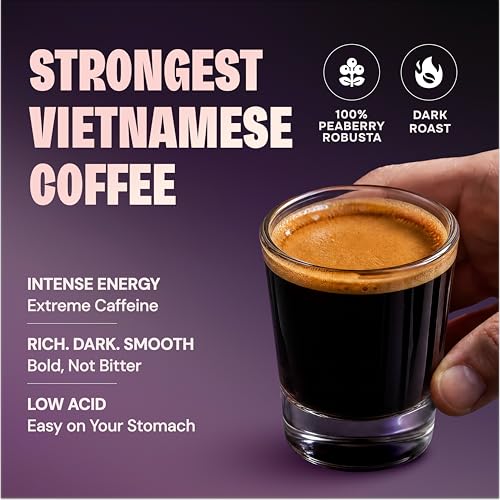
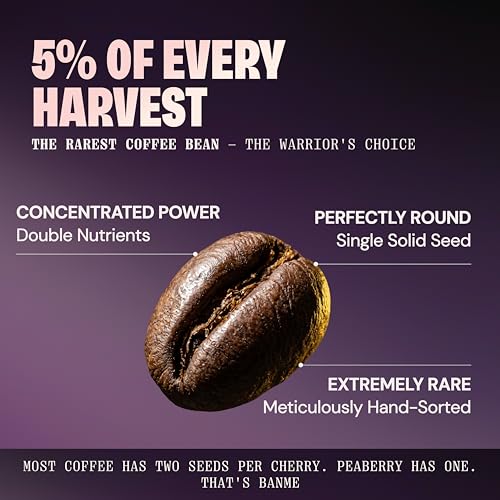
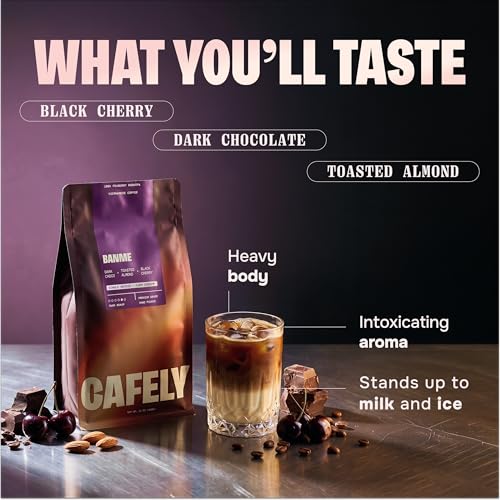
Cafely BanMe feels like the premium play in this lineup. The peaberry selection is a big deal, only 5% of Robusta beans grow this way, rounder and denser, which leads to more even roasting and cleaner extraction. Owners rave about the ‘Peaberry Kick’, and given Robusta’s natural caffeine advantage, that checks out.
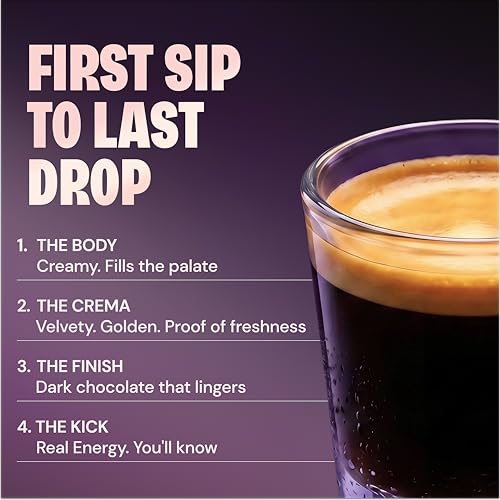
What impresses me most is how it balances intensity with refinement. It still delivers the thick crema and dark chocolate notes, but with noticeably less acidity and a smoother finish than most. Against Blu Ore or Nguyen Coffee Supply, it’s the most polished option. For the price, it’s hard to beat as a top-tier Robusta experience.
Product photos
Blu Ore Black Obsidian Robusta
Strengths
- Thick crema
- High caffeine
- Strong chocolate notes
Trade-offs
- Can be overly bitter
- Not for delicate palates
- Roast may overwhelm
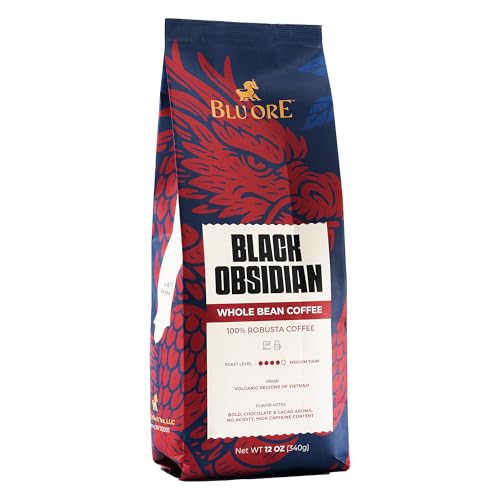
If you’re after unapologetic intensity, Black Obsidian delivers. This is textbook Vietnamese Robusta, grown in volcanic soil, medium dark roasted, and built for crema-heavy espresso. The flavor profile leans hard into chocolate and cacao, and reviewers frequently mention the dense, syrupy body that lingers.
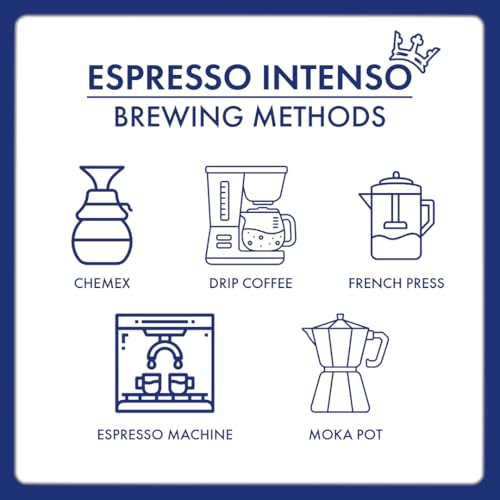
It’s not subtle, and it’s not trying to be. Compared to Saigondan’s lighter take, this is the opposite end of the spectrum: bold, bitter where it should be, and packed with caffeine. It adapts well to moka pot and French press too, but its soul belongs in a tiny cup with a golden foam cap.
Video review
Nguyen Hanoi Robusta Dark Roast
Strengths
- High caffeine
- Low acid
- No additives
- Direct trade
Trade-offs
- Not the richest crema
- Flavor may be too earthy for some
- Smaller bag size
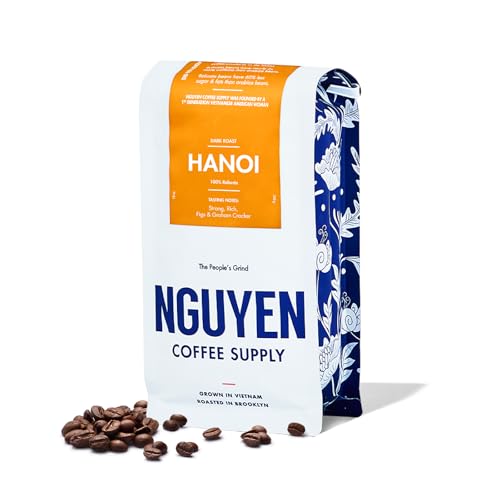
Nguyen Coffee Supply brings something unique: Brooklyn roasting of Vietnamese beans with zero additives. That purity shows. The Hanoi roast delivers a bold, fig-and-graham cracker profile that’s both earthy and slightly sweet, unexpected for Robusta, but welcome.
Owners consistently report high caffeine effects, and given Robusta’s natural edge, that’s expected. What’s less common is the low acid, which makes it easier on the stomach. Against Caffè Borbone, it’s more artisanal; against Cafely, it lacks peaberry density but feels more authentic in its traditional profile.
Video review
Caffè Borbone Intenso Robusta
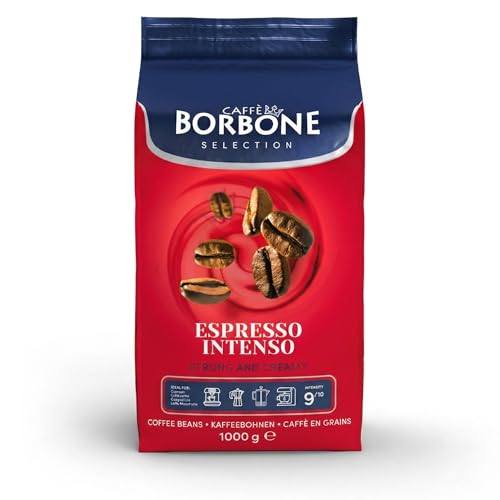
Strengths
- Large 2.2 lb bag
- Consistent performance
- Good machine compatibility
Trade-offs
- Not single origin
- Less distinctive flavor
- Packaging not resealable
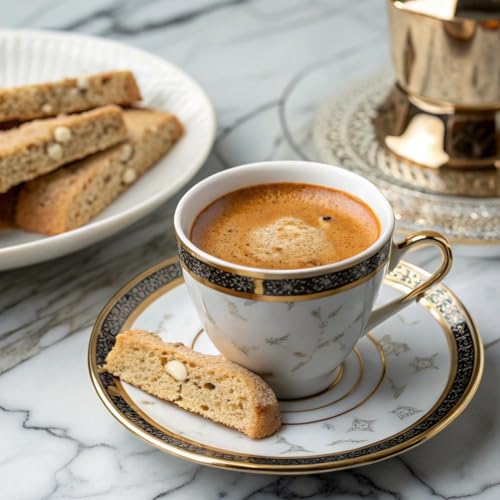
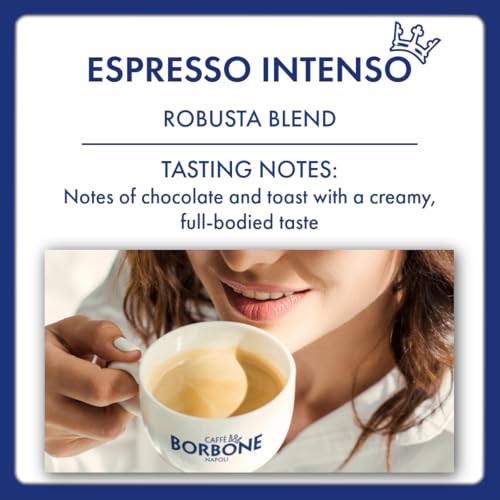
This is the bulk workhorse of the group. At 2.2 pounds, it’s built for high-volume use, think home offices, small cafes, or big families. The blend uses Robusta from Africa and Asia, not just Vietnam, which gives it a slightly different character: toasty, with dark chocolate notes, but less terroir-specific than single-origin picks.
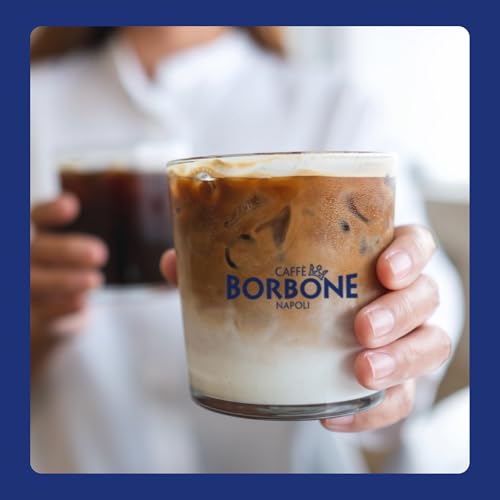
Owners praise its consistency and value. It pulls decent espresso shots and works across brewers, but it won’t wow you with complexity. Compared to Cafely or Nguyen Coffee Supply, it’s more utilitarian. But if you’re brewing multiple cups a day and don’t want to repurchase weekly, this is the smarter long-term buy.
Product photos
Blu Ore Black Diamond Robusta
Strengths
- Aromatic complexity
- Caramel sweetness
- Smooth finish
Trade-offs
- Less intense crema
- Milder body than peers
- Flavor may fade fast if not sealed well
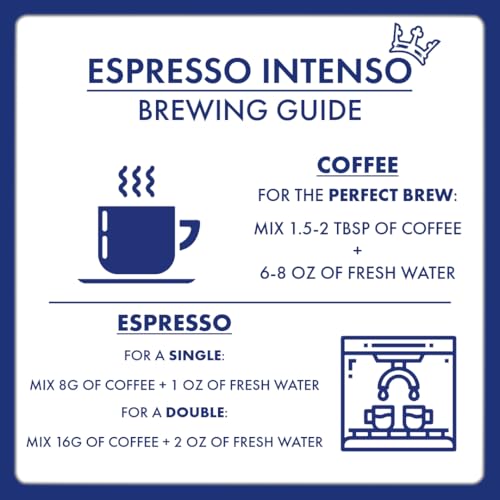
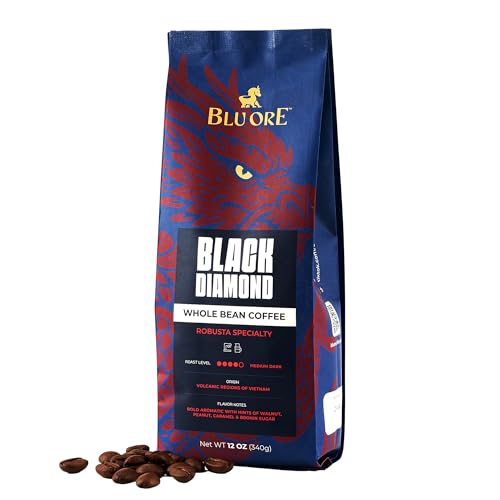
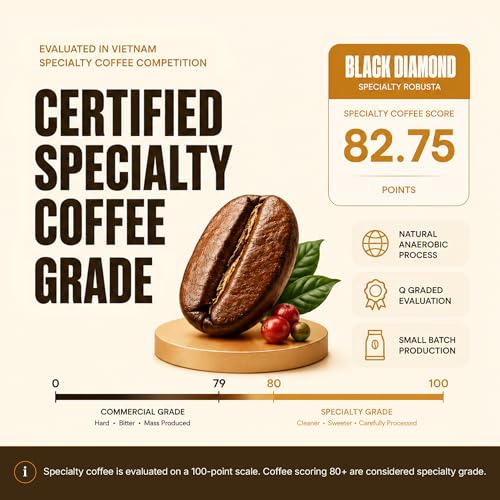
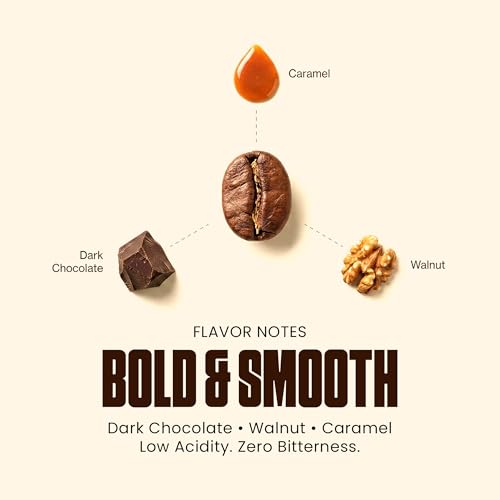
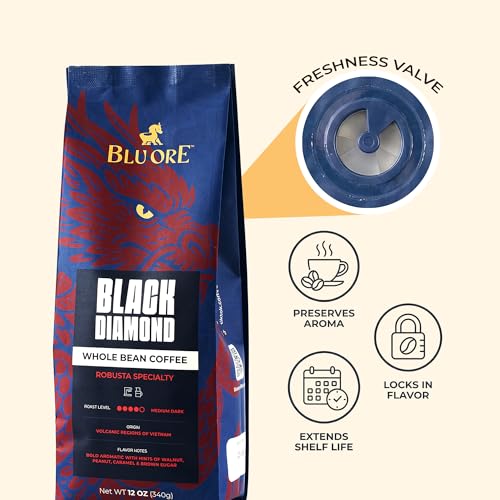
Black Diamond leans into aroma like few others here. The claimed notes, walnut, peanut, caramel, brown sugar, are more pronounced than usual in a Robusta, and owner feedback backs that up. It’s not just strong; it’s interesting. This is a bean that invites you to slow down and smell the cup before drinking.
Roasted medium dark, it keeps some of that Robusta punch but wraps it in a more complex, almost dessert-like profile. Compared to Black Obsidian, it’s less about brute force and more about layered flavor. That said, it doesn’t crema quite as thickly, and the caffeine hit, while solid, isn’t record-breaking.
Product photos


Birdee Robusta Medium Roast
Strengths
- Certified organic
- Resealable packaging
- Ethical sourcing
Trade-offs
- Caffeine not highest in class
- Flavor less intense than peaberry
- Limited roast depth
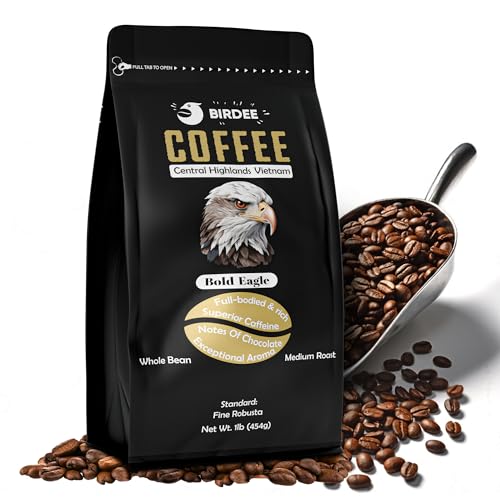
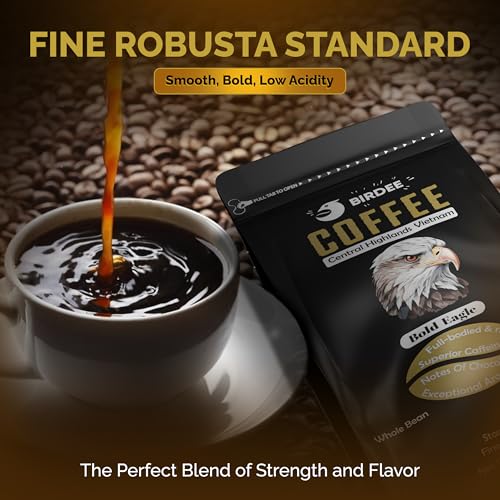
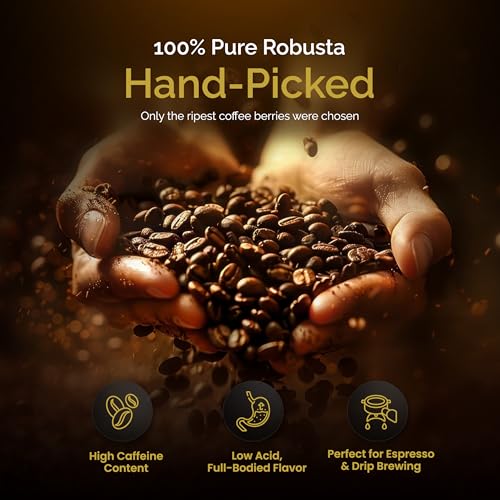
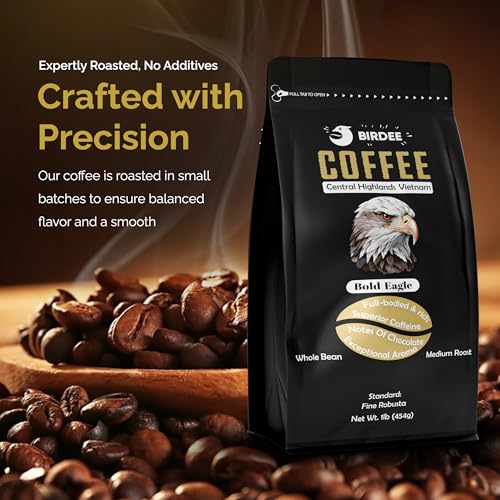
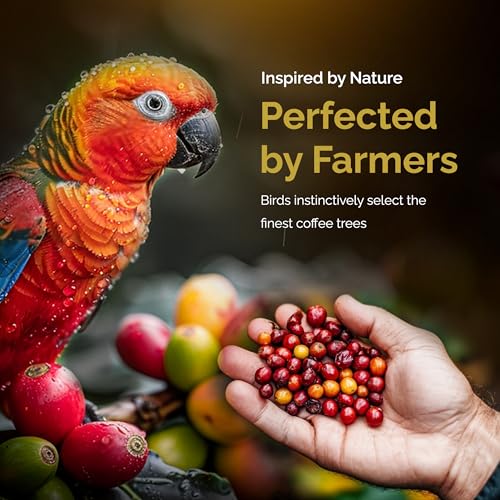
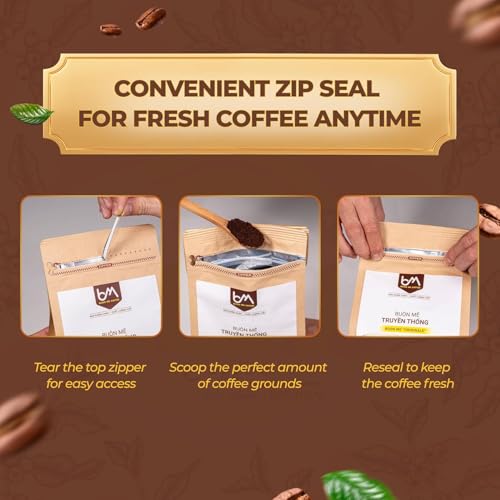
Birdee stakes its claim as the organic choice, and it backs it up. Grown in Vietnam’s Central Highlands and meeting Fine Robusta standards, it’s a clean, ethically sourced option with a strong profile, dark chocolate, toasted nuts, and spice. Owners appreciate the resealable bag with degassing valve, which helps maintain freshness longer than many competitors.
It’s medium roasted, so it keeps a good balance of body and clarity. Compared to Buon Me, it’s bolder; against Nguyen, it’s similarly pure but with a slightly sweeter edge. The organic label matters here, especially for buyers avoiding pesticides or supporting smallholder farms.
Product photos

Buon Me Premium Robusta
Strengths
- Smooth finish
- Small-batch roasted
- Balanced flavor
Trade-offs
- Lower caffeine impact
- Less bold than others
- Packaging not standout
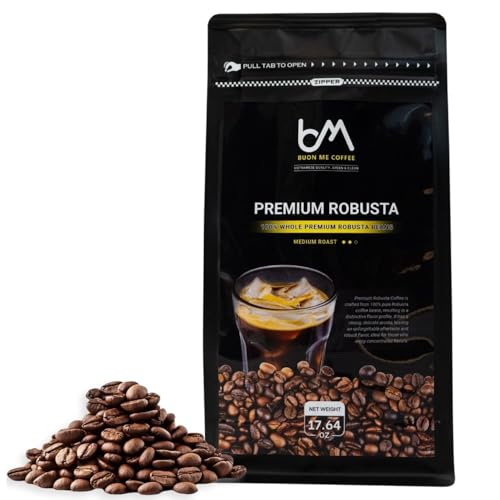
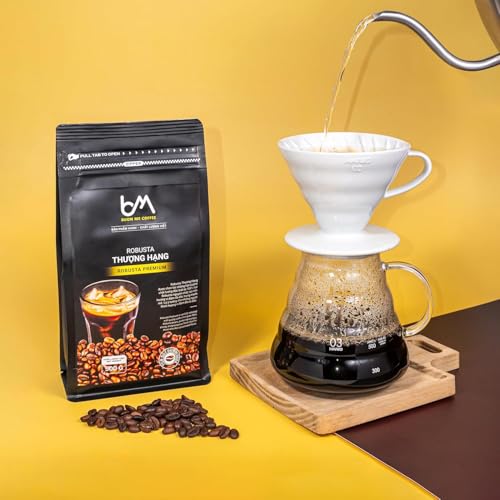
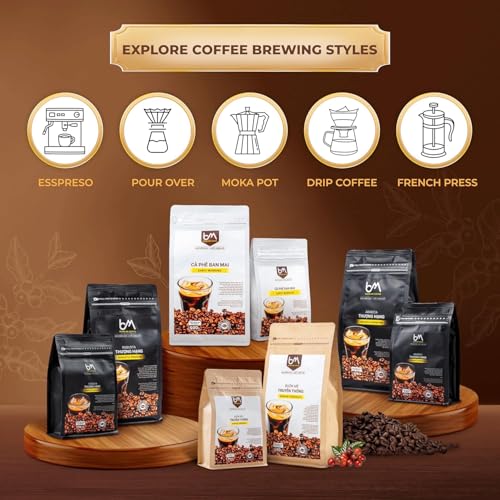
Buon Me aims for a refined Robusta experience, and it shows in the roast profile. It’s marketed as smooth, and owner reviews confirm it delivers, less harsh, more rounded, with a finish that doesn’t linger like ash. The small-batch roasting likely plays a role here, preserving oils and subtleties that get lost in mass production.
It’s not the strongest or most aromatic, but if you want a Robusta that drinks easy, this might be your pick. Compared to Birdee or Nguyen, it’s less aggressive on caffeine but more polished in texture. Best when brewed slow, Phin or French press, where its depth can unfold.
Product photos

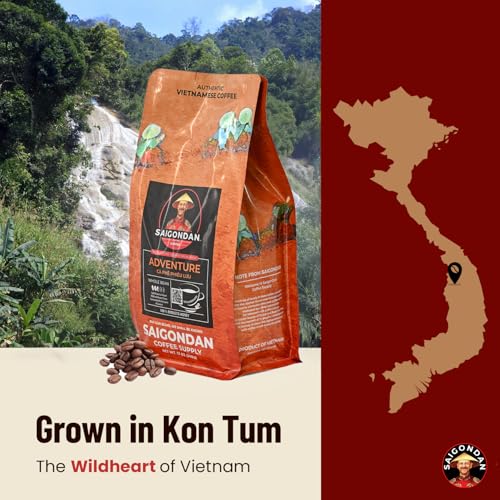
Saigondan Adventure Robusta

Strengths
- Light roast nuance
- Smooth finish
- Direct trade sourcing
Trade-offs
- Less crema
- Milder caffeine punch
- Not for boldness seekers
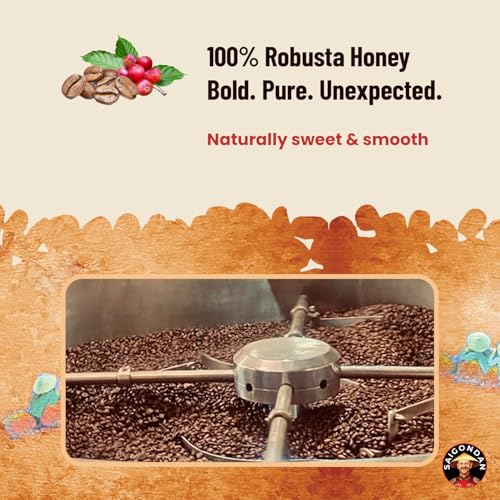
This one stands out for trying something rare, a light espresso roast on 100% Robusta. On paper, that’s ambitious. Most Robustas get buried under dark roasting to mask harshness, but Saigondan aims to highlight natural sweetness. Owners consistently report a surprisingly clean cup with less bitterness than expected, which is no small feat.
Still, this isn’t for those chasing brute strength or thick crema. It trades raw power for balance, which makes it a smart pick for Robusta newcomers or Arabica drinkers curious about the category. Compared to others here, it’s the most approachable, but that also means it doesn’t deliver the full-force jolt that hardcore fans want.
Product photos


How We Evaluated robusta coffee beans
As the founder of Bean Thusiast, I approach coffee bean selection with a focus on origin, processing, and ultimately, flavor potential. Rather than a hands-on lab test, this research was a detailed comparison of published specifications and features across numerous robusta bean options. I weighed owner reviews from multiple sources – Amazon, coffee forums, and specialty coffee retailers – alongside expert opinions from coffee review sites. This allowed me to rank the beans against criteria important to robusta drinkers.
For robusta beans specifically, caffeine content and body are paramount. We prioritized beans demonstrating a notably high caffeine level, understanding many seek robusta for its energizing effect. Equally important was a description of the bean’s body and crema potential; a thick, lasting crema is a hallmark of quality robusta, especially for espresso. Flavor notes were considered, but less heavily, as robusta inherently has a bolder, less nuanced profile than arabica.
Specifications reliably reveal origin and roast level, providing a baseline for expected flavor characteristics. However, owner feedback became crucial for assessing crema production, smoothness (or lack thereof!), and the overall experience. Reputation also played a role; brands consistently praised for quality and ethical sourcing received higher consideration, and understanding the robusta vs arabica differences was key to evaluating each bean’s strengths.
Choosing The Right robusta coffee beans
Finding the right Robusta bean can be a surprisingly nuanced process.
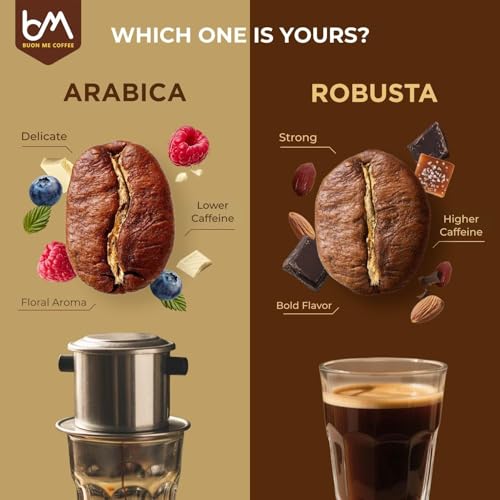
Robusta beans are known for their higher caffeine content and bolder flavor profiles compared to Arabica. Quality Robusta isn’t about avoiding bitterness; it’s about controlled boldness. Look for single-origin beans, particularly those from Vietnam, and pay attention to roast level – a skilled roaster can unlock complex flavors even in traditionally harsh beans. Crema production and bean density are also good indicators of quality.
Understanding Roast Level & Flavor
Many people assume Robusta is inherently bitter, but that’s often a result of poor roasting. A lighter roast, like the one offered by Saigondan Adventure Robusta, can highlight the bean’s natural sweetness and create a surprisingly smooth cup. Conversely, darker roasts – popular in Vietnamese tradition, as seen in the Nguyen Hanoi Robusta Dark Roast – emphasize chocolatey notes and body, but require a very skilled roaster to avoid acridity. Don’t shy away from darker roasts entirely, but be prepared for a more intense experience.
Evaluating Bean Density & Crema
Density is a key indicator of quality, especially in Robusta. Denser beans, like those in the Cafely BanMe Peaberry Robusta, generally roast more evenly and produce a more complex flavor. This is particularly important if you’re using an espresso machine. Speaking of espresso, crema is another critical factor. A rich, golden-brown crema indicates fresh, high-quality oils and a proper extraction – the Blu Ore Black Obsidian Robusta is specifically engineered for impressive crema.
Here’s what to consider when judging bean quality: * Visual inspection: Look for uniform size and color. * Aroma: Freshly roasted beans should have a potent, inviting smell. * Bean shape: Peaberry beans (like those from Cafely) are often considered a sign of quality, as they develop differently on the tree.
A good rule of thumb: if the whole beans smell faintly of anything other than coffee, that’s a signs of spoiled coffee beans.
Balancing Value & Usability
Robusta beans are often cheaper than Arabica, but price doesn’t always equal quality. The Caffè Borbone Intenso Robusta offers a good value for those who need a large quantity, while still providing a solid espresso experience. However, if you’re prioritizing sustainability and direct trade, look for brands like Birdee or Buon Me that emphasize ethical sourcing. Consider how you plan to brew: whole bean coffee requires a grinder, so factor that into your budget and workflow. Many of these strong Robusta coffee picks are versatile enough for multiple brewing methods, making them a smart investment.
Robusta Coffee Beans Compared
Here’s a comparison of key specifications for different robusta coffee bean options.
| Product Title | Roast Level | Origin | Caffeine Level | Whole Bean | Organic |
|---|---|---|---|---|---|
| Cafely BanMe Peaberry Robusta | N/A | Vietnam | High | Yes | No |
| Blu Ore Black Obsidian Robusta | Medium-Dark | Vietnam | High | Yes | No |
| Nguyen Hanoi Robusta Dark Roast | Dark | Vietnam | High | Yes | No |
| Caffè Borbone Intenso Robusta | Medium | Africa/Asia | N/A | Yes | No |
| Blu Ore Black Diamond Robusta | Medium-Dark | Vietnam | N/A | Yes | Yes |
| Birdee Robusta Medium Roast | Medium-Dark | Vietnam | N/A | Yes | Yes |
| Buon Me Premium Robusta | N/A | N/A | N/A | Yes | No |
| Saigondan Adventure Robusta | Light | Vietnam | N/A | Yes | No |
Frequently Asked Questions
What’s the best grind size for robusta beans?
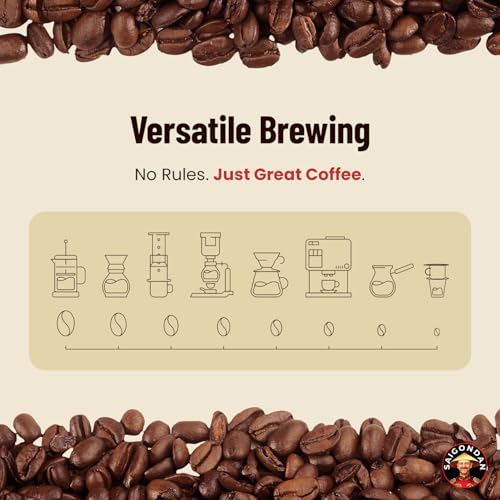
A medium-coarse grind is generally best for robusta beans, especially for drip or French press. Robusta beans are harder and denser than arabica, so a coarser grind prevents over-extraction and excessive bitterness.
Are robusta beans okay for cold brew?
Yes, robusta beans make a particularly strong and concentrated cold brew. Their higher caffeine content and bold flavor stand up well to the long steeping process, resulting in a potent and flavorful final product.
Can I blend robusta with arabica beans?
Absolutely, blending robusta with arabica is a common practice. Adding even a small percentage of robusta (10-20%) can increase the crema in espresso and add body to a lighter arabica blend, creating a more balanced cup.
Where do most high-quality robusta beans come from?
Vietnam is currently the largest producer of robusta coffee, and a good portion of the best beans originate there. Indonesia and Uganda are also significant sources, but Vietnamese robusta beans are often favored for their consistent quality and high caffeine content.
What should I look for if I want intensely brewed coffee picks?
If you’re looking for a serious caffeine kick, focus on single-origin robusta beans from Vietnam and choose a darker roast. Also, consider beans specifically marketed for espresso, as they’re usually selected for their strength and ability to produce a thick crema; explore intensely brewed coffee picks for more ideas.
The Bottom Line
Choosing robusta coffee beans often comes down to balancing intensity with smoothness. While robusta inherently has a bolder profile, the right bean and roast can deliver a surprisingly satisfying cup – and for many, the best coffee bean selection tips point to prioritizing crema and body. Overall, I recommend the Blu Ore Black Obsidian Robusta as the strongest all-around performer; it’s consistently praised for its crema production and balanced flavor, hitting that sweet spot for many robusta drinkers.
For those on a tighter budget, the Caffè Borbone Intenso Robusta provides excellent value without sacrificing too much quality. If you’re specifically looking for an ethically sourced option, Birdee Robusta Medium Roast and Buon Me Premium Robusta are both excellent choices. Alternatively, if you prefer a lighter roast that highlights the natural sweetness of robusta, the Saigondan Adventure Robusta is a great place to start.
Ultimately, the “best” robusta bean is the one that suits your taste and brewing method. Don’t get too caught up in chasing the highest caffeine content or the darkest roast; instead, focus on choosing high-quality coffee beans with a good aroma, consistent appearance, and positive owner reviews. These fundamentals will deliver a better cup than any single specification ever could.
