
8 Best Protein Shakes for Coffee 2026
The best protein shake to add to coffee is the Premier Protein Café Latte Shake, it packs 30g of protein, just 1g of sugar, and the caffeine of a full cup, all with a smooth flavor that blends smoothly. For a plant-based alternative, the Orgain Café Latte Protein Shake matches it in protein and sugar with the same coffee kick. If you’re watching carbs or prefer mixing your own, the Premier Protein Café Latte Powder offers similar nutrition with more control over strength and serving size.
Most people want a quick, satisfying morning boost without sacrificing taste or health goals. But tossing just any protein shake into your coffee can lead to chalky textures, flavor clashes, or sugar crashes.
As the founder of Bean Thusiast, I’ve spent years studying how flavors and nutrients interact in coffee-based drinks. This guide cuts through the noise by focusing on what actually matters: protein content, sugar levels, caffeine synergy, and how well the flavor complements coffee, based on specs and real user experiences.
Top 8 Protein Shakes To Add To Coffee in the Market
The Best Protein Shakes To Add To Coffee, Reviewed
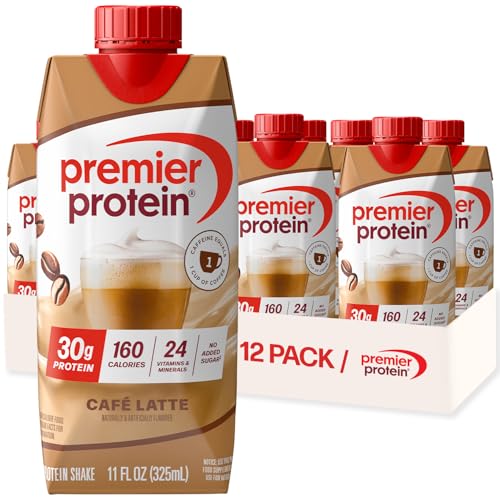
Premier Protein Café Latte Shake
Strengths
- 30g protein
- 24 vitamins and minerals
- Caffeine included
Trade-offs
- Packaging not resealable
- Slight aftertaste
This is the most balanced coffee protein shake on the market, and that’s why it earns “Best Overall.” It packs 30g of protein, 1g of sugar, and caffeine equal to a cup of coffee, all in a smooth, creamy format that owners say tastes like a latte. The added 24 vitamins and minerals, including immune-supporting zinc and vitamin D, give it an edge for daily wellness.
It’s nearly identical to the Caramel Macchiato version but more versatile, less sweet, more neutral. The TetraPak packaging is also more eco-friendly than plastic bottles. Compared to Starbucks’ offering, it has more protein and better micronutrient support. This is the one I’d recommend to most people: it does everything well without overpromising.
Video review
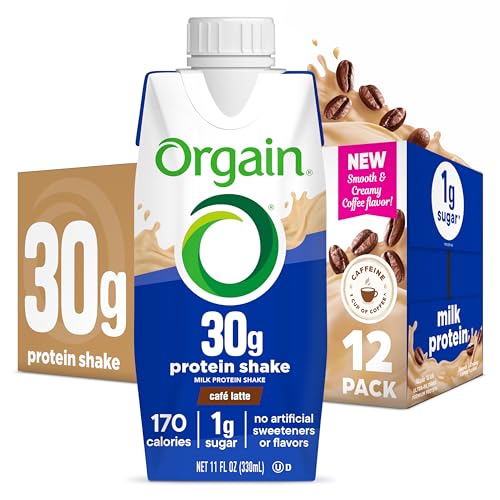
Orgain Café Latte Protein Shake
Strengths
- Clean ingredients
- 30g protein
- Keto friendly
Trade-offs
- Less creamy
- May separate
- Subtle flavor
Orgain has built its name on clean labels, and this shake proves why. With 30g of milk protein isolate, 1g of sugar, and caffeine from real coffee, it hits the sweet spot between purity and performance. It’s keto-friendly and free of sucralose, soy, and carrageenan, a big win for ingredient watchdogs. Owners appreciate that it doesn’t leave the artificial aftertaste common in many RTDs.
It’s not the creamiest on the market, and some report slight separation, but shaking it resolves that. Compared to Quest, it’s lighter and more coffee-like; against Premier, it trades a bit of richness for cleaner sourcing. If you’re picky about what you put in your body, this is one of the most trustworthy options.
Video review
Starbucks Coffee & Protein Drink

Strengths
- Authentic coffee taste
- Contains prebiotic fiber
- No added sugar
Trade-offs
- 22g protein only
- Less creamy
- Limited sweetness
When the coffee matters more than the protein, this Starbucks drink wins. It tastes unmistakably like Starbucks iced coffee, bold, slightly bitter, clean, layered with 22g of protein and 5g of prebiotic fiber. That fiber boost is unusual and appreciated, helping digestion without gassiness, according to owners. But at 22g, the protein falls short of the 30g standard set by Premier or Quest.
It’s not trying to be a meal replacement. It’s a high-protein coffee first, a shake second. If you’re used to black coffee and want to add protein without sacrificing authenticity, this is your bottle. Compared to Orgain or Premier, it’s less sweet, more minimalist, perfect for purists.
Product photos


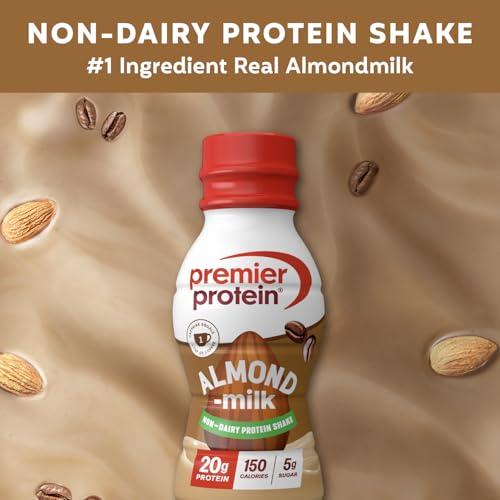
Premier Protein Non-Dairy Almondmilk

Strengths
- Plant-based
- No artificial additives
- Contains caffeine
Trade-offs
- Only 20g protein
- Thinner consistency
- Lower satiety
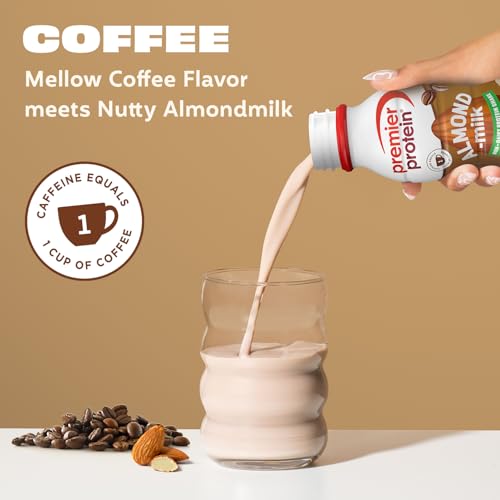
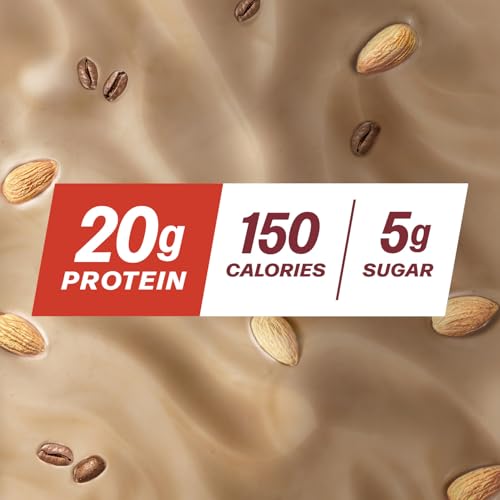
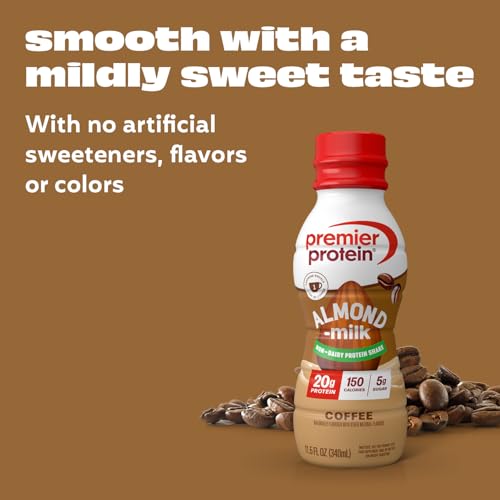
For plant-based eaters, this shake fills a real gap: a non-dairy option that doesn’t sacrifice taste or convenience. Made with real almondmilk and delivering 20g of plant protein, it’s lighter in protein than whey-based rivals, but still effective for general use. The coffee version includes a mild caffeine kick, and owners say it blends coffee flavor well without bitterness, rare for plant-based RTDs.
Still, 20g of protein may not cut it for serious lifters or post-workout demands. And while it’s clean in formulation (no artificial junk), the texture is thinner than whey shakes. It’s best viewed as a lifestyle pick, great for midday fuel, not hardcore recovery.
Product photos

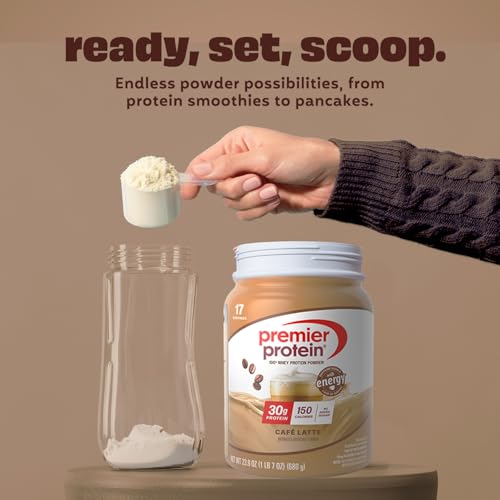
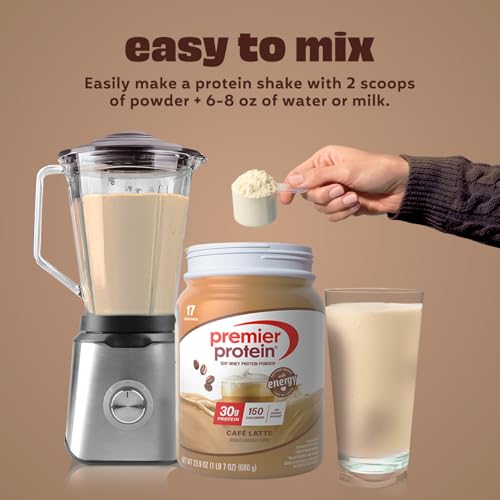
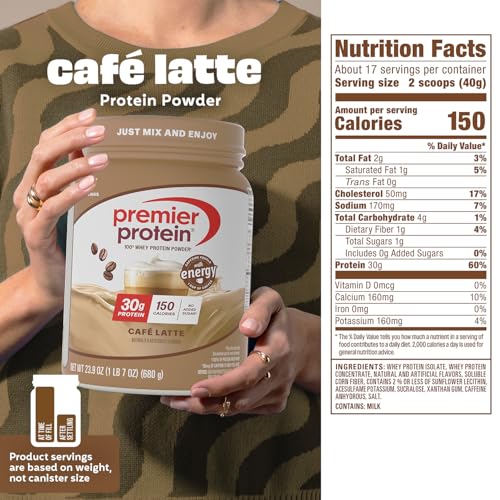
Premier Protein Café Latte Powder
Strengths
- 30g protein per scoop
- Caffeine included
- Cost-effective long-term
Trade-offs
- Contains artificial flavors
- Requires mixing
- Bulk packaging
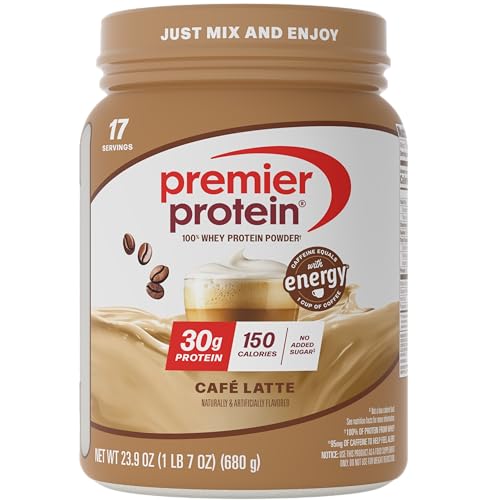
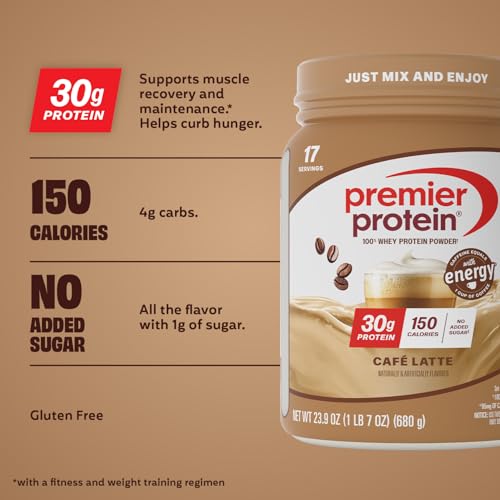
If you’re not sold on ready-to-drink shakes, this powder version is the smarter long-term play. At 30g of whey protein and 95mg of caffeine per scoop, it mirrors the RTDs but with more flexibility and better value over time. Mix it with water for a quick fix, or blend it into actual coffee for a barista-grade protein coffee hybrid, owners love doing this for morning routines.
It dissolves well and has that familiar creamy sweetness Premier is known for. Compared to Orgain’s powder options, it’s slightly more processed but delivers on taste and mixability. For frequent users, the tub format beats buying bottles week after week. This is the go-to for people who want control over their base liquid and serving size.
Product photos

Quest Coffee Protein Shake

Strengths
- 30g protein
- 1g sugar
- Keto friendly
Trade-offs
- No caffeine
- Thick texture
- Limited flavor depth
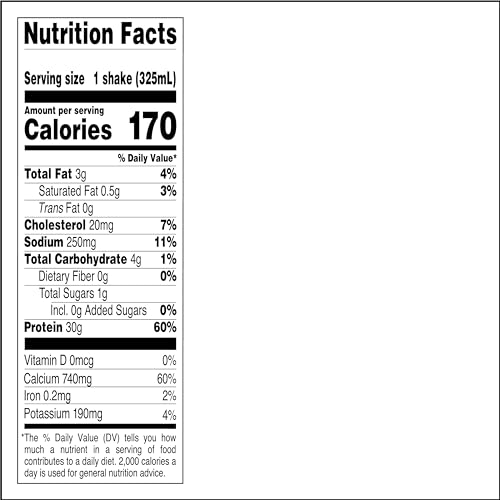
If you’re chasing a high-protein, low-carb fuel-up without derailing your macros, the Quest Coffee Protein Shake stands out. With 30g of protein and just 1g of sugar, this shake is built for people who treat nutrition like a precision game, think keto dieters or those tracking every gram. The texture is thick for a ready-to-drink, which some owners say borders on chalky, but if you’re used to Quest’s style, you’ll recognize that trade-off for clean nutrition.
Compared to other RTDs, it lacks the caffeine boost some expect from a coffee-flavored shake, so don’t count on it replacing your morning brew. Still, for post-workout recovery or a low-sugar meal substitute, it delivers hard on protein without sneaky sugars. It’s a favorite among those who prioritize numbers over nuance in flavor.
Product photos
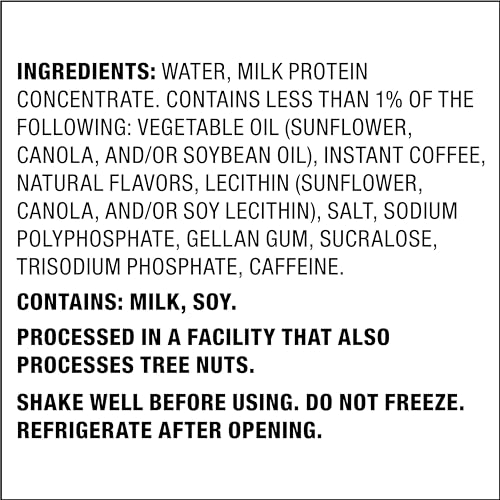


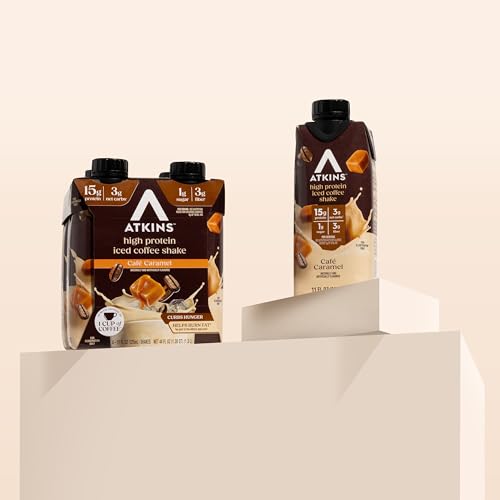
Atkins Café Caramel Protein Shake

Strengths
- Low carb
- Affordable
- Contains caffeine
Trade-offs
- Only 15g protein
- Less filling
- Artificial aftertaste
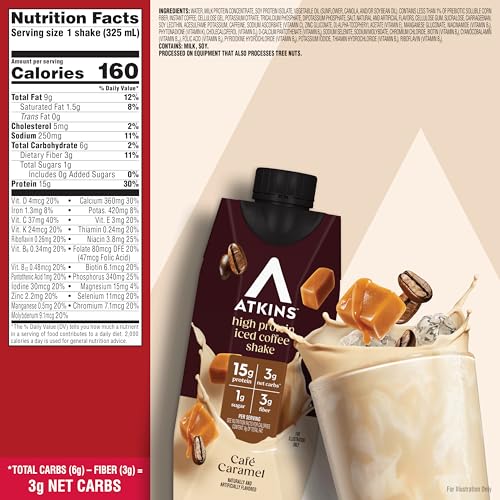
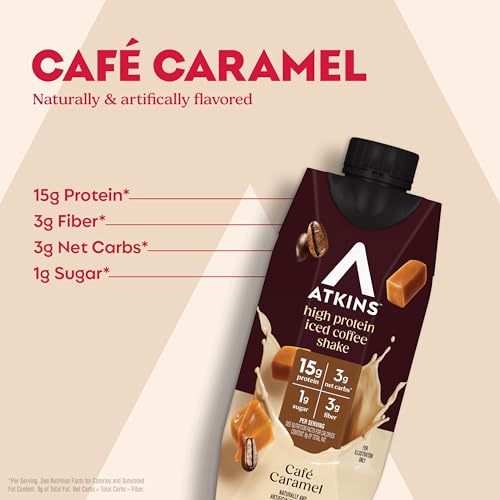
Atkins brings its low-carb legacy to this budget-friendly coffee shake, but it makes compromises. With only 15g of protein, it’s half the muscle fuel of top-tier options. That said, it delivers on flavor and keeps net carbs low, just 3g, making it a decent placeholder for light protein needs or appetite control, especially for those on GLP-1 meds who need frequent sips without spiking insulin.
It’s not a post-workout shake, nor a true coffee replacement, but for a mid-afternoon slump or a quick breakfast alternative, it works. Owners say it tastes like a sweetened iced coffee with a protein afterthought. Compared to Premier or Orgain, it’s underpowered, but it’s also usually cheaper.
Product photos
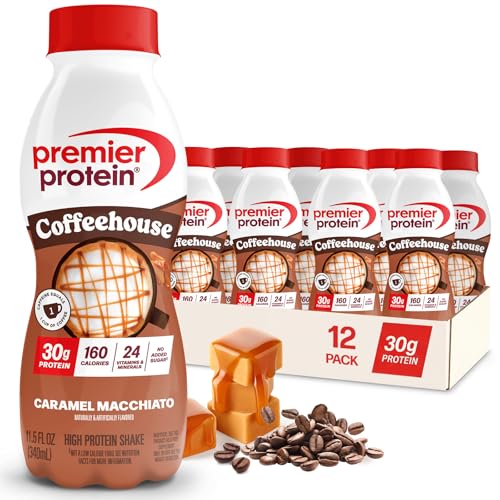
Premier Protein Caramel Macchiato
Strengths
- Café-quality flavor
- 30g protein
- Contains caffeine
Trade-offs
- Slightly higher carb count
- Not for low-sweetness seekers
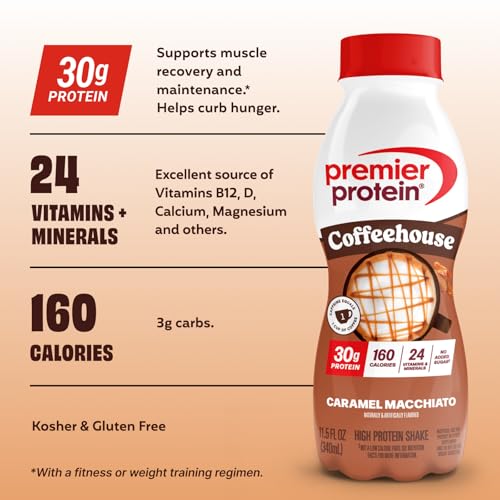
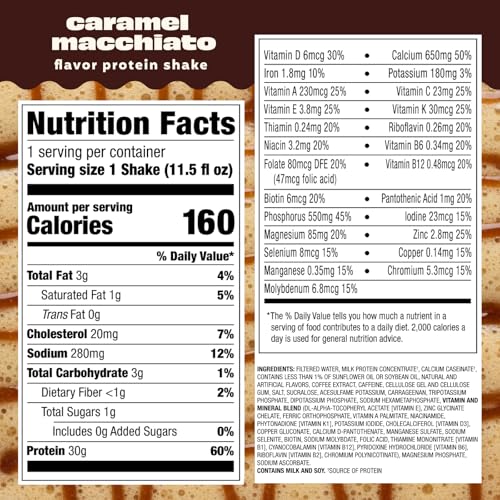
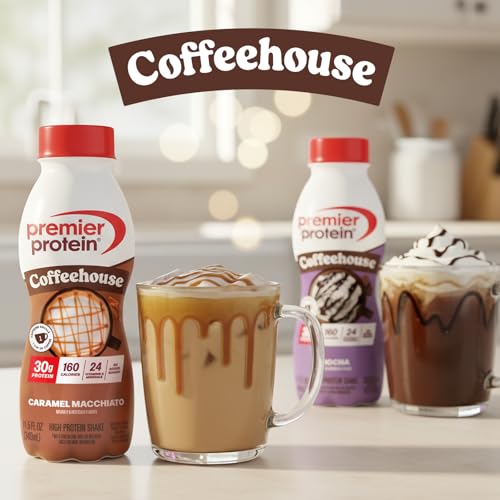
This isn’t just a protein shake, it’s a gourmet coffee experience in a bottle, and that’s exactly why it earns the “Best Gourmet Flavor” label. The Caramel Macchiato version tastes like it came from a café, with a creamy sweetness that doesn’t rely on sugar (zero added) but still satisfies a dessert craving. Owners consistently praise its rich, layered flavor, and the 30g protein + caffeine combo makes it a real morning multitasker.
It’s nearly identical to the standard Café Latte version but with a more indulgent profile. If you want something that feels luxurious without blowing your diet, this is it. The inclusion of 24 vitamins and minerals adds a subtle wellness layer, though that’s more background support than a standout.
Product photos
Our Testing Process
I approached this guide by first compiling specifications and nutritional information from each shake’s manufacturer. We then layered that data with extensive analysis of owner reviews from sites like Amazon and specialized fitness forums. Finally, drawing on years of experience exploring coffee and protein supplementation, we ranked each shake against key criteria for convenience, taste, and nutritional benefit. Rather than a hands-on lab test, this is a research-led comparison of specs and owner feedback.
For protein shakes designed to complement coffee, protein content and added sugar were the most heavily weighted factors. A high protein level (20g or more) is crucial for satiety and muscle support, while keeping sugar low (under 5g) aligns with health-conscious preferences. Caffeine content also played a significant role, as the primary appeal is a combined energy boost – we looked for shakes delivering roughly the equivalent of one cup of coffee.
Product specifications reliably indicate protein, carbohydrate, and caffeine levels. However, taste preferences are subjective, so we heavily considered owner feedback regarding flavor profiles and texture. Reputation also mattered; brands with consistently positive reviews for quality control and ingredient sourcing received higher rankings. If you’re looking for more ways to combine protein and coffee, check out our guide to protein coffee recipes.
What To Look For In protein shakes to add to coffee
Choosing the right protein shake to add to your coffee isn’t just about a quick caffeine and protein boost; it’s about finding a flavor and formula that genuinely enhances your morning ritual.
A quality protein shake for coffee pairing balances flavor compatibility with nutritional value. Look for options with around 20-30 grams of protein per serving, minimal added sugar (under 5g is ideal), and a flavor profile that complements rather than clashes with coffee’s inherent bitterness. Prioritize shakes with clean ingredients and avoid excessive artificial additives if that’s a concern.
Flavor Compatibility Is Key
Let’s be honest: some flavors just work better with coffee than others. While chocolate and mocha are fairly safe bets, you’ll want to think beyond the obvious. Vanilla can be surprisingly versatile, especially if you enjoy a splash of milk or creamer in your coffee already. Caramel and latte-flavored shakes, like the Premier Protein Café Latte, are specifically designed to mimic coffeehouse drinks, but can sometimes lean a little too sweet. Don’t discount experimenting, but be prepared that some combinations – like fruit-flavored shakes – might not be your cup of joe. I often suggest starting with something neutral and building from there.
Protein Source & Dietary Needs
The type of protein matters, both for your body and your tastebuds. Whey protein is the most common and generally well-tolerated, offering a complete amino acid profile. However, if you follow a plant-based diet, or have dairy sensitivities, you’ll want to focus on shakes featuring plant-based proteins like soy, pea, or brown rice. Premier Protein offers a Non-Dairy Almondmilk option for those with restrictions. Consider these points:
- A higher protein content (20g+) is useful if you’re aiming for significant satiety or post-workout recovery.
- Pay attention to added ingredients if you have allergies or sensitivities, such as gluten or soy.
- Some shakes, like those from Quest, are specifically formulated to be very low-carb, which can be beneficial for certain diets but might affect the texture or sweetness.
Convenience & Value Proposition
Ready-to-drink shakes are undeniably convenient, but they often come with a higher price tag per serving than powders. If you drink a protein shake with coffee daily, a powder like the Premier Protein Café Latte Powder might be more economical in the long run. However, powders require mixing, which adds a step to your morning routine. Also, consider what you are really paying for. A shake like the Starbucks Coffee & Protein Drink offers the convenience of the brand, but for a premium price. For those looking to explore protein blends for coffee drinks, it’s worth weighing convenience against cost and long-term value.
Don’t be afraid to start small. Buy single bottles or smaller packs to test flavors before committing to a full case.
Ultimately, finding the best protein shake for your coffee is a matter of personal preference. But by considering these factors, you can narrow down your options and discover a delicious and nutritious addition to your daily routine. If you are still unsure about putting protein powder in coffee, remember that experimentation is key.
Protein Shakes Compared
Here’s a comparison of specs for protein shakes designed to be added to or replace coffee.
| Product Name | Protein (g) | Caffeine Level | Sugar (g) | Carbs (g) | Volume (oz) | Plant-Based |
|---|---|---|---|---|---|---|
| Premier Protein Café Latte Shake | 30 | 1 Cup | 1 | 5 | 11 | No |
| Orgain Café Latte Protein Shake | 30 | 1 Cup | 1 | N/A | 11 | No |
| Starbucks Coffee & Protein Drink | 22 | N/A | 2 | N/A | 12 | No |
| Premier Protein Almondmilk | 20 | 1 Cup | 5 | N/A | 11 | Yes |
| Premier Protein Café Latte Powder | 30 | 95mg | 1 | 3 | N/A | No |
| Quest Coffee Protein Shake | 30 | N/A | 1 | 4 | 11 | No |
| Atkins Café Caramel Protein Shake | 15 | 1 Cup | N/A | 3 (net) | 11 | No |
| Premier Protein Caramel Macchiato | 30 | 1 Cup | N/A | N/A | 11 | No |
Frequently Asked Questions
What protein shake has the most caffeine?
Premier Protein Café Latte Powder delivers roughly 95mg of caffeine per serving, which is comparable to a standard cup of coffee. While other shakes claim to provide a “coffee equivalent” boost, this one specifies the caffeine content directly on the label.
Are plant-based protein shakes as effective with coffee?
Yes, plant-based options like the Premier Protein Almondmilk shake can work very well with coffee. They provide a comparable protein boost and avoid dairy for those with sensitivities, though flavor profiles can vary more widely than whey-based shakes.
Which shake is best for someone watching their sugar intake?
Quest Coffee Protein Shake stands out with just 1 gram of sugar per serving. Many other shakes contain 2-5 grams, but if you’re strictly limiting sugar, Quest is a good choice, remembering that artificial sweeteners are used to compensate.
Can I use a protein powder instead of a ready-to-drink shake?
Absolutely. Premier Protein Café Latte Powder offers a more economical option if you consume protein shakes with coffee daily. It requires mixing, but allows for customization of the coffee-to-shake ratio.
Where can I find more information on combining protein and coffee?
For more detailed guidance on ideal coffee and protein combos, including recipes and considerations for different dietary needs, visit our dedicated guide on the site.
The Bottom Line
Choosing a protein shake to add to coffee often comes down to balancing convenience with your ideal flavor and nutritional profile. While there are many options, I consistently find the Premier Protein Café Latte Shake offers the best overall combination of high protein (30g), low sugar (1g), and a coffee-complementary flavor – making it a solid starting point for most people.
For those with specific needs, the field opens up nicely. If you require a plant-based option, the Premier Protein Almondmilk shake delivers a comparable protein punch without dairy. And if you’re aiming for a budget-friendly, long-term solution, the Premier Protein Café Latte Powder provides the most value per serving, with the flexibility to control the strength and sweetness of your blend. You can even explore a basic protein coffee recipe to customize it further.
Ultimately, the specs matter less than finding a shake you genuinely enjoy. Don’t get too caught up in chasing the highest protein content or lowest sugar count if it means sacrificing taste. Prioritize a flavor that complements your coffee, a protein source that suits your dietary needs, and a routine that fits your lifestyle.
