
How to Make Protein Coffee Perfectly With Any Powder Type
To make protein coffee, first mix your powder with a few ounces of cold liquid to form a smooth slurry, then blend it with your brewed coffee. This cold-mix method prevents the protein from denaturing and clumping in the hot, acidic environment of the coffee.
Most people dump the powder straight into the mug. The result is a cup full of floating, chewy globs that stick to the spoon. The problem isn’t the protein or the coffee. It’s the order of operations.
This guide walks through the why and how, covering the best protein types for coffee, the essential cold-mix technique, and how to tailor the method for everything from fast-digesting whey to slow-gelling casein.
Key Takeaways
- Never add protein powder directly to hot coffee. The combined heat and acidity cause instant denaturation, creating irreversible clumps.
- Always create a cold slurry first. Mix the powder with 2-4 oz of cold water, milk, or almond milk until completely smooth before introducing coffee.
- Whey protein isolate (WPI) and collagen peptides mix most seamlessly. Casein and many plant-based proteins require more vigorous blending and do better in cooled coffee or cold brew.
- Let hot coffee rest for 60-90 seconds off the boil before adding your protein slurry. This small cooldown window significantly reduces the clumping risk.
- Use a blender bottle or immersion blender for foolproof results. A fork or whisk works, but mechanical agitation is the guarantee against texture issues.
Why Protein Clumps in Coffee (It’s Not the Brand)
Coffee is a hostile environment for powdered protein. Two factors work against you.
First is temperature. Protein molecules are tightly coiled chains. Heat makes them vibrate and unfold, a process called denaturation. When you pour 90°C water onto powder, it unfolds too fast and the exposed parts stick to each other. They form a tangled mesh—the clump.
Second is acidity. Black coffee has a pH between 4.5 and 5.5. This acidic environment accelerates denaturation and can cause proteins to precipitate out of solution. It’s why dairy curdles in coffee. The combination of high heat and low pH is a perfect clumping storm.
Common mistake: Adding powder directly to hot coffee — denaturation happens in seconds, and no amount of stirring will fully dissolve those cooked protein networks. You’ll strain it through your teeth.
The fix is procedural, not magical. You must control the protein’s exposure to these stressors. That starts with choosing a powder that’s more forgiving.
Choosing Your Protein Powder: A Solubility Guide
Not all proteins behave the same. Your choice dictates the margin for error in your method.
Whey Protein Isolate (WPI) is the gold standard for coffee. It’s processed to remove most fat and lactose, leaving a powder that’s over 90% protein. This purity makes it highly soluble. It mixes thinly and integrates with less effort. If your primary goal is a smooth drink with minimal fuss, WPI wins.
Whey Protein Concentrate (WPC) is more common and cheaper. It contains 70-80% protein, with the rest being more carbs and fat. These extra components can sometimes hinder solubility. You might notice a slightly thicker, foamier texture and a higher chance of minor clumping if you’re not diligent with the cold slurry.
Casein Protein is the slow-digesting dairy protein. Its defining trait is that it forms a gel in liquid. This is great for sustained nutrition but terrible for hot coffee. Even with a perfect cold slurry, casein can thicken your coffee to a pudding-like consistency if the coffee is too hot. It works much better in cold brew.
Collagen Peptides are hydrolyzed, meaning the protein chains are pre-broken into smaller pieces. They are remarkably heat-stable and dissolve almost instantly in hot or cold liquid. They won’t thicken or add flavor, making them the easiest additive. They don’t offer the same complete amino acid profile for muscle synthesis, however.
Plant-Based Proteins (pea, rice, soy) are wild cards. Their solubility varies dramatically by brand and processing. Many have a gritty texture that requires an immersion blender to fully mask. They often work better in cooled coffee.
| Protein Type | Best For Coffee? | Mixing Effort Required | Watch Out For |
|---|---|---|---|
| Whey Isolate (WPI) | Yes, ideal | Low (cold slurry + stir) | Can get foamy with vigorous blending. |
| Whey Concentrate (WPC) | Yes, with care | Medium (ensure smooth slurry) | Slight chalky aftertaste possible. |
| Casein | Not recommended for hot | High (blender required) | Gels and thickens; use in cold brew only. |
| Collagen Peptides | Yes, easiest | Very Low (stirs in easily) | No flavor or texture change. |
| Plant-Based (Pea/Rice) | Maybe, brand-dependent | High (immersion blender best) | Grittiness and settling. |
TL;DR: Reach for whey isolate or collagen for hot coffee. Save casein for cold brew or shakes. Test plant-based powders in small batches first.
The Cold-Mix Method: A Non-Negotiable First Step
This is the core technique that makes everything else work. Skipping it is why most attempts fail.
You need a small separate vessel. A ramekin, a tiny bowl, or the bottom of a shaker cup works. Put your single scoop of protein powder in it. Now add your cold liquid—about 2 to 4 ounces. This liquid can be cold water, dairy milk, oat milk, or almond milk in coffee.
The cold liquid is key. It hydrates the powder particles slowly, without the shock of heat. Use a fork, a small whisk, or a milk frother to mix it into a completely smooth, lump-free paste. It should look like a thin batter or a thick paint. No dry pockets, no granules.
Mixing protein powder with a small amount of cold liquid before adding it to coffee creates a hydrated slurry. This step prevents the powder from clumping when it encounters the heat and acidity of the coffee, as the individual particles are already dispersed in a liquid medium.
Now, address your coffee. If you just boiled water for pour-over or an Americano, let it sit for a minute. This brings the temperature down from a rolling boil to a more manageable range. That 60-90 second cooldown is a buffer that gives your slurry a fighting chance.
Pour the slurry into your coffee mug. Then, add the hot coffee while stirring continuously. For the smoothest result, pour the combined mix into a blender bottle and shake it hard for 10 seconds. Or, use an immersion blender right in the mug for five seconds.
The first time I tried vanilla whey concentrate with boiling water from my kettle, I created a science experiment. The clumps formed a floating island that no spoon could conquer. I had to dump it. Now, the small bowl and cold milk are non-negotiable. The whole process adds 90 seconds and saves the drink.
Flavor Balancing and Recipe Variations
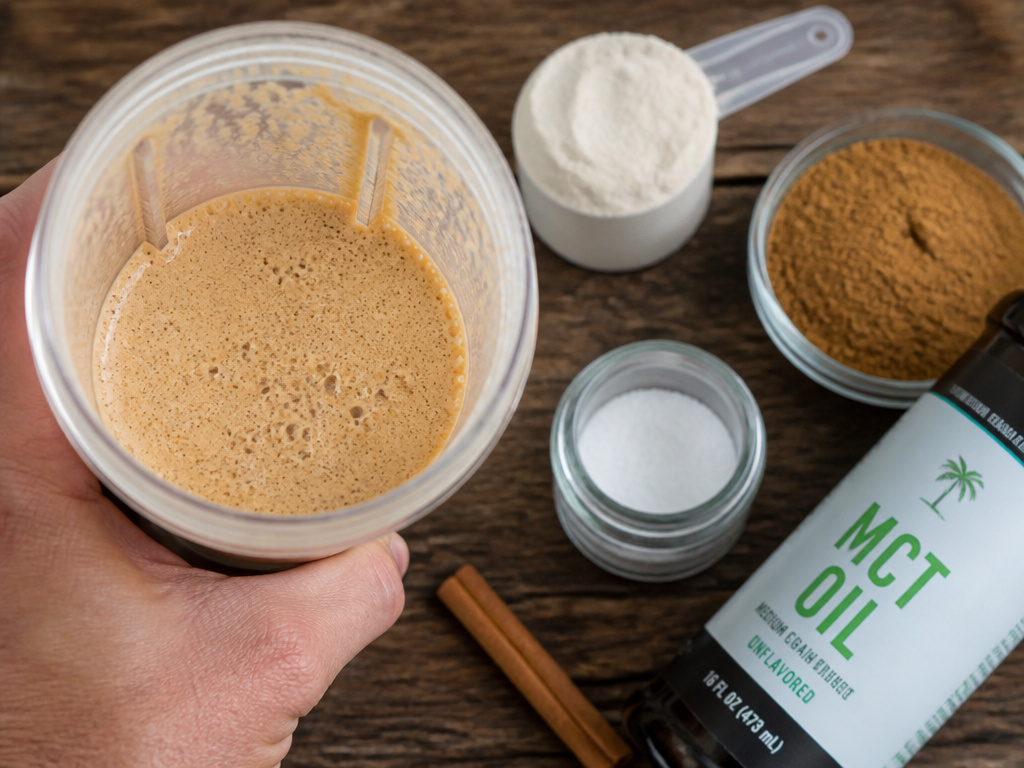
Protein powder can mute coffee’s subtle notes. A light blonde roast coffee might disappear under a strong chocolate protein flavor. You can balance this.
Start with an unflavored or vanilla protein powder. This lets the coffee lead. Sweeten consciously. A teaspoon of brown sugar in coffee adds molasses depth that pairs well with vanilla or chocolate protein. For a savory edge, a tiny pinch of salt in coffee can cut through protein sweetness and enhance overall flavor.
Consider functional fats. A teaspoon of MCT oil in coffee will emulsify into your blended drink, adding sustained energy. Similarly, a bit of coconut oil for sustained energy can create a richer mouthfeel. These fats also help slow the absorption of the protein, mimicking a more balanced meal.
For a simple, reliable recipe:
1. Cold slurry: 1 scoop vanilla whey isolate + 3 oz cold almond milk.
2. Coffee: 10 oz of slightly cooled coffee from your preferred brewing method.
3. Combine in a blender bottle and shake.
4. Optional: Add a dash of cinnamon in coffee before shaking.
Troubleshooting Your Protein Coffee Texture
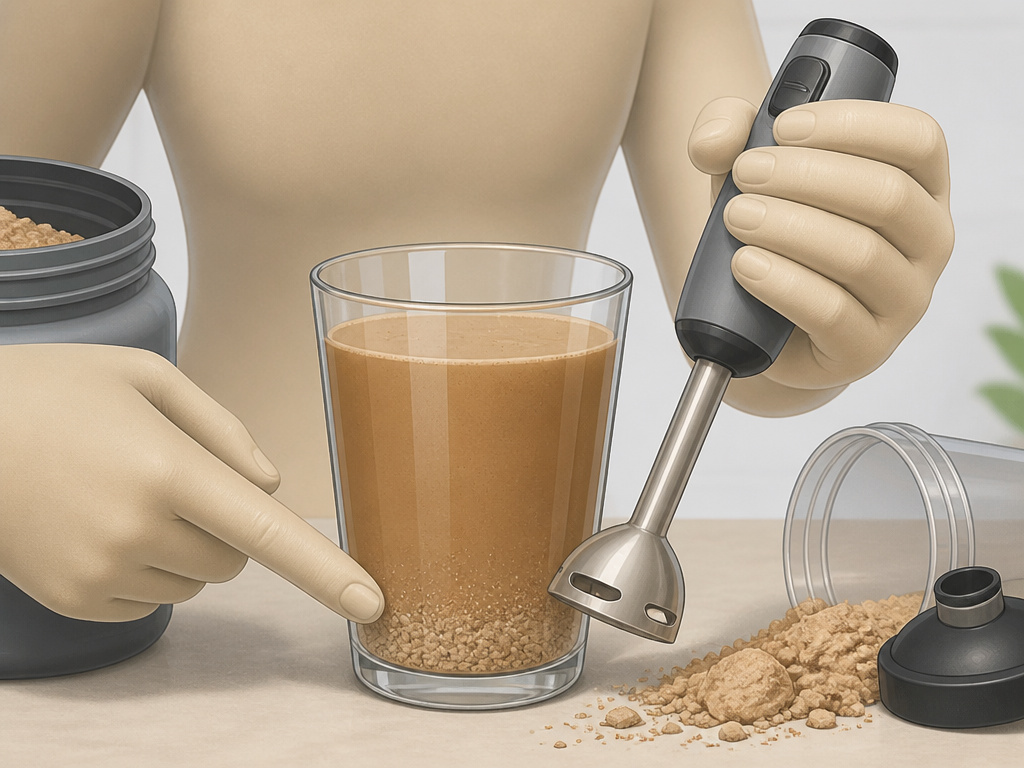
Even with the right method, things can go sideways. This table diagnoses the usual suspects.
| Problem | Likely Cause | The Fix |
|---|---|---|
| Gritty, sandy texture | Plant-based protein not fully dissolved. | Use an immersion blender, not a shaker. Let it sit for 2 mins after blending, then blend again. |
| Drink is too thick, almost pudding-like | Casein protein used with hot coffee. | Switch to whey isolate for hot coffee. If using casein, only mix it into cold brew. |
| Foam overflow when shaking | Whey protein over-aerated. | Don’t shake as vigorously. Mix with a spoon or immersion blender instead. |
| Protein settles at the bottom | Insufficient initial mixing or coffee too cold. | Ensure your cold slurry is perfectly smooth first. Drink it faster, or give it a final stir before each sip. |
| Curdled appearance | Old protein powder or highly acidic coffee combined with high heat. | Make a slurry with colder liquid, let coffee cool more, and use fresh powder. |
TL;DR: Grittiness needs a blender. Thickness means wrong protein type. Settling means your slurry wasn’t smooth enough.
Can You Add Protein to Cold Brew?
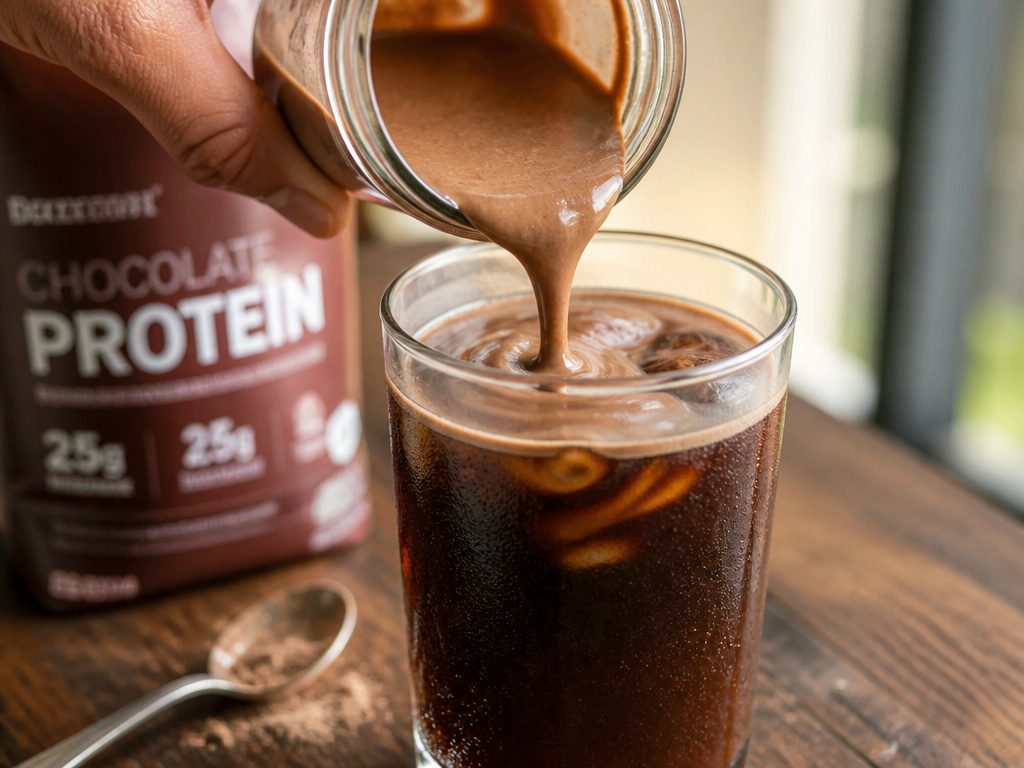
Cold brew is protein coffee’s best friend. The cold, less acidic environment is inherently forgiving.
The process is simpler. Make your cold slurry as usual. Pour it directly into your glass of cold brew. Stir or shake. Because there’s no heat, even casein and finicky plant proteins will incorporate with less drama. The result is a smooth, ready-to-drink beverage that won’t develop weird textures as it sits.
This is the method I use for a ready-to-go breakfast. I’ll mix chocolate casein with a little milk at night, leave it in the fridge, and pour cold brew over it in the morning. It’s thick, mixed, and has no clumps. The slow-digesting protein from the casein pairs perfectly with the steady caffeine.
Frequently Asked Questions
Can you put protein powder in hot coffee?
Yes, but you cannot put it directly in hot coffee. You must mix the powder with cold liquid first to form a slurry, then combine it with coffee that has cooled slightly from boiling. The direct approach guarantees clumps.
Does protein powder dissolve in coffee?
It will dissolve if you give it a fighting chance. Proteins like whey isolate and collagen peptides are designed for solubility. The barrier is the denaturing effect of heat and acid. The cold-mix method bypasses that barrier, allowing for full dissolution.
What is the best protein for coffee?
Whey protein isolate (WPI) is the best overall for hot coffee due to its high protein content and excellent solubility. Collagen peptides are the easiest, as they dissolve effortlessly. For cold brew, you can use any type, but casein will produce a thicker texture.
Why does my protein coffee taste bad?
Two reasons. First, a strongly flavored protein powder can overpower the coffee. Try an unflavored variety. Second, clumps and gritty texture create a negative mouthfeel that the brain interprets as bad flavor. Perfect your mixing technique first before blaming the taste.
The Bottom Line
Making smooth protein coffee isn’t about buying a special powder. It’s about respecting food science. Heat and acid clump protein. You defeat them with a cold buffer.
Keep a small cup next to your coffee station. Mix your scoop with a few ounces of cold milk there, every time. Let your coffee cool for just a minute. Combine them with a quick shake. That sequence is the difference between a ruined mug and a perfect, high-protein start to your day. It turns a fad into a functional habit.
