
4 Best Coffee Protein Shakes of 2026
Premier Protein Café Latte stands out as the overall best coffee protein shake for its clean ingredient list, 30 grams of protein, and zero sugar. For a more budget-friendly option, Orgain Café Latte delivers great taste and 30 grams of protein with just 1 gram of sugar.
If you’re like me, you want that morning coffee to do more than just wake you up, you want it to fuel your day, support your fitness goals, and taste good without the junk. But too many coffee protein shakes fall short, trading real flavor for artificial ingredients or loading up on sugar.
As the founder of Bean Thusiast, I’ve spent years studying how coffee and nutrition intersect. This guide cuts through the noise by comparing specs, analyzing owner feedback, and evaluating ingredient quality to find shakes that actually deliver on taste, performance, and value.
Top 4 Coffee Protein Shake in the Market
The Best Coffee Protein Shake, Reviewed
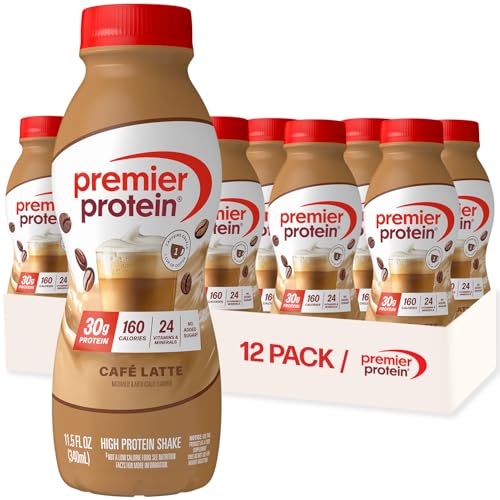
Premier Protein Café Latte Shake
Strengths
- 30g protein
- No added sugar
- Great taste
- 24 vitamins & minerals
- Gluten free
Trade-offs
- Contains sucralose
- Moderate carb count
- Not keto-dominant
It’s no surprise this is the top-selling protein shake on Amazon, it hits the sweet spot between taste, nutrition, and accessibility. The 30g of protein and no added sugar formula delivers exactly what most buyers want, and the caffeine equivalent of a cup of coffee makes it a true morning contender. Owners consistently say it tastes like a creamy latte, not a chalky supplement, which is a win in a category where flavor often falls short.
When stacked against Orgain or Quest, it doesn’t lead on clean ingredients or ultra-low carbs, but it doesn’t need to. For most people, this is the balanced pick, especially if you’re replacing breakfast or need a reliable post-workout boost without overthinking macros.
Video review
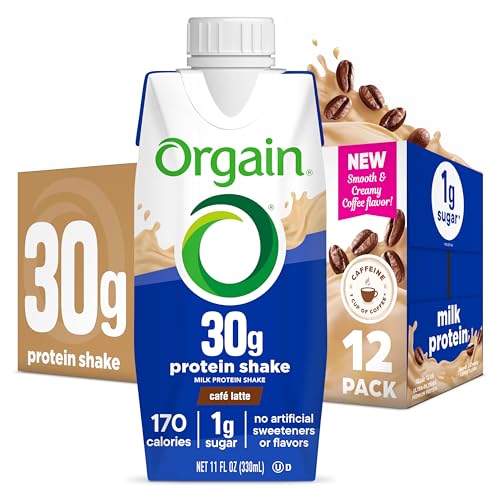
Orgain Café Latte Protein Shake
Strengths
- Clean ingredient profile
- 30g milk protein
- 1g sugar
- BCAAs included
- Keto and gluten free
Trade-offs
- Less fiber than Atkins
- Thinner consistency
- Higher price point
If clean ingredients are your priority, Orgain is the one to beat. The 30g of dairy-based protein comes from milk isolate, not blends or fillers, and the absence of artificial flavors, sucralose, or carrageenan is a big plus. The 1g of sugar and 160 calories per serving fit neatly into most health-focused diets, and the added BCAAs give it an edge for muscle support. Owners appreciate that it doesn’t leave a chemical aftertaste, a common complaint with other brands.
It’s not the lowest in carbs or the thickest in texture, but for those who care about what isn’t in their shake as much as what is, Orgain earns trust. Compared to Atkins, it’s lighter on fiber; next to Quest, it’s less extreme on keto specs, but it’s the most balanced for clean-label seekers.
Video review
Quest Coffee Protein Shake

Strengths
- 30g protein
- 4g carbs
- 1g sugar
- Keto optimized
- Gluten free
Trade-offs
- Smaller pack size
- Bitter flavor note
- Most expensive per ounce
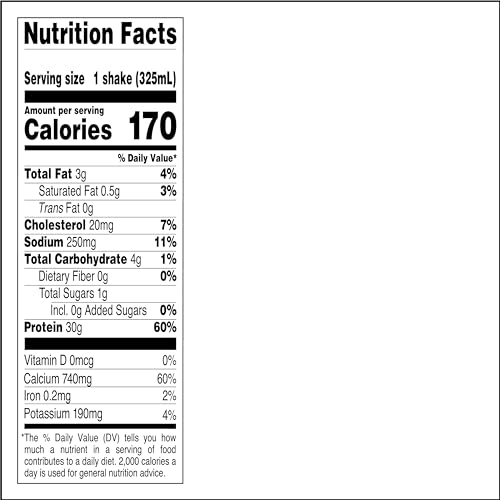
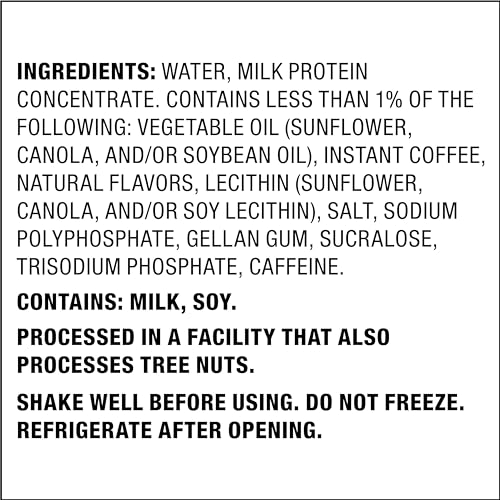
Quest is built for one mission: keep carbs and sugar near zero while delivering 30g of protein. At just 4g of carbs and 1g of sugar, it’s the strictest keto-friendly option here, and that shows in owner feedback, people on very low-carb diets consistently praise its ability to fit into their regimen without breaking ketosis. The coffee flavor is described as bold and slightly bitter, more like cold brew than sweet latte, which may not please everyone.
It’s also the priciest per bottle and comes in smaller pack sizes, making it less practical for daily use unless you’re fully committed to the keto lifestyle. Against Premier or Orgain, it loses points on drinkability and cost, but if your goal is minimal sugar and carbs, this is the most disciplined choice.
Product photos


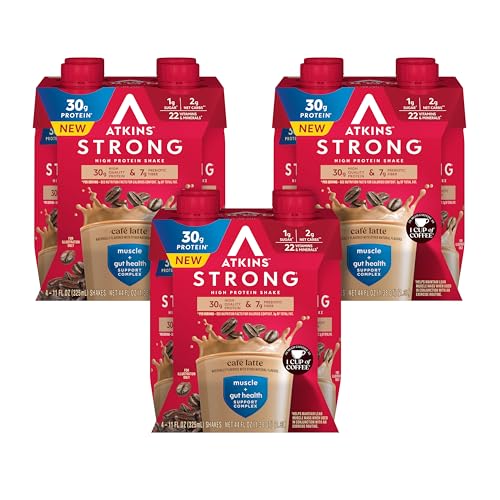
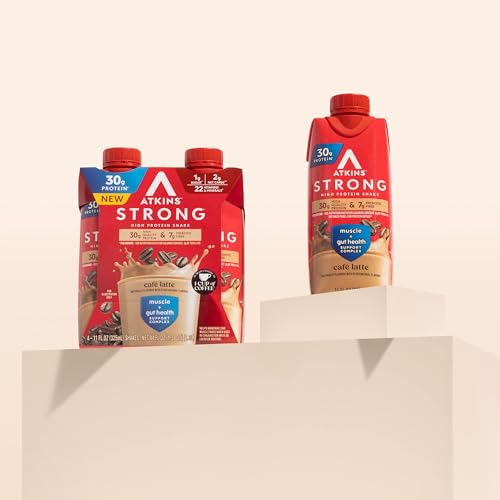
Atkins Strong Café Latte Shake
Strengths
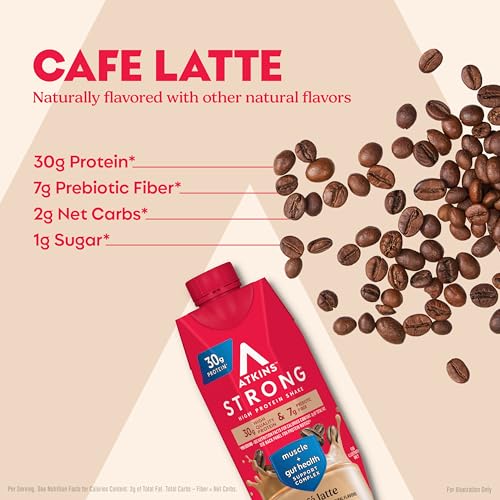
- 30g protein
- 7g prebiotic fiber
- 1g sugar
- Keto friendly
- GLP-1 support
Trade-offs
- Thick consistency
- Limited flavor variety
- Higher price per bottle
This shake stands out for anyone prioritizing gut health alongside protein intake. The 30g of protein is solid, and the inclusion of 7g of prebiotic fiber is rare in this category, it’s clearly designed with digestive wellness in mind, which aligns well with GLP-1 users looking for satiety without blood sugar spikes. The ‘café latte’ flavor gets consistent praise for tasting like a real coffeehouse drink, minus the sugar crash.
Still, the richness comes at a cost in texture, some owners report it’s thicker than expected, almost pudding-like, which might not suit those wanting a lighter sip. Compared to Premier Protein, it’s less about broad appeal and more about targeted nutrition. If you’re keto-adapted or managing insulin sensitivity, this one makes strong sense on paper.
Product photos

How We Picked These coffee protein shake
As the founder of Bean Thusiast, I approach product research with a focus on ingredients, intended use, and how well a product delivers on its promises. Rather than a hands-on lab test, this comparison of coffee protein shakes relies on a detailed review of published specifications and features. I then weighed owner reviews from across multiple retailers, alongside expert opinions from nutrition and fitness publications, to build a ranking based on clear criteria.
For coffee protein shakes, protein content, sugar levels, and ingredient quality were the most important factors. High protein is essential for satiety and muscle support, while low sugar aligns with health-conscious consumers. Ingredient quality matters because these shakes are often used as meal replacements or post-workout recovery drinks, so cleaner formulations are preferred. It’s a balance of performance and what you’re not getting in the shake.
Specifications reliably show protein and sugar content, while owner feedback revealed a lot about taste and texture – areas where personal preference plays a big role. I also paid close attention to brand reputation and transparency regarding ingredients. Understanding the coffee and protein powder benefits helped me assess whether the shakes offered genuine value beyond just convenience, and whether they delivered on promises of sustained energy and improved recovery.
Choosing The Right coffee protein shake
I’ve spent a lot of time exploring the intersection of coffee and protein – it’s a natural pairing for those of us who want a boost of energy and recovery in one go. But with so many options, finding the right coffee protein shake requires a little more thought than just grabbing the prettiest label.
A quality coffee protein shake should deliver a satisfying coffee flavor without relying on artificial sweeteners. Look for a protein source that suits your dietary needs (whey, casein, plant-based), a reasonable caffeine content (around 100-150mg per serving is typical of a coffee cup), and a macro profile that aligns with your goals – paying attention to sugar, carbs, and overall calories.
Protein Source & Digestibility
The type of protein is the first thing I consider. Whey protein is the most common, known for its fast absorption, making it ideal post-workout. Casein is slower digesting, so it’s better for sustained release, perhaps as a breakfast replacement. Increasingly, plant-based options (pea, brown rice, etc.) are available, catering to vegan or dairy-sensitive folks. Don’t assume “plant-based” automatically means healthier; check the amino acid profile to ensure it’s complete. Some brands, like Orgain, focus on cleaner ingredients and dairy-based milk protein, which appeals to those wanting a more natural profile.
Caffeine Content & Flavor Balance
Caffeine levels can vary significantly. Some shakes aim to replicate a full cup of coffee, while others offer a gentler boost. Consider your tolerance and when you plan to drink the shake. Beyond the caffeine, the flavor balance is key. A truly good shake shouldn’t taste artificial or overly sweet. Many rely on artificial flavors to achieve a strong coffee taste, so if you are interested in a more natural flavor, explore options like Orgain. If you’re looking for ways to boost your morning routine, maybe you’d be interested in learning how to make protein coffee, too.
Value, Convenience & Added Nutrients
Price per serving is always a factor. While a premium shake might offer superior flavor or ingredients, it doesn’t always justify the cost. Convenience is a major draw for these products; they’re meant to be grab-and-go solutions. But consider what else you’re getting. Some, like Atkins Strong, add vitamins and minerals, or even ingredients aimed at gut health.
Here’s what I look for in terms of added value:
- Sugar Content: Keep it low. Under 5g is ideal.
- BCAA Content: Beneficial for muscle recovery, especially if you’re active.
- Fiber: A good source of fiber (2g or more) can help with satiety and digestion, creating a more complete nutritional profile.
Don’t chase the trend; choose a shake that genuinely fits your taste and dietary needs.
I often recommend exploring alternatives like best coffee-flavored protein powder if you want more control over ingredients and flavor. Or perhaps flavorful protein powders for coffee could be a great fit.
Coffee Protein Shake Compared
Here’s a comparison of key specifications for popular coffee protein shakes.
| Product Name | Protein (g) | Sugar (g) | Caffeine | Calories | Pack Size |
|---|---|---|---|---|---|
| Premier Protein Café Latte | 30 | 0 | 1 cup coffee | N/A | Single |
| Orgain Café Latte | 30 | 1 | 1 cup coffee | 160 | 12-pack |
| Quest Coffee | 30 | 1 | N/A | N/A | 3 x 4-pack |
| Atkins Strong Café Latte | 30 | N/A | N/A | N/A | Single |
Frequently Asked Questions
What’s the ideal protein content in a coffee protein shake?
Generally, 20-30 grams of protein per serving is a good target. This amount supports muscle recovery and helps keep you feeling full, which is particularly useful if you’re using the shake as a meal replacement.
Are there coffee protein shakes suitable for a vegan diet?
Yes, several brands now offer plant-based coffee protein shakes. Look for options using pea protein, brown rice protein, or a blend of plant sources, but always check the amino acid profile to confirm it’s a complete protein.
How do I choose a shake with the right amount of caffeine?
Caffeine content varies, but most aim for around 100-150mg per serving, which is comparable to a standard cup of coffee. If you’re sensitive to caffeine or plan to drink the shake later in the day, opt for a lower caffeine option.
Can I use these shakes as a complete meal replacement?
While convenient, relying solely on shakes isn’t ideal long-term. Look for shakes with a good balance of protein, carbs, and fats, and ideally, added fiber and micronutrients to contribute to a more complete nutritional profile. You can also explore protein powders that mix well with coffee to customize your shake.
What should I do if a shake tastes artificial or gritty?
Texture and taste are subjective, but a gritty texture often indicates poor protein solubility. If a shake tastes overly artificial, it’s likely due to artificial sweeteners or flavorings. Consider trying a different brand or exploring smooth coffee-mixable protein powder options to find a better fit for your palate.
The Bottom Line
Choosing a coffee protein shake often comes down to balancing convenience with your specific dietary preferences. While many options exist, I believe Premier Protein Café Latte strikes the best overall balance of protein content, flavor, and accessibility for most people. It delivers a solid 30 grams of protein with zero sugar, making it a strong contender for a quick and effective meal replacement or post-workout recovery drink.
For those prioritizing a cleaner ingredient profile, Orgain Café Latte is an excellent choice. It boasts a comparable 30 grams of protein with only 1 gram of sugar and uses a dairy-based milk protein that appeals to consumers seeking more natural formulations. If you’re interested in experimenting with your own blends, exploring mixing protein powder into coffee might be a good way to get started.
Ultimately, the “best” shake isn’t about chasing the highest protein number or the coolest brand. It’s about finding a product that you’ll consistently enjoy and that supports your health and fitness goals. Focus on a reasonable protein content, minimal added sugar, and ingredients you recognize – those fundamentals matter far more than any flashy marketing claim.
