
7 Best Medium Coffee Beans of 2026
The best medium coffee beans for most people are Amazon Fresh Colombia Whole Bean, a consistent and affordable choice that delivers smooth, balanced flavor. For a budget-friendly option, Starbucks Pike Place Roast is widely available and reliably drinkable, while Blue Bottle’s Balanced Blend offers more nuance for those willing to explore specialty beans.
I’ve spent years tasting single-origin coffees and testing brewing methods, and one thing stands clear – not all medium roasts are created equal. Many people end up with stale beans or inconsistent flavor simply because they don’t know what to look for beyond the roast level.
This guide cuts through the noise by comparing specs, origin transparency, and real owner feedback to find beans that actually deliver. I focused on freshness, flavor balance, and brewing versatility – because your morning cup should be satisfying, not confusing.
Top 7 Medium Coffee Beans in the Market
The Best Medium Coffee Beans, Reviewed
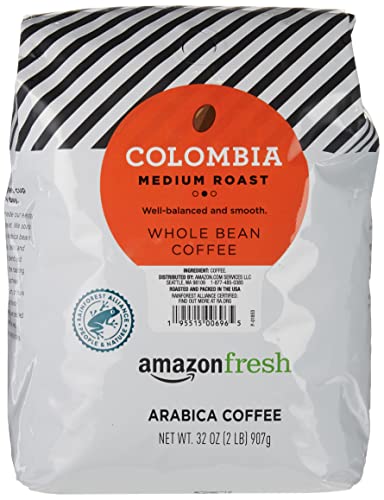
Amazon Fresh Colombia Whole Bean
Strengths
- 32 oz large bag
- Full-bodied flavor
- Smooth finish
Trade-offs
- No organic certification
- Basic packaging
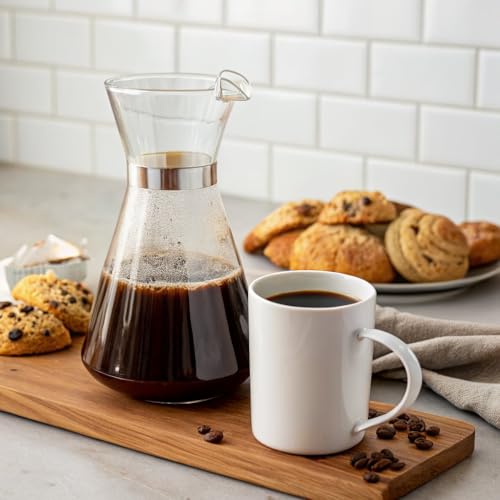
Amazon Fresh’s Colombia medium roast makes a strong case for being the best overall pick. At 32 ounces, it’s the largest bag here, and it’s filled with 100% Arabica beans grown in Colombia, a country known for balanced, full-bodied coffee. Owners report a smooth, satisfying cup with a clean finish, exactly what you’d expect from a high-quality Colombian bean.
It doesn’t have the certifications of the Fair Trade Peru option or the craft roast appeal of Blue Bottle, but it hits a sweet spot: affordable, consistent, and large-format. Roasted and packed in the U.S., it’s fresher than many assume. Compared to Eight O’Clock, it tastes more refined; next to Starbucks, it feels less processed. For most buyers, this is the easy pick.
Product photos



Starbucks Pike Place Roast
Strengths
- Balanced flavor
- Consistent quality
- Great for hot or iced
Trade-offs
- Lacks depth for connoisseurs
- Mass-market profile
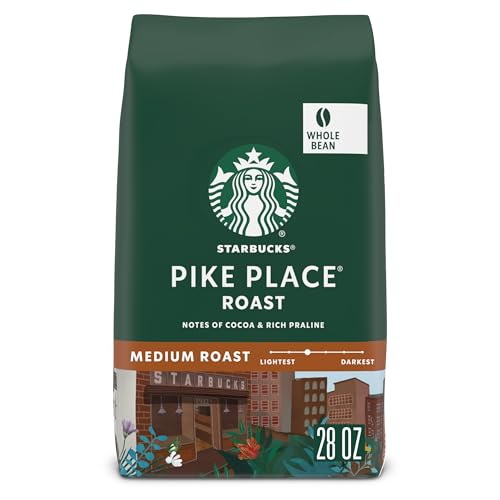
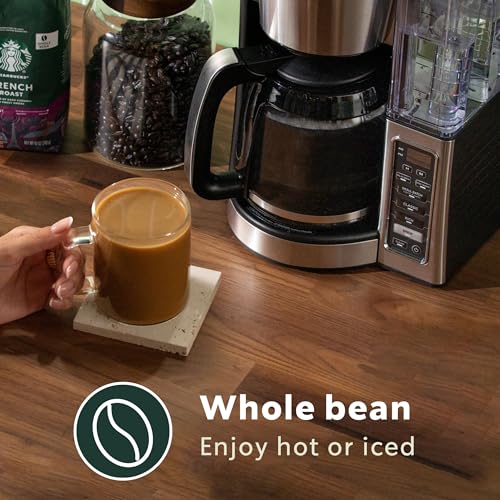
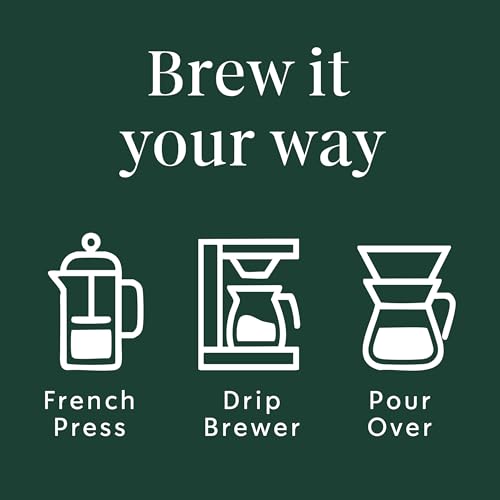
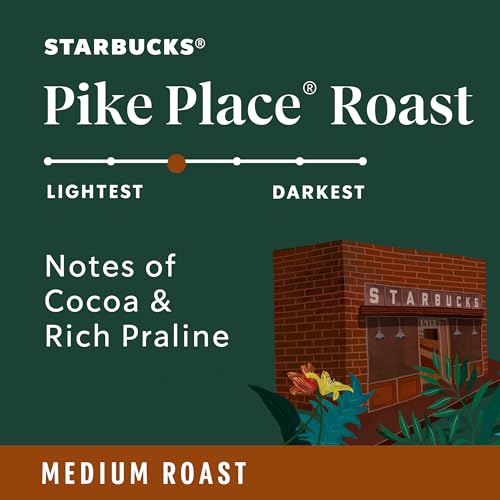
Starbucks Pike Place Roast is the definition of a reliable daily driver. On paper, it’s a medium roast blend of Latin American beans with notes of cocoa and praline, and owners consistently report that it delivers exactly that, smooth, balanced, and never too aggressive. It’s not flashy, but it doesn’t need to be. This is the kind of coffee that works whether you’re brewing it drip, French press, or pour-over, and it holds up just as well over ice.
What sets it apart isn’t complexity, it’s consistency. The fact that it’s the same beans used in Starbucks cafes adds a layer of reliability. While some specialty enthusiasts might find it a bit too safe, for most people, that predictability is a win. Compared to more artisanal options, it lacks origin nuance, but it makes up for it in accessibility and availability.
Product photos
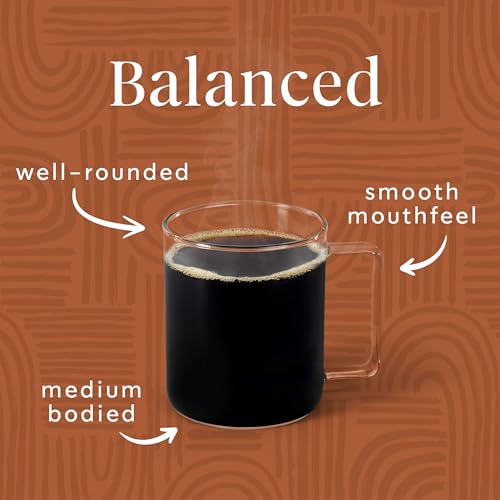
Lavazza Espresso Whole Bean

Strengths
- Large 2.2 lb bag
- Floral and fruity aroma
- Excellent for espresso
Trade-offs
- Blend lacks origin clarity
- Packaging not resealable
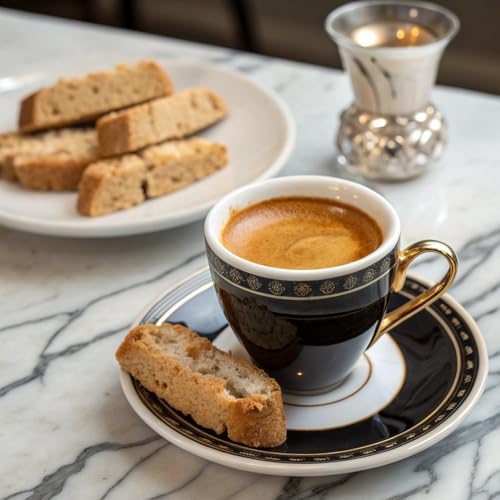
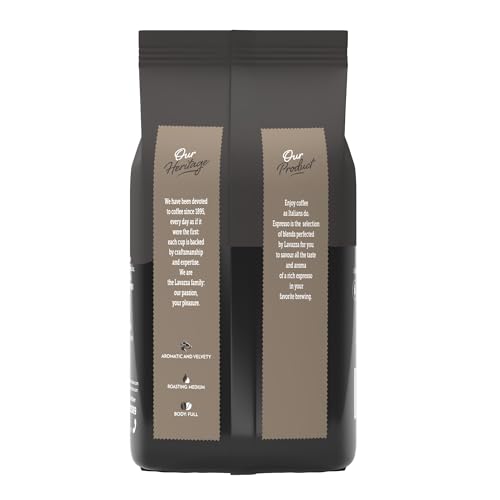
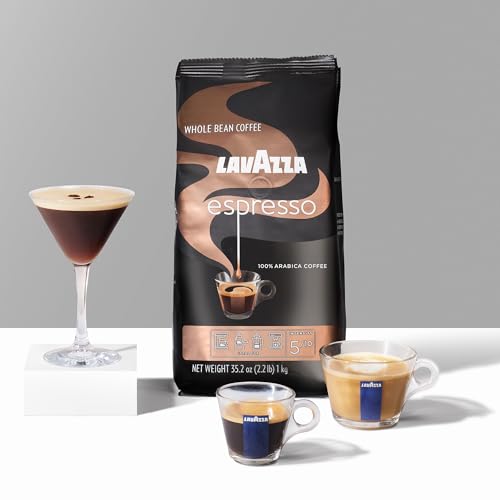
Don’t let the name fool you, Lavazza Espresso is a medium roast, not a dark, and it’s surprisingly versatile. At 2.2 pounds, the bag size alone makes it a standout for high-volume drinkers. The blend of South American and African Arabica beans delivers floral and fruity notes with a 5/10 intensity, making it smooth enough for drip but structured enough for espresso or moka pot.
Owners note it’s aromatic and consistent, with a sweetness that lingers. Compared to other espresso-focused beans, it’s less bitter and more balanced, closer to a European-style daily drinker. While it doesn’t have the origin specificity of Stumptown or Blue Bottle, it’s a workhorse blend that performs well under pressure, literally and figuratively.
Product photos


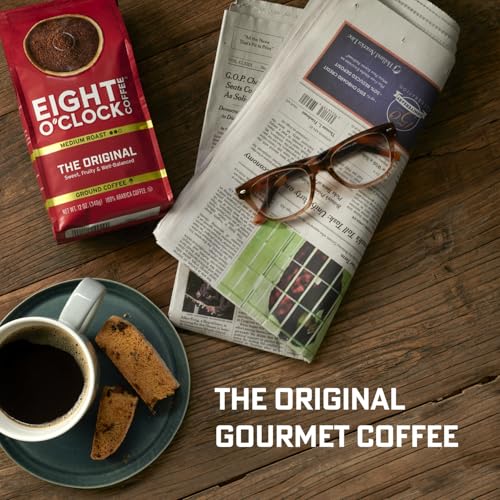
Eight O’Clock The Original
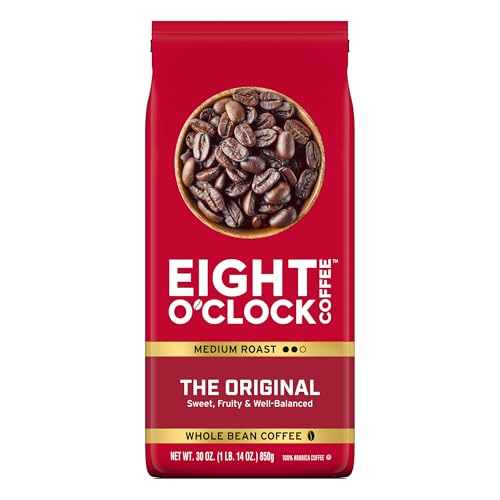
Strengths
- Large 30 oz bag
- Affordable price
- Sweet, balanced notes
Trade-offs
- Generic packaging
- Limited origin traceability
Eight O’Clock The Original is the definition of value done right. At 30 ounces, it’s one of the largest bags on this list, and it’s packed with 100% Arabica beans roasted to a sweet, fruity, well-balanced profile. Owners consistently praise its affordability without a major drop in drinkability, rare for a budget option. It’s not artisanal, but it’s far from stale supermarket coffee.
Compared to pricier names like Blue Bottle or Stumptown, it lacks the depth and roast finesse, but for drip brewing or a standard morning pot, it gets the job done. The fact that it’s Kosher certified and sourced from Latin America and East Africa adds a bit more credibility than you’d expect at this price. I’d recommend it as a pantry staple, not a tasting centerpiece.
Product photos
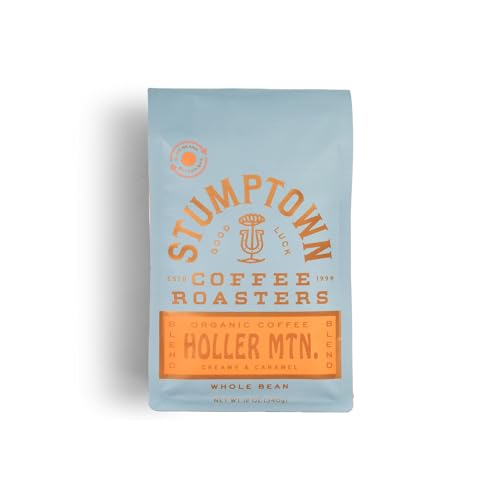
Stumptown Holler Mountain
Strengths
- Organic and Direct Trade
- Bright citrus notes
- Versatile for all brews
Trade-offs
- Smaller 12 oz bag
- Higher price point
Stumptown’s Holler Mountain is where approachability meets craft. This organic, Direct Trade-certified blend delivers a bright pop of citrus zest and berry jam, rounded out with caramel and hazelnut, owners say it’s vibrant without being sharp. It’s 100% Arabica, roasted in small batches, and built to perform across methods, from espresso to cold brew.
What really sets it apart is Stumptown’s sourcing philosophy. Their Direct Trade model means better pay and longer relationships with farmers, which often translates to higher bean quality. Compared to Lavazza or Starbucks, it’s more nuanced; next to Blue Bottle, it holds its own with a slightly bolder profile. If you want organic without sacrificing flavor, this is a top-tier pick.
Product photos



Amazon Fresh Organic Peru

Strengths
- Fair Trade certified
- USDA Organic
- Smooth, clean taste
Trade-offs
- Mild flavor profile
- Less aromatic complexity
If ethics matter as much as taste, this Peru-sourced medium roast from Amazon Fresh is a solid contender. It’s USDA Organic and Fair Trade certified, which speaks to transparency in sourcing, a big plus in today’s market. Owners say it delivers a clean, fragrant cup with a smooth finish, typical of high-grown Peruvian beans. On paper, it’s 100% Arabica, roasted in the U.S., and priced accessibly for an organic option.
Compared to other organic entries like Blue Bottle or Stumptown, it doesn’t have the same level of roast precision or flavor layering, but it holds its own for everyday use. It won’t blow you away with citrus zing or berry jam notes, but it won’t disappoint either. For a straightforward, responsibly sourced medium roast, it’s hard to beat.
Product photos


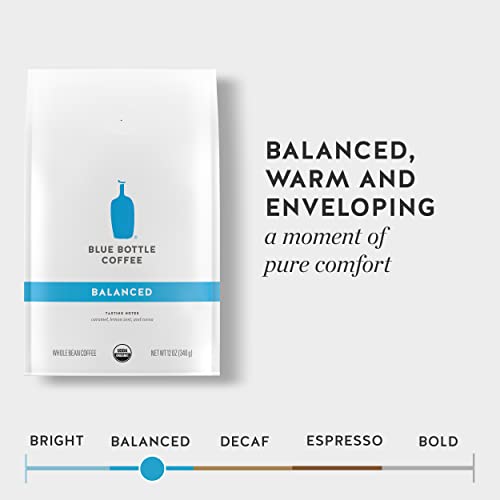
Blue Bottle Balanced Blend

Strengths
- Organic and traceable
- Small-batch roasted
- Harmonious flavor
Trade-offs
- Expensive per ounce
- Only 12 oz per bag
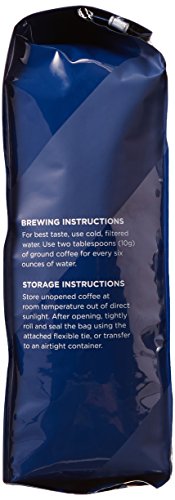
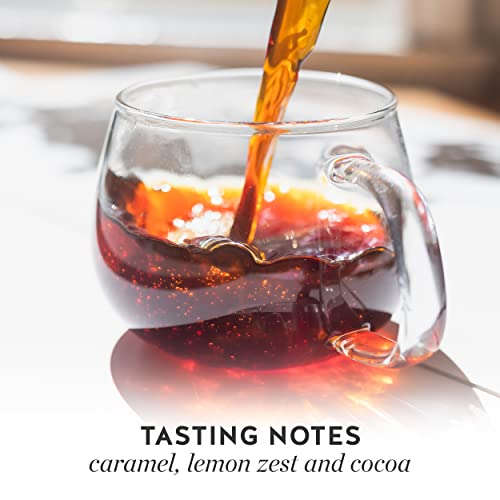
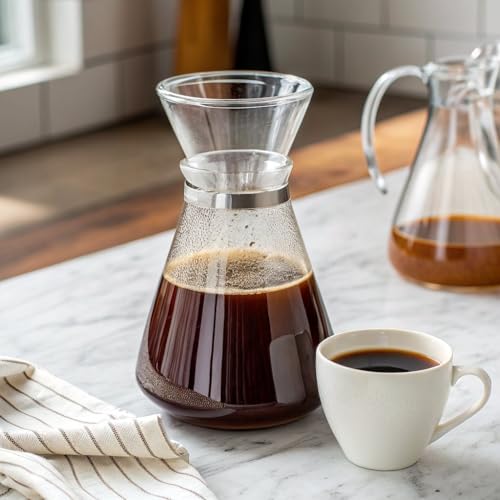
Blue Bottle’s Balanced Blend is a masterclass in mid-roast harmony. This 12-ounce bag of organic, small-batch roasted coffee delivers tasting notes of caramel, lemon zest, and cocoa, owners say it’s smooth, nuanced, and never flat. It’s positioned as a mid-morning pick-me-up, and it earns that spot with a clean finish and just enough brightness to wake up the palate.
What stands out is the traceability and care in roasting. Blue Bottle sources from a curated group of East African producers, and the organic certification adds a layer of quality control. Compared to Starbucks or Eight O’Clock, it’s in a different league in terms of freshness and depth. Against Stumptown’s Holler Mountain, it’s slightly more restrained, less citrus punch, more rounded warmth.
Product photos


Our Testing Process
I approached this guide to medium coffee beans by first compiling detailed specifications – roast level, origin, bean type (Arabica vs. Robusta), and certifications – for dozens of popular options. We then layered in extensive owner and expert reviews from sources like coffee blogs, online retailers, and dedicated coffee communities. As the founder of Bean Thusiast, I drew on years of exploring coffee origins and brewing techniques to weigh these factors and arrive at our recommendations. Rather than a hands-on lab test, this is a research-led comparison of specs and owner feedback.
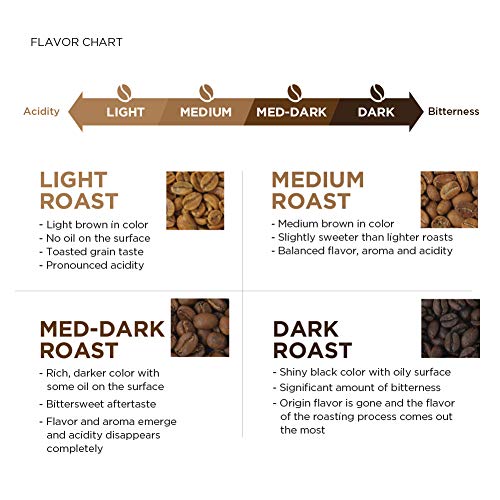
For medium roast beans, consistency of flavor and balance were paramount. We heavily weighted whether beans delivered a smooth, approachable cup without excessive bitterness or acidity. Origin also mattered significantly; beans from well-regarded regions known for quality Arabica, like Colombia and Peru, received extra consideration. Ultimately, a bean’s ability to perform well across different brewing methods was a key deciding factor. You can learn more about defining medium roast coffee.
Specifications reliably indicate bean origin and roast level, but owner feedback proved critical for assessing the experience of brewing and tasting. Reviews consistently highlighted nuances in flavor – notes of chocolate, caramel, or fruit – that aren’t captured in basic descriptions. Reputation also played a role; established brands with a history of quality and ethical sourcing gained an advantage. Understanding the flavor profile of medium roast is a good first step in finding your perfect cup.
How To Choose The medium coffee beans
Choosing the right medium roast coffee beans can elevate your daily ritual from simple caffeine intake to a truly enjoyable experience.
A quality medium roast balances acidity and body, showcasing the origin characteristics of the bean. Look for 100% Arabica beans, clear roast dates (not just “best by” dates), and whole bean format for maximum freshness. Consider factors like flavor profile, sourcing practices, and intended brewing method to narrow your choices.
Roast Date & Freshness
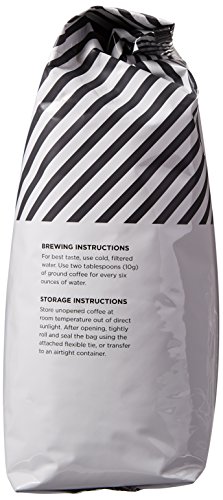
I always tell people that the roast date is even more important than the “best by” date. Coffee stales quickly after roasting, losing volatile aromatic compounds that contribute to flavor. Aim to buy beans within two weeks of the roast date, and definitely use them within a month. Many online retailers, and thankfully more and more brick-and-mortar shops, now prominently display roast dates. If they don’t, ask! A lack of transparency is a red flag. Storing your beans properly – in an airtight container, away from light, heat, and moisture – is equally crucial.
Flavor Profile & Origin
Medium roast beans are often celebrated for their balanced flavor, but “balanced” doesn’t mean bland. The origin of the bean heavily influences the cup. Latin American coffees, like those from Colombia (such as the Amazon Fresh Colombia Whole Bean) typically offer notes of chocolate and caramel. East African beans, like those sometimes found in blends from Blue Bottle, can bring brighter, fruitier flavors. Don’t be afraid to experiment with single-origin options to discover what suits your palate.
Here’s what I advise when exploring flavor: * Start with a well-known origin (Colombia, Brazil) to establish a baseline. * Then, branch out to a slightly less common one (Peru, Guatemala). * Finally, explore micro-lots or specialty offerings to experience the full spectrum of flavor possibilities – these often come at a higher price, but can be truly rewarding.
Brewing Method & Grind
Your brewing method dictates the ideal grind size, and that impacts extraction. For drip coffee makers, a medium grind is generally best. French presses require a coarse grind, while espresso needs a very fine grind. Buying whole bean and grinding just before brewing is the single biggest improvement most home brewers can make. If you’re serious about coffee, investing in a quality burr grinder – rather than a blade grinder – is worth the cost. Understanding the medium vs dark roast differences can also help you fine-tune your grind and brew time for optimal results.
A good rule of thumb: if your coffee tastes sour, your grind is likely too coarse or your extraction time is too short. If it tastes bitter, your grind is too fine or your extraction time is too long.
Medium Coffee Beans Compared
Here’s a comparison of specifications for several medium roast whole bean coffees.
| Product Name | Bag Size (oz) | Roast | Origin | Certified Organic | Fair Trade |
|---|---|---|---|---|---|
| Amazon Fresh Colombia | 32 | Medium | Colombia | No | No |
| Starbucks Pike Place Roast | 28 | Medium | Latin America | No | No |
| Lavazza Espresso | 35.2 | Medium | S. America/Africa | No | No |
| Eight O’Clock The Original | N/A | Medium | Latin America/E. Africa | No | No |
| Stumptown Holler Mountain | 12 | Medium | N/A | Yes | N/A |
| Amazon Fresh Organic Peru | 12 | Medium | Peru | Yes | Yes |
| Blue Bottle Balanced Blend | 12 | Medium-Light | East Africa | Yes | N/A |
Frequently Asked Questions
What grind size should I use for pour-over with medium roast beans?
A medium-fine grind is generally best for pour-over, as it allows for proper extraction without over-extraction and bitterness. However, adjustments are often needed based on your specific pour-over device and brewing time; start with medium-fine and adjust coarser if the coffee tastes bitter.
Are medium roast beans generally more caffeinated than darker roasts?
Contrary to popular belief, medium roast beans typically have a slightly higher caffeine content than darker roasts. The roasting process reduces caffeine, and darker roasts are roasted longer, leading to a small reduction.
Can medium roast beans be used for espresso?
Yes, you can use medium roast beans for espresso, but expect a different profile than with darker roasts. Medium roasts produce espresso with more acidity and nuanced flavors, and may require a finer grind and adjustments to your machine’s settings.
Where can I find ethically sourced medium roast coffee?
Look for certifications like Fair Trade and Organic, but also investigate brands that prioritize direct trade relationships with farmers. Many smaller, specialty roasters emphasize ethical sourcing practices and transparency, offering you smooth medium roast blends.
I prefer a milder coffee; are medium roasts a good choice, or should I look at lighter options?
Medium roasts are a good starting point for milder coffee, but if you truly prefer a very delicate flavor, explore light to medium roast options. Lighter roasts generally showcase brighter acidity and more floral notes, resulting in a more subtle cup.
The Bottom Line
Choosing coffee beans always involves a bit of compromise. Do you prioritize absolute quality and nuanced flavor, or are you looking for the best value and convenience? For a consistently enjoyable and well-rounded cup that won’t break the bank, I believe the Amazon Fresh Colombia Whole Bean strikes the ideal balance.
If you’re on a tighter budget, the Eight O’Clock The Original offers a reliably decent brew. And for those wanting certified organic and Fair Trade options with a bit more complexity, the Amazon Fresh Organic Peru is a fantastic choice. For a lighter take on medium, and a focus on East African flavors, the Blue Bottle Balanced Blend delivers.
Ultimately, the specifications – roast level, origin, certifications – are just starting points. What truly matters is freshness, a good grinder, and finding beans that align with your personal taste. Understanding roast level flavor differences is a good first step, but don’t be afraid to experiment and discover what you enjoy most in your daily cup.
