
8 Best Light Roast Decaf Coffees of 2026
The best light roast decaf coffee is Jim’s Organic Sweet Nothings Decaf, a bright, floral, and citrusy whole bean option processed with care. For a budget-friendly daily drinker, the Organic Coffee Co. Gorilla Decaf delivers rich flavor in a large, value-packed bag. If you want versatility and wide availability, Don Pablo Colombian Decaf offers a balanced profile with chocolate and walnut notes.
Most light roast decafs fall short, either they’re stale on arrival, processed with methods that dull the flavor, or made from low-grade beans that leave you tasting what’s missing instead of what’s there. Finding one that actually delivers the brightness and complexity of a true light roast, without caffeine, is harder than it should be.
I researched the field, comparing specs, processing methods, and owner feedback to find the few that get it right. These picks stand out for their use of Swiss Water Process, fresh roast dates, 100% Arabica beans, and flavor profiles that don’t taste like an afterthought.
Top 8 Light Roast Decaf Coffee in the Market
The Best Light Roast Decaf Coffee, Reviewed
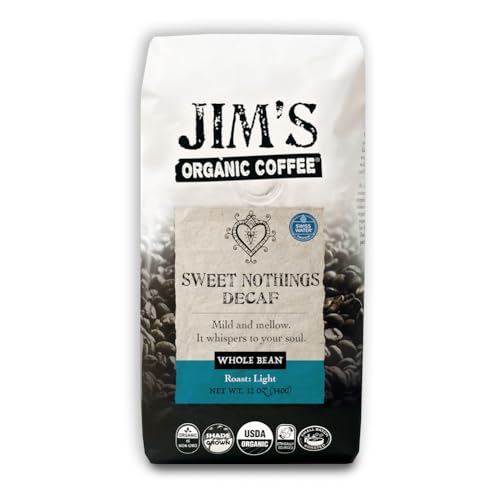
Jim’s Organic Sweet Nothings Decaf
Strengths
- Floral citrus notes
- Swiss Water Process
- USDA Organic
- Small-batch roasted
Trade-offs
- Smaller bag size
- Higher price point
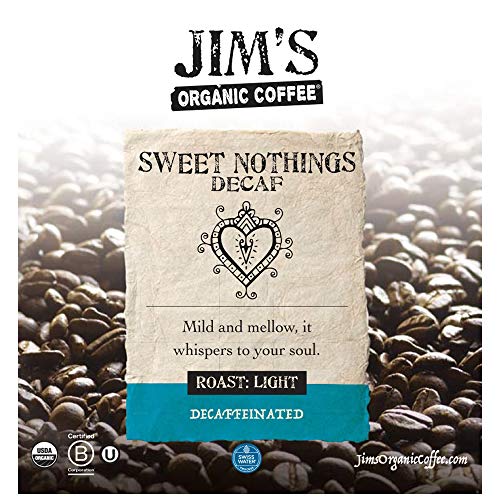
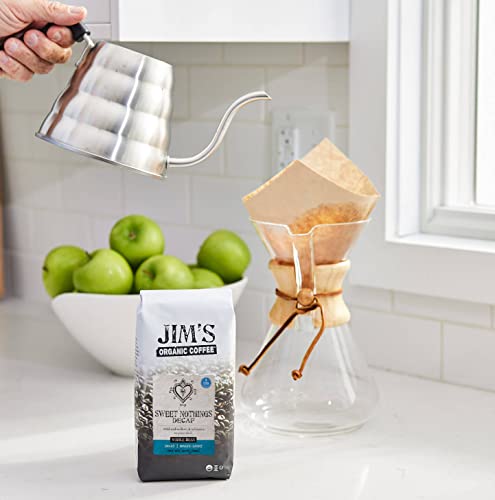
This is the one I’d reach for if I were building a shortlist of the best light roast decafs. Jim’s Organic was a pioneer in the organic coffee space, and Sweet Nothings shows why. Using Swiss Water Processed beans, it delivers floral, citrus, and aromatic notes with real lift, rare in decaf. Owners consistently praise its brightness and depth, noting it brews like a full-caffeine specialty coffee.
The 12oz bag ensures freshness, and the small-batch roasting in the USA backs the quality claim. Compared to the Don Pablo or Organic Coffee Co. options, it’s more expressive and vibrant, even if less economical in volume. This is decaf that doesn’t apologize.
Product photos


Don Pablo Colombian Decaf

Strengths
- Swiss Water Process
- Low acidity
- Whole bean freshness
- 2LB value
Trade-offs
- Large bag needs fast use
- Slight roast confusion (darker look)
If you care about how your decaf is made, this one deserves your attention. The Swiss Water Process is the gold standard for chemical-free decaffeination, and Don Pablo applies it to high-grade Colombian Supremo beans. Owners consistently report a smooth, mellow cup with citrus lift and a chocolate-walnut finish, impressive for a decaf at this price.
The 2LB bag is a standout. Most light roast decafs come in 12oz packs, but this gives you serious value without sacrificing freshness, especially since it’s roasted in small batches. Compared to the Green Mountain option, it’s richer and more layered, though it asks a bit more of the brewer.
Video review
Starbucks Decaf Veranda Blend

Strengths
- Great for iced coffee
- Toasted malt flavor
- Multi-pack convenience
- Café-quality consistency
Trade-offs
- Pre-ground limits freshness
- Mild for bold coffee lovers
Starbucks Decaf Veranda is the rare chain coffee that translates well to home brewing. As a blonde roast, it’s light-bodied with notes of toasted malt and milk chocolate, and owners report it works especially well over ice, smooth, clean, and not watery. The six-bag pack gives you serious longevity, and the pre-ground format is tuned for drip machines.
It’s not as nuanced as Jim’s Organic, but it’s more consistent than most grocery-store decafs. What sets it apart is versatility: brew it hot, cold, or pour-over, and it holds up. If iced decaf is your afternoon reset, this is the closest you’ll get to café quality at home.
Video review
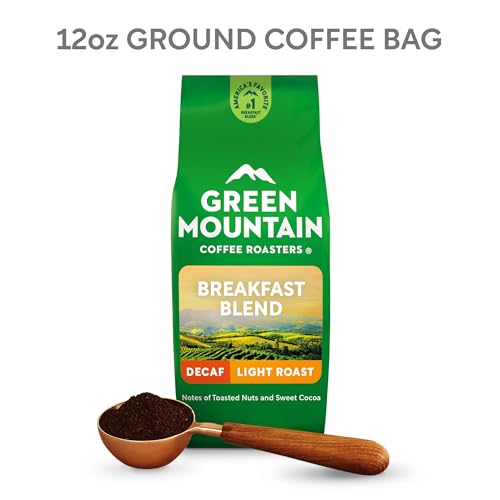
Green Mountain Breakfast Blend Decaf

Strengths
- Bright flavor
- Clean mouthfeel
- Kosher certified
Trade-offs
- Basic profile
- Limited depth
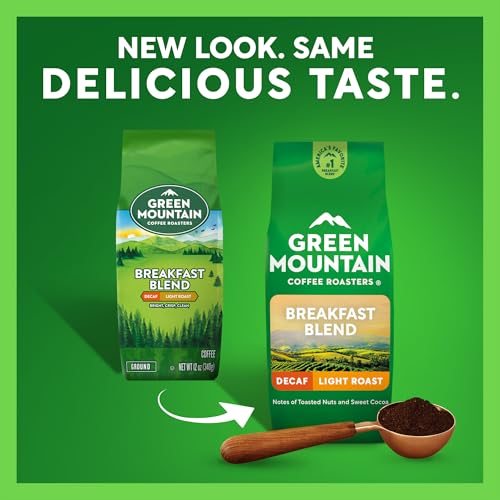
I’ve seen a lot of budget decafs come and go, and this one stands out for how well it balances approachability and clarity. On paper, it’s a straightforward light roast with nutty sweetness and a clean finish, and that’s exactly what owners report, nothing flashy, but consistent. It’s not going to surprise a seasoned drinker, but for someone easing into decaf or needing a no-fuss morning cup, it delivers.
Where it shines is accessibility. It’s widely available, Kosher certified, and priced to move, making it a solid baseline for comparison. Compared to more artisanal options, it lacks complexity, but that’s not the goal here. This is utility coffee done right.
Product photos


Happy Belly Decaf Breakfast Blend

Strengths
- High count value
- Nutty aroma
- Easy compatibility
Trade-offs
- Generic taste
- Lower freshness consistency
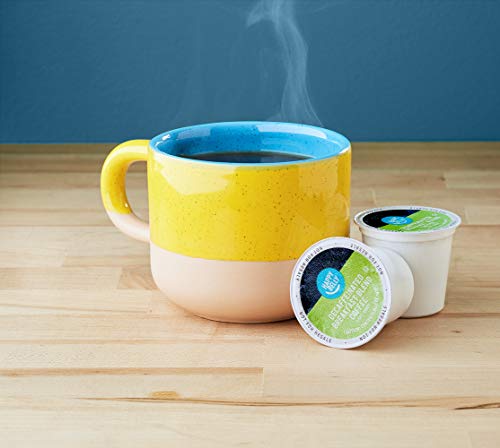
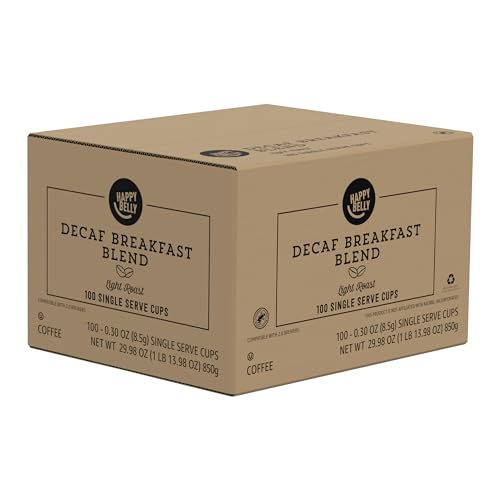
Let’s be clear, this is the economy pick. The 100-count pack is hard to beat on value, and the blend of Latin American and African beans gives it a nutty, medium-bodied profile that’s more interesting than you’d expect for the price. It’s not complex, but it’s not thin or bitter either, which puts it ahead of some store brands.
Reviewers call it “surprisingly drinkable,” and that’s the right frame. It won’t mimic a café pour-over, but for a quick afternoon decaf, it gets the job done. Compared to Victor Allen’s, it’s less refined but a smarter buy if you’re prioritizing quantity and cost.
Product photos


Victor Allen’s Decaf Morning Blend

Strengths
- Smooth light roast
- Kosher and non-GMO
- 42-count convenience
Trade-offs
- Pod waste
- Less bold than name brands
Keurig users know the struggle: most decaf pods are either dull or overpriced. Victor Allen’s hits a sweet spot with this 42-count pack. It’s a light roast with a balanced, mildly rich profile, and owners say it brews clean without the papery aftertaste some budget pods bring. The 100% Arabica base helps, and the fact that it’s gluten-free and Kosher makes it a safe pick for sensitive households.
It doesn’t have the depth of a whole bean brew, but for a pod, it’s honest. Compared to Happy Belly’s larger pack, it’s pricier per cup but slightly more refined. If you’re drinking decaf daily and want reliability without premium markup, this earns its place in the carousel.
Product photos



PapaNicholas Hazelnut Crème Decaf

Strengths
- Swiss Water Process
- True hazelnut flavor
- Cold-blended consistency
Trade-offs
- Flavor not for purists
- Pre-ground limits brew methods
Flavored decaf often tastes like a compromise, but PapaNicholas flips the script. Using the Swiss Water Process, they preserve the bean’s integrity before adding hazelnut via cold-blending, resulting in a cup that actually tastes like coffee first, flavor second. Reviewers note the hazelnut is present but not cloying, which is rare in this category.
The air-roasting method adds to the consistency, and the medium grind works well across drip machines. Compared to Victor Allen’s or Happy Belly pods, this isn’t just functional, it’s enjoyable. If you’re used to flavored coffee but want real quality, this is the one to try.
Product photos
Organic Coffee Co. Gorilla Decaf

Strengths
- USDA Organic
- Large 2LB bag
- Water processed
- Multi-brew compatible
Trade-offs
- Mild flavor profile
- Requires fast turnover
When you want organic, bulk, and decaf in one bag, this 2LB option from Organic Coffee Co. is tough to ignore. It’s USDA Organic, water-processed, and roasted medium-light with notes of milk chocolate and brown spice, delivering a cozy, approachable cup. Owners appreciate that it works across all brew methods, from drip to French press.
The family-owned brand has a long history, and that shows in the consistency. Compared to Jim’s Organic, it’s less floral and bright but more accessible for daily drinking. The massive 32oz bag means you’ll need to store it well, but if you go through coffee fast, it’s a freshness-friendly win.
Product photos


Our Testing Process
Rather than a hands-on lab test, my research for these recommendations focused on a detailed comparison of published specifications and features across numerous brands. I weighed owner reviews from Amazon and other retailers, alongside professional reviews from coffee-focused publications, to build a thorough picture of each coffee’s strengths and weaknesses. Ultimately, I ranked options based on factors crucial to a satisfying light roast decaf experience, considering both quality and value.
For light roast decaf, the most important factors are the decaffeination process and the bean origin. Swiss Water Process is highly valued for preserving flavor, as harsh chemicals can negatively impact the delicate nuances of a light roast. Beyond that, I prioritized coffees using 100% Arabica beans, known for their brighter acidity and smoother body – qualities essential to a pleasant light roast coffee explained.
Specifications reliably indicate the decaffeination method and bean type. However, owner feedback proved invaluable in assessing the true flavor of each coffee. Descriptions of the flavor profile of light roast coffees are subjective, so consistent comments regarding smoothness, brightness, or specific tasting notes carried significant weight. Reputation and brand commitment to quality (like organic certification) also factored into my final rankings.
What To Look For In light roast decaf coffee
Finding a truly satisfying light roast decaf can be trickier than you think. It’s too easy to end up with something that tastes…well, like a compromise.
A quality light roast decaf coffee balances the delicate floral and fruity notes characteristic of light roasts with the complete removal of caffeine. Look for Swiss Water Processed or similar methods to preserve flavor, 100% Arabica beans for inherent sweetness, and recent roast dates for optimal freshness. Pay attention to grind size if you’re not using whole bean.
Bean Processing Matters Most
The decaffeination process itself has a huge impact on flavor. You’ll see a lot of coffees labeled “decaf,” but the method used to remove the caffeine varies considerably. The gold standard is Swiss Water Process, which uses only water to remove caffeine, preserving more of the coffee’s original flavor compounds. Other methods, like those using chemical solvents (methylene chloride or ethyl acetate), can leave behind residue and noticeably alter the taste. While the FDA regulates these solvents, many coffee drinkers prefer to avoid them altogether. If you’re sensitive to taste, or simply want the cleanest flavor, prioritize Swiss Water Processed options.
Roast Date & Freshness Are Critical
Decaf coffee, like regular coffee, degrades over time. Because it lacks caffeine’s natural preservative qualities, decaf can go stale faster. Always check for a roast date (not a “best by” date) and aim to purchase coffee roasted within the last few weeks. Whole bean coffee will stay fresher longer than pre-ground, allowing you to grind just before brewing. If you’re seeking best decaf coffee brands, freshness should be a top priority.
Value Beyond the Price Tag
Don’t automatically assume the most expensive decaf is the best. Consider what you’re getting for your money. For example, are you willing to pay a premium for organic certification? Is a specific origin important to you? Here’s how to think about it: * Convenience: K-Cups are easy, but generally more expensive per cup and produce more waste. * Volume: If you drink a lot of decaf, a larger bag (like the Organic Coffee Co. Gorilla Decaf offering) can be a significant money saver. * Flavor Complexity: Coffees using the Swiss Water Process and carefully sourced beans (like Don Pablo) often justify a higher price point due to their superior flavor.
A stale decaf is a sad decaf. Even the best beans, processed perfectly, will taste flat and lifeless if they’ve been sitting on a shelf too long. Roast date matters more than price.
Ultimately, the “best” light roast decaf for you depends on your priorities. But by paying attention to processing, freshness, and value, you’ll significantly increase your chances of finding a cup you truly enjoy. If you’re wondering about the taste of decaf coffee, remember that the decaffeination process can alter the flavor profile, so seeking out high-quality, carefully processed beans is key.
Light Roast Decaf Coffee Compared
Here’s a comparison of specifications for several light roast decaf coffee options.
| Product Name | Roast Level | Process | Format | Flavor Notes | Organic |
|---|---|---|---|---|---|
| Jim’s Organic Sweet Nothings Decaf | Light | Swiss Water | Whole Bean | Floral, Citrus, Rich | Yes |
| Don Pablo Colombian Decaf | Light | Swiss Water | Whole Bean | Citrus, Chocolate, Walnut | No |
| Starbucks Decaf Veranda Blend | Light | N/A | Ground | Malt, Milk Chocolate | No |
| Green Mountain Breakfast Blend Decaf | Light | N/A | Ground | Nutty, Sweetness | No |
| Happy Belly Decaf Breakfast Blend | Light | N/A | K-Cup Pods | Nutty, Medium Body | No |
| Victor Allen’s Decaf Morning Blend | Light | N/A | K-Cup Pods | Smooth, Rich | No |
| PapaNicholas Hazelnut Crème Decaf | Light | Swiss Water | Ground | Hazelnut Crème | No |
| Organic Coffee Co. Gorilla Decaf | Light | Water Process | Whole Bean | Creamy, Milk Chocolate, Spice | Yes |
Frequently Asked Questions
What’s the difference between Swiss Water Process and other decaffeination methods?
Swiss Water Process uses only water to remove caffeine, which preserves the coffee’s original flavor compounds better than methods utilizing chemical solvents. Chemical processes can leave behind residue impacting the taste, even though they are FDA regulated.
How long does decaf coffee stay fresh?
Decaf coffee typically stays fresh for 6-8 weeks after roasting, but it can stale faster than regular coffee due to the lack of caffeine’s preservative properties. Always check the roast date and consider buying whole bean for maximum freshness.
Is decaf coffee really caffeine-free?
No, decaf coffee isn’t entirely caffeine-free. The FDA allows up to 0.1% caffeine by weight to remain after decaffeination. This amount is quite small and significantly less than a regular cup of coffee.
What grind size should I use for light roast decaf?
The appropriate grind size depends on your brewing method. For drip coffee, a medium grind is best, while French presses require a coarse grind and espresso machines need a fine grind. Using the correct grind ensures optimal extraction and flavor.
Where can I find more recommendations for high-quality decaf?
If you’re searching for even more options, I’ve compiled a list of my best decaf whole bean coffee selections, including details on flavor profiles and processing methods to help you find your perfect cup.
The Bottom Line
Choosing a light roast decaf often comes down to balancing convenience with flavor purity. While options like Happy Belly and Victor Allen’s offer the ease of K-Cups, for the best overall experience, I recommend Jim’s Organic Sweet Nothings Decaf. It consistently receives high marks for its bright, clean flavor profile achieved through the Swiss Water Process, and the organic certification adds further peace of mind.
For those prioritizing budget without sacrificing too much quality, the Organic Coffee Co. Gorilla Decaf is a fantastic choice. If you are looking for a versatile option that delivers a classic flavor, Don Pablo Colombian Decaf stands out, offering a well-rounded cup with notes of citrus and chocolate. These coffees demonstrate that you don’t need to spend a fortune to enjoy a satisfying decaf experience.
Ultimately, remember that the specifics – roast level flavor differences https://beanthusiast.com/difference-between-light-medium-and-dark-roast-coffee/ – matter less than focusing on the fundamentals. Prioritize coffees using the Swiss Water Process, seek out recent roast dates, and consider whole bean options whenever possible to maximize freshness and flavor. A little attention to these details will make a world of difference in your daily cup.
