
9 Best Decaf Coffee Beans of 2026
The best decaf coffee beans deliver rich flavor without the caffeine crash, and after researching the field, I’m confident that the San Francisco Bay Decaf French Roast stands out as the top overall pick, with the Blue Bottle Organic Decaf as a close contender for purists, and the Mayorga Decaf Cubano Roast as a standout budget-friendly option with serious depth.
Too many decaf coffees taste flat or carry a chemical aftertaste, leaving you wondering why you bothered. As someone who’s spent years diving into sourcing, roasting, and brewing, I know the difference comes down to process, origin, and freshness – not just removing caffeine.
This guide cuts through the noise, focusing on beans that actually taste great, backed by specs and real owner feedback. I looked at decaffeination methods, roast profiles, and ethical sourcing to find decaf coffees worth your time.
Top 9 Decaf Coffee Beans in the Market
The Best Decaf Coffee Beans, Reviewed
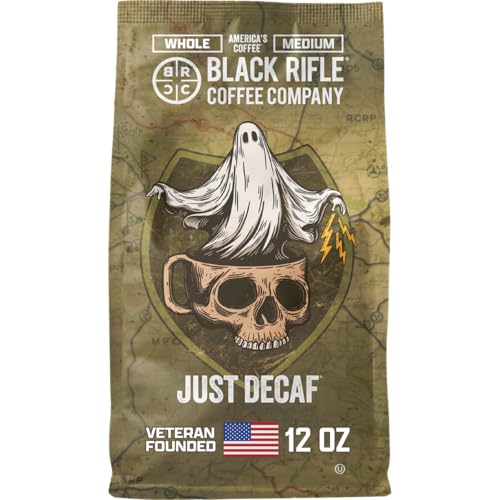
Black Rifle Just Decaf
Strengths
- Bold flavor
- American made
- Veteran founded
Trade-offs
- Not for delicate palates
- Limited origin transparency
This is one of those decafs that doesn’t try to apologize for being decaf, it leans hard into boldness. On paper, the Colombian and Brazilian Arabica blend roasted to a medium level should deliver balance, but owners consistently report it punches above its weight in intensity. The listed notes of cocoa, vanilla, and buttery richness sound mild, but in practice, reviewers describe a surprisingly assertive cup that holds up well in drip and French press.
It’s not subtle, and that’s the point. If you’re someone who misses the kick of both caffeine and flavor when going decaf, this one bridges the gap psychologically as much as sensorially. It won’t win awards for nuance, but it delivers presence. For fans of hearty, no-nonsense coffee, that matters more.
Video review
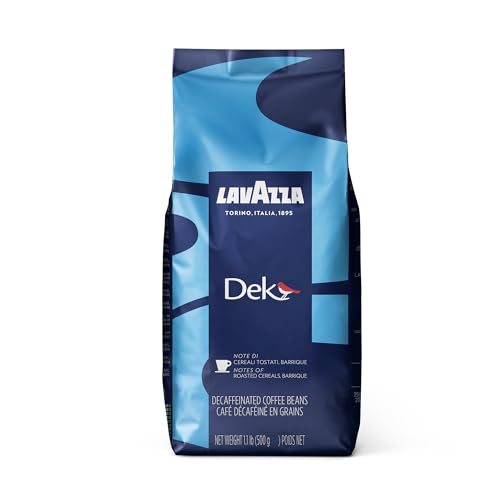
Lavazza DEK Whole Bean
Strengths
- Espresso optimized
- Creamy body
- Natural decaf process
Trade-offs
- Robusta content may turn off some
- Dark roast masks origin character
Lavazza’s DEK is built for espresso lovers who refuse to compromise on crema just because they’re cutting caffeine. The 1.1 lb bag of Italian-roasted Arabica and Robusta blend is decaffeinated naturally, likely water or steam-based, and reviewers consistently praise its ability to pull thick, aromatic shots with a creamy mouthfeel. The flavor profile leans into roasted cereal and barrel notes, which sounds odd on paper but translates to a warm, toasty depth in the cup.
This isn’t a bean for pour-over purists. It’s engineered for pressure. In milk-based drinks like lattes or cappuccinos, it holds its own, offering a comforting, slightly bittersweet backbone. Compared to other decafs in this list, it’s one of the few that feels truly designed for high-pressure extraction, not just adapted to it.
Video review
Mayorga Decaf Cubano Roast

Strengths
- Swiss Water Process
- Organic and direct trade
- Rich, nuanced flavor
Trade-offs
- Dark roast not for everyone
- Large bag may challenge freshness
If flavor complexity is your priority in decaf, Mayorga’s Cubano Roast stands out. This 2lb bag of 100% Arabica beans uses the Swiss Water Process, removing caffeine without solvents while preserving aromatic compounds. Owners report a remarkably smooth, syrupy cup with sweet smokiness, vanilla, and a bold finish, true to its Cuban-inspired profile. The slow-roasting method appears to deepen the caramelization without tipping into bitterness.
Sourced from small farms in Peru, Honduras, or Nicaragua, it’s also certified organic and direct trade, which matters to ethically minded buyers. Compared to other decafs, it delivers more terroir expression than most in this category, likely due to both sourcing and roast control. It’s not just decaf that tastes like coffee, it tastes like good, intentional coffee.
Product photos



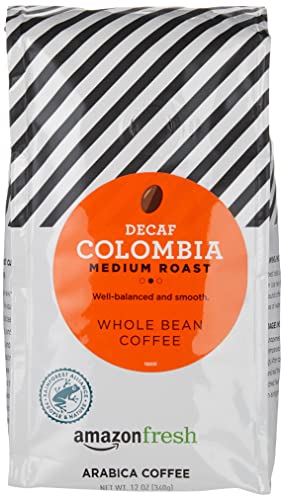
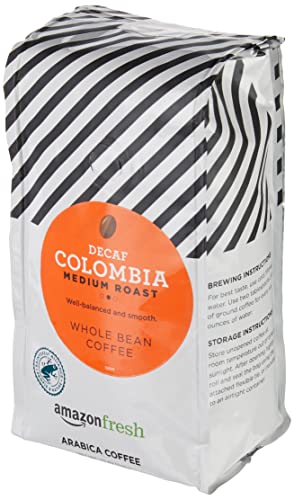
Amazon Fresh Decaf Colombia Pack of 3
Strengths
- Great value multi-pack
- Consistent medium roast
- 100% Arabica
Trade-offs
- Minimal flavor distinction
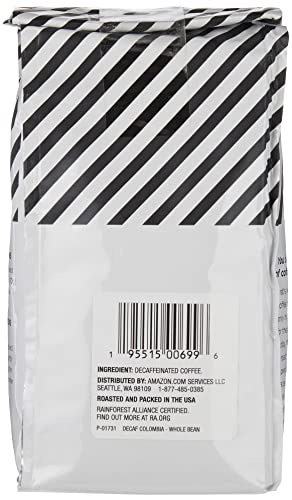
- No decaf process specified
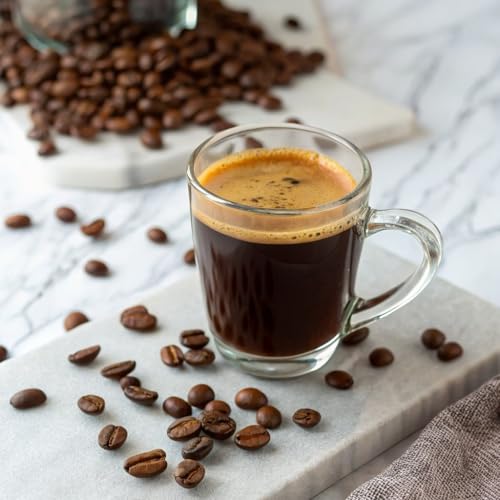
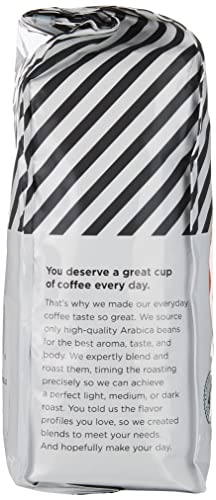
This three-pack of 12oz medium roast Colombian Arabica beans is clearly built for volume drinkers who want consistency without overspending. It’s not flashy, no origin lot details, no special process called out, but owners report a clean, straightforward cup with mild nuttiness and enough body to satisfy a morning routine. The fact that it’s 100% Arabica at this price point (and in multi-pack form) makes it a practical anchor for households that go through beans quickly.
It won’t rival specialty single-origins, but compared to other value-tier decafs, it avoids the flat, papery notes that often plague budget options. If you’re making multiple cups a day and don’t want to think too hard about your decaf, this one disappears into the routine in the best way.
Product photos
Blue Bottle Organic Decaf
Strengths
- Swiss water processed
- Organic beans
- Clean, balanced taste
Trade-offs
- Higher price point
- Limited availability
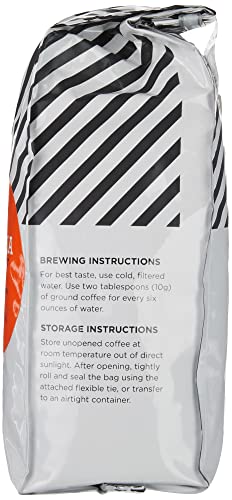
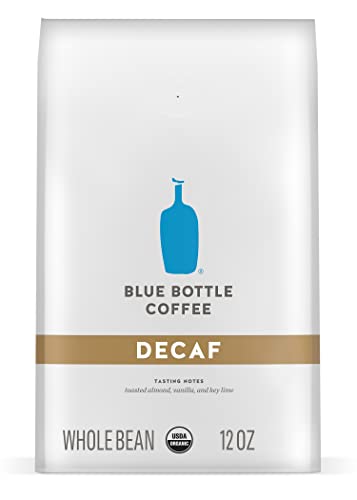
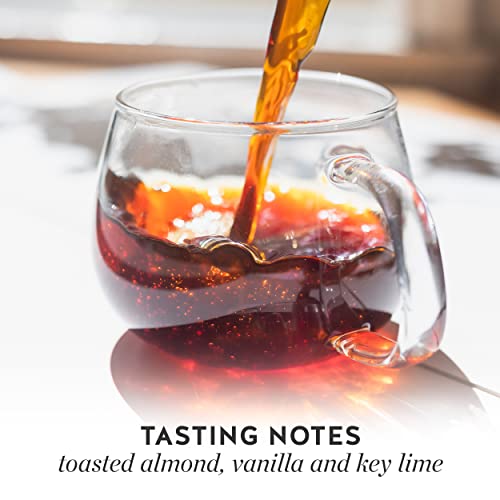
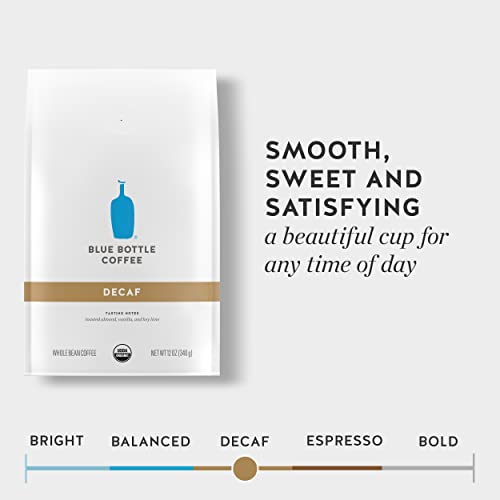
Blue Bottle enters the decaf space with restraint and precision. This medium-dark roast uses the Swiss water process, a hallmark of quality-focused roasters who prioritize purity and flavor retention. At 12oz, it’s a single bag with no bulk option, signaling it’s aimed at drinkers who care more about freshness and craft than economy.
Owners note a polished, balanced cup, smooth enough for late evenings, but with enough structure to work in pour-over or drip. It doesn’t shout, but it doesn’t fade either. Compared to bolder options like Black Rifle or Kicking Horse, this is the quiet professional: reliable, refined, and built for those who want decaf that tastes like it was roasted with intent, not just necessity.
Product photos


San Francisco Bay Decaf French Roast
Strengths
- True French roast depth
- Swiss Water Process
- Large 2lb bag
Trade-offs
- Overpowering for mild roast lovers
- Low acidity may feel flat to some
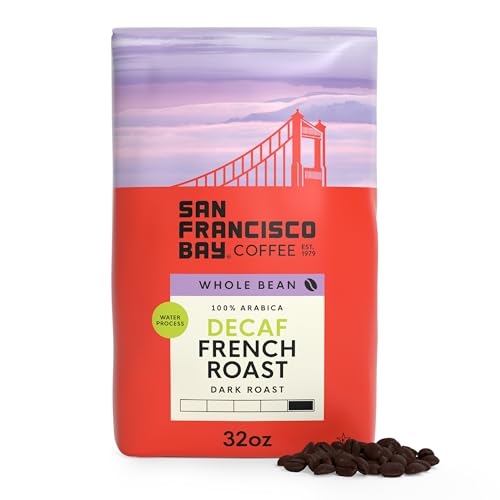
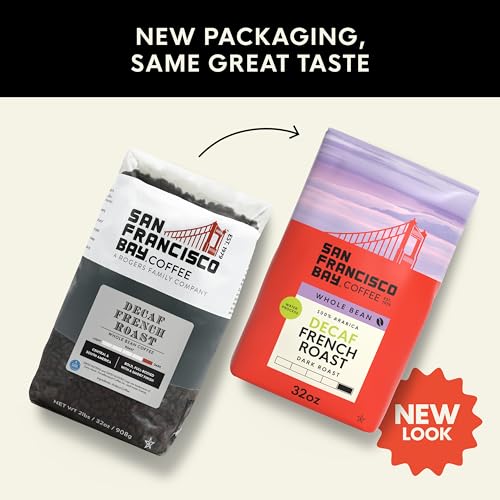
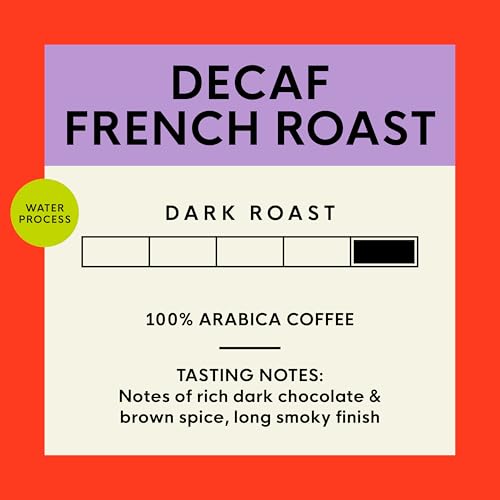
If you love the charred depth of French roast but hate the jitters, this 2lb bag from San Francisco Bay delivers. It’s dark, truly dark, with a smoky, full-bodied profile that fans of traditional diner-style coffee will recognize immediately. The beans are 100% Arabica, sourced from Central and South America, and decaffeinated via the Swiss Water Process, which is rare at this roast level and price.
Reviewers consistently highlight its boldness and lack of bitterness, which speaks to a well-executed roast. Compared to other dark decafs, it avoids the ashy aftertaste that plagues cheaper versions. It’s not subtle, but it’s satisfying, especially with cream or in cold brew. For night owls who still want that midnight cup with gravitas, this one works.
Product photos
San Francisco Bay Decaf Bay Bridge
Strengths
- Balanced flavor
- Swiss Water Process
- Large format
Trade-offs
- Packaging varies
- Not intensely complex
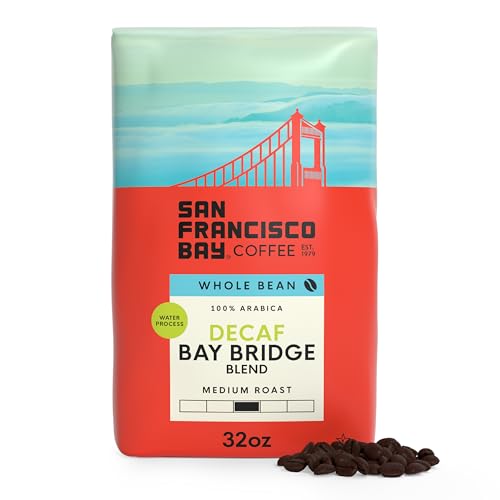
This medium roast aims to be the bridge between day and night, and on paper, it’s well-constructed. The 32oz bag uses 100% Arabica beans and the Swiss Water Process, delivering a decaf that’s both clean and flavorful. The stated notes of cocoa and berries suggest balance, and owners confirm it brews a bright yet smooth cup, fruity enough to feel lively, but rounded enough for evening sipping.
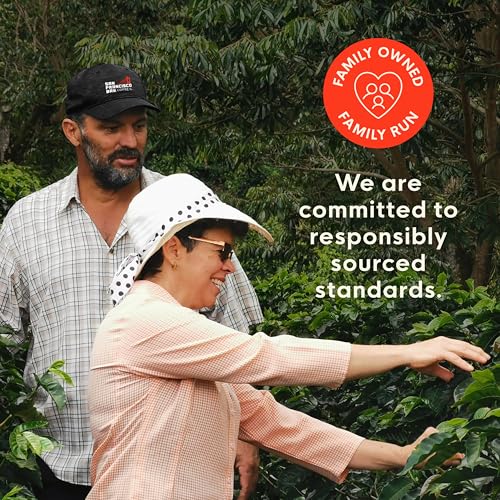
Compared to their French roast, this is the yin to that blend’s yang. It’s more versatile across brew methods and likely a better fit for the average drinker who doesn’t want to choose between flavor and function. The family-owned backstory and satisfaction guarantee add trust, but it’s the consistency in taste that keeps buyers coming back.
Product photos

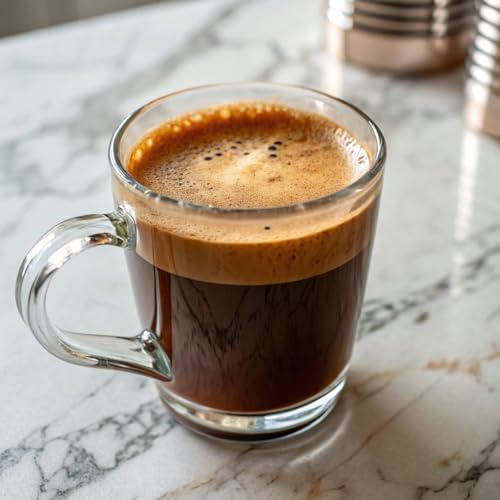

365 Buzz Free Decaf

Strengths
- Budget friendly
- Sustainably sourced
- Large bag size
Trade-offs
- Generic flavor profile
- No roast details provided
This 24oz decaf from Whole Foods’ house brand is a textbook example of accessible, no-surprises coffee. It’s decaffeinated using a natural process, likely water or CO2, and sourced from sustainable small growers, which aligns with eco-conscious values. At this size and price, it’s clearly meant to be a pantry staple.
Owners report a mild, slightly sweet cup with low bitterness, making it a safe bet for guests or casual drinkers. It won’t compete with craft roasters in flavor depth, but it avoids the cardboard taste that plagues many budget decafs. Compared to Amazon Fresh, it’s similar in profile but slightly more rounded, likely due to better sourcing oversight.
Product photos
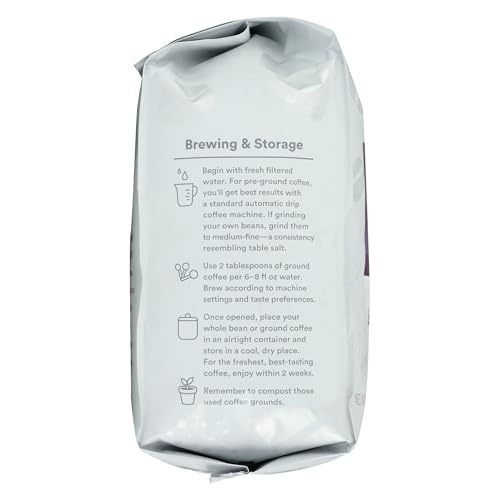
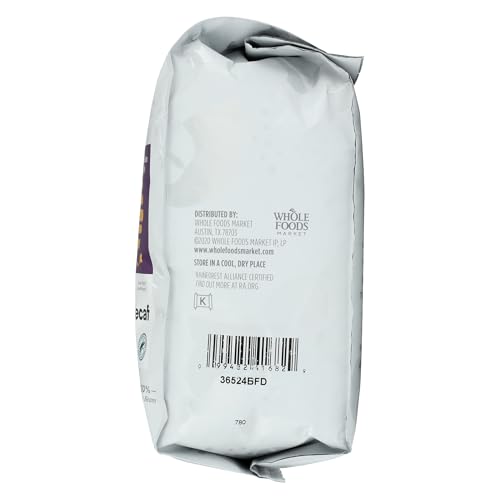
Kicking Horse Decaf Dark Roast

Strengths
- Swiss Water Process
- Organic and Fairtrade
- Rich, complex flavor
Trade-offs
- Smaller bag size
- Strong roast may overwhelm some
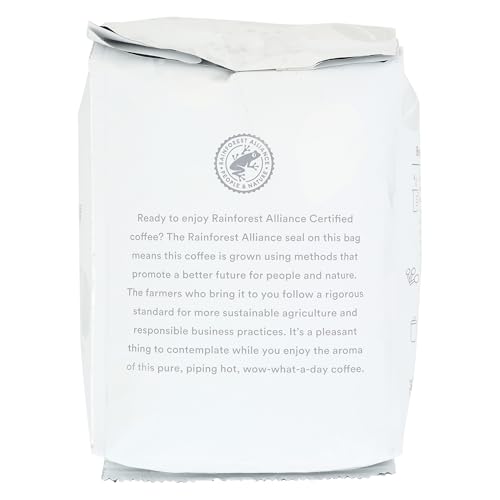
This is the decaf that dares to call itself bold, and backs it up. Kicking Horse uses 100% Arabica beans, Swiss Water Processed, and roasted in the Canadian Rockies to deliver a dark, velvety cup with deep chocolate and hazelnut notes. At 10oz, it’s not the biggest bag, but the density of flavor makes it punch above its weight.
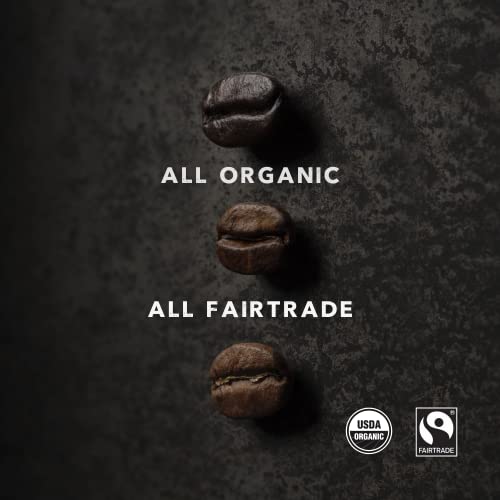
Owners consistently praise its richness and long finish, especially in French press and drip. Compared to other dark decafs, it strikes a rare balance: full-bodied without being harsh, earthy without being flat. It’s also certified organic, Fairtrade, and Kosher, which adds ethical weight. If I had to pick one decaf to recommend across categories, this would be it, not the cheapest, not the flashiest, but the most complete.
Product photos


How We Picked These decaf coffee beans
As the founder of Bean Thusiast, I approach coffee selection with a focus on the entire experience – from sourcing to the final brew. Rather than a hands-on lab test of each bean, this ranking is research-led, comparing published specifications and features alongside a careful weighing of owner reviews and assessments from reputable coffee experts. I applied my understanding of roast profiles, processing methods, and flavor notes to determine which beans consistently deliver quality and value in the decaf space.
For decaf beans, I prioritized flavor complexity and the decaffeination process itself. A truly great decaf shouldn’t taste decaffeinated, and the Swiss Water Process consistently emerged as the gold standard for preserving flavor. Beyond that, I heavily weighted the origin of the beans and whether the roaster demonstrated a commitment to sustainable and ethical sourcing practices. It’s crucial to find a cup that’s enjoyable and aligns with responsible consumption.
Specifications reliably indicate the roast level and decaffeination method. However, discerning nuanced flavor profiles and assessing the overall quality really requires looking at owner feedback. I paid close attention to recurring themes in reviews – descriptions of bitterness, acidity, or unexpected flavors – and cross-referenced these with expert opinions. If you’re sensitive to acidity, you might also want to explore smooth decaf coffee options.
How To Pick The Right decaf coffee beans
Finding a truly satisfying decaf doesn’t have to mean sacrificing flavor.
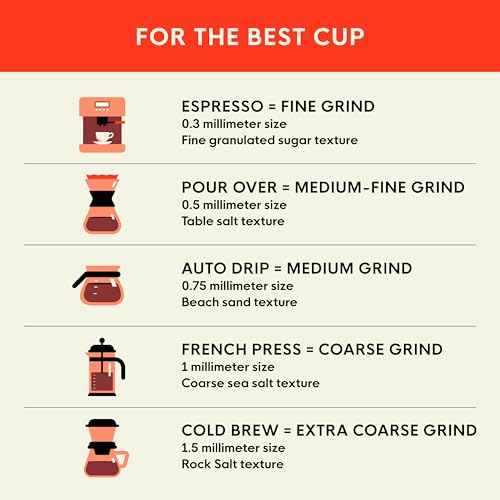
A quality decaf bean prioritizes the decaffeination process itself – Swiss Water Process or CO2 methods are preferred for preserving flavor. Beyond that, look for 100% Arabica beans, detailed roast dates (not just “best by” dates), and transparency about sourcing. Consider your preferred brew method as well, as grind size and roast level play crucial roles.
Roast Level & Flavor Profile
Many people assume decaf means bland, but that’s simply not true. The roast level is still paramount in developing the flavor you want. A lighter roast will highlight the bean’s origin characteristics – floral notes, bright acidity – while a darker roast will deliver a bolder, more chocolatey, or smoky experience. Don’t be afraid to experiment. If you typically enjoy a dark roast, seeking out a dark roast decaf like the San Francisco Bay Decaf French Roast is a good starting point. Ultimately, choosing decaf coffee beans should be guided by your taste preferences, not just the fact that caffeine is removed.
Decaffeination Process
The method used to remove caffeine significantly impacts the final taste. The Swiss Water Process (SWP) is widely considered the gold standard because it uses only water to extract caffeine, preserving more of the bean’s natural flavors. CO2 decaffeination is another excellent option, offering similar results. Avoid coffees decaffeinated using chemical solvents like methylene chloride or ethyl acetate, even though trace amounts are considered safe by the FDA. While the chemical methods are cheaper, they can leave an unpleasant aftertaste. You’ll find brands like Blue Bottle and San Francisco Bay proudly advertising their use of the SWP, and it’s a key factor when I’m considering different options.
Here’s how to think about decaffeination when comparing beans: * Swiss Water Process: Generally the most flavor-preserving, but can be slightly more expensive. * CO2 Process: A close second to SWP, offering similar results with a natural process. * Chemical Methods: Least desirable due to potential flavor impact, though generally considered safe.
A good rule of thumb is this: if a brand doesn’t clearly state how the beans were decaffeinated, it’s best to move on.
Freshness & Sourcing
Like all coffee, decaf beans degrade over time. Look for a roast date on the bag, ideally within the last month. Whole bean coffee stays fresher longer, so grinding your own beans right before brewing is always preferable. Beyond freshness, pay attention to sourcing. Brands that prioritize direct trade or sustainable farming practices, like Mayorga, are generally a better bet. Not only are you supporting ethical businesses, but these beans are often higher quality. For a consistently good, readily available option, explore flavorful decaf coffee brands that prioritize transparency in their supply chain.
Decaf Coffee Beans Compared
Here’s a comparison of key specifications for the listed decaf coffee beans to help you find the right choice.
| Product Name | Roast Level | Origin | Decaffeination Method | Whole Bean/Ground | Aroma/Flavor Profile |
|---|---|---|---|---|---|
| Kicking Horse Decaf Dark Roast | Dark | N/A | N/A | Whole Bean | Hazelnut, chocolate |
| Blue Bottle Organic Decaf | Medium-Dark | N/A | Swiss Water | Whole Bean | Smooth |
| 365 Buzz Free Decaf | N/A | Sustainable Small Growers | Natural | N/A | N/A |
| San Francisco Bay Decaf French Roast | Dark | Central/S. America | Swiss Water | Whole Bean | Bold, smoky |
| San Francisco Bay Decaf Bay Bridge | Medium | N/A | Swiss Water | Whole Bean | Cocoa, berries |
| Mayorga Decaf Cubano Roast | Dark | Peru/Honduras/Nicaragua | Swiss Water | Whole Bean | Vanilla, syrupy smokiness |
| Amazon Fresh Decaf Colombia | Medium | Colombia | N/A | Whole Bean | N/A |
| Black Rifle Just Decaf | Medium | Colombia/Brazil | N/A | Whole Bean | Cocoa, vanilla, buttery |
| Lavazza DEK Whole Bean | Dark | N/A | Natural | Whole Bean | Roasted cereals, barrique |
Frequently Asked Questions
What’s the difference between Swiss Water Process and other decaffeination methods?
The Swiss Water Process is generally considered superior because it uses only water to remove caffeine, preserving more of the bean’s original flavor compounds. Other methods, particularly those using chemical solvents, can sometimes leave behind unwanted tastes or residues, so many people prefer Swiss Water Process decaf.
How long do decaf coffee beans stay fresh after roasting?
Ideally, you should consume decaf beans within two to four weeks of the roast date for peak flavor. After that, the beans start to lose their aromatic oils and become stale, though they remain perfectly safe to drink.
Can dark roast decaf coffee still have a strong flavor?
Yes, a dark roast decaf can be very bold and flavorful. The roasting process develops flavors like chocolate, caramel, and even smoky notes, compensating for the caffeine removal.
Are all decaf coffee beans created equal in terms of caffeine content?
While labeled “decaf,” beans aren’t entirely caffeine-free. Regulations require decaf coffee to have no more than 0.1% caffeine by weight. However, the exact amount can vary slightly depending on the process and the bean type.
What should I look for if I want to avoid chemical solvents in my decaf coffee?
If you want to avoid chemical solvents, look for coffee specifically labeled as “Swiss Water Process” or “CO2 Process” decaffeinated, as these are both natural methods. Avoiding any ambiguous labeling and seeking out chemical-free decaffeinated coffee is the best way to be sure.
The Bottom Line
Choosing the best decaf coffee beans often comes down to balancing your desire for a flavorful cup with your budget and preferences. While there’s a wide range in price and profile, the San Francisco Bay Decaf French Roast consistently stands out as an excellent all-around choice, offering a bold, satisfying experience thanks to its dark roast and Swiss Water Process decaffeination. It’s a reliable pick for anyone seeking a rich, full-bodied decaf without compromise.
For those prioritizing specific needs, we have several strong recommendations. If budget is your primary concern, the Amazon Fresh Decaf Colombia provides a decent cup at a very accessible price. Those wanting versatility and a consistently smooth experience should consider Blue Bottle Organic Decaf, particularly if you value a Swiss Water Process decaf and organic sourcing.
Ultimately, the most crucial factors are freshness – look for a recent roast date – and the decaffeination method. Don’t settle for beans where the process isn’t clearly stated; prioritizing a solvent-free decaf coffee like those using the Swiss Water Process will almost always result in a better-tasting, more enjoyable experience. A great cup of decaf, like any coffee, starts with quality beans and attention to detail.
