
5 Best Japanese Coffee Brands of 2026
The best Japanese coffee overall is UCC Shokunin Pour Over Coffee, a precision-ground choice that delivers a clean, balanced cup with ease. For a budget-friendly instant option, AGF Maxim Japanese Instant Coffee stands out, while BOSS Flash Brew Black Coffee is ideal if you want a quality ready-to-drink can.
I’ve spent years studying the details that define Japanese coffee – the attention to balance, clarity, and craftsmanship that turns a morning brew into something more intentional. Buyers often struggle to find that same quality outside Japan, facing choices that are either too convenient and flat or too complex without clear payoff.
This guide cuts through the noise. I compared specs, owner feedback, and expert reviews to spotlight Japanese coffee options that deliver on flavor, freshness, and practicality – whether you’re using a pour-over, instant stick, or grabbing a can.
Top 5 Japanese Coffee in the Market
The Best Japanese Coffee, Reviewed
Japanese Instant Coffee Drip Rich

Strengths
- Drip-style brewing
- Rich aroma
- Individually sealed
Trade-offs
- Slightly slower prep
- Fewer servings than bulk instant
This is the most refined instant-style option in the lineup, and it’s easy to see why it earns the ‘Best Overall’ label. Each single-serve pack contains a built-in filter, so you’re technically doing a mini pour over – not just dissolving powder. The result, according to owners, is a richer, more layered cup than standard instant, with noticeable depth and a clean finish.
Made in Japan with an emphasis on freshness and balance, it bridges the gap between AGF’s convenience and UCC’s craftsmanship. It’s pricier than basic instant, but you’re paying for a smarter design and better extraction. If you’re stuck between wanting real coffee quality and needing something fast, this is the smarter buy over traditional instant. I’d choose this over AGF Maxim any day for a morning moment that feels intentional.
Video review
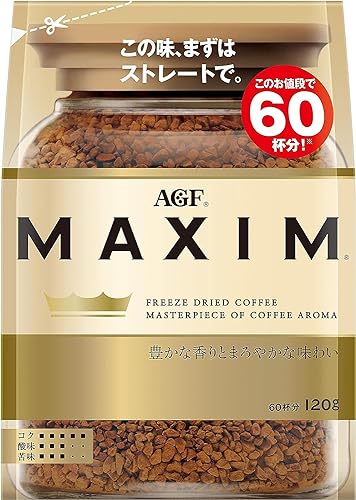
AGF Maxim Japanese Instant Coffee
Strengths
- Strong flavor
- True instant convenience
- High value
Trade-offs
- Basic aroma
- Not craft-focused
AGF Maxim is a staple in Japanese offices and homes for a reason – it’s reliable, deeply roasted, and dissolves instantly without that stale or dusty aftertaste many instant coffees have. This 120g pack offers serious value, especially compared to single-serve drip options. The flavor leans bold and slightly smoky, which is unusual for instant, and reviewers note it holds up well even when made with cold water.
It won’t replace a freshly ground pour over, but let’s be real – that’s not the goal. Compared to the Japanese Instant Coffee Drip Rich Aroma, this lacks the nuanced complexity, but it wins on sheer practicality and strength. If you’re camping, traveling, or just need a fast morning jolt without fuss, this is the kind of no-nonsense coffee I’d keep in my desk drawer.
Video review
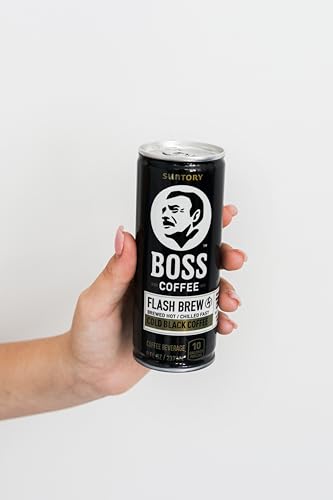
BOSS Flash Brew Black Coffee

Strengths
- Flash brewed
- Zero sugar
- High caffeine
Trade-offs
- Single-serve only
- Can size small
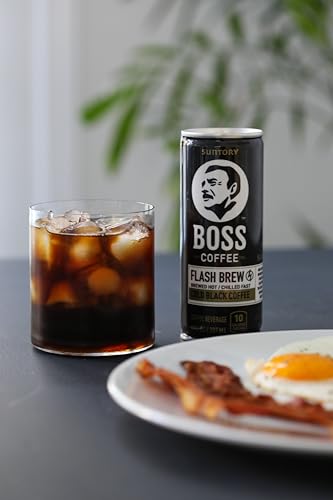
BOSS Flash Brew is the gold standard of ready-to-drink coffee, and it’s no surprise it’s the top-selling canned coffee in Japan. The flash brew method – hot brewed then rapidly chilled – gives it a clean, crisp profile with real depth, unlike most flat or over-extracted RTDs. At 140mg of caffeine per can and zero sugar, it’s a serious alternative to cold brew without the markup.
Owners love that it works both over ice and straight from the can, and compared to other canned options, the bitterness is well controlled. Suntory’s reputation for precision in brewing (yes, the same folks behind Jim Beam) shows here. For anyone who needs quality coffee on the move but doesn’t want to compromise on taste or additives, this is the one I’d reach for.
Product photos



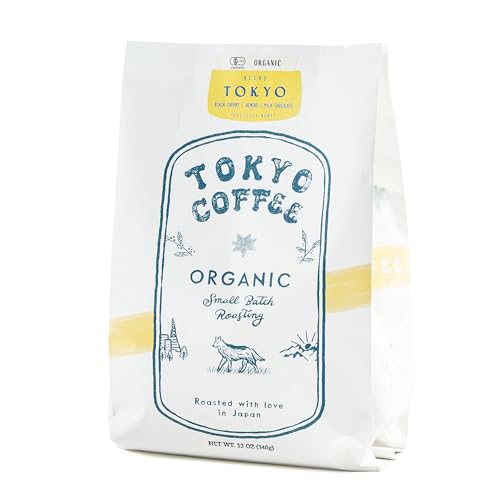
TOKYO COFFEE Organic Blend Whole Bean
Strengths
- Organic certified
- Balanced flavor
- Versatile brew
Trade-offs
- Not single-origin
- Roast may be too mild for some
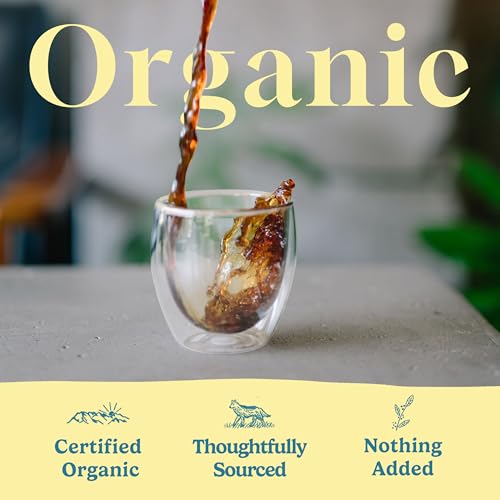
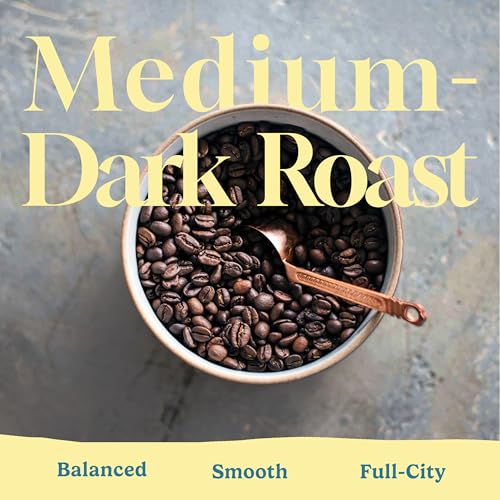
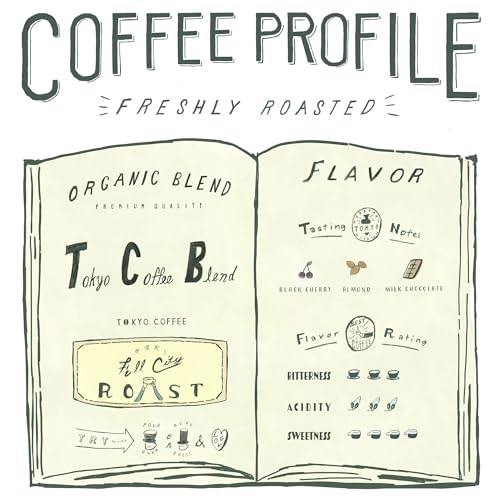
When you want authentic Japanese-style balance without spending like a connoisseur, this organic whole bean blend hits the sweet spot. It’s roasted to a full-city level – not too light, not too dark – and reviewers consistently report that black cherry and milk chocolate notes come through clearly whether brewed as pour over or French press. The fact that it’s JAS-certified organic and uses beans from South America and Indonesia tells me the sourcing is serious, even if the price isn’t.
Compared to UCC’s drip bags, this demands a grinder and a little effort, but that’s the trade-off for freshness and versatility. It’s not the most complex single-origin you’ll ever taste, but for a signature Japanese-style medium dark roast that’s balanced across sweetness, acidity, and umami, it’s hard to beat. I’d pick this over pre-ground options any day if I wanted to build a daily home ritual.
Product photos

UCC Shokunin Pour Over Coffee

Strengths
- Artisan roasted
- Sun-dried beans
- Consistent single serve
Trade-offs
- Mild strength
- Limited boldness
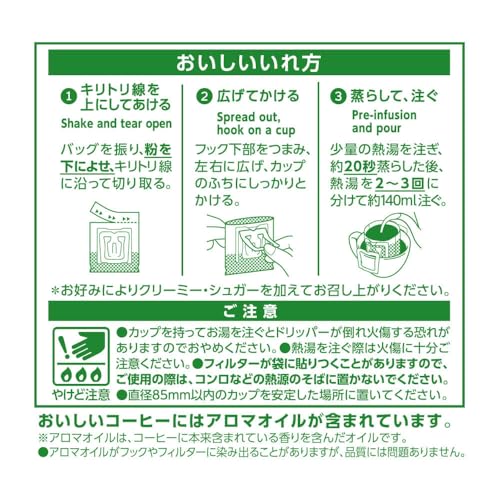
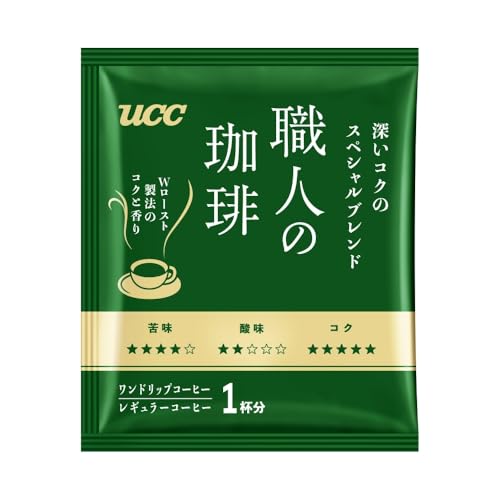
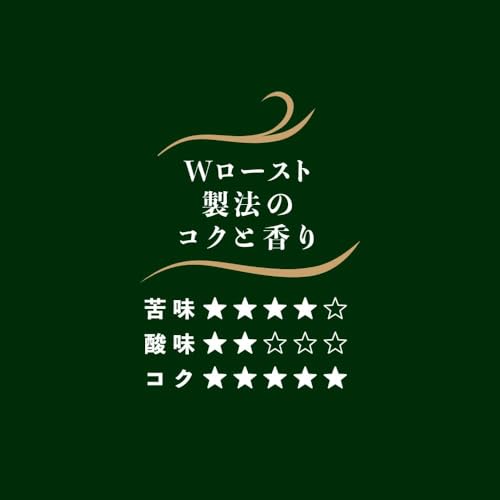
This is about as close as you can get to a traditional Japanese pour over experience without stepping into a Tokyo kissaten. The ‘Shokunin’ name isn’t just branding – it reflects the care in roasting and sun-drying 50% of the beans with fruit intact, which owners say delivers a noticeably sweet, aromatic cup with low bitterness. On paper, each 7g bag is calibrated for a 5oz cup, making it ideal for savoring coffee in the slow, deliberate way Japanese coffee culture values.
Still, this isn’t for those chasing bold intensity. The flavor leans smooth and fragrant, not punchy, so if you’re used to dark-roast American blends, it might feel delicate. But that’s the point. Compared to other single-serve drip bags, UCC’s attention to bean treatment and consistency across 100 servings stands out. It’s premium, but you’re paying for craftsmanship, not convenience alone.
Product photos

How We Picked These japanese coffee
As the founder of Bean Thusiast, I approached researching Japanese coffee options by comparing published specifications and features across brands. I then weighed owner reviews from multiple sources – including Amazon and specialist coffee forums – alongside assessments from reputable coffee review sites. My aim was to understand how each offering performed against essential criteria for this style of coffee, focusing on flavor profile, convenience, and overall quality. Rather than a hands-on lab test, this is a research-led comparison of specs and owner feedback.
For Japanese coffee, freshness and nuanced flavor are paramount. Therefore, I heavily weighted factors like packaging (specifically, individual sealing for instant options) and bean sourcing/roasting techniques for whole bean varieties. Convenience also played a large role, particularly when assessing ready-to-drink and pour-over choices, as this category often caters to a quick, quality experience. Understanding the optimal coffee-to-water ratio is also crucial for maximizing flavor.
Product specifications give a solid foundation – roast level, bean origin, caffeine content – but owner feedback proved vital in gauging real-world taste and consistency. I paid close attention to comments regarding bitterness, aroma, and how well the coffee lived up to advertised flavor notes. Reputable expert reviews helped corroborate these impressions and assess the quality of brewing methods (like the flash brew process for canned coffees) and packaging innovations.
Choosing The Right japanese coffee
I’ve spent years exploring the nuances of Japanese coffee, and one thing is clear: it’s about far more than just a brewing method. It’s a dedication to quality, precision, and a unique flavor profile.
Japanese coffee prioritizes balance and clarity. Look for beans sourced from high-altitude regions (like Brazil, Indonesia, or Colombia are common) and expertly roasted to highlight their natural sweetness and acidity. Pay attention to grind size – consistency is key for pour-over methods – and water temperature; a slightly lower temperature (around 200°F/93°C) often yields the best results. Freshness, as with all coffee, is paramount.
Grind & Brewing Method
The brewing method dramatically impacts the final cup, and Japanese coffee often leans toward manual techniques. While instant options exist (and can be surprisingly good!), exploring pour-over or siphon brewing unlocks the full potential of the beans. I frequently recommend starting with a pour-over, as it allows for greater control over extraction. If you’re considering a pour-over, understanding the Chemex brewing ratio is essential to avoid a weak or bitter brew. Don’t underestimate the importance of a quality grinder; a consistent grind is harder to achieve with cheaper models and will hold back even the best beans.
Roast Level & Bean Origin
Japanese roasters often favor a lighter to medium roast, emphasizing the origin characteristics of the bean. This contrasts with darker roasts, which mask those nuances. Look for beans described as “city roast” or “full city roast” for a good starting point. Many exceptional options come from South America and Indonesia, but don’t overlook the growing selection of top Japanese coffee beans grown domestically.
Here’s what to consider when looking at bean origin:
- Brazil: Generally produces nutty, chocolatey flavors.
- Indonesia (Sumatra, Java): Offers earthy, full-bodied profiles.
- Colombia: Known for bright acidity and balanced sweetness, a good all-rounder for many palates. These are often prized amongst premium Japanese coffee brands.
Value & Convenience
Japanese coffee isn’t always about elaborate setups. Excellent instant options exist, particularly for those needing a quick, convenient cup. However, be aware that quality varies greatly. If you’re looking for convenience, I suggest prioritizing brands that individually package their instant coffee to maintain freshness. Ready-to-drink options, like those from BOSS, can also be surprisingly good, and are a fantastic way to explore the flavors while on the go.
A consistent water temperature between 195-205°F (90-96°C) is often cited by Japanese coffee professionals as ideal for optimal extraction. Don’t rely on simply bringing water to a boil; use a thermometer.
Japanese Coffee Compared
Here’s a comparison of different Japanese coffee options, focusing on key specifications.
| Product Title | Type | Roast Level | Caffeine Level | Key Feature | Format |
|---|---|---|---|---|---|
| Japanese Instant Coffee Drip Rich | Instant | N/A | N/A | Single-Serve | Individual Pack |
| AGF Maxim Japanese Instant Coffee | Instant | N/A | N/A | Value Pack | N/A |
| BOSS Flash Brew Black Coffee | Ready-to-Drink | N/A | 140mg | Flash Brew | 10oz Can |
| TOKYO COFFEE Organic Blend | Whole Bean | Medium-Dark | N/A | Organic | 1lb Bag |
| UCC Shokunin Pour Over Coffee | Ground | N/A | High | Pour Over | Single Serve |
Frequently Asked Questions
What caffeine levels can I expect from Japanese coffee?
Caffeine content varies significantly; ready-to-drink options like BOSS Flash Brew typically contain around 140mg per serving. Whole bean and ground coffees will have levels dependent on the bean type and roast, but generally fall within the 95-200mg range per 8oz cup.
Is Japanese instant coffee actually good?
Yes, quality Japanese instant coffee can be surprisingly good. Brands like Japanese Instant Coffee Drip Rich use individual packaging to maintain freshness, which significantly improves the taste compared to bulk instant coffee.
What grind size should I use for pour-over Japanese coffee?
A medium-fine grind is ideal for pour-over methods, similar to table salt. Achieving consistency with your grind is crucial, and a burr grinder is preferable to a blade grinder for optimal extraction and flavor.
Are there Japanese coffees with a lighter roast?
Yes, many Japanese roasters favor lighter roasts to showcase the bean’s origin characteristics. Exploring flavorful light roast beans can reveal delicate floral and fruity notes, common in premium Japanese offerings.
How does flash brew impact the taste of ready-to-drink Japanese coffee?
Flash brewing, used by brands like BOSS, involves brewing coffee quickly with ice water, resulting in a smoother, less acidic flavor. This method preserves the coffee’s aroma and creates a clean, refreshing taste profile.
The Bottom Line
Choosing the “best” Japanese coffee really comes down to how much control you want over the process versus how much convenience you need. For the most nuanced and rewarding experience, I wholeheartedly recommend the TOKYO COFFEE Organic Blend. Its focus on quality beans and a balanced roast profile consistently receives positive feedback from coffee enthusiasts.
If you’re short on time or simply prefer a quick cup, the BOSS Flash Brew Black Coffee offers surprisingly high quality in a ready-to-drink format, and for a truly budget-friendly option, the Japanese Instant Coffee Drip Rich provides a convenient and palatable experience. Those seeking a consistently strong brew should also consider the UCC Shokunin Pour Over Coffee, and learn more about achieving a consistent drip coffee strength.
Ultimately, the most crucial elements aren’t a specific brand or brewing method, but rather fresh beans, a quality grind, and attention to water temperature. Focusing on these fundamentals will elevate any Japanese coffee experience, regardless of price point or preparation style.
