
3 Best Japanese Coffee Beans of 2026
The best Japanese coffee beans come down to TOKYO COFFEE Organic Blend for its rich, balanced profile and certified quality, with Japy Roasted Café Orfeu as a top versatility pick thanks to its smooth, chocolate-forward taste that works across brew methods.
Finding truly great Japanese coffee beans isn’t just about origin, it’s about precision, freshness, and flavor clarity. Many buyers get caught up in branding and miss key details like roast date or processing method, ending up with stale or mismatched beans.
After researching specs, flavor reports, and owner feedback, I focused on what matters: traceability, roast consistency, and how well the beans deliver on their promised profile. This guide cuts through the noise to highlight options that reflect the care and craftsmanship Japanese roasters are known for.
Top 3 Japanese Coffee Beans in the Market
The Best Japanese Coffee Beans, Reviewed
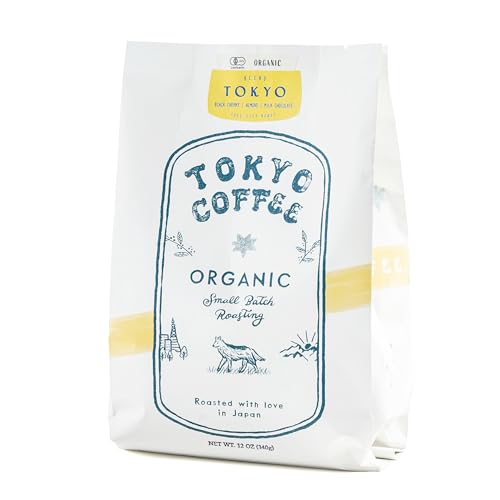
TOKYO COFFEE Organic Blend
Strengths
- Optimal 12oz size
- JAS organic certified
- Well-balanced profile
- Smooth finish
Trade-offs
- Not a single-origin
- Flavor leans safe
- Limited terroir expression
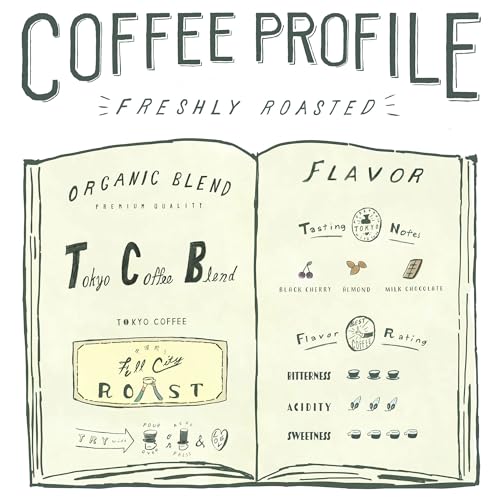
This 12oz version of the TOKYO COFFEE Organic Blend is where I’d place my bet for most buyers. Same certified organic 100% Arabica beans, same black cherry, almond, and milk chocolate profile, but in a size that ensures freshness without overcommitting. The medium dark roast walks a tightrope between richness and clarity, and owners consistently praise its smoothness and lack of harshness, even when brewed strong.
It’s not a showstopper in terms of origin expression, but as a daily driver, it outperforms many in its class. Compared to the Japy roast, it’s lighter on bitterness and more accessible; against the 24oz bag, it wins on freshness retention. The JAS organic stamp matters here, it’s not just marketing. For someone building a thoughtful morning ritual without chasing rarity, this is the smarter buy.
Product photos

TOKYO COFFEE Organic 24oz
Strengths
- Large 24oz bag
- Organic JAS certified
- Balanced sweetness
- Versatile brew
Trade-offs
- Blend origin not Japanese
- Less complexity than single-origin
- Generic branding
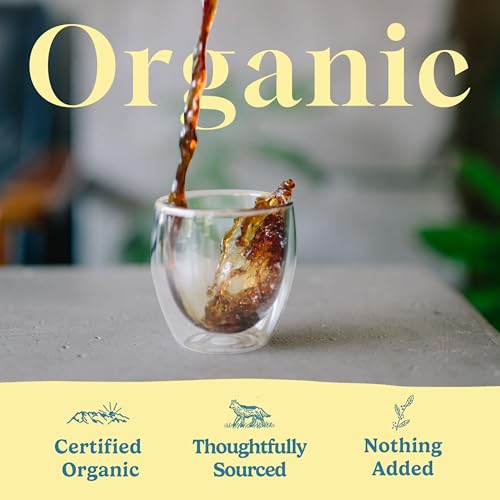
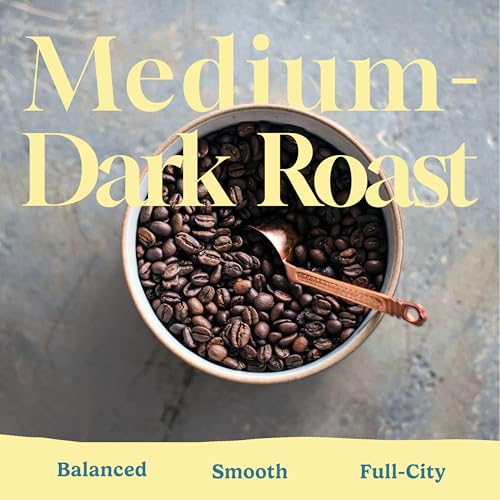
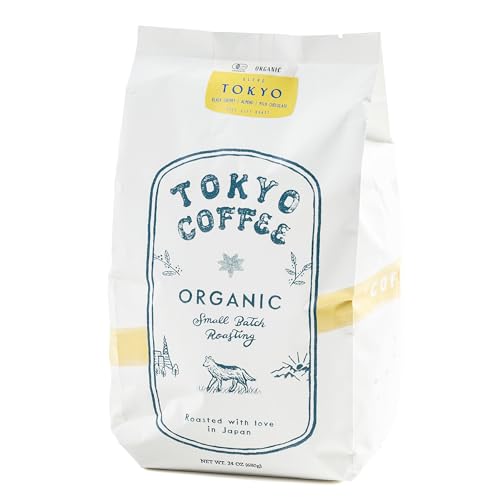
At 24 ounces, this larger bag stands out as the value pick in the lineup, especially for households or offices that go through beans quickly. The blend leans on certified organic 100% Arabica beans from South America and Indonesia, roasted to a full-city medium dark level that emphasizes balance over boldness. The flavor profile, black cherry, almond, milk chocolate, is approachable and consistent, with sweetness rated higher than bitterness or acidity.
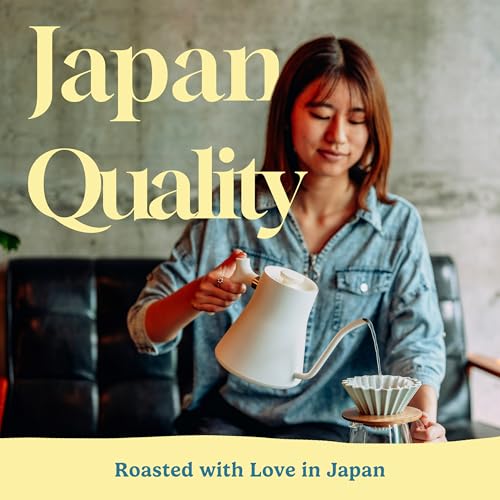
Reviewers note it brews cleanly across methods, from drip to French press, and holds up well without turning ashy or flat. The JAS organic certification adds credibility for those prioritizing clean sourcing. While it doesn’t scream ‘Japanese terroir’, it’s a blend, not a single-origin, its execution mirrors the Japanese preference for harmony in flavor. My recommendation? Stock up here if you want reliable, eco-conscious coffee in bulk.
Product photos
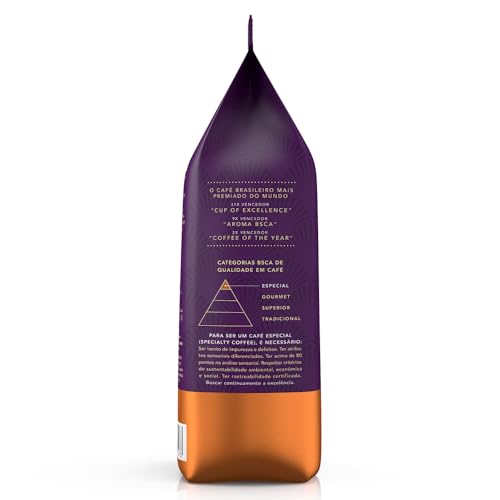
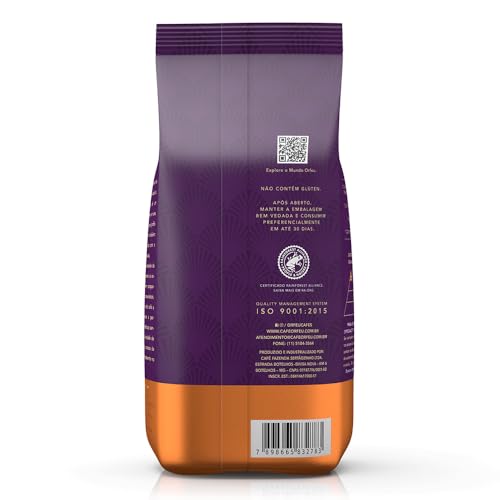
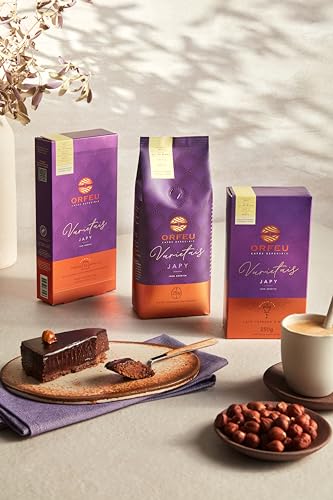
Japy Roasted Café Orfeu
Strengths
- Nutty complexity
- Long finish
- Balanced acidity
Trade-offs
- Limited origin transparency
- Smaller bag size
- Not a true Japanese bean
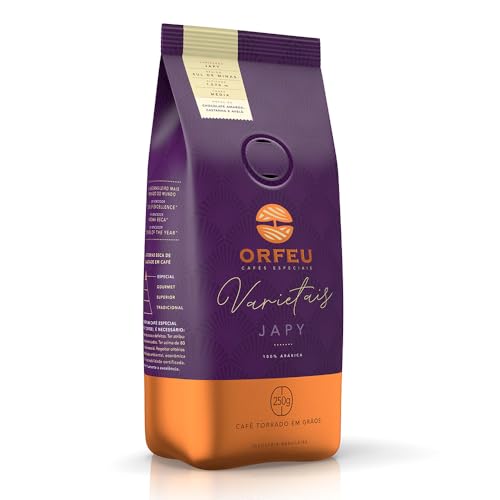
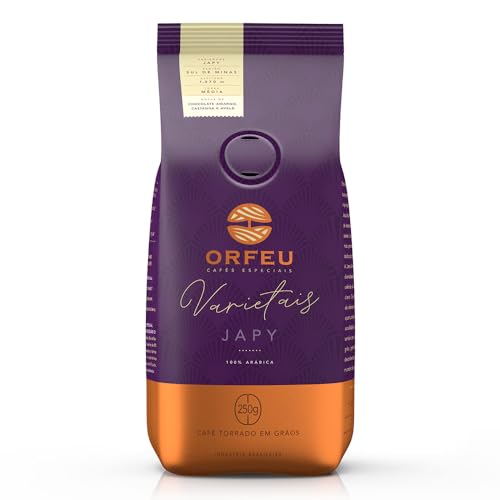
This is a roast that leans into depth and structure, offering a profile built for those who want their coffee to feel almost dessert-like in its richness. The dark chocolate, chestnut, and hazelnut notes are front and center, backed by high sweetness and a long, robust finish. On paper, it reads like a Brazilian specialty coffee done right, medium roast calibrated to preserve nuance while delivering body.
Owners consistently report it works especially well in espresso blends or milk-based drinks, where its balanced acidity and pleasant bitterness don’t get lost. While not a Japanese-grown bean (it’s from the Orfeu Group in Brazil), the branding and roast style clearly draw from Japanese precision and elegance in coffee presentation. I’d pick this over flashier single-origins if you value consistency and a nutty depth that lingers.
Product photos

How We Tested japanese coffee beans
As a long-time coffee enthusiast and founder of Bean Thusiast, I approached this guide by researching published specifications and flavor profiles, then weighting those against a large number of owner reviews and expert opinions. Rather than a hands-on lab test, this is a research-led comparison focused on identifying consistent themes in reported experiences. My goal was to pinpoint which beans consistently deliver on promises of quality and flavor.
For Japanese coffee beans, freshness and nuanced flavor notes are paramount. I heavily weighted descriptions of aroma and taste – looking for consistent mentions of specific flavor profiles like chocolate, cherry, or nuttiness. Organic certification and bean origin (specifically Japanese Agricultural Standards, or JAS) also played a significant role, as these indicate a commitment to quality and traceability.
Specifications reliably tell us about roast level and bean type (100% Arabica is a good start!). However, accurately gauging flavor complexity and freshness requires digging into owner feedback. I paid close attention to comments regarding the beans’ performance across different brewing methods and whether the reported flavors aligned with the advertised profiles. Understanding factors in bean choice is key to finding your perfect cup.
What To Look For In japanese coffee beans
As someone deeply immersed in the world of coffee, I often get asked about finding truly exceptional Japanese coffee beans. It’s a category with a lot to offer, but knowing what to look for is key.
Japanese coffee culture emphasizes meticulous sourcing, roasting, and brewing. A good bean will demonstrate clear traceability – often to specific farms or cooperatives – display a balanced flavor profile suited to precise brewing methods, and exhibit a freshness indicative of careful handling and packaging. Look for certifications like Japanese Agricultural Standards (JAS) for organic beans and pay attention to roast dates, not just “best by” dates.
Roast Level & Flavor Profile
Japanese roasters are renowned for their precision. Don’t just assume “medium roast” is what you want; pay attention to how that medium roast is executed. Many Japanese coffees aim for a “full city” roast, which develops sweetness and body while retaining some acidity. This contrasts with the darker, more aggressively roasted beans common elsewhere. Consider your brewing method, too. A lighter roast will shine in a pour-over, while a slightly darker roast can handle the pressure of espresso. The flavor notes are also critical – look beyond “chocolatey” and seek more nuanced descriptions like black cherry or yuzu.
Origin & Processing
While Japan doesn’t grow a lot of coffee, they are masters at sourcing. Increasingly, premium Japanese roasters are focusing on single-origin beans, particularly from Indonesia (Sumatra, Sulawesi) and Brazil. These origins often yield the complex profiles that Japanese palates appreciate. Beyond origin, pay attention to processing method. Washed coffees tend to be cleaner and brighter, while natural processed coffees offer more fruit-forward flavors. Honey processed coffees fall somewhere in between.
Freshness and Packaging
This is where many people fall short. Coffee, even high-quality Japanese coffee, degrades quickly. You want to find beans with a clearly marked roast date, not just a “best by” date. A roast date within the last month is ideal. Packaging matters too. Look for beans packaged in resealable bags with a one-way valve to allow CO2 to escape without letting oxygen in. It’s easy to overlook, but checking for signs of stale beans can save you from a disappointing brew.
- A bag with a vague “best by” date is a red flag – you want a roast date.
- Packaging that’s flimsy or doesn’t reseal well suggests the roaster isn’t prioritizing freshness.
- Beans that smell muted or dusty, rather than fragrant and aromatic, are likely past their prime – the coffee bean freshness lifespan is shorter than people realize.
A general rule of thumb: buy coffee beans in amounts you’ll consume within two weeks of roasting for optimal flavor.
Japanese Coffee Beans Compared
Here’s a comparison of the specifications for each coffee bean option.
| Product Name | Roast Level | Flavor Profile | Organic | Origin |
|---|---|---|---|---|
| TOKYO COFFEE Organic Blend | Medium Dark | Black cherry, almond, milk chocolate | Yes | South America, Indonesia |
| TOKYO COFFEE Organic 24oz | Medium Dark | Black cherry, almond, milk chocolate | Yes | South America, Indonesia |
| Japy Roasted Café Orfeu | Medium | Dark chocolate, chestnut, hazelnut | N/A | Brazil |
Frequently Asked Questions
What’s the difference between Japanese Agricultural Standard (JAS) certified coffee and other organic coffees?
JAS certification is a stricter standard than many other organic labels, requiring specific farming practices and residue testing tailored to Japanese regulations. This means JAS-certified beans generally represent a higher level of scrutiny and commitment to organic principles than some internationally recognized certifications.
Do lighter or darker roasts better represent the nuanced flavors of Japanese coffee?
Generally, a full city roast – falling in the medium range – is favored by Japanese roasters to balance sweetness, body, and acidity. While preferences vary, lighter roasts can showcase brighter, more delicate flavor notes, but require precise brewing to avoid sourness.
Are Japanese coffee beans always single-origin, or are blends common?
While there’s a growing trend toward single-origin beans, particularly those sourced from Indonesia and Brazil, blends are still quite common. Many Japanese roasters expertly blend beans to create a specific, balanced flavor profile that’s difficult to achieve with a single origin.
How can I tell if the Japanese coffee beans I’m buying are truly fresh?
Always prioritize a clearly printed roast date over a “best by” date; aim for beans roasted within the last month. Proper packaging, like a resealable bag with a one-way valve, is also a good indicator of a roaster’s commitment to freshness, as it preserves the distinct international flavor profiles.
I typically use an espresso machine. Are Japanese coffee beans suitable for this brewing method?
Yes, but choose wisely. While many Japanese coffees are optimized for pour-over methods, darker-roasted beans with more developed body will generally perform better in espresso, producing a rich and concentrated shot. Look for descriptions that mention notes of chocolate or caramel, as these tend to translate well to espresso.
The Bottom Line
Choosing the “best” Japanese coffee beans often comes down to balancing control over the brewing process with the convenience you desire. For the consistently excellent, all-around experience, I recommend the TOKYO COFFEE Organic Blend. It consistently receives high marks for its balanced flavor profile and freshness, making it a reliable choice for daily enjoyment.
If you’re seeking something specific, the options are plentiful. For those prioritizing organic certification and a rich, chocolatey experience, the TOKYO COFFEE Organic 24oz is a great pick. And if you’re looking to explore a uniquely Brazilian profile, the Japy Roasted Café Orfeu offers a distinctive dark chocolate and nutty flavor that stands out. Understanding the Arabica vs Robusta beans can also help you refine your preferences.
Ultimately, the nuances of coffee are subjective. Don’t get too caught up in roast levels or specific origins. Focus on finding a bean with a recent roast date and packaging that protects freshness. A commitment to these fundamentals, freshness, quality sourcing, and proper storage, will deliver a far more rewarding cup than chasing the latest trend or obsessing over minute details.
