
5 Best High Protein Coffees of 2026
The best high protein coffee for most people is Starbucks Coffee & Protein, followed by Chike High Protein Iced Coffee as a strong budget pick with solid flavor and caffeine. Javvy Protein Iced Coffee stands out if you’re after extra functional ingredients like prebiotics and MCT oil.
If you’re trying to fuel an active lifestyle without sacrificing your coffee ritual, you’ve probably run into the same problem: too many protein coffees taste like chalky afterthoughts. They promise energy and nutrition but deliver a gritty sip that kills the joy of your morning brew.
In this guide, I break down the top options based on protein quality, taste, mixability, and real user feedback. These picks weren’t chosen from ads or hype, they’re the ones that consistently stand out in specs and reviews for actually being drinkable, reliable, and worth your routine.
Top 5 High Protein Coffee in the Market
The Best High Protein Coffee, Reviewed
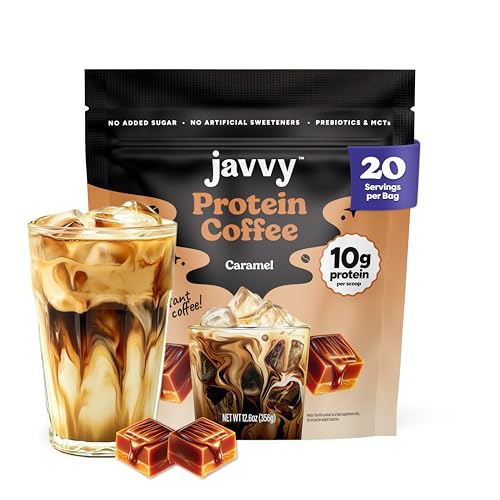
Javvy Protein Iced Coffee, Caramel
Strengths
- Mixes smoothly
- Clean ingredient list
- Balanced flavor
Trade-offs
- 10g protein (moderate)
- Only one flavor listed
- Scoop not included
Javvy earns the ‘Best Overall’ label because it strikes the most balanced profile across taste, function, and flexibility. With 10g of whey protein, 80mg of caffeine from 100% Arabica cold brew, and added prebiotics and MCTs, it’s formulated for real-world use, morning focus, post-workout recovery, or just a clean energy lift. Owners rave about how smoothly it dissolves, with no clumping or grit, which is a common complaint with other protein powders.
It doesn’t have the highest protein count here, but it makes up for it with clean flavor and versatility. You can mix it in water, milk, or even blend it into a smoothie. The caramel version tastes like a high-end café drink without artificial sweetness. When stacked against Chike or Venture Pal, Javvy offers a more refined sensory experience while still supporting wellness goals. For most buyers, this is the easiest daily driver.
Product photos


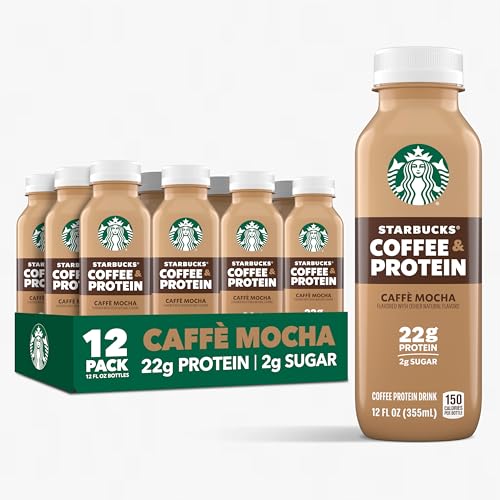
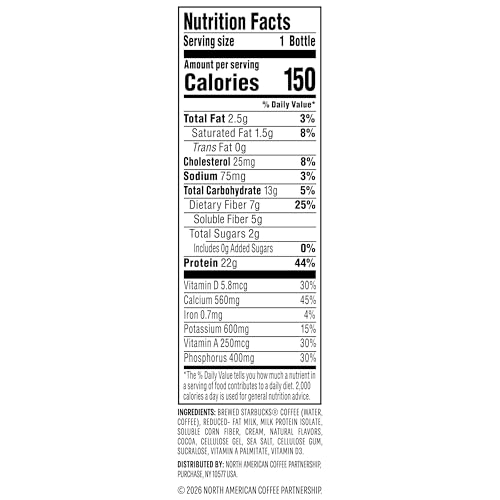
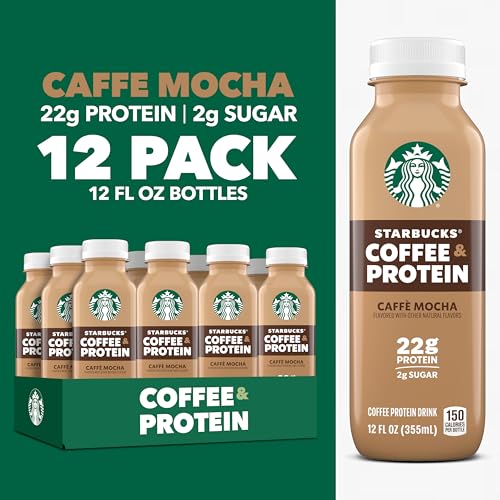
Starbucks Coffee & Protein, Caffe Mocha
Strengths
- 22g complete protein
- Ready to drink
- 5g prebiotic fiber
Trade-offs
- Bulky packaging
- No flavor variety
- Less portable
This ready-to-drink Caffe Mocha is the most convenient option here, no mixing, no scooping, just grab and go. With 22g of complete protein, only 2g of sugar (no added), and 5g of prebiotic fiber, it’s nutritionally packed and built for people balancing fitness and flavor. The Starbucks blend of bold coffee and creamy protein gives it a café-quality feel, and owners consistently say it tastes like a treat without the guilt.
It’s also one of the few with added vitamins and minerals, which adds to its appeal as a meal replacement or post-workout recovery drink. But that convenience comes at a cost, literally. It’s heavier and less portable than powder formats, and once opened, it must be consumed immediately. Compared to Javvy or Chike, it’s less customizable, but for someone who wants a premium, no-fuss experience, this is the gold standard. If you’re comparing protein content alone, this leads the pack.
Product photos


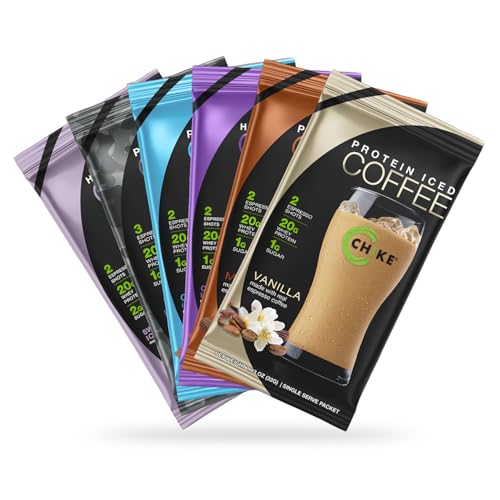
Chike High Protein Iced Coffee Sampler
Strengths
- 20g protein per serving
- Real espresso shots
- Great flavor variety
Trade-offs
- Higher price per serving
- Single-use packaging
- Some thickness when mixed
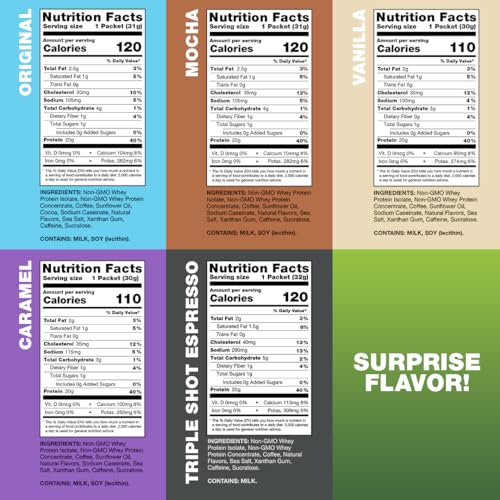
If you’re new to protein coffee or just want to explore without commitment, Chike’s sampler pack is the most practical entry point. Each single-serve packet delivers a full 20g of non-GMO whey protein and 150mg of caffeine from real espresso, making it one of the strongest in this lineup. Reviewers highlight how smooth it tastes compared to chalky competitors, and the fact that it uses actual espresso shots instead of instant coffee gives it a noticeable edge in flavor authenticity.
The variety is the real selling point here. Being able to test multiple flavors helps you find your match without buying full containers blindly. That said, it’s among the pricier per-serving options, and some owners note the texture can get a bit thick if not mixed well. Still, when you compare it to Starbucks’ ready-to-drink version, Chike offers similar protein and caffeine at a more portable, mix-yourself convenience.
Product photos


Venture Pal Sugar Free Protein Coffee
Strengths
- Keto friendly
- With probiotics
- No artificial additives
Trade-offs
- Protein amount not specified
- Lower caffeine
- Limited flavor options
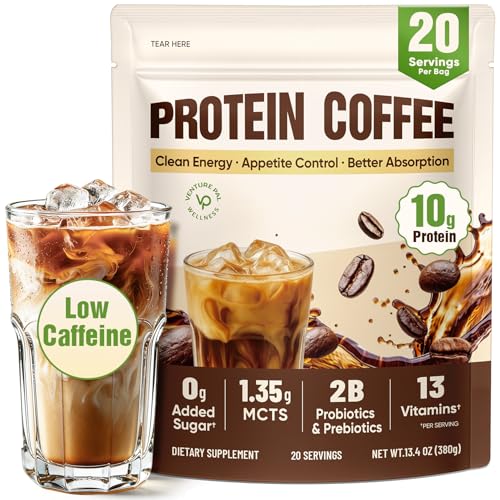
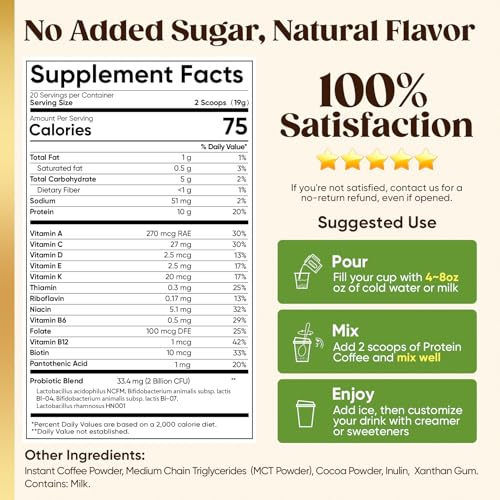
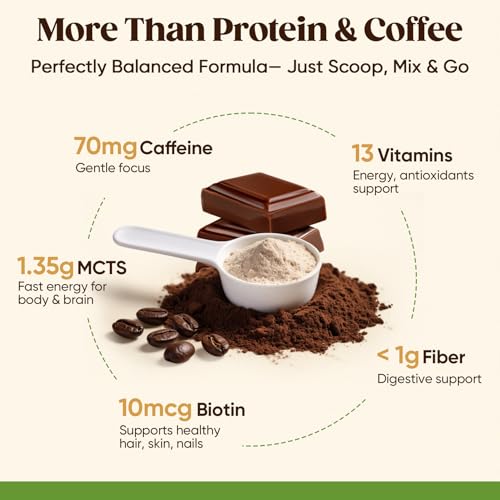
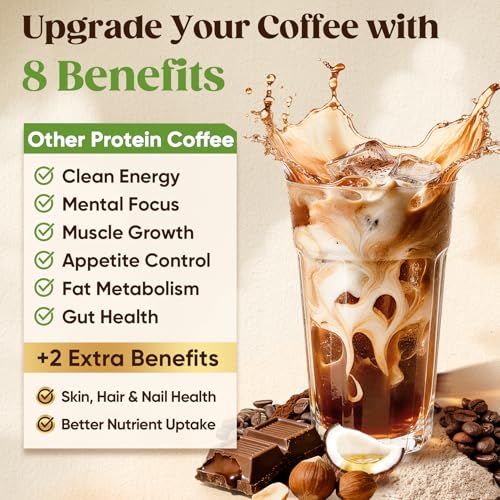
This is one of those rare high protein coffees that leans hard into wellness without sacrificing drinkability. On paper, the blend of 70mg caffeine, MCT oil, probiotics, fiber, and 13 vitamins makes it feel like a meal replacement in coffee form. Owners consistently report it delivers steady energy without the crash, and the sugar-free formula using stevia holds up well in taste tests across reviews. The mocha flavor is described as rich but not cloying, which is impressive for an instant mix.
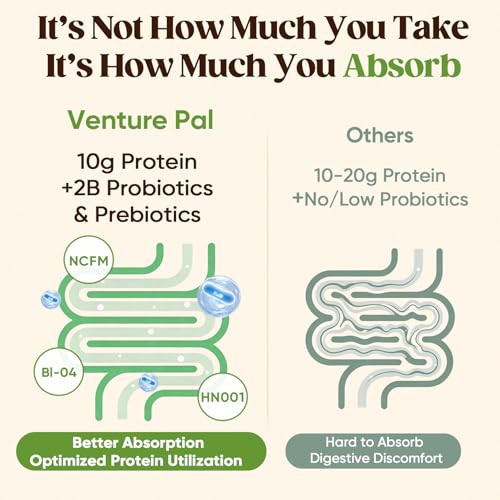
Where it really stands out is for people focused on gut health and clean fueling. The inclusion of 2 billion probiotics and prebiotic fiber isn’t just marketing fluff, reviewers with sensitive digestion note it sits well. Compared to others in this category, it’s lower in protein (exact grams aren’t listed, which is a red flag), so it’s not the pick if muscle recovery is your main goal. But for someone on a keto path who wants a full-spectrum nutritional boost with their caffeine, this ticks a lot of boxes.
Product photos

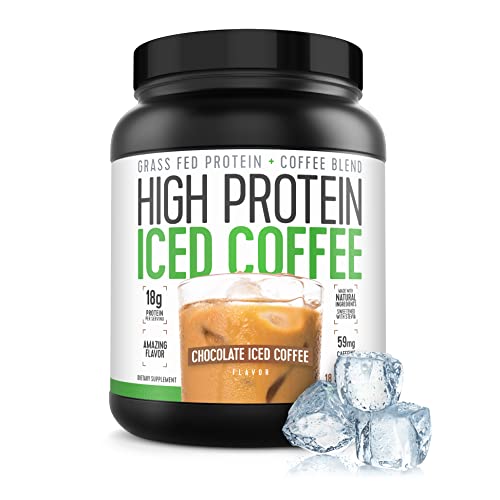
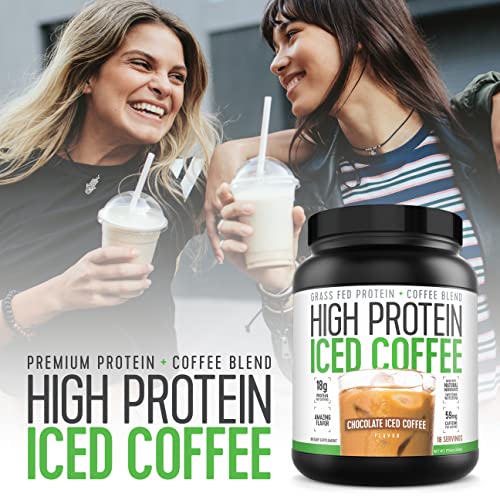
High Protein Coffee, Chocolate Iced Coffee
Strengths
- Budget friendly
- Grass-fed whey
- 18g protein
Trade-offs
- Chocolate only
- No caffeine listed
- Basic ingredient profile
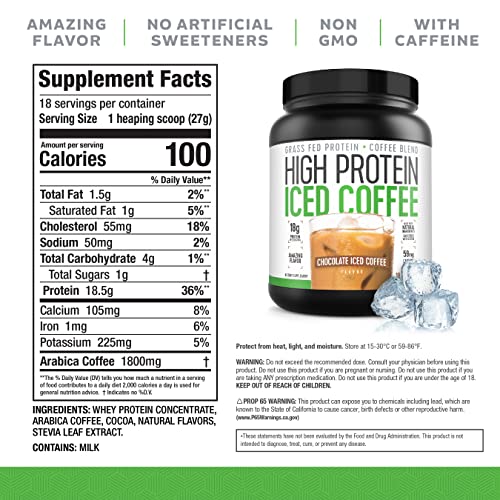
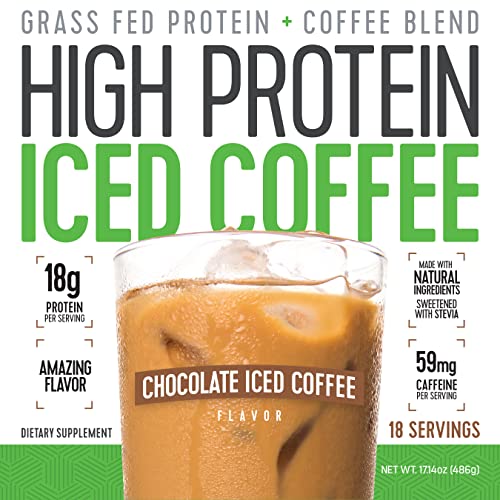
At 18g of protein and only 2g of carbs, this chocolate iced coffee option hits the sweet spot for value and performance. It uses non-GMO whey concentrate from grass-fed cows, which owners say mixes well and doesn’t leave that chalky residue some protein coffees do. The stevia-sweetened chocolate flavor gets consistent praise for being rich but not overly sweet, more like a mocha dessert than a sugary shake.
What makes this one stand out is how affordable it is relative to others on this list. For someone who drinks protein coffee daily, cost per serving matters, and this delivers without cutting corners on ingredients. That said, it’s only available in chocolate, which limits appeal. And while the caffeine content isn’t listed, most assume it’s modest since it’s based on instant coffee. If you’re comparing it to Javvy or Starbucks, it lacks the extra functional ingredients like MCTs or fiber, but for pure protein-per-dollar, it’s hard to beat.
Product photos

How We Chose These high protein coffee
As the founder of Bean Thusiast, I approached researching high protein coffee by focusing on a research-led comparison of published product specifications, owner reviews, and insights from other coffee and fitness experts. Rather than a hands-on lab test, I weighed key features against established criteria for both coffee quality and protein content. I considered factors like protein source, added ingredients, sugar content, and reported flavor profiles.
For this category, the most important factors were the protein source and the overall taste experience. A high protein content is obviously vital, but a product that doesn’t taste good won’t get consumed regularly. I also prioritized products with thoughtfully added ingredients – things like prebiotics or MCT oil – that complement an active lifestyle. These elements elevate the product beyond a simple protein boost.
Product specifications reliably indicated protein content and caffeine levels. However, I heavily relied on owner feedback to gauge the actual taste, mixability, and potential for digestive issues. Reviews helped me discern whether a product truly delivered on its promises of a smooth, clump-free experience, and whether the flavor avoided that chalky protein taste. You can learn more about mixing protein powder in coffee on our site if you’re curious about the basics.
How To Choose The high protein coffee
Finding the right protein coffee can be a little more nuanced than just grabbing whatever’s cheapest.
A quality protein coffee balances flavor with effective protein delivery. Key considerations include the protein source (whey, casein, plant-based), added sugars or sweeteners, caffeine content, and how well the protein integrates into the beverage to avoid clumping or a chalky texture. Look for products that clearly state the protein amount per serving and use recognizable, quality ingredients.
Protein Source & Digestibility
The type of protein used drastically alters both the flavor and how your body processes it. Whey protein is the most common, known for its quick absorption – ideal for post-workout recovery. Casein protein digests slower, offering a more sustained release, and might be better suited for a longer-lasting energy boost. Plant-based proteins (pea, brown rice, soy) are excellent alternatives for those with dairy sensitivities or dietary preferences, but can sometimes have a slightly different texture or flavor profile. I’ve found that some brands mask plant-based protein flavors with excessive sweetness, so reading labels carefully is crucial.
Sweeteners & Additives
Many protein coffees rely on artificial sweeteners to cut costs and boost palatability, but these can cause digestive upset for some. Stevia and monk fruit are natural alternatives that offer sweetness without the same drawbacks. Beyond sweeteners, pay attention to added ingredients like prebiotics, MCT oil, or vitamins. While these can be beneficial, they also contribute to the overall cost and can influence the flavor. I always recommend starting with a simpler formulation and adding your own supplements if desired. You can find more information on best protein coffee brands on our site.
Convenience & Mixing Quality
Let’s be honest: if a protein coffee requires a blender and a five-minute cleanup, you’re less likely to stick with it. Instant mixes and pre-made bottled beverages offer maximum convenience, but can sometimes sacrifice flavor or texture. Powdered mixes vary greatly in their ability to dissolve properly. A good product should blend easily into hot or cold liquids without significant clumping. If you’re planning on adding it to hot coffee protein mixing specifically, that’s even more important. Here’s what I look for in a mixable protein coffee: * Minimal ingredients (less to interfere with solubility). * A fine powder consistency (coarse powders clump more easily). * Specific instructions for optimal mixing (some recommend cold water first, others a vigorous shake).
Don’t settle for protein coffee that tastes like chalky regret. A smooth, enjoyable experience is the key to building a lasting habit.
High Protein Coffee Compared
Here’s a comparison of key specifications for various high protein coffee products.
| Product Title | Protein per Serving | Caffeine (approx.) | Sugar (approx.) | Additives | Serving Size |
|---|---|---|---|---|---|
| Javvy Protein Iced Coffee | 10g | N/A | N/A | Prebiotics, goMCT | 20 servings |
| Starbucks Coffee & Protein | 22g | N/A | 2g | Vitamins, Fiber | 12 fl oz bottles |
| Chike High Protein Iced Coffee | 20g | 150mg | N/A | N/A | N/A |
| Venture Pal Sugar Free Protein Coffee | N/A | 70mg | 0g | Probiotics, Vitamins | N/A |
| High Protein Coffee | N/A | N/A | N/A | Stevia | N/A |
Frequently Asked Questions
What’s the ideal protein content in a high protein coffee?
Generally, 15-25 grams of protein per serving is a good target. This amount provides a noticeable boost without being excessive, and it aligns with typical post-workout recovery needs. However, your individual protein requirements depend on your activity level and overall diet.
Can I use any protein powder with my regular coffee?
You can, but choosing a smooth coffee-compatible protein is important. Whey protein concentrate often clumps and tastes artificial when mixed directly into hot coffee, so consider hydrolyzed whey or a plant-based blend designed for better solubility.
Are there downsides to pre-made protein coffees like Starbucks Coffee & Protein?
The convenience comes at a cost; pre-made options are typically more expensive per serving. They also often contain more added sugar and preservatives than powdered mixes you control yourself.
What should I look for to avoid a chalky texture?
A fine powder consistency is key, as is reading the ingredient list. Avoid products with excessive fillers or gums, and prioritize those utilizing hydrolyzed whey or specifically formulated plant proteins for a non-clumping coffee protein powder.
How does the protein source affect the taste of high protein coffee?
Plant-based proteins can sometimes have an earthier or bean-like flavor that requires more masking with sweeteners. Whey protein is generally more neutral, but lower-quality whey can still have a noticeable, artificial taste. I recommend experimenting to find a best protein powder for coffee that suits your palate.
The Bottom Line
Choosing a high protein coffee often comes down to balancing convenience with control over ingredients. For the best overall experience, I recommend Javvy Protein Iced Coffee. It strikes a good balance between a pleasant taste, a solid protein content, and beneficial additives like prebiotics and goMCT.
If you’re prioritizing a quick, ready-to-drink option, Starbucks Coffee & Protein delivers a substantial 22 grams of protein per bottle. For those seeking a sugar-free boost alongside their caffeine, Venture Pal Sugar Free Protein Coffee is a solid choice, offering probiotics and vitamins. If you’re looking for a way to incorporate more protein into your how to make protein coffee, there are many options to explore.
Ultimately, the specifics – protein source, sweeteners, caffeine level – matter less than consistently finding a product you actually enjoy. A good protein coffee should complement your routine, not feel like a chore. Focus on quality ingredients and a flavor profile that suits your preferences, and you’ll be well on your way to a more energized and satisfying day.
