
8 Best Protein Coffees of 2026
The best protein coffee overall is Premier Protein Shake Cafe Latte, with 30g of protein and just 1g of sugar in a ready-to-drink format. For a budget-friendly powder option, Premier Protein Powder Cafe Latte delivers the same high protein count with real coffee flavor. If you want added functional benefits, Protein Coffee with Collagen MCT stands out with probiotics and MCT oil.
Most people want a convenient way to get protein and caffeine without sacrificing taste or dealing with clumpy powder. Too many products either skimp on protein, overload on sugar, or taste like chalk.
After researching the market and analyzing specs and owner feedback, I focused on protein content, caffeine levels, ingredient quality, and real-world usability. This guide cuts through the hype to highlight options that actually deliver on their promises.
Top 8 Protein Coffee in the Market
The Best Protein Coffee, Reviewed
Slate Mocha Latte High Protein

Strengths
- 20g protein
- 175mg caffeine
- Lactose free
- No sugar added
- Shelf stable
Trade-offs
- Lower volume than some
- Limited flavor variety
I’ve seen a lot of protein coffee hybrids, but few balance indulgence and clean nutrition like Slate Mocha Latte. On paper, 20g of protein and 175mg of caffeine in a ready-to-drink can is impressive, and owners consistently report that it tastes like a dessert you don’t have to feel guilty about. The ultrafiltered milk delivers a creamy, lactose-free base without the chalkiness that plagues so many high-protein drinks.
What stands out is how well it works as both an energy booster and a post-workout option. Reviewers note the sweetness from stevia and monk fruit is well-calibrated, no bitter aftertaste, and the 100-calorie count makes it easy to fit into tight macros. It’s not the highest protein option here, but for a shelf-stable, no-mixing-required drink, it’s one of the tastiest.
Video review
Protein Coffee with Collagen MCT

Strengths
- 25g protein
- MCT oil
- Functional mushrooms
- Probiotics
- Keto friendly
Trade-offs
- Pricier per serving
- Mushroom benefits subtle
If you’re chasing more than just protein and caffeine, say, cognitive edge or gut health, this powder brings a lot to the table. With 25g of collagen and plant protein, plus a 2g functional mushroom blend, it’s built for the wellness-focused coffee drinker. On paper, it’s one of the most complete morning replacements here, combining MCT oil for ketosis, probiotics for digestion, and no sugar.
Owners praise how smoothly it mixes and how rich the chocolate mocha flavor is, even with stevia. Compared to others, it’s less about brute protein or caffeine and more about holistic function. That said, the mushroom content, while well-hidden flavor-wise, might not move the needle for those who just want a simple energy or muscle-building boost.
Video review
Animal Instant Iced Coffee Whey
Strengths
- 20g protein
- 120mg caffeine
- High BCAAs
- Third-party tested
- Mixes well
Trade-offs
- Only 1g sugar masking
- Fewer vitamins than competitors
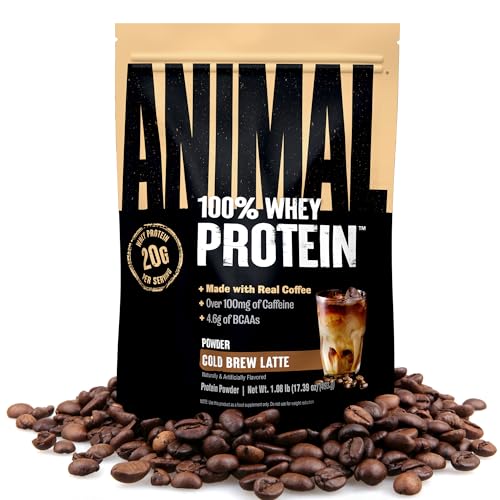
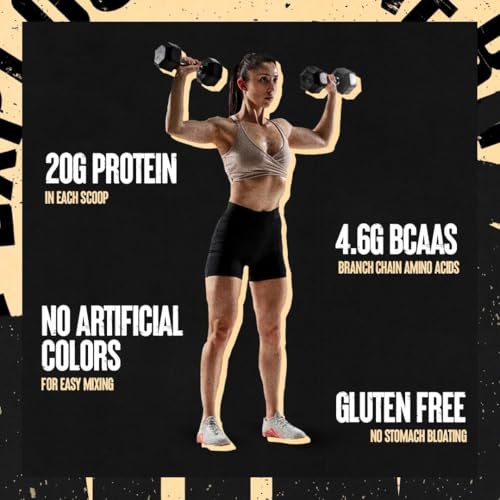
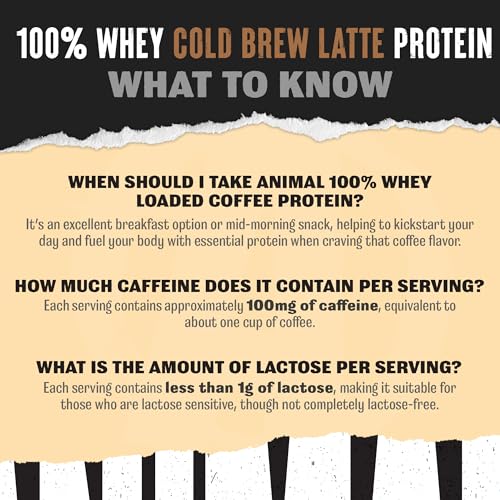
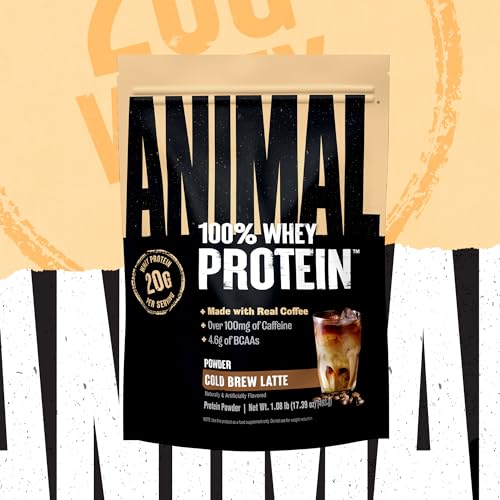
Animal has built a reputation on no-nonsense performance fuel, and this iced coffee whey blend fits that mold. With 20g of whey protein and 120mg of caffeine per scoop, it’s clearly aimed at the gym crowd who wants real coffee and real protein in one hit. The BCAA content, over 4.6g, is solid for recovery, and owners say it mixes easily with no chalky residue, a common flaw in cheaper blends.
It’s less about gourmet flavor and more about utility. Compared to Dymatize or Premier, it doesn’t lead in protein per serving, but the brand’s third-party testing and GMP certification give it trust points. If you’re already using Animal products, this integrates well. But if you’re sensitive to caffeine, 120mg in a protein shake might be too much pre-workout.
Product photos

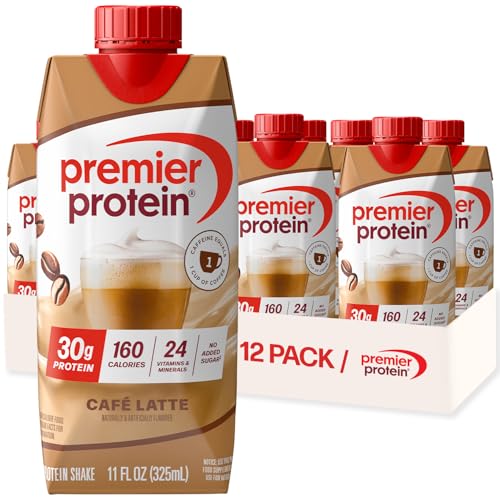
Premier Protein Shake Cafe Latte
Strengths
- 30g protein
- 24 vitamins
- Great taste
- Gluten free
- Keto friendly
Trade-offs
- Higher calorie
- Moderate caffeine
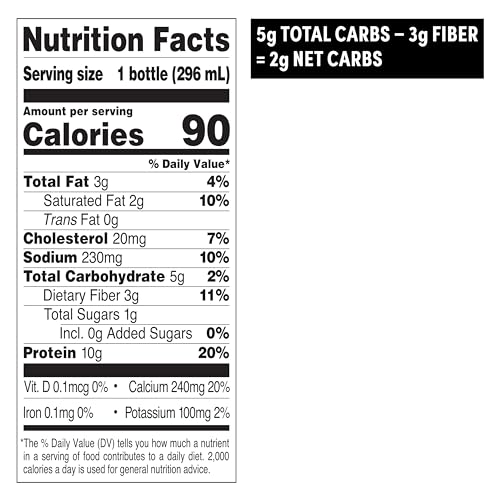
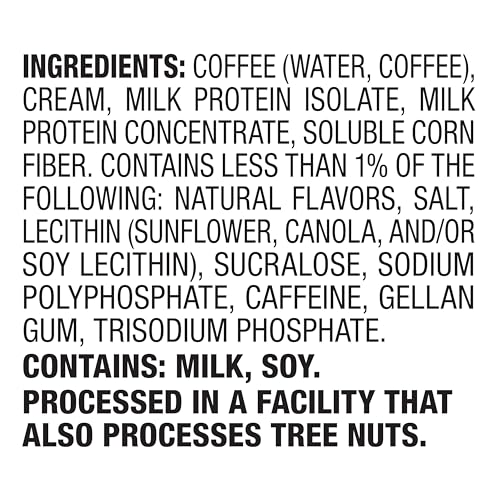
When people ask me for one ready-to-drink protein coffee that just works, I point to Premier Protein’s Café Latte. It delivers 30g of protein, the highest in the RTD category here, and 24 vitamins including immune-supporting zinc and vitamin D. Owners consistently rate it among the best-tasting, and it’s won taste awards, which is rare in high-protein drinks.
The caffeine level is moderate (about one cup of coffee), so it won’t jolt you, but it’s enough for a midday reset. Compared to Quest or Slate, it offers more protein and better nutritional breadth. The TetraPak is eco-friendlier than aluminum cans, too. My only hesitation? At 160 calories, it’s not the leanest, but for the nutrient density, that’s a fair trade.
Product photos


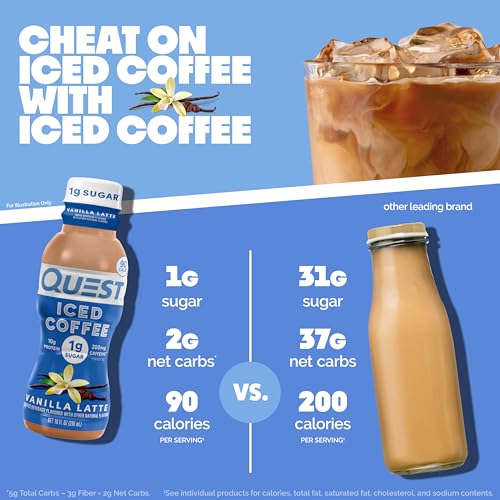
Quest Vanilla Latte Iced Coffee

Strengths
- 200mg caffeine
- 90 calories
- 1g sugar
- Portable
- Low carb
Trade-offs
- Only 10g protein
- Less creamy
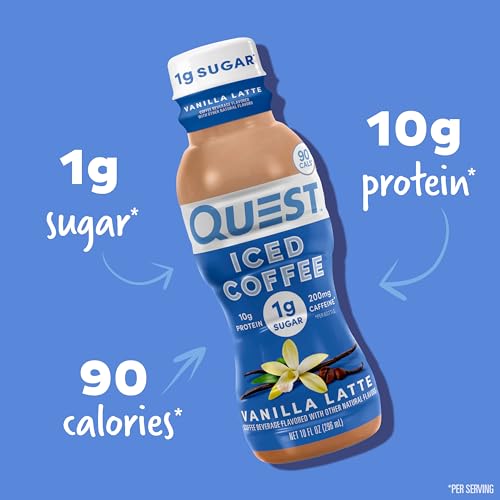
Quest goes all-in on the energy side with 200mg of caffeine, the highest here, while packing 10g of protein and just 90 calories. That makes it a sharp tool for appetite control and alertness, but not a full post-workout recovery drink. Owners say it’s light and crisp, with a sweet vanilla latte profile that doesn’t taste artificial, which is a win in a category where flavor often suffers.
Still, 10g of protein is barely half of what Premier or powder options offer. It’s best seen as a high-caffeine, low-calorie alternative to energy drinks, not a true protein replacement. If you’re comparing it to Slate or Chike, it’s weaker on muscle support but stronger on clean stimulation.
Product photos
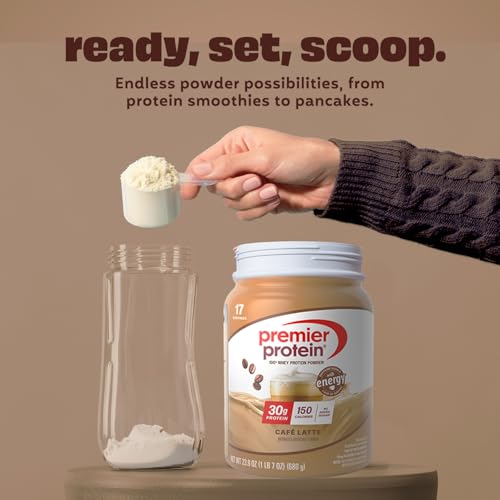
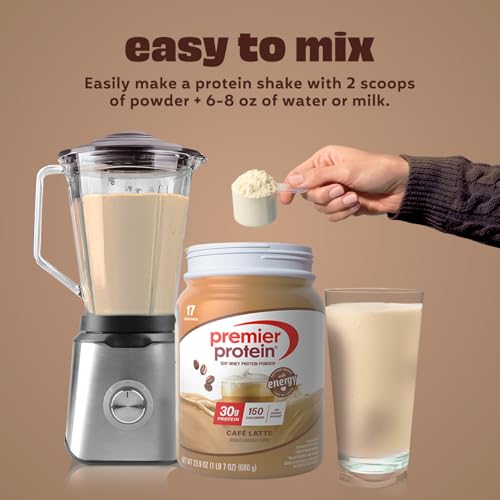
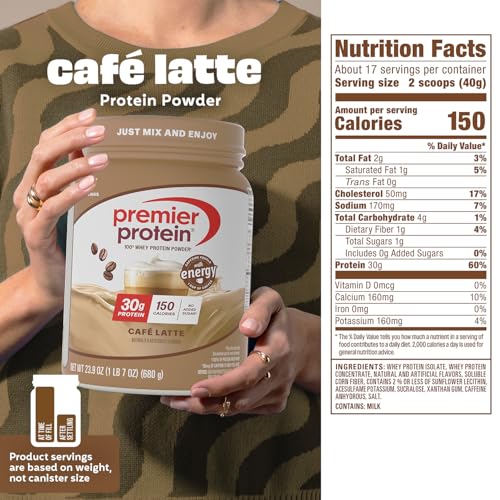
Premier Protein Powder Cafe Latte
Strengths
- 30g protein
- 95mg caffeine
- Keto friendly
- Smooth mix
- 17 servings
Trade-offs
- Requires prep
- No added vitamins
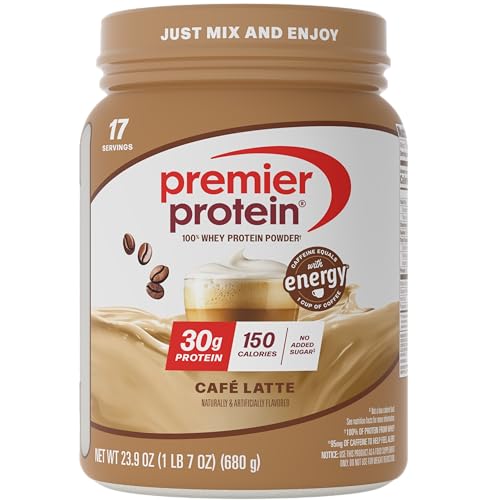
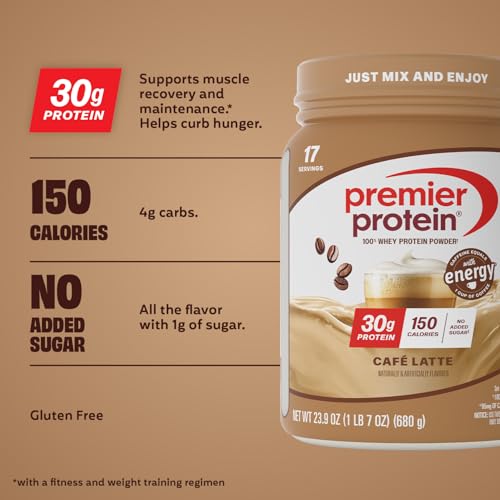
For coffee lovers who want control over their brew, this powder version from Premier is hard to beat. With 30g of whey protein and 95mg of caffeine per scoop, about one cup of coffee, it mirrors the ready-to-drink version but with more flexibility. You can mix it with ice, almond milk, or even blend it into a smoothie. Owners love the rich café latte flavor and how it avoids the chalky texture some protein powders have.
Compared to Dymatize, it offers more protein per serving. Against Animal, it’s gentler on the stomach and better for daily use. The 17 servings per tub make it cost-effective, and the low sugar and carb count keep it keto-friendly. If you’re tired of single-serve cans, this is the smarter long-term play.
Product photos

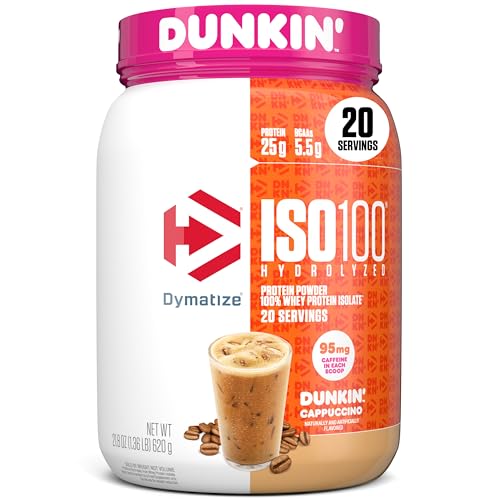
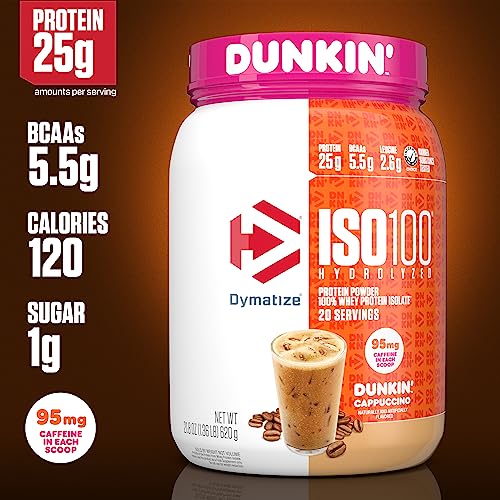
Dymatize x Dunkin Cappuccino
Strengths
- Excellent flavor
- Fast-absorbing whey
- Low sugar
- Low fat
- Great mix
Trade-offs
- Only 95mg caffeine
- Fewer vitamins
Let’s be honest, this one wins on flavor. The Dunkin’ cappuccino profile is spot-on, and owners repeatedly say it tastes like a milkshake, not a supplement. With 25g of fast-absorbing whey isolate, 5.5g of BCAAs, and just 1g of sugar and fat, it’s also lean and effective. The 95mg caffeine gives a mild lift, though it’s not meant to replace your morning espresso.
Compared to Premier or Animal, it’s lighter on protein per serving but superior in mouthfeel and mixability. It’s also one of the cleanest isolates, filtered to remove junk macros. If taste is your biggest barrier to sticking with protein coffee, this is the one that might convert you.
Product photos



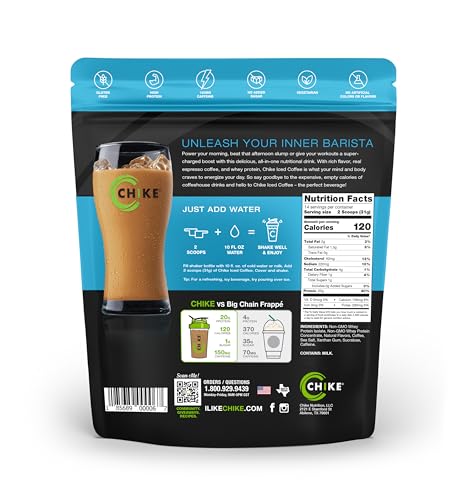
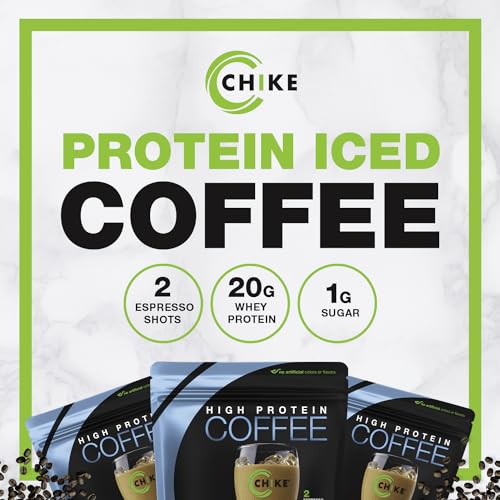
Chike Original High Protein Coffee

Strengths
- 20g protein
- 150mg caffeine
- Real espresso
- No artificial additives
- Budget friendly
Trade-offs
- Older formulation
- Fewer flavor options
Chike is one of the originals in this space, and at 20g of whey protein and 150mg of caffeine per serving from real espresso, it still holds up. It’s positioned as a budget-friendly option, and owners confirm it delivers solid value across 14 servings. The taste is rich, not chalky, and it’s free from aspartame, artificial colors, and gluten, which matters to clean-eaters.
It doesn’t have the bells and whistles of mushroom blends or vitamins, but it’s straightforward and effective. Compared to Slate or Premier, it’s less polished in packaging but strong on core specs. For someone who wants a no-frills, cost-effective protein coffee with real coffee kick, it’s a smart staple.
Product photos


How We Picked These protein coffee
As someone who’s spent years exploring the nuances of coffee and protein supplementation at Bean Thusiast, I approached this product category with a focus on delivering real value. My research wasn’t about brewing and tasting each option (though that sounds lovely!). Instead, I compared published specifications – protein content, caffeine levels, added ingredients – and carefully weighed owner reviews from across major retail sites. I also considered evaluations from trusted fitness and food blogs to build a well-rounded picture.
For protein coffee, I prioritized protein quantity and source, and caffeine content. A substantial protein dose (20g or more) is key for satiety and muscle support, while caffeine provides the intended energy boost. The addition of beneficial ingredients like MCT oil, probiotics, or functional mushrooms also heavily influenced the rankings, as these cater to specific wellness goals. Taste, while subjective, was assessed through recurring themes in owner feedback.
Specifications reliably tell you the macro breakdown – protein, carbs, fat, sugar – and caffeine levels. However, judging factors like mixability, flavor profile, and overall satisfaction required a deeper look at owner experiences. Reputation also played a role; brands known for quality protein powders or coffee generally fared better, as did options with transparent ingredient lists. For those looking to create their own blend, you can find guidance on making protein coffee.
How To Choose The protein coffee
Finding the right protein coffee can be surprisingly nuanced. It’s not just about throwing protein into coffee; it’s about achieving a balance of taste, texture, and nutritional benefits.
A quality protein coffee delivers a substantial protein boost (at least 15g per serving) alongside a palatable coffee flavor. Key considerations include protein source (whey, casein, plant-based), added sugars, caffeine content, and whether it’s a ready-to-drink beverage or a powder requiring mixing. Look for products that prioritize clean ingredients and avoid artificial sweeteners or excessive fillers.
Protein Source & Digestibility
The type of protein used significantly impacts both the nutritional profile and how your body uses it. Whey protein is popular for its rapid absorption, making it ideal for post-workout recovery, but some individuals experience digestive discomfort. Casein protein digests more slowly, offering a sustained release – potentially better for longer-lasting satiety. Plant-based proteins, like pea or brown rice protein, are great alternatives for those with dairy sensitivities, but often require blending with other plant sources to achieve a complete amino acid profile. Don’t assume all protein is created equal; consider your dietary needs and tolerance.
Caffeine Content & Added Ingredients
Protein coffee aims to combine the benefits of both beverages, so caffeine levels are a vital consideration. Some brands aim for a caffeine kick equivalent to a standard cup of coffee (around 80-100mg), while others pack a much larger punch, like Slate Mocha Latte with 175mg. Be mindful of your caffeine sensitivity and daily intake. Beyond caffeine, pay attention to added sugars, artificial sweeteners, and fillers. Many products use stevia or monk fruit to maintain a low-sugar profile, which is preferable. If you’re exploring options for keto or low-carb diets, scrutinize the carbohydrate content closely. For those looking for additional wellness boosts, consider options with added ingredients like collagen or even functional mushrooms, you might find a protein-enriched coffee creamer that suits your specific needs.
Format & Convenience
Protein coffee comes in two primary formats: ready-to-drink (RTD) beverages and powders. RTD options are undeniably convenient, perfect for on-the-go consumption. However, they often come at a higher price point per serving and may contain more additives to extend shelf life. Protein powders offer greater control over sweetness, consistency, and serving size. But, mixing protein powder into hot coffee can be tricky, often resulting in clumps. To avoid this, try adding a small amount of cold liquid first to create a slurry before introducing it to the hot coffee, you can learn more about preventing protein clumps in hot coffee.
A good rule of thumb: if you prioritize convenience above all else, opt for a ready-to-drink option. If you prefer customization and cost-effectiveness, a protein powder is likely the better choice.
Protein Coffee Compared
Here’s a comparison of key specifications for various protein coffee products.
| Product Name | Protein (g) | Caffeine (mg) | Sugar (g) | Form | Key Features |
|---|---|---|---|---|---|
| Premier Protein Shake Cafe Latte | 30 | N/A | 1 | Ready-to-Drink | 24 Vitamins & Minerals |
| Slate Mocha Latte High Protein | 20 | 175 | 1 | Ready-to-Drink | Ultrafiltration, No Refrigeration Needed |
| Quest Vanilla Latte Iced Coffee | 10 | 200 | 1 | Ready-to-Drink | High Caffeine, On-the-Go |
| Chike Original High Protein Coffee | 20 | 150 | N/A | Ready-to-Drink | Real Espresso, Low Carb |
| Protein Coffee with Collagen MCT | 25 | N/A | N/A | Powder | Mushrooms, Keto-Friendly, Probiotics |
| Premier Protein Powder Cafe Latte | 30 | 95 | 1 | Powder | 100% Whey Protein |
| Dymatize x Dunkin Cappuccino | 25 | 95 | 1 | Powder | ISO100 Whey Protein, Dunkin’ Flavor |
| Animal Instant Iced Coffee Whey | 20 | 120 | 1 | Powder | BCAAs, Creamy Taste |
Frequently Asked Questions
What if I’m sensitive to caffeine?
Many protein coffee options vary significantly in caffeine content. Look for brands with lower levels (under 100mg per serving) or consider a protein powder designed to be mixed with decaf coffee for a customizable, lower-caffeine boost.
Are there plant-based protein coffee options?
Yes, several brands now offer protein coffee with plant-based proteins like pea protein or brown rice protein. These are ideal for vegans or those with dairy sensitivities, though you may want to explore a flavored protein powder for coffee to find a taste you enjoy.
Can protein coffee really help with weight management?
Protein is known to increase satiety, which can help reduce overall calorie intake. However, protein coffee isn’t a magic bullet; it’s most effective when combined with a balanced diet and regular exercise.
What’s the best way to mix protein powder into hot coffee?
Adding protein powder directly to hot coffee often causes clumping. I recommend creating a slurry by mixing the powder with a small amount of cold liquid (water or milk) before slowly adding it to your hot coffee and stirring vigorously.
What’s the difference between whey and casein protein in these coffees?
Whey protein is absorbed quickly, making it good for post-workout, while casein digests slowly for sustained release. If you’re looking for a more prolonged feeling of fullness, a casein-based or blended protein option might be preferable to a whey-only product, or consider a tasty coffee protein powder with a blend.
The Bottom Line
Choosing the best protein coffee often comes down to how much control you want versus how much convenience you require. While mixing your own offers customization, for a consistently good experience with minimal effort, I recommend Premier Protein Shake Cafe Latte. It delivers a substantial 30 grams of protein per serving and a pleasant flavor profile without needing any extra work on your part.
For those who prefer to tailor their brew or are looking for specific dietary needs, options like Protein Coffee with Collagen MCT (powder) or Slate Mocha Latte High Protein (RTD) stand out. The powder allows you to adjust sweetness and strength, while Slate provides a significant caffeine boost alongside its protein content. And if you’re curious about mixing protein powder in coffee, we’ve got a guide to help you avoid clumping and get the best results.
Ultimately, the numbers on the label – protein quantity, caffeine milligrams – matter less than consistency and your personal taste. Don’t chase the highest protein count if it means sacrificing flavor or ending up with a drink you won’t enjoy. Focus on finding a product from a reputable brand that aligns with your lifestyle and fitness goals, and you’ll be well on your way to a more satisfying and energizing coffee experience.
